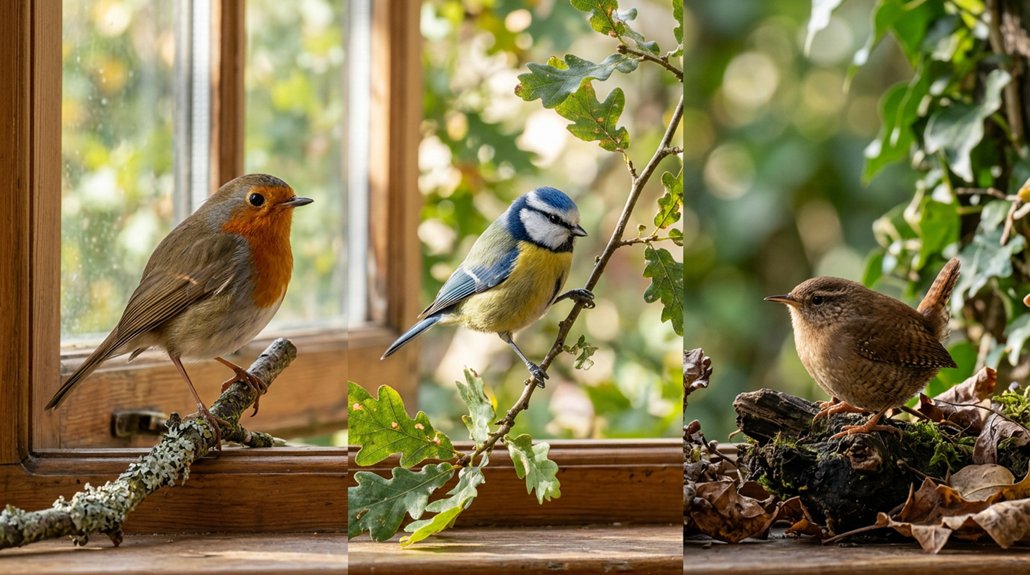
Choose a bird that fits your space, noise tolerance, daily schedule, and long-term commitment. Budgies, doves, and cockatiels suit apartments better than loud macaws or cockatoos, while social parrots need 1–4+ hours of daily contact. If you’re busy, a single quieter species may work; if you want companionship, consider a same-species pair. Also factor in lifespan, care needs, and whether you can provide safe, enriched housing, because the details matter more than you might expect.
Key Takeaways
- Match species to your space: budgies, doves, and cockatiels suit apartments better than loud macaws, amazons, or cockatoos.
- Match social needs to your schedule: most parrots need 1–4+ hours of daily supervised interaction.
- Choose bird size and lifespan wisely: larger parrots need bigger habitats and can require decades of care.
- Factor in upkeep: daily feeding, cleaning, enrichment, and weekly deep-cleaning are essential.
- Buy a healthy, well-socialized bird from a reputable source, then quarantine and arrange an avian exam.
How to Choose a Bird That Fits Your Lifestyle?
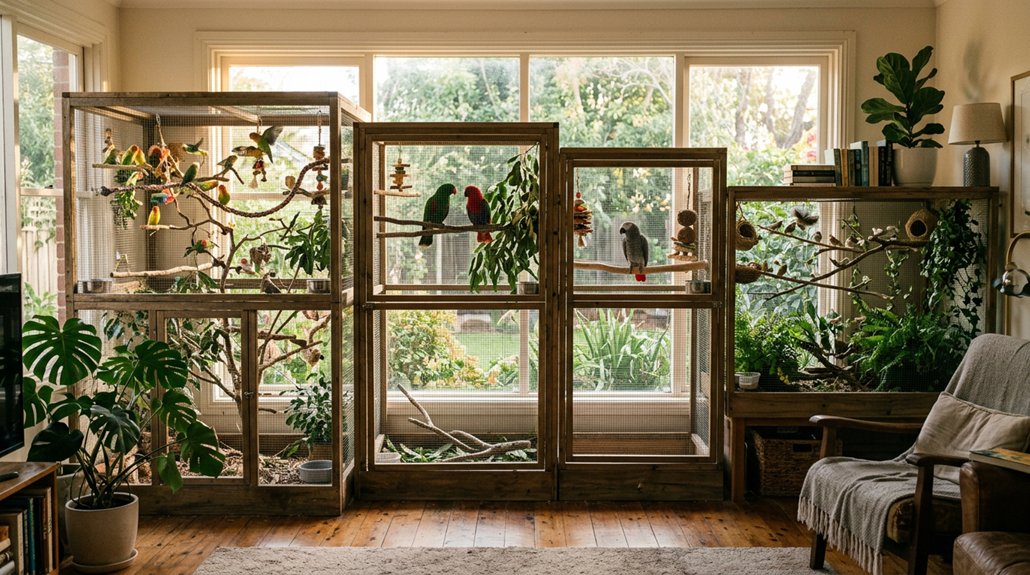
Start by matching the bird’s needs to your daily routine and living space. Evaluate space compatibility first: budgies and doves suit apartments, cockatiels fit moderate rooms, and macaws often exceed close-neighbor noise tolerance because their calls are very loud. Choose a species whose cage can allow full wing extension; larger parrots need proportionally larger habitats and more enrichment. If you’re new to birds, hand-reared budgies or cockatiels are usually easier to handle than some macaws or large conures. Also consider lifespan, because small parakeets may live 7–10 years, cockatiels up to 25, and larger parrots 50–60+ years. Select a bird you can realistically house, clean for, and manage long term, with daily toys and foraging support.
How Much Time Do Pet Birds Need?
You’ll need to budget daily time for direct interaction, because most pet birds require at least 1–2 hours of supervised out-of-cage activity for exercise and mental stimulation. If you’re considering a highly social species, plan for 2–4 or more hours of focused contact each day, while smaller species may need less handling but still need consistent feeding, cleaning, fresh water, and enrichment. Young or hand-reared birds usually demand more training time, so you should commit to at least 30 minutes to an hour of dedicated interaction daily before you choose a bird.
Daily Interaction Needs
Daily interaction is a major part of bird care, because most companion parrots need at least 1–2 hours of supervised out-of-cage time each day, and highly social species such as conures, cockatiels, amazons, and African greys often need several hours to stay mentally healthy and avoid behavior problems. You should plan training schedules around this time, because consistency supports learning and reduces stress. Young, hand-reared birds usually need even more frequent sessions during early socialization, while established adults may tolerate fewer demands. If your routine is busy, budgies or cockatiels may fit better, and paired finches, doves, or some parakeets can need less one-on-one contact. Build in night routines, seasonal adjustments, and noise management so your bird’s interaction needs stay predictable and manageable.
Out-Of-Habitat Time
Once you’ve considered a bird’s interaction needs, the next question is how much supervised time it should spend out of its habitat each day. Most parrots and parakeets need at least 1–2 hours of supervised playtime for exercise and mental stimulation. Social species such as cockatiels and conures often do better with several more hours. Larger, very active birds, including cockatoos, amazons, and macaws, usually require multiple hours outside their habitat to reduce boredom and destructive behavior. Canaries and finches may only need brief supervised sessions or viewing time, but they still need safe flying opportunities. Young, hand-reared birds often need more frequent contact. Before any session, use a room proofing checklist and closely monitor for PTFE fumes, toxic foods, open water, and ceiling fans.
Cleaning And Enrichment
Keeping a bird clean and enriched takes consistent daily attention. You’ll need to clean food and water dishes each day, spot-clean droppings, and perform a full habitat cleaning weekly to lower hygiene problems and respiratory risk. Plan on at least 1–2 hours of supervised out-of-cage activity daily; highly social species may need more. Add 30 minutes for training and social interaction, with extra time on weekends for deep-cleaning and toy maintenance. Rotate several toys, shreddable paper or cardboard, swings, and food puzzles every 1–2 weeks to prevent boredom. Bathing or misting a few times weekly helps maintain feather condition. Monitor for plucking or stress, trim unsafe items, practice toxin avoidance, and adjust seasonal enrichment as needs change.
Which Bird Species Are Best for Apartments?
For apartment living, the best bird species are usually the quiet, small ones, such as budgerigars (parakeets) and finches, since budgies chatter softly and finches vocalize without loud calls. These apartment friendly species fit shared walls better than macaws, amazons, conures, or cockatoos, which can be disruptive. Cockatiels are another practical option: they’re about 12 inches long, comparatively quiet, and often manageable if you can provide 1–2 hours of supervised out-of-cage time each day. You should also match cage size to wing extension and limited flight needs; budgies, lovebirds, and cockatiels require less space than larger parrots. For noise reduction strategies, consider female canaries or doves, and avoid species whose volume could disturb neighbors.
How Social Does Your Bird Need to Be?
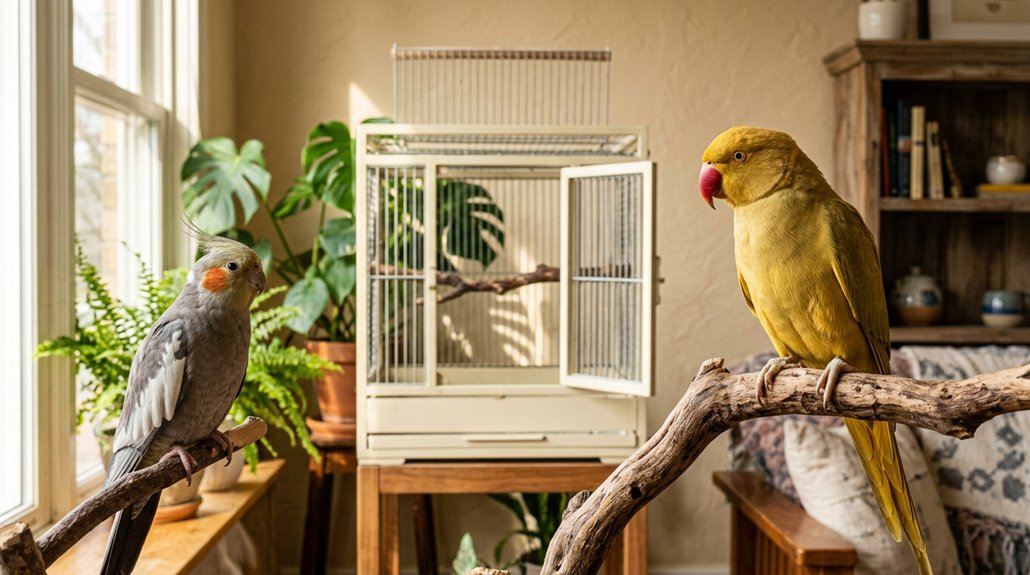
You’ll need to match a bird’s social demands to your daily availability, because some species, like budgies and cockatiels, need only 1–2 hours of interaction, while amazons and African greys need much more. Species also differ in handling needs: finches and canaries tolerate minimal contact, whereas conures and lovebirds usually need frequent interaction and can become stressed if ignored. If you’re considering one bird or a pair, remember that some flocking species do better with a companion, but two birds may bond to each other more than to you.
Species Social Needs
Social compatibility is a major factor when choosing a bird species, because species differ widely in how much daily interaction they need. You should place each species on a temperament spectrum and review communication cues before deciding.
| Species | Social need | Fit |
|---|---|---|
| Budgie | Moderate | Good |
| Cockatiel | Moderate | Good |
| Conure | High | Demanding |
| Finch | Low | Quiet |
| African grey | Very high | Intensive |
If you want a bird that tolerates less direct handling, budgies and cockatiels are practical. If you choose a highly social bird, expect stronger demands for enrichment and social contact. Quieter species like finches, canaries, and doves suit observation-focused owners. Also consider whether you want one bird or a pair, since flock species may bond together. Hand-reared birds usually adapt more readily than parent-raised ones.
Daily Interaction Time
Daily interaction time is the practical measure of a bird’s social needs and should match both species behavior and your schedule. Most companion parrots need 1–2 hours of supervised out-of-cage social time daily; highly social birds like African greys and cockatoos often need several hours. Budgerigars and cockatiels usually do well with 30–60 minutes of focused interaction plus ambient human presence. Finches and canaries generally tolerate observation and an enrichment schedule better than prolonged handling. If you work long hours, choose lower-social-need species or arrange professional care, because birds can become stressed when chronically alone. Watch behavioral cues such as calling, feather picking, or withdrawal; they often indicate insufficient contact. Hand-reared birds may adapt faster, while older birds may need weeks of consistent daily attention.
One Bird Or Pair
Whether a bird should live alone or with a companion depends on its species-specific social needs and on how much daily interaction you can reliably provide. If you choose a flock species, such as budgies or doves, a pair or small group often reduces loneliness and improves behavioral enrichment. However, the birds may bond primarily with each other, so your handling role can decrease. Some cockatiels and larger parrots can do well singly if you can offer at least 1–2 hours of focused contact, training, and out-of-cage time each day. A pair needs extra space, duplicate food and water stations, and more toys to limit competition. Same-species pairs usually fare best. Because introduction can trigger aggression, quarantine new birds, acclimate cages visually, and supervise first meetings. This is a long term commitment.
Should You Get One Bird or a Pair?
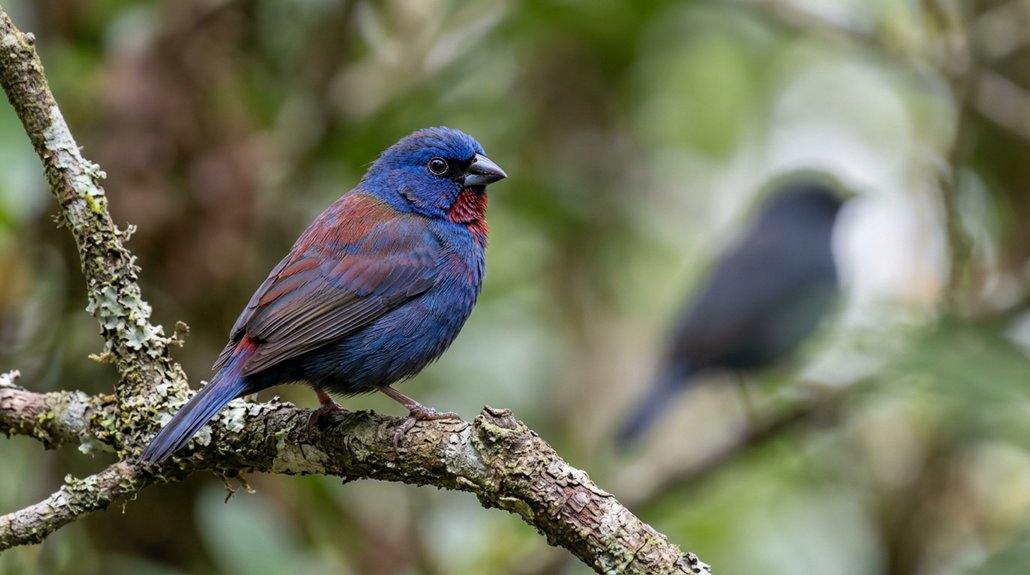
A bird’s social needs should guide whether you choose one bird or a pair. If you select a pair, evaluate bonding dynamics, space requirements, and species temperament first. Many flock species, such as budgies or doves, may be calmer in pairs, but they can bond to each other instead of you, reducing tameness and vocal interaction. Pairs also need extra dishes, toys, and monitoring for dominance or resource guarding; introduce them from separate cages and supervise initial contact. If you choose one bird, plan for at least 1–2 hours of daily direct interaction to prevent loneliness, screaming, or feather plucking. Quieter species, including canaries and finches, often do fine alone. Highly social parrots usually need a companion or very attentive owners.
Young Bird or Older Bird: Which Is Better?
Young birds are usually easier to socialize and train, so they’re often better if you want a strong bond or plan to teach tricks, but they also need intensive, consistent handling during early development. This early imprinting can shape trust, but it also means you must invest daily time and patience. Older birds may already be quieter or trained, and they can fit you better if you don’t have hours for routine socialization. However, they may show biting, screaming, fear, or behavioral regression when stressed, and their medical history may be incomplete. Regardless of age, schedule a veterinary exam. If you choose a young parrot, remember that you’re accepting decades of care, so assess your long-term commitment before deciding.
Hand-Fed vs. Parent-Raised Birds: What’s the Difference?
Hand-fed birds are raised by humans from a very early age, which often makes them more socialized, easier to handle, and quicker to bond with you than parent-raised birds. Your choice should reflect your experience, time, and training goals.
- Hand-fed: Typically calmer, more people-oriented, and faster to accept handling, food, and simple training.
- Parent-raised: Often more cautious at first; they may need gradual taming but can keep stronger species-typical behaviors.
- Risk factors: Poor weaning practices or weak breeder transparency can create nutritional or behavioral problems, especially with early imprinting and behavioral imprinting.
- Best fit: If you’re new, hand-fed birds may suit you; if you want a slower, training-focused process, parent-raised birds can work well.
How to Pick a Healthy Pet Bird?
When choosing a pet bird, you should look for clear, bright eyes, sleek feathers without bald patches, clean nostrils, and an alert, active demeanor; dull eyes, fluffed plumage, lethargy, or respiratory noise can signal illness. Next, inspect the feet and legs: scales should be smooth, unbroken, and free of swelling or missing claws. Check the vent for cleanliness and note droppings; normal coloration supports good avian hygiene, while lime green or other abnormal colors need prompt veterinary review. You should also assess nutritional indicators, including steady appetite, normal vocalization, and an engaged response to handling. Ask for the bird’s age, diet, medical history, and breeder identification or leg band data. Prefer hand-reared young birds. After purchase, quarantine the bird and arrange an immediate avian exam.
Frequently Asked Questions
What Is the 3 3 3 Rule for Birds?
The 3-3-3 rule for birds is a training timeline: 3 days for stress and settling, 3 weeks for trust and behavioral milestones, and 3 months for stable personality, bonding, and training progress.
How to Choose the Right Bird for You?
You’ll want a bird that fits your space requirements, noise tolerance, and daily interaction time. Check social compatibility, lifespan, and allergy risks, then choose a species whose care you can sustain long-term.
What Are the 5 S’s of Birding?
The 5 S’s of birding are sight, sound, season, species, and site; you’ll use avian behavior and habitat preferences to identify birds, track patterns, and improve your field observations.
What Are the Best Bird Species for Beginners?
Budgerigars and cockatiels’re the best beginner birds; budgerigar care is simple, while cockatiel behavior is gentle and trainable. Finches and canaries suit low-handling homes. Avoid large parrots, since they’re costly, loud, and demanding.
Conclusion
Choosing the right bird species means matching its needs to your daily life. You’ll want to picture the rhythm of wings, the quiet rustle of feathers, and the bright alert eyes of a bird that feels secure in your home. Consider time, space, social demand, age, and health before you decide. When you choose carefully, you’re more likely to bring home a companion that thrives, and a relationship that stays calm, healthy, and lasting.