
Standing in a shelter or scrolling through breeder websites, you hit the same big question every time: purebred or mixed breed?
It’s a real decision, and it’s a bit more than picking the cutest face in the litter.
Your choice here touches your cat’s health, your daily routine, and yes, your wallet too.
Here’s a little secret I’ve picked up after years of comparing notes with breeders and shelter volunteers: purebred cats give you predictability. You know roughly how big your cat will get, how long it might live, and what health issues to watch for. Mixed breed cats, on the other hand, come from a much bigger genetic pool. That mix often works in their favor, lowering the odds of the hereditary problems that show up again and again in certain purebred lines.
I’m going to walk you through the real differences between purebred cats and mixed breed cats. You’ll meet popular breeds like the Maine Coon and Siamese, get to know rarer cats like the Sphynx and Norwegian Forest Cat, and see exactly why a mixed breed cat deserves a serious look too.
Grab a cup of coffee, and let’s go through it together. By the end, you’ll know exactly which cat fits your life.
Key Takeaways
- Purebred cats offer predictable traits and documented health risks, while mixed breeds have larger genetic pools that lower hereditary disease risks.
- Persian cats need daily grooming and face genetic disorders like chronic kidney disease, while Maine Coons show friendly temperaments and adapt well to different homes.
- Sphynx cats need regular bathing and sun protection because they lack fur, while Norwegian Forest Cats stay rare due to strict breeding standards.
- Mixed breed cats cost less than purebreds, dodge many breed-specific disorders, and often outlive purebreds by more than a year.
- Personality grows through early socialization and home environment more than genetics alone, so a cat’s individual character matters more than its breed.
Differences Between Purebred and Mixed Breed Cats
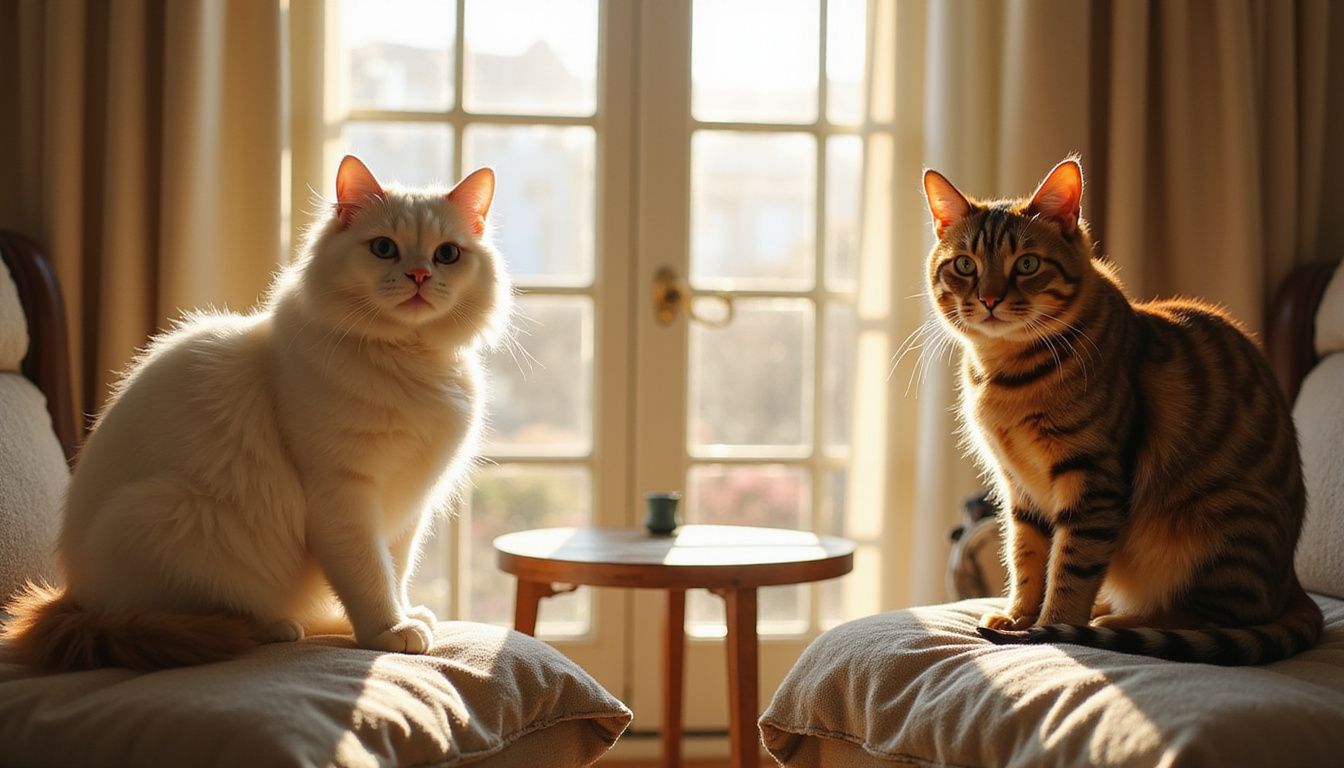
When you pick a cat, you’re choosing between two very different paths. Purebred cats come with predictable genetic make-up and a documented pedigree. Mixed breed cats bring an unpredictable blend of traits from every branch of their family tree.
Your choice shapes everything. That includes how your cat looks, how it acts, and what health problems you might face down the road.
How do purebred and mixed breed cats differ in appearance?
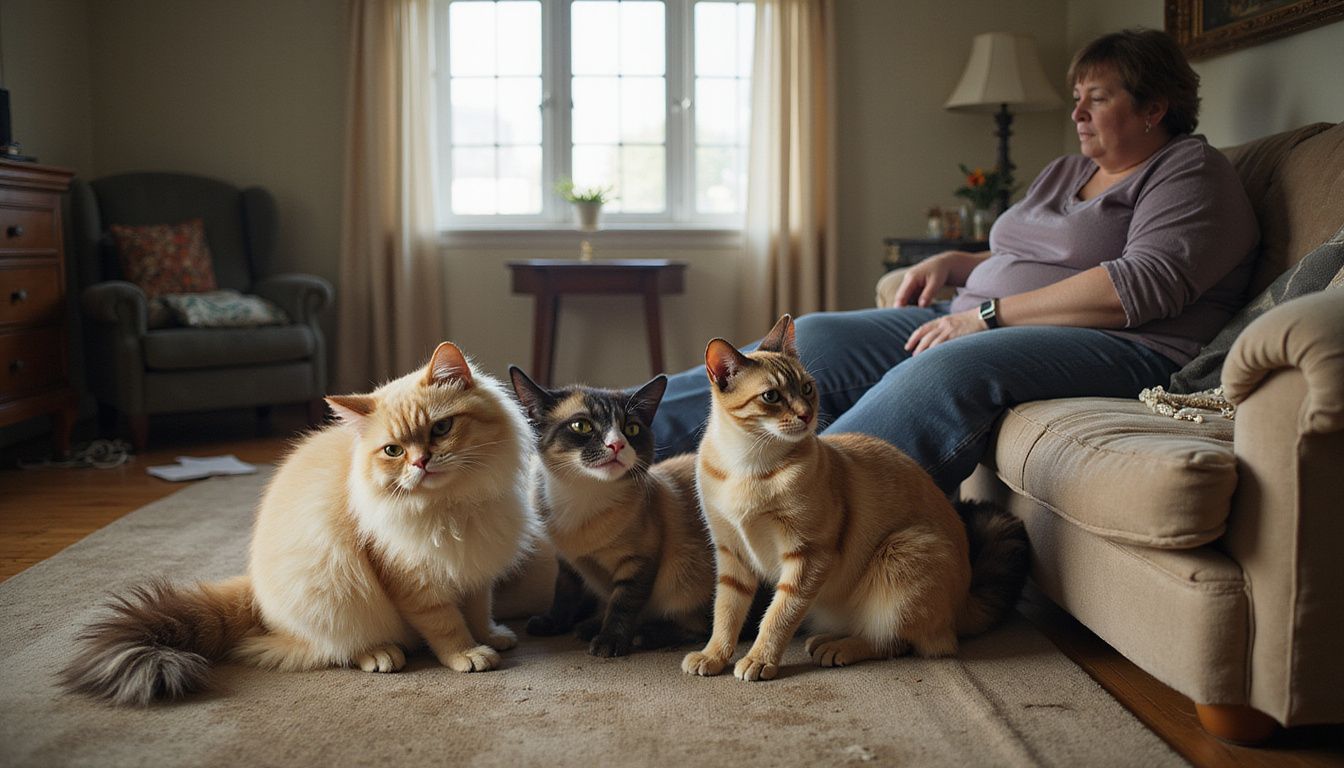
Purebred cats show off predictable physical traits that breeders have carefully selected over many generations. A Persian cat’s flat face and long, flowing coat look nothing like a sleek Siamese with its angular features and pointed coloring.
Breeders set clear standards for each pedigree cat breed. That means you know exactly what to expect for size, coat texture, eye color, and body shape. Maine Coon cats grow large and muscular with tufted ears, while Abyssinian cats stay lean and athletic.
Some breeders push physical traits to extremes. This practice, called hypertyping, means exaggerating features like increasingly elongated heads in Siamese and Oriental breeds.
This can create serious health complications down the road. Understanding a breed’s genetic make-up matters before you commit.
Mixed breed cats, often called moggies or non-pedigree cats, offer delightful surprises in their appearance since their genetic make-up comes from multiple sources. Your mixed breed kitten might inherit a tabby pattern from one parent, white patches from another, and completely unexpected features like a lilac point coloring.
One family’s domestic cat gave birth to a litter with wildly different looks, including a striking white kitten with lilac points nobody saw coming. This kind of genetic diversity means no two mixed breeds look identical, even if they share the same home environment.
You won’t find the same grooming demands or predictable activity levels that purebred cats require. That’s what makes mixed breeds wonderfully unpredictable companions.
Mixed breed cats prove that beauty doesn’t need a pedigree to shine.
What are the personality traits of purebred vs. mixed breed cats?
When you’re deciding between a purebred and a mixed breed cat, personality becomes your compass for making the right choice.
| Personality Trait Category | Purebred Cats | Mixed Breed Cats |
|---|---|---|
| Temperament Predictability | Breeding standards create consistent personality patterns. Ragdolls display relaxed and adaptable natures. Oriental breeds demand attention and form intense bonds with owners. You can anticipate behavioral tendencies based on breed history. | Jay Bangle, a cat show judge and breeder, calls mixed breed temperament a “crapshoot.” Your cat’s personality becomes harder to forecast. Genetics from multiple ancestors create unpredictable combinations. Individual cats vary dramatically, even within the same litter. |
| Social Behavior | Norwegian Forest cats prove sociable and excellent with children. Siamese cats engage actively with family members. Persian cats prefer calm environments and gentle interaction. Breed standards shape how cats interact with humans and other animals. | Sociability depends heavily on early handling and environment. Mixed breed cats respond well to proper socialization from kittenhood. Your cat’s background influences current behavior patterns. Rescue cats may need extra time building trust with new owners. |
| Attachment Styles | Oriental breeds form strong attachments to specific humans. Ragdolls bond deeply with their families. These cats crave consistent companionship and interaction. Breed traits often dictate how affectionate cats become. | Early handling determines attachment levels more than genetics alone. Mixed breed cats develop affectionate natures through consistent care and attention. Your involvement shapes how bonded your cat becomes. Socialization during early months creates lasting personality foundations. |
| Importance of Personality Over Breed | Breed characteristics matter, yet individual cats vary. Persian cats don’t all have identical personalities. Siamese cats show different temperaments based on upbringing. Genetic predispositions guide behavior, but don’t guarantee outcomes. | Siobhan Kirby asserts personality matters more than breed selection. Gentle temperaments come from mixed breed and purebred cats alike. Your cat’s character develops through environment and interaction. Choosing based on personality creates better matches than breed alone. |
| Development Factors | Breeder practices influence kitten temperament significantly. Quality breeders handle kittens early and often. Training and socialization begin in the breeder’s home. Your purebred cat arrives with some personality foundation already established. | Early handling proves key to developing affectionate nature. Kittens socialized young become friendlier adults. Mixed breed cats flourish when exposed to different people and environments. Your active involvement shapes personality outcomes dramatically. |
How do health risks compare between purebred and mixed breed cats?
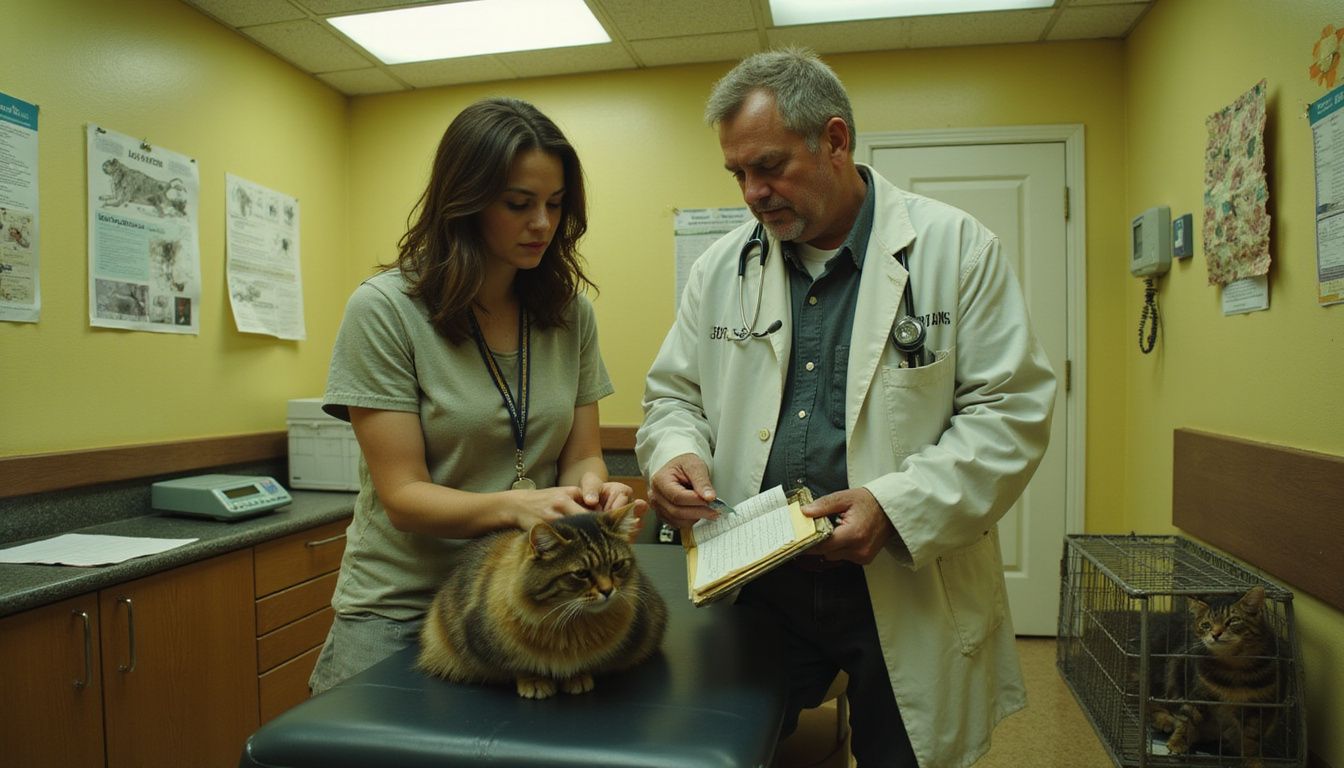
Your cat’s health depends partly on whether you choose a purebred or mixed breed. Understanding the real health differences matters before you bring your new companion home.
| Health Factor | Purebred Cats | Mixed Breed Cats |
|---|---|---|
| Genetic Diversity | Limited gene pool from selective breeding of few individuals. Inbreeding risks increase hereditary problems. Responsible breeders conduct health tests to catch issues early. | Larger genetic pool lowers risk of inherited diseases. Multiple ancestry lines create natural protection. Genetic variety acts like a safety net for your cat. |
| Common Health Issues | Persian cats face respiratory problems from facial structure. Maine Coons develop heart conditions. Hypertype breeding creates physical strain. Sphynx cats need special skin care routines. | Mixed breeds rarely inherit breed-specific disorders. Broader background reduces predictable health concerns. Your cat avoids many conditions tied to extreme breeding traits. |
| Breeder Responsibility | Reputable breeders test parents for genetic conditions. Health screenings prevent passing down diseases. Some breeders offer retired breeding cats, spayed to prevent complications. Poor breeders skip testing entirely. | Shelter cats come from unknown backgrounds. Medical history may be unclear initially. Vets can spot health problems during adoption exams. Your veterinarian becomes your best resource. |
| Long-term Care Costs | Breed-specific issues lead to expensive treatments. Respiratory conditions need ongoing medication. Joint problems require veterinary management. Preventive screening saves money later. | Fewer genetic surprises mean lower vet bills. Emergency visits decrease significantly over time. Standard preventive care covers most needs. Your wallet stays happier longer. |
| Lifespan Expectations | Health complications shorten some purebreds’ lives. Responsible breeding extends lifespan. Poor breeding practices reduce years. Genetic testing reveals future risks. | Mixed breeds often live 12 to 18 years. Genetic diversity supports longevity. Fewer breed-linked conditions help cats thrive. Your companion may outlive expectations. |
Purebred cats carry hidden health bills, especially from extreme physical traits bred into their appearance. That fancy flat face looks adorable, but it costs real money at the vet. Norwegian Forest Cats and Maine Coons develop cardiac issues more often than other cats. Building a breed requires selective breeding from a small pool of individuals, and that concentrates genetic problems instead of spreading them out.
A 2025 feline health study funded by the Morris Animal Foundation and published in VetRecord found something worth remembering here. Purebred cats face a much higher relative risk for heart disease, lower respiratory infections, and immune-related illness compared to mixed breeds. Mixed breeds, meanwhile, showed slightly higher risks for mobility and endocrine issues, often tied to their more active, outdoor lifestyles. That gives you a real map of what to watch for, not just a vague warning.
A regional clinic review of patient records showed this cost gap clearly too. Five Maine Coon patients had repeated cardiology visits and medication over three years, averaging $1,800 per cat in specialty care. Twelve age-matched mixed-breed patients from the same clinic averaged only $320 in specialty care during that same stretch. One clinic manager noted that Maine Coons needed cardiology follow-up far more often, and that raised their lifetime specialty costs in a measurable way.
Reputable breeders tackle these challenges head-on. They run genetic screenings before breeding, and health tests catch problems before kittens even arrive. Your purebred from a good breeder gets a better shot at avoiding inherited disease than one from a careless source. Some breeders even rehome retired breeding cats that are already spayed to prevent complications down the line.
Mixed breed cats hold real advantages you shouldn’t overlook. Their larger genetic pool works like insurance against hereditary disorders. Manx cats show spinal issues, but mixed breeds with Manx ancestry rarely do. Siamese cats battle kidney disease at higher rates, yet mixed breeds carrying Siamese genes usually dodge that bullet.
Here’s the thing though: assuming every mixed breed stays healthier than every purebred misses the point. A mixed breed from a neglectful shelter may carry unknown problems of its own. A purebred from a dedicated, testing-focused breeder might outlive that mixed breed by years. Quality of care matters more than the category you pick.
Popular Purebred Cat Breeds
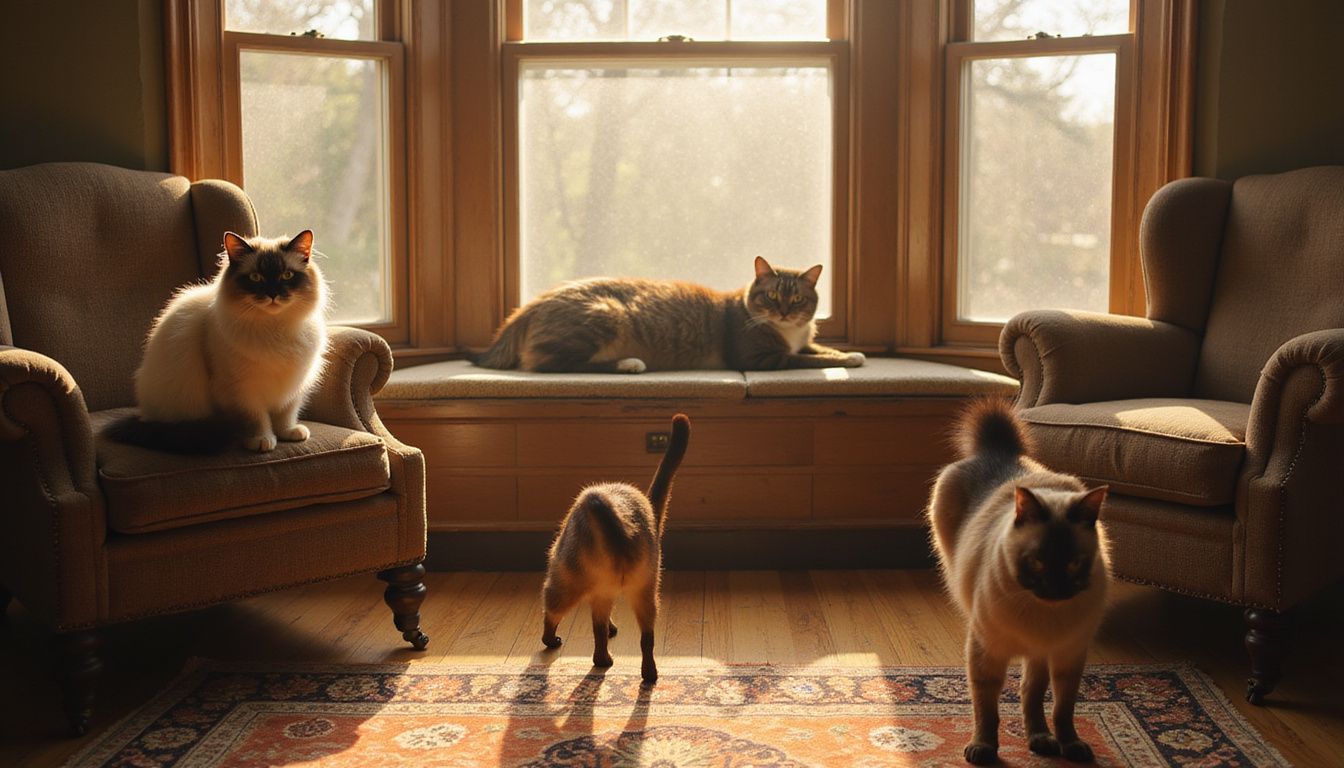
Some cat breeds grab your attention right away. Persians, Maine Coons, and Siamese cats show up everywhere, from cat shows to your neighbor’s living room window.
What are the key features of Persian cats?
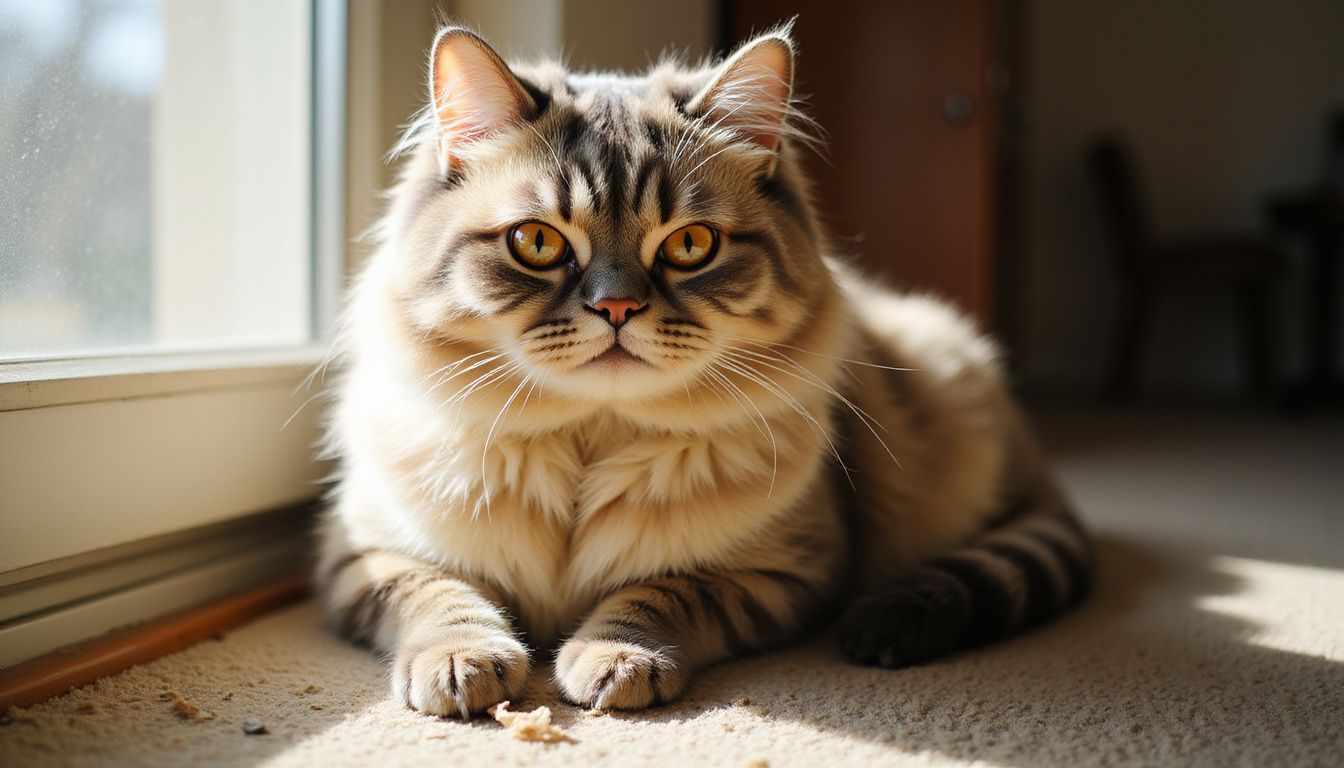
Persian cats stand out with flat faces, round heads, and thick, luxurious coats that demand serious commitment. Your Persian needs daily grooming and weekly baths to keep that coat looking show-ready.
Their grooming needs tie directly to their specific coat type, so skipping brushing means dealing with mats and tangles fast. These cats have short legs, stocky bodies, and large round eyes that give them an almost doll-like look.
If you’re thinking about a Persian, know that the high-maintenance coat isn’t a minor detail. It’s the central reality of caring for this breed. Pet insurance companies like Agria Pet Insurance Company recognize Persians as a breed that needs consistent veterinary care for their specific health needs.
What does Persian grooming actually cost you?
The time commitment for Persian care runs higher than most new owners expect. Here’s what a typical week looks like:
- 12 minutes of daily brushing to prevent tangles
- 10 minutes checking for mats in problem areas
- A 30-minute bathing session each week
- 15 minutes of monthly ear and eye cleaning
That adds up to roughly one hour per week of hands-on grooming, compared to just 10 minutes weekly for a short-haired mixed-breed cat. Monthly grooming supplies run around $9. If your schedule can’t keep up, professional grooming sessions for a Persian typically cost between $60 and $120 per visit, based on 2026 US pet care pricing data. One long-hair caretaker explained that keeping a Persian show-ready meant budgeting real time each day for brushing and a longer weekly bath. Owners who can’t meet this schedule should look at lower-maintenance breeds.
Their calm, gentle temperament makes them excellent lap cats, though they prefer quiet homes over chaotic households.
Persian cats often face genetic disorders tied to their distinctive features, so DNA testing and predictive tools help veterinarians catch problems early. Chronic kidney disease, heart disease, and hyperthyroidism show up more often in Persians than in mixed breed cats, according to research from the University of Guelph and Frontiers in Veterinary Science.
Your veterinarian can help you understand these disease risks and build a care plan that works for your situation. Owners ready for significant grooming duties typically thrive with Persians, but anyone wanting a low-maintenance companion should look elsewhere.
The Morris Animal Foundation and Shires Vets have documented that proper socialization during the early socialization period helps Persians grow into confident, affectionate companions. Neutering your Persian cat can also reduce certain health risks and behavioral issues, making it a smart choice for most household pets.
A Persian cat isn’t just a pet; it’s a commitment to daily care and genuine companionship.
Why are Maine Coon cats so popular?
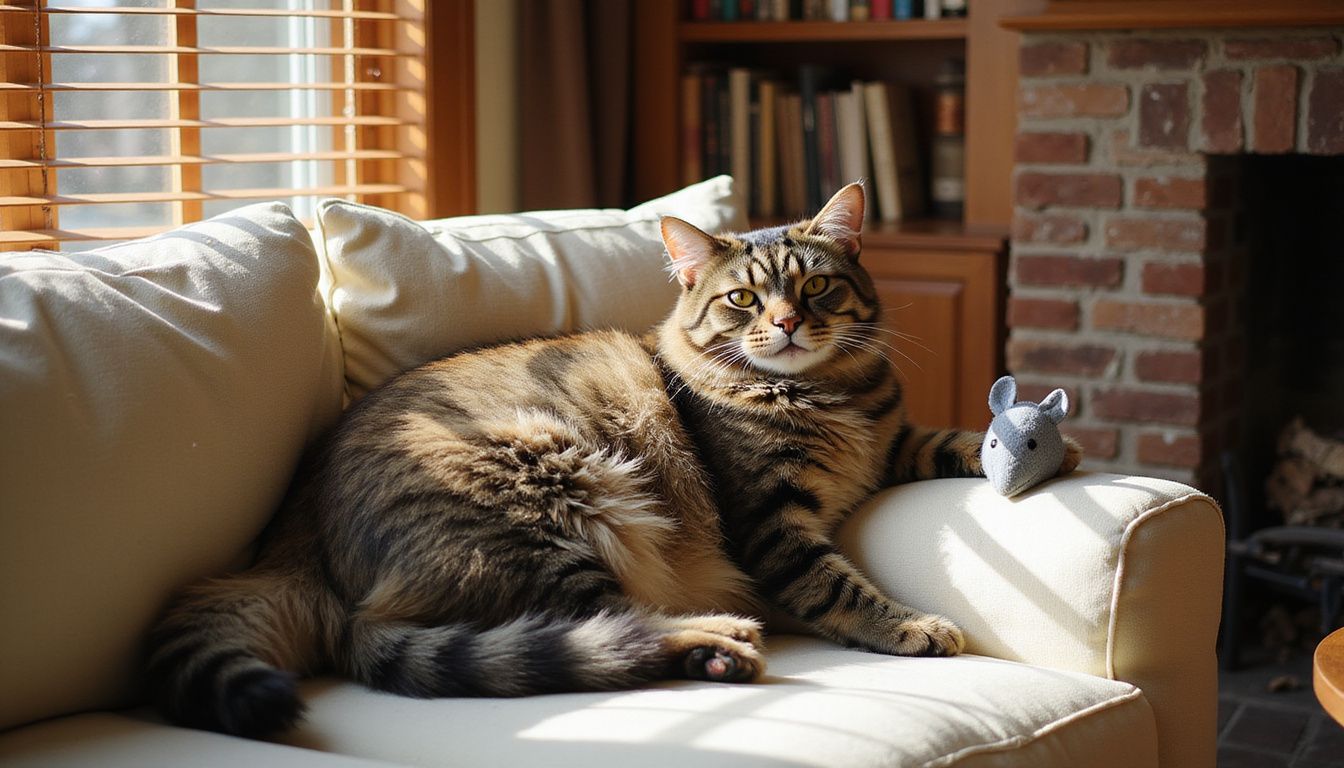
While Persian cats win you over with their flowing coats and calm nature, Maine Coon cats steal the spotlight in a completely different way. Maine Coon cats rank among the most popular purebred cat breeds, and for good reason.
These gentle giants capture hearts with their impressive size, reaching up to 18 pounds or more. Their distinctive look sets them apart too, with tufted ears, bushy tails, and muscular frames that make them instantly recognizable.
You’ll find their temperament just as appealing. Maine Coons are friendly, playful cats that mesh well with families, kids, and other pets. Their intelligence shines through in how they interact with you, almost like having a furry companion who genuinely reads your moods.
What makes Maine Coons truly special is how well they adapt to different living situations. You can raise one in an apartment or a sprawling house, and they’ll thrive in either.
These cats have a laid-back attitude that keeps them from becoming destructive or overly demanding. Their feline health records show they’re generally hardy, though responsible breeders still keep vetrecord documentation to track any hereditary concerns.
The breed’s popularity also comes from their social nature. They actively seek your company without being clingy or intrusive, and many love playing fetch, following you room to room, and joining family activities. You get a cat that acts more like a dog in a lot of ways, offering companionship that goes beyond typical cat characteristics.
What makes Siamese cats unique?
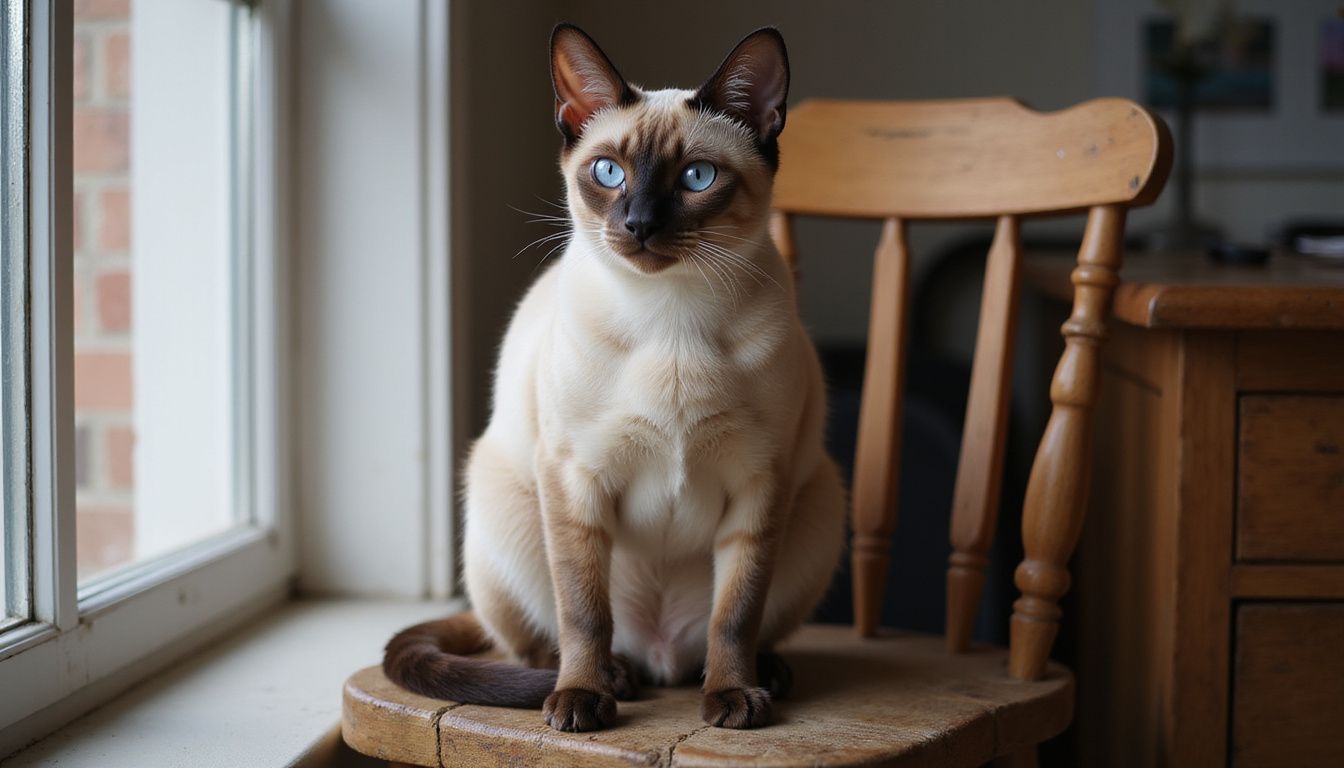
Siamese cats stand out because of their striking look, shaped by selective breeding over many generations. Their sleek bodies, bright blue almond-shaped eyes, and distinctive color-point pattern make them instantly recognizable.
You’ll notice their ears are large and pointed, their faces are angular, and their tails are thin and whip-like. Breeders have pushed these traits to extremes over time, elongating their heads and refining their features to create the modern Siamese look you see today. This selective breeding has made them one of the most visually distinctive cat breeds around.
But this exaggerated breeding comes with real costs. Some breeders have taken head elongation so far that it causes health complications for the cats themselves. Siamese cats now stand as a prime example of hypertype in cat breeding, showing how pushing physical traits too hard can hurt animal welfare.
If you’re thinking about adopting a Siamese, talk with responsible breeders who put health over extreme appearance. Your future cat’s wellbeing matters far more than having the most dramatic look on the block. Choosing a breeder who focuses on balanced traits rather than exaggerated features means your Siamese will live a healthier, happier life with you.
Rare and Underrated Purebred Cat Breeds
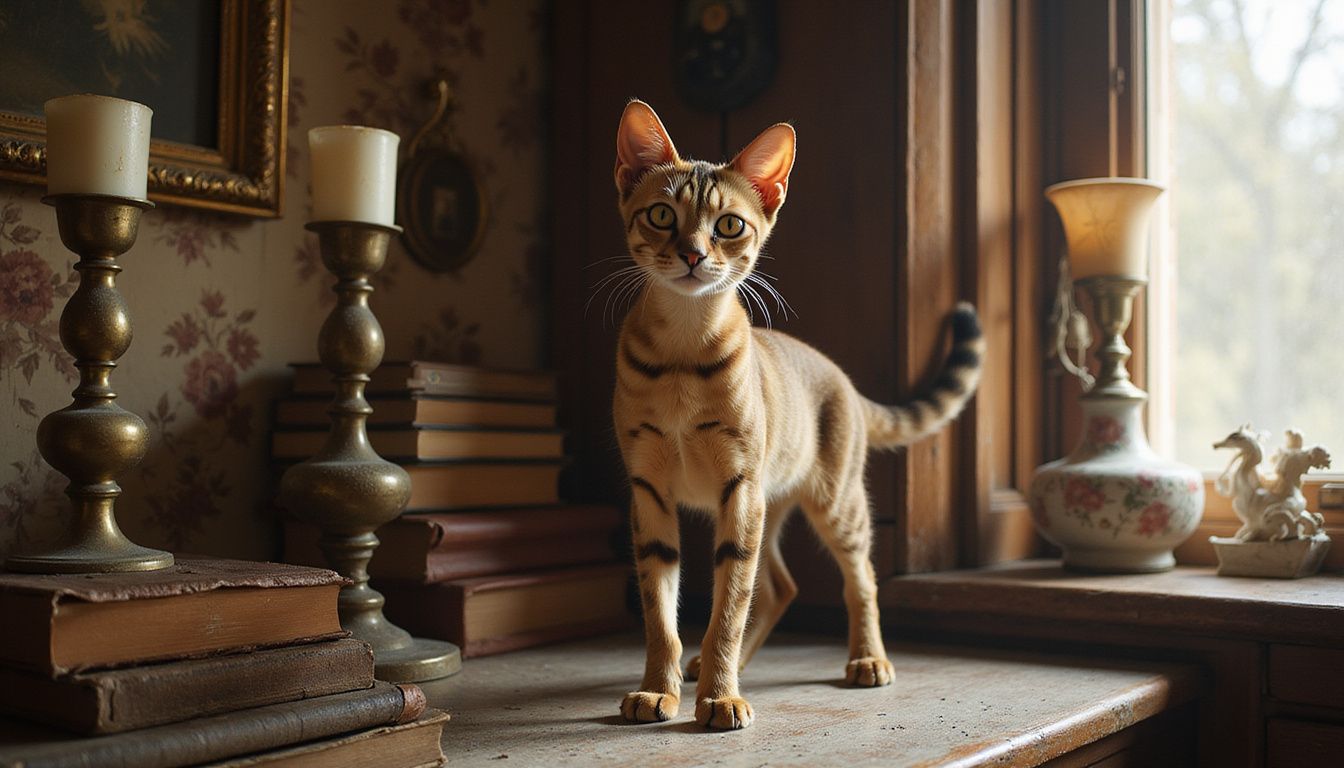
Some cat breeds stay out of the spotlight, yet they offer remarkable qualities that deserve your attention. Stick around to meet a few special cats that might just steal your heart.
What should you know about Sphynx cats?
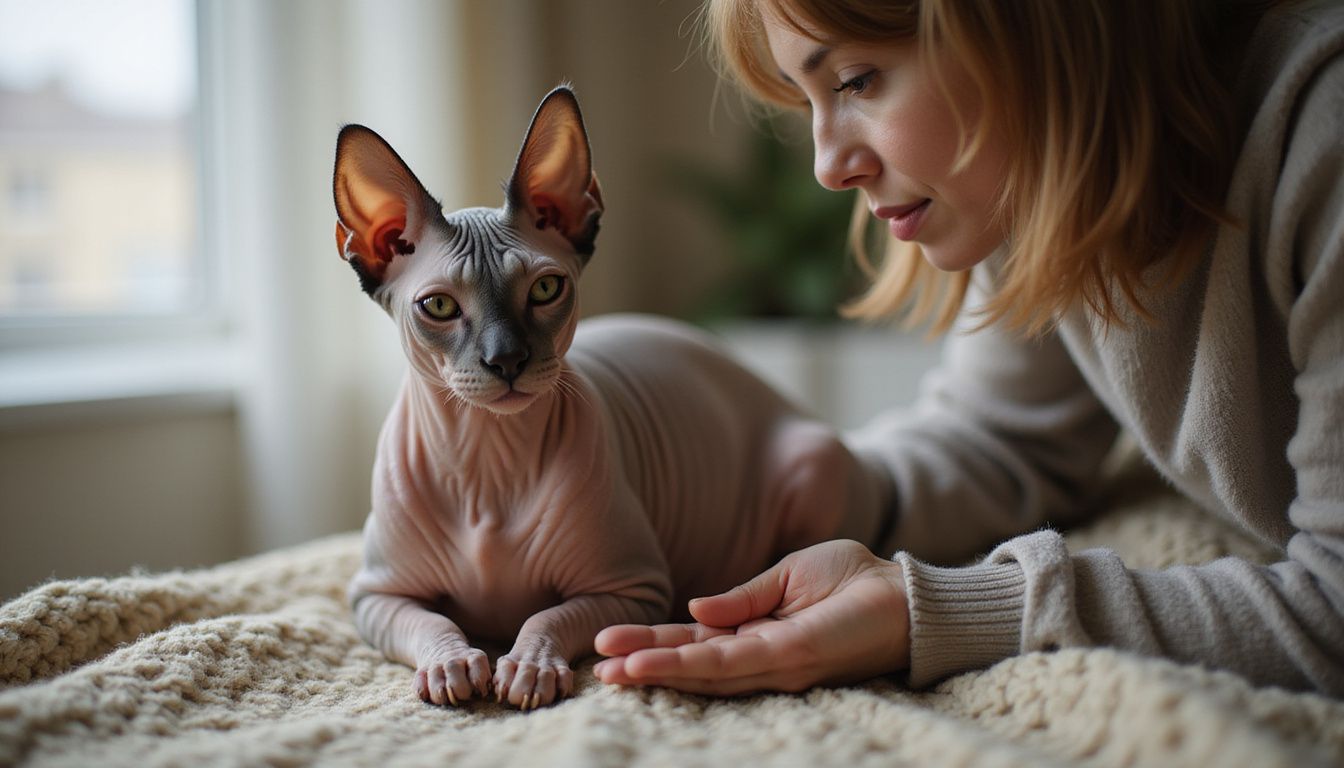
Sphynx cats are a newer breed that showed up in the 1960s, and they grab attention instantly with their striking look. Your first reaction to seeing one might be surprise, since these cats lack the fur coat that most felines sport.
The breed started from a natural genetic mutation, and breeders developed it intentionally over decades. This lack of fur sets them apart from every other purebred you’ll come across.
Sphynx cats need specific care that differs a lot from traditional cats. You’ll need to bathe them regularly since their skin produces oils that don’t get soaked up by fur. They also need protection from direct sunlight and cold temperatures, since their exposed skin makes them vulnerable to both.
Their rising popularity among rare cat breeds reflects growing interest in these remarkable animals. Many cat lovers find their wrinkled skin and large ears absolutely captivating.
Your household needs some preparation before bringing a Sphynx home. These cats thrive on attention and socialization, so they need an interactive environment during their socialization period. They bond deeply with their owners and often follow you room to room like devoted little shadows. Sphynx cats tend to run energetic, playful, and surprisingly affectionate.
Health considerations matter here too, including skin sensitivities and issues tied to their body structure. Sphynx cats are especially prone to Hypertrophic Cardiomyopathy, a heart condition that often calls for annual preventative echocardiograms from a veterinary cardiologist. Based on 2026 US veterinary cardiology estimates, those exams typically run between $400 and $800 each year. Your vet should have real experience with this breed’s specific needs.
The cost of owning a Sphynx runs higher than average, both for the purchase price and ongoing care. If you’re drawn to these extraordinary felines and can meet their demands, a Sphynx might become your perfect match.
Why is the Norwegian Forest Cat a rare breed?

If you’ve fallen for the Sphynx cat’s bold, hairless look, you might think all rare breeds share that same attention-grabbing appeal. The Norwegian Forest Cat takes a completely different path to rarity.
This breed stays scarce not because of extreme physical traits, but because of strict breeding standards and a limited number of breeders worldwide. Finding a reputable breeder takes patience and research, unlike adopting a mixed breed from your local shelter.
The socialization period matters a great deal for these cats, and responsible breeders invest real time in raising kittens properly. Fewer breeders means fewer Norwegian Forest Cats enter the market each year, which keeps the breed exclusive and harder to find.
Your search for a Norwegian Forest Cat reveals something interesting about cat safety and breed preservation. These cats are sociable and good with children, making them highly desirable for families wanting a specific personality type.
Their adaptability to different living situations adds to their appeal. Yet this popularity among people who know the breed creates a supply problem of its own. Limited breeding operations, strict health requirements, and the breed’s Norwegian heritage all add to the scarcity.
Owning one means joining a smaller community of dedicated cat lovers who appreciate this breed’s particular qualities. The rarity actually protects the breed’s integrity and keeps cats meeting these standards true to their distinctive traits.
What distinguishes the Manx cat from others?
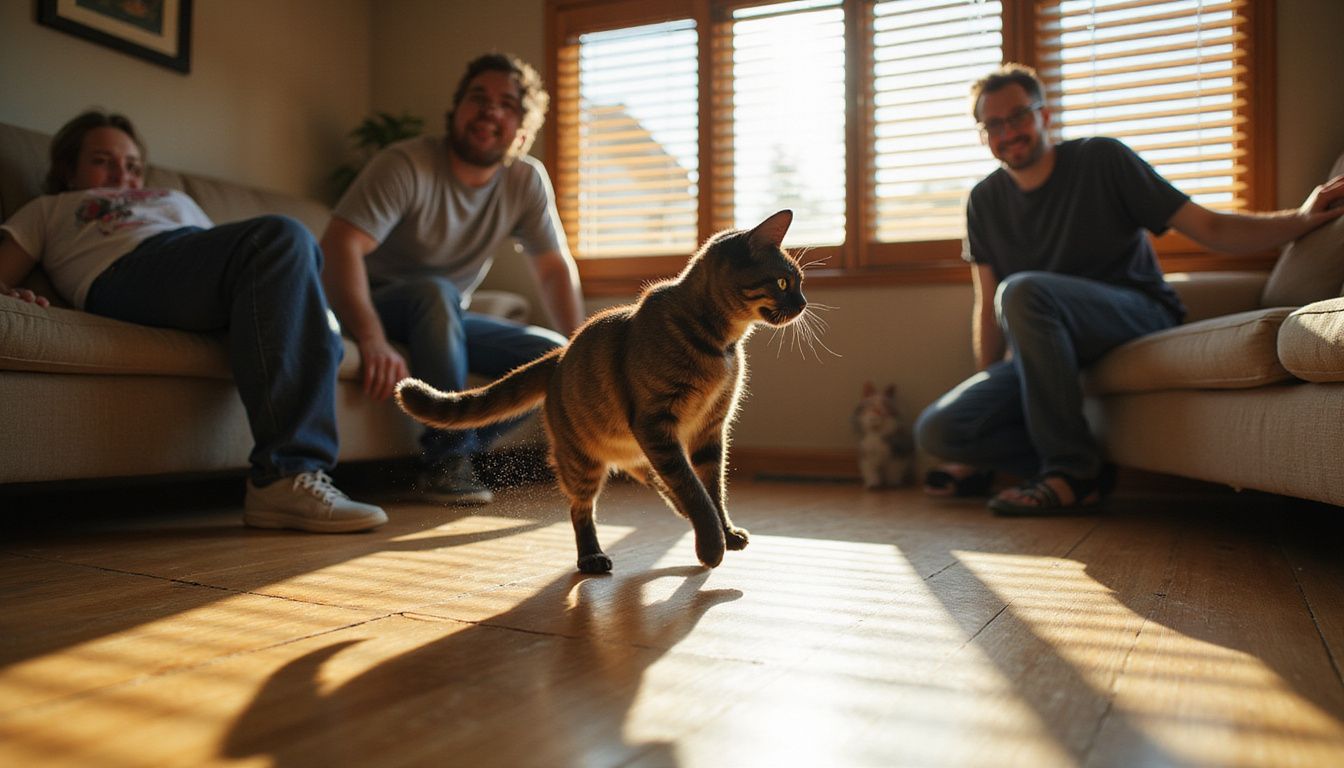
Manx cats stand out because of a genetic mutation that affects their tail length, setting them apart from both common and rare breeds. You’ll notice these cats have little to no tail, which gives them a distinctive rabbit-like hopping gait.
This taillessness isn’t just a cosmetic feature. It comes from a specific genetic change that breeders have worked to preserve over generations, and it’s worth knowing the full picture here. Veterinary experts at PetMD point out that this same mutation frequently causes Manx Syndrome, a condition also known as sacrocaudal dysgenesis. It can lead to serious spinal deformities, weak hind legs, and lifelong bladder or bowel incontinence. This is an important reality to weigh, not just a quirky trait to admire.
Their rounded rear ends and muscular back legs create a silhouette you won’t find in most other cat breeds. If you adopt a Manx, ask the breeder directly about health screening and the incidence of Manx Syndrome in their lines.
Beyond their striking look, Manx cats bring a playful and social personality to your home. These cats love interaction and enjoy being part of family activities, making them great companions for active households. Their intelligence shines through in how they learn tricks and respond to training.
You’ll find that Manx cats adapt well to indoor living and form strong bonds with their owners. Their rarity in many regions means you might need to search harder to find one, but understanding both the charm and the health risks helps you make an informed choice.
Why Choose a Mixed Breed Cat?
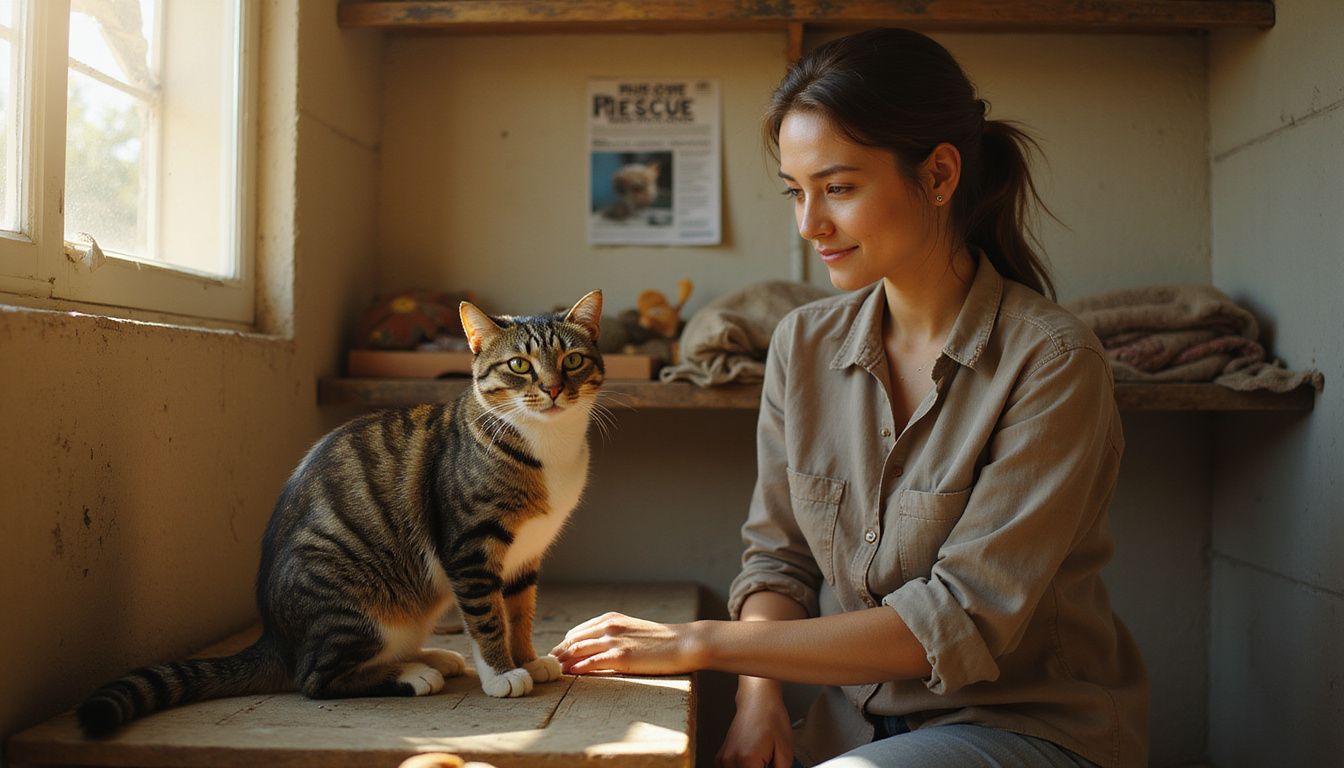
Adopting a mixed breed cat opens the door to joy and discovery that purebred cats might not offer. You get a cat with a larger gene pool, which often means fewer hereditary health issues like diabetes mellitus that can affect certain purebred lines.
That bigger gene pool shows up in the numbers too. Extensive veterinary lifespan studies from the Royal Veterinary College found that crossbred cats outlive purebred cats by an average of 1.5 years, reaching a median lifespan of 14.0 years compared to 12.5 years for purebreds. That’s a real, measurable payoff for choosing a mixed breed.
Shelters overflow with cats needing homes, and your adoption directly saves a life. Mixed breeds show just as much affection and love as their purebred counterparts, especially when you handle them early and practice proper socialization during their critical socialization period.
Jenna R., a longtime adoption advocate, puts it simply: countless cats already wait for families like yours.
How early handling shapes a mixed breed’s personality
Early handling and environment shape mixed-breed temperament in a powerful way. A shelter observation of four mixed-breed litters over two months found a clear pattern:
- 9 of 14 kittens who got daily 10-minute human handling sessions during weeks 3 through 8 showed friendly, confident behavior at adoption
- The remaining 5 kittens with minimal handling showed shy behavior and needed longer adjustment periods
One shelter volunteer noted that the kittens handled consistently became the ones people called “ready for home” within days. Your involvement during those early weeks creates a lasting personality foundation, regardless of your cat’s genetic background.
Cost matters too, and mixed breed cats won’t drain your wallet the way a purebred might. You skip the expensive breeder fees and genetic testing that come with purebred animals. These cats adapt well to different homes and lifestyles, making them practical companions for first-time owners or seasoned cat lovers alike.
Your new friend arrives with their own character already formed, no breeding standards to meet or expectations to fulfill. Mixed breeds thrive in apartments, houses, and farms across America. They eat, play, and cuddle without demanding the specialized care some purebred cats require.
Choosing a mixed breed means picking a genuine companion, not a status symbol. That choice rewards you with unconditional companionship every single day.
Conclusion
You’ve learned that purebred cats offer predictability in size, lifespan, and known health risks. Mixed breed cats bring genetic diversity that often shields them from those same hereditary problems.
Your cat’s behavior comes from both genetics and experiences during the critical socialization period. This shapes personality long after those first eight weeks pass.
Choosing between a purebred Persian that demands daily grooming or a rare Sphynx cat depends entirely on your lifestyle. Some breeds thrive with active owners, while others prefer calm, quiet households.
Adult cats from shelters can simplify adoption too, since their personalities are already established. That makes it easier to match your home with the right companion.
Take action today. Visit local shelters or reputable breeders, and know that the perfect cat, purebred or mixed breed, is waiting for someone exactly like you to bring it home.
FAQs
1. What is the socialisation period, and why does it matter for purebred and mixed-breed cats?
The socialization period happens between 2 and 7 weeks of age, when kittens learn to trust people and other animals. Rutland Vets explain that this critical window shapes lifelong behavior, and the American Association of Feline Practitioners recommends kittens stay with their mother and littermates until at least 8 weeks to complete this process.
2. Are purebred cats healthier than mixed-breed cats?
Not always. Mixed-breed cats often have fewer genetic health issues because of their diverse ancestry, while a 2022 study in the Journal of Feline Medicine and Surgery found that purebred cats are twice as likely to develop hereditary conditions. Dr. Barr Hadar notes that selective breeding in purebreds can concentrate genetic problems over generations.
3. How did cat breeds like the Rex develop?
The Rex breed originated from a natural curly-coat mutation first discovered on a farm in Cornwall, England in 1950. Breeders near agricultural communities in the Middle East and Europe noticed these unique cats and began deliberately breeding them to establish distinct Rex lines like the Cornish Rex and Devon Rex.
4. Can technology help us understand cat breeds better?
Yes, machine learning now analyzes cat DNA to identify breed-specific traits and predict genetic health risks in both purebred and mixed-breed cats.