Start by removing the deadliest risks: PTFE/nonstick cookware, self-cleaning ovens, candles, incense, smoke, and aerosol sprays. Keep your bird out of the kitchen while you cook, and use stainless steel, cast iron, or ceramic instead. Cover cords, secure outlets, and pick up small objects fast. Remove toxic foods, plants, and treated wood, and use a safe cage with secure latches. Keep pets and children supervised, and there’s more to do next.
Key Takeaways
- Remove nonstick cookware, self-cleaning oven use, candles, incense, and aerosol sprays from bird areas.
- Keep birds out of kitchens, laundry rooms, and other high-risk spaces with heat, smoke, and fumes.
- Cover cords, secure outlets, pick up small objects, and remove toxic plants, foods, and metals.
- Use bird-safe cages, toys, and bedding, and inspect them often for loose parts or frayed strings.
- Prevent infection by washing hands, separating birds from pets, and quarantining new birds before contact.
Bird-Proof Your Home: Focus On The Biggest Risks First
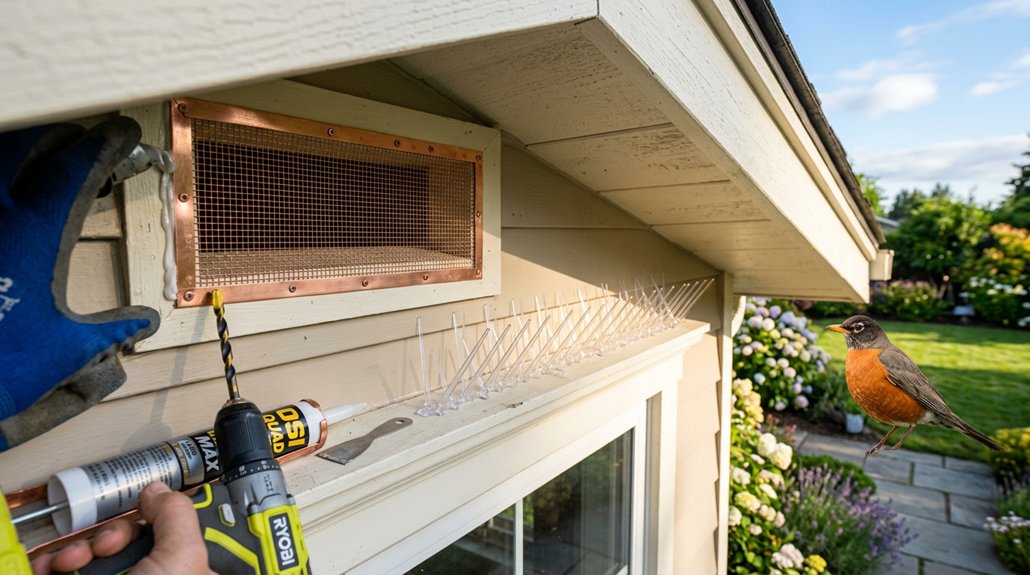
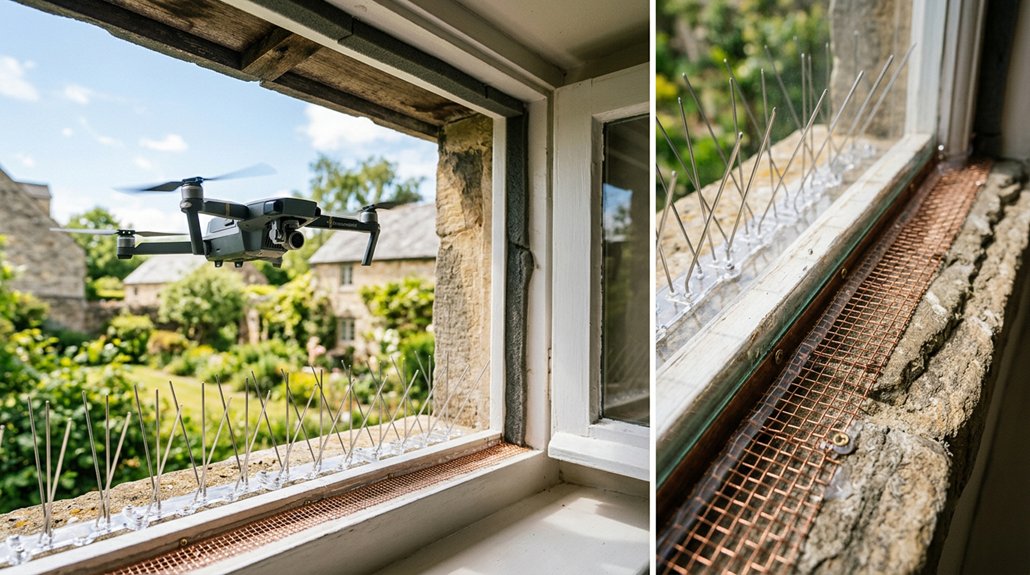
When you’re bird-proofing your home, start with the biggest life-threatening risks first: remove PTFE/nonstick cookware, never run self-cleaning ovens or aerosol sprays around birds, and eliminate smoke and carbon monoxide exposure with no indoor smoking, working detectors, and good ventilation. Next, make the most hazardous glass visible with exterior stripes, films, or screens, especially where room layout or lighting design creates reflections or see-through paths to plants. Cover cords with protective tubing, remove zinc or lead items, and keep toxic foods, toilets, and standing water out of reach. Turn off ceiling and portable fans when birds are out, supervise every flight session, and keep birds out of kitchens and laundry or utility rooms. Your goal is to remove the fastest, most preventable dangers before anything else.
Keep Kitchens Safe From Heat And Teflon
After you’ve handled the biggest home hazards, the kitchen needs special attention because heat and fumes can kill birds fast. Keep your bird out of the kitchen whenever you’re cooking, and never use PTFE/Teflon cookware or appliances near them.
Keep your bird out of the kitchen while cooking, and never use PTFE or Teflon near them.
- Choose nonstick alternatives like stainless steel, cast iron, or ceramic.
- Skip air fryers, self-cleaning ovens, and other nonstick-coated appliances.
- Keep kitchen ventilation running, but don’t rely on it to make toxic fumes safe.
- Avoid open flames, candles, and space heaters in bird-occupied rooms.
- Store aerosols, cooking sprays, oven cleaners, and scented products away from bird areas.
If a pan overheats above 400°F, Teflon fumes can trigger rapid respiratory collapse. Replace risky gear now, and your bird’s lungs will be far safer.
Block Cords, Outlets, Fans, And Small Objects
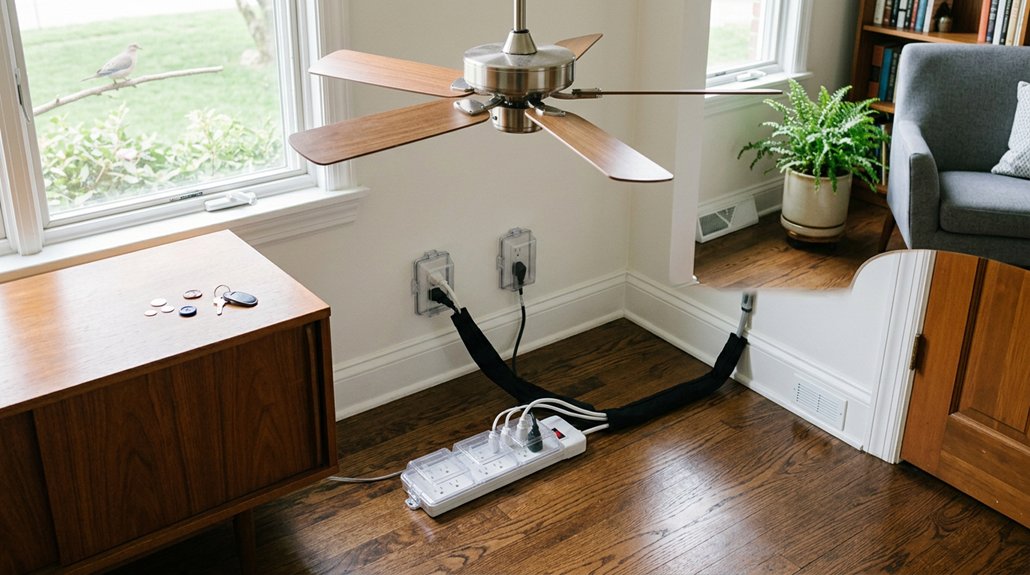
Next, cordon off anything your bird could chew, swallow, or collide with. Protect cords with spiral cable wrap, split PVC tubing, or decorative cord covers, and route them behind furniture or up walls so beaks can’t reach them. Use outlet covers, and keep power strips and unused sockets behind a concealed surge protector or other barrier. Never run ceiling or portable fans when your bird’s loose; even low speeds can cause serious head, neck, or wing injuries. Pick up coins, jewelry, batteries, clips, and toy parts immediately, since birds can swallow them or absorb toxic metals like zinc or lead. Inspect cages, play areas, and toys often for frayed strings or loose seams, and repair or discard hazards at once.
Remove Smoke, Sprays, And Chemicals
You should skip aerosol sprays, scented candles, plug-in air fresheners, and room deodorizers in bird-occupied rooms because their propellants and fragrances can harm sensitive respiratory systems. Keep smoke out of your home, and make sure smokers wash their hands before handling birds, since cigarette, cigar, and vape residue is toxic. Move birds away from paints, solvents, oven cleaners, and other harsh chemicals until the area’s fully ventilated and the fumes are gone.
Skip Aerosols Indoors
Skip aerosol products in any room where birds spend time: hairsprays, air fresheners, and spray cleaners can irritate their sensitive respiratory systems and trigger serious lung inflammation. Choose aerosol alternatives and keep fragrance free living as your baseline.
- Use pump cleaners or damp microfiber cloths.
- Skip scented candles and incense.
- Avoid plug-in fragrance diffusers.
- Keep paint, varnish, and solvents away.
- Ventilate fully before birds return.
If you need to freshen a space, clean it, air it out, and then wait. Birds breathe faster than you do, so even small amounts of propellant or fragrance can become a problem quickly. Make every room they use free of sprays, fumes, and lingering residues, and you’ll lower the risk of respiratory damage.
Eliminate Smoke Exposure
Smoke, fumes, and chemical residues can be deadly to birds, so the safest rule is to keep them completely out of any area your birds use. You should maintain smoke free routines: never smoke or vape indoors, and require anyone who does to wash hands and change clothes before handling your bird. Ban aerosols, scented candles, plug-in fresheners, incense, and hairsprays in bird rooms. Never run PTFE-coated cookware, self-cleaning ovens, air fryers, or other nonstick appliances near birds; fumes above about 400°F can kill fast. Use ventilation strategies after painting, varnishing, or solvent work, and remove birds until off-gassing ends. Install CO and smoke detectors. If your bird suddenly collapses, breathes open-mouthed, or seizes, move it to fresh air and call an avian vet immediately.
Replace Harsh Cleaners
Swap out harsh cleaners for bird-safe, unscented non-aerosol products, and always ventilate the area for several hours afterward—or remove your birds entirely while you clean—because their respiratory systems are extremely sensitive to fumes. Use water based cleaners or a natural enzyme formula when you can, and keep every room free of:
- bleach
- window cleaners
- Lysol wipes
- polishes
- spray deodorants
Don’t use candles, incense, plug-in fragrancers, or essential oil diffusers near birds; even low levels can be toxic. Skip aerosol sprays, too. If you’re painting, using solvents, running an oven self-clean cycle, or applying pesticides, move your birds to a separate, well-ventilated space until off-gassing has ended and the air is safe. Wash your hands before handling them.
Remove Toxic Foods, Plants, And Soil Hazards
Protect your bird by keeping toxic foods, plants, and soil hazards completely out of reach. Never offer avocado, chocolate, alcohol, caffeine, or yeast dough; even tiny amounts can be fatal. Skip dairy, meat, peanuts, fruit pits, and sugary, salty, dyed, or preservative-heavy foods, which can damage organs. Don’t give parrots grit. Use toxic plant identification to remove hazardous houseplants and landscaping, and rely on avian-safe lists before bringing in new greenery. Prevent foraging in soil unless soil contaminant testing shows it’s free of pesticides, fertilizers, and fungi. Avoid plywood, particleboard, treated wood, and small metal objects that can release zinc, nickel, or lead if chewed. Choose raw, untreated wood instead, and keep risky items secured away from curious beaks.
Choose A Safer Cage And Setup
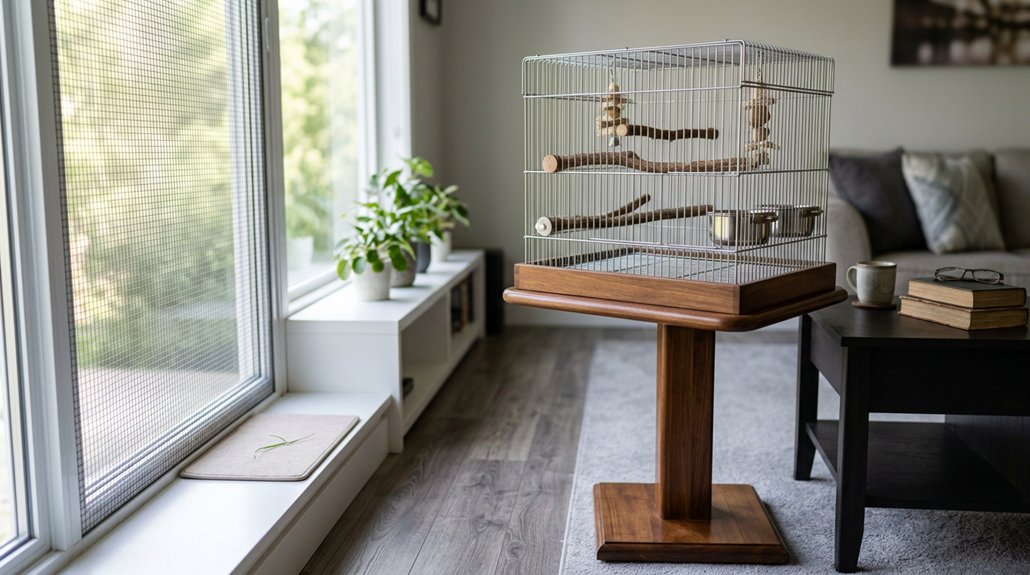
Choose a cage from a trusted brand such as HQ, King’s, Prevue Hendryx, Avian Adventures, or A&E, and make sure it’s stainless steel or ceramic powder-coated with secure latches and no zinc- or lead-containing finishes. Size it for your bird, and verify bar spacing so wings, heads, and toes can’t slip through. Use stainless cages with medical-grade bowls, and set up the base with paper substrate you’ll change often.
- Check breed-specific bar spacing charts.
- Reject rust, loose solder, or missing parts.
- Avoid clay litters and pine or cedar shavings.
- Use newspaper or similar paper-based lining.
- Remove nearby cords, mirrors, and open windows.
If you buy used, inspect every joint before setup.
Protect Birds From Pets, Kids, And New Birds
You need to keep birds away from pet licks, bites, and claws, since even brief contact with a cat or dog can cause severe injury or infection. You should supervise children at all times, teach gentle handling, and never allow rough play or unsupervised access near a bird. When you bring home a new bird, quarantine it first and get health clearance before it meets your resident birds.
Pet Licks And Bites
Pets, children, and new birds can all bring hidden risks into close contact with your bird, so set clear limits before trouble starts. Keep dogs and cats away from cages, dishes, and perches; their saliva carries gram-negative bacteria that can cause severe infections. If a cat bites, scratches, or even brushes your bird, get avian veterinary help at once. Use preventive hygiene every day:
- wash hands after pets or litter boxes
- never share utensils or dishes
- block licking and food sharing
- quarantine new birds until cleared
- use behavior training to stop face-to-face contact
Teach children not to kiss birds or offer food. For new birds, require health clearance before introduction. These rules cut contamination, reduce bites, and protect your bird’s health.
Supervise Children Closely
Along with keeping pets from licking or biting your bird, children need tight supervision every time they’re near the cage, perch, or play area. Use eye level supervision and stay within arm’s reach, especially with younger kids and smaller birds, so no one gets crushed, dropped, or handled too roughly. Set firm rules: no chasing, grabbing, kissing, or sudden movements, and no sharing food. Show safe approach, support, and return-to-cage steps with hands on demonstrations, then rehearse them until they’re routine. Keep other pets out of the room during visits. If a cat or dog makes contact, get avian veterinary care at once. Don’t allow handling of any new bird until it’s been medically screened and cleared.
Quarantine New Birds
Bring any new bird into quarantine right away: house it in a separate, secure room and cage for at least 30–45 days while you watch for sneezing, nasal discharge, diarrhea, lethargy, or other signs of illness. Before contact, schedule veterinary screening, including avian exam, fecal parasite check, and post arrival testing when available.
- Keep the bird away from pets and kids.
- Don’t share food, water, toys, perches, or towels.
- Use dedicated cleaning supplies, gloves, and clothing.
- Wash your hands and change clothes after care.
- Wait for avian-veterinarian clearance before any flock contact.
This quarantine also gives you time to observe behavioral adjustment without exposing resident birds to contagious pathogens. Independent ventilation and strict separation reduce fomite transmission and keep your home safer.
Frequently Asked Questions
What Is the 3 3 3 Rule for Birds?
It’s a bird acclimation guideline: keep your bird caged 3 days, allow 3 weeks of supervised, limited flight, then expect 3 months for trust and settled avian behavior, not seasonal migration.
What Do Birds Hate the Most?
Birds hate reflective surfaces and loud noises most; you’ll also see them avoid sudden movement, fumes, and predators. If you’re trying to keep them away, use window markers, reduce clatter, and remove hazards.
How to Budgie Proof Your Home?
Like a fortress, you’ll budgie-proof by banning PTFE cookware, sealing windows, covering cords, removing toxins, and locking toilets. Use safe cage materials, smart perch placement, toys rotation, and constant supervision during flight time.
What Does Baking Soda Do to Birds?
Baking soda isn’t a known avian toxin, but you can still harm avian health with large doses. It may upset dietary interactions, irritate lungs, and cause vomiting, lethargy, or breathing trouble; call a vet fast.
Conclusion
Bird-proofing your home starts with the biggest risks first, and that’s where you’ll see the fastest payoff. Keep heat, Teflon, cords, chemicals, toxic foods, and unsafe cage setups out of reach, and you’ll close the door on many preventable accidents. Add steady supervision around pets, kids, and new birds, and you’ve covered the bases. When you build these habits into your routine, you give your bird a safer home and real peace of mind.