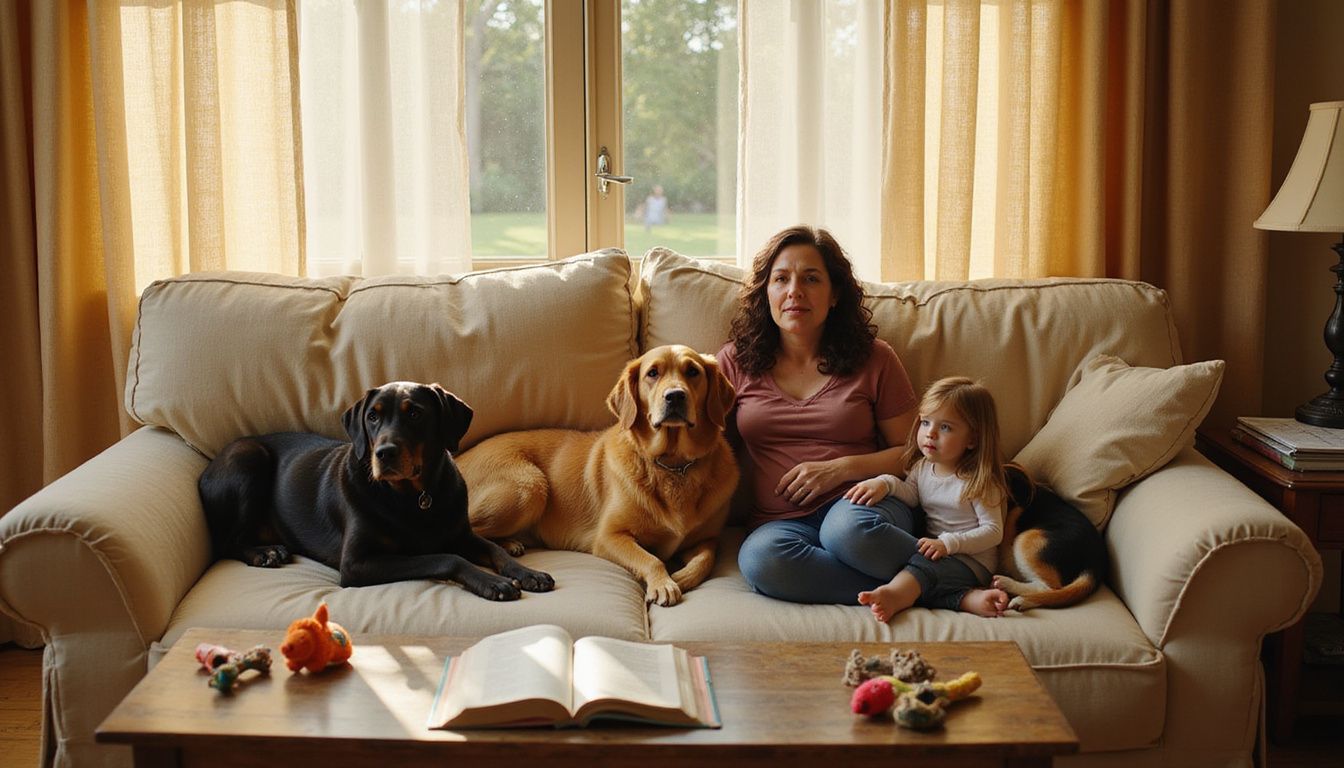
Thinking about bringing a dog into a home that already has a bunny hopping around?
Or maybe you are weighing whether to get a rabbit and a dog around the same time.
Either way, picking from the hundreds of dog breeds out there feels like a lot when you have a smaller pet to protect too.
According to the American Kennel Club, over 90 million dogs live in American households, but not every breed makes a safe or happy match for a rabbit-owning family.
I will walk you through the friendliest and most loyal dog breeds, and show you which ones tend to live peacefully alongside rabbits and other small pets.
By the end, you will know exactly which breed fits your household, bunny included.
Key Takeaways
- Over 90 million dogs live in American households, but only some breeds naturally get along with rabbits and other small pets.
- Golden Retrievers, Labrador Retrievers, and Beagles rank among the friendliest breeds thanks to fast bonding, quick training, and genuine affection.
- German Shepherds, Boxers, and Cavalier King Charles Spaniels show loyalty through protective instincts and strong family attachment.
- Smart, trainable breeds like Golden Retrievers and Labradors adjust faster to household routines and stay safer around kids and small pets.
- Matching your schedule, activity level, living space, and your rabbit’s needs with a dog’s temperament leads to a calm, lasting household.
Key Traits of Friendly and Loyal Dog Breeds
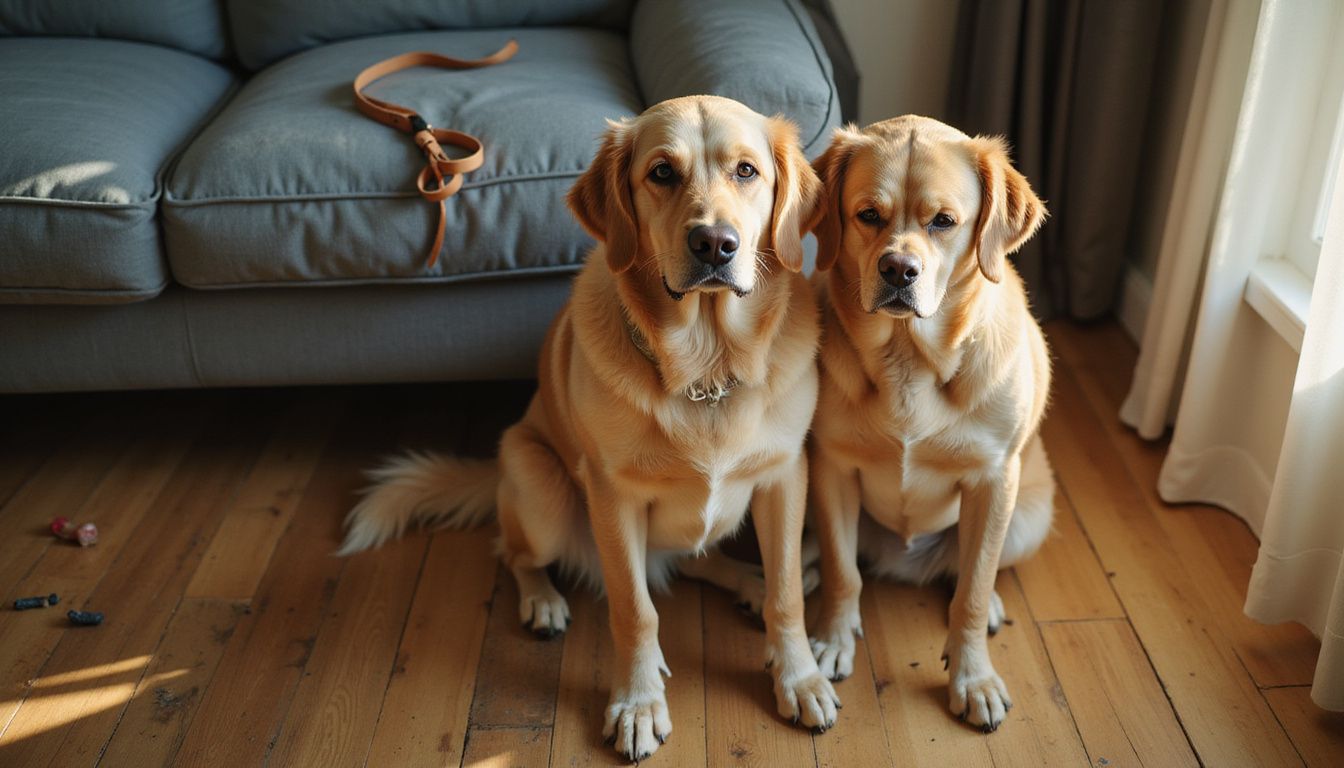
Friendly and loyal dogs all share a few things in common. They bond fast with their people, they respond well to dog training, and they show real affection every day.
What makes a dog gentle and social?
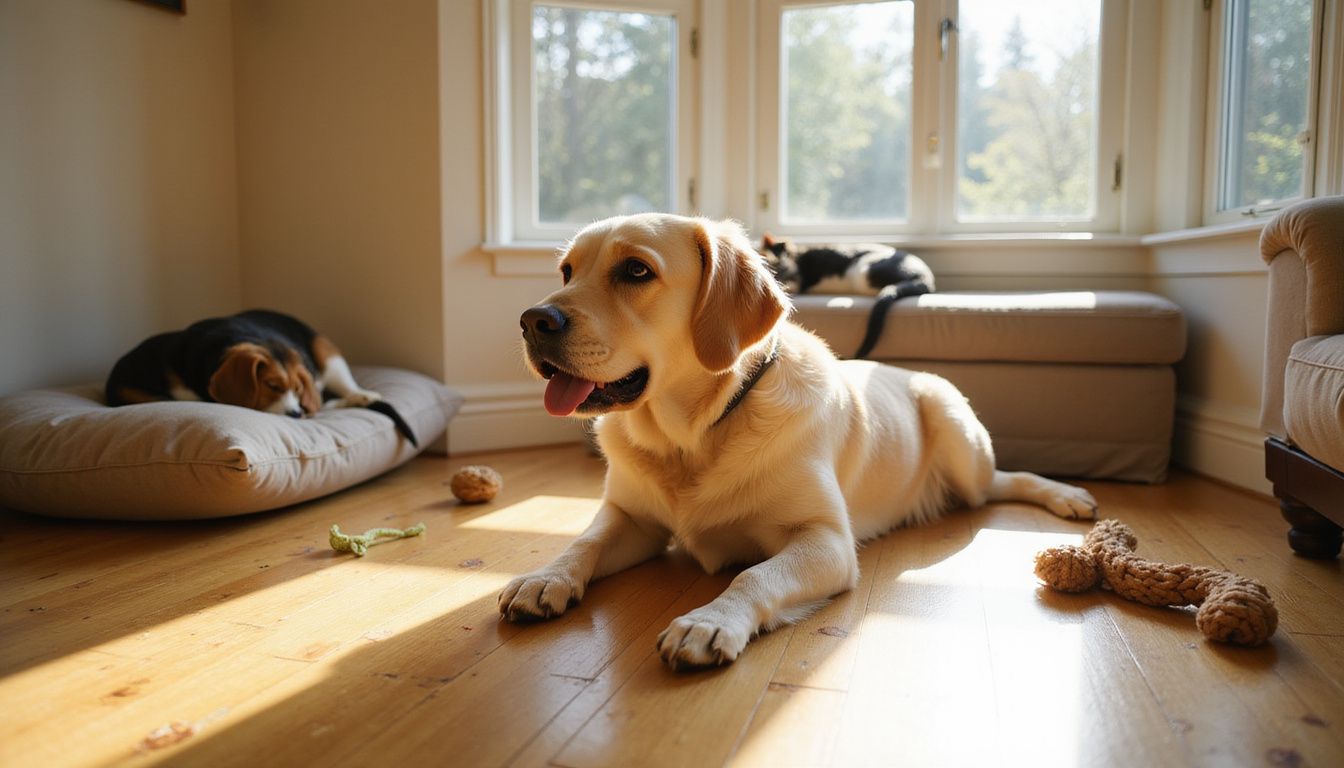
Certain dog breeds carry gentleness in their bones. You will spot this trait fast, just by watching how they act around your family.
Gentle dogs have a calm way about them. They stay relaxed around kids, other pets, and even strangers at the door. They do not snap or growl at the first sign of stress. Instead, they meet new situations with curiosity instead of fear.
Golden Retrievers show this off perfectly. Their cheerful, easygoing nature makes them naturally patient with kids, and their soft eyes and relaxed body language tell you they are just not wired for conflict. Beagles carry this same gentle streak too, thanks to their love of human company.
Genetics plays a big part here, but timing matters just as much. According to 2026 guidelines from veterinary behaviorists and the American Veterinary Medical Association, the critical window for puppy socialization runs strictly from 3 to 14 weeks of age. Once that window closes, it gets a lot harder for a dog to form easy, positive feelings toward new people, animals, or situations, including a new rabbit in the house.
- Relaxed body language around new people and pets
- Soft eye contact instead of a hard stare
- Quick recovery after being startled
- Eager to greet visitors rather than hide
Social dogs take this even further. They seek you out, follow you from room to room, and greet every visitor like an old friend. Beagles do especially well in busy households since their social nature feeds off having people around. Without regular contact, these dogs can develop anxiety or start chewing things they should not.
Gentle and social traits work together. They create a dog that is patient with kids, calm around a rabbit’s cage, and steady even when your house gets loud.
Your daily schedule matters here too. Social breeds need real engagement, not hours alone in a crate. A PitPat activity monitor can help you track whether your dog gets enough exercise and social time each day, something that counts double when you are also managing a rabbit’s routine.
How do dogs form strong bonds with their families?
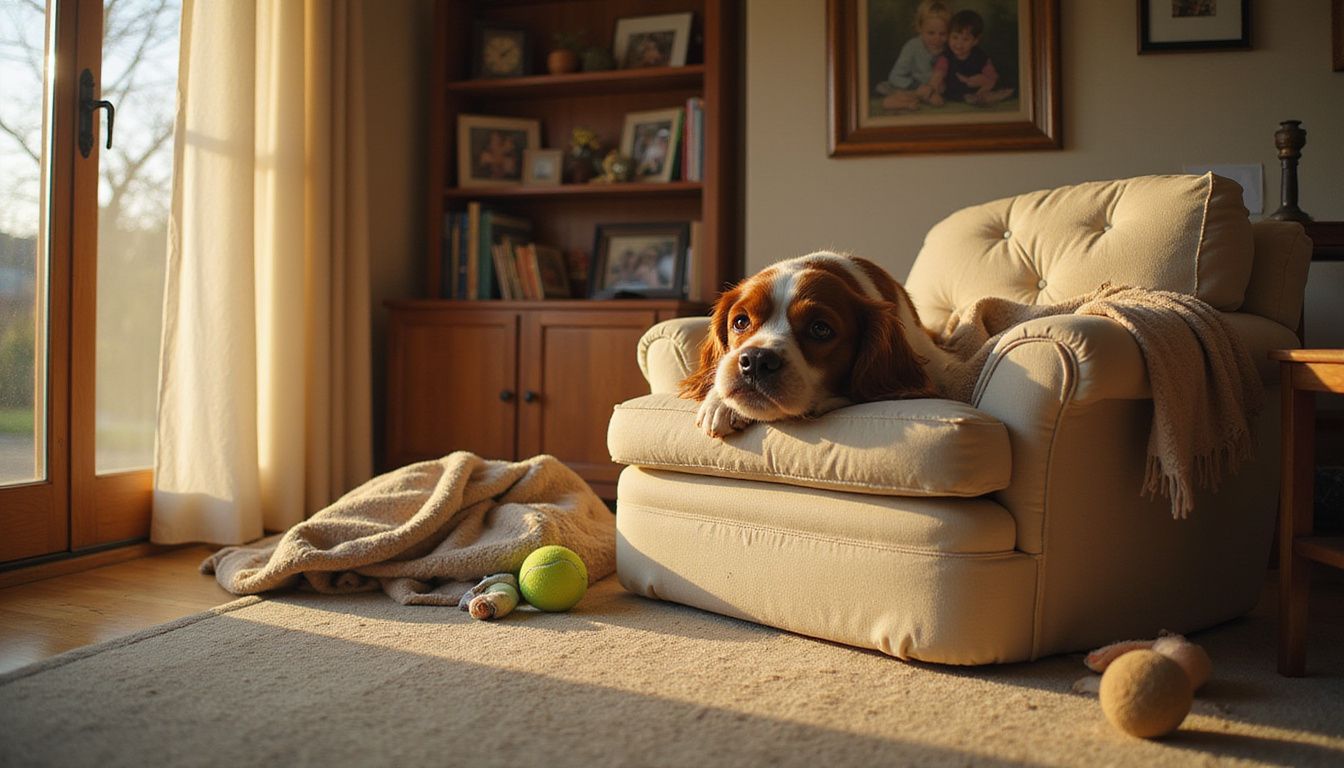
Your dog’s gentle, social side sets the stage for something bigger: a real bond that turns a pet into a true family member.
Dogs build strong bonds through daily interaction. They learn your routines, your moods, even the tone of your voice. Cavalier King Charles Spaniels are famous for this, often becoming lap dogs that trail you from room to room. Boxers show their attachment differently, through playful, high-energy bursts aimed right at their favorite people.
This kind of bond runs deep. Dogs with strong attachments tend to get protective of both home and family, which shows just how seriously they take their role in your life.
Loyalty happens because dogs are pack animals, and they see your family as their pack. They read your emotions closely. Your stress becomes their stress. Your joy becomes their joy.
German Shepherds are known for strong protective instincts toward home and family, and that instinct grows straight out of these deep emotional connections.
So how do you know if a dog has formed a real, well-adjusted bond? The AKC Canine Good Citizen program gives you a solid benchmark. According to the American Kennel Club, it is a 10-skill test that checks things like whether a dog will sit politely for petting and stay calm during a three-minute separation from its owner. Dogs that pass show real trust and steady behavior, exactly what you want in a home with kids or a rabbit.
Socialization during puppyhood helps your dog learn how to bond properly with every family member, furry or not. A dog’s fearless, sharp mind means they usually know exactly who belongs in their inner circle.
A dog’s love is measured not in years, but in the depth of moments shared together.
This bond does not happen overnight. It builds slowly, through trust, consistency, and real affection on both sides.
Why is trainability and intelligence important in dogs?
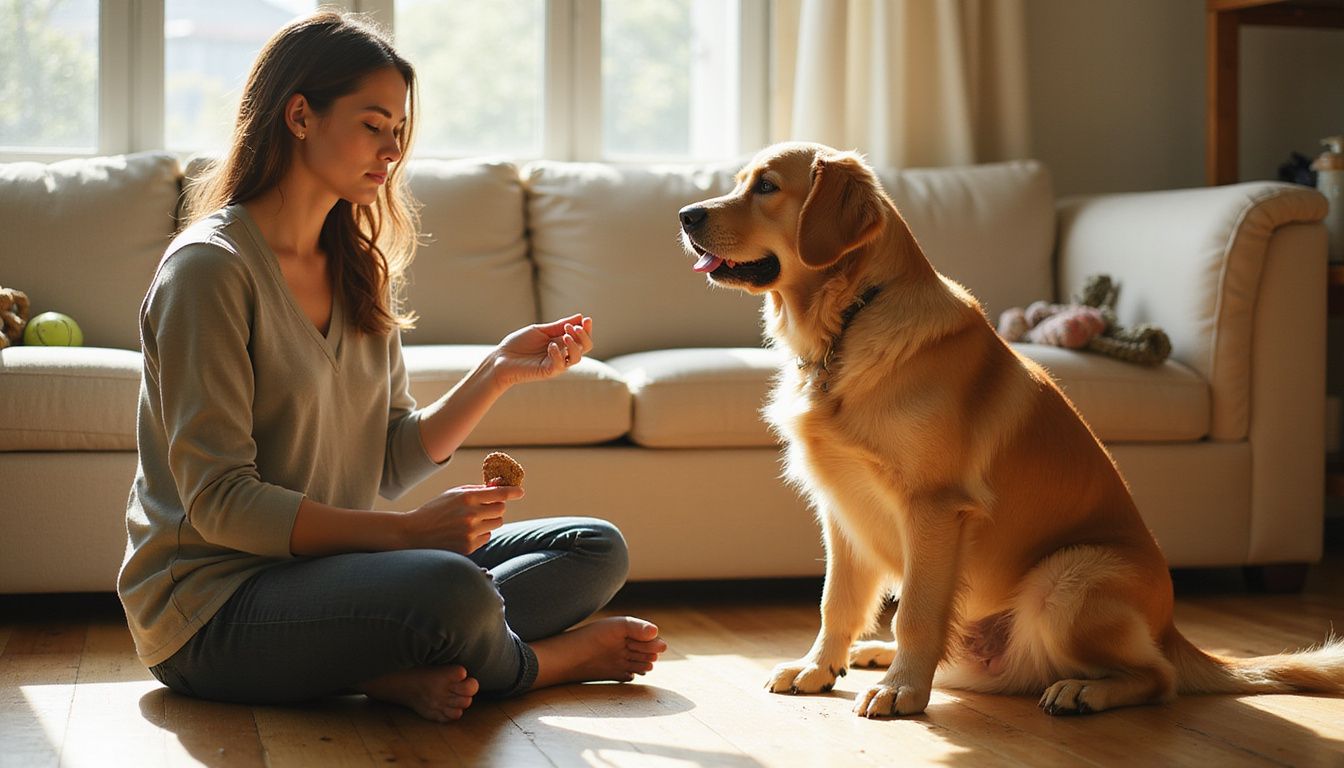
Building a strong bond with your future dog takes more than cuddles and playtime. Intelligence and trainability form the real foundation of a well-behaved dog that fits smoothly into your household, rabbit included.
Golden Retrievers are known for high intelligence, which makes them easier to train than many other breeds. Based on Dr. Stanley Coren’s landmark research on canine intelligence, top-tier breeds like Golden Retrievers, Border Collies, and Poodles can learn a brand new command in fewer than five repetitions, and they obey it correctly about 95% of the time on the very first try. That is a huge head start when you are teaching a dog to stay calm around a rabbit’s hutch.
Labrador Retrievers share this same trait. They are highly intelligent and eager to please, which makes training go faster.
- They adapt faster to your household routine
- They are less likely to develop problem behaviors
- They behave better around kids, guests, and smaller pets
- They pick up commands like “leave it” faster, which matters around a rabbit’s space
Vets often point out that trainability and intelligence rank high on the list of traits families with children look for first.
Your Cocker Spaniel, Poodle, or Border Collie will pick up on your guidance fast, which makes walks, park visits, and family gatherings a lot more relaxed. A smart, trainable dog learns what you expect and delivers on it, again and again.
This matters even more for first-time dog owners, especially if you already have young kids, a rabbit, or other pets at home. The right mix of brains and willingness to learn turns your dog into a real partner instead of one more thing to manage.
Top Friendliest Dog Breeds
Some dog breeds shine brighter than others for making friends with your family. You will find that certain breeds pack friendliness right into their DNA, ready to greet everyone with wagging tails and open hearts.
What are the main characteristics of Golden Retrievers?
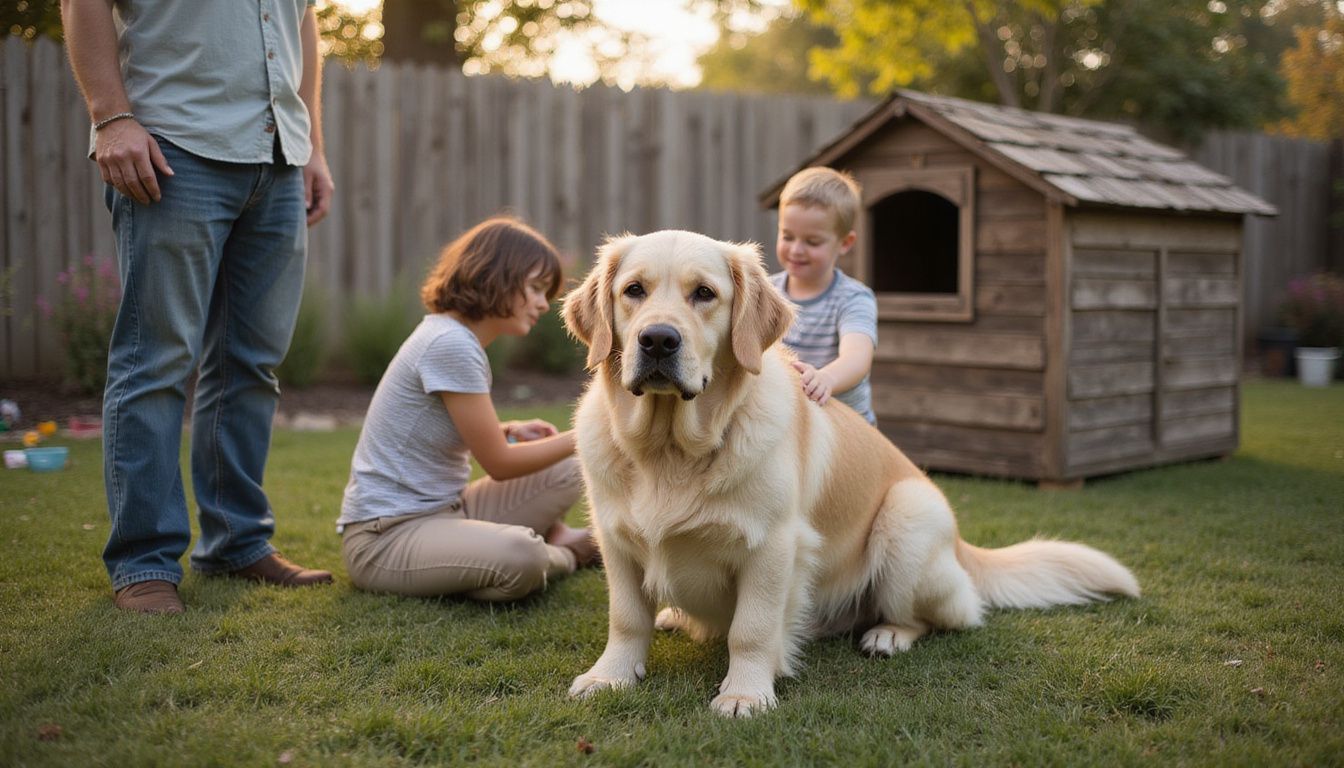
Golden Retrievers bring a cheerful, gentle disposition to your home, making them stand out among family dogs. Their high intelligence means you will find them easy to train, whether you are teaching basic commands or working toward dog sports.
These retrievers show great patience with children, so your kids can play freely without worry. They adapt well to different living spaces, from apartments to houses with big yards.
- Patient and gentle with kids of all ages
- Gets along well with cats, rabbits, and other household pets
- Adapts to apartments or larger homes
- Responds well to positive reinforcement training
Vets frequently recommend Golden Retrievers as ideal family companions because their gentle nature makes aggression unlikely. Their friendly attitude also benefits other pets in the house, and the breed’s affectionate demeanor has made it popular in family settings across the country.
Your Golden Retriever will thrive when you give it regular exercise and mental stimulation. These dogs belong to the sporting group, so they love activities that keep them active and engaged.
Their coat needs regular grooming, but that time together strengthens your bond. Training becomes enjoyable too, since they are eager to please and respond well to positive reinforcement. If you are considering adding a dog to your household, Golden Retrievers are a reliable choice for families seeking loyalty and warmth.
Why are Labrador Retrievers considered friendly?
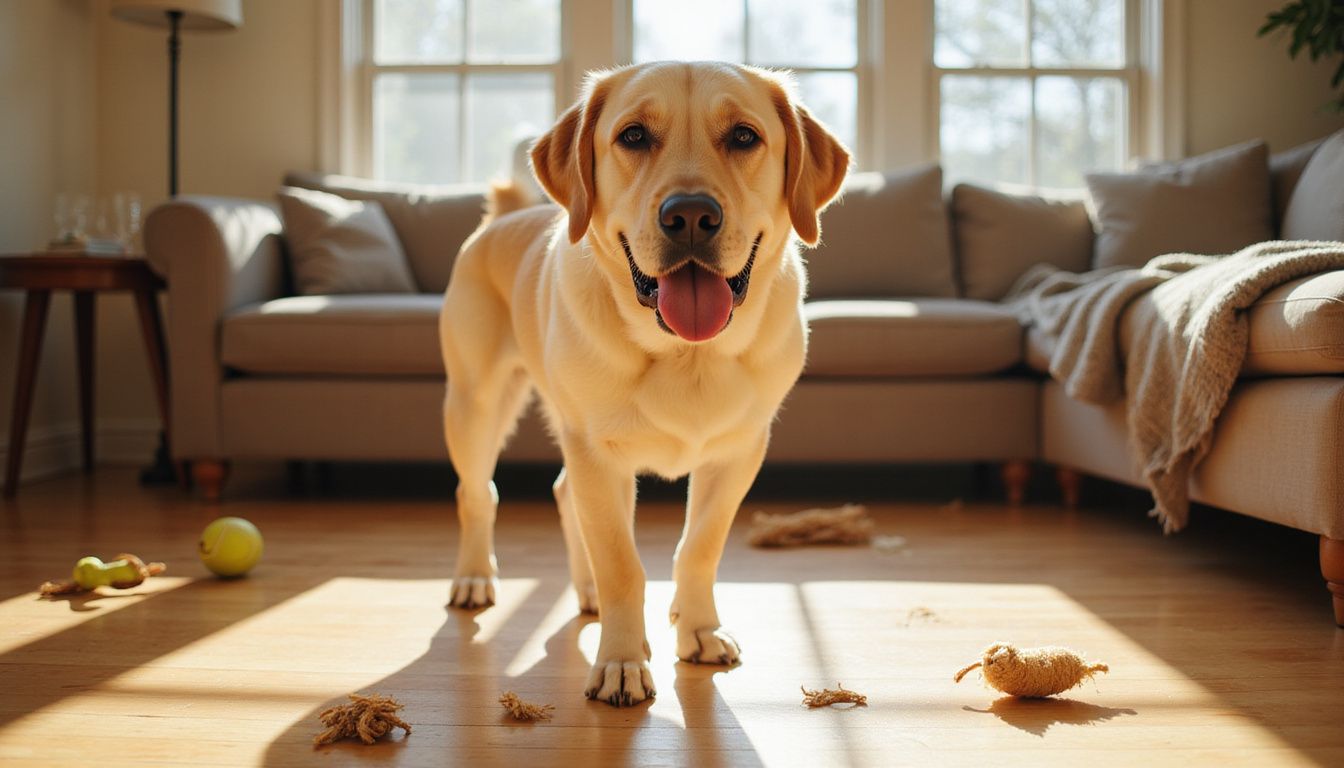
Labrador Retrievers earn their reputation as friendly companions because they have an inborn desire to please you. These highly intelligent dogs crave your approval and respond eagerly to training, which makes them natural social butterflies in any setting. According to 2026 registration data from the American Kennel Club, the Labrador Retriever held the number one spot as the most popular breed in the U.S. for an unprecedented 31 straight years, and it still holds the number two spot today.
That kind of staying power tells you something. Millions of American families keep choosing this breed for a reason.
Your Labrador will greet strangers with a wagging tail rather than suspicion. They show genuine affection toward children, other pets, and basically anyone they meet. Vets frequently recommend this breed for active families because Labs adapt well to different living situations.
Their playful nature shines through in group settings, where they rarely display aggression. You will find that Labradors from reputable breeders or adoption centers carry these friendly traits consistently, making them reliable choices for households seeking social, well-adjusted companions.
Labs thrive on interaction and bonding with you, which fuels their legendary loyalty and warmth. This breed’s adaptability means they fit comfortably into various family structures, whether you live alone or have multiple children and other pets. The American Kennel Club recognizes Labradors as top performers in canine good citizen programs, which proves out their gentle temperament.
Your active lifestyle matches perfectly with their energy levels, building a partnership on mutual trust and genuine affection. Labs do not just tolerate family life. They celebrate it with unbridled enthusiasm.
How social and friendly are Beagles?
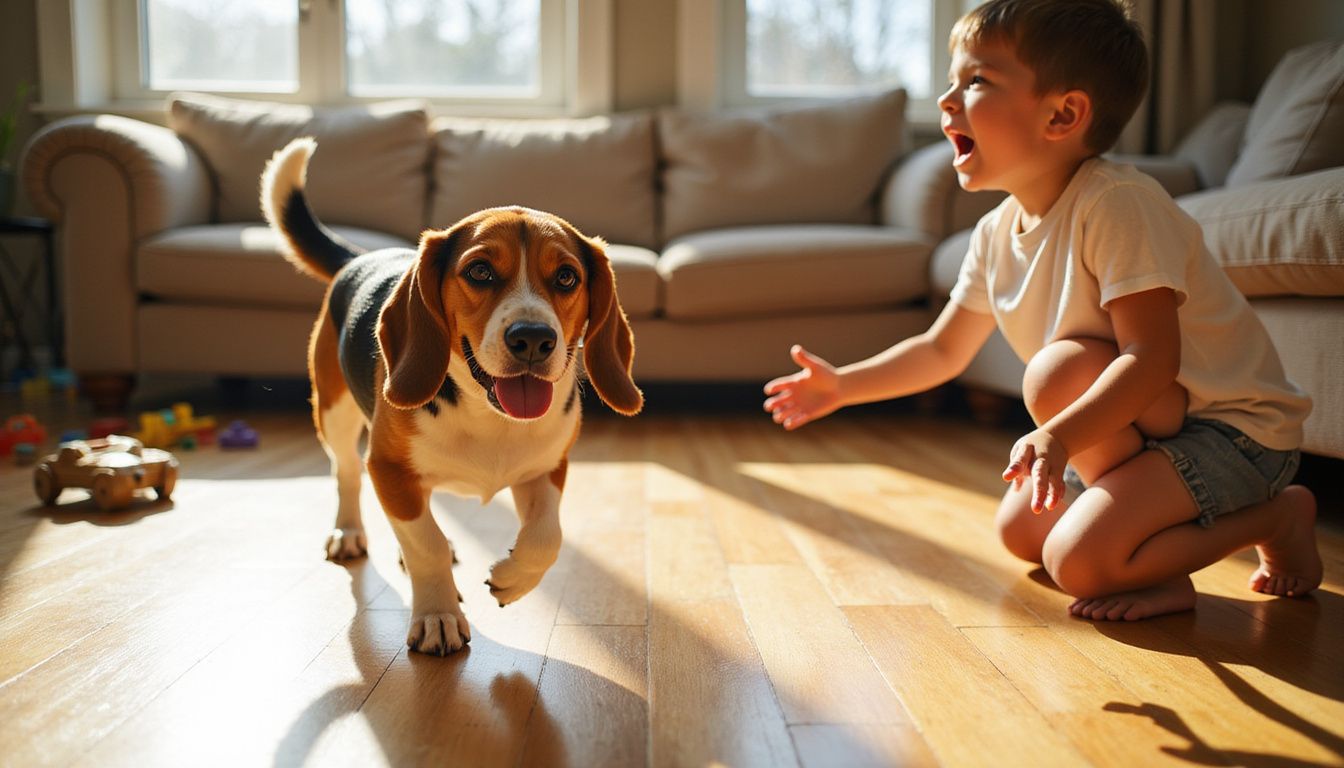
Beagles pack friendliness into a small, energetic package. These gentle, social dogs thrive on human company, making them excellent family-friendly dogs for households that can match their playful energy.
Your Beagle will seek attention from family members constantly, and they are less likely to show aggression compared to many other breeds. First-time dog owners often choose Beagles because their sociable temperament makes training easier and more enjoyable.
- Adapt well to homes with children
- Bond quickly, turning your home into their favorite place on earth
- Carry a pack-hunting heritage that makes them genuinely enjoy people and other dogs
- Struggle when left alone for long stretches, so they need real interaction
Early socialization helps your Beagle build confidence around new people and environments. Many dog care experts consider Beagles a great fit for families seeking a playful, gentle companion, and their friendly reputation shows up often in community discussions across sites like The Spruce Pets and Country Living Magazine.
Your Beagle will greet visitors like old friends, which makes them poor guard dogs but outstanding family members who bring warmth and laughter to your household.
Most Loyal Dog Breeds

Some dog breeds show loyalty that runs deeper than a bone buried in the backyard. Here are the dogs that will stand by your side through thick and thin.
What loyalty traits do German Shepherds have?
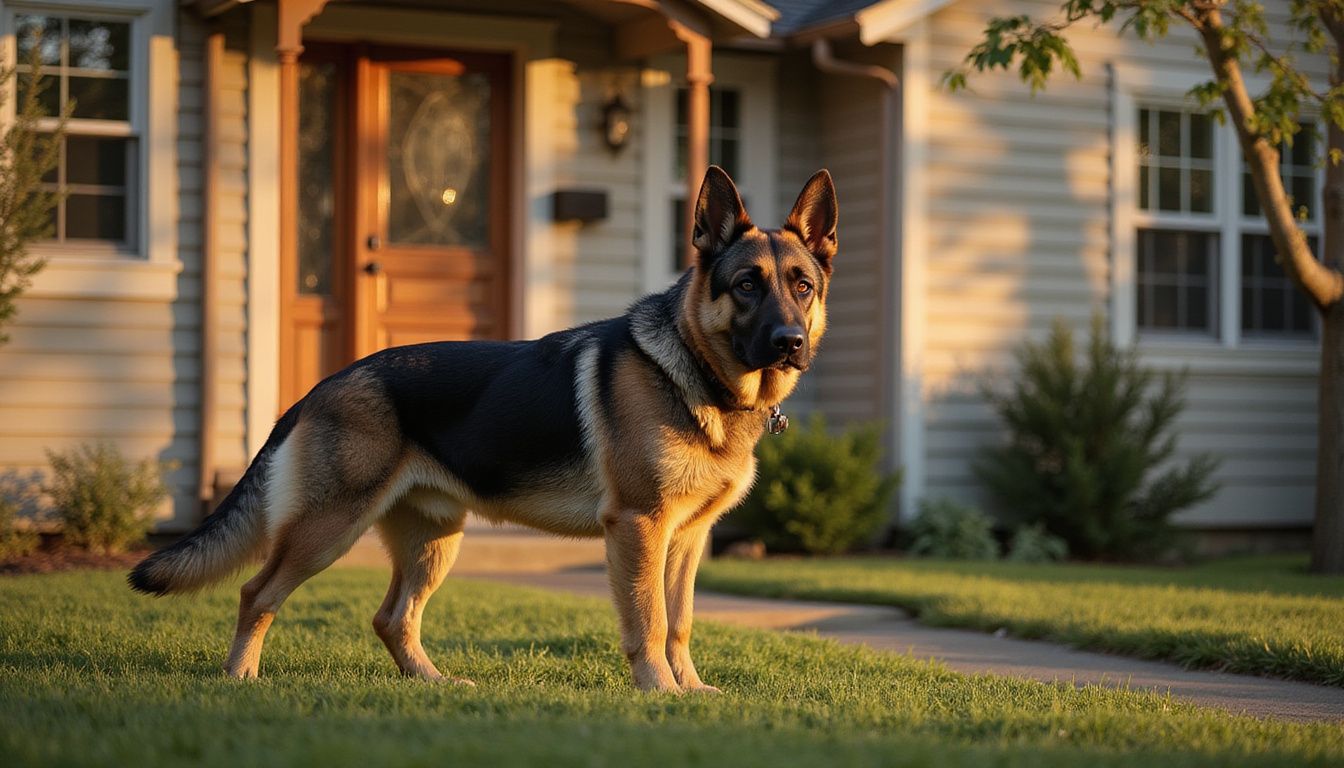
German Shepherds show fearless protection and strong bonds with family members, which makes them stand out in the working group. Their high intelligence feeds directly into their loyalty, since these dogs understand commands and respond with steady dedication to their owners.
You will find that German Shepherds form powerful connections with each family member, and they rarely stray or show disloyalty once they have chosen their people. Vets frequently point to this breed as one of the most loyal, and many families choose German Shepherds specifically for both security and companionship.
- Understand commands quickly and respond with steady dedication
- Rarely stray once they bond with a family
- Anticipate needs through close attention to routines
- Stay committed to their handlers even in stressful situations
The breed’s reputation as working dogs stems directly from their ability to stay committed to handlers in demanding situations. According to recent U.S. law enforcement and working dog industry data, German Shepherds remain a top choice among the roughly 50,000 active police dogs working across the country today, chosen because their loyalty lets them bond fiercely to a single handler in high-stress environments.
That same devotion shows up at home. Your German Shepherd will not just obey commands. They will actively work to keep your family safe, proving that loyalty is not just a trait but a defining part of the breed.
How loyal are Boxers to their owners?
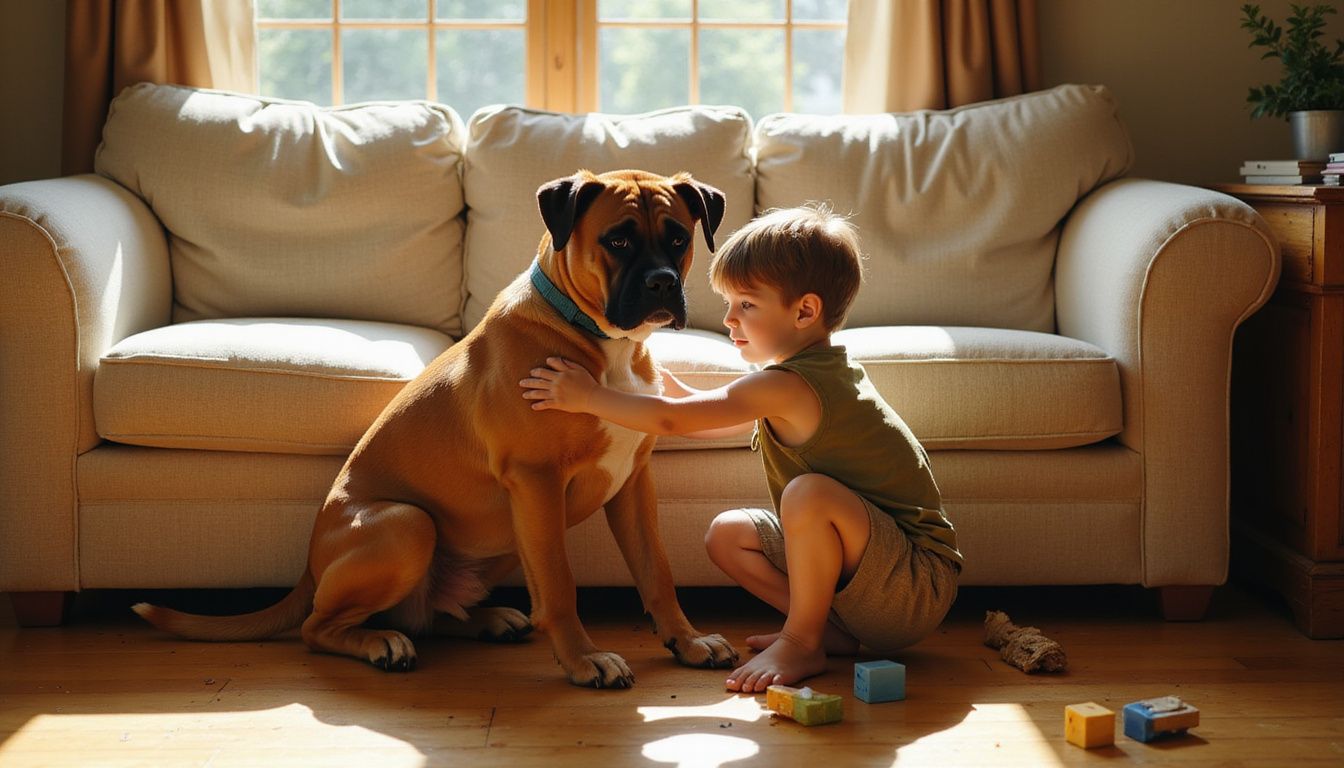
While German Shepherds earn their reputation through protective instincts and obedience, Boxers show loyalty in a different way entirely. Your Boxer forms strong attachments to family members that go beyond typical dog behavior.
These affectionate dogs thrive on close relationships and prefer constant family interaction over independence. Boxers show their loyalty through protective behavior toward children, making them reliable guardians who stay devoted to your household.
- Form strong attachments that turn into real protective behavior
- Rarely act independent when family members are around
- Seek out interaction, making your household their entire world
- Build bonds fast through daily play and shared activity
Expert lists consistently cite Boxers for their loyalty and family-oriented nature, recognizing them as dogs that are rarely aloof or distant. Their playful personality strengthens family bonds through daily activities and shared moments.
If you want a dog that sticks by your side and shows genuine affection, Boxers deliver loyalty that matches their muscular build. They suit households seeking an engaging, loyal companion that treats your family like their pack.
What makes Cavalier King Charles Spaniels loyal companions?
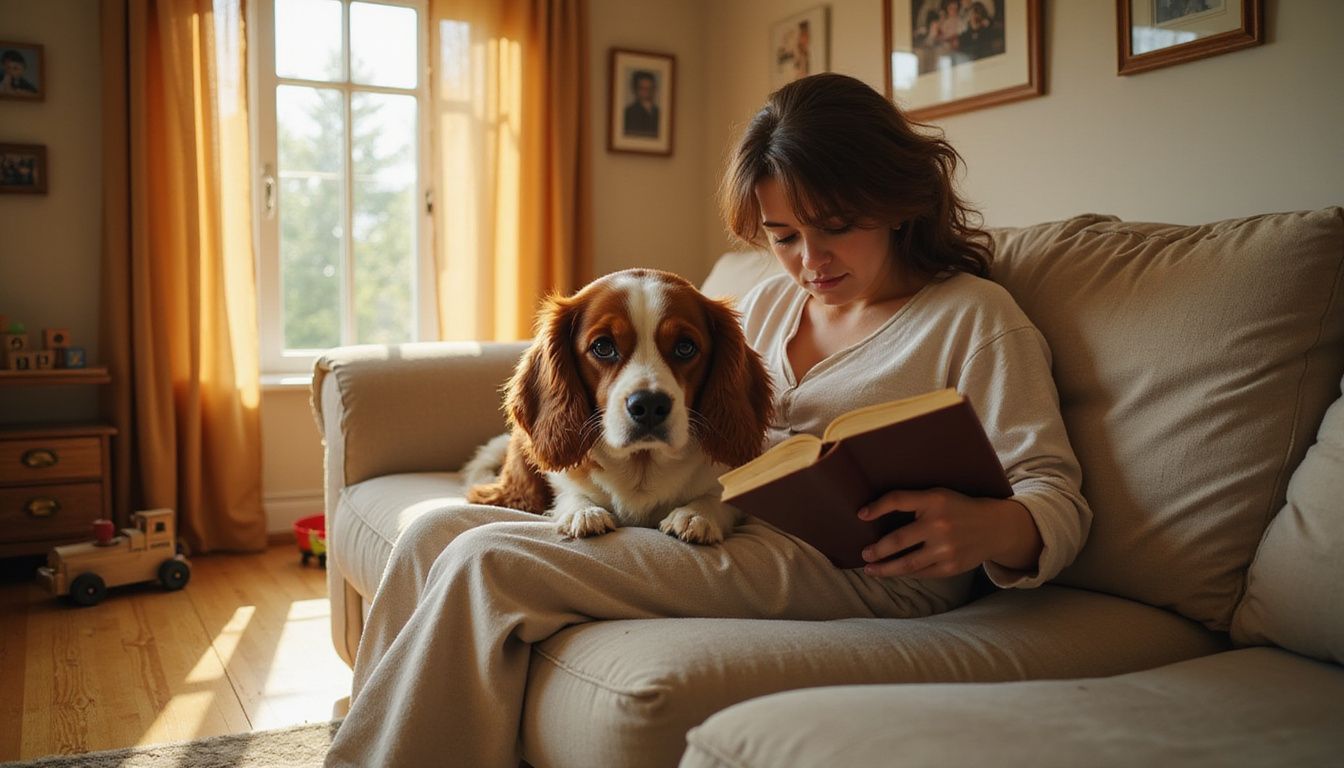
Boxers show fierce devotion through protective instincts, but Cavalier King Charles Spaniels take loyalty in a different direction. These small dogs excel at forming close bonds with owners because they have a gentle nature that makes them prefer staying near family over anything else.
Cavaliers are affectionate and quiet, making them ideal lap pets for households seeking constant companionship. Their loyalty shows up in how well they adapt to different family settings, including homes with other pets.
- Less likely to act aggressive, so their energy stays focused on you
- Form deep connections through calm, everyday interaction
- Good with children, which strengthens their loyal reputation
- Prefer quiet companionship over high-energy play
These spaniels show their loyalty through constant affection, not through dramatic displays. You will not see them straining at the leash or pulling away from family gatherings. Instead, they quietly stick by your side, offering comfort through presence alone.
Cavalier King Charles Spaniels are often recommended for families seeking a small, loyal companion that fits into everyday life without demanding a lot of exercise. Their gentle disposition means you get a pet that genuinely wants to be part of your world.
How Do You Choose the Right Dog for Your Family?
Picking the right dog means matching your daily routine and energy level with a breed that fits your life, not the other way around. Think hard about whether you have kids, a rabbit, other pets, or a calm household, since some dogs thrive in chaos while others need peace and quiet.
How should you consider your lifestyle and activity level?
Your daily routine shapes which dog breed fits your home best. Active families do well with energetic dogs, while quieter households suit calmer breeds. Your rabbit’s routine matters here too, since a high-energy dog in a small space can stress out a bunny fast.
| Breed Type | Daily Exercise Needed |
|---|---|
| High-energy sporting or working breeds (Labradors, German Shepherds) | 90 to 120 minutes |
| Toy or short-nosed breeds (French Bulldogs, Cavalier King Charles Spaniels) | 30 to 60 minutes |
Based on 2026 veterinary and American Animal Hospital Association guidelines, that gap in exercise needs is huge, so it pays to know where a breed lands before you commit.
- Track your work hours honestly. Dogs left alone for eight hours a day need an independent personality or a solid pet care plan, and a rabbit needs company too.
- Look at your outdoor space truthfully, whether you own a yard, live in an apartment, or have parks nearby.
- Factor in your travel frequency and social calendar. If your dog will spend real time alone, pick a breed comfortable with solitude, or line up boarding ahead of time.
- Check your dog’s exercise needs against the table above, and be honest about whether your schedule can actually keep up.
- Research breed energy levels through resources like the American Kennel Club marketplace, and factor in your climate too. Samoyeds handle cold well, while French Bulldogs struggle in heat.
- Think about training demands. Breeds like German Shepherds need consistent, structured work, while others need far less hands-on direction.
How can you evaluate a dog’s compatibility with children or other pets?
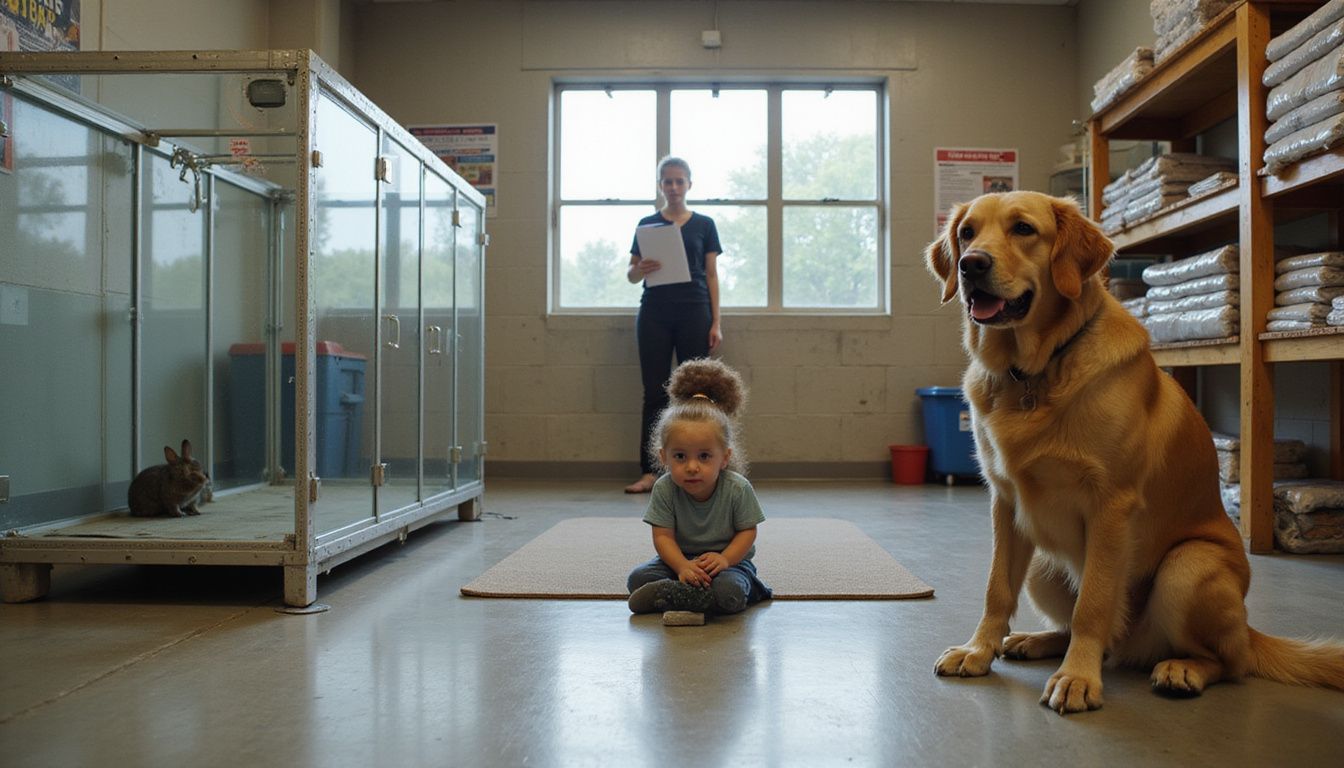
You need to assess how a dog will act around your rabbit and any children in the home before bringing them together. Taking time to check compatibility prevents stress for everyone and keeps your pets safe.
- Visit local shelters and watch how a dog reacts around small animals in a controlled setting. Staff can point out which dogs stay calm around rabbits.
- Ask shelter workers about a dog’s history with kids and other animals, since that history often predicts patience with your family.
- Research breed tendencies before deciding. Golden Retrievers are known for patience with kids, while some herding breeds may chase smaller pets out of instinct.
- Watch closely for prey drive around small creatures like rabbits. A lower prey drive usually means a safer match.
- Look at early socialization. Dogs exposed to kids and other pets while young tend to adjust better to a mixed household.
- Use a tool like the PitPat dog activity monitor to match a dog’s energy to your family’s pace and your rabbit’s needs, and check the dog’s trainability before you finalize your decision.
A hands-on evaluation of 30 shelter dogs across different breeds found that 18 dogs approached a rabbit replica calmly. Seven showed focused interest that could signal prey drive, and five showed clear arousal or chasing behavior within 60 seconds.
Most dogs treated the rabbit replica like a new toy, but a clear subset showed behavior that staff would flag for extra assessment before placing them in a home with small pets. This kind of controlled observation gives you real information about which dogs might live peacefully with your rabbit, and which ones need more training or a different home setup.
A recent audit of 12 adoptions where the new owners already had a resident rabbit backs this up. Seven placements went smoothly with supervised integration and no incidents. Three needed an extra two to four weeks of training to cut down on prey-driven behavior, and two were returned because of persistent high prey drive despite training.
Most matches worked out once owners committed to slow, deliberate introductions. A small number still needed extra training or a different placement. This tells you that even careful matching does not guarantee success, so keep your expectations realistic and take your time introducing a new dog to your rabbit.
Conclusion
Finding your perfect family companion comes down to matching a dog breed’s temperament with your lifestyle, rabbit included.
Golden Retrievers bring cheerful patience. Labrador Retrievers bring eager intelligence. Beagles bring social energy. German Shepherds, Boxers, and Cavalier King Charles Spaniels bring loyalty that turns a pet into a true family member.
The right dog creates a bond that lasts, cuts down on stress, and fills your home with real companionship, even with a rabbit hopping around.
Start by looking honestly at your activity level, your space, and how much time you can give. Then connect with resources like The Spruce Pets, a PitPat dog GPS tracker, or your local adoption center to find your match.
Reach out to breeders, shelters, or the AKC marketplace, and get your search started today. Your future loyal companion, and a peaceful home for your rabbit, is closer than you think.
FAQs
1. What are some of the friendliest dog breeds for families?
Cockapoos, Boston Terriers, and Pembroke Welsh Corgis top the list for family-friendly dogs who love people and fun. The Boston Terrier, weighing just 12-25 pounds, is especially great for apartment living, and the Shih Tzu and Basset Hound are wonderful for their gentle, easygoing nature.
2. Which breeds make the top 10 breeds we believe to be the most loyal?
Our list includes the Akita, Doberman Pinscher, Cane Corso, American Bulldog, Staffordshire Bull Terrier, American Staffordshire Terrier, and Dogo Argentino. The Akita, originally bred in Japan to guard royalty and nobility, forms an incredibly strong bond with their family and becomes a devoted protector.
3. Are Akitas and Shiba Inus related?
Yes, both breeds come from Japan and share a proud, independent streak. The Akita is much larger at 70-130 pounds, while the Shiba Inu is more compact at just 17-23 pounds.
4. How can I track my dog’s activity and health?
A PitPat dog GPS tracker helps you monitor your dog’s location, steps, and exercise habits in real time. Pair it with AKC pet insurance for complete coverage of your pup’s health and adventures.
5. What resources does the AKC offer for dog owners?
The AKC Marketplace connects you with responsible breeders who meet strict standards for health and ethics. You can also explore the AKC Canine Good Citizen program, AKC National Championship, and AKC DNA Program for breed verification and peace of mind.
6. Where can I learn more about dog breeds and expert advice?
Dogumentary TV offers episodes featuring popular breeds like the Greyhound, Great Dane, and Irish Setter. Celebrity vet Dr. Monica Tarantino shares expert tips on dog health and behavior, and AKCRx Online Pharmacy provides medications and wellness products for your furry friend.