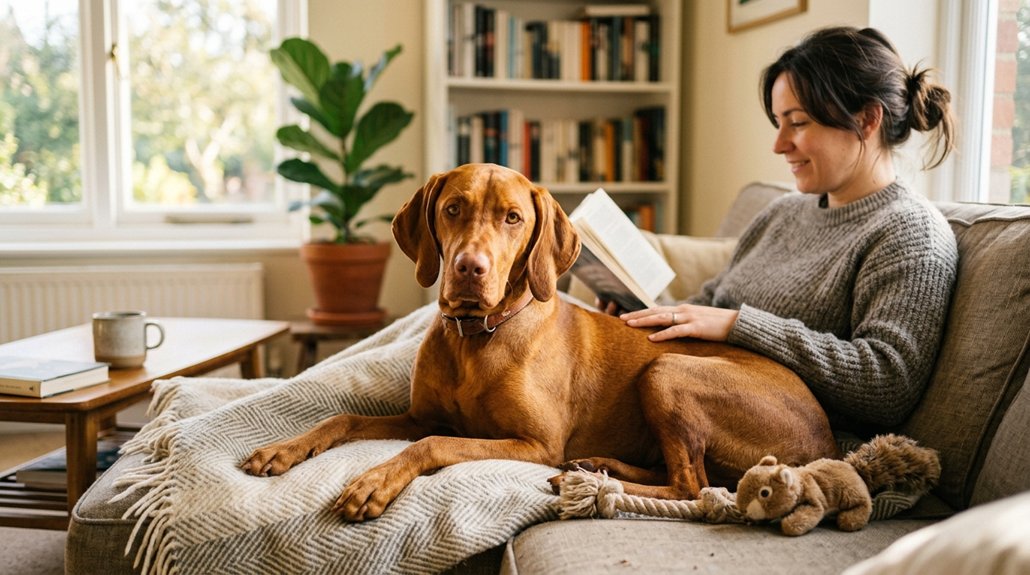
When you’re choosing a loyal dog breed for companionship, consider those renowned for deep emotional bonds and unwavering devotion. Labrador Retrievers and Golden Retrievers are gentle, adaptable, and perfect for families. German Shepherds stand out for their protective instincts, while Akitas offer quiet dedication. For smaller options, Dachshunds and their spirited nature can be delightful. Understanding these breeds’ traits guarantees a harmonious relationship, offering more insights into fostering lifelong bonds.
Key Takeaways
- Labrador Retrievers are known for their gentle demeanor, adaptability, and high trainability, making them ideal loyal companions for families.
- Golden Retrievers exhibit unmatched loyalty and sociability, forming profound emotional connections within families as companions.
- German Shepherds possess strong protective instincts and deep devotion, contributing to their role as loyal guardians in family settings.
- Beagles’ spirited, pack-oriented nature ensures easy family integration and reliable companionship through bonding with all family members.
- Akitas are historically symbolic of loyalty, known for their reserved demeanor and strong, silent bonds with their owners.
Why Understanding Dog Loyalty Matters
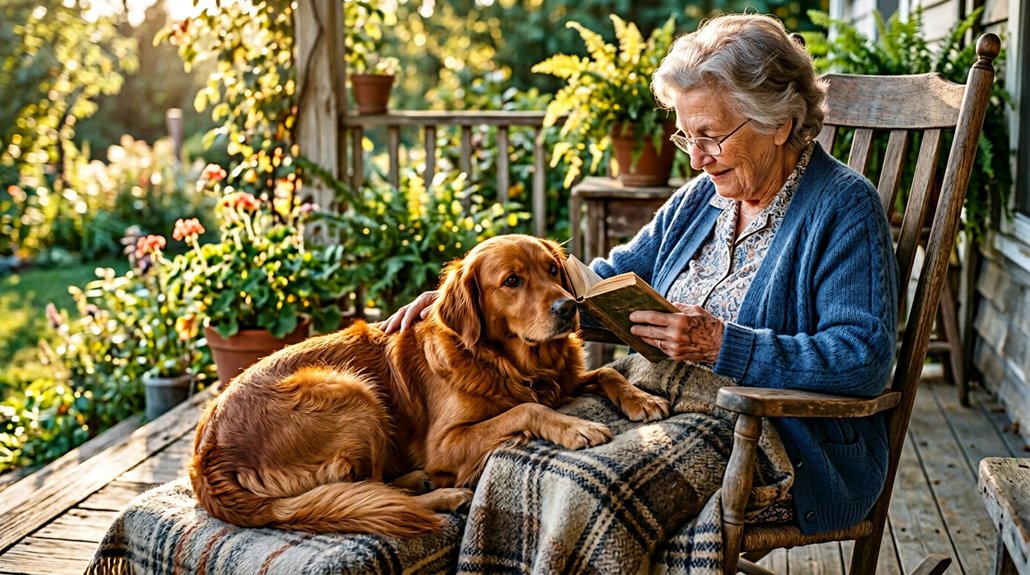
While choosing a dog breed, understanding loyalty can play a essential role in forming a harmonious relationship with your pet. Delving into dog personality traits aids in selecting a breed that matches your lifestyle, easing future interactions. Breeds like German Shepherds and Golden Retrievers are renowned for their strong emotional bonds, often beneficial in enhancing human well-being by increasing oxytocin levels. However, loyalty isn’t solely bound to specific breeds; mixed breeds and individual dogs can exhibit remarkable devotion when properly nurtured. This underlines the significance of effective loyalty training from an early age to foster attachment and emotional connections. Consistent training and socialization are fundamental so your future companion can express affection and fit seamlessly into your family dynamic.
How to Strengthen Loyalty in Your Dog
To strengthen loyalty in your dog, it’s vital to establish a foundation of trust and reliability through consistent, positive interactions. Engage in loyalty training by using positive reinforcement techniques, which build confidence and solidify your relationship. Socialization plays a significant role, too; introducing your dog to various environments and beings helps develop a secure emotional connection with you.
Spend quality time with your pet—whether playing, walking, or simply cuddling—to reinforce that connection. Establishing a consistent daily routine provides comfort and predictability, key components in fostering trust and enhancing loyalty. Finally, explore bonding activities like training classes or agility courses; they’re excellent for mental and physical stimulation, enhancing loyalty and deepening your bond with your companion.
Labrador Retrievers: Gentle and Adaptable
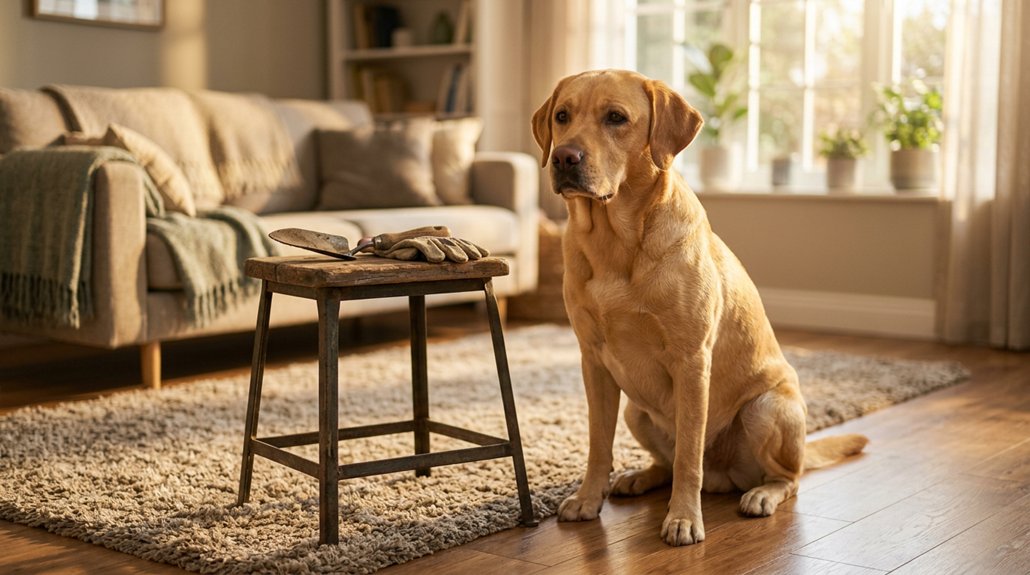
Renowned for their gentle demeanor and adaptability, Labrador Retrievers stand as one of the most beloved dog breeds in the world. Their sweet nature makes them ideal companions for families and children. Weighing between 55 to 80 pounds and standing 21.5 to 24.5 inches tall, these dogs boast a robust build suited for different environments. Labradors’ high trainability and willingness to please mean they respond exceptionally well to consistent training techniques, making them perfect for roles as service and therapy dogs. Their social intelligence allows them to mirror your emotions, fostering emotional bonding and strong companionship. Whether you’re in a bustling city or serene countryside, Labradors thrive, providing loyal companionship throughout their 10 to 12-year lifespan.
Why German Shepherds Make Courageous Protectors?
When you consider a German Shepherd for protection, you’re choosing a breed celebrated for exceptional protective instincts rooted in their genetic makeup. Their extraordinary intelligence makes them highly trainable, enabling them to quickly understand and respond to potential threats with precision. Coupled with their ability to form strong family bonds, these qualities make German Shepherds not just companions but reliable guardians ready to courageously protect those they love.
Exceptional Protective Instincts
As one explores the world of canine companions, it’s impossible to overlook the exceptional protective instincts of German Shepherds, whose courage and loyalty elevate them to unmatched guardians. You’ll find that their genetic pack mentality drives them to vigilantly monitor their surroundings and shield their families. Their innate protective behavior makes them ideal for roles in police and military sectors. For these intelligent dogs, loyalty training is essential, reinforcing their natural instincts via consistent mental challenges. As “one-person” dogs, they form profound emotional bonds, displaying deep devotion and protection towards their owners. Their versatility in security and family settings highlights their unwavering loyalty.
| Attribute | Description |
|---|---|
| Protective Behavior | Monitors and safeguards environment |
| Loyalty Training | Reinforces instincts through challenges |
| Emotional Bonding | Forms deep connections with owner |
Intelligent and Trainable
Given their remarkable intelligence and adaptability, German Shepherds have carved a niche as courageous protectors. Ranking third on the canine intelligence scale, these dogs swiftly grasp commands and execute complex tasks, making them ideal for roles requiring precision and alertness. Their enthusiasm to please greatly enhances their trainability, especially in obedience training where consistency is key. As you engage your German Shepherd in cognitive enrichment activities, you’ll find their loyalty deepens alongside their mental acuity.
Their latent protective instincts stem from a strong pack mentality, naturally inclining them to guard their environment. However, this isn’t just instinctive—it’s also a product of deliberate training and responsive handling that reinforces their protective roles. By offering them mental challenges, you’re ensuring a devoted and well-balanced protector.
Strong Family Bonds
Although German Shepherds are known for their strong protective instincts, it’s their deep family bonds that truly make them courageous protectors. When you welcome a German Shepherd into your home, you’re not just getting a dog—you’re gaining a fiercely loyal family member. Their family loyalty is evidenced by devotion indicators such as their tendency to grow particularly attached to one person, often their primary caregiver. Highly intelligent and emotionally perceptive, they can sense shifts in your emotional state, providing both comfort and protection. Their need for mental and physical stimulation reinforces these bonds, ensuring they remain alert and reliable. This unique combination of traits—loyalty, intelligence, and empathetic connection—creates a perfect environment for them to flourish as dedicated guardians of the family.
Golden Retrievers: Friends for the Family
As you explore the perfect family canine, you’ll find that Golden Retrievers distinguished themselves with unmatched loyalty and adaptability. This breed’s intelligence and willingness to please make them ideal companions for households looking for a reliable and affectionate friend. Whether engaging in playful outdoor activities or comforting during quiet moments, Golden Retrievers consistently enhance family dynamics with their warmth and dedication.
Unmatched Loyalty Features
Golden Retrievers’ unmatched loyalty makes them exceptional companions for families. They establish a profound emotional connection that turns them into more than just pets; they become family members. You’ll find that their social nature and willingness to please are pivotal in creating such close bonds. Scientifically, their loyalty is evident in their tendency to follow you around, seeking interaction and companionship at every opportunity.
Utilizing effective training techniques can further enhance this loyalty. Their high trainability allows them to excel in tasks, whether in service roles or as emotional support animals. It’s not just a coincidence they make up nearly 30% of emotional support animals in the U.S. Their ability to adapt and commit to their human companions is truly unparalleled.
Perfect Family Companions
Renowned for their friendly and sociable nature, Golden Retrievers are ideal family companions. They integrate seamlessly into family dynamics due to their trainability and willingness to please. Standing 21.5 to 24 inches tall and weighing between 55 to 75 pounds, they’re perfectly sized for balanced family interactions. You’ll find their ability to interact with everyone, from toddlers to grandparents, heartwarming and invigorating. They become lifelong companions thanks to their 10 to 12-year lifespan, offering years of unwavering loyalty and affection.
Golden Retrievers excel as family pets through:
- Trainability: Eager learners that adapt well to family routines.
- Loyalty: Bond deeply, ensuring they’re always part of family activities.
- Affection: Gentle nature makes them exceptional partners for young and old alike.
Beagles: How Their Energy Enhances Family Bonds
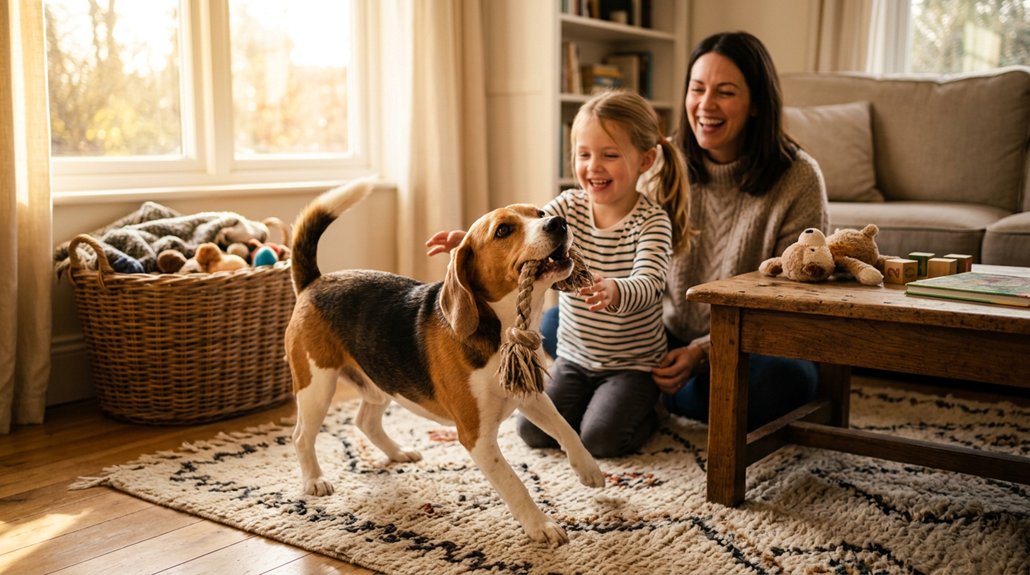
The spirited nature of Beagles transforms ordinary family life into a vibrant experience by encouraging more active togetherness. Their zest for beagle adventures invites you to set out on lively family outings, creating memories while fulfilling their need for exercise and mental stimulation. As a pack-oriented breed, Beagles naturally integrate into family life, forging strong bonds with everyone, including other pets. This integration enhances family dynamics and fosters an environment where loyal companionship is at the forefront.
Scientifically speaking, their curious disposition stimulates laughter and joy with their vocal antics and merriment, elevating the family’s emotional well-being. Empathetically, Beagles provide unwavering affection, serving as constant companions who adapt to social environments effortlessly, ensuring a home filled with love, activity, and heartwarming connections.
Akitas: Quietly Dedicated Companions
While Akitas may possess a reserved nature, their loyalty and dedication to their families are unparalleled, silently weaving threads of affection into daily life. You’ll find these traits deeply ingrained in their history, epitomized by Hachiko, the Akita who waited years for his deceased owner. To harness such loyalty efficiently, consistent loyalty training is critical. Akitas thrive under confident leadership, which directs their protective instincts wisely and avoids overzealousness. Despite their quiet demeanor, Akitas form intense bonds, offering both love and a calm presence.
- Training Insights: Maintain regular socialization and consistent leadership.
- Historical Symbolism: The story of Hachiko showcases devotion.
- Companion Characteristics: Their calm presence is perfect for homes needing serenity.
Through understanding and guidance, an Akita flourishes alongside you.
Rottweilers: Loyal and Confident Guardians
Although Rottweilers may appear imposing at first glance, their loyalty and affable nature make them exemplary family guardians. Their temperament is characterized by unwavering loyalty, forming strong bonds through proper Rottweiler socialization. You’ll find them to be intelligent and highly trainable, thriving on consistent Rottweiler training with mental stimulation. Regular Rottweiler exercise guarantees they channel their robust energy positively within Rottweiler family life. Their weight, often between 80 to 135 pounds, doesn’t deter them from being affectionate lap dogs, especially with children. Rottweiler grooming is straightforward, but routine checks are essential for their health, given their 8 to 10-year lifespan. Embrace the powerful yet gentle nature of Rottweiler companionship, and you’ll have a confident guardian at home.
Dachshunds: Small, Devoted Partners
When considering a companion that’s both independent and affectionate, you might find Dachshunds to be an ideal choice. Their energetic and playful nature can bring endless joy to your home, though their stubborn streak requires patience and consistent training. Still, their unwavering loyalty and protective instincts make them not only loving partners but also devoted family members.
Stubborn Yet Loving Nature
Renowned for their stubborn yet affectionate disposition, Dachshunds are small in stature but possess a heart full of loyalty, making them ideal companions. Their stubborn affection can present training challenges, requiring patience and consistency. Yet, this very quality enhances their devoted nature, as they form deep emotional connections with their human families. Despite standing only around 8 to 9 inches tall, these dogs channel their stubbornness into lasting loyalty, supporting their families with a loving presence.
- Training Challenges: Require patient, consistent training to manage stubbornness.
- Affectionate Bonds: Thrive on interaction, forming strong emotional attachments.
- Long-term Companionship: Loyal throughout their 12 to 16-year lifespan.
Ultimately, Dachshunds’ steadfast loyalty and affectionate nature make them a cherished breed in the sphere of companionship.
Energetic Playful Companions
Embracing their playful and energetic side, Dachshunds offer a delightful contrast to their stubborn yet affectionate nature. Known affectionately as “wiener dogs,” their compact size—ranging from 5 to 9 inches tall and weighing 11 to 32 pounds—house immense personality. Their energetic playfulness doesn’t just endear them to you, but it also requires patience and consistency to manage their sometimes stubborn behavior. Loyalty training is essential, helping them channel their devotion into positive interactions and ensuring they remain well-adjusted companions. Their strong attachment manifests in following you closely and seeking comfort in proximity, highlighting their need for companionship. With a lifespan of 12 to 16 years, their enduring loyalty and lively spirit make them cherished long-term partners.
Independent But Affectionate
Although Dachshunds possess an independent streak, their affectionate nature is undeniably strong, making them small yet devoted partners. These charming creatures excel at forming emotional bonds with their owners, offering delightful companionship. Weighing between 16 to 32 pounds for standard types, both standard and miniature Dachshunds are adaptable to various living environments. Their longevity, with a lifespan of 12 to 16 years, enables them to be a consistent source of independent affection and playful loyalty throughout their lives. A Dachshund’s stubborn streak may challenge training efforts, yet their enthusiasm to please shines when given consistent guidance.
- Thrive on being involved in daily activities and drawing attention.
- Strong emotional bonds enhance their role as loyal companions.
- Stubborn yet trainable with thoughtful persistence and patience.
Shiba Inus: Alert Companions With Affection
A Shiba Inu’s presence in your home can transform it into a lively yet affectionate haven. Their distinctive Shiba Inu characteristics include a compact size, typically standing 13.5 to 16.5 inches tall and weighing 17 to 23 pounds, coupled with a keen sense of alertness. These intelligent dogs are naturally vigilant watchdogs, sensitive to changes in their environment. While they’re known for their independence, their loyalty is unmatched, often forming deep bonds with their families. Early Shiba Inu training and socialization are essential to cultivate positive behaviors and guarantee their role as affectionate companions. Shiba Inus have an admirable lifespan of 13 to 16 years, allowing you to enjoy their companionship for many cherished years.
Frequently Asked Questions
What Is the Most Loyal Companion Dog?
You’d find Labrador Retrievers among the top companion breeds. Their loyalty shines through effective loyalty training, enhancing their role as emotional support animals. You’ll appreciate their genuine affection and consistent reassurance, especially when times get tough.
What Is the 7 7 7 Rule for Dogs?
The 7-7-7 rule for dogs suggests daily seven-minute training sessions. You should expose them to seven new experiences weekly, using interactive training techniques, promoting healthier dog behavior, and enriching their lives with diverse mental challenges.
How Do You Say “I Love You” in Dog Speak?
To say “I love you” in dog speak, notice dog body language; gentle eye contact, tail wags, and cuddles are key. Canine vocalizations like soft whines or happy barks also express their affection and loyalty towards you.
What Words Do Dogs Hear Best?
Imagine you’re telling Rover “walk” and he leaps happily. Dogs hear short, clear words best due to their canine vocabulary skills. Use lively tones to enhance dog communication, fostering a responsive and joyful connection.
Conclusion
When it comes to loyalty, the breed’s heart is the undeniable anchor. You’ve explored an array of devoted companions, each with unique attributes—from the gentle Labrador to the watchful Shiba Inu. While understanding and nurturing your dog’s loyalty is essential, remember it’s a two-way street; your bond is as strong as steel when fortified by mutual trust and love. Embrace the journey of companionship with these loyal breeds, for they’re truly the hand that will never let go.