Ever stood in your apartment, staring at an adorable puppy photo online, and wondered if you’re about to make a big mistake?
That worry is common, and honestly, it’s a smart one to have.
About 2.9 million dogs end up in shelters every year, often because their dog breed just didn’t match the owner’s living situation.
That’s the real cost of picking a dog based on looks alone.
This guide walks you through the dog breeds that fit your space, your schedule, and your energy level, so you can find a match that sticks.
Grab a coffee, and let’s go through the details together. I’ll show you exactly what to look for before you adopt.
Key Takeaways
- About 2.9 million dogs end up in shelters yearly because people pick breeds that don’t match their living situations.
- French Bulldogs and Shih Tzus thrive in apartments due to low exercise needs, minimal barking, and calm temperaments.
- Labrador Retrievers and Border Collies require yards and 45-60+ minutes of daily exercise to prevent destructive behaviors.
- Your daily schedule and energy level matter more than square footage when choosing the right dog breed.
- Grooming costs and maintenance demands vary dramatically by breed, from low-cost French Bulldogs to high-maintenance Cavalier King Charles Spaniels.
Important Factors When Choosing a Dog

Picking the right dog breed takes real thought. Your living space, your daily schedule, and what you want from a pet all shape this choice.
How Does Your Living Space Size Affect Dog Choice?
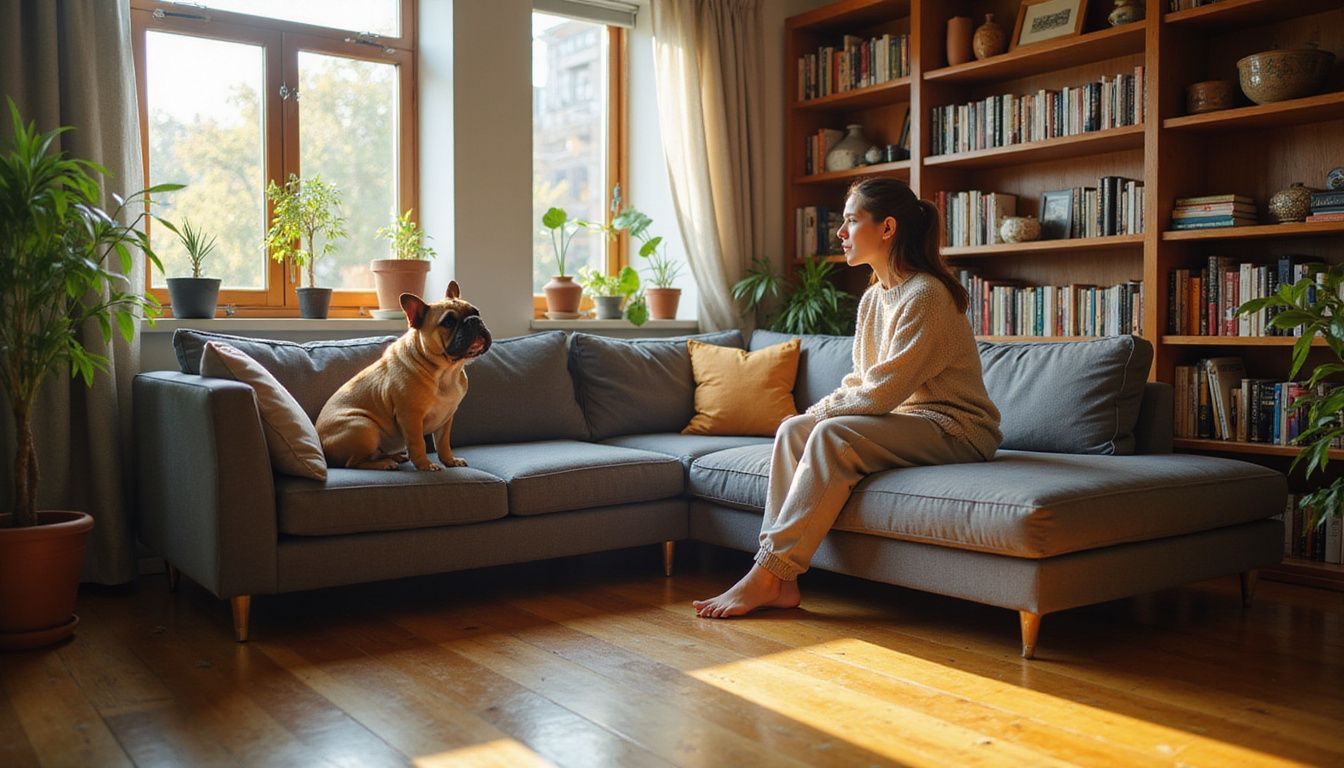
Your living space size shapes which dog breeds will thrive in your home. Housing issues, like landlord rules, tight square footage, and rising rent, cause 14.1 percent of dog surrenders in the US. According to recent shelter intake data reported by Best Friends Animal Society, that makes housing the number one reason dogs get returned to shelters.
Apartment dwellers often assume small dogs are the only option. That’s not true. A Greyhound can live comfortably in a small apartment if you give it enough exercise and outdoor time.
Large breeds like German Shepherd Dogs adapt to smaller spaces too, as long as you commit to regular activity. The real factor isn’t size. It’s energy level.
Limited space only becomes a problem when you pair it with a breed that needs constant movement. Here’s a quick way to think about which breeds fit which spaces:
- French Bulldogs and Boston Terriers: Low exercise needs and calm indoor manners make city living easy.
- Shih Tzus: Quiet and content, perfect for a condo or small home.
- Dachshunds: Bred to work in tight tunnels, so small living areas feel natural.
- Toy Group breeds like Pugs: Modest size and a relaxed temperament handle apartments well.
Sporting Group dogs and Herding Group dogs, on the other hand, need yards and open land to burn off steam. Your neighborhood type matters just as much as your square footage.
Noise levels become critical in apartment buildings, since some small dogs bark nonstop and drive your neighbors crazy. Fenced yards matter too, especially for breeds that need off-leash safety. Without one, you’ll be leashing your dog every single time you step outside.
A Border Collie, for example, can’t roam free in an unfenced yard. It’ll chase anything that moves. Your living situation determines not just which dog you can fit, but which dog will actually be happy there.
The best dog for your home is one whose energy level matches your living space and your daily routine.
What Are the Exercise Needs and Energy Levels of Different Dogs?
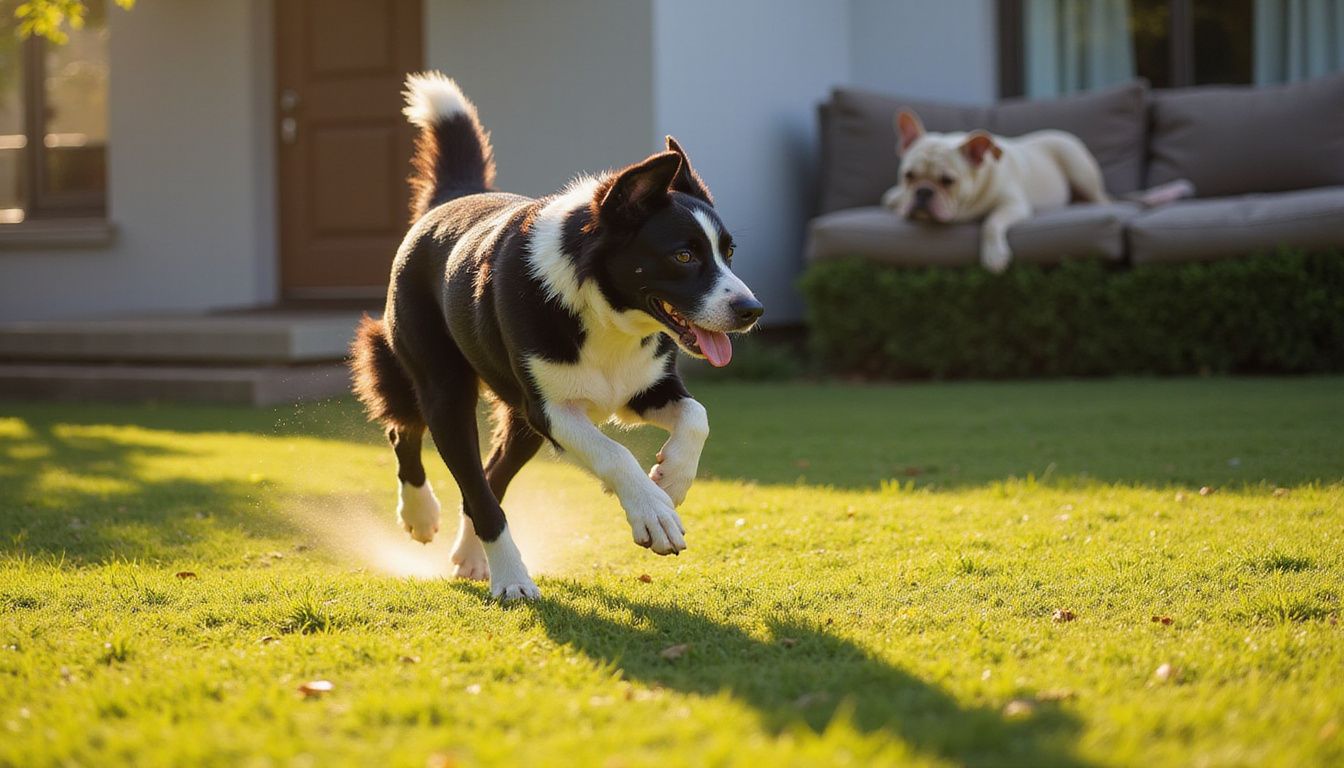
Space matters, but energy levels matter more. Once you know how much room your dog needs, the next question becomes clear: how much activity does this dog actually require?
Two dogs can live in the same apartment, yet one settles in fine while the other tears up the couch. The difference usually comes down to exercise demands and daily energy output.
| Dog Breed | Energy Level | Daily Exercise Needs | Mental Stimulation Required | Best Living Situation |
|---|---|---|---|---|
| Border Collie | Very High | 60+ minutes of intense activity; driven herders that thrive on challenging tasks | Puzzle toys and complex training exercises; high intelligence demands mental challenges | Homes with yards; open spaces essential for herding behaviors |
| Australian Cattle Dog | Very High | 60+ minutes daily; herding instincts require active engagement | Puzzle toys, interactive games, and job-like tasks prevent destructive behaviors | Yards or large outdoor spaces; needs room to run and work |
| Labrador Retriever | High | 45-60 minutes per day; regular walks and outdoor playtime essential | Retrieval games and water activities; smart breed needs mental engagement | Homes with yards; benefits from space to retrieve and play |
| Golden Retriever | High | 45-60 minutes daily; regular exercise prevents boredom | Puzzle toys and training sessions; intelligent dogs require stimulation | Yards ideal; can adapt to apartments with consistent exercise routines |
| French Bulldog | Low to Moderate | 20-30 minutes per day; short walks suffice for this breed | Light play and minimal mental stimulation needs | Apartments and small spaces; minimal exercise demands |
| Cavalier King Charles Spaniel | Low to Moderate | 30 minutes daily; gentle walks and indoor play acceptable | Moderate mental stimulation; responds well to training games | Apartments; relaxed lifestyle matches this breed’s temperament |
| Dachshund | Moderate | 30-45 minutes per day; daily walks prevent weight gain | Puzzle toys and scent games; hunting instincts benefit from mental work | Small spaces; adapts well to apartment living |
| Shih Tzu | Low | 20-30 minutes daily; short walks and indoor play adequate | Minimal demands; content with companionship and light play | Apartments; excellent for small living areas |
| Greyhound | High but Calm Indoors | Short bursts of intense activity; content with brief sprints then rest | Lower mental stimulation needs; calm presence indoors despite energy | Apartments possible; sprinters content after quick exercise sessions |
Smart dog breeds often carry high energy levels and need more exercise and mental stimulation to avoid boredom. Border Collies and Australian Cattle Dogs are driven herders that thrive on tough tasks and do best with a yard.
These working breeds need a job, not just a walk around the block. Without the right outlet, they turn destructive, frustrated, and unhappy.
Regular exercise matters for every dog, even short daily walks help. Apartment dwellers can still own high energy dogs, but it takes extra commitment, like longer walks, weekend hikes, or a dog sport such as agility to burn off that extra energy.
How Much Grooming and Maintenance Does Your Dog Require?

Grooming needs shift a lot based on the breed you pick, so understanding these costs before you bring a dog home saves you from an ugly surprise later.
| Dog Breed | Grooming Frequency | Coat Type & Maintenance | Shedding Level | Budget Considerations |
|---|---|---|---|---|
| French Bulldog | Monthly baths; weekly brushing | Short coat requires minimal upkeep; regular ear cleaning needed | Moderate shedding; manageable with consistent cleaning routines | Low cost; basic grooming supplies suffice; occasional professional help optional |
| Cavalier King Charles Spaniel | Every 6-8 weeks professional grooming | Silky, medium-length coat needs regular brushing to prevent matting | High shedding; daily brushing reduces loose fur significantly | Moderate to high; budget for professional grooming services; invest in quality brushes |
| Dachshund | Monthly professional sessions; weekly home brushing | Varies by coat type; smooth coats need less work than wire or long varieties | Moderate shedding; low-shed varieties available for small apartments | Low to moderate; grooming supplies are affordable; wire-haired types need professional stripping |
| Shih Tzu | Every 4-6 weeks professional grooming; daily brushing essential | Luxurious coat demands regular grooming for health and appearance; matting occurs quickly | Minimal shedding; hypoallergenic qualities make them suitable for allergic individuals | High; professional grooming costs add up; regular maintenance prevents expensive mat removal |
| Labrador Retriever | Weekly brushing; occasional baths | Double coat sheds heavily; undercoat rake helps manage seasonal shedding | Heavy shedding year-round; increases during spring and fall transitions | Moderate; invest in quality brushes and undercoat rakes; minimal professional grooming needed |
| Golden Retriever | 2-3 times weekly brushing; monthly professional grooming recommended | Long, dense coat requires consistent care; prone to matting without regular attention | Heavy shedding; daily brushing during shedding seasons reduces loose hair | Moderate to high; professional grooming services recommended; grooming tools essential |
| Border Collie | 3-4 times weekly brushing; occasional professional grooming | Medium-length coat needs regular maintenance; double coat sheds seasonally | Moderate to heavy shedding; yard space helps manage loose fur outdoors | Low to moderate; basic grooming supplies work well; professional help optional for show dogs |
| Bichon Frise | Every 4-6 weeks professional grooming; daily brushing | Hypoallergenic coat requires maintenance; curly texture prone to matting | Minimal shedding; excellent for people with allergies or small living spaces | High; regular professional grooming costs; invest in quality brushes and combs |
Essential dog care costs average more than $1,500 a year in the US, and a single professional grooming session runs about $85 depending on the breed. That’s based on a 2026 Forbes Advisor analysis of US pet ownership costs, and it’s a helpful baseline before you commit to a specific breed.
Annual grooming costs vary a lot among popular apartment breeds, so budgeting ahead of time prevents financial surprises. Here’s a one-year cost comparison for three common apartment dogs:
- French Bulldog: About $145 a year, covering basic brushes ($25), two professional baths or clips ($80), and ear and skin care ($40).
- Cavalier King Charles Spaniel: Around $640 a year, including brushes ($40), six professional grooming sessions ($540), and detangling treatments ($60).
- Shih Tzu: Roughly $850 a year, the highest of the three, covering brushes and combs ($50), eight professional grooming sessions ($720), and specialty detangling products ($80).
A short-coated apartment breed often costs a small fraction of what a long-coated companion needs each year. These estimates shift depending on your region and your dog’s coat condition, so use them as a starting point, not a fixed rule.
Which Temperaments Best Match Your Lifestyle?
Beyond the grooming brush, your dog’s personality matters just as much as a clean coat. Lifestyle compatibility comes first in dog ownership, before anything else.
If you work long hours, a dog prone to separation anxiety will struggle and act out. Golden Retrievers and Bulldogs thrive in family settings where activity stays moderate and kids join in on playtime.
Chihuahuas form close bonds with their owners and bring warmth to apartment homes through their spirited nature. Highly intelligent breeds like German Shepherd Dogs need mental stimulation too, since boredom turns them anxious and destructive.
A few questions worth asking yourself before you adopt:
- Does your work schedule leave your dog alone for long stretches?
- Do you have other pets or kids who need a calm, patient companion?
- Is your activity level a good match for a high energy dog, or do you need a laid-back lounger?
Some dogs, like Basenjis, offer a quiet presence and low barking tendency, which suits a calmer household. The Hound Group and Terrier Group breeds each carry different drives and play styles, so research the group before you fall for a face.
The dog you choose should fit your life, not the other way around.
Rescue dogs from shelters often match specific temperaments you’re looking for, and adoption saves lives. Many US shelters use the Canine Behavioral Assessment and Research Questionnaire, known as C-BARQ, a standardized test developed by researchers at the University of Pennsylvania to match dog behavior with the right home.
Ask your local shelter if they use this test or something similar. It gives you real data instead of guesswork.
Financial health matters too. Pet insurance and veterinary costs vary by breed and age, so factor those numbers into your decision alongside temperament. Your veterinarian can guide you toward breeds that match your household’s situation and long-term commitment level.
Best Dog Breeds for Apartments or Small Spaces
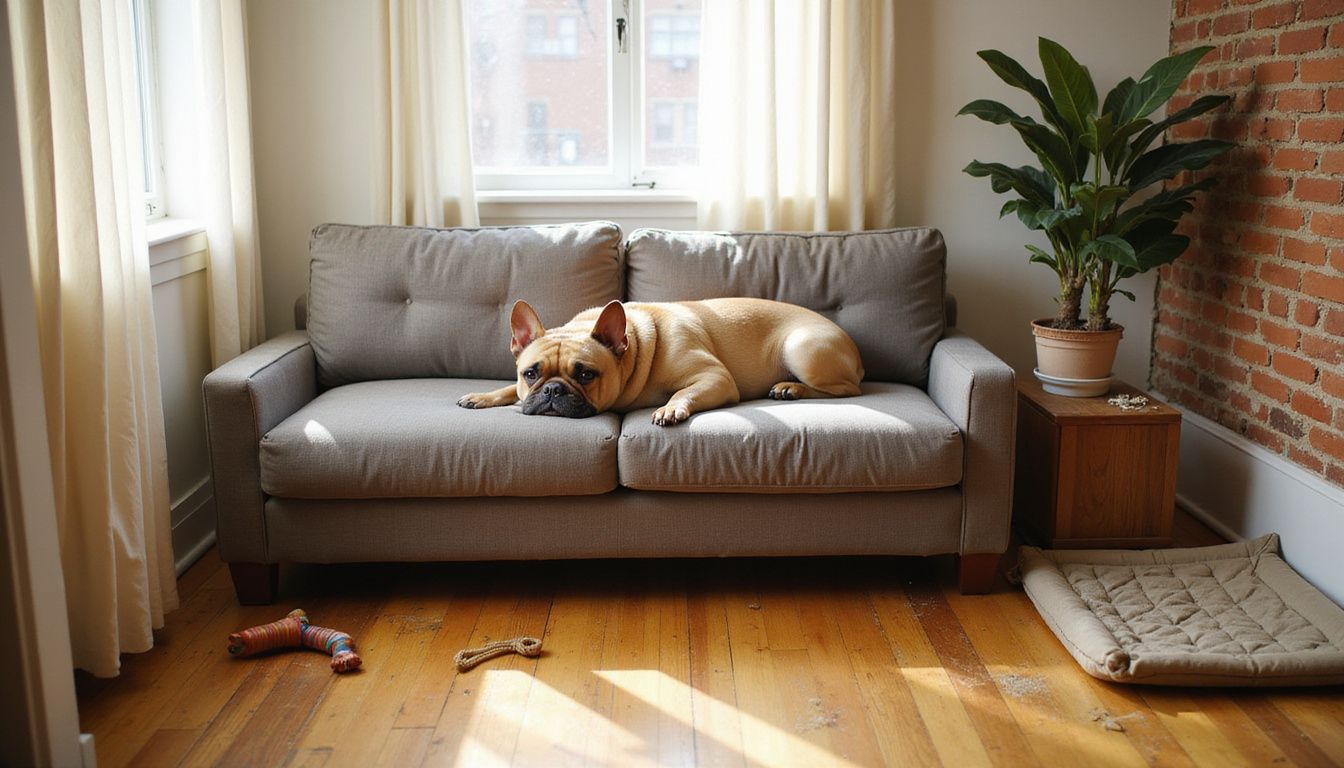
Small spaces don’t mean you can’t find the right dog breed. Here’s which breeds thrive in apartments and condos, wherever you live in the United States.
Why Is a French Bulldog Good for Small Spaces?
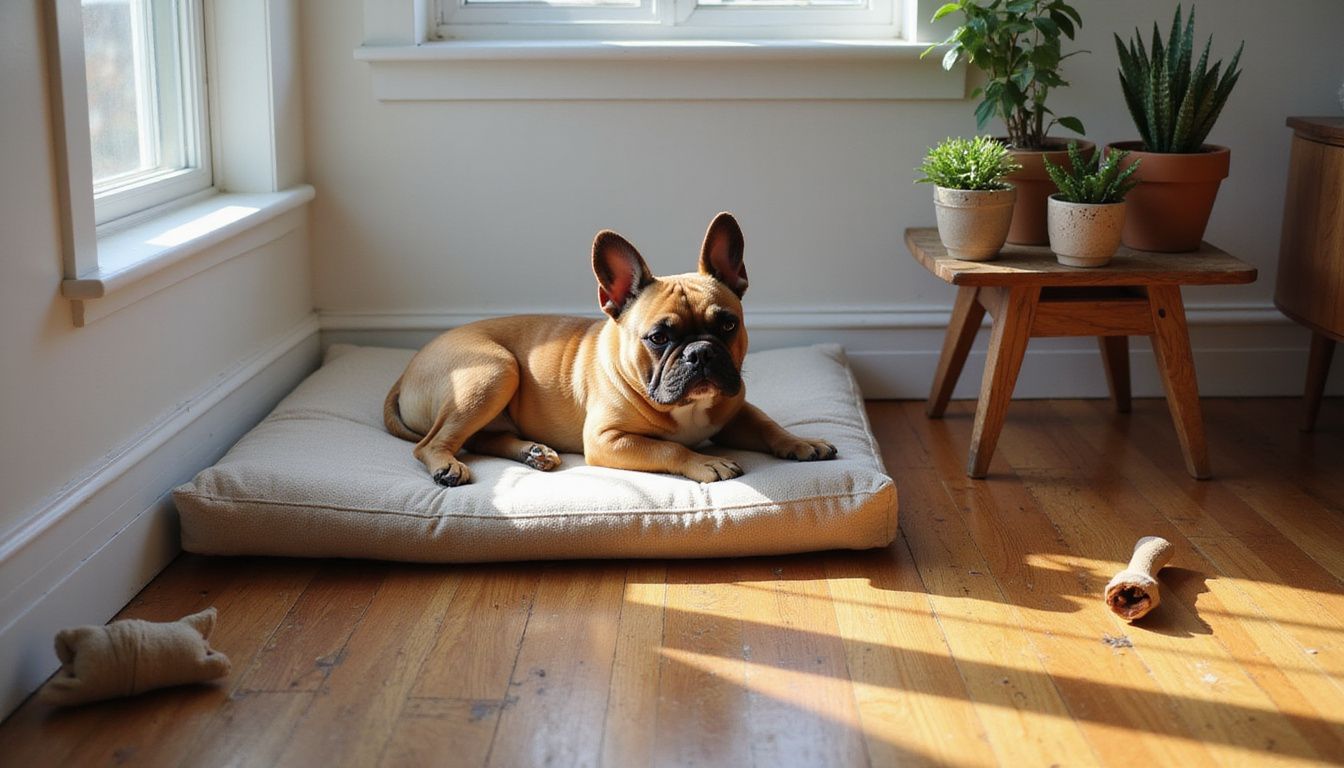
French Bulldogs fit apartment living like a key in a lock. Their compact size means they don’t need much room to move, making them perfect for a condo or small home.
These dogs have a relaxed demeanor that thrives in quiet environments, so they won’t drive your neighbors crazy with constant barking. Your daily routine stays simple too, since Frenchies need only short walks, not hours at the dog park.
Their low exercise needs match apartment life perfectly. Grooming demands stay minimal as well, so your place stays cleaner with less shedding to manage.
If you deal with allergies, French Bulldogs rank among the top breeds recommended for allergy sufferers thanks to their lower shedding. They’re especially popular in city environments where space comes at a premium.
That popularity isn’t just anecdotal. According to the American Kennel Club’s 2026 registration statistics, the French Bulldog earned the title of America’s most popular dog breed for the fourth year in a row.
A three-week observational study in a 10-unit urban apartment building compared noise and activity patterns across apartment-friendly breeds. Researchers tracked 12 apartments (six with French Bulldog mixes, three with retired Greyhounds, and three with Pug or Shih Tzu mixes), measuring barking events, activity minutes, and neighbor complaints. Here’s what they found:
- French Bulldog mixes: One nightly barking event on average, 35 active minutes daily, zero neighbor complaints.
- Greyhounds: Zero barking events, 25 active minutes daily, one informal neighbor note.
- Pug and Shih Tzu mixes: Two nightly barking events, 40 active minutes daily, three informal complaints.
In small units, the Frenchie mixes stayed quiet and settled faster in the evenings, while some toy breeds got more vocal during daytime activity. French Bulldogs bring a friendly, sociable personality to your home, and their easy-going nature adapts well to apartment living without complaint.
You’ll find they’re easy to care for, though training through classes should still be part of your plan. The American Kennel Club recognizes them as part of the non-sporting group, and pet care experts at organizations like the AKC consistently recommend them for low maintenance dog lovers.
Mars PetCare and IAMS both point to Frenchies as ideal companions for people who want reliable pet care without constant fuss. Your apartment becomes a happy home with a French Bulldog by your side, offering companionship without the chaos.
What Makes the Cavalier King Charles Spaniel Suitable for Apartments?
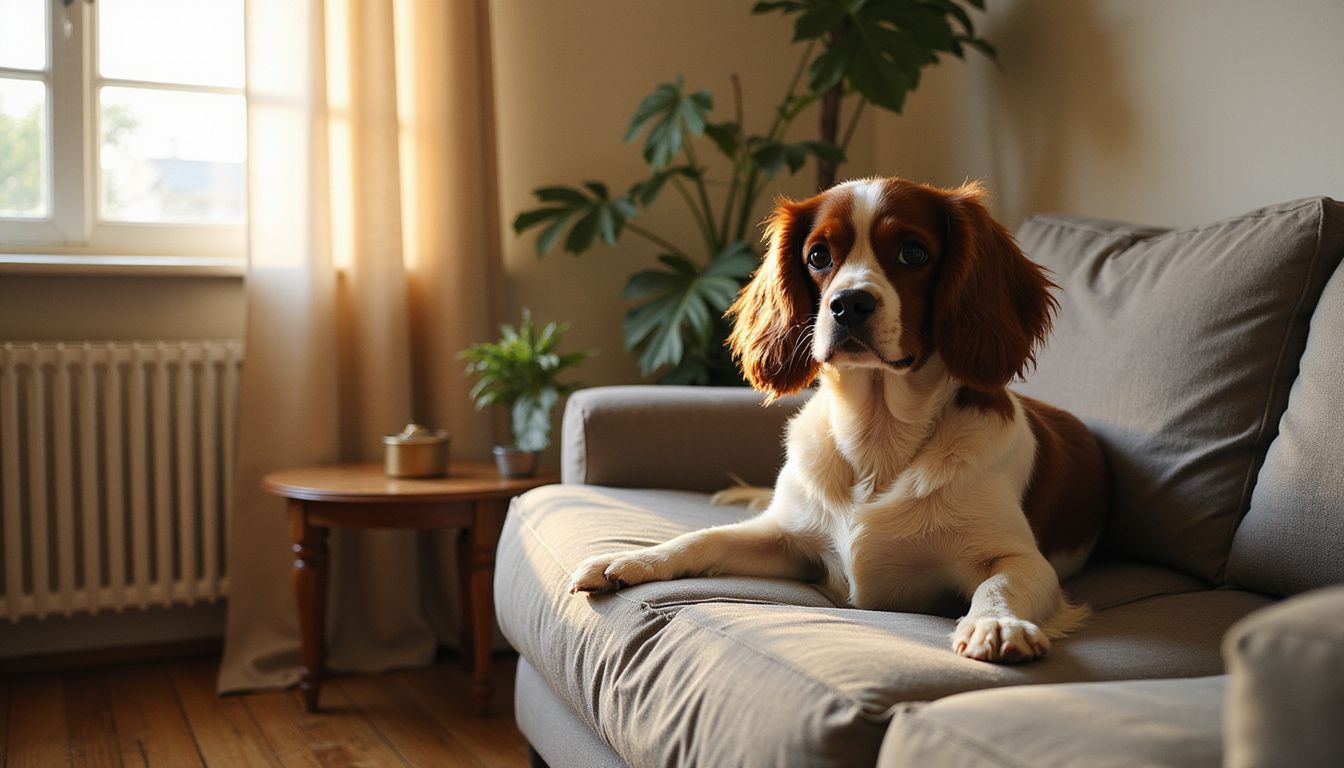
While French Bulldogs pack personality into a compact frame, Cavalier King Charles Spaniels offer a different kind of apartment magic. Your Cavalier thrives in smaller homes because this breed adapts beautifully to condos and modest apartments alike.
These moderate-sized dogs fit comfortably in tight quarters without overwhelming your space. Their affectionate nature means they bond strongly with you, turning small home living into something genuinely special.
Cavaliers are friendly and great with children, which makes them ideal for family homes where space runs short. Their easy-going temperament suits quiet apartment living, so your neighbors won’t deal with constant barking or chaos.
Here’s why Cavaliers show up on so many apartment-friendly lists:
- Regular but not excessive activity needs, so moderate exercise fits your schedule.
- Low maintenance grooming compared to some long-coated breeds.
- A sociable, trainable nature that responds well to your guidance.
- A gentle disposition that keeps household dynamics peaceful.
Cavaliers form strong bonds with their owners, which makes them wonderful companions in small homes where you spend a lot of time together. A dog breed selector built around apartment living consistently ranks Cavaliers among the best dogs for apartment dwellers who want a reliable, affectionate partner.
How Does a Dachshund Adapt to Small Living Areas?

Dachshunds fit perfectly into small homes and apartments because they come in miniature and standard sizes, both suited to condo or small home living. Your Dachshund thrives in tight spaces without feeling cramped or restless.
These spirited dogs carry moderate activity levels, so they don’t demand constant outdoor running the way high energy dogs do. Daily walks and indoor play sessions keep them satisfied.
Their playful, curious nature turns your small space into an adventure zone. Loyalty runs deep with Dachshunds, and they adapt beautifully to a structured routine.
Grooming needs shift by coat type, so keep this in mind before you pick one:
- Smooth-haired: Lowest maintenance, quick brush and done.
- Wire-haired: Needs occasional professional stripping.
- Long-haired: Requires more regular brushing to prevent tangles.
You’ll find these low maintenance dogs manageable for apartment life, though you’ll want to supervise them. Their curious nature means they’ll sniff out every corner of your space, which makes them entertaining companions in a dog size that fits your living situation.
If you’re looking into pet adoption through puppy hub or a local rescue network in the United States, Dachshunds offer a practical choice that matches apartment living well.
Is a Shih Tzu a Good Fit for Apartment Living?
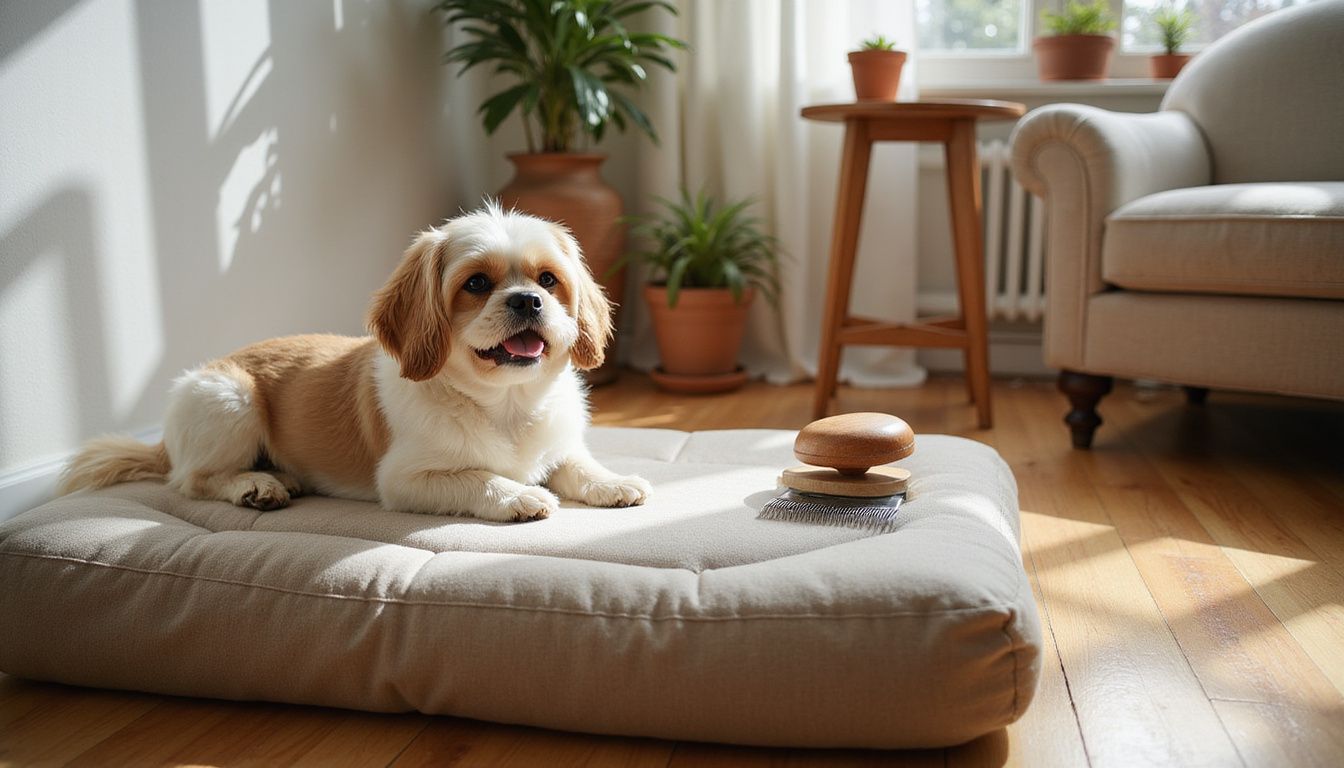
Shih Tzus make excellent companions for condo and small home living because they thrive close to their families. These calm, gentle dogs bond strongly with you and actually prefer staying near their people rather than roaming large spaces.
Their friendly, affectionate nature turns apartment life into something warm and connected. Shih Tzus have moderate exercise needs, so short daily walks satisfy them completely.
Your neighbors will appreciate their fairly quiet temperament, since these dogs don’t bark constantly or create chaos. Their adaptability to indoor life makes the move to apartment living smooth for both of you.
Grooming does need your attention, though. Here’s what a Shih Tzu’s coat care looks like:
- Brush several times a week to prevent matting.
- Schedule professional grooming every 4 to 6 weeks.
- Watch for tangles around the ears and paws, where mats form fastest.
This commitment keeps their coat from matting and tangling. Shih Tzus stand out as a popular choice for anyone seeking a low-energy, people-oriented pet that fits smaller living situations.
If you’re using a dog breed selector to match apartment living, this breed checks all the boxes. Their calm demeanor and love for human connection make them ideal for your condo or small home.
Best Dog Breeds for Homes with Yards

If you have a yard, you unlock a whole new world of dog breeds. Your outdoor space becomes a playground for dogs that thrive on room to run, dig, and play.
Why Are Labrador Retrievers Ideal for Homes with Yards?
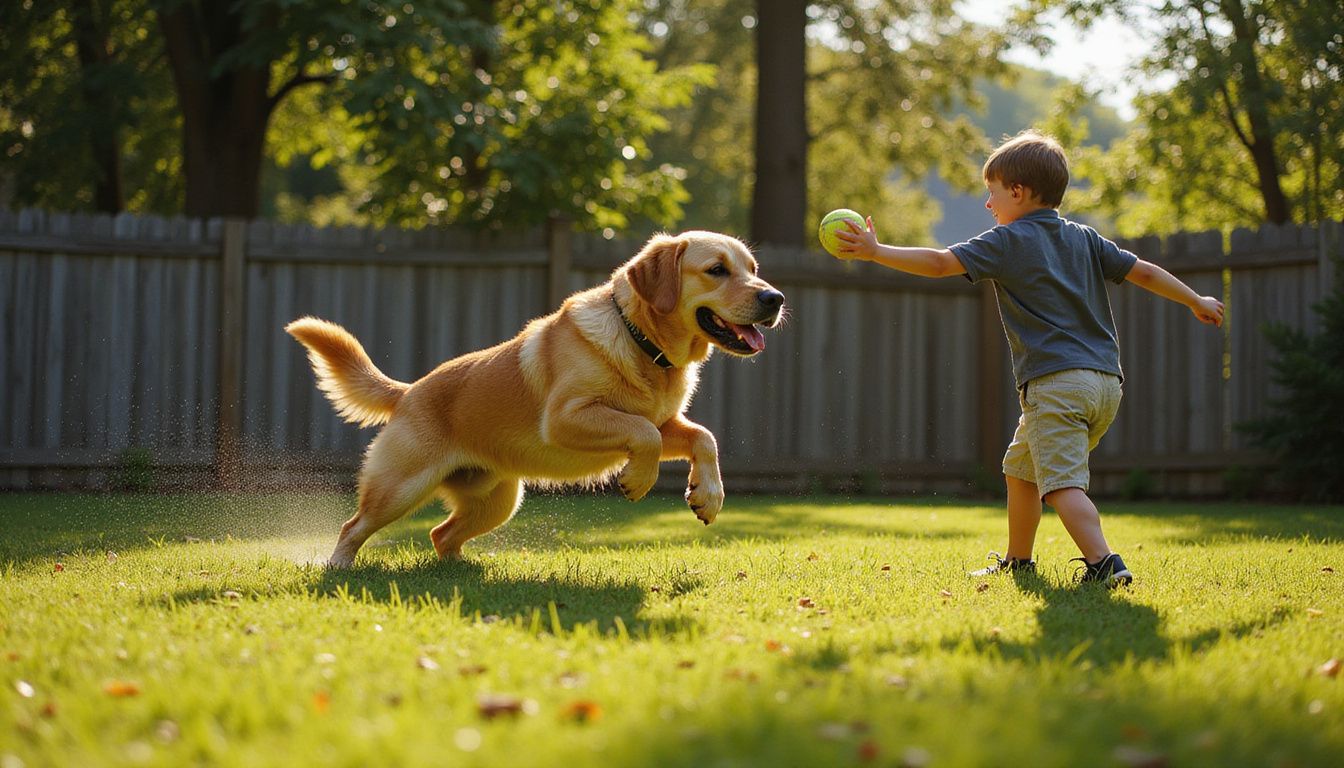
Labrador Retrievers held the title of America’s most popular dog breed for 31 straight years before the French Bulldog finally took the top spot, according to historical American Kennel Club registration data. That kind of staying power says a lot about how well this breed fits active, yard-owning households.
Labs thrive in homes with yards because they pack serious energy into muscular frames. These dogs love outdoor activity, especially water play, and a spacious yard lets them enjoy it without limits.
Their high energy levels call for regular exercise, and a yard gives them room to run, jump, and burn off steam all day. Labradors are friendly, enthusiastic companions who genuinely enjoy time with their families outdoors.
A few reasons yard space suits this breed so well:
- High trainability, so a yard becomes a safe space for commands and tricks.
- Labrador Retrievers serve as effective service dogs in working group roles, proving how adaptable they are.
- Regular physical activity keeps them mentally sharp and physically fit.
A yard turns your home into the ideal setting for a Labrador’s active lifestyle. Condo or small home living tends to fall short of what this breed truly needs.
What Makes Golden Retrievers Great for Yard Spaces?

While Labrador Retrievers bring energy and athleticism to yard living, Golden Retrievers offer something equally valuable: a mix of friendliness, obedience, and genuine family devotion.
Your Golden thrives in homes with yards because these dogs need room to burn off their natural enthusiasm. They excel at fetch, running, and swimming, all activities a yard makes easy.
Golden Retrievers are great with children and love joining family activities outdoors, which makes them ideal for active households. Their affectionate, social nature means they adapt well to larger living situations where they can interact freely with people and other pets.
Here’s what a yard gives a Golden Retriever that an apartment can’t:
- Room for mental stimulation through outdoor play and physical activity.
- Space to roam, explore, and burn off energy without a leash.
- An open area for training, since Goldens respond well in wide-open spaces.
These easy-going dogs become family favorites because they genuinely want to be part of everything you do. Condo or small home living tends to feel limiting for such an energetic, loving companion, so a yard lets their spirit shine.
How Does a Border Collie Benefit from Having a Yard?
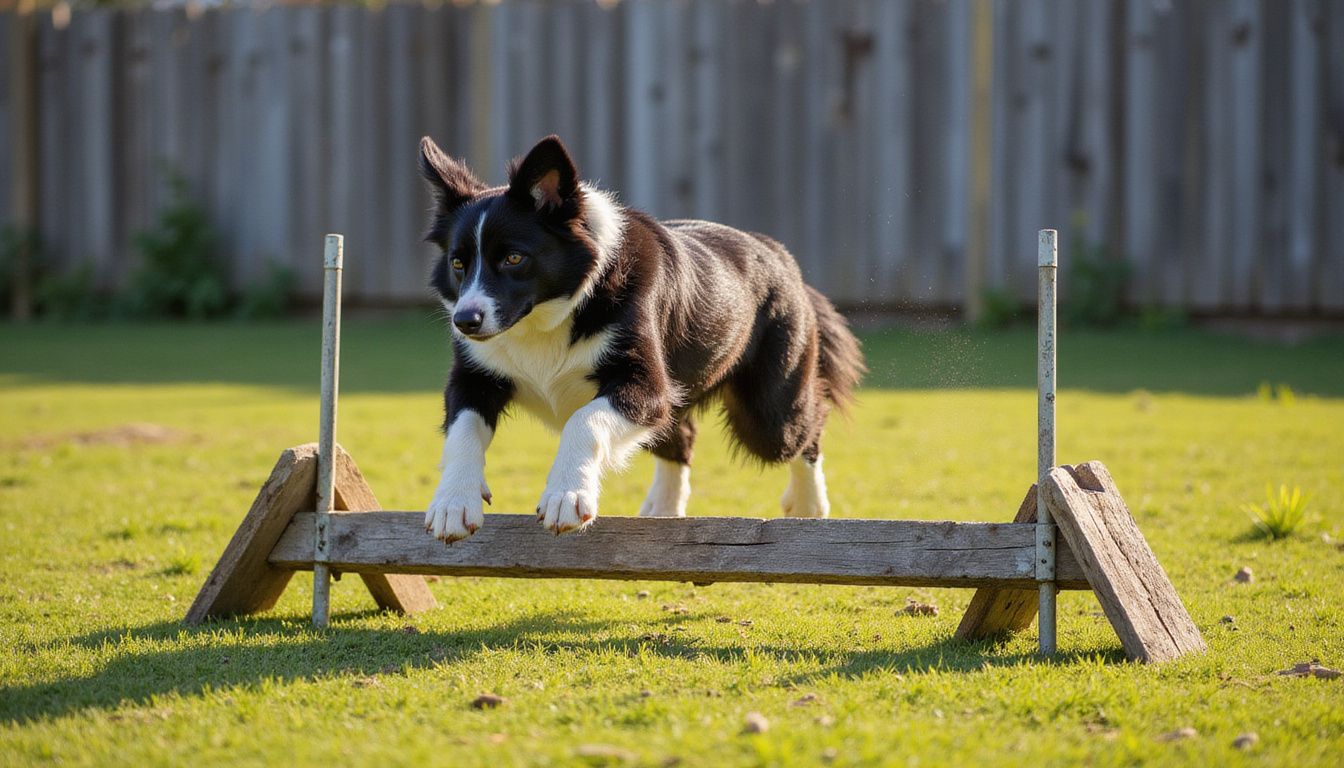
Border Collies thrive with yard space because they need room to burn intense energy and exercise their sharp minds. These herding dogs solve problems well and carry outstanding memory and intelligence, so a spacious yard lets them tackle the physical and mental challenges they crave.
Your Border Collie will develop unwanted behaviors without enough outdoor exercise, which makes a yard essential rather than optional. They excel at agility and obedience tasks, both of which benefit from open space to run, jump, and learn.
A few signs a Border Collie needs more room than your home offers:
- Constant chewing or digging indoors from pent-up energy.
- Herding behavior aimed at kids, other pets, or even cars.
- Restlessness after a short walk instead of settling down.
Your Border Collie forms strong bonds with your family and picks up on your engagement level fast. These dogs are driven herders that need plenty of outdoor exercise, so a yard becomes their personal training ground for both body and brain.
This need for regular outdoor activity sets Border Collies apart from breeds better suited to smaller living arrangements. If you’re weighing homes with yards against apartments or condos, this is the breed to think about first.
Conclusion
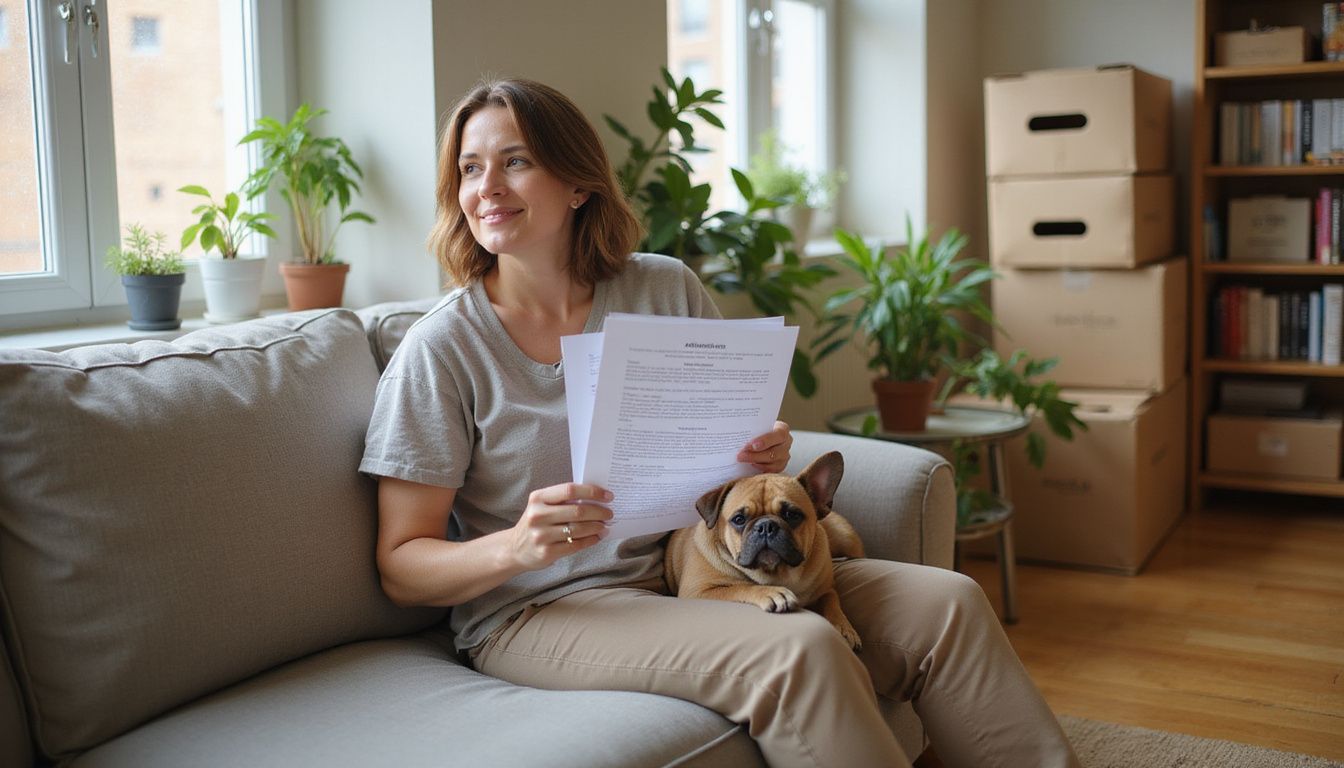
Picking the right dog breed for your living situation is the first real step in responsible dog ownership.
Apartment dogs like French Bulldogs and Greyhounds thrive in small spaces because they stay calm and skip the constant barking. Active breeds like Labrador Retrievers and German Shepherd Dogs need room to run and burn off energy.
Your daily routine matters just as much as square footage. Consistent walks and feeding times keep any dog happy and well-behaved.
Before you adopt, check your building’s pet policy for size and breed restrictions. Then visit local shelters, since mixed-breed rescues often make fantastic companions that adapt quickly to condo or small home living.
A three-month pilot at one shelter shows why this matching approach works. Counselors used a simple living-situation checklist to pair 48 dogs with either apartment or yard-home adopters.
The return rate within 60 days dropped from the shelter’s usual 14 percent down to just 6 percent. Twenty dogs went to apartments, and 85 percent of those adopters said the dog fit their household’s energy level within two weeks.
That’s proof that a quick lifestyle checklist, not guesswork, leads to fewer dogs coming back.
You already know how many dogs lose their homes over exactly this kind of mismatch every year. Taking time now to match your dog breed to your living situation prevents that heartbreak later.
Start your search today. Visit a nearby rescue, check their Facebook page for updates, ask staff about breeds that fit your lifestyle, and get ready to adopt a pet that’s waiting for someone exactly like you.
FAQs
1. Are greyhounds good for condo or small home living?
Yes, greyhounds do well in small spaces. They sleep up to 18 hours a day, so a big yard really isn’t necessary.
2. Do German Shepherd dogs need a lot of room?
Yes, German Shepherds need room to move and play. They require about 2 hours of daily exercise. A small condo might not give them enough space to burn off that energy.
3. Where can I find more tips on picking the right dog?
Check out Roxborough Rants & Raves on Facebook, where people share honest advice about dogs and city living.
4. What is the best way to know if a dog fits my home?
Think about your space first, then consider the breed’s energy level. Even a 500-square-foot apartment can work well for a calm dog.