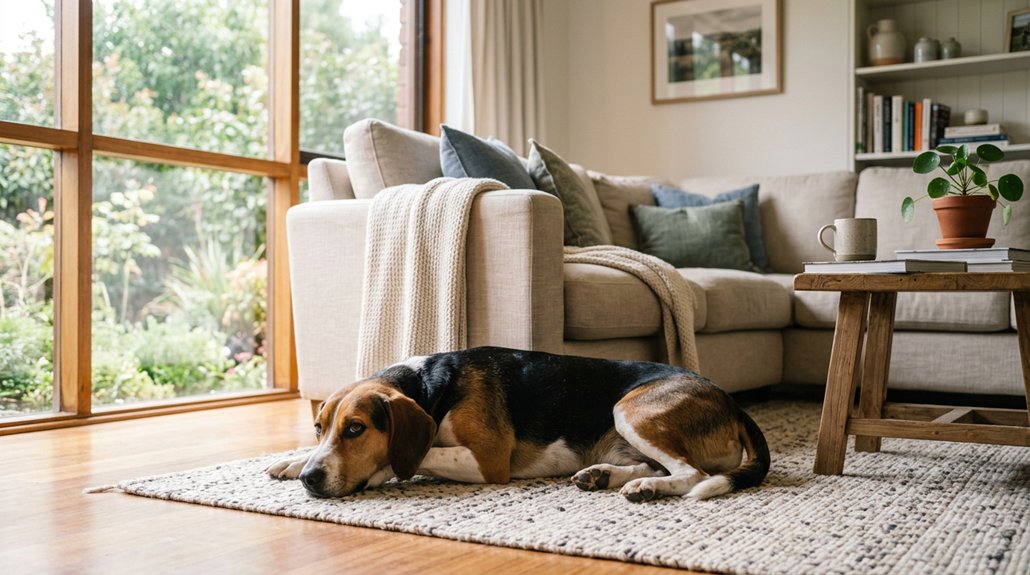
Choosing the right dog breed for your living situation means considering your lifestyle, space, and grooming preferences. High-energy dogs like Labrador Retrievers need ample exercise and space, while small breeds adapt better to limited areas. Busy lifestyles suit low-energy breeds like Bulldogs, needing less exercise and grooming. Assess grooming time and match your routine to the breed’s needs. Aligning these aspects guarantees a rewarding companionship and a happy pet. Discover more as you explore tailored breed options.
Key Takeaways
- Consider your living space to determine if a small or large breed is suitable for your home environment.
- Match the dog’s energy level with your daily routine to ensure a compatible lifestyle.
- Assess exercise needs to decide if a high-energy or low-energy breed fits your activity level.
- Evaluate grooming requirements based on the breed’s coat type and your time commitment.
- Explore breed characteristics using quizzes and rescue organizations to find a suitable dog.
What’s Your Lifestyle Like?
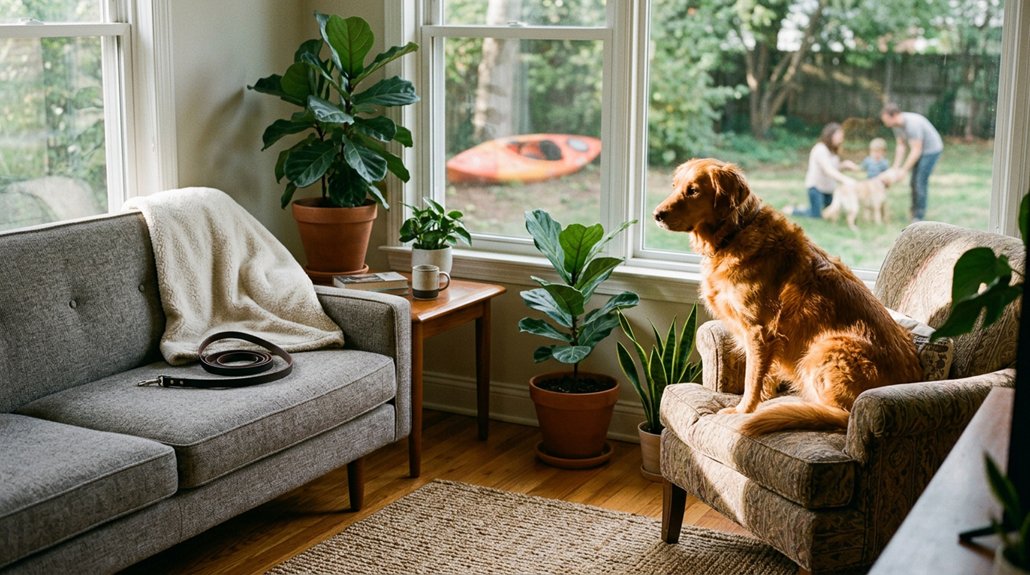
Understanding how your lifestyle influences your choice of a canine companion can make all the difference in creating a harmonious relationship. Think about your daily routine: Are you a morning jogger or do you prefer relaxing indoors? High-energy levels in breeds like Labrador Retrievers demand frequent exercise. If you thrive on activity, these breeds add vibrancy to your daily routine. Conversely, if your pace is more leisurely, consider low-energy breeds such as Bulldogs or Shih Tzus, who are content with minimal exercise. Analyze your schedule — how much time can you allocate for grooming and training? Busy individuals might lean toward easy-care breeds like Beagles. Your dog’s energy levels should match yours for a fulfilling companionship, blending science and empathy seamlessly.
How Much Space Does Your Dog Need?
While matching your energy levels with your canine companion is key, the amount of space your dog needs is equally important for harmony in your household. Understanding breed adaptability and space requirements can guide you to the right decision. Larger breeds like Golden Retrievers and Great Danes flourish in homes with ample room; they’re not ideally suited for small apartments. Smaller breeds such as French Bulldogs and Cavalier King Charles Spaniels are more adaptable and require less space, thriving in cozy environments. Consider the following:
- Layout Matters: Create spaces for your dog to play and relax.
- Behavioral Health: High-energy breeds need space to prevent issues.
- Adaptability: Choose breeds like Pugs with low space demands for apartments.
Exercise and Activity: Finding Balance
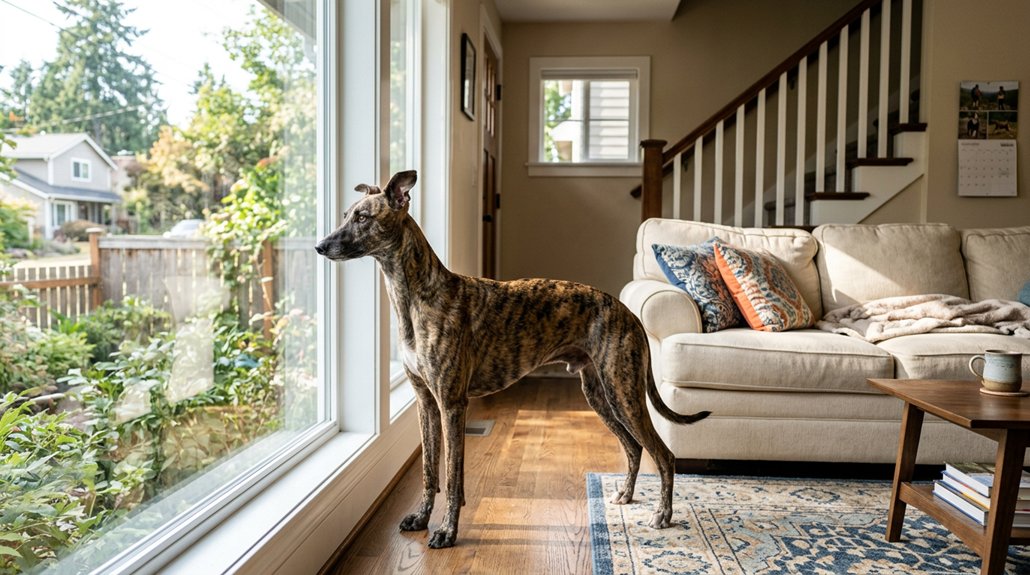
Finding the right balance of exercise and activity for your dog can greatly contribute to their overall well-being, regardless of breed. High energy breeds such as Labrador Retrievers and Border Collies thrive in active lifestyles and need regular vigorous exercise. They’re perfect companions if you love outdoor adventures and frequent trips to the park. Conversely, low energy breeds like Bulldogs and Pugs require less physical activity, making them ideal for owners with limited exercise time or smaller living spaces. By meeting your dog’s specific exercise needs, you can prevent behavioral issues and create a harmonious relationship. Moderately active breeds, like Beagles and Cavalier King Charles Spaniels, fit into household routines seamlessly, enjoying balanced exercise that keeps them content and healthily stimulated.
Understand Grooming Needs for Your Dog
As you explore choosing a dog, considering grooming needs is essential for maintaining the health and appearance of your new companion. Dog breeds differ dramatically in grooming frequency and breed characteristics, with a Beagle’s simple coat requiring less effort and a Shih Tzu’s luxurious fur needing regular attention to prevent matting. Recognizing these differences aids in selecting a suitable breed based on your lifestyle and time commitment.
Considering grooming needs is essential when choosing a dog to match your lifestyle and time commitment.
Key Considerations:
- Coat Type Impact: Thicker coats like those of Golden Retrievers demand frequent brushing to reduce shedding and guarantee healthy fur.
- Climate Considerations: Dogs in warmer climates benefit from more regular grooming to stay cool.
- Bathing Needs: Active dogs, regardless of their breed characteristics, typically require more frequent baths to maintain hygiene.
Understanding these aspects can guide you to an informed decision.
Find Your Perfect Dog Breed
Have you ever wondered what factors truly define a perfect dog breed for your lifestyle? It’s vital to align dog breed personalities with your routine, home space, and energy levels. Utilize quizzes, like those from Royal Canin, to explore tailored options. Consider rescue organization options for ethical and rewarding choices.
| Lifestyle Aspect | Suitable Breeds | Notes |
|---|---|---|
| Small Living Space | French Bulldogs, Pugs | Compact and low energy |
| Active Lifestyle | Golden Retrievers, German Shepherds | High exercise needs |
| Busy Schedule | Beagles, Boxers | Low grooming needs |
Adapting to your environment and commitments guarantees a harmonious bond. Determine if you’ve got time for a Poodle’s grooming or prefer the easy-going Boxer. Selecting the right companion by embracing their unique needs fosters mutual happiness.
Frequently Asked Questions
What Is the 3-3-3 Rule With Dogs?
The 3-3-3 rule helps you guide your dog through adapting environments over three adjustment periods: three days to settle in, three weeks to adjust, and three months to fully integrate, ensuring a compassionate and stable change.
How to Choose the Right Dog for Your Lifestyle?
Choosing the right dog is like fitting a puzzle piece. Assess exercise needs, grooming requirements, and energy levels. Size considerations and temperament traits matter for harmony. Opt for training ease to guarantee your lives mesh seamlessly together.
What Breed of Dog Can Be Left Alone During the Day?
Independent breeds like Shiba Inus and Chow Chows can handle being left alone during the day. Incorporate crate training to help them adjust, ensuring they’re comfortable and secure while you’re away, promoting positive experiences and emotional stability.
What Annoys Dogs the Most?
Did you know 40% of dogs experience anxiety from loud noises like thunder? Dogs are also annoyed by sudden movements, disrupting their calm environment. Understanding their needs promotes comfort and reduces stress, ensuring happier companions.
Conclusion
Choosing the perfect dog breed is a science—one that balances space, exercise needs, and grooming requirements with your lifestyle. Remember, not every dog needs a sprawling yard; some thrive in apartments if adequately exercised. Explore the fascinating theory that dogs often mirror their owners’ personalities; it’s more than coincidence—studies reveal owners tend to choose breeds that reflect their own energy. Embrace this bond and choose wisely; it’s a partnership that enriches both your lives.