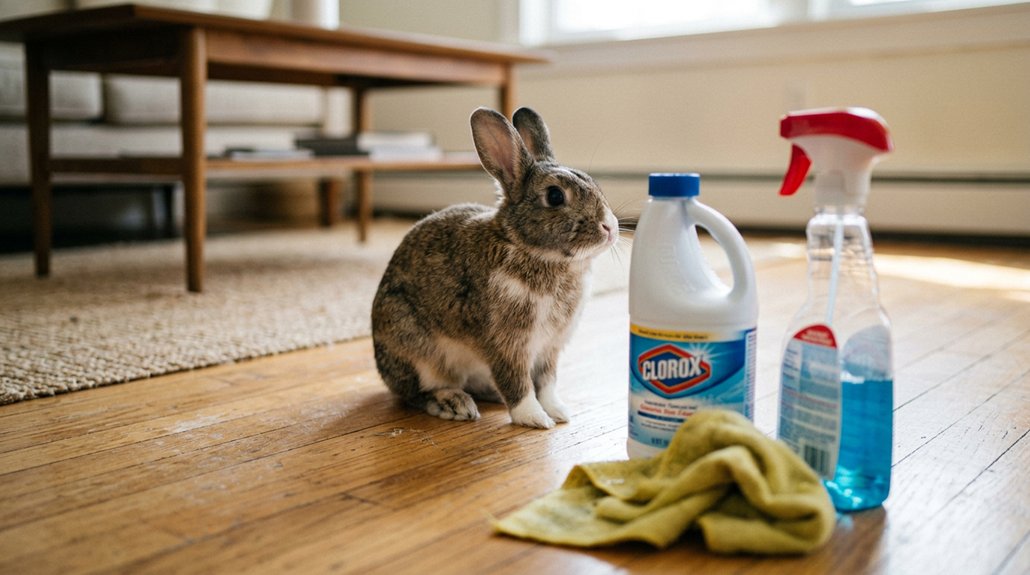
You’re likely making some common cleaning mistakes that can affect your rabbit’s health and comfort. Avoid ammonia-based cleaners—opt for pet-safe, eco-friendly products instead. Regularly cleaning the litter box prevents odors and bacteria, while ventilation and air purifiers enhance air quality. Don’t neglect daily grooming, especially for long-haired rabbits, to prevent mats and health issues. A high-fiber diet also plays a role in cleanliness. Implement these strategies, and you’ll create a healthier environment for your rabbit. Discover more here.
Key Takeaways
- Using ammonia-based cleaners can cause respiratory issues and inappropriate marking in rabbits.
- Neglecting daily litter box cleaning leads to odors and harmful bacteria buildup.
- Full baths can stress rabbits and lead to skin issues; opt for spot-cleaning instead.
- Using clumping cat litter harms rabbits; choose non-clumping and odor-neutralizing materials.
- Improper ventilation can result in harmful ammonia buildup and poor air quality.
Prioritize Daily Litter Box Cleaning
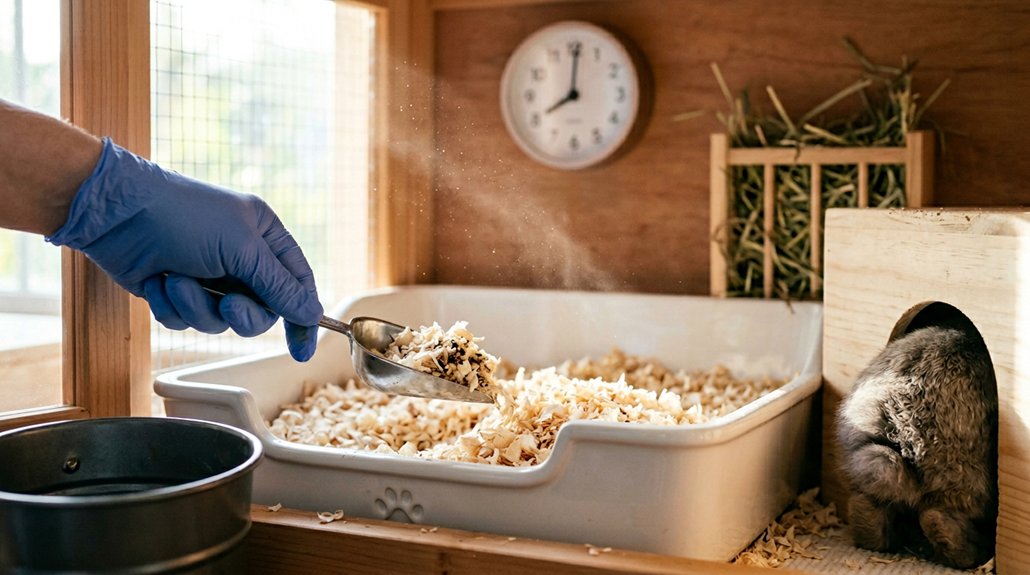
It’s important to focus on everyday litter box cleaning when caring for your rabbit. This daily responsibility is vital in maintaining proper hygiene habits. Regularly scooping out waste prevents odors and reduces harmful bacteria, which could negatively impact your rabbit’s health and overall well-being. Maintaining a clean litter box is not just about preventing smells; it’s about ensuring your rabbit’s digestive system functions effectively. Adding fresh bedding each day provides a clean, comfortable space, reinforcing positive litter training habits. By staying attentive, you can detect any changes in urine color or fecal consistency early, which might indicate health issues. Prioritizing cleanliness fosters a healthier environment for your rabbit, ensuring they’re happy and comfortable in their living space.
Opt for Pet-Safe Cleaning Solutions
When selecting cleaning solutions for your rabbit’s habitat, consider that many common household cleaners contain chemicals that pose risks to your pet’s health. Opt for pet-safe, eco-friendly products designed to minimize harmful effects on both your rabbit and the environment. It’s essential to avoid ammonia-based cleaners, which could trigger inappropriate marking by mimicking the scent of rabbit urine. Instead, rely on natural disinfectants like vinegar and baking soda, which effectively sanitize surfaces without introducing toxins.
Explore these pet-safe options:
- Biodegradable and eco-friendly products: Prioritize sustainability and safety.
- Vinegar and baking soda: Trusted natural disinfectants for those sensitive environments.
- Good ventilation and residue check: Guarantee a residue-free, well-ventilated space before bringing your rabbit back.
Keeping these tips in mind will protect your rabbit’s health.
Regular Grooming Is Key for Long-Haired Rabbits
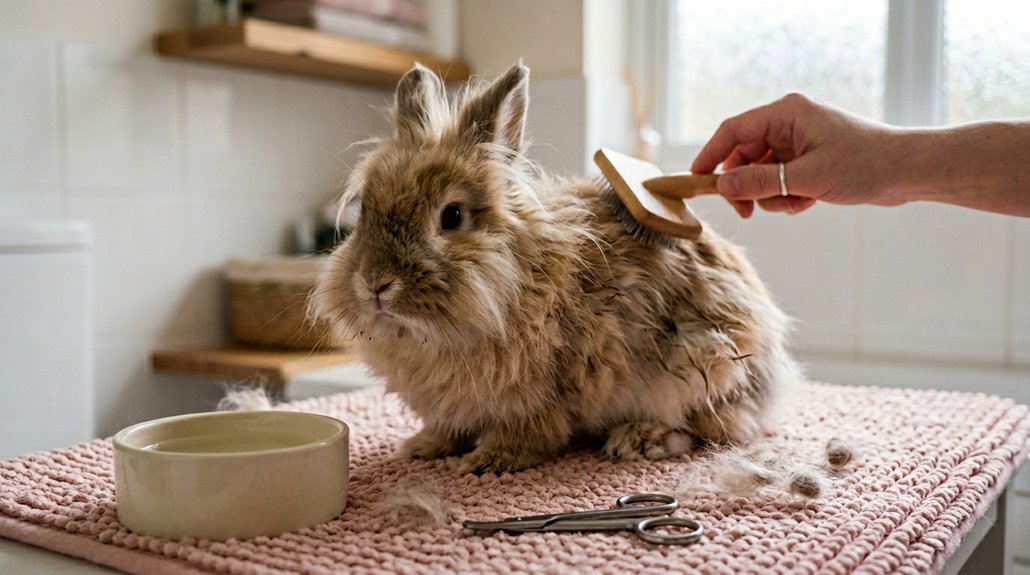
Long-haired rabbits, such as Angoras and Lionheads, demand a vigilant grooming regimen to maintain their health and well-being. Daily grooming prevents mats and tangles, essential for avoiding moisture-related health issues like sores or flystrike. Neglecting this routine can lead to painful matting, affecting your rabbit’s comfort. Equip yourself with appropriate grooming tools, such as slicker brushes and combs, to effectively detangle and maintain their coat. Regular grooming is also an opportunity to check for skin issues, parasites, or hidden injuries, guaranteeing early intervention if needed.
Moreover, establishing a gentle, consistent grooming routine can serve as a bonding activity, enhancing your relationship with your rabbit. By dedicating time for grooming, you’ll not only promote their health but also strengthen your connection.
Master Effective Odor Control Techniques
Ever wondered how to effectively manage odors in your rabbit’s living space? Mastering odor control means understanding how to use the right tools and techniques. Start by choosing litter box materials that neutralize odors effectively—specialized paper-based pellets or aspen shavings are ideal. Avoid clumping cat litter, as it can harm your rabbit.
To keep odors at bay, regularly scoop the litter box daily and conduct a deep clean weekly using hot water and a mild rabbit-safe soap. Additionally, proper placement and ventilation are key; make certain that the litter box is in a well-ventilated area.
- Consistent cleaning routines: Daily scooping, weekly deep cleans.
- Optimal materials: Use rabbit-safe, absorbent litter.
- Strategic placement: Ensure good air circulation.
Regular Inspection of Bedding and Toys to Prevent Health Issues
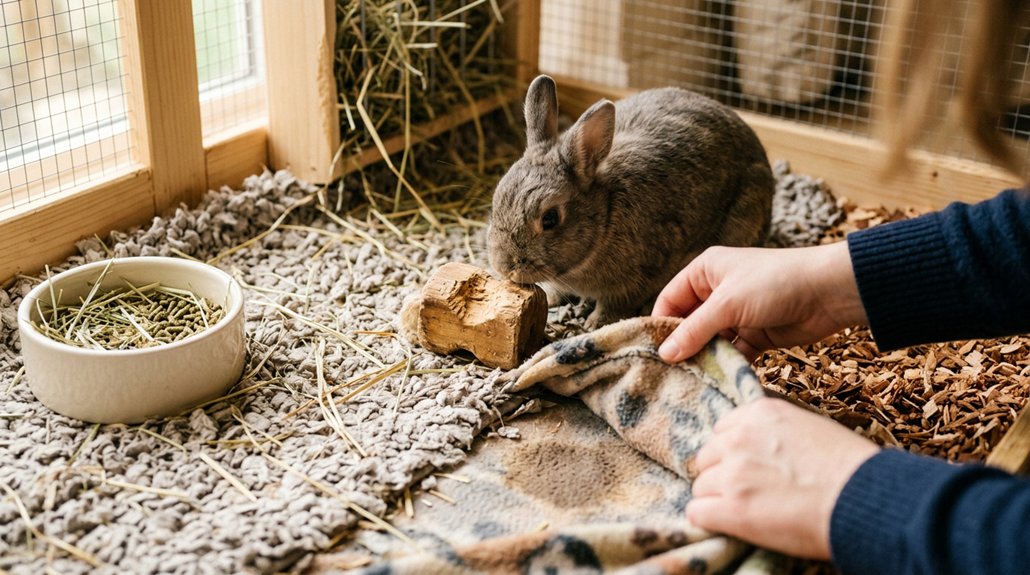
Although it may seem like a trivial task, maintaining a regular inspection routine for your rabbit’s bedding and toys is essential for preventing health issues. Conduct frequent bedding inspections to identify wet spots, urine scald, or accumulated waste, as these can lead to bacterial growth affecting your rabbit’s hygiene. Be vigilant about toy maintenance by checking for wear and tear; damaged toys may harbor bacteria or become choking hazards. Watch for mold or unpleasant odors in the bedding, signaling unsanitary conditions detrimental to your rabbit’s health. Weekly deep-cleanings of both bedding and toys are vital, removing allergens and preventing fungal infections. Finally, inspect litter box contents daily to promptly remove soiled material, thereby reducing stress and promoting better litter habits.
Learn Proper Spot-Cleaning for Rabbit Fur
Proper spot-cleaning of rabbit fur is essential for maintaining your rabbit’s health and comfort, and using safe techniques can make a big difference. Gently wiping away dirt or debris with a damp cloth while avoiding excessive moisture prevents skin irritation; for urine stains, utilize rabbit-safe cleaning solutions to guarantee your pet isn’t exposed to harmful chemicals. Make it a habit to inspect fur regularly during grooming and address areas like hindquarters and paws, which are prone to dirt accumulation, to reduce the risk of skin infections and other health issues.
Safe Cleaning Techniques
When maintaining your rabbit’s hygiene, mastering safe spot-cleaning techniques can effectively address dirt without the need for stressful full baths. Spot cleaning is a safer, more frequent approach to rabbit hygiene. Using a damp cloth or sponge, gently target soiled spots—like the rear or paws—focusing on dirt-prone areas. Always avoid soaking your rabbit to prevent skin irritation and hypothermia. Here’s how to do it right:
- Damp Cloth/Sponge: Gently wipe down the soiled area without over-moisturizing.
- Towel Dry: Use a soft towel to carefully dry any cleaned spots, avoiding moisture retention.
- Regular Inspections: As you clean, check for signs of skin irritation or abnormalities to catch health issues early.
Implementing these safe methods guarantees a happier, healthier rabbit.
Fur Maintenance Essentials
Grooming mitts can be your best allies when it comes to maintaining a rabbit’s glossy coat. Regular coat care using appropriate grooming tools like slicker brushes guarantees your rabbit remains healthy and comfy. For long-haired breeds, grooming is vital to prevent painful mats that could lead to skin problems or infections. Instead of full baths, which can stress your bunny, opt for spot-cleaning soiled fur with a damp cloth. This gentle approach helps remove dirt without the risks associated with bathing. As you groom, inspect for any signs of skin infections or parasites. Establishing a consistent grooming routine not only improves your rabbit’s hygiene but also strengthens your bond, making it an enjoyable and important part of your time together.
Avoiding Common Mistakes
Even though rabbits are meticulous groomers, their fur can still become soiled, particularly in high-risk areas like the hind end and paws. To tackle this, it’s essential to spot-clean effectively without causing rabbit anxiety. Select cleaning tools that are gentle and cater to their sensitive nature. Use a soft, damp cloth to clean dirt or urine, as full baths can be stressful and dangerous for your rabbit. Always keep a watchful eye on their skin and fur for signs of health issues.
Here’s what you can do to maintain your rabbit’s comfort:
- Gently wipe: Target soiled patches with a cloth to prevent scalding.
- Check for debris: Remove tangles to avoid skin irritation.
- Offer comfort: Maintain a calm demeanor to ease their stress.
Enhance Ventilation to Boost Rabbit Well-Being
To enhance your rabbit’s well-being, paying attention to ventilation in their living spaces is crucial. Implementing effective airflow strategies can greatly impact their health. By reducing humidity through humidity control, you help prevent respiratory issues, which are a common concern for rabbits. Keeping air fresh and circulating properly minimizes ammonia buildup from urine and feces, leading to a much more pleasant environment for you and your pet. Additionally, it can decrease the risk of mold growth in bedding or food, which is detrimental to your rabbit’s health. Verify cages are positioned near windows or in well-ventilated areas. Regular maintenance of ventilation systems or incorporating an air purifier can improve air quality, supporting your rabbit’s sensitive respiratory system.
Adapting Rabbit Grooming During Molting
When rabbits enter their molting phase, it becomes essential to adapt their grooming routine to manage this natural process effectively. You’ll notice molting signs, such as significant fur shedding, necessitating daily brushing to prevent mats and tangles. This routine helps minimize hairballs and digestive issues. Select grooming tools wisely—use a slicker brush or wide-toothed comb, ensuring you gently remove dead hair without damaging the rabbit’s sensitive skin.
During this shedding period, keep an eye on their skin for any redness or sores due to increased grooming. To make the experience smoother:
- Offer safe chewing materials and toys to distract your rabbit.
- Increase physical interaction to reassure them.
- Monitor their overall behavior for any discomfort signs.
Linking Diet to Effective Cleaning Practices
While maintaining a clean environment for your rabbit, understanding the pivotal role diet plays in cleanliness can make your efforts greatly more effective. A diet rich in fiber benefits not only the rabbit’s health but can also minimize messy droppings and urine spots, reducing your cleanup workload. Don’t overlook hydration importance; ensuring your rabbit drinks enough water helps dilute urine, tackling odor and mess head-on. Opt for high-quality pellets with low calcium to control urine calcium levels, preventing those pesky white spots. Integrating fresh greens into their meals enhances digestion, reducing litter box turnover. Regular diet adjustments enable you to fine-tune their dietary needs, preventing health-related accidents and making cleaning more manageable. This thorough approach elevates the overall cleanliness experience.
Frequently Asked Questions
What Is the 3-3-3 Rule for Bunnies?
The 3-3-3 rule for bunnies guides you through bonding and managing hygiene habits. It involves three days of settling, three weeks of exploration, and three months for full adjustment, ensuring a supportive environment for your rabbit’s well-being.
How Do Rabbits Say “Sorry”?
Rabbits say “sorry” through a symphony of playful antics and behavioral signals. Like an artist, they paint forgiveness with binkies and nuzzles, while communication cues such as grooming and a relaxed rabbit body show their genuine remorse.
How Do You Say “I Love You” in Rabbit Language?
To say “I love you” in rabbit language, notice their communication signals. Your rabbit nuzzles you or grooms your hand. Their relaxed body, chinning, and excited following all convey deep affection and trust, strengthening your bond.
What Is the Downside of Owning a Rabbit?
Owning a rabbit can be challenging; did you know 70% of rabbit injuries result from improper care? It requires diligent attention to rabbit care, addressing health concerns, space requirements, diet considerations, social needs, and grooming habits.
Conclusion
By avoiding common cleaning pitfalls, you’ll not only keep Thumper’s abode spotless but also guarantee your rabbit’s health and happiness. Daily litter box checks and pet-safe solutions are just the tip of the iceberg. Think of regular grooming and odor control like putting on a fresh vinyl record—a classic move for long-term harmony. Spot-clean wisely, inspect thoroughly, and enhance ventilation. Remember, a balanced diet complements everything. You’re now armed with the know-how to create a bunny utopia.