
Thinking about bringing a rabbit home to your apartment? Before you set up that hutch, it helps to know what actually gets renters into trouble with their landlord.
Spoiler: it’s usually not the animal itself.
Most of those pet complaints trace back to companion animals, dogs especially, breaking the same handful of rules over and over. Pet-related issues rank among the top reasons landlords start eviction proceedings against tenants in multifamily properties.
I’m going to walk you through the most common apartment dog mistakes, the ones that get tenants fined or evicted, so you can skip them entirely with your rabbit. Grab a coffee, and let’s get into what your future landlord actually expects.
Key Takeaways
- Excessive barking during quiet hours violates New York City Administrative Code Section 24-222 and can trigger eviction proceedings against tenants in multifamily properties.
- Failure to pick up pet waste creates health hazards, enables vermin infestations, and supports warranty of habitability claims that reduce neighbor rent payments.
- Off-leash dogs pose safety risks. Section 17-343 of the NYC Admin. Code prohibits dangerous dogs and drives up landlord insurance premiums for everyone in the building.
- Keeping unpermitted pets violates your apartment lease. New York Administrative Code Sec. 27-2009.1(b) gives landlords three months to sue over lease violations.
- Exceeding pet size or breed limits results in fines, pet removal orders, eviction risk, and insurance coverage denial, lessons that apply to rabbits too if your building caps the number or size of animals allowed.
Common Noise Complaints from Apartment Dogs
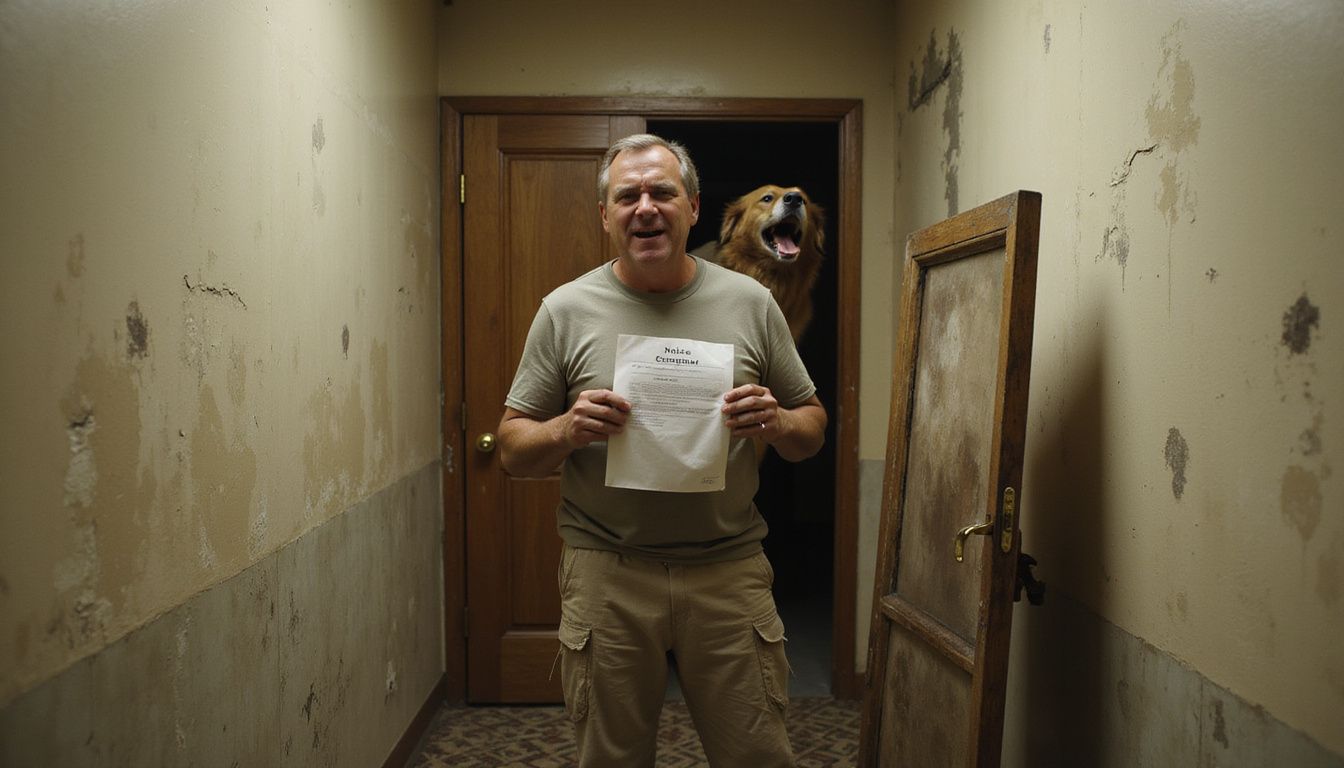
Barking dogs cause more neighbor drama than almost anything else in apartment living. Noise disturbance complaints land on property management desks daily, and property operators often turn them into full-blown landlord/tenant disputes.
Here’s the relief for rabbit owners: your bunny isn’t going to howl at 2 AM. But the way property managers handle noise complaints shows you how closely they track tenant behavior, and that same scrutiny applies to any pet you bring home.
Why is barking during quiet hours a problem?

Barking during quiet hours creates real problems for your neighbors and can violate NYC Administrative Code Section 24-222. Your dog’s noise disrupts sleep, work, and peace of mind for everyone else in the building.
According to New York City Department of Environmental Protection guidelines, continuous barking for 10 minutes during the day (7 AM to 10 PM) counts as a violation. During quiet hours (10 PM to 7 AM), that threshold drops to just 5 minutes straight.
That’s not much time at all.
Property managers set specific quiet hours to protect everyone’s right to a calm living space. Excessive barking becomes a legal nuisance the moment it disrupts the health, safety, or welfare of other residents.
Tenants affected by constant barking can file complaints, and documentation of dates and times strengthens their case. Persistent noise disturbances can lead to warranty of habitability claims, which may result in rent reductions for your neighbors.
Property management logs reveal patterns that matter. Here’s what one six-month review at Oakview Gardens found:
- 42 total tenant complaints were filed over six months.
- 28 of those complaints cited dog barking between 10 PM and 6 AM.
- 19 incidents included timestamps, unit numbers, and three independent witness statements.
When residents file complaints with clear dates and times, response escalates faster. Those 19 well-documented cases turned vague noise complaints into the kind of evidence that leads to fines or removal orders.
Settlement agreements, or in rare cases eviction, can follow if noise complaints continue unaddressed.
A dog’s bark during quiet hours isn’t just annoying. It’s a legal issue that affects everyone in your apartment building.
Complaint letters from tenants about barking play a real role in the eviction process and property management decisions. Your landlord must take these complaints seriously because they document a pattern of noise disturbance.
If you adopt a dog, you accept responsibility for managing its behavior during quiet hours. Excessive barking turns your pet from a companion animal into a source of conflict with your neighbors.
The costs add up fast, too. Renter’s insurance may not cover noise-related disputes, leaving you open to legal action and financial penalties. Taking steps now to prevent barking problems protects your tenancy and keeps your pet from becoming the reason someone files a complaint against you.
How can I prevent my dog from howling when left alone?

Your dog howls when left alone because separation anxiety kicks in, and that sound travels through apartment walls fast. Tackling this now keeps your lease solid and your neighbors happy.
Here’s the training routine that works best when you catch the problem early:
- Provide interactive toys that keep your dog’s mind busy while you’re gone. Puzzle feeders and treat-dispensing toys work especially well for reducing separation anxiety.
- Establish a consistent routine so your dog knows what to expect. Leaving at the same time each day helps your pup stay calm.
- Start with short absences and gradually increase time away. This desensitization process helps your dog adjust to alone time without panic.
- Contact a local dog trainer before problems escalate. Trainers teach specific techniques to address noise issues and build confidence in your pet.
- Attend community workshops on pet behavior if your building offers them. These sessions teach practical strategies for managing howling and other noise problems.
Training handles the behavior. But you also need to manage the paper trail on your end:
- Follow your apartment’s quiet hours strictly. Property managers expect residents to respect these times so pets don’t howl at inappropriate moments.
- Communicate directly with your property manager about concerns before they turn into formal complaints. Managers would rather you address issues early than let disputes escalate.
- Review your lease and pet policies carefully. Clear pet policies, shared at lease signing, spell out the noise control standards you’re expected to meet.
- Document any progress you make with your dog’s behavior. Persistent howling can lead to fines, so showing improvement matters if a dispute ever comes up.
- Consider renter’s insurance that covers pet liability. This protects you financially if neighbor complaints lead to lease violations or disputes.
These strategies deliver measurable results when you stick with them. At Willow Commons, a landlord-sponsored desensitization program tracked 12 units over six weeks.
Before the program, daily howling episodes averaged 3.4 per day. After six weeks of gradual leave-time increases and puzzle feeders, that number dropped to 0.9 per day, and tenant complaints fell from 8 to 2.
A focused six-week routine cut nightly howling in most units and stopped neighbor complaints for the majority of participants. It proves that simple routines and enrichment tools work when owners actually commit to the process.
Rabbits rarely howl or bark, but the same principle applies. A bored, anxious animal left alone too long is more likely to cause a problem your neighbors notice.
Managing Pet Waste in Apartments

Your rabbit shares this apartment building with plenty of neighbors, even if you rarely see them. Pet-waste management is what separates responsible renters from the ones facing complaints.
Picking up after your pet keeps the building clean, protects your security deposit, and shows respect for the people living around you.
What happens if I don’t pick up after my dog?

Skipping cleanup after your dog creates real problems for the whole community. Other tenants file complaints, and property managers take notice. Landlords document these incidents with photos and formal complaint letters.
DNA testing can identify exactly which pet caused the mess, and it points straight back to you. According to a February 2026 report in Popular Science, more than 9,000 apartment communities across the United States now use commercial pet DNA testing services, most notably one called PooPrints, to match uncollected waste to a specific dog. Fines from these programs typically run $250 to $500 per incident.
Warning letters follow next. Repeated offenses stack up in your tenant file, giving your landlord ammunition if disputes escalate. Health hazards emerge too, since vermin infestations develop from uncollected waste.
Courts have ruled against pet owners in cases like Piazza v. Greitzer, where multiple tenant testimonies supported eviction due to offensive odors and accumulated waste.
A warranty of habitability violation becomes a serious legal claim when waste issues persist unchecked.
Repeated hallway waste complaints rarely end well. Here’s how fast one unit at Meadow Park complex went from warning to removal notice:
- Four separate waste incidents were reported in common hallways over four months.
- Management issued 7 written warnings and 3 fines during that same period.
- The pattern ended with a formal 30-day pet removal notice after the tenant failed to comply.
That timeline shows ignoring waste complaints doesn’t buy you time. It speeds up the consequences and puts your pet’s place in your apartment at real risk.
Pet waste management separates responsible renters from those facing eviction.
Eviction becomes a real possibility if you ignore pet waste management long enough. Affected tenants can seek rent reductions based on habitability violations, and your landlord’s legal position gets stronger with each documented incident.
Renter’s insurance may not cover eviction costs or legal fees. The consequences ripple beyond fines, damaging your rental history and future housing prospects.
Property managers take pet waste seriously because it affects everyone. One person’s negligence becomes the whole building’s problem. Cleaning up takes two minutes. Ignoring it takes years to fix.
Where are designated pet waste areas typically located?
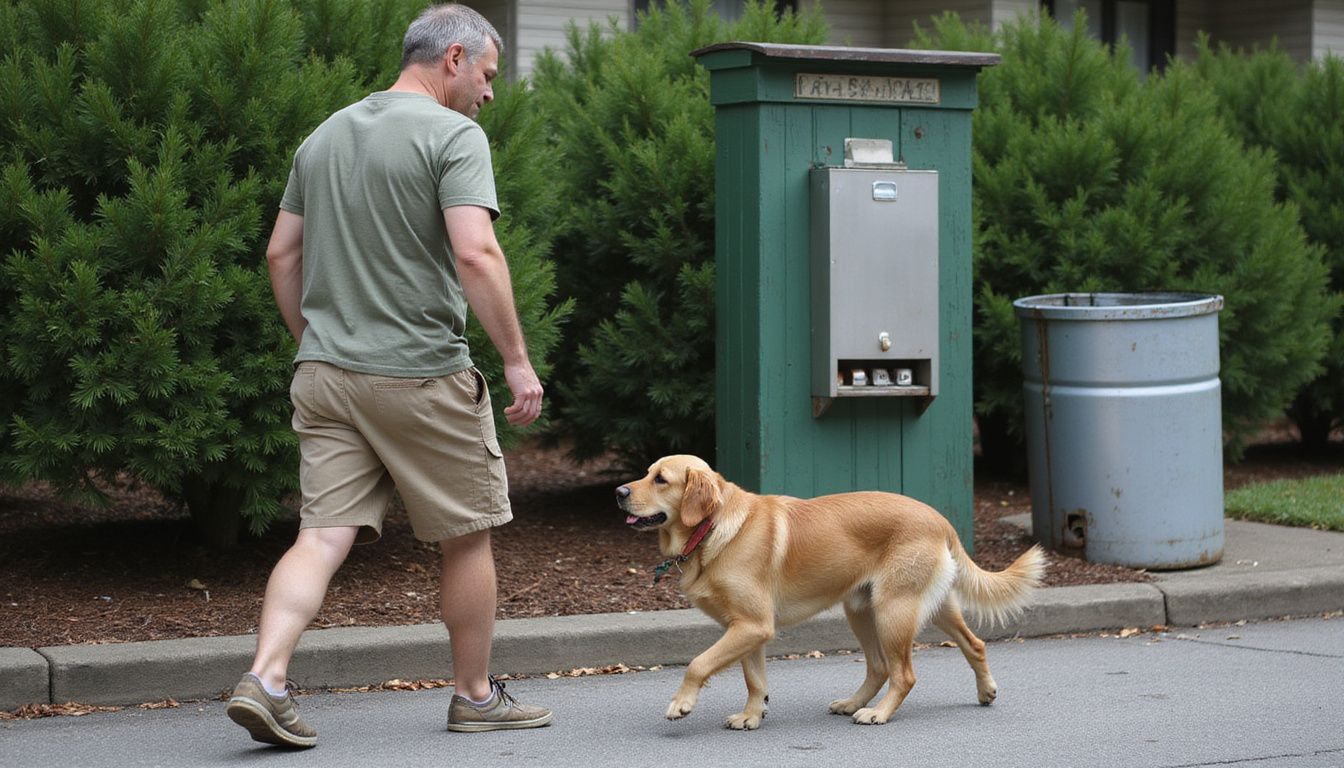
Now that you know the risk of skipping cleanup, let’s look at where your apartment actually wants you to dispose of waste. Property management places pet waste stations throughout the property, positioned so you can grab supplies and toss the mess without walking a mile.
These stations sit away from common entrances, which keeps odors and disturbances away from tenants who didn’t sign up to deal with your dog’s business. Your lease paperwork or move-in packet usually includes a map showing exactly where these areas sit on the grounds.
Clear signage marks each location and outlines the rules for disposal, including what to do with the bag once it’s full.
Property managers maintain these stations regularly, so you’ll usually find fresh supplies and clean conditions when you stop by. Staff often update residents about new waste station locations through community meetings or newsletters, and some buildings even keep tenants informed through a private Facebook group for the community.
Your rabbit won’t need any of these stations. But watching how closely a building manages dog waste tells you a lot about the health code compliance and community standards your own future apartment will hold you to.
Using designated areas correctly keeps your neighbors happy and protects your security deposit from pet-related damage claims.
Rules About Off-Leash Dogs in Apartments
Your dog needs a leash in most apartment complexes, and leash laws make this non-negotiable in nearly every city. Letting your pup roam free creates real problems for your neighbors and puts your dog at risk too.
Rabbits don’t fall under leash laws, but they’re not off the hook either. Most buildings still expect you to keep a rabbit secured in a carrier or enclosure any time it’s outside your unit, for the exact same safety reasons.
What are the risks of letting dogs roam freely off-leash?
Letting dogs roam free off-leash puts everyone at risk, including other tenants and their pets. Off-leash dogs may show threatening behavior or bite other residents, and that can lead to serious legal action fast. In May 2015, a case called 236-1 Development Assoc. LP v. Hernandez showed exactly how bad this can get: a 16-pound dog bit a child in the building, and the incident still sparked a lawsuit even though the child didn’t need medical care.
Section 17-343 of the Administrative Code prohibits dangerous dogs, which gives landlords legal backing to enforce strict leash rules. Property owners face higher insurance premiums after bite incidents occur, and those costs get passed to every tenant through higher rent or fees.
The math here is rough. According to 2026 insurance industry data published by BNO News, the average dog-related injury insurance claim in the United States now reaches $65,450, driven mostly by bites and leash-related trips and falls in shared spaces like hallways.
One off-leash accident can cost more than a year’s rent, and standard renter’s insurance rarely covers the bill if it violated your lease’s leash policy.
Off-leash dogs also cause property damage and create health hazards that strengthen nuisance claims against you. Landlords document these incidents with complaint letters and photos, building a case that could end your tenancy.
Witness testimony from uninvolved tenants carries real weight here, so multiple neighbors reporting the same problem only hurts your case. Tenant rights protect other residents from harm, and leash laws exist in most cities for exactly this reason.
Even if you’re sure your dog is friendly, accidents happen fast. You’ll face the consequences either way.
How should I use leash-only areas responsibly?
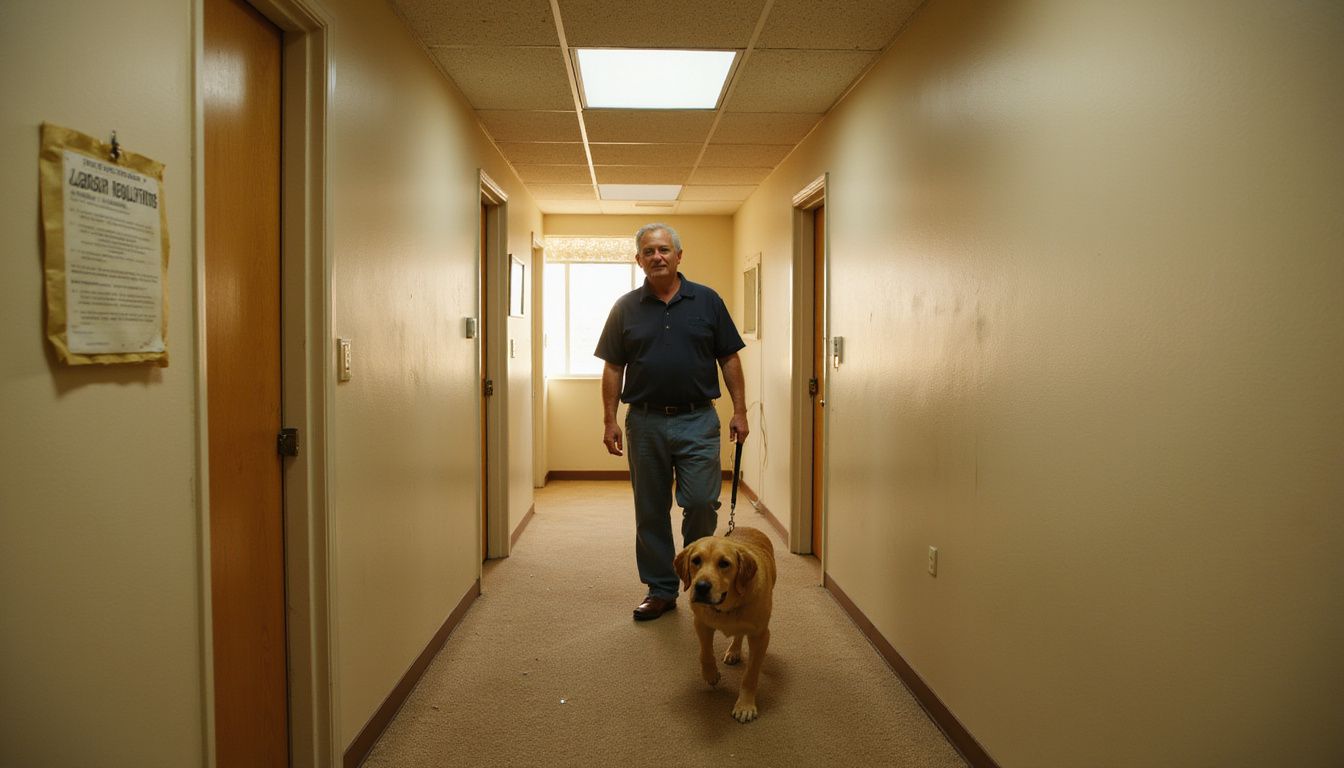
Leash-only areas keep everyone safe and happy in your community. Using them correctly prevents conflicts between residents and their pets.
Start by learning the rules before you ever clip on the leash:
- Check your lease documents at signing to learn the exact leash rules for your building.
- Read all leash signage posted in common areas so you understand where restrictions apply.
- Study the maps of nearby dog parks that property management provides for approved off-leash zones.
- Pay attention to regular reminders and updates management sends about leash policies.
- Understand that violating leash rules can mean written warnings or fines from your landlord.
Once you know the rules, following through every day is what actually keeps you out of trouble:
- Keep your dog leashed at all times in hallways, lobbies, and common courtyards.
- Follow the guidelines management gives about which zones require a leash and which don’t.
- Avoid letting your dog roam free in shared spaces, even just for a minute.
- Use designated off-leash zones only when property management has officially approved them.
- Recognize that responsible leash use prevents complaints and disputes before they even start.
Rabbit owners follow a similar logic. Use a secure carrier in hallways and common areas, and you’ll never give a neighbor a reason to complain.
Issues with Unpermitted Companion Animals in Apartments
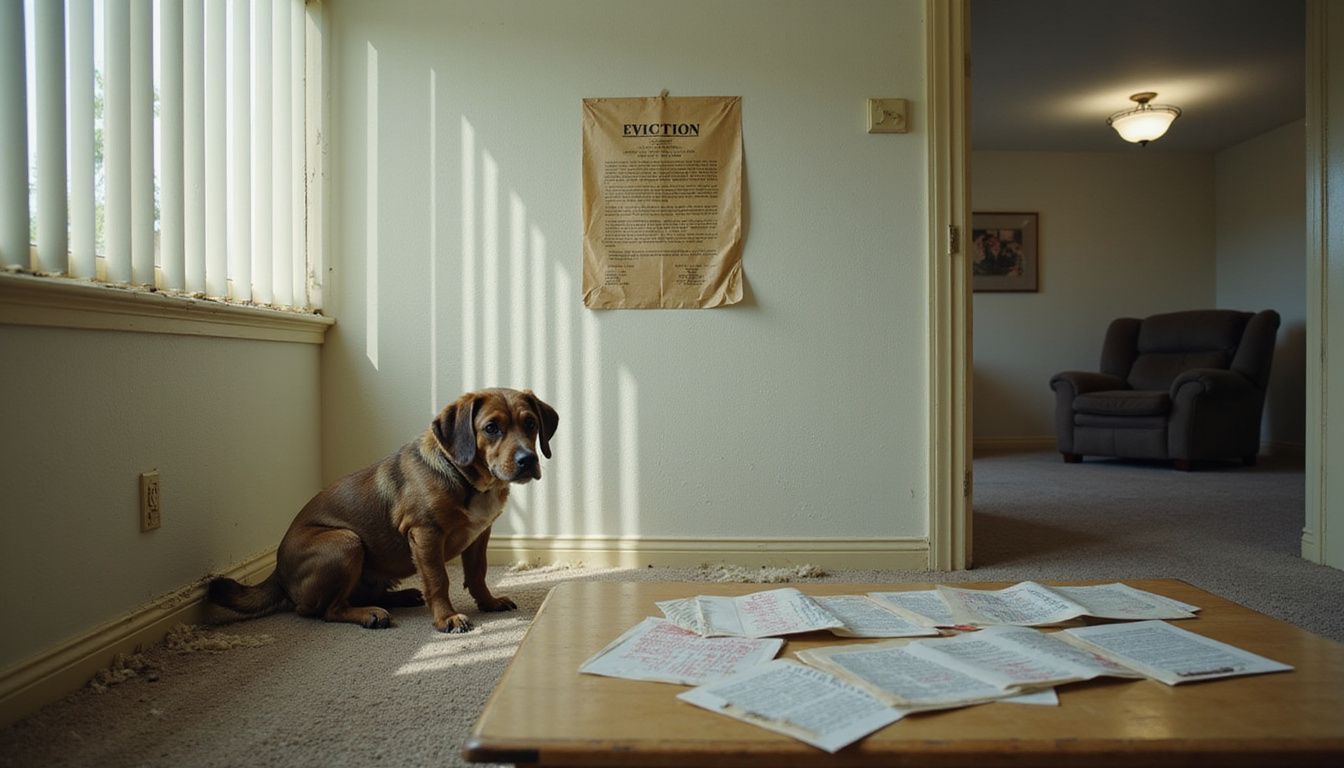
Your lease agreement matters more than you think, and breaking pet rules can cost you real money and your home. Many apartment buildings have strict policies about which animals you can keep, and rabbits are no exception, even though they’re quiet and small.
Can I keep a dog in a non-pet-friendly apartment?
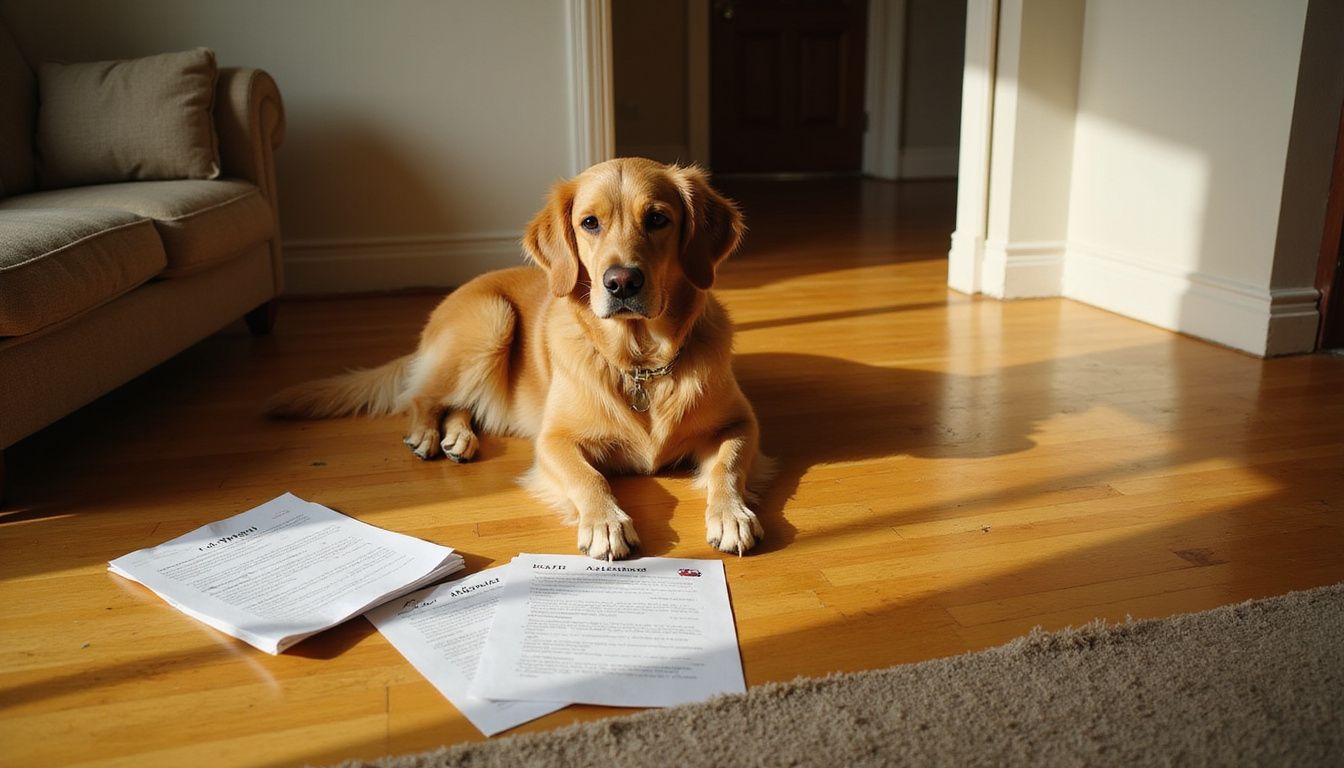
Keeping a dog in a non-pet-friendly apartment violates your lease and property policies, plain and simple. Your landlord can take legal action if they discover an unauthorized pet in your unit, and rabbits fall under the same no-pets clauses as dogs in most leases.
The New York Administrative Code Sec. 27-2009.1(b) gives property managers three months to start lawsuits over lease violations, though nuisance cases fall outside this timeframe.
Many management offices use a clear approval workflow to avoid disputes. Here’s a standard four-step process you’ll likely run into:
- Submit a pet profile with photos and vet records.
- Sign a pet agreement (often around three pages) that spells out size limits.
- Pay a one-time administrative pet processing fee, commonly around $150.
- Receive written approval within 10 business days, or a documented denial with reasons.
Following a clear approval flow like this reduces misunderstandings and keeps you and management on the same page. It also gives you written proof that your pet belongs in your unit legally.
Property managers usually present pet policies at lease signing and may require you to sign a specific pet agreement. Documentation of unauthorized pets supports enforcement actions, so landlords often photograph or record evidence before taking steps.
If your lease says no pets, that rule covers rabbits and cats just as much as dogs. Size and species rarely matter once the lease says no.
Settlement agreements may require you to remove the pet or vacate by a set date. Eviction over a pet is rare since most cases settle before reaching court, but the threat is real if you ignore the rules. Exceeding pet size or breed limits carries consequences beyond a simple fine, since landlords can start eviction proceedings if a pet violates lease terms or the NYC Admin. Code.
Cases like Concourse Green Associates, LP v. Hernandez and Kismo Apartments, LLC v. Morales show how courts handle these disputes under New York apartment law. Renter’s insurance may not cover damages from unauthorized animals, leaving you financially exposed.
Service animals get different legal protections, but standard companion animals, dogs, cats, and rabbits alike, don’t qualify for the same exceptions. Getting approval upfront through a pet waiver law or written landlord consent protects you from future conflict and keeps your housing secure.
If you want to dig into tenant rights further, a few resources are worth checking out:
- “No Pets Allowed: Housing Issues and Companion Animals” by Rebecca J. Huss
- “Every Dog’s Legal Guide: A Must-Have Book for Your Owners” by Mary Randolph
- Free guides from the Animal Legal Defense Fund and New York Apartment Law Insider
What are the consequences of exceeding pet size or breed limits?

So you’ve checked the lease and found a loophole, or maybe you think the rules don’t apply to your situation. Going beyond your apartment’s pet size or breed limits puts you in a tight spot, even if your rabbit seems harmless compared to a dog. Books like My Pit Bull Is Family document just how often breed-specific rules hit renters hardest, even when their dog has never caused a problem.
| Consequence Category | What Happens to You | Key Details |
|---|---|---|
| Lease Violations | Your agreement gets broken. Property managers document the violation with photographs and written complaints. | Exceeding size or breed limits violates both lease agreements and property policies. Landlords strengthen their position through solid documentation. |
| Financial Penalties | Fines stack up quickly. Your wallet takes a hit before anything else happens. | Written warnings come first, but monetary penalties follow. Insurance companies may refuse coverage or increase premiums for certain breeds or oversized pets. |
| Pet Removal Orders | Management requires you to remove your pet from the apartment. This isn’t optional. | Violations may result in fines, written warnings, or required removal of the pet. You lose time to comply with the order. |
| Eviction Risk | Repeated violations can trigger eviction proceedings. You face losing your home. | Serious, repeated violations lead to formal eviction proceedings. Courts have called some breed and weight limits arbitrary, but enforcement continues at many properties. |
| Insurance Complications | Coverage gets denied or your premiums jump significantly. Your protection disappears when you need it most. | Insurance companies refuse coverage or increase premiums for certain breeds or oversized pets. This affects your liability protection. |
| Warranty of Habitability | Landlords act fast on complaints from other tenants. Your presence creates tension in the building. | Landlords must act promptly on complaints to avoid violating the warranty of habitability for other residents. Your situation affects the entire community. |
| Property Policy Enforcement | Management applies rules consistently across all units. You can’t expect special treatment. | Breed and weight restrictions remain active in many properties. Documentation strengthens the property manager’s position against you. |
Violating pet size or breed limits creates a domino effect. Your lease spells out these rules for a reason, and insurance companies watch compliance closely too. Premiums spike, or coverage gets denied entirely, for certain breeds or oversized animals.
The paper trail matters just as much. Photos and written complaints from neighbors give property managers solid ground to enforce consequences, and once documentation piles up, it’s hard to argue back.
Here’s the escalation path most buildings follow once a violation gets flagged:
- Written warning letter documenting the violation
- Fines that increase with each repeat incident
- A formal pet removal order with a compliance deadline
- Eviction proceedings if the pet stays past the deadline
Courts have called some breed restrictions arbitrary in certain cases, but that doesn’t stop enforcement at most properties. Landlords must also respond quickly to complaints from other tenants, since ignoring concerns about your pet could expose management to habitability claims.
According to the Pets & Housing Data: 2025 Edition report by the Michelson Found Animals Foundation, 79% of US rental properties market themselves as pet-friendly, yet fewer than 10% actually qualify as truly pet-inclusive without strict breed or weight limits.
That gap is exactly why sneaking a restricted breed, an oversized dog, or even an extra rabbit past your unit’s pet limit is such a risky gamble. The best move is to read your lease carefully before bringing any pet home, understand the exact size limits and documentation requirements, and call management with questions instead of guessing.
Conclusion
You’ve now seen the biggest apartment pitfalls that spark tenant complaints, from barking during quiet hours to waste left in hallways to off-leash roaming.
None of these mistakes belong to dogs alone. They apply to any companion animal you bring into a rental, rabbits included.
Picking up after your pet, managing noise, and respecting your building’s rules take just a few minutes of daily effort. These small habits protect your rental standing and keep the building peaceful for everyone.
Your landlord won’t need to reference NYC Administrative Code or think about eviction if you handle these responsibilities from day one. Pet insurance and renter’s insurance add extra protection, and clear communication with property management prevents small issues from becoming big ones.
Taking action today means keeping your pet in your home tomorrow.
A happy building makes a happy home, whether you’re walking a dog or introducing your neighbors to your new rabbit.
FAQs
1. What is the biggest apartment dog mistake tenants make?
Not reading your lease before bringing your dog home is the biggest mistake. Many NYC pet clauses include breed or weight restrictions that can lead to eviction if you miss them.
2. Do I need renter’s insurance if I have a dog?
Yes, you should get it. Most NYC landlords require proof of renter’s insurance with liability coverage before they’ll approve your dog.
3. What does NYC law say about pets in apartments?
Here’s good news: under NYC Administrative Code, if your landlord knows you have a pet and doesn’t object for three months, they usually can’t enforce a no-pet clause. This three-month rule has helped many families keep their dogs.
4. Are there resources to help me understand pet housing rights?
Absolutely. Every Dog’s Legal Guide by Mary Randolph and resources from the Animal Legal Defense Fund break down tenant rights in plain language.
5. How can I avoid noise complaints from neighbors?
Exercise your dog for at least 30 minutes every day to prevent boredom barking. A tired dog is a quiet dog.