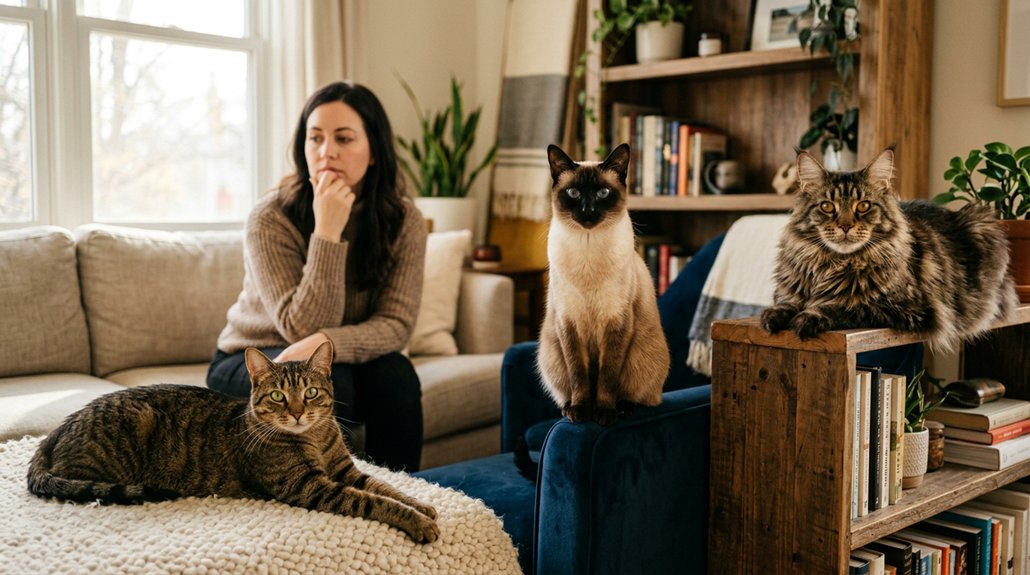
To find a cat breed that matches your personality, consider your activity level, living space, and household dynamics. Energetic breeds like Bengals suit active lifestyles, while Ragdolls are perfect for quieter homes. If you’re new to cats, consider low-maintenance breeds like British Shorthairs. Think about how much time you can devote to grooming, and assess your experience with cats. By aligning these factors, you’ll create a rewarding bond with your feline friend, and there’s plenty more to explore for a perfect match.
Key Takeaways
- Choose a breed that aligns with your lifestyle’s activity level, from playful Bengals to relaxed Ragdolls.
- Consider your living space and opt for breeds like British Shorthairs that adapt well to smaller areas.
- Evaluate your household composition to select sociable breeds like Maine Coons for families or quieter breeds for adults.
- Match grooming preferences with your time commitment, choosing between low-maintenance short-haired or high-maintenance long-haired breeds.
- Select a breed based on past cat ownership experiences for a harmonious and rewarding relationship.
Which Cat Breed Matches Your Lifestyle?
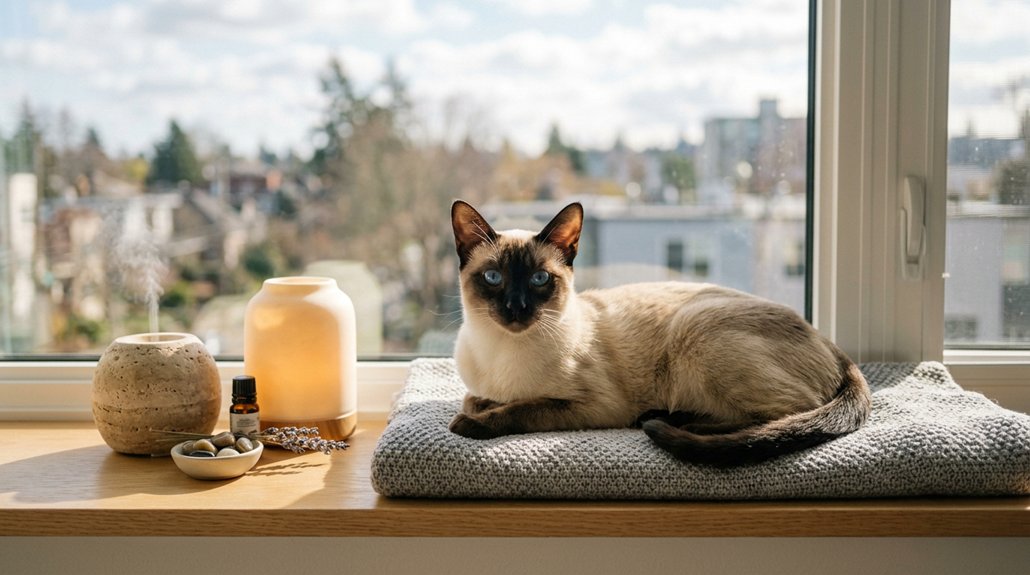
How can you guarantee the perfect match between your lifestyle and a cat breed? Start by understanding cat breed characteristics and evaluating your lifestyle considerations. Your activity level plays an essential role; if you lead an energetic life, consider active breeds like Bengals that thrive in dynamic homes. Conversely, calmer breeds like Ragdolls suit quieter environments. Examine your living space; British Shorthairs, for example, adapt well to apartments due to their calm demeanor, while more active breeds might need extra room. Your family dynamics matter, too—sociable breeds like Maine Coons are excellent for households with children, whereas British Shorthairs may prefer adult-only homes. Finally, your grooming preferences should align with your choice, opting for short-haired breeds if low maintenance suits you.
Evaluate Your Cat Ownership Experience
Reflecting on your past interactions with cats is key to choosing a breed that complements your experience level. First-time owners might thrive with a less demanding breed, while seasoned cat caregivers are better equipped to manage those with complex needs. By pinpointing your experience-based needs, you can improve bonding and guarantee a harmonious relationship with your future feline friend.
Assess Past Cat Interactions
When considering a new feline companion, have you thought about how your past experiences with cats can shape your future pet relationship? Reflecting on previous cat interactions can offer valuable insights into cat behavior and align your owner expectations with a suitable breed. If you’re a first-time owner, you might gravitate towards serene breeds like the British Shorthair or adaptable Ragdoll. Their manageable nature suits those seeking ease in care. For seasoned cat enthusiasts, consider more engaging breeds such as the Siamese or Bengal. These breeds thrive on interaction and mental challenges. Evaluating your past challenges and achievements in cat ownership will help identify breeds that resonate with your lifestyle, ensuring a harmonious and fulfilling bond.
Determine Experience-Based Needs
Building on the insights from your past cat interactions, it’s important to now consider your experience level in cat ownership. Understanding this helps tailor cat breeds to your specific skills and comfort, enhancing both adaptability and owner commitment. If you’re a first-time owner, seek out adaptable breeds that require less specialized care, ensuring a smoother adjustment into pet parenting. Experienced owners, however, may explore a wider range of breeds, including those with high activity levels or special care needs.
Utilizing tools like the Cat Breed Selector can assist in matching you with the perfect feline companion. By prioritizing your experience, you set the foundation for a rewarding relationship, ensuring your new cat thrives in an environment suited to their needs while aligning with your lifestyle.
Think About Your Home When Choosing a Cat Breed
To find the purr-fect feline companion, you must carefully consider your home environment. Room space is crucial; an active breed such as a Bengal requires ample area to roam. Assess household dynamics too. Does your family include young children? Breeds like Maine Coon or Ragdoll are friendly and tolerant, making them great for such homes. Also, evaluate your lifestyle. If frequent travel or long work hours keep you away, independent breeds like the British Shorthair might suit you better. Seasonal allergies? Consider hypoallergenic breeds, such as the Russian Blue. Finally, think about access to the outdoors for potential enrichment.
| Consideration | Requirement | Recommended Breeds |
|---|---|---|
| Room Space | Active, needs space | Bengal |
| Household Dynamics | Child-friendly | Maine Coon, Ragdoll |
| Time Away from Home | Independent | British Shorthair |
| Allergies | Hypoallergenic | Russian Blue |
Decide on Appealing Behavioral Traits
When choosing a cat breed that complements your lifestyle, it’s crucial to reflect on how active you want your feline friend to be. Some breeds enjoy a peaceful environment and thrive with minimal activity, while others are curious and require constant engagement. Additionally, think about your social preferences; whether you prefer a companion who craves attention or a more independent feline who values solitude can greatly influence your match.
Choose Desired Activity Level
How do you guarantee a harmonious match between your energy levels and those of your future feline companion? Understanding playtime preferences is essential. First, reflect on your lifestyle. If you relish an active routine, consider a breed like the Bengal, known for high energy levels and love for interactive play. Conversely, if tranquility is your preference, a gentle Ragdoll could be ideal.
To aid your decision, consider:
- Energy Levels: Align your activity level with the cat’s.
- Playtime Preferences: Recognize if you desire a playful or relaxed companion.
- Commitment Duration: Evaluate how much time you can allocate to interaction.
- Activity Compatibility: Ascertain shared enjoyment of activities, whether it’s lounging or engaging stimulation.
Determine Sociability Preferences
What kind of companionship do you seek from your feline friend? Understanding your preferred level of cat communication can guide you to the ideal breed that fits seamlessly into your life. Breeds like the sociable Siamese are flawless for those craving active feline friendships while the British Shorthair suits those desiring tranquility. For cuddle enthusiasts, a Ragdoll’s affection is unmatched. Conversely, if less fuss suits your style, the independent yet friendly Maine Coon offers a harmonious balance.
| Breeds | Sociability Level | Ideal For |
|---|---|---|
| Siamese | High | Active friend-seekers |
| British Shorthair | Low | Laid-back individuals |
| Ragdoll | Very High | Cuddle enthusiasts |
| Maine Coon | Moderate | Balanced interplay |
Choose wisely to foster enriching, adaptable feline friendships.
Choose Cats Based on Appearance and Grooming Needs
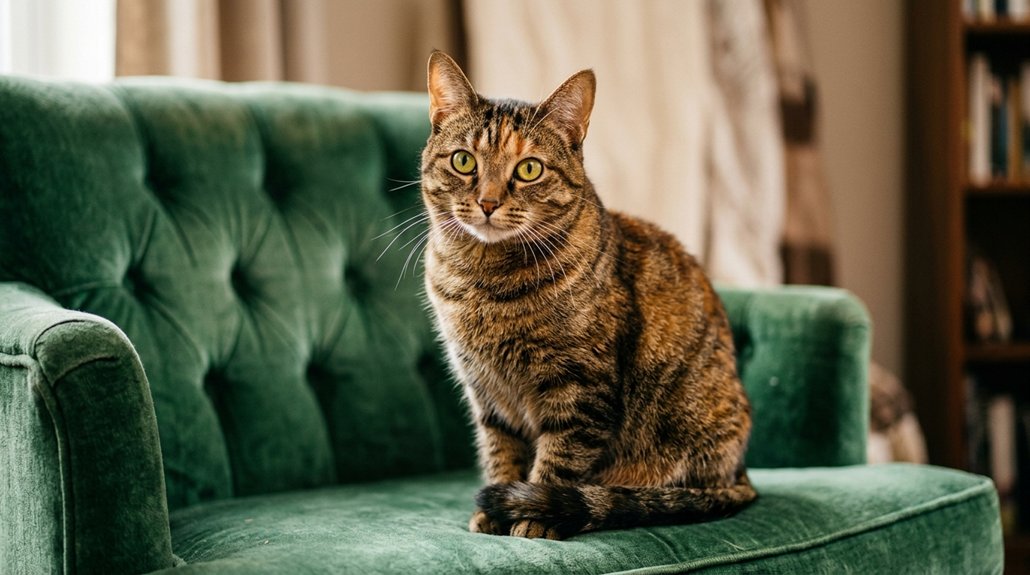
Selecting the right cat breed based on appearance and grooming needs is an essential aspect of ensuring a harmonious relationship between you and your feline companion. Consider your appearance preferences: do you favor a sleek, elegant breed or perhaps a more robust, stocky cat? Matching your aesthetic choices with grooming habits is vital. For instance, long-haired breeds like Ragdolls require daily maintenance, while short-haired ones like British Shorthairs are low-maintenance, needing only weekly brushing. Evaluate your grooming commitment carefully. If minimal grooming is your goal, select breeds like the Siamese that cater to this preference. Prioritizing these considerations can enhance your overall cat care satisfaction, positioning you and your furry friend for a happy, balanced life together.
Why Adopting Cats Can Benefit You and Your Family
While selecting a cat based on appearance and grooming preferences is one way to find your ideal companion, adopting from a shelter offers distinct benefits that extend beyond just aesthetics. Shelter cats provide emotional support and enhance your mental health. Their diverse personalities allow for a perfect personality match, fostering family bonding. Plus, adopting promotes responsible ownership and exemplifies animal compassion by rescuing them from euthanasia.
| Benefits | Emotional Support | Financial Savings |
|---|---|---|
| Personality Match | Diverse choices | Initial vaccinations |
| Family Bonding | Forging connections | Spaying/Neutering costs |
| Animal Compassion | Rescue efforts | Shelters’ resources |
Additionally, shelters often cover initial medical expenses, such as vaccinations, saving you money. Embracing a cat into your home instills responsibility and empathy in family members.
Exploring Various Breeds for Personality Compatibility
Understanding the unique personality traits of various cat breeds can greatly enhance the bond between you and your feline companion. By considering specific breed traits, you’ll find a cat personality that resonates with your lifestyle. If your household enjoys constant activity, a Siamese could match well with their vocal, attention-loving nature.
On the other hand, if you seek a calm and independent companion, a British Shorthair is ideal. Maine Coons fit well with families due to their sociability and playfulness, while Ragdolls’ affectionate demeanor suits those who crave cuddly pets. Bengals, known for their energy and intelligence, are great for active owners seeking interactive experiences.
- Maine Coons: Sociable and playful
- Siamese: Vocal and attention-seeking
- British Shorthairs: Independent and calm
- Ragdolls: Gentle and affectionate
Conclusion: Reflect and Choose Your Perfect Cat Breed
When deciding on the ideal cat breed, it’s essential to align your choice with your lifestyle and personal preferences to guarantee a harmonious living arrangement. Reflect on lifestyle factors like activity level and grooming commitment. Cat breed compatibility varies; first-time owners might appreciate low-maintenance breeds while experienced owners could explore more sociable options. Consider household dynamics to ensure the pet fits well with family and existing animals. Adoption from shelters often provides mixed-breed cats that adapt well to diverse environments.
Here’s a quick compatibility guide:
| Lifestyle Factor | Suitable Cat Breed Options |
|---|---|
| High Activity | Bengal, Abyssinian |
| Quiet and Low Energy | British Shorthair, Ragdoll |
| Minimal Grooming | Russian Blue, Singapura |
| Family with Children | Maine Coon, American Shorthair |
| Other Pets in Home | Burmese, Norwegian Forest Cat |
Frequently Asked Questions
What Is the 3-3-3 Rule for Cats?
The 3-3-3 rule outlines feline adjustment periods: three days for initial settling, three weeks for exploring, and three months to show true cat behavior. Be compassionate and patient during this time to support your new cat’s adjustment.
What Is “I Love You” in Cat Language?
“I love you” in feline communication translates to purring symphonies, slow-blinking serenades, and affectionate grooming rituals. These cat behaviors aren’t merely actions—they’re heartfelt expressions of trust and companionship, mirroring the depths of a cat’s affectionate instincts.
What Annoys Cats the Most?
Cats are often annoyed by loud noises, unwanted petting, food territorial issues, overstimulation, and sudden environmental changes. Recognize common cat annoyances and cat behavior triggers to guarantee your feline companion’s environment is soothing and stable.
Does the Breed of Cat Affect Personality?
Yes, a cat’s breed greatly impacts its personality. You’ll find distinct cat temperaments influenced by breed traits; some are social and vocal, like Siamese, while others, like British Shorthairs, exhibit a more laid-back demeanor.
Conclusion
Choosing the perfect cat breed is like finding the right balance in a symbiotic relationship—one that mirrors your lifestyle, resonates with your household’s heartbeat, and nurtures both heart and soul. Just as a well-fitting glove supports the hand, the right feline companion complements your inner world while offering warmth and companionship. Remember, adopting a cat means you’re both the healer and the healed, crafting a partnership that promises to nourish your family’s emotional well-being.