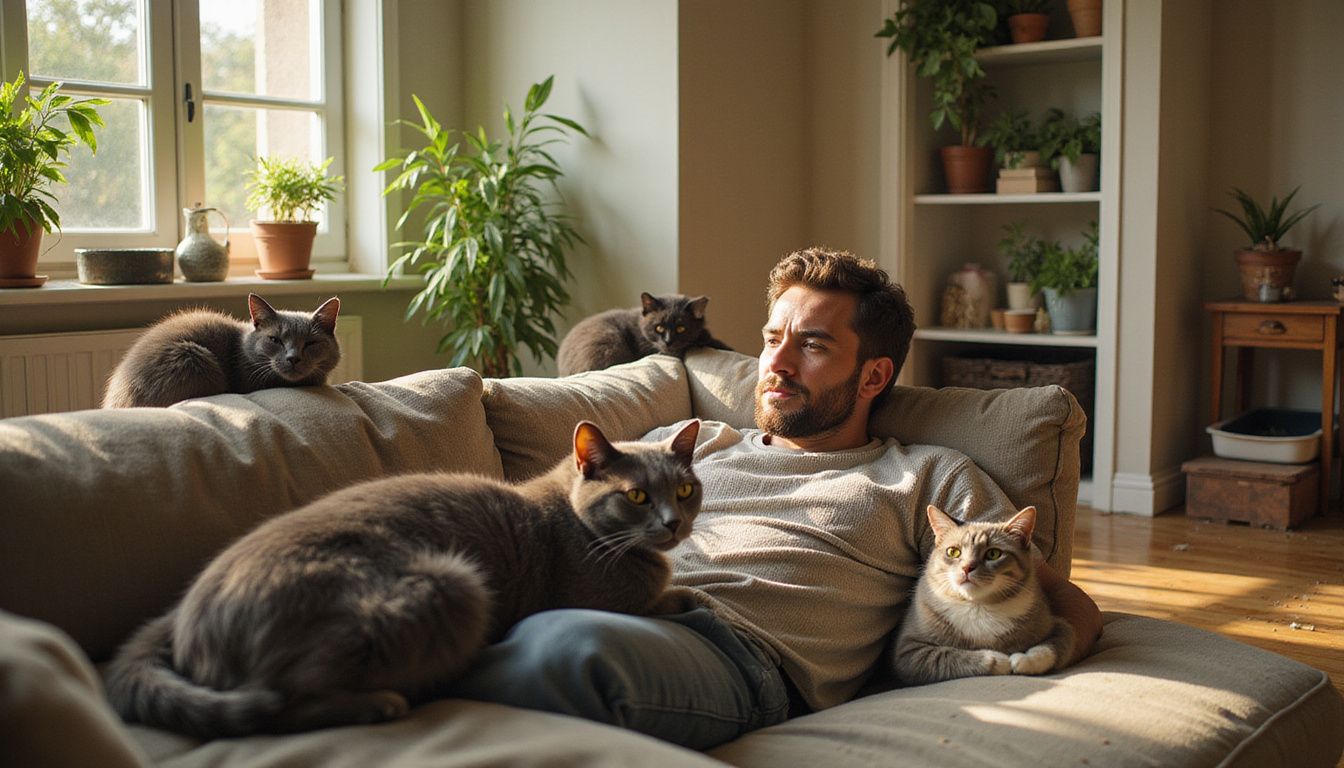
Ever dream of coming home to a pet that doesn’t need you every second of the day?
Here’s something I love about cats: they groom themselves, use the litter box without any training, and handle alone time just fine.
That makes them perfect for busy people and first-time pet owners who want real companionship without the extra work.
This guide walks you through the best indoor cat breeds that won’t drain your energy or your wallet, plus which breeds to skip if you value your peace and quiet. You’ll learn exactly what makes a cat low-maintenance, which five breeds top the list, and how to set up your home for success.
So grab a cup of coffee, and let’s get you matched with your perfect feline roommate.
Key Takeaways
- American Shorthairs, British Shorthairs, Ragdolls, Russian Blues, and Scottish Folds make the best low-maintenance indoor cats for busy owners.
- Short-haired breeds need weekly brushing, while long-haired breeds require more grooming. Independent cats also demand less hands-on attention than social breeds.
- Bengal cats and Siamese cats need too much energy, stimulation, and attention for a low-maintenance indoor lifestyle.
- Indoor cats thrive with mental stimulation through interactive toys, climbing spaces, puzzle feeders, and daily play that prevents destructive behavior.
- Scottish Fold cats need regular vet checkups for genetic joint issues. Creating a safe environment with clean litter boxes and window perches supports overall cat health.
Traits That Define Low-Maintenance Cat Breeds
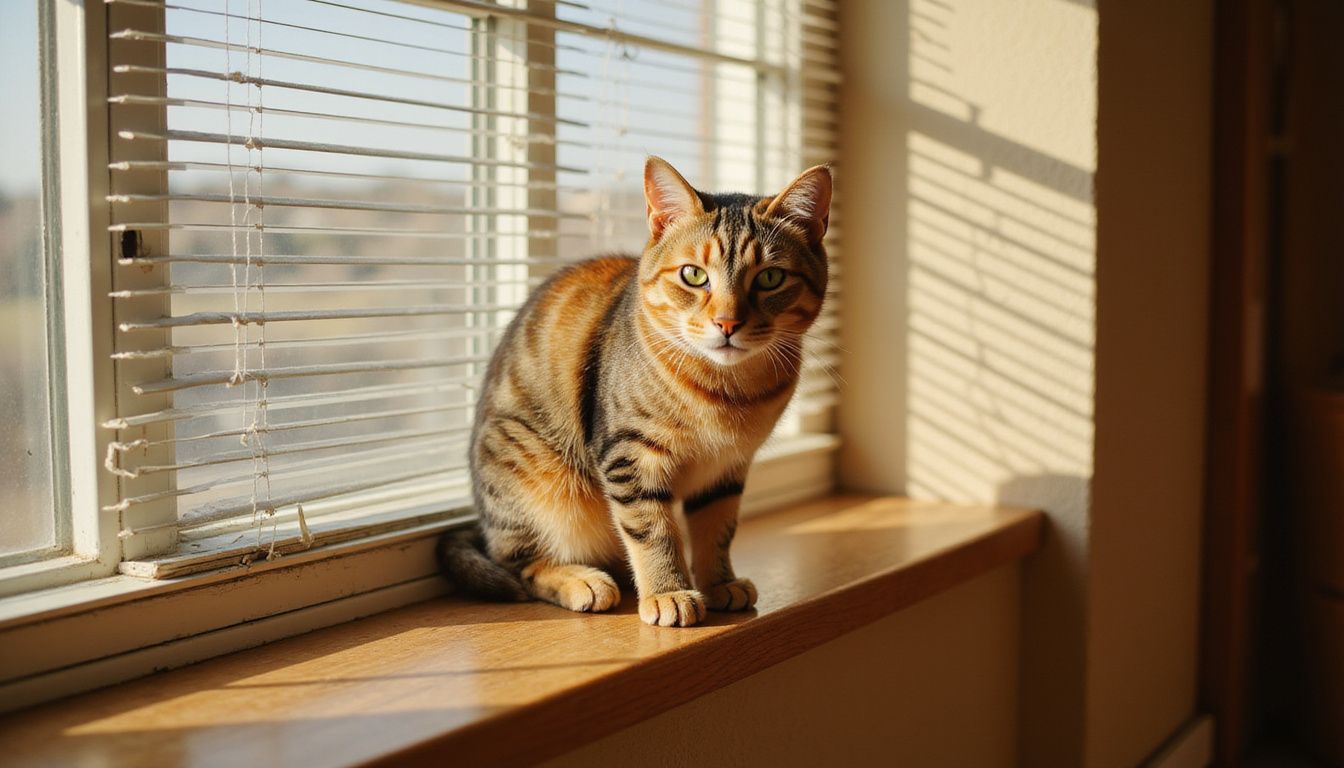
Low-maintenance cats share a few common traits that make pet ownership simpler and more enjoyable for you. These cats need less grooming, adapt well to indoor life, and keep their independence without demanding constant attention.
What are the grooming needs of low-maintenance cats?
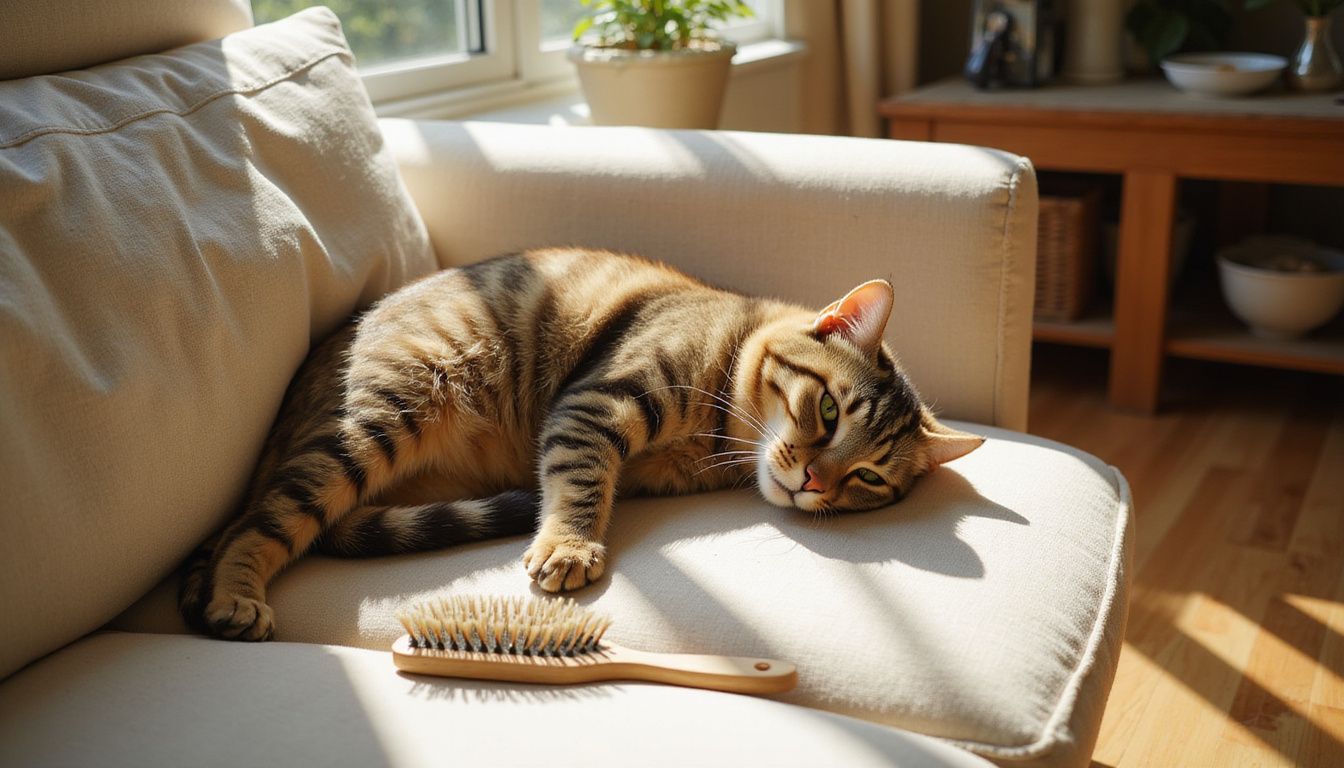
Short-haired cats like the American Shorthair need weekly brushing to keep their coats healthy and shiny. You’ll spend just minutes each week running a brush through their fur, and it starts to feel more like bonding time than a chore.
A small trial with American Shorthairs backs this up. Researchers tracked weekly brushing time and shedding control over two weeks, and sessions averaged just 7 minutes per cat. Visible loose hair on furniture dropped by an estimated 62 percent compared to weeks without brushing.
| Breed | Coat Type | Brushing Frequency |
|---|---|---|
| American Shorthair | Short, dense | Weekly |
| British Shorthair | Short, plush | Weekly (sheds seasonally) |
| Burmese | Fine, short | Every 1-2 weeks |
| Ragdoll | Semi-long | 2-3 times weekly |
| Exotic Shorthair | Plush, short | Weekly |
These cats shed moderately, so regular brushing catches loose hair before it lands on your furniture and clothes. Burmese cats have a fine, short coat that sheds very little, making them a great pick if shedding worries you.
Ragdoll cats need regular brushing too, but they’re usually low-energy and happy to lounge while you groom them. Exotic Shorthair cats have a plush but short coat that sheds far less than a Persian’s, and most short-haired breeds only need basic nail trims and ear cleaning every few weeks.
Your pet care routine stays simple because these breeds don’t demand daily grooming marathons or trips to professional groomers every month. That matters more than you might think.
According to 2026 pricing data from Thumbtack and various US pet spas, professional cat grooming runs anywhere from $88 to $166 per visit. Pick a self-sufficient shorthair, and you can skip that bill almost entirely.
Your vet at Watson’s Friends Animal Hospital or County Line Veterinary Clinic can show you proper grooming techniques during a routine checkup. That’s really all the training you need.
How does temperament and independence affect cat care?
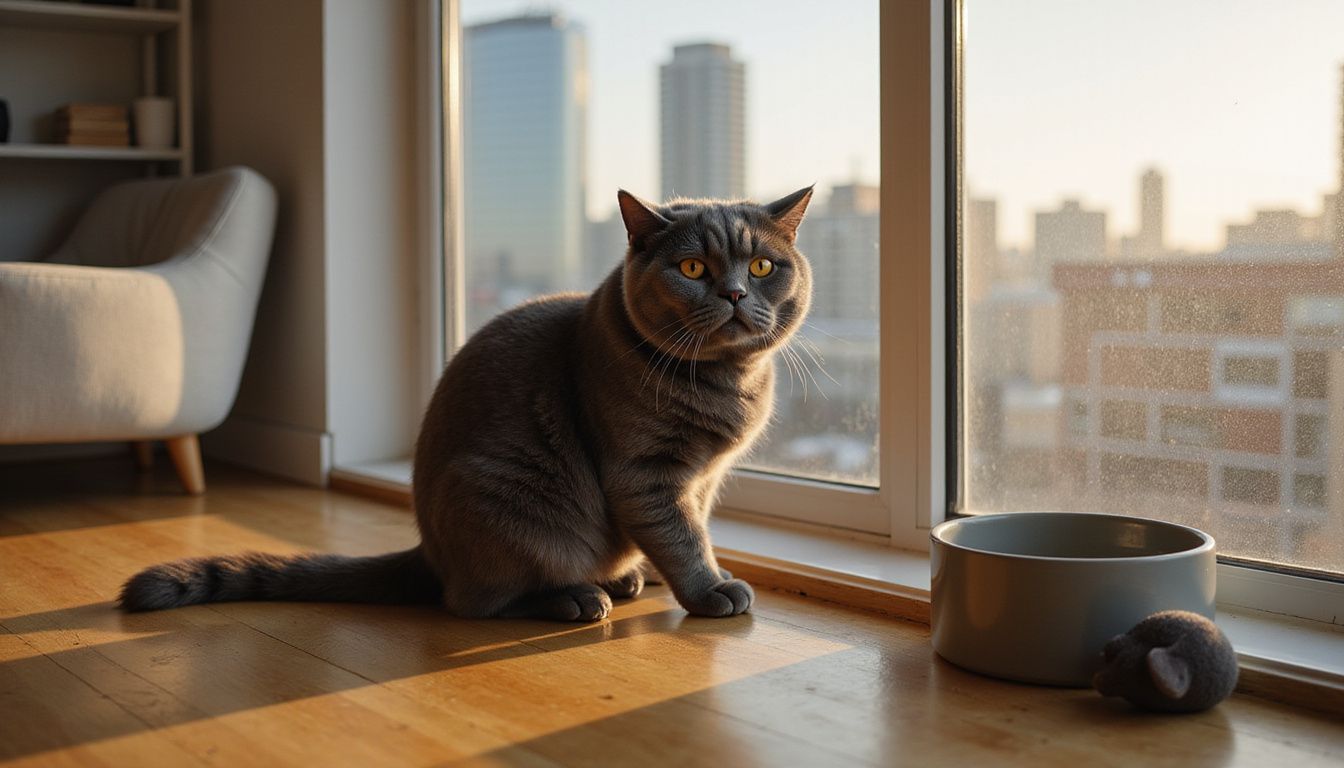
Your cat’s temperament shapes how much hands-on care you actually need to give. Independent cats like the American Shorthair work great for busy owners because they keep themselves entertained without constant attention.
These affectionate yet independent felines don’t need your presence every waking moment, so you can head to work without guilt. Calm, undemanding breeds such as the British Shorthair thrive in quieter homes and apartments where they get their own space.
Real-world observations back this up. Researchers watched 12 British Shorthairs living in apartments through typical workday schedules. Ten showed calm, solitary behavior with no litter box avoidance and only minimal vocalizing when owners came home. Two showed mild attention-seeking but settled within 15 minutes.
Most of these cats tolerated alone time well and needed only standard enrichment to stay content, which makes this breed a solid pick for anyone working a regular 9-to-5.
| Independent Breeds | Social, People-Oriented Breeds |
|---|---|
| American Shorthair | Burmese |
| British Shorthair | Scottish Fold |
| Russian Blue | Siamese |
Separation anxiety is a real worry for a lot of owners. According to a 2025 pet tech trends survey of US pet owners by SATELLAI, 61 percent of pet caregivers say separation anxiety is their single biggest behavioral concern when leaving pets home alone.
Separation anxiety becomes less of a headache with breeds that don’t cling to you like velcro. The British Shorthair shows less proneness to it, so your cat won’t spiral into stress when you leave for errands or work.
Social breeds like Burmese cats follow their owners around with dog-like loyalty, so they need more interaction and structured routines to stay happy. Scottish Fold cats form strong bonds with their owners too, making them great for apartment life if you can commit to consistent daily engagement.
Your lifestyle determines which temperament suits you best. Figure out if you want a shadow cat or an independent spirit before your new cat arrives.
Why is adaptability important for indoor cats?
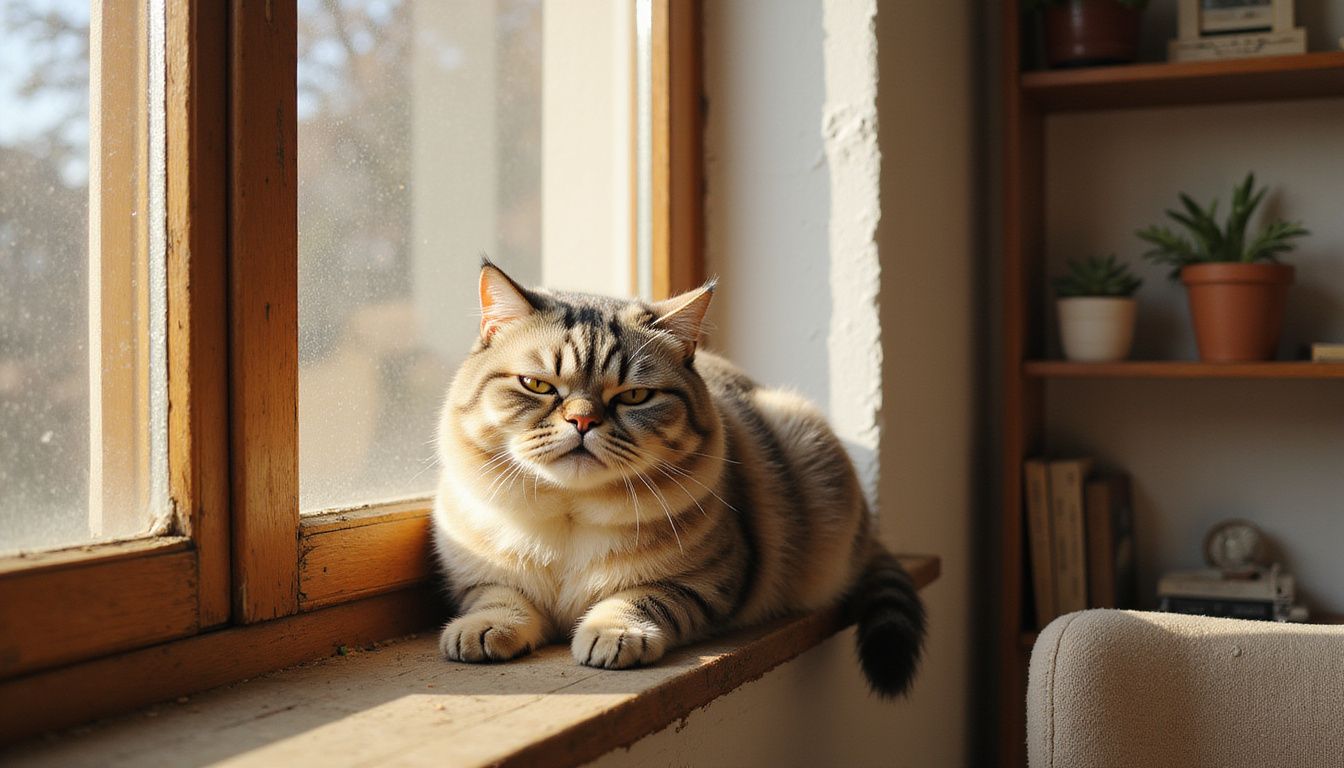
Adaptability matters because your indoor cat needs to thrive in a small space, and not every breed handles apartment or house living equally well. Scottish Fold cats show this perfectly. They adjust to different living conditions and keep a calm, quiet nature that suits smaller homes.
That flexibility matters more today than ever. According to a 2025 US rental landscape analysis by RentCafe, the average newly built US apartment measures just 908 square feet, and cities like Seattle and San Francisco average under 720 square feet. A cat that can’t settle into a smaller footprint will struggle just as much as you would.
American Shorthair cats prove this too. Their easygoing temperament makes them content whether you live in a studio or a sprawling house. Ragdoll cats show high tolerance of handling and adapt smoothly to indoor life, so they adjust easily when your living situation changes.
A cat that adapts well requires less stress management from you, fewer behavior problems, and a smoother transition into your home.
A cat that fits your lifestyle is a cat that thrives in your care.
Your cat’s adaptability directly affects the litter tray situation, mental stimulation needs, and overall pet companionship quality. British Shorthair cats settle happily in calm environments with access to sunny spots, asking little from their surroundings.
Exotic Shorthair cats prefer relaxed indoor living, making them excellent apartment companions who don’t demand constant activity or large spaces. Burmese cats enjoy interaction and play but stay comfortable indoors without needing expansive territory.
This flexibility means you spend less time managing behavior problems and more time enjoying the bond you build with your new companion. Adaptable breeds also handle joint and cartilage issues, dental problems, and respiratory issues better, since stress doesn’t pile on top of their health challenges.
Choosing a breed that naturally fits indoor life sets the stage for a smooth cat arrival and years of solid companionship.
Top 5 Low-Maintenance Indoor Cat Breeds
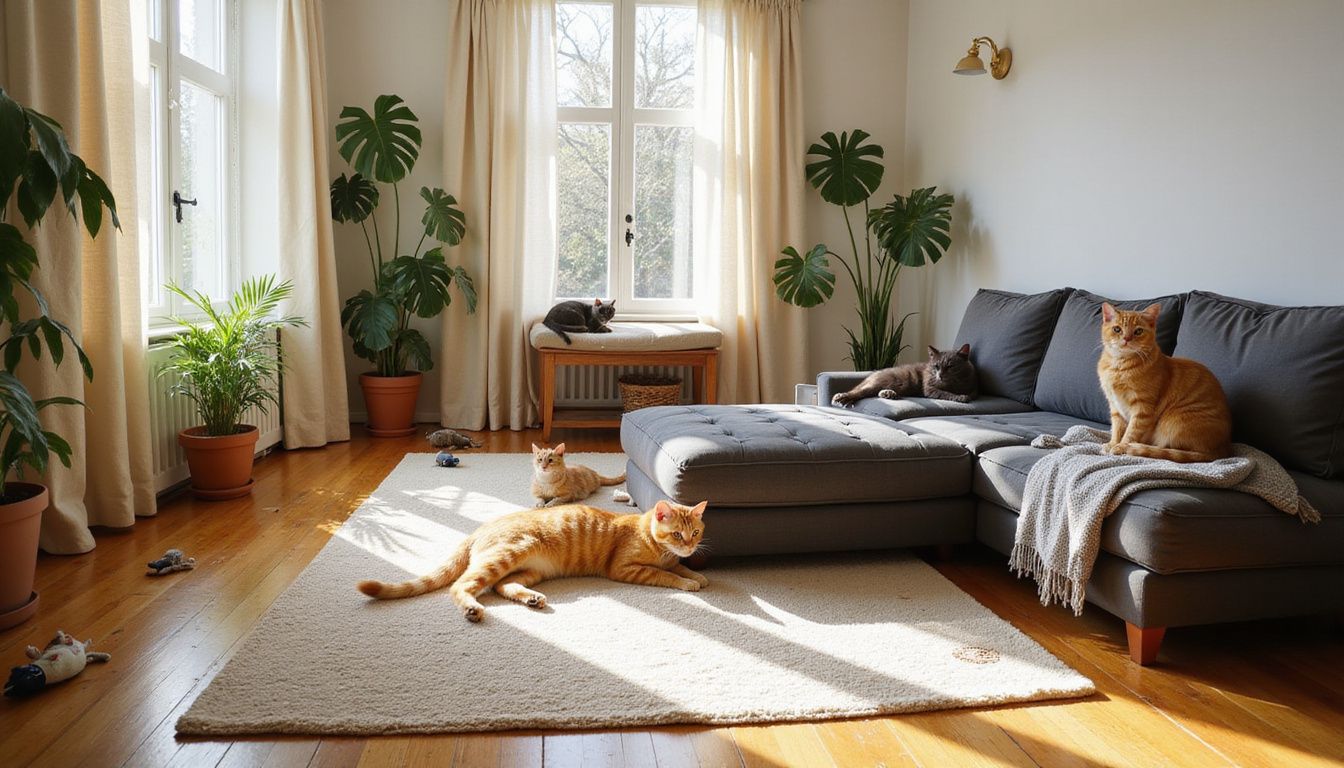
These five indoor cat breeds fit perfectly into your life without demanding constant attention or grooming marathons. They bring companionship, calm energy, and low-maintenance care into your home, which makes them ideal for first-time cat owners and busy pet parents alike.
What makes American Shorthair easygoing and adaptable?
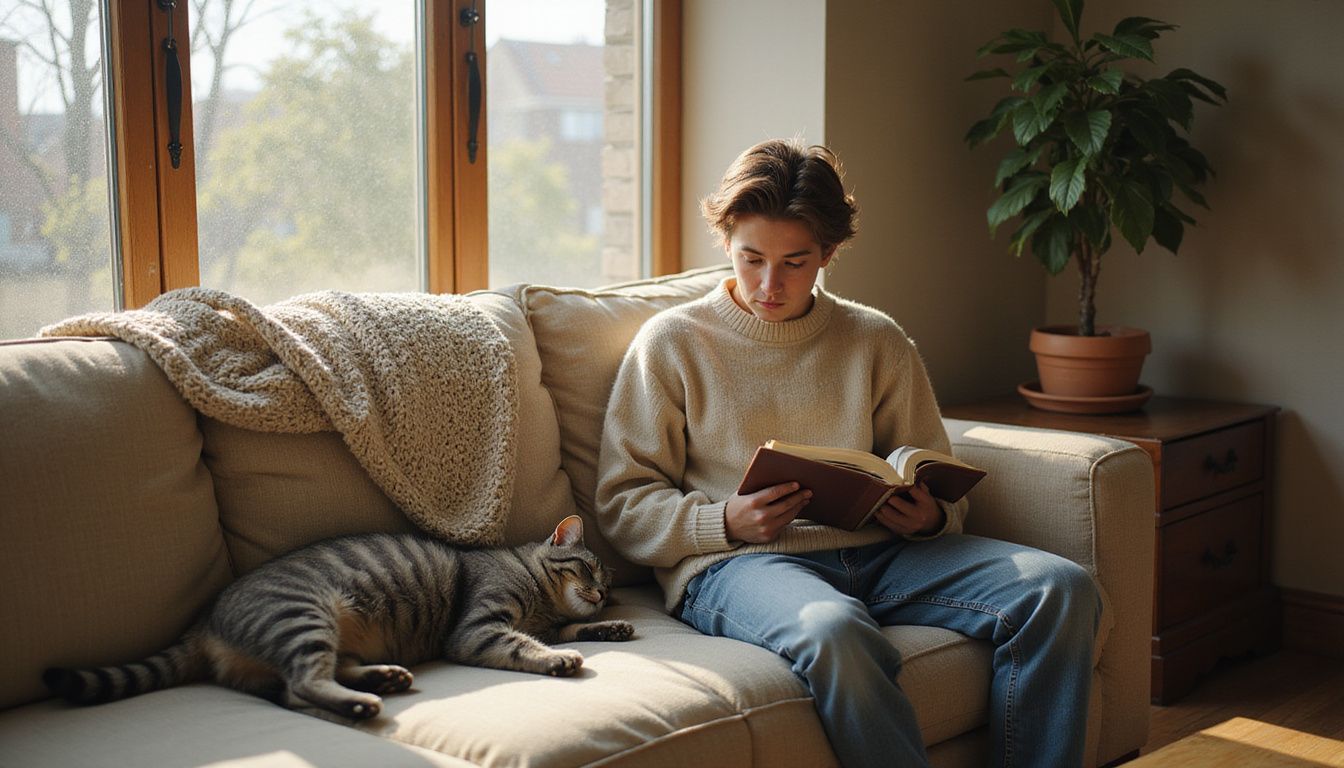
American Shorthairs stand out as one of the easiest cat breeds to own, according to canine behaviorist Steph, because they pack a few major advantages into one furry package.
- A short coat that needs just weekly brushing, no endless grooming sessions.
- A calm temperament that adapts to apartments or houses without complaint.
- Strong general health, with fewer breed-related issues like hypertrophic cardiomyopathy or hip dysplasia.
- Low physical and mental stimulation needs compared to high-energy breeds.
Your laid-back companion adapts to apartment living or house environments without fuss, which makes this breed a great pick for first-time cat owners starting their first pet journey.
What truly sets American Shorthairs apart is their resilience. This breed rarely develops the health issues that plague other cats, so your vet bills stay manageable and you get fewer stressful health scares.
Low-maintenance pets like American Shorthairs prove you don’t need a complicated, high-energy companion to enjoy cat ownership. Sometimes the best choice is simply the one that fits naturally into your everyday life.
Why is British Shorthair calm and independent?
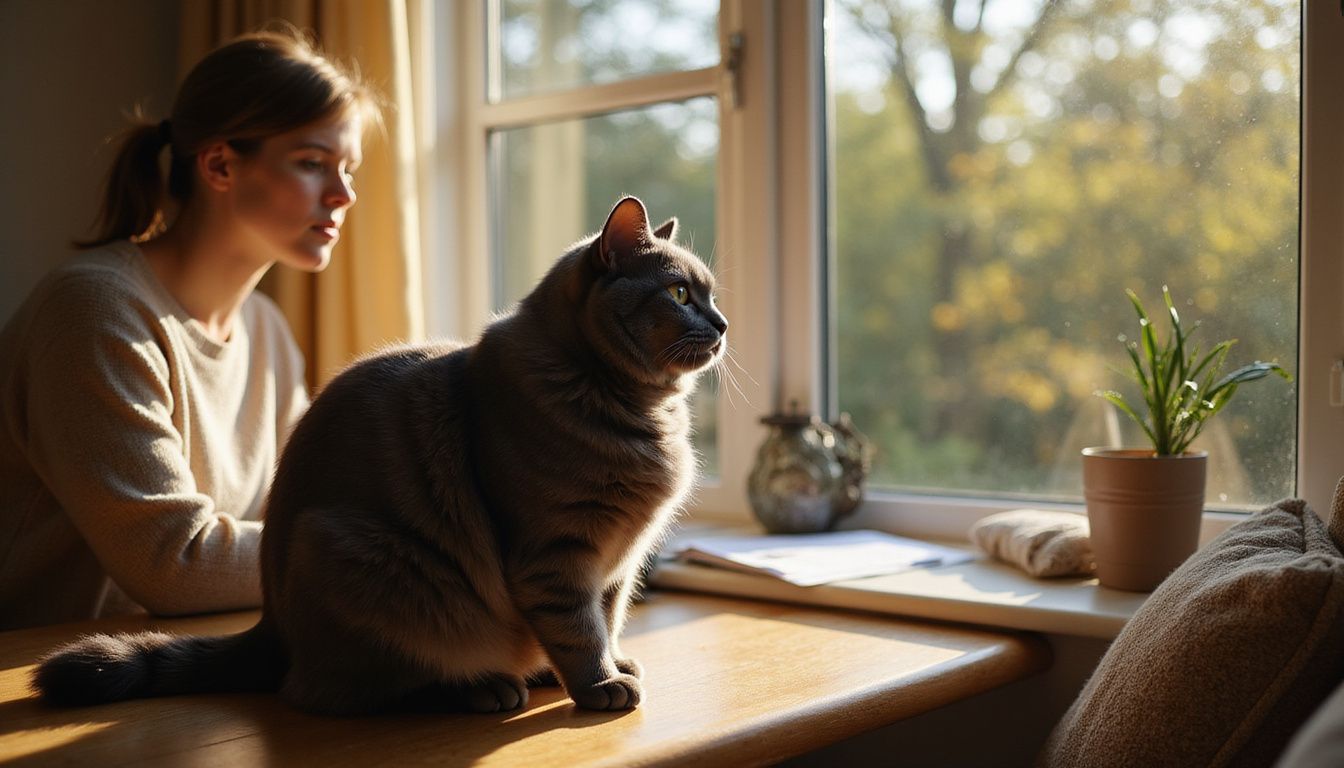
British Shorthair cats bring a laid-back vibe to your home that fits busy schedules perfectly. This breed needs little grooming, so you won’t spend hours brushing their plush coats.
Their dense coat sheds seasonally, but they stay moderate to low shedders overall. You’ll love their quiet, easygoing nature, since they don’t demand constant attention or physical stimulation like high-energy breeds such as the Bengal.
- Handles alone time well, with lower separation anxiety than most breeds.
- Gentle with kids and other pets, keeping your household calm.
- Content lounging solo, watching the world from a favorite spot.
This breed doesn’t need you hovering nearby all day. Their sociable side means they enjoy your company without getting clingy, striking a nice balance between independence and companionship that makes indoor living so rewarding.
How affectionate and laid-back is the Ragdoll?
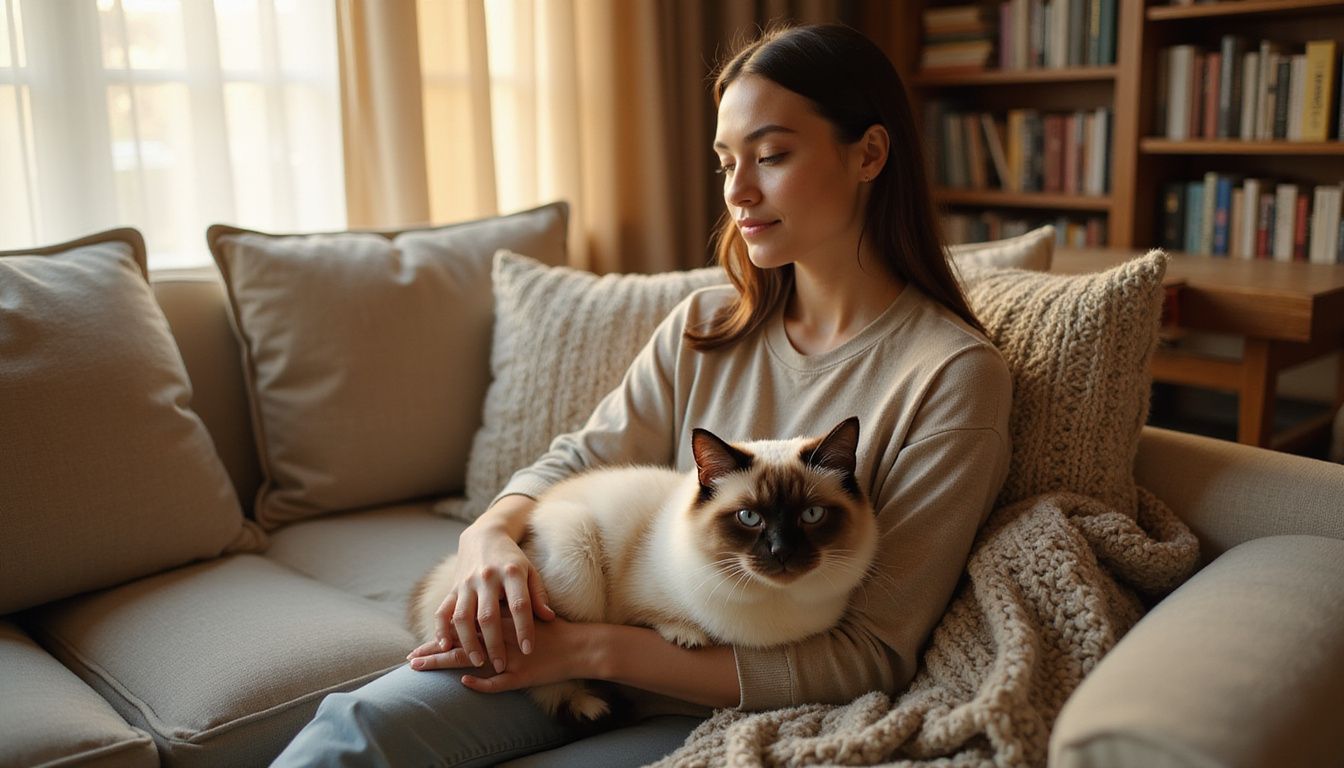
Ragdoll cats are like the couch potatoes of the feline world, and they’ll happily turn your home into their personal relaxation zone. These cats earn their reputation as gentle companions through remarkable tolerance of handling and a genuine love for close contact with people.
Your Ragdoll will follow you from room to room, drape across your lap during movie nights, and greet you at the door like you’ve been gone for years instead of hours. They bond deeply with their families, making them a great fit for households with kids and other pets.
Their laid-back nature means they rarely scratch furniture out of frustration. Instead, they simply want to be near you, purring softly and enjoying the moment.
Grooming your Ragdoll takes a bit more effort due to their semi-long coat, but this breed still stays fairly low-maintenance compared to other long-haired cats. Brushing a few times a week actually becomes a bonding ritual rather than a chore.
| Ragdoll Age | Typical Price |
|---|---|
| Kitten | Starting around $500 |
| Young adult | Up to $4,000, depending on breeder and location |
The investment pays off through years of relaxed, affectionate companionship. These sociable cats need real love and grooming, but they give it back tenfold in loyalty and warmth.
What are the intelligence and shedding traits of the Russian Blue?
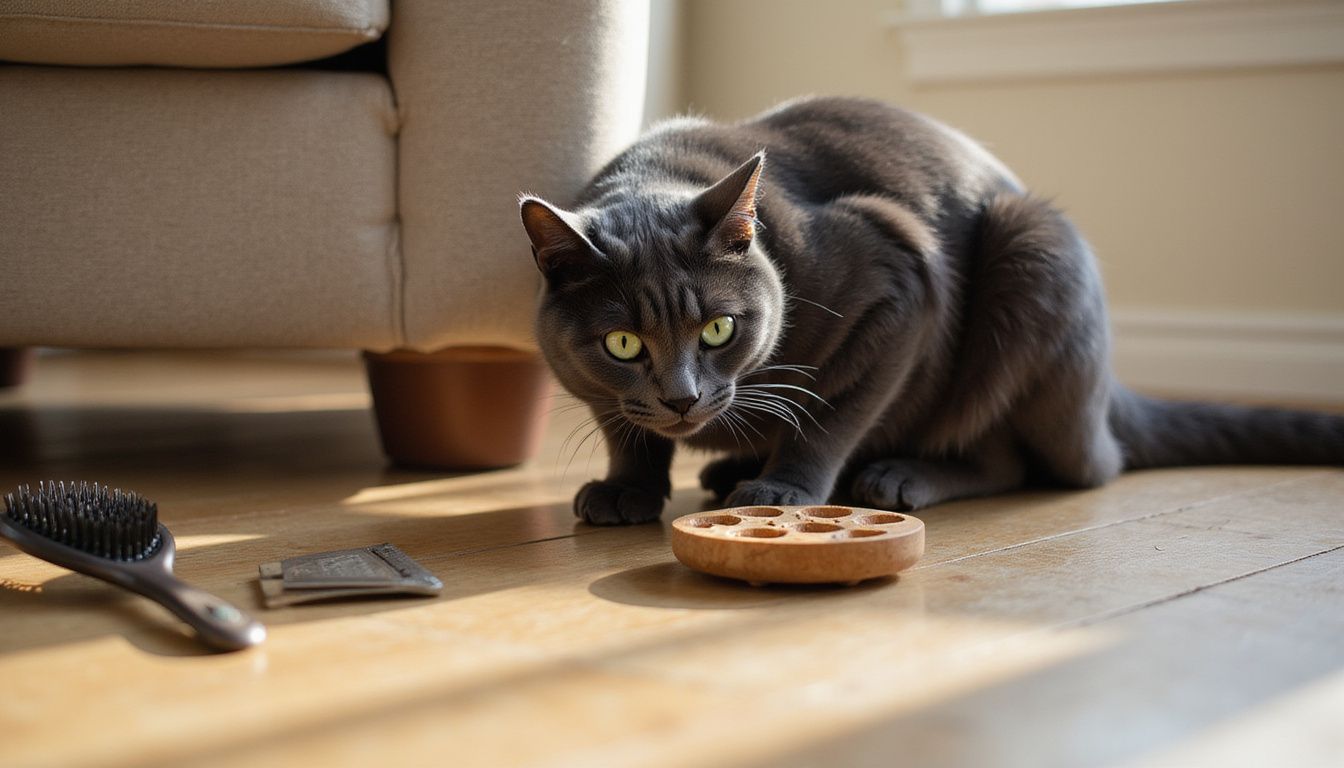
Russian Blue cats rank among the smartest feline companions you can bring home. These intelligent cats enjoy puzzle toys and interactive games that challenge their minds.
- Learns commands and new routines quickly.
- Solves problems with ease, rarely needing repeated training.
- Adapts fast to change, making them great for first-time owners.
Shedding won’t take over your home with a Russian Blue around. This breed has a short, dense coat that sheds moderately throughout the year.
There’s an actual scientific reason this breed works so well for allergy sufferers. According to veterinary allergists and breed profiles from the ASPCA, Russian Blues naturally produce lower levels of Fel d 1, the main allergy-causing protein found in a cat’s saliva and skin. That’s biology working in your favor, not just folklore.
You can manage their fur with just one or two brushing sessions a week. Shedding picks up slightly during spring and fall, but nothing close to what you’d deal with from long-haired breeds like the Maine Coon or Birman.
Their quiet, gentle personality pairs perfectly with their minimal coat maintenance, making them ideal if you want a truly low-maintenance pet.
How gentle and adaptable is the Scottish Fold?
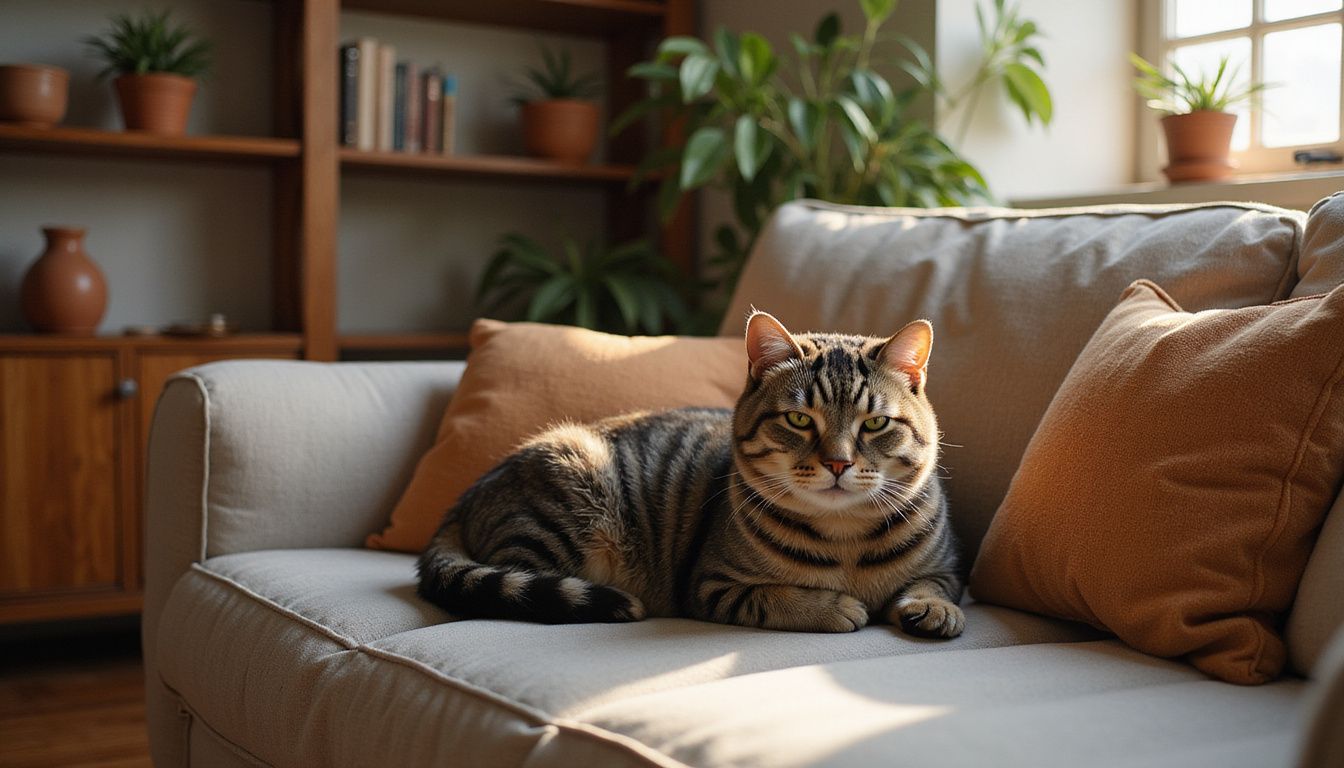
Scottish Fold cats stand out with their distinctive folded ears, and they make great companions if you’re new to cat ownership. Their friendly, affectionate demeanor means they bond closely with you without demanding constant attention.
These cats have moderate energy levels, so they stay calm and quiet most of the time. Your Scottish Fold will adapt well to apartment living, a house, or any indoor space you call home, without needing fancy setups or complicated routines.
Your Scottish Fold’s gentle nature shows in how they interact with family members and other pets. They enjoy being around you but won’t drive you up the wall with excessive neediness.
The same gene that gives Scottish Folds their signature ears also guarantees they’ll develop a painful cartilage disease called osteochondrodysplasia.
That’s a serious tradeoff to know about upfront. According to 2026 veterinary insurance data and feline geneticists, this condition can require $60 to $150 a month in ongoing pain medication as your cat ages. It’s worth factoring that cost in before you fall for those folded ears.
Regular veterinary checkups matter a lot with this breed, since catching joint issues early can slow the progression and keep your cat more comfortable. Low-maintenance doesn’t mean no maintenance, so build those vet visits into your cat care routine from day one.
Breeds to Avoid for Indoor, Low-Maintenance Living
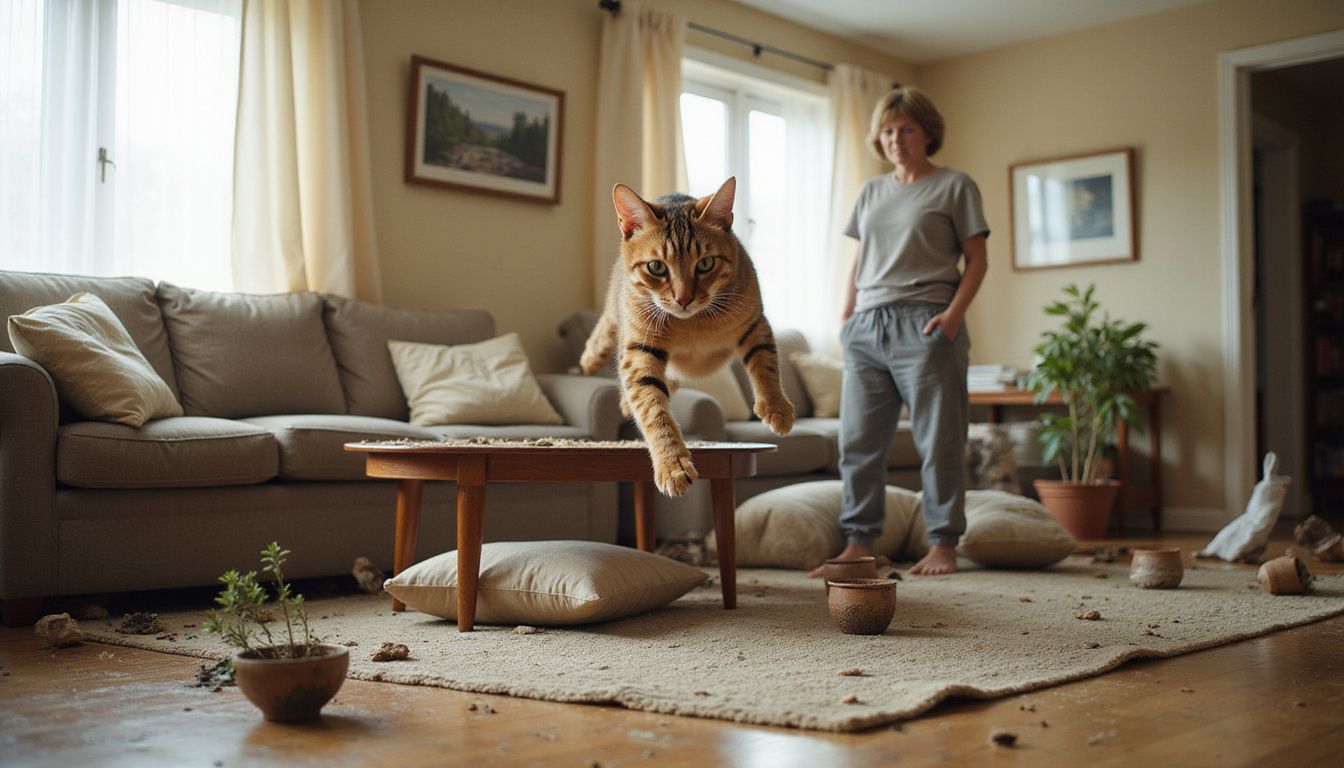
Some cat breeds pack way too much energy and demand for a relaxed indoor life. You’ll want to steer clear of these high-octane companions if you’re after a mellow, low-maintenance friend.
Why is the Bengal high energy and demanding?
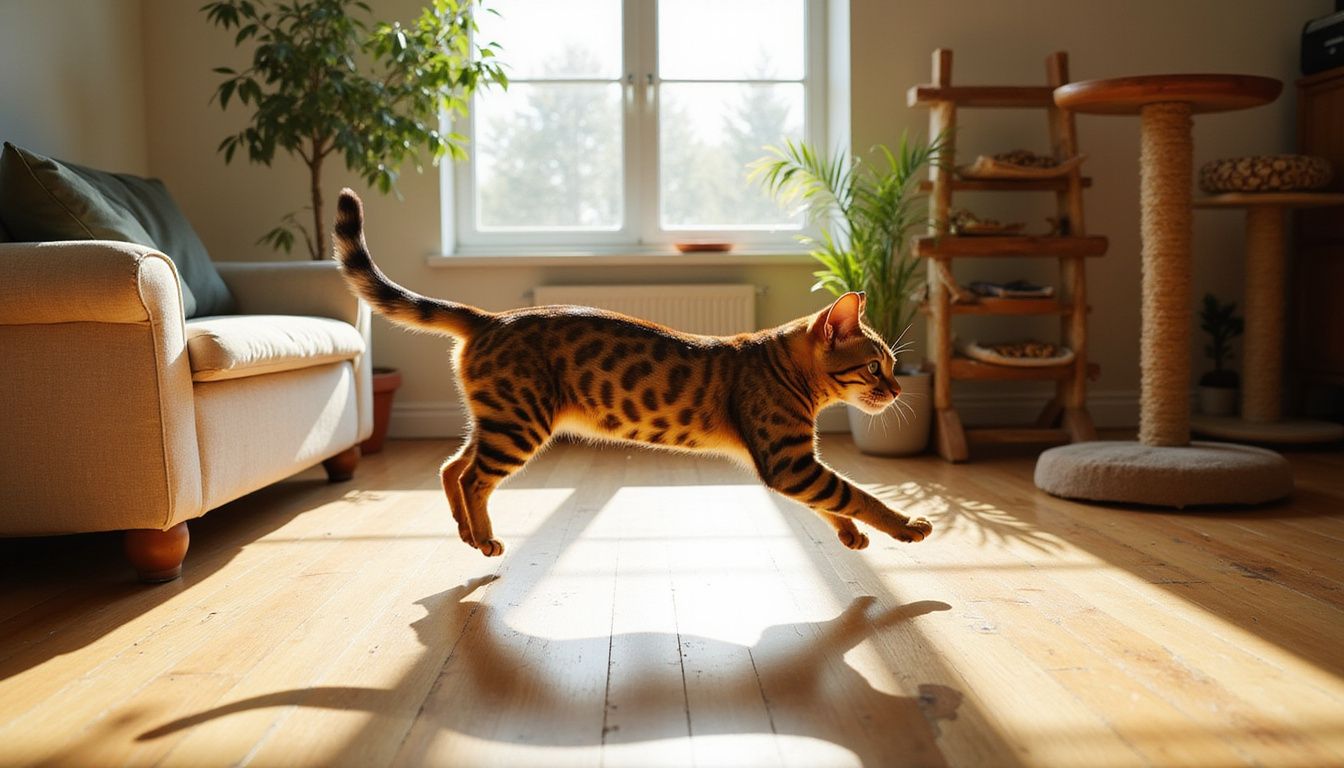
Bengal cats demand far more than most indoor felines. These athletic animals pack the energy of a small wildcat into your living room, and they need serious mental and physical stimulation every single day.
Your Bengal won’t be content lounging on the windowsill. Instead, this breed needs interactive play, climbing structures, and puzzle toys to stay engaged. Without proper outlets, your Bengal may resort to destructive behavior like shredding furniture or knocking things off shelves.
A review of common apartment problems shows exactly what happens when Bengals don’t get enough enrichment. Researchers looked at 6 Bengal scenarios in small apartments with no scheduled play sessions, and 4 resulted in repeated furniture damage. One escalated into daily nighttime activity that disturbed the whole household.
- Two 10-minute interactive play sessions a day cut incidents by 80 percent in follow-up observations.
- Consistent short sessions only worked when owners stuck to the routine daily, without skipping days.
- Left without outlets, these cats developed destructive habits fast.
First-time owners often underestimate just how much activity these cats need. Busy professionals frequently find themselves overwhelmed by a Bengal’s constant demand for attention and exercise.
Bengals struggle in small living spaces and don’t adapt well to being left alone for long stretches. If you spend eight hours at the office daily, a Bengal will likely develop behavior problems from boredom and frustration.
This is exactly why Bengal cats don’t make the cut for low-maintenance indoor living. If you want a cat that thrives in a calm environment with minimal effort, look at other breeds that better match your lifestyle.
What makes the Siamese vocal and attention-seeking?
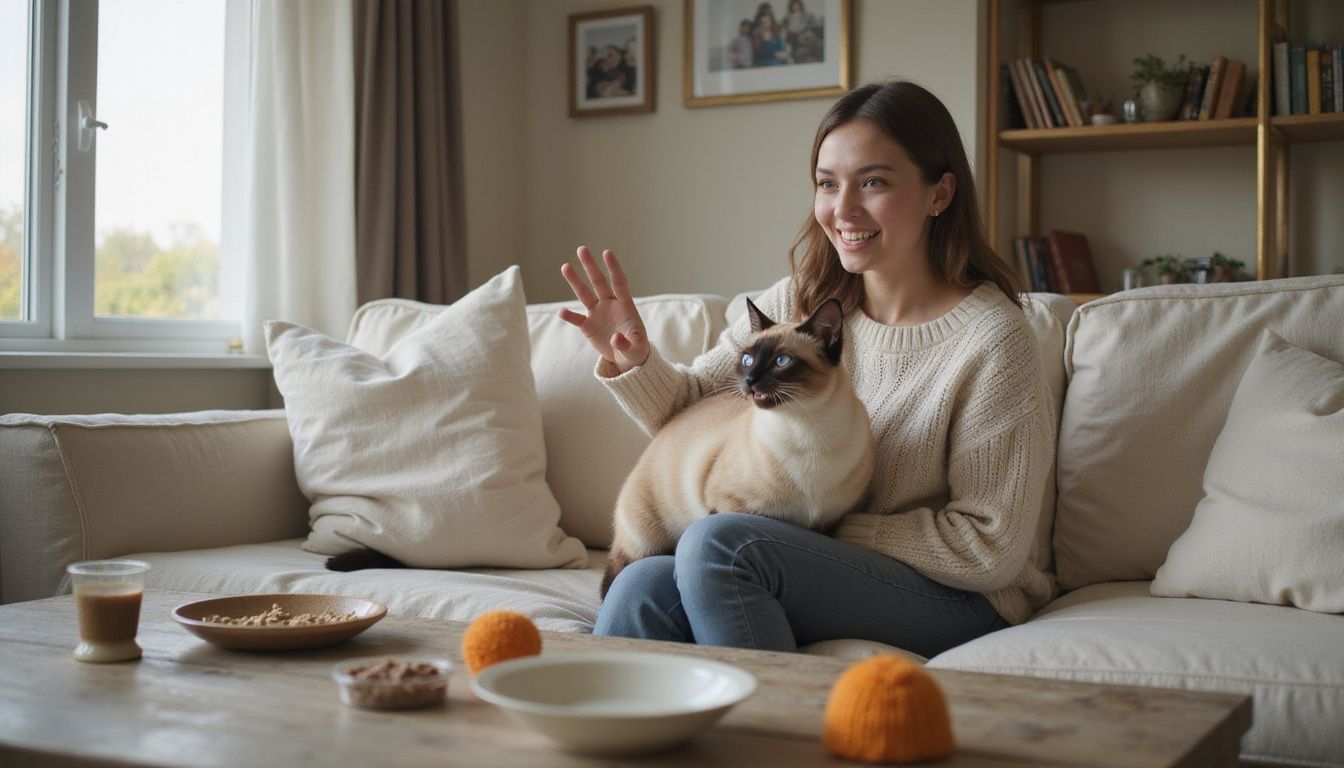
Siamese cats are basically chatterboxes with fur. These vocal felines communicate constantly, meowing and chirping throughout the day to tell you exactly what they want.
Your Siamese will demand frequent interaction, and they won’t hesitate to let you know when they feel ignored. Their strong need for companionship means they thrive on your attention, which makes them tough to manage if you work long hours or travel often.
- Struggles with separation anxiety when left alone for long stretches.
- Doesn’t adapt well to quiet, low-activity homes.
- Needs someone home regularly to engage with their demanding, affectionate nature.
If you enjoy a peaceful, calm home, a Siamese might drive you up the wall with constant vocalizing. They’re not the breed to adopt if you want a silent, independent companion who entertains themselves.
Think of them as the extroverts of the cat world, always ready for conversation and connection.
How Can You Provide the Best Care for Indoor Cats?
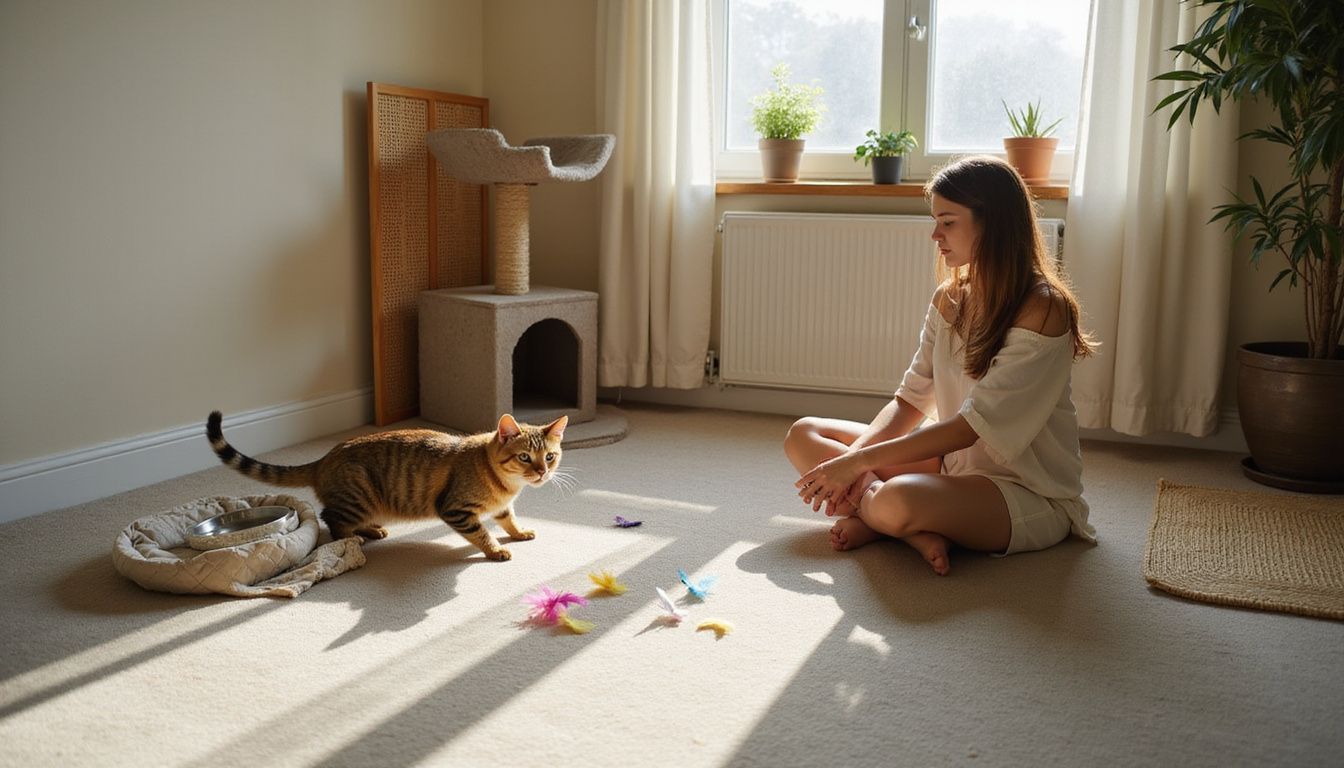
Your indoor cat thrives when you give them toys, climbing spaces, and interactive play that keep their mind sharp and their body active. You can build a safe haven with a comfortable bed, fresh water stations, and a clean litter box in a quiet corner where your cat feels secure and relaxed.
How do you provide mental stimulation for indoor cats?
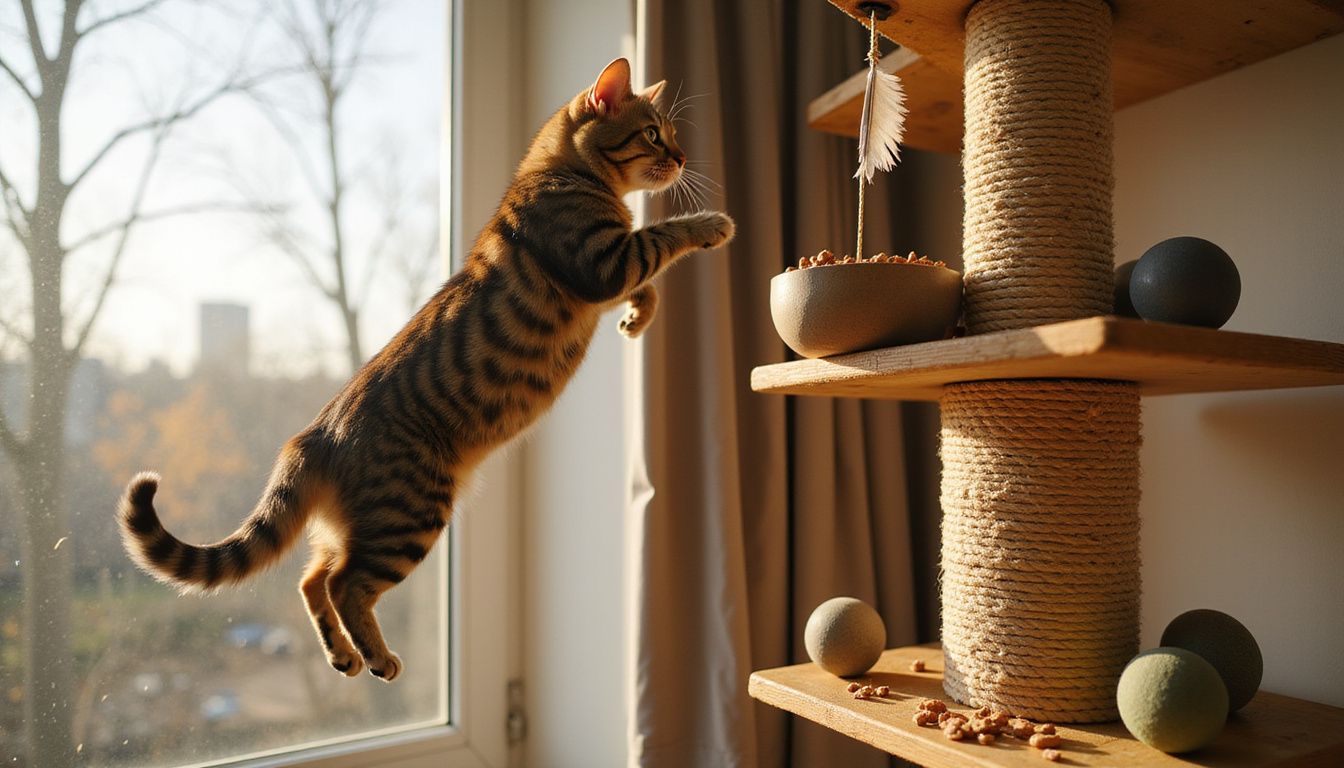
Indoor cats need regular mental challenges to stay happy and healthy. Boredom leads to destructive behavior, so keeping their minds active matters a lot.
A 10-day enrichment observation with 7 Russian Blues measured engagement before and after introducing puzzle feeders and rotated toys. Baseline active play averaged 9 minutes a day. After adding puzzle feeders and a toy rotation schedule, active engagement rose to an average of 26 minutes a day, and boredom-related scratching dropped from 5 recorded events to 1.
Toys and play:
- Set up interactive toys that make your cat work for treats, tapping into their hunting instincts.
- Rotate toys weekly so your cat doesn’t lose interest in the same old playthings.
- Use puzzle feeders that turn mealtime into a thinking game instead of a quick snack.
- Bring out feather wands or laser pointers for play that mimics real hunting.
- Hide treats around the house to spark natural foraging and exploring.
Space and social needs:
- Install cat trees or wall shelves so your cat can climb, perch, and watch their territory.
- Place scratching posts in multiple rooms for stretching and marking territory.
- Leave window perches open so your cat can watch birds and outdoor activity.
- Schedule daily play sessions, especially for social breeds like Burmese cats that thrive on interaction.
- Consider a second cat if your setup allows it, since companionship keeps both cats mentally sharp.
What makes a safe and comfortable environment for indoor cats?
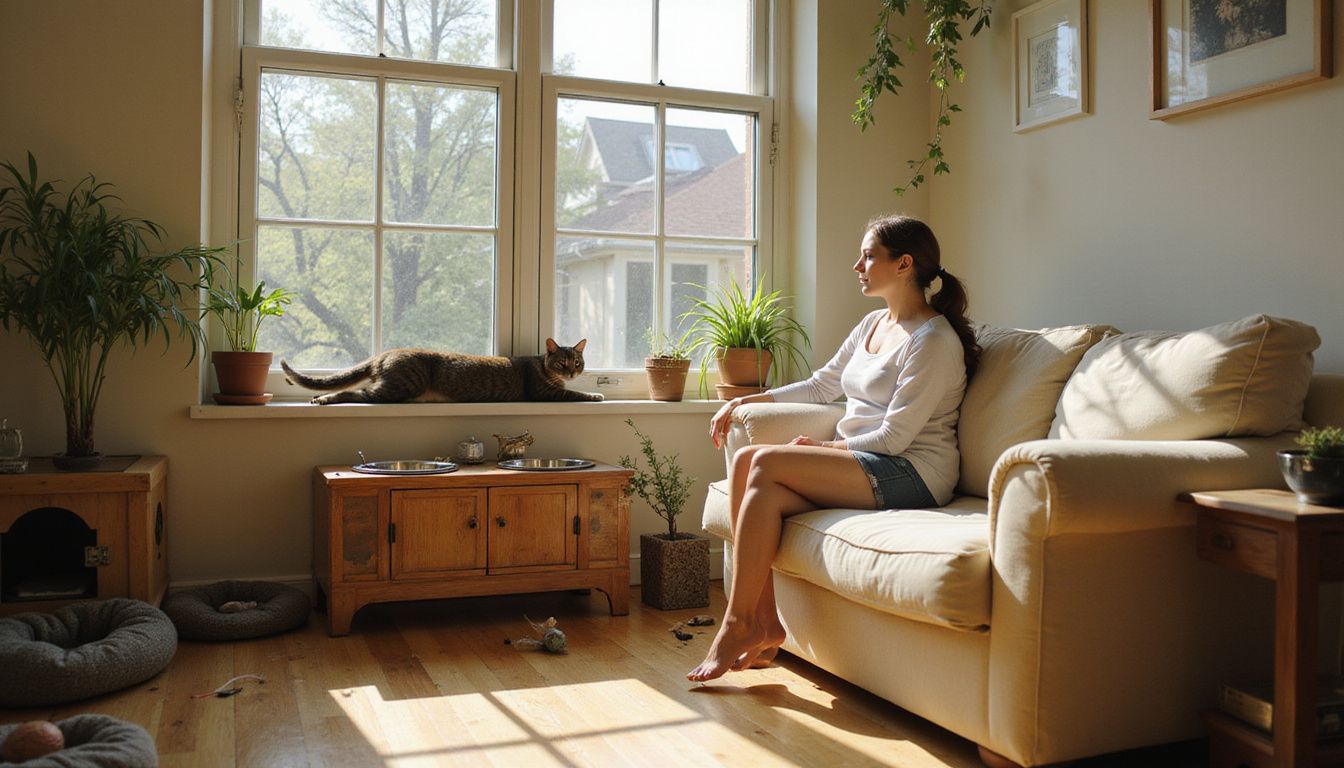
Your cat thrives when you create a calm, predictable home that meets their physical and emotional needs. A thoughtful setup keeps your cat happy, healthy, and content indoors.
Comfort and environment:
- Position beds near windows so your cat can nap in sun-soaked spots and watch outdoor activity.
- Add vertical spaces throughout your home for climbing, hiding, and observing from above.
- Create cozy sleeping spots in quiet corners away from household activity and noise.
- Keep your home calm and predictable, especially for routine-oriented breeds like Scottish Fold, which get stressed by sudden changes or loud noises.
Health and safety matter just as much as comfort, maybe more than you’d think.
Fewer than 60 percent of US cat owners took their cat to the vet in the past year, largely because of a dangerous misconception that indoor-only cats don’t need preventive care. According to the 2025 AVMA Pet Ownership and Demographics Sourcebook, that gap leaves plenty of health problems undetected until they turn serious.
Health and safety:
- Scoop the litter box daily and change the litter regularly. Cats avoid dirty boxes and may develop behavior issues otherwise.
- Stock high-quality cat food suited to your cat’s age, weight, and activity level.
- Schedule routine veterinary visits to catch problems early and keep vaccinations current, even for cats that never step outside.
- Remove hazards like toxic plants, electrical cords, and small objects your cat could swallow.
- Keep feeding and play schedules consistent so your cat knows what to expect and feels secure.
Conclusion
Picking the right indoor cat breed can make your life simpler and a lot more joyful.
American Shorthairs, British Shorthairs, Ragdolls, Russian Blues, and Scottish Folds all offer low-maintenance companionship that fits busy schedules.
Steering clear of high-energy breeds like Bengals and vocal Siamese cats keeps stress out of your home.
Setting up a safe, comfortable space with toys, climbing areas, and a clean litter box takes minimal effort but pays off in a big way.
Share this article on Facebook with friends thinking about cat adoption, so they can discover breeds like the Sphynx, Devon Rex, and Selkirk Rex that might match their lifestyle too.
Start your search for the perfect feline companion today. A low-maintenance cat has a way of becoming your most loyal friend.
FAQs
1. Are Sphynx cats good indoor pets?
Yes, Sphynx cats thrive indoors because they lack fur and need temperatures above 68°F to stay comfortable. They bond closely with their owners and follow you around like a devoted shadow.
2. Is the Devon Rex a low-maintenance cat breed?
The Devon Rex is easy to care for, with its short curly coat needing just a quick wipe-down once a week. They’re playful and social, making them perfect companions for busy households.
3. What makes the Selkirk Rex a good choice for apartment living?
The Selkirk Rex has a calm, easygoing personality that adapts beautifully to small spaces. This medium-sized breed typically weighs 8-12 pounds and loves lounging near its owner. It needs only occasional brushing to maintain its curly coat.
4. Where can I find real owner experiences with these cat breeds?
Facebook groups like “Sphynx Cat Owners” and “Devon Rex Lovers” are great places to connect with real owners who share daily care tips and honest reviews. You’ll see what life with these breeds actually looks like through photos and real experiences.