
Before you bring a cat home, take an honest look at your daily schedule and your living space. Cats need attention, playtime, and a safe environment to do well.
Adopting a new cat means adjusting your own routine too. So it helps to figure out early if your home and schedule can give them what they need.
How much time do I need to spend with a cat each day?
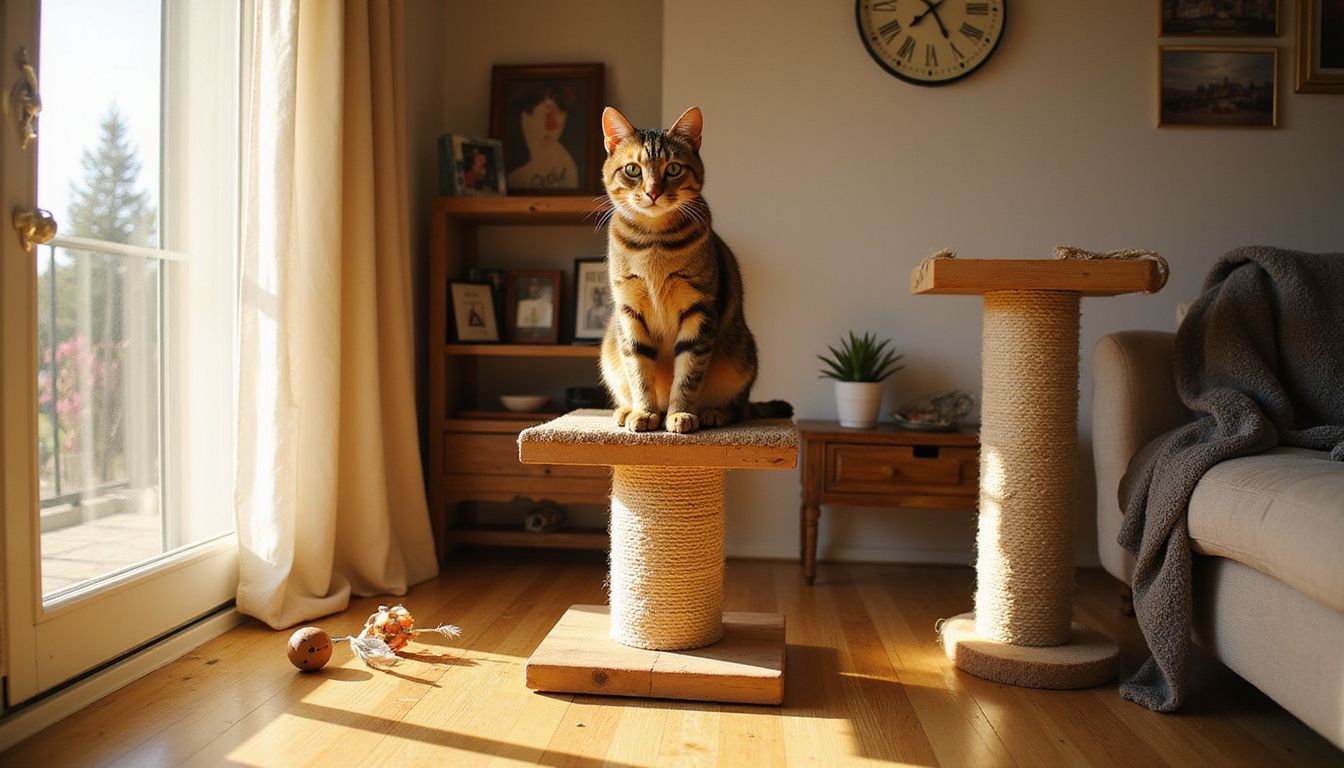
Your work schedule shapes how much time you can give your cat each day. Most cats do best with twice-daily feedings, so plan on a morning and evening routine that fits your life.
Take an honest look at your work hours and how often you’re away from home. If you work long shifts or travel a lot, your cat will need extra enrichment to stay happy while you’re gone.
- Cat toys and puzzle feeders for solo playtime
- A scratching post to work out energy and instinct
- A cat tree for climbing, perching, and window watching
- A food-dispensing toy once your cat settles in, usually after 2 to 3 weeks
Daily play matters just as much as food. Feather wands work great for interactive sessions that last 15 to 20 minutes. According to guidelines from the ASPCA and various veterinary hospitals, indoor cats need at least 30 minutes of active playtime a day in total. You can break that into a few short sessions to match your cat’s natural hunting instincts.
A cat doesn’t demand your constant attention, but it does deserve your consistent presence.
Your cat will adjust to your schedule faster than you’d think. Feeding routines usually click within days of adoption.
How much daily interaction you can offer is one of the biggest factors in a successful cat adoption. You don’t need to be home all day. Your cat just needs steady attention, playtime, and care, since cats are independent by nature but still crave connection with their pet parent.
Is my living space suitable for a cat’s needs?
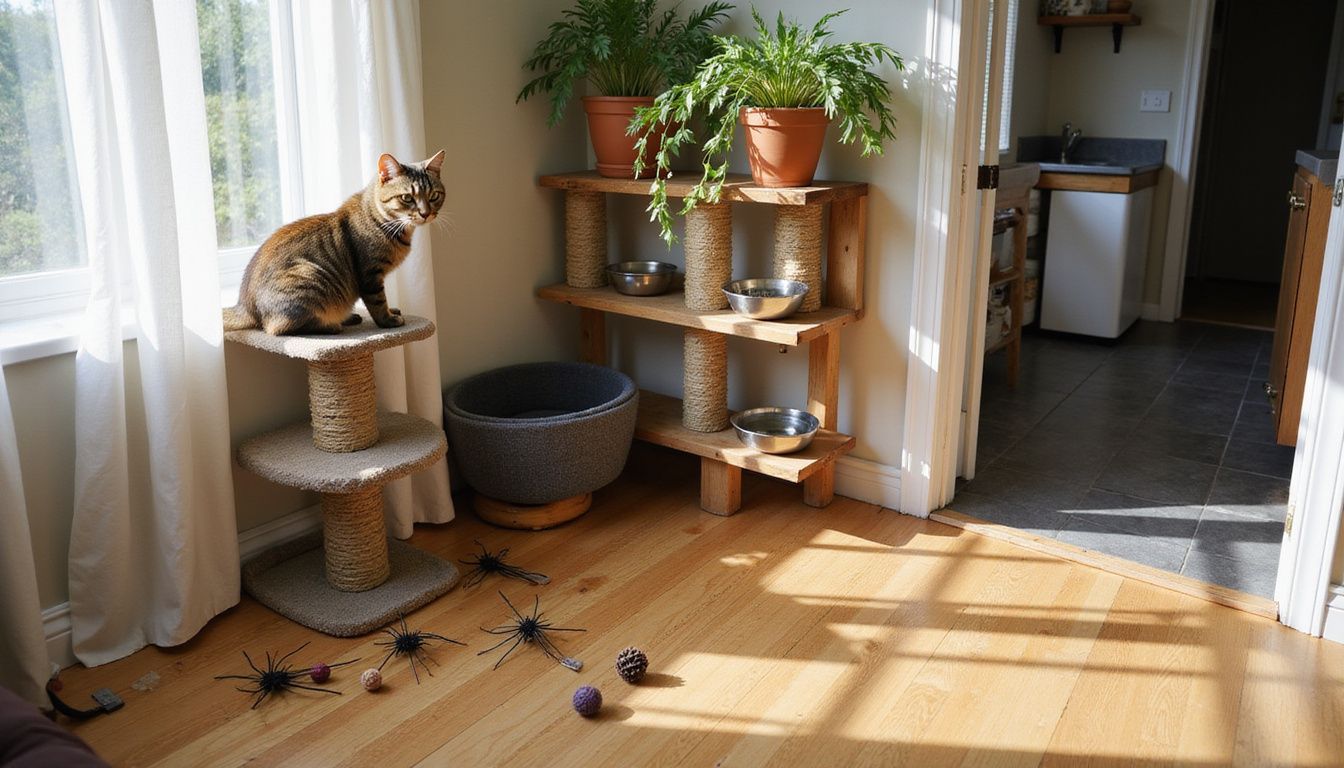
Cats adapt well to different living spaces, from small apartments to sprawling houses. What matters most is that your cat’s environment stays calm and consistent, even when noise or schedules shift now and then.
The space your cat can explore shapes how much energy they burn each day, so a cramped studio feels different from a big house. According to 2026 space guidelines from Adopt a Pet, a cat generally needs at least 200 square feet of indoor living space to feel comfortable. The good news is you can add vertical space, like tall cat trees and wall shelves, to make a small apartment feel much bigger to a cat.
Start cat-proofing your home right away for pet safety. Remove or hide harmful items like household cleaners, medications, and toxic plants such as lilies, azaleas, and poinsettias that can poison your new pet.
Stock up on these cat supplies before adoption day:
- A comfortable cat bed or hideout
- Toys and scratching posts
- A cat tree or climbing tower
- Food and water bowls
- Litter boxes with quality litter
These items create a safe, welcoming cat environment where your new companion can settle in.
Litter box placement deserves real thought in your space planning. Give each cat their own box, plus one extra, to head off territorial issues in multi-cat homes. Keep boxes in quiet, easy-to-reach spots away from food and water bowls.
Stick with uncovered litter boxes so odors don’t get trapped inside. Cats are picky about smell, and steady litter box training habits keep your cat happy and your home fresh.
When you bring a new cat home, confine them to one room at first, like a bedroom or living room, so they can adjust without feeling overwhelmed. A structured plan helps set clear expectations for everyone, cat included.
One three-step confinement plan shows how well this gradual approach works:
- Days 1 to 7: Strict single-room confinement
- Week 2: Gradual exploration of adjacent rooms, with closed-door breaks
- Weeks 3 and 4: Supervised free-roam and socializing
In a group of 18 adopters who followed this plan, 14 cats started exploring outside their confinement room by week 2, and 16 were eating well and using the litter box reliably by the end of week 3. On average, cats showed comfort signs like kneading or purring within 12 days.
“Giving our new cat a single quiet room for the first week reduced hiding and made it easier to build trust.”
This slow introduction lowers stress and helps your cat settle into their new pet care routine with confidence.
Financial Preparedness for Cat Ownership

Cats cost money. You’ll want to plan for food, supplies, veterinary care, and unexpected health issues before your new friend comes home.
What are the ongoing costs of caring for a cat?

Your wallet takes on a few regular hits once you bring a cat home. Understanding these pet expenses upfront helps you prepare for the responsibilities of cat ownership.
| Cost Category | Details & Considerations |
|---|---|
| Veterinary Care | Annual exams form the foundation of preventive health. Older cats or those with health conditions need more frequent check-ups. Medication and parasite prevention add up over your cat’s lifetime. Emergency care can drain your bank account fast, so a savings fund or pet insurance protects you from surprise bills. |
| Food & Treats | Start by sticking to your cat’s current food, since sudden switches cause digestive upset. Gradually transition to new brands over several weeks if needed. Quality nutrition costs money, but it pays off in health. Treats add to the monthly budget, though they shouldn’t dominate spending. |
| Litter & Supplies | Daily scooping keeps odors down and prevents behavior problems. Deep cleaning every two weeks keeps things fresh. Litter boxes themselves may need replacing over time. Different litter types vary in price, so you’ll find options at every budget level. |
| Toys & Enrichment | Mental stimulation prevents boredom and destructive behavior. Rotate toys regularly to keep interest high. A mix of toys, from balls to wand toys to puzzle feeders, engages different instincts. Enrichment spending doesn’t need to break the bank if you get creative. |
| Long-Term Financial Planning | Set aside funds for emergency veterinary expenses, since these can add up fast. According to the latest 2026 data from the North American Pet Health Insurance Association (NAPHIA), the average accident and illness policy for cats runs about $32 a month. A dedicated cat fund or insurance plan protects you from financial stress when health issues pop up unexpectedly. |
Monthly expenses typically range from $50 to $150, depending on your cat’s age and health. Food alone runs $20 to $40 a month for quality brands, and litter costs another $10 to $25. Annual vet visits, spread across twelve months, add roughly $15 to $30 a month. Aim to save $1,000 to $3,000 for unexpected medical situations.
Your lifestyle shapes your spending too. Indoor cats need more enrichment toys than outdoor cats do, and multiple cats multiply costs across every category. Adopting an adult cat from a shelter often means lower initial medical costs than adopting a kitten, though senior cats may need more frequent vet visits.
How can I budget for cat food, supplies, and vet visits?

Now that you know the ongoing costs of cat ownership, it’s time to build a practical budget that covers food, supplies, and vet care. Smart planning gives you a smoother pet parenthood, without the financial stress.
Start with these basics before your cat even walks through the door:
- Stock up on food and water bowls before adoption day. These cost $15 to $40 total and last for years with proper care.
- Buy quality cat food that matches your new cat’s current diet. Transition gradually over seven days: Day 1-2 (25% new, 75% old), Day 3-4 (50/50), Day 5-6 (75% new, 25% old), Day 7 (100% new).
- Budget $30 to $50 a month for dry food or $50 to $100 a month for wet food, since cats often prefer wet food and it helps keep them hydrated.
- Skip free-choice feeding, where food sits out all day. It can lead to overeating and health issues that cost more at the vet later.
- Gather essential cat products at adoption: a cat bed ($20 to $50), wand toys for bonding ($10 to $20), a cat brush ($8 to $15), a scratching post ($25 to $60), and a litter box ($20 to $40).
Once those basics are covered, shift your attention to ongoing costs and vet care:
- Set aside $200 to $400 a year for routine veterinary services, including wellness exams, vaccinations, spaying and neutering if not already done, and preventive care.
- Get pet insurance or build an emergency fund of $1,000 to $2,000 for unexpected medical needs, dental work, or treating conditions like giardia.
- Budget $15 to $25 a month for litter and odor control products to keep your home clean.
- Add a food-dispensing toy after two to three weeks, once your cat settles in. It encourages natural hunting behavior and costs $10 to $20.
- Track every pet expense with a spreadsheet or budgeting app. This helps you spot spending patterns and adjust your budget as your cat’s needs change over the years.
Emotional Readiness
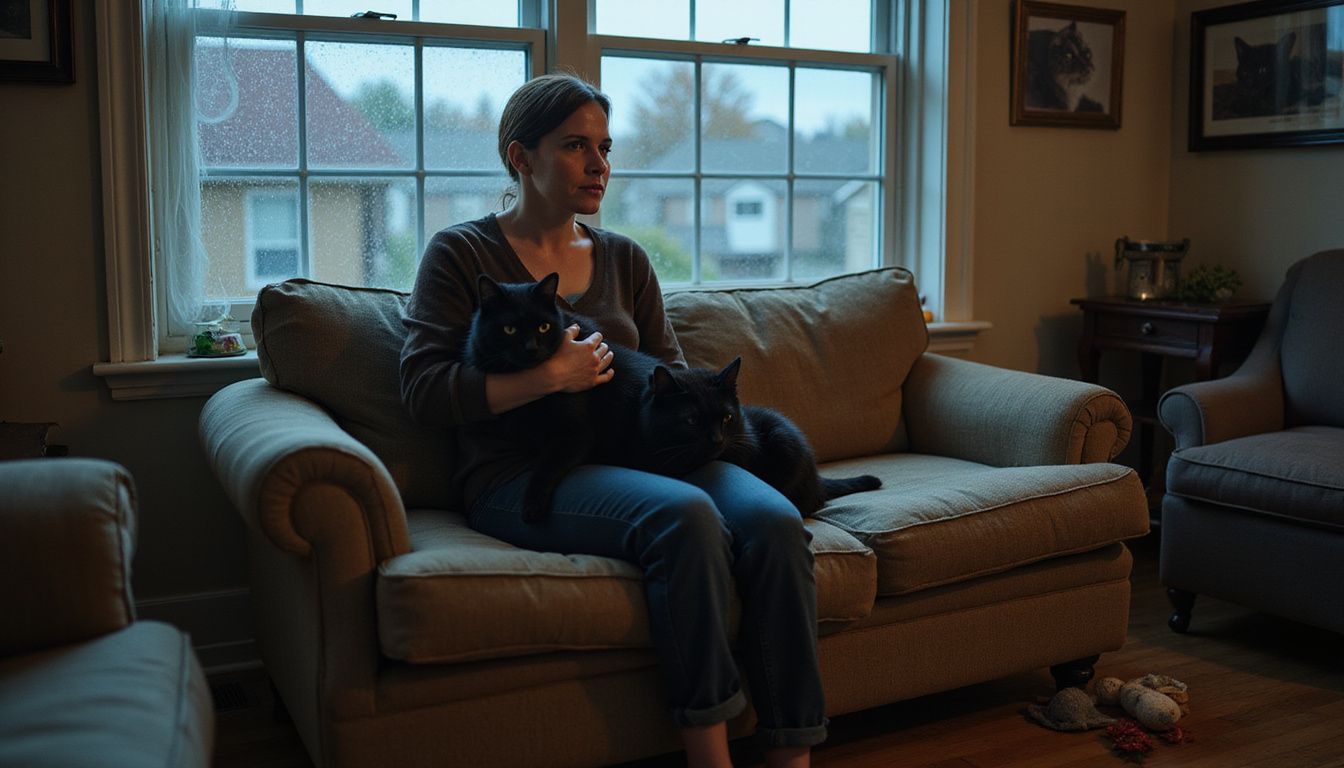
Cats live 15 to 20 years, so you’re making a serious commitment that shapes your life for decades. Your heart needs to be ready for the messy, rewarding, and sometimes frustrating journey of cat ownership.
Am I ready to commit to a cat for its entire life?

Your cat will likely live 15 to 20 years, so this decision deserves real thought about lifetime commitment. This isn’t a short experiment. It’s a genuine responsibility that spans decades.
Your living situation, job, finances, and relationships will all shift during those years. Ask yourself honestly if you’ll stick with your cat through moves, career changes, and life’s twists and turns.
The first 12 weeks matter most, since your new cat needs time to adjust to new surroundings. Initial behaviors may look nothing like what you’ll see later, so patience becomes essential during this stretch.
Rescue experts, including groups like the San Diego Humane Society, use a simple framework called the “3-3-3 rule” to set expectations. It takes about 3 days for a cat to decompress and stop hiding, 3 weeks to learn your home’s routine, and 3 months to feel fully secure and show their true personality.
Litter box care during these early weeks plays a big role in how smoothly your cat settles in.
In a review of 30 newly adopted indoor cats, owners who scooped daily and did a full litter change every two weeks saw litter box avoidance in only 2 of 18 cats during weeks 1 to 3. Those issues disappeared completely by week 6.
Households that scooped less often, or waited past three weeks for a full change, saw avoidance in 7 of 12 cats during that same period. Five of those cats were still avoiding the box at week 6.
“When we kept the box scooped every morning and followed a full change at two weeks, the cat stopped hiding and used the box consistently by week 4.”
This pattern shows how daily litter box maintenance speeds up adjustment and helps prevent the kind of problems that lead to shelter returns.
Some cats hide for weeks before showing their true personality. Others act confident right away, then reveal nervous habits later. Signing up for cat ownership means signing up for some unknowns, and that takes real courage.
Readiness shows up in how you answer practical questions about daily routines and care after adoption. You should know what litter box training involves and how much time you’ll spend on cat care each day.
Financial readiness matters too. Vet visits, food, supplies, and emergencies add up fast over 15 years. Talk to a rescue organization or visit shelters to learn what the real responsibilities of cat ownership look like.
Talk with current cat owners about their experience. Ask yourself if challenges like cat allergies, behavior issues, or medical problems would make you reconsider. If you’re ready to handle these situations and stay committed anyway, you’ve passed a major test for adoption.
How do I handle the challenges of cat ownership?

Cat ownership brings real challenges, and litter box issues top the list. Cats get surrendered to shelters more often for litter problems than any other reason. They need clean boxes placed in quiet, easy-to-reach spots away from food and water.
Scoop daily, change litter regularly, and add multiple boxes if you have more than one cat. Your cat “talks” to you through bathroom habits, so watch for changes in behavior.
A cat avoiding the litter box might be telling you something is wrong, stress, illness, or a box that needs cleaning. Talk to a veterinarian or animal behaviorist if the problem sticks around.
Stress affects cat behavior a lot, especially during the adjustment period. Days one through three often bring hiding and low energy. Weeks two and three reveal more of your cat’s true personality. Let your new cat hide and come out at their own pace. This builds confidence and strengthens your bond.
Gradual introductions to new people and pets cut down on anxiety. Loud noises, sudden changes, and unfamiliar spaces can trigger stress responses. Watch for these signs that your cat is settling in well:
- Eating regularly without hesitation
- Exploring the home daily
- Staying calm around everyday sounds
- Showing curiosity during quiet moments
Outdoor access brings serious risks worth thinking through. Accidents, poisoning, fights with other animals, and infections threaten cats who roam outside. Indoor cats tend to live longer, healthier lives with fewer dangers.
Set up indoor enrichment to keep your cat active and mentally engaged. Climbing trees, puzzle feeders, and interactive toys satisfy natural instincts. Cat training takes patience and consistency, but cats respond well to positive reinforcement and treats.
Build routines for feeding, playtime, and interaction. How you handle these challenges determines whether cat ownership works out for both of you. The rewards are worth it once you build a real bond with your feline companion.
Choosing the Right Cat to Adopt
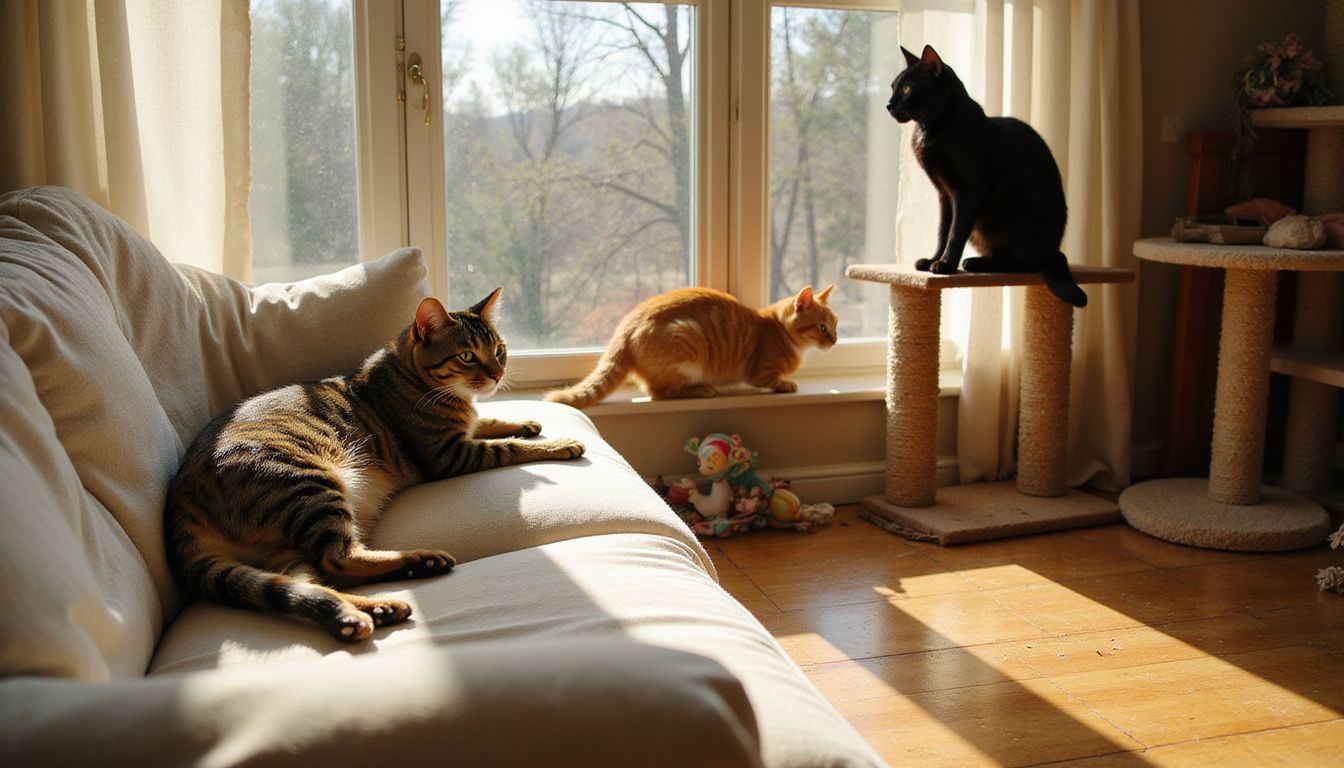
Your cat’s personality matters more than you might think. You want a cat that fits your lifestyle, not one that drives you up the wall.
Should I adopt a kitten or an adult cat?
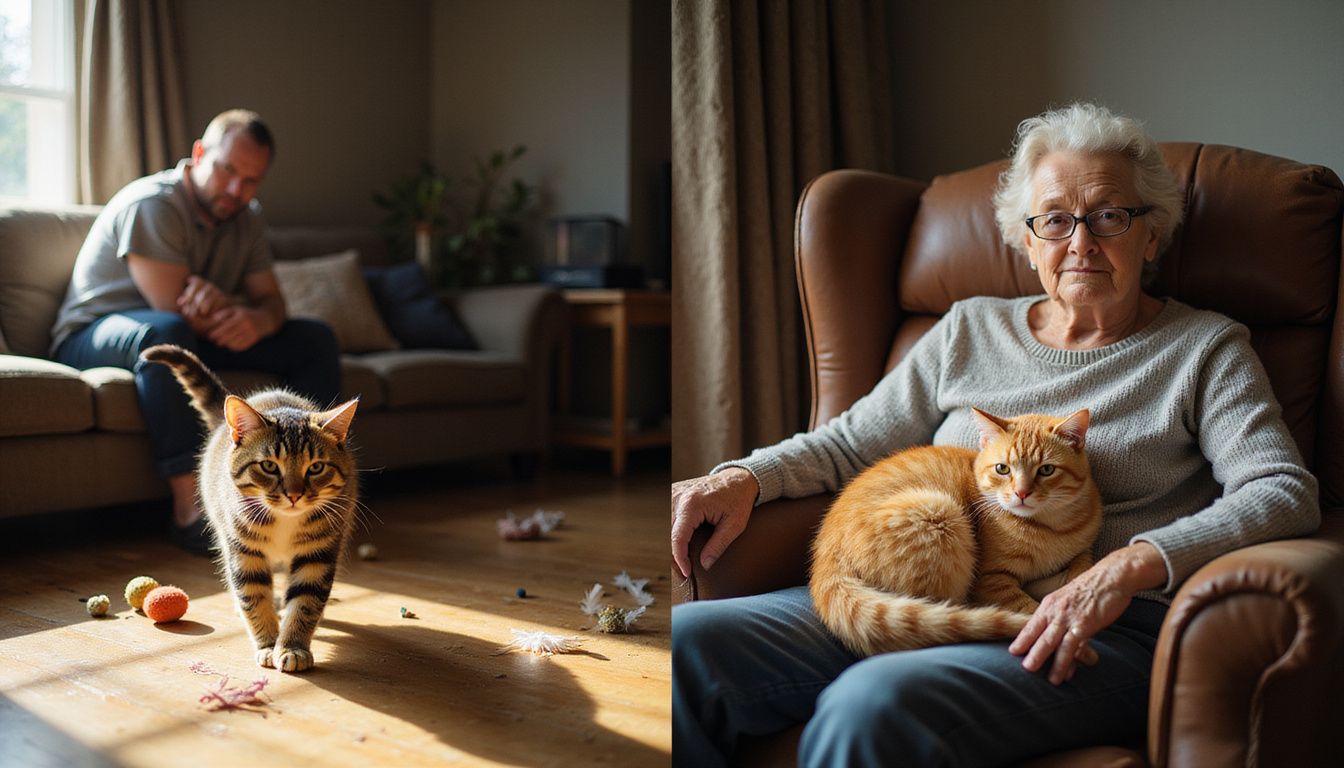
Picking between a kitten and an adult cat shapes your whole adoption journey. Let’s break down what each choice really means for your daily life.
| Factor | Kittens | Adult Cats |
|---|---|---|
| Energy & Attention Needs | Need lots of attention, supervision, and patience thanks to their energy and curiosity. Demand constant interaction and playtime, and need monitoring during waking hours. | Adjust more readily to new environments and make great companions for families and seniors. Often content with moderate activity levels. |
| Time Investment | Demand several hours daily for play, training, and socializing. Need litter box checks throughout the day, and training takes weeks to months. | Thrive with 1 to 2 hours of daily interaction. Suit those away often thanks to their independent streak, and settle into routines quickly. |
| Household Compatibility | Work better with active families or households with children who can keep up with them. May overwhelm seniors or quiet homes, and need extra pet-proofing. | Match well with families, seniors, and busy professionals. Personality types, from lively to aloof to quiet, offer diverse options. Shelter staff can match personalities accurately. |
| Health Considerations | All cats shed, which affects allergy sufferers. Kittens shed during growth phases, and hair buildup can add to hairball and respiratory concerns. | Shed consistently, just like kittens. Medical history is often documented at shelters, so pre-existing conditions are known upfront for better planning. |
| Behavioral Predictability | Personality is still developing, so outcomes are less predictable. May show destructive behavior during teething, and training results vary by effort invested. | Personality is fully formed and observable before adoption. Behavior patterns are already set, and shelter staff can give accurate temperament descriptions. |
| Other Pets & Children | May struggle with existing pets at first, but can grow alongside children and build strong bonds. Small size makes them vulnerable to rough handling by young kids. | Let existing pets and kids guide your choice. Many adult cats coexist peacefully with families, and shelters screen for multi-pet and child-friendly temperaments. |
| Cost & Resources | Higher initial costs for vaccines, spaying or neutering, and supplies, plus larger ongoing food and litter needs. Vet visits are more frequent in the first year. | Often already spayed or neutered, cutting initial expenses. Adoption fees are typically lower, though ongoing costs are similar and still need budgeting. |
| Best For | Active households with time and energy, or people who want a companion from day one and are willing to invest in training. | Busy professionals or seniors wanting immediate companionship, families wanting predictable temperaments, or anyone with limited time or energy. |
Adult cats often adjust to new homes faster than people expect. They arrive with personalities already set, so you’ll know exactly what you’re getting. Shelters assess behavior carefully before matching you with the right cat.
How do I match a cat’s personality to my lifestyle?

Now that you’ve decided between a kitten or an adult cat, the real work begins: finding the right personality match. Your daily schedule, activity level, and home environment shape what kind of cat will thrive with you.
Rescues judge cats based on behavior they observe over time, including how a cat responds to feeding routines, whether it prefers solitude or attention, and how it reacts to noise and interaction. Staff watch how each cat acts in different situations.
According to rescue experts and shelter behavior studies, cats in foster-based rescues often show their true personality more clearly than cats in traditional shelters. A home environment helps them relax, so foster caregivers get a more accurate read on temperament, which is especially useful if you need a cat that’s good with kids or other pets.
Staff note which cats seek constant company and which ones prefer quiet corners. This information helps you make a smart choice.
Ask yourself one key question: “Can this cat realistically fit into my daily life as it is right now?” A cat’s energy level often changes based on environment, comfort, and routine. It’s rarely a fixed trait.
That “low-energy” label often just means lower stimulation needs, not total inactivity. Activity may pick up once the cat feels secure in your home. Successful matches happen when your expectations line up with how you actually live.
If you work long hours, a cat that craves constant interaction might struggle. If your home is loud and busy with kids, a shy cat may feel overwhelmed. Compatibility comes down to your daily schedule, how much time you have for interaction, and your household’s activity level.
Emotional connection should confirm a good match, not replace a practical one. Focus on finding a cat whose personality fits how you actually live, not how you wish you lived.
Conclusion

Deciding to adopt a cat comes down to honest clarity, not perfect circumstances. Match your daily schedule to a cat’s real needs instead of chasing a flawless fit.
Your financial readiness matters just as much as your emotional commitment. Vet bills, food, and supplies add up fast, so budgeting from day one makes life easier.
A shy cat at the shelter is often just stressed, not shy by nature. Give your new cat a few weeks to show you who they really are.
Litter box care remains the single biggest factor in keeping your cat happy and staying out of the shelter return pile. Commit to daily scooping and a full change every two weeks.
Take action today.
Visit your local animal shelter or rescue organization, ask detailed questions about a cat’s background, and trust that knowing your own lifestyle will guide you toward a cat adoption that lasts a lifetime.
FAQs
1. How do I know if I’m ready to adopt a cat?
You’re ready when you can handle cat personality quirks, daily feeding, and litter box duty without blinking. Cats typically live 13 to 17 years according to the ASPCA, so you’re committing to a long friendship. Make sure your schedule, your home, and your patience level are all in a good place.
2. What should I consider about pet safety before adopting a cat?
Pet safety comes first, always. The ASPCA warns that lilies are extremely toxic to cats and can cause kidney failure from even small exposures, so remove them along with loose wires and small objects a curious cat might swallow.
3. Where can I learn more about cat care and adoption?
You can find great tips on a cat care blog or watch My Cat From Hell with Jackson Galaxy on Animal Planet for expert behavior insights. Facebook groups are another solid place to swap stories and advice with other cat owners.
4. Does a cat’s personality affect whether I should adopt it?
Yes, it matters a lot. Some cats, like Bella, are shy and need a quiet home, while others are bold and ready to explore every corner like they own the place, which they kind of do.
5. Are there specific breeds or backgrounds I should know about before adopting?
Most shelter cats are domestic shorthairs or mixed breeds, which make wonderfully adaptable pets. Whether your future cat’s story starts in Arkansas, Las Vegas, or anywhere else, what matters most is the love and care you’re ready to give.