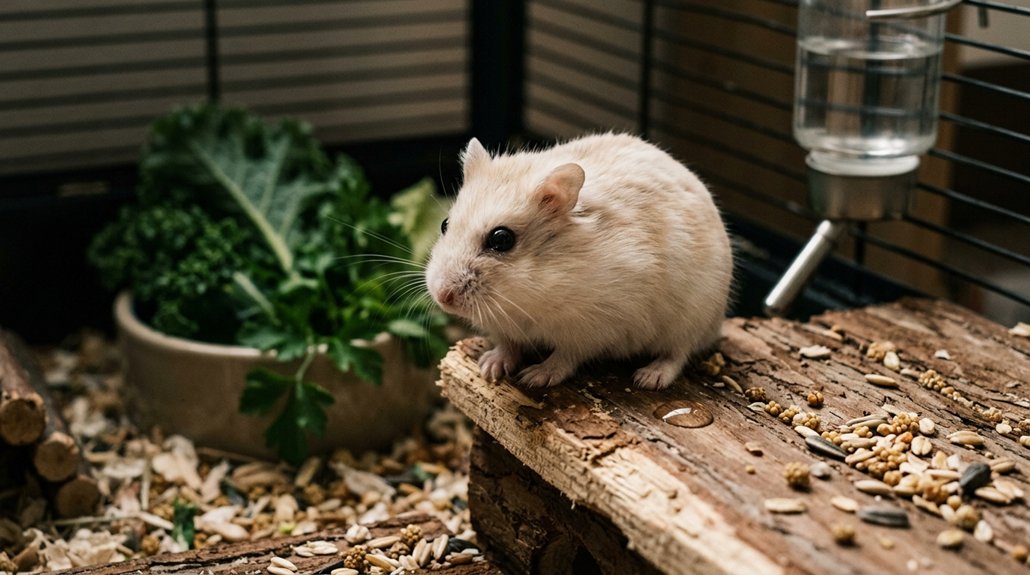
If your hamster isn’t eating, check for dental issues, dehydration, and stressful changes. Urgently schedule a veterinary visit and offer soft foods or critical care nourishment like Emeraid Omnivore. Create a calming environment with varied diet options, excluding harmful foods like grapes or citrus. Monitor weight and behavior for early signs of distress. Carefully observing these aspects helps guarantee your hamster’s well-being. Explore further to uncover detailed solutions and tips.
Key Takeaways
- Dental issues like overgrown teeth can hinder a hamster’s ability to chew its food properly.
- Stress from environmental changes or handling can negatively impact a hamster’s appetite.
- Digestive disorders, such as “wet tail,” can cause reduced food intake in hamsters.
- Monitor for signs of dehydration, weight loss, or unusual droppings to assess your hamster’s health.
- Prompt veterinary intervention is crucial if your hamster stops eating to prevent worsening health problems.
Why Your Hamster Isn’t Eating
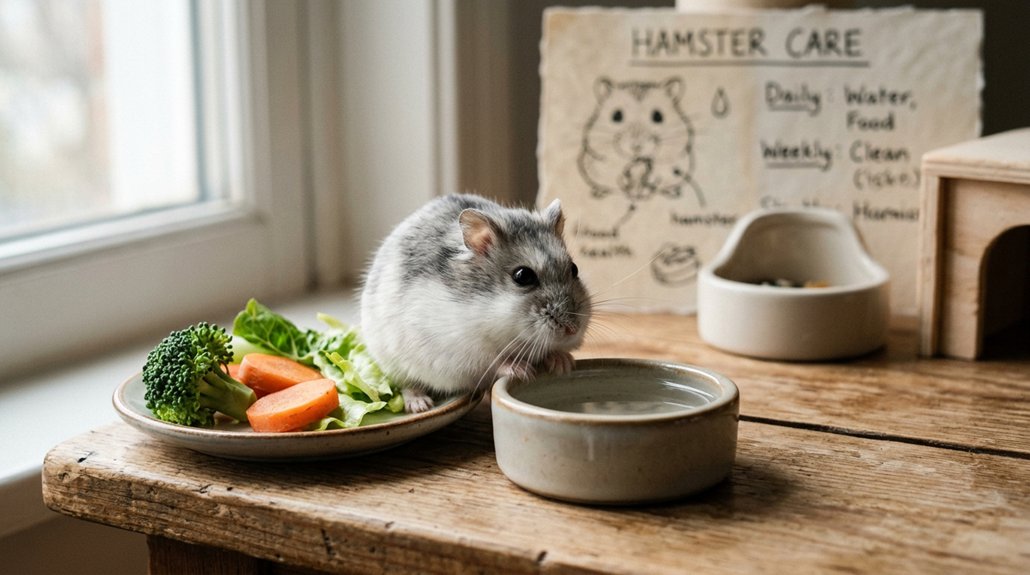
Why might your furry friend suddenly refuse food? Dental issues, such as overgrown teeth or abscesses, can hinder your hamster’s ability to chew hard food, leading to refusal. Behavioral changes often signal stress factors; environmental changes or excessive handling can greatly reduce their appetite. Consider your hamster’s environment to identify potential stressors, aiming for a calm atmosphere. Health conditions, including digestive disorders like “wet tail” or systemic ailments, frequently surface as reduced food intake and altered eating patterns. To detect these early, notice any weight loss, unusual droppings, or increased lethargy. Vigilance is key, as these symptoms may indicate serious underlying issues requiring veterinary attention. By understanding these potential causes, you can take proactive measures to guarantee your hamster’s well-being.
Immediate Steps When Eating Stops
When your hamster stops eating, it’s important to act promptly to prevent further deterioration of its health. Begin with an urgent response by scheduling a veterinary visit. A professional can diagnose potential issues like dental problems or digestive disorders that might be disrupting your pet’s appetite. Meanwhile, to keep your hamster nourished, offer dietary alternatives. Consider using critical care foods such as Emeraid Omnivore, and supplement with soft food options. These guarantee your hamster receives vital nutrients despite its decreased appetite. Regularly monitor its weight; weekly should be sufficient unless you detect noticeable changes, then shift to daily tracking. Watch for signs of dehydration like lethargy or sunken eyes, and increase water offerings. Gradually reintroduce hard food only upon improvement.
Revamp Your Hamster’s Diet
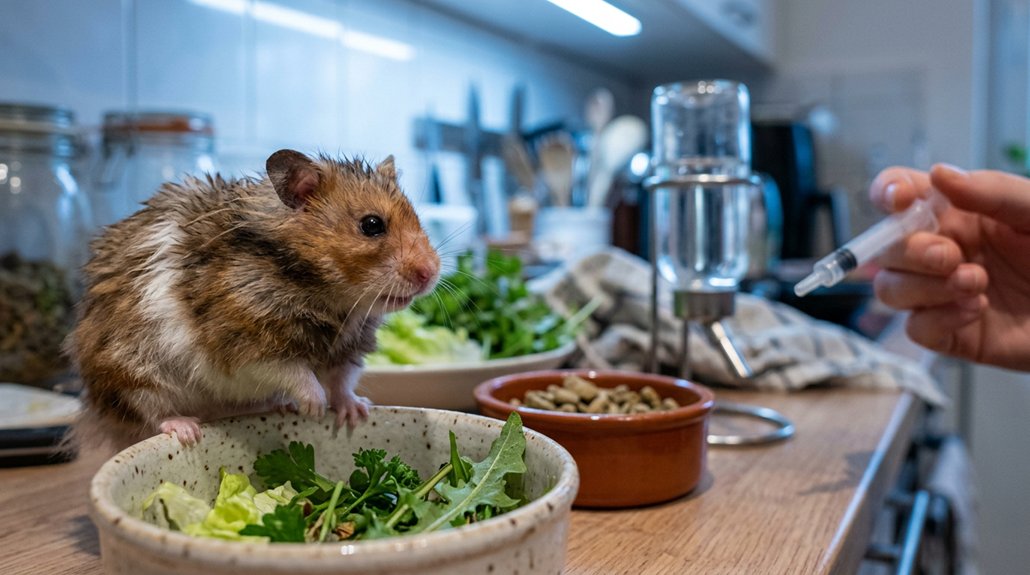
Adapting a hamster’s diet can be the key to reigniting its interest in food, especially after a period of reduced appetite. Begin by ensuring your furry friend enjoys a well-balanced diet that includes seeds, pellets, and safe fresh fruits and vegetables, like carrots or broccoli. Avoid potentially harmful choices such as grapes and citrus fruits. Pay attention to diet variety and food preferences by mixing different textures and flavors to prevent boredom. High-quality soft foods like baby or critical care foods can stimulate appetite. Gradually reintroduce hard foods alongside these soft options to ease the shift back to regular eating habits. Monitor their consumption closely for any signs of distress or refusal, and adjust as needed to support consistent eating patterns.
Ease Stress for Your Hamster
To help your hamster feel relaxed and interested in eating, it’s vital to enhance their environment with engaging toys and activities that stimulate their natural instincts. Establishing a consistent routine with gentle handling will not only lower their anxiety but also foster a sense of security. By ensuring their living area is stable, quiet, and free from unnecessary stressors, you can create a sanctuary where your hamster feels safe and ready to enjoy their food.
Enhance Hamster Environment
Creating a nurturing environment is essential in alleviating stress for your hamster, as it greatly impacts their overall well-being. A well-maintained hamster habitat should be spacious and clean, fostering both physical and mental health. Regularly refresh bedding and thoroughly clean the cage to prevent odor and bacteria, reducing stress-induced ailments. Environment enrichment is key—incorporate varied toys, tunnels, and climbing structures to stimulate your hamster’s curiosity and encourage natural behaviors. This enhances their overall happiness by providing intriguing challenges. Also, maintain a calm, quiet atmosphere around the cage, free from loud noises and sudden movements, to minimize anxiety. Establishing a consistent routine for feeding and handling creates security, greatly easing stress and promoting a comforting environment.
Provide Engaging Activities
While enhancing your hamster’s environment with engaging activities, you can greatly ease their stress and boost their overall well-being. Provide interactive toys like tunnels and exercise wheels to promote play. Chewable items not only cater to their natural instincts but also reduce stress. Regularly rotating these toys helps prevent boredom, which can negatively impact their appetite.
Encourage sensory exploration through opportunities such as climbing on shelves or burrowing in bedding tunnels. This mimics natural behaviors and promotes physical health. Additionally, daily playtime outside of the cage in a safe, enclosed area stimulates exploration and interaction.
Below is a table showcasing enrichment ideas:
| Activity | Purpose | Benefit |
|---|---|---|
| Tunnels | Interactive play | Reduces stress |
| Exercise wheels | Physical activity | Boosts well-being |
| Chewable items | Satisfies instinct | Eases anxiety |
| Climbing shelves | Sensory exploration | Promotes activity |
| Burrowing areas | Natural behavior mimicry | Enhances security |
Establish Daily Routine
When working to establish a daily routine for your hamster, consistency is key to reducing their stress levels and ensuring they feel secure within their environment. The routine significance cannot be understated, as regular feeding times and cleaning schedules are essential for your hamster’s comfort. Decreasing stress requires creating a calm atmosphere during feeding time by minimizing loud noises and sudden movements. This encourages eating and fosters trust. Regular gentle handling at consistent times helps build a trusting relationship, enhancing their comfort. Place the cage in a stable setting, free from disturbances, to bolster their sense of safety. Observe your hamster during routine activities to detect any stress or discomfort, which might affect eating habits, ensuring their environment supports well-being.
Track Your Hamster’s Health
Taking care of your hamster involves more than just providing food and a cozy habitat; tracking their health is equally important. Start by closely monitoring your hamster’s weight weekly. If you notice significant weight changes, shift to daily tracking to guarantee early detection of any issues. Integrate weight monitoring into a thorough health log, where you’ll record your hamster’s food and water intake alongside behavioral changes such as lethargy. This log can be crucial in identifying problems like dehydration, indicated by sunken eyes or dry gums, which often emerge when your hamster isn’t eating or drinking adequately. Regular checks allow you to spot health trends, promoting timely interventions to maintain your hamster’s wellbeing, making sure they stay happy and healthy.
Spot Signs for Vet Help
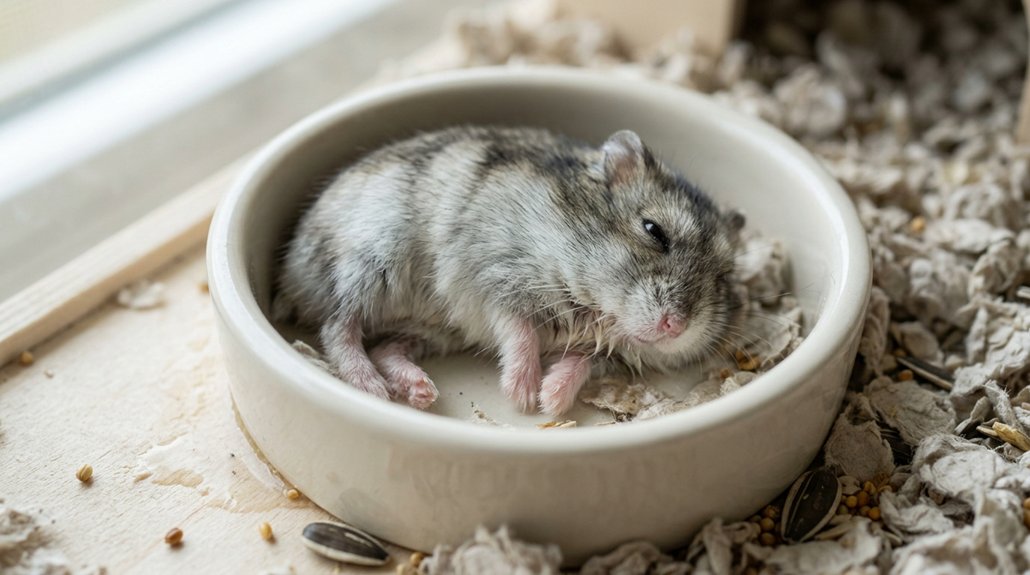
When your hamster suddenly changes its eating habits or behavior, it’s essential to identify these critical symptoms as they often signal underlying health issues. Keeping a close eye on weight, hydration, and stool consistency can guide you in spotting signs that require immediate veterinarian intervention. Always trust your instincts; if your furry friend is exhibiting any alarming changes, timely professional help can make all the difference in their recovery.
Recognizing Critical Symptoms
Although hamsters are generally robust pets, recognizing vital symptoms early is essential to guarantee their well-being. Pay close attention to symptom observation—look for weight loss, dehydration signs like sunken eyes and dry gums, and unusual lethargy. These indicators suggest health issues requiring veterinary care. Watch for behavioral changes, such as a drop in activity or reluctance to interact, which can indicate distress or illness. Examine changes in your hamster’s droppings; abnormal feces, especially alongside a refusal to eat, may signal digestive troubles. Also, notice any difficulty in chewing or swallowing, highlighting potential dental or cheek pouch concerns. Don’t delay seeking veterinary assistance if your hamster seems unwell and has stopped eating, as swift action can be vital.
Monitoring Eating Behaviors
Spotting changes in your hamster’s eating behaviors is key to safeguarding its health. Regular weight checks are essential; sudden weight loss might be an alarming sign. Pay close attention to any shifts in eating triggers, like shunning hard food, which could reveal dental issues or other medical problems. Behavioral cues are just as important; monitor for any lethargy or unusual activity patterns—these changes can provide critical insights. Also, be on the lookout for dehydration manifestations like sunken eyes and dry gums, signaling urgent veterinary intervention. Should you see a decrease in food intake or notice abnormal droppings, don’t delay consulting your vet. Prompt attention to these signs guarantees your hamster receives the care it needs.
Identifying Health Alterations
A sharp eye for alterations in your hamster’s health can be the difference between prompt recovery and prolonged distress. Monitor their eating habits; refusal of hard food might signal dental issues or other health concerns requiring vet attention. Weekly weighing helps track significant weight loss, a potential sign of illness. Recognize dehydration through sunken eyes and dry gums, indicating urgent health care needs.
| Symptom | Possible Cause | Action Needed |
|---|---|---|
| Refusal to eat | Dental problems | Vet check-up |
| Weight Loss | Serious health issue | Increased monitoring |
| Dehydration | Underlying health problems | Immediate care |
| Lethargy | Behavior changes | Consult a vet |
Persistent diarrhea alongside appetite changes could mean serious conditions like proliferative ileitis, urging immediate veterinary intervention.
Frequently Asked Questions
What to Do if My Hamster Is Not Eating?
Monitor your hamster’s diet and feeding habits closely. Offer soft food alternatives, guarantee access to fresh water, and observe behavioral changes. If your hamster still doesn’t eat, seek veterinary advice to rule out health problems.
How Long Can a Hamster Go Without Eating?
Hamsters can’t fast for more than 4 days without facing hunger signs like weight loss and lethargy. Provide soft food as part of your feeding tips, and consult a vet if refusal persists beyond 24 hours.
What Are End of Life Signs in Hamsters?
Your hamster’s end of life behaviors often include common symptoms like not eating, significant weight loss, lethargy, and changes in grooming. You might notice labored breathing, cold ears, and a desire for solitude indicating they’re declining.
How to Treat a Sick Hamster at Home?
To treat a sick hamster at home, gather essential supplies like baby food and an eye dropper. Use gentle feeding techniques, ensuring hydration. Maintain a stress-free environment. If symptoms persist, consult a veterinarian immediately.
Conclusion
So, your hamster’s turned into a food critic. Funny how they suddenly dislike their favorite treats, right? Maybe it’s the gourmet stress or the five-star discomfort. Revamp those meals, reduce the tension, and keep a sharp eye on their health. If they’re still staging a hunger strike, it’s time for a professional intervention. Ironically, sometimes even the smallest of creatures remind us that the simplest pleasures require the deepest care. Here’s to hoping your little gourmet regains their appetite soon!