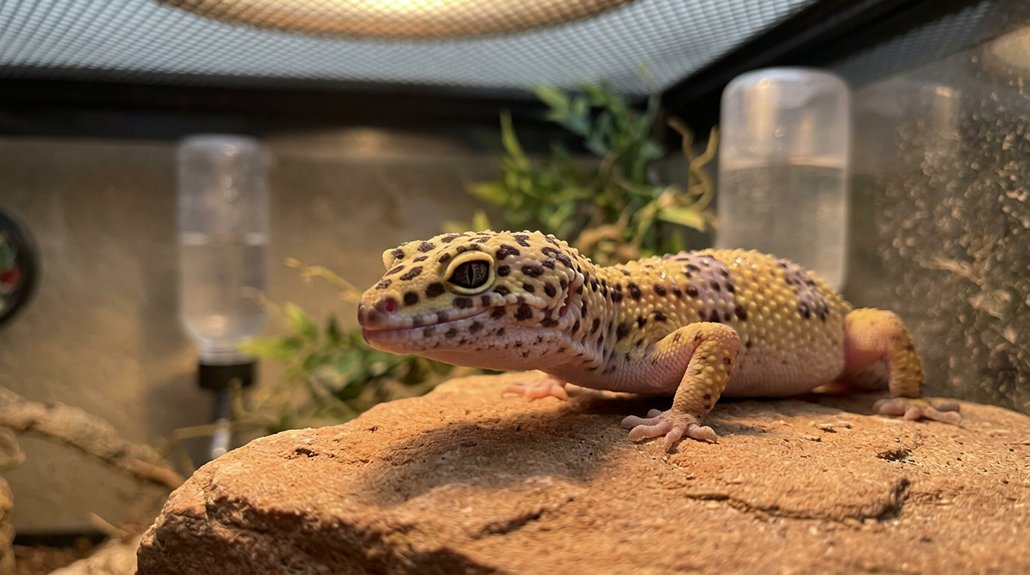
Your leopard gecko’s lack of appetite might be due to environmental stress, inappropriate temperature or humidity, or health issues. Verify basking spots are 88-92°F and humidity is ideal. Offer varied feeders dusted with vitamins and manage their enclosure environment to reduce stress. Notice signs like lethargy or dehydration—these require urgent care. If appetite loss persists over two weeks, consult a vet. Explore further for extensive strategies to improve your gecko’s dietary habits.
Key Takeaways
- Stress from environmental changes can cause temporary loss of appetite; minimize handling and optimize enclosure conditions to alleviate stress.
- Incorrect temperature or humidity levels affect appetite; maintain recommended ranges for basking, cooling, and shedding comfort.
- Variety in diet is essential; offer different feeder insects and supplement with calcium and vitamins to encourage eating.
- Look for signs of illness such as lethargy or weight loss; consult a vet if these accompany lasting appetite loss.
- Ensure proper hygiene and hydration; regularly clean the enclosure and provide fresh water to support overall health.
Explore How Environmental Changes Affect Appetite
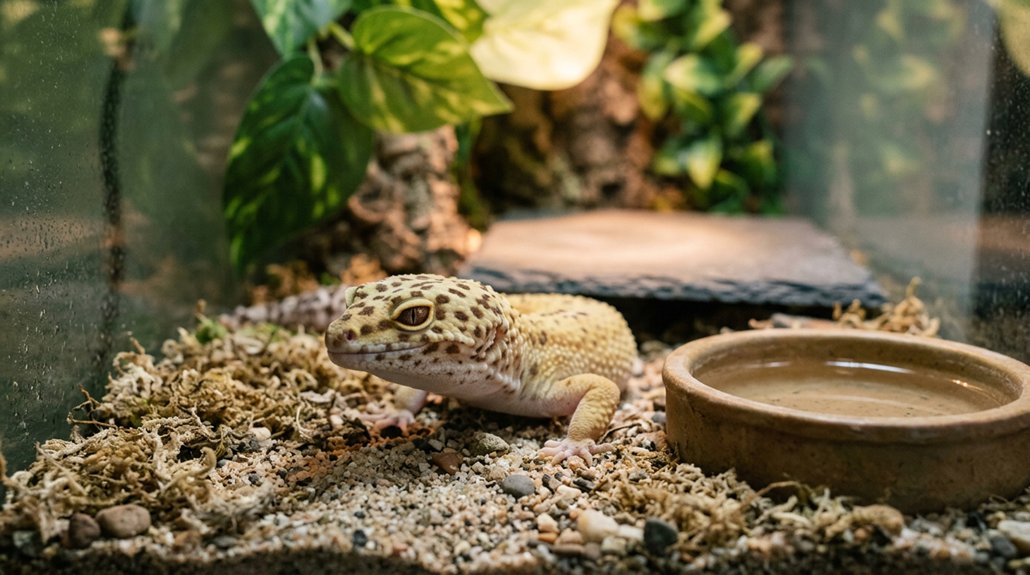
When considering why your leopard gecko isn’t eating, it’s important to recognize how environmental changes can greatly affect its appetite. Leopard geckos are highly sensitive to environmental stress, particularly during habitat shifts. Relocating your gecko to a new enclosure or modifying its existing habitat can induce stress responses, leading to a temporary loss of appetite. Scientific evidence highlights that stress from habitat alterations can disrupt normal eating patterns. Reducing human handling during this shift period can help alleviate stress for your gecko. Additionally, regular cleaning of the enclosure plays a pivotal role in maintaining a healthy environment, mitigating illness risks, and supporting a return to normal feeding habits. By managing these factors adeptly, you can help your gecko adapt and encourage its dietary recovery.
Achieve Optimal Temperature and Humidity Levels
To guarantee your leopard gecko maintains a robust appetite, it’s crucial to regulate their enclosure’s temperature, with basking spots reaching 88-92°F and the cooler side at approximately 80°F. This thermal gradient supports efficient digestion and overall physiological function. Additionally, maintaining a humidity level of 40-45% in the main habitat, while guaranteeing a moist hide with 70-80% humidity, facilitates proper shedding and prevents stress-related eating issues.
Ideal Temperature Ranges
Achieving ideal temperature and humidity levels is essential to guarantee the health and well-being of your leopard gecko. Proper temperature gradients across the enclosure enable them to thermoregulate effectively. A basking spot ranging from 88°F to 92°F, facilitated by efficient heat sources, is significant for ideal digestion and metabolic processes since they are ectothermic. Conversely, the cooler side should maintain around 80°F, ensuring comfort and flexibility in temperature regulation. Nighttime temperatures should not dip below 68°F (21°C), preventing stress and preserving metabolic activity. Consistently monitor these environmental metrics, as discrepancies can influence your gecko’s health and appetite. Implementing these temperature regimes expertly supports their physiological demands and minimizes issues that lead to appetite reduction.
Proper Humidity Maintenance
Besides temperature, maintaining proper humidity is equally important for your leopard gecko’s health and appetite. In the main enclosure, aim for humidity levels between 30-40%. High humidity can induce respiratory issues, while low humidity can cause shedding difficulties. Utilize humidity monitoring tools like a reliable hygrometer to maintain these levels accurately. Introduce humidity sources such as a moist hide with 70-80% humidity to facilitate shedding and prevent appetite loss during this period. Mist this area occasionally, guaranteeing it remains conducive for shedding cycles. Additionally, remember that proper ventilation is vital to prevent stagnant air and mold growth. By effectively balancing humidity and temperature gradients, you can create a thriving environment, ultimately supporting your gecko’s overall well-being.
Optimize Diet to Spark Eating Interest
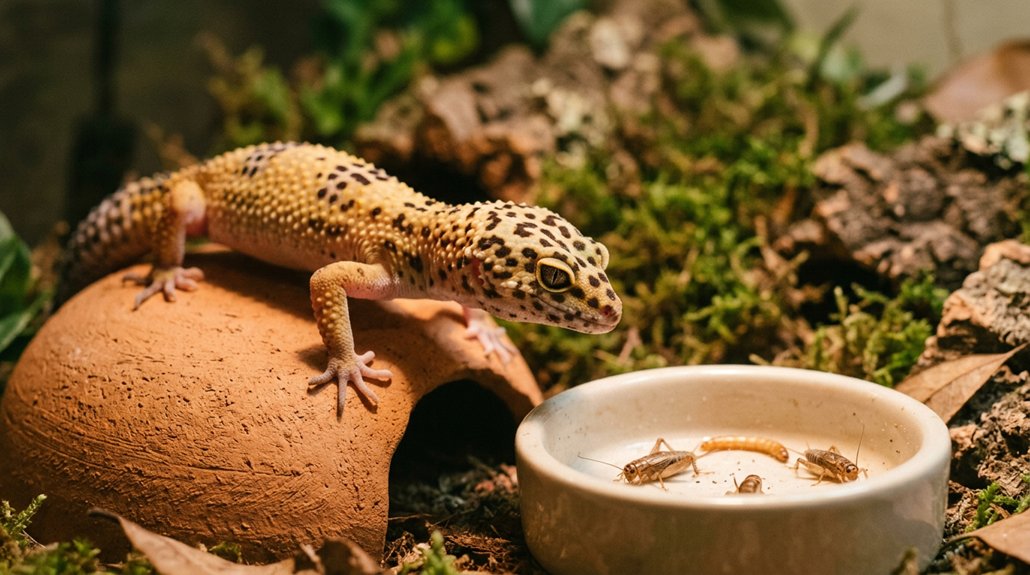
Revitalize your leopard gecko’s appetite by optimizing their diet with calculated variety and nutritional enhancements. Leopard geckos thrive on dietary variety; employing a strategic feeder rotation can greatly spark interest in their meals. Regularly offer a mix of crickets, Dubia roaches, and occasional waxworms to prevent dietary monotony. Each feeder should match the gecko’s mouth size, supporting successful predation.
Implement a Triple Dish setup to enrich their environment with diverse nutritional sources, including hydration, essential calcium, and a rotating selection of insects. Entice your pet with treats by dusting their food with calcium and vitamin powders. This not only enhances taste but also guarantees crucial nutrient intake. Avoid over-relying on mealworms due to their indigestible exoskeletons and prioritize a balanced insect assortment.
Understand Biological Processes Like Shedding and Brumation
After refining your gecko’s diet for renewed interest, it’s important to recognize biological factors affecting their appetite, such as shedding and brumation. Shedding behaviors occur every four to eight weeks in adult leopard geckos, often causing reduced activity and appetite as they prepare for this natural process. Geckos may seek refuge, displaying decreased food interest while their skin is loose. Comfort and ideal environmental conditions, including humidity, aid in easing shedding.
Brumation signs are evident when geckos enter a dormancy state akin to hibernation, typically from January to September. This period results in decreased food intake and activity, requiring stable environmental conditions with warm, secure hiding spots. Monitoring these biological rhythms helps explain temporary declines in eating habits, assuring you of their normalcy.
Stimulate Eating Using Behavioral Techniques
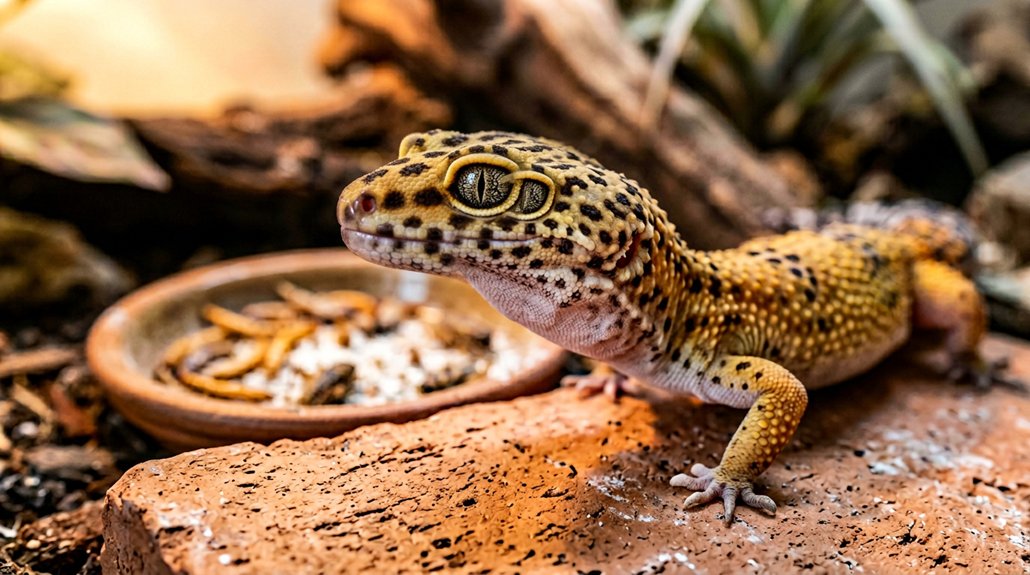
Achieving a balanced feeding routine involves adopting behavioral techniques that engage your leopard gecko’s natural instincts. Using tweezers, you can simulate hunting behavior, which activates their instinctual prey drive, assisting in increased food intake. Improve feeding strategies by offering various feeder insects like crickets, silkworms, and Dubia roaches. This variety not only sustains nutritional balance but also enhances dietary interest. Introduce enticing treats like waxworms sparingly; their high-fat content can stimulate appetite without disrupting overall nutrition. Minimizing handling fosters a calm environment, vital for reducing stress and encouraging feeding, especially for newly introduced geckos. Allow uneaten food to remain overnight—leopard geckos are crepuscular, and increased nighttime activity boosts consumption chances, further supporting a successful feeding regimen.
Recognize When Vet Intervention Is Needed
If your leopard gecko isn’t eating for over two weeks, it’s critical to seek veterinary assistance to exclude potential pathologies such as metabolic bone disease or parasitic infections. You should watch for clinical presentations like lethargy, sunken eyes, or dehydration, as these could signify underlying illnesses that require professional evaluation. Moreover, consistent weight loss and failed environmental modifications necessitate an expert examination to guarantee your pet’s well-being.
Monitor Persistent Appetite Loss
Persistent appetite loss in leopard geckos—lasting two weeks or more—demands prompt veterinary attention, as it often signals a serious health issue. Stress factors, such as changes in habitat or handling, and digestive issues are common culprits. Regularly monitor your gecko’s feeding patterns, as deviations can indicate underlying concerns. Document any stressors, such as environmental changes, that could impact feeding behavior. Specific indicators of health risks include lethargy, weight loss, and abnormal skin texture. Weight monitoring is essential because even slight declines can reveal significant problems. If you note symptoms like sunken eyes or difficulty opening them, a veterinarian’s assessment is vital. Your detailed records will assist the vet in forming a precise diagnosis, fostering effective intervention and recovery.
Identify Signs of Illness
How can you discern when your leopard gecko’s health issues demand professional care? Through vigilant health monitoring and precise symptom recognition, identify serious indications such as persistent appetite loss, defined as refusal to eat for over two weeks. Watch for accompanying signs like weight loss, sunken eyes, and wrinkled skin, suggesting dehydration or underlying illness. Also, lethargy exceeding typical rest periods, diminished bowel movements, or complete defecation failure warrants concern; these may point to digestive complications or possible impaction. Changes in eye behavior—frequent partial opening—could indicate dehydration or stress. Moreover, observe for lesions, unusual markings, or respiratory distress, which signal immediate need for vet evaluation. Prompt intervention by a reptile health professional guarantees tailored diagnosis and effective treatment.
Evaluate Weight and Hydration
Guaranteeing your leopard gecko maintains healthy weight and hydration levels is essential for preventing severe health conditions. Consistent weight monitoring reveals fluctuations that might signify malnutrition. If you notice significant weight loss, it warrants prompt veterinary attention. Hydration assessment is just as critical; providing fresh water daily and calculating intake—around 1 ml per 50 grams of body weight—helps guarantee your gecko’s needs are met. Sunken eyes or wrinkled skin are dehydration indicators, necessitating immediate action like warm soaks. Monitor bowel movement frequency, as reduced defecation can signal gastrointestinal complications. If food refusal persists beyond two weeks, especially with lethargy, consult a reptile-experienced veterinarian for evaluation. These steps are fundamental in maintaining your gecko’s health.
Adopt Best Cleaning and Care Practices
When caring for a leopard gecko, adopting best cleaning and care practices is crucial to maintain their health and well-being. Consistent cleaning frequency is fundamental; perform daily spot cleaning to guarantee a hygienic environment. Use unbleached paper towels as the substrate choice, replacing them daily to provide comfort and cleanliness. This substrate choice prevents ingestion of harmful particles, supporting a healthy digestive system. Monthly, conduct a thorough enclosure cleaning with reptile-safe disinfectants to eliminate potentially pathogenic bacteria and parasites. Daily cleaning of water bowls and weekly disinfection prevents bacterial colonization, making sure your gecko’s hydration needs are met. During periods of illness or stress, limit handling to reduce anxiety and facilitate swift recovery, promoting appetite restoration.
Frequently Asked Questions
What Can I Do if My Leopard Gecko Won’t Eat?
Assess stress factors like environmental changes or handling. Explore effective feeding techniques, offering variety and considering hand-feeding. Guarantee proper temperature and hydration. Persistent issues? Consult a vet, as continued refusal may indicate underlying health concerns.
How Long Can a Gecko Go Without Eating?
A gecko, like Shadow in our lab study, can survive two weeks without food. Stress factors and health issues may alter feeding habits and hunger cues. Monitor closely; prolonged fasting could signal deeper problems requiring veterinary attention.
What if My Leopard Gecko Is Not Eating for 3 Weeks?
If your leopard gecko isn’t eating for 3 weeks, consider stress factors, potential health issues, or improper temperature. Implement evidence-based feeding techniques and environmental adjustments to stimulate appetite. If unsuccessful, consult an expert for further insight.
Why Is My Gecko Active but Not Eating?
Your gecko’s active yet avoiding food likely indicates stress factors, like hiding behavior related to environmental shifts or aggression from tank mates. Investigate habitat changes and temperature, utilizing scientific insight to restore appetite.
Conclusion
Imagine your leopard gecko nestled comfortably in its cozy habitat, the warm light casting gentle shadows across its vibrant skin. By maintaining ideal temperature and humidity, offering an enticing diet, and understanding natural processes like shedding and brumation, you’ll transform a picky eater into a satisfied one. Observe its behavior, stimulate its appetite, and maintain proper care standards. Should reluctance persist, consult a vet. Through expert insights and strategic adjustments, your gecko’s health will flourish.