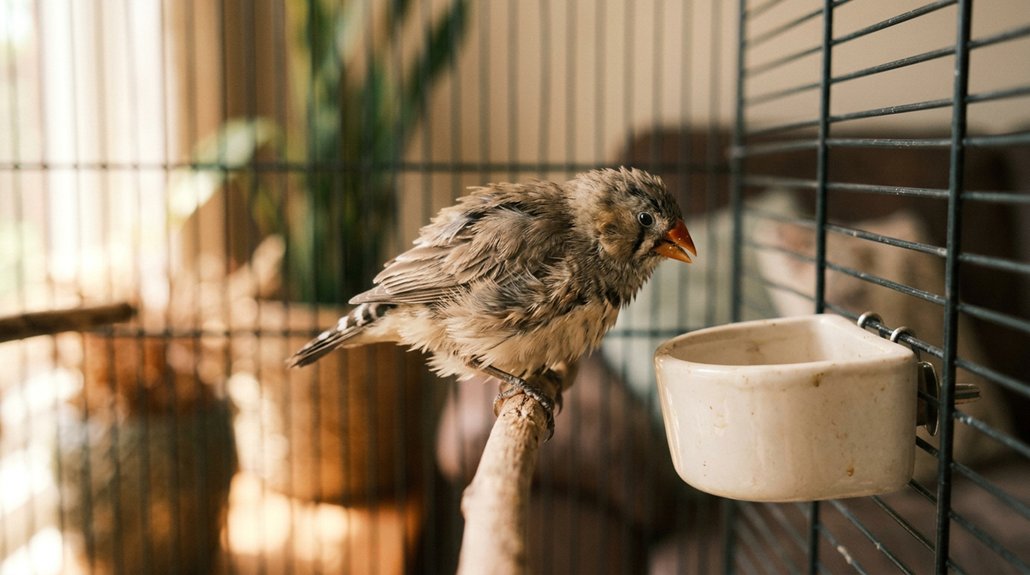
If your bird stops eating, it can signal stress, infection, crop blockage, or serious liver, kidney, heart, or endocrine disease. Birds that go 48 to 72 hours without food need same-day avian veterinary care, and collapse, labored breathing, or an empty crop are urgent. Keep your bird warm, quiet, and minimally handled, and offer only small amounts of warm water or soft food if it’ll take them. More details can help you act fast.
Key Takeaways
- Not eating for 48–72 hours is an emergency and needs same-day care from an avian veterinarian.
- Urgent warning signs include collapse, severe weakness, lying on the cage floor, empty crop, labored breathing, or seizures.
- Birds may stop eating because of stress, poor lighting, diet changes, infection, crop problems, or internal disease.
- A vet may examine the mouth, crop, abdomen, droppings, weight, and run blood, fecal, and imaging tests.
- Keep the bird warm, quiet, and stress-free, and offer only small amounts of warmed fluids or soft food if it willingly eats.
Bird Not Eating: Is It an Emergency?
If your bird hasn’t eaten for 48 to 72 hours, treat it as a medical emergency and contact an avian-experienced veterinarian immediately. In avian anorexia, delayed care can lead to rapid metabolic collapse, so your owner decision making should favor same-day evaluation. Urgent signs include collapse, severe weakness, lying on the cage floor, an empty crop, frequent dozing, labored breathing, seizures, or marked feather puffing. You can’t safely assume it’ll recover with observation, home remedies, or over-the-counter drugs. A veterinarian may need to provide warmed fluids, tube feeding, and diagnostic testing, including bloodwork, radiographs, fecal analysis, and infectious disease tests. Each hour of delay can worsen prognosis and reduce recovery chances, so don’t wait more than a day to seek in-person care.
What to Do While You Call the Vet
While you’re calling the vet, keep your bird warm, quiet, and minimally stressed in a small carrier or hospital cage lined with soft towels and without perches, ideally maintained at 80–85°F (27–29°C) to reduce energy use. Use warm swaddling and quiet transport, and isolate the bird from others. Minimize handling, loud activity, and unnecessary movement. Offer warmed Pedialyte or another electrolyte solution every 15–30 minutes only if your bird willingly drinks; don’t force-feed or tube-feed without veterinary direction. Place shallow dishes of warm, soft foods, such as baby food, mashed rice, mashed potato, or millet spray, near its preferred height. Monitor respiration, droppings, crop size, vomiting, and blood, and report these findings. If collapse, labored breathing, or an empty crop persists, transport immediately.
Common Causes of Bird Appetite Loss
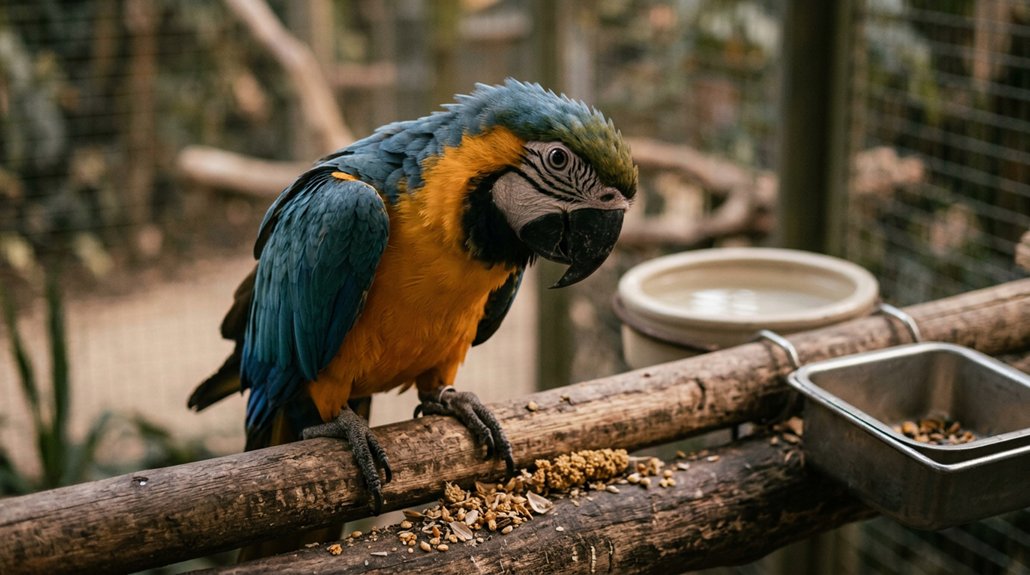
Common causes of appetite loss in birds range from stress and diet change to serious disease, and any bird that stops eating for 48–72 hours is at high risk for hypoglycemia and hepatic lipidosis. You may see reduced intake with new-home stress, poor lighting, overheating, seasonal moulting, or social dynamics that disrupt normal feeding. Nutritional causes include long-term seed-only diets and abrupt diet changes, which can make your bird reject new foods. Infection is another major cause; bacterial, viral, fungal, and heavy parasite burdens often bring lethargy or abnormal droppings. Crop obstruction, crop infection, gastrointestinal upset, and liver, kidney, heart, or endocrine disease can also suppress appetite or trigger regurgitation. Persistent refusal to eat beyond 24–48 hours needs veterinary assessment.
How Vets Diagnose a Bird Not Eating
When you bring your bird in for anorexia, the vet will start with a focused physical exam, checking the mouth, crop, weight, body condition, lungs, and cloaca for obstruction, dysfunction, or visible disease. Bloodwork, fecal testing, and crop samples can then identify dehydration, infection, organ dysfunction, parasites, or yeast overgrowth. If needed, radiographs, contrast studies, endoscopy, and targeted infectious testing help pinpoint obstruction, masses, respiratory disease, or specific pathogens.
Physical Exam Steps
A thorough avian physical exam starts with evaluating mentation, posture, breathing, body weight, and body condition score, because weakness, ruffled or fluffed feathers, and abnormal droppings can signal systemic disease. Your vet will also perform feather inspection and a neurological assessment to look for trauma, asymmetry, tremors, or weakness. Next, they’ll palpate the crop and abdomen to check crop emptying, impaction, pain, fluid, organomegaly, or masses. Under good light, the oral cavity and choana are examined for lesions, overgrowth, impacted food, malocclusion, or infection that could block eating. Careful auscultation of the heart and lungs helps detect respiratory noise, distress, or cardiac disease. These steps guide targeted diagnostics, but the physical exam itself often reveals why you bird isn’t eating.
Lab Tests And Imaging
Once the physical exam raises suspicion for systemic disease, your vet will typically confirm the cause with lab work and imaging. Blood panels usually start with a CBC and plasma biochemistry to check for infection, organ dysfunction, dehydration, metabolic disease, malnutrition, and abnormal liver enzymes, kidney values, total protein, calcium, or glucose. Fecal testing, including Gram stain, wet mount, flotation, culture, and PCR, can reveal parasites, Candida, or bacterial overgrowth. Crop and whole-body radiographs, often lateral and ventrodorsal, may show foreign bodies, obstruction, organ enlargement, lung or air sac disease, or egg binding. If illness is severe or results stay unclear, targeted PCR, serology, endoscopy, ultrasound, or advanced imaging such as CT can localize lesions and guide treatment.
Treatment for a Bird That Won’t Eat
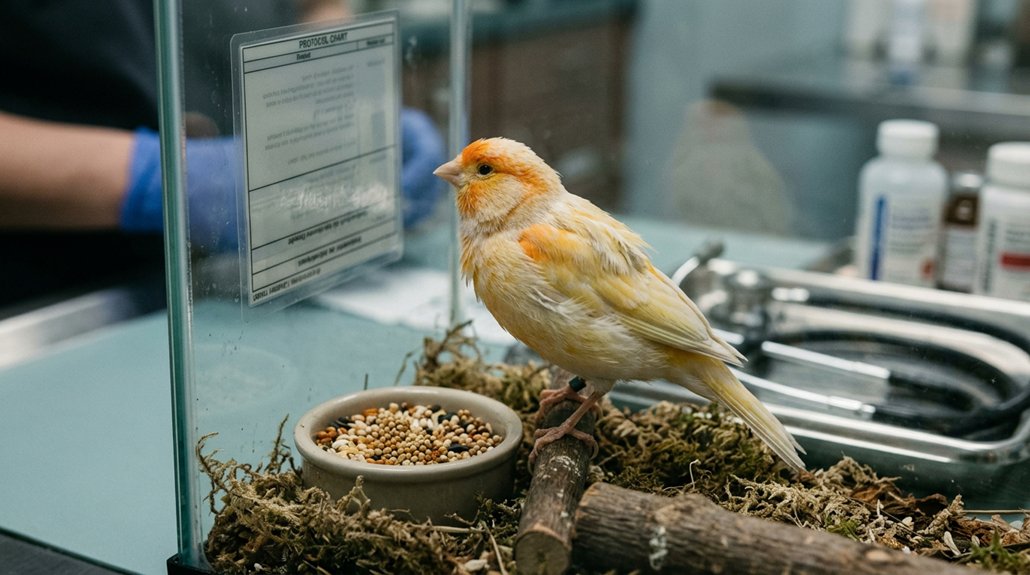
If your bird hasn’t eaten for more than 24–48 hours, you should seek immediate veterinary care, because anorexia can quickly become life-threatening. Your veterinarian will typically start supportive treatment with warmed fluids and nutritional support, often through gavage feeding, while diagnostics are completed. You shouldn’t attempt force-feeding or give medications at home without veterinary guidance, since improper handling can cause aspiration, injury, or toxicity.
Emergency Veterinary Care
When your bird hasn’t eaten for 48–72 hours, this is an emergency and needs immediate in-person evaluation by an avian-experienced veterinarian, because birds can deteriorate very quickly once anorectic. During avian triage, the clinic will assess hydration, temperature, body weight, and clinical stability, while you follow transport precautions to minimize stress and prevent chilling. Treatment often includes warmed subcutaneous or intravenous fluids and thermal support in an incubator or ICU cage at about 30–35°C. Your bird may also need diagnostic testing, including CBC, chemistry, fecal analysis, radiographs, and pathogen-specific assays, to identify infection or organ disease. If needed, the veterinarian may begin monitored nutritional support. Don’t attempt force-feeding, home remedies, or over-the-counter medications; these can cause aspiration, toxicity, or worsening dehydration.
Supportive Feeding Measures
For birds that haven’t eaten for 24–48 hours, supportive feeding measures can help while you arrange immediate veterinary care, but they’re not a substitute for treatment. Offer warm, easy-to-accept high-calorie foods such as mashed pellets, baby food, cooked rice, or millet. Use rehydration strategies: provide small drops of diluted Pedialyte or apple juice every 30–60 minutes if your bird will drink. Keep your bird warm, quiet, and dimly lit in a towel-lined carrier at 80–85°F. Don’t force-feed or attempt tube-feeding at home unless you have caregiver training, because aspiration is a serious risk. If your bird’s too weak to eat, a veterinarian may need subcutaneous or IV fluids, crop gavage, or injectable medications. Avoid home remedies and seek an avian-experienced vet promptly.
How to Prevent Future Appetite Loss
Preventing future appetite loss starts with proactive care: schedule routine wellness exams and baseline bloodwork so subtle illness is detected before it suppresses eating, and keep your bird on a balanced, bird-appropriate diet with slow changes and weekly weight checks to reduce dietary rejection and malnutrition. You should also maintain consistent husbandry, including routine enrichment, stable social contact, quiet cage placement, and full-spectrum lighting without unprescribed UV-B, because stress can reduce foraging and food recognition. Use owner education to reinforce safe feeding practices, toxin avoidance, and proper perch and bowl placement. Quarantine new birds for 30–60 days, disinfect cages and utensils, and screen for respiratory or enteric disease before contact. Keep avocado, chocolate, caffeine, heavy metals, and aerosol fumes away, and make certain clean water is always available.
Frequently Asked Questions
What Should I Do if My Bird Is Not Eating?
Seek veterinary care immediately; birds can deteriorate fast. Keep your bird warm, quiet, and confined, offer fluids if accepted, and note droppings or weight loss. Veterinary diagnostics and behavioral enrichment may help after stabilization.
How Long Can a Bird Survive Without Eating?
A bird can survive only 24–72 hours without eating, depending on size; small birds decline fastest. With water deprivation, it’s much sooner. You shouldn’t wait, because vitamin deficiencies and organ failure can develop quickly.
Why Have My Birds Stopped Eating?
Your birds’ve likely stopped eating because of behavioral causes, environmental stressors, illness, parasites, toxins, or diet changes. You should monitor them closely, keep them warm, and get veterinary evaluation promptly, especially if they’ve missed 48 hours.
Can a Sick Bird Recover on Its Own?
Sometimes, but don’t count on it, can you? Your bird may show natural recovery with mild stress, yet most illness needs veterinary supportive care. If it hasn’t eaten for 48 hours, you’ll need urgent help.
Conclusion
When your bird turns away from its bowl, the quiet can feel heavy. You should treat appetite loss as a warning sign, not a wait-and-see moment. Prompt veterinary care can uncover infection, pain, stress, or digestive disease before weakness deepens. With careful diagnosis, targeted treatment, and supportive feeding, you can help restore your bird’s strength, bright eyes, and steady rhythm. Ongoing monitoring and clean, consistent care can reduce the chance of future flare-ups.