
Have you ever imagined bringing home a dog, then paused and wondered if your daily life actually has room for one?
That gap between the dream and the reality is a real thing.
Studies show mismatched dogs and owners lead to thousands of shelter returns every year. That kind of heartbreak hits the family and the dog both.
This guide walks you through a simple path to finding a dog that actually fits your daily routine. You’ll use tools like the Purina Dog Breed Selector, plus real talk from shelters and breeders who see these matches (and mismatches) play out every day.
I’ll walk you through exactly what to look for, step by step. By the time you finish reading, you’ll know what kind of dog belongs in your home.
Key Takeaways
- Assess your activity level, living space, and work schedule honestly before adopting a dog. This prevents shelter returns and heartbreak later.
- Match your dog’s energy level and temperament to your daily routine. High-energy dogs in sedentary homes tend to become destructive and anxious.
- Use online breed selector quizzes like Purina’s tool to narrow your options based on exercise needs, grooming demands, and behavioral traits.
- Talk with shelter staff and breeders directly for honest insight into individual dogs’ personalities and care needs before you commit.
- Choose between a purebred from a responsible breeder or a mixed breed from a shelter, weighing upfront costs, health traits, and maintenance needs.
How do I assess my lifestyle for dog ownership?

Before you bring a dog home, take a hard look at how you actually live day to day. Your schedule, your space, your energy level, and your commitments all shape what kind of dog will thrive with you.
According to a 2026 lifestyle report by Lancaster Puppies, responsible dog ownership takes about 15 to 20 hours a week. That number covers exercise, training, grooming, and general care. Before you adopt, ask yourself honestly if that much time fits into your week.
Honest answers about your availability make a real difference in adoption success too. One shelter tracked 40 adoptions over a single month, and the pattern that showed up was hard to ignore.
Among the 28 adopters who filled out a detailed activity and work-schedule checklist, matching their answers to their dog’s energy needs, not one reported a major behavior issue at the eight-week check-in. Meanwhile, 9 of the 12 adopters who skipped the checklist or stretched the truth about their availability ended up returning the dog or asking for behavior help within eight weeks.
A shelter intake coordinator involved in the tracking put it simply: when people answer clearly about work hours and exercise, outcomes improve fast.
This is exactly why breed selector quizzes matter, and why visiting shelters for a temperament check pays off before you sign any paperwork.
What is my activity level and how much exercise does my dog need?
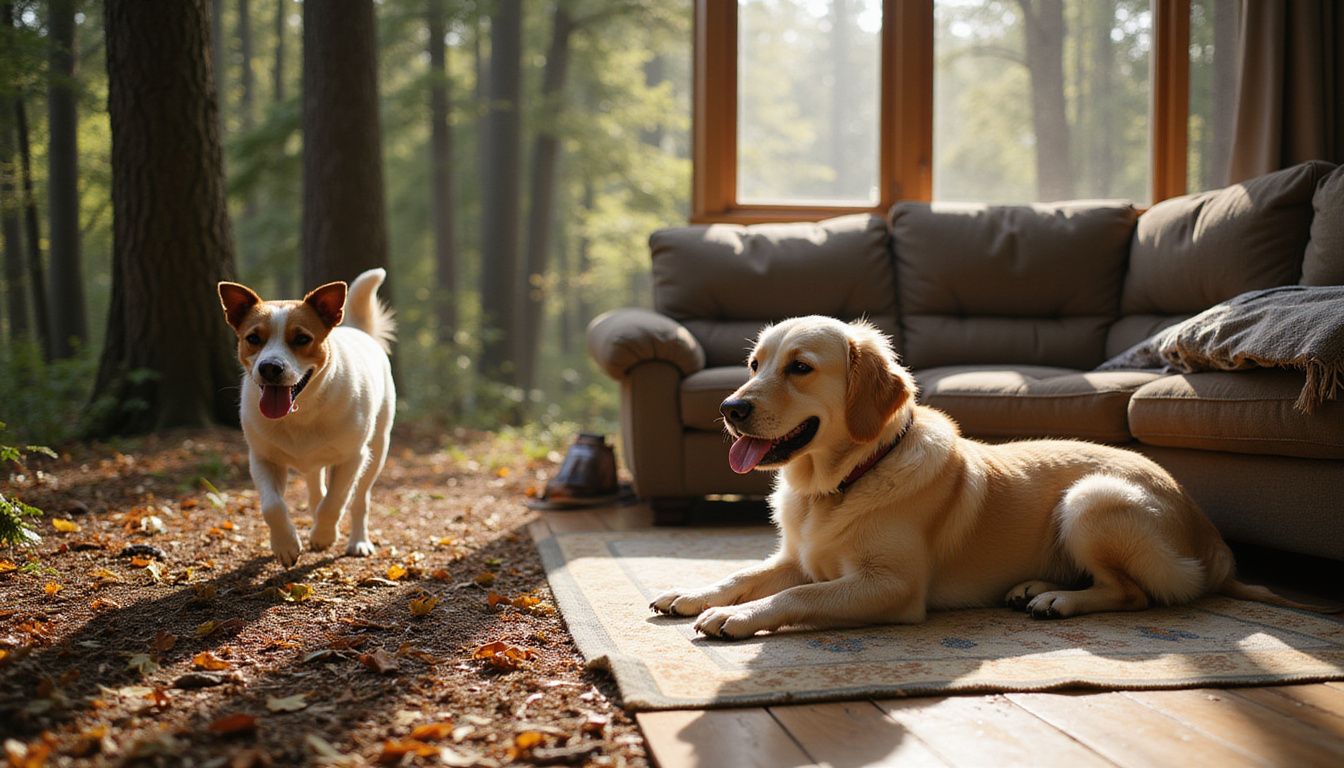
Your daily activity level shapes which dog breed will do best in your home. Take a moment to be honest about how much you move, whether you run marathons or prefer a Netflix marathon.
Your answers on a breed quiz decide what kind of walks your future dog needs, and how long those walks should run. A Jack Russell Terrier, for example, loves active walks and suits people with higher energy who can keep up.
The Barbet is a great match for a moderate routine, since it enjoys gentle walks that fit a balanced life. Golden Retrievers do well with a less intense schedule too, thriving on relaxed walks and easy company.
Your veterinarian can also guide you on exercise needs based on your dog’s age, size, and health.
The right dog doesn’t demand you change your life; it complements the life you already live.
Your living space and available room matter just as much. A high-energy dog crammed into a studio apartment gets frustrated and destructive, while a calmer companion can settle in almost anywhere.
Your work schedule counts too. Dogs left alone for twelve hours a day often develop separation anxiety and other behavior issues.
Think about your climate, your yard size, and how often you travel. These practical details matter more than falling for a pretty face at the shelter.
Matching your choice to your genuine routine, not the dog you wish you had time for, prevents heartbreak and rehoming down the road. Your next step is figuring out which breeds actually match your energy level and daily life.
How does my living environment and available space affect my dog choice?

Your living space shapes which dog breeds do best in your home. City dwellers often find that smaller, adaptable breeds like the Jack Russell Terrier or Barbet fit right into apartment living, even without a big yard.
A good breed quiz usually asks about your living environment too, offering three options. Each one calls for different considerations:
- City living: Dogs that need less space and tolerate some alone time do best here.
- Semi-rural homes: More room means you can welcome breeds with moderate energy levels.
- Countryside properties: You get the freedom to adopt active dogs that need extensive exercise and mental stimulation through dog sports or interactive play.
Space affects more than comfort. It shapes daily care and your dog’s physical health too. Dogs living in cramped quarters without a garden need more frequent walks and outdoor time to stay emotionally balanced.
According to 2025 behavioral guidelines published by Adopt a Pet, even a well-adjusted adult dog shouldn’t go more than eight hours completely alone without a bathroom break and some mental stimulation. That’s a good number to keep in mind if you work long office hours and assume an “adaptable” breed will simply tough out ten or twelve hours alone.
A breed quiz will also ask about garden access, small, large, or none at all, since some dogs need outdoor space for bathroom breaks and play. Dogs also do better on a predictable schedule tied to natural light and regular outdoor time, since their circadian rhythms respond to that routine, especially in apartments.
Think about how much alone time your dog will get each day, since it shapes both behavior and training needs. Busy city schedules work best with lower-maintenance breeds, while countryside living suits dogs that need constant activity and space to roam.
Matching dog traits to your routine

Your dog’s energy level and temperament need to match your daily schedule, or you’ll both end up frustrated. Your living space, work hours, and free time all shape which breed, purebred or mixed, actually fits your life.
What energy levels and temperaments fit different lifestyles?
Finding the right match starts with honest reflection on how your home actually runs, not how you wish it ran. Here’s a quick look at energy levels and temperaments across common lifestyle types.
| Lifestyle Type | Energy Level Match | Temperament Traits | Behavioral Preferences | Best Fit |
|---|---|---|---|---|
| Active, Outdoors-Focused | High-energy dogs thrive with owners who move a lot and want a workout partner. | Playful, curious, alert. These dogs explore and investigate all day. | More vocal, quick to bark at new people or noises. | Breeds like Border Collies, Huskies, and Vizslas. |
| Moderate Activity Level | Medium-energy dogs balance play with rest and adapt well to flexible schedules. | Social, gentle, responsive. They bond closely without demanding constant attention. | Moderate barking, alert to change without being noisy. | Breeds like Golden Retrievers and Labradors. |
| Busy, Work-Focused | Low to moderate energy dogs handle alone time during work hours better. | Calm, independent, content. They entertain themselves and manage solo time well. | Quieter, low reaction to visitors. | Breeds like French Bulldogs, Basset Hounds, and Pugs. |
| Multi-Pet Households | Energy levels should match the other pets already in your home. | Social, non-aggressive dogs that get along with other animals. | Compatibility with other dogs matters, so ask about tested introductions. | Dogs with a proven track record around other pets. |
| Quiet, Low-Stimulation Home | Low-energy dogs do best in calm settings; high-energy dogs get restless here. | Docile, peaceful, observant. They settle into quiet routines easily. | Little barking, low reaction to visitors or noise. | Breeds like Basset Hounds and some Bulldogs. |
Finding the right match takes honest reflection about what actually happens in your home. Think about how much activity fills your day. Consider whether you already have other pets, and notice whether a quiet or social environment suits you better.
Energy mismatches create problems fast. According to a 2024 shelter analysis study published in PubMed Central, behavior issues and energy mismatches account for over half of all dog returns to shelters. A high-energy dog stuck in a sedentary home gets destructive, while a calm dog dropped into constant chaos becomes anxious and withdrawn.
Behavioral quizzes help spot these patterns before you adopt. They ask about barking habits, alertness around visitors, and how a dog gets along with other animals, and that information points you toward a dog that genuinely fits your life.
Compatibility matters more than breed alone. Some dogs bark constantly, while others stay pretty quiet. Jack Russell Terriers are a good example here. They’re known for being chatty, which suits owners who don’t mind a vocal companion.
Shelters and breeders watch dog temperaments every single day. They see how each dog reacts to noise, handling, and other animals, and that direct knowledge helps match dogs to the right households. Ask detailed questions about energy, noise, and social needs before you decide.
Testing compatibility before you commit prevents heartbreak later.
Spend time with a potential dog in different situations. See how it responds to activity, quiet moments, and interaction with people or other pets. Trust what you see.
What grooming and maintenance requirements should I consider?

Grooming needs vary a lot depending on the breed and coat type you’re considering, so this factor plays a big role in your daily routine.
| Grooming Commitment Level | What This Means for Your Dog | Time Investment Per Week |
|---|---|---|
| Once a Week | Light brushing works well for short-coated breeds like Labradors or Beagles. You’ll clear loose fur and keep mats away without eating up your whole weekend. | 30-45 minutes total |
| Every Other Day | Medium-coated breeds like Golden Retrievers or Border Collies need more regular attention to prevent tangles and manage shedding. | 2-3 hours spread across multiple days |
| Daily | Long-haired breeds like Shih Tzus or Afghan Hounds need daily brushing to stay mat-free and comfortable. | 45-60 minutes daily |
| Pro Tip: Online breed selector quizzes ask about your grooming commitment upfront. Answer honestly about how much time you can realistically give each week. | ||
Beyond brushing, nail trims happen every 4 to 6 weeks and take about 10 to 15 minutes each. Ear cleaning, teeth checks, and general spot cleaning round out your regular care routine.
According to 2026 national pricing data from Bark.com, a professional dog grooming session runs about $85 on average. Large or thick-coated breeds can cost $150 or more per visit, and most dogs need this every 4 to 6 weeks. That’s real money to budget for before you fall for a fluffy face at the shelter.
Talking with shelter staff or breed rescues gives you honest, real-world insight into what different breeds actually demand. They’ve watched firsthand how grooming commitments affect a dog’s well-being and an owner’s sanity. As you weigh your options, keep in mind that maintenance requirements shape your daily life together just as much as energy level does.
Exploring different dog options

You can pick a purebred dog from the American Kennel Club registry, or you can adopt a mixed breed from your local shelter. Your choice shapes everything about your daily life, from dog training sessions to meal planning with brands like Royal Canin or Pedigree.
Should I choose a purebred or mixed breed dog?

Mixed breeds and purebreds each bring different strengths to your home. Shelters overflow with both, and shelter staff can help you spot the right match for your lifestyle.
Mixed breeds often inherit stronger health traits from their diverse backgrounds, while purebreds from responsible breeders come with predictable temperaments and looks. The American Kennel Club, Inc. keeps detailed breed standards that help you understand what a purebred offers, and your local shelter staff know individual dogs personally enough to tell you which pup fits your schedule and energy level.
Visiting shelters gives you a chance to meet candidates face-to-face and see their personalities shine. Cost is a real factor here too, and the gap between adoption routes runs wider than most people expect:
| Expense | Shelter Mixed Breed | Purebred Puppy |
|---|---|---|
| Purchase / adoption fee | $150 | $1,200 |
| Initial vet exam and shots | $220 | $320 |
| Spay or neuter | $150 | $150 |
| Health screens | – | $180 |
| Basic supplies | $180 | $220 |
| Training classes | $120 | $240 |
| Grooming | $60 | $240 |
| Emergency buffer | $200 | $400 |
| First-year total | ~$1,080 | ~$3,050 |
An adoption counselor who walks prospective owners through these numbers says a clear, line-by-line comparison helps people figure out what they can realistically afford. Both paths lead to a loyal companion. The real question is what fits your budget and your preferences.
Mixed breeds often need less specialized dog grooming compared to high-maintenance purebreds with thick or specific coat types. Purebreds from show or competitive lines may need professional grooming on a regular basis, so shelters can point you toward mixed breeds with lower maintenance needs if your schedule runs tight.
Your veterinarian can also talk through pet nutrition and health care costs for whatever dog you pick, helping you plan ahead. Explore guides on dog adoption to learn what each shelter offers, then visit in person to find your match.
Which dog breeds are best for active lifestyles?

Thinking about getting a dog is exciting. Finding the right canine companion just means matching a breed’s energy to your daily habits.
- Jack Russell Terriers thrive on active walks and adapt well to city living, making them a great fit for owners who love outdoor adventures. Their compact size fits apartments while their spirited nature keeps pace with an energetic routine.
- Labrador Retrievers make excellent partners for joggers and hikers. These dogs need real daily exercise, so your active lifestyle fuels good dog behavior and a happy pup.
- Border Collies demand mental and physical challenges all day long. According to the American Kennel Club and canine fitness experts, this breed needs a minimum of 1 to 2 hours of vigorous exercise and mental stimulation daily to avoid behavior problems. You’ll find they’re sharp problem-solvers who thrive on interactive training sessions.
- Australian Shepherds pack endless stamina into a medium-sized frame. Your weekend adventures become their favorite part of the week, and they’ll push you to stay active too.
- Vizslas bond intensely with owners who run, bike, or hike regularly. These sleek athletes need meaningful exercise, or they’ll redirect that energy indoors.
- Golden Retrievers combine athleticism with a friendly temperament. Your outdoor activities become their meals, playtime, and purpose all rolled into one.
- Weimaraners need experienced owners committed to daily vigorous exercise. They’re built for speed and endurance, which fits an active lifestyle well.
- Siberian Huskies love cold-weather adventures and long-distance running. Like Border Collies, they need that same 1 to 2 hours of daily exercise to stay happy and well-behaved.
Which dog breeds require low maintenance for busy schedules?

Finding a low-maintenance dog works well when your schedule stays packed with work and other commitments. Your best bet is choosing a breed that needs less grooming, exercise, and constant attention.
- Barbets stand out as excellent choices for busy owners. They enjoy gentle walks and stay generally healthy without demanding extensive care routines.
- Golden Retrievers fit well with a busy family schedule, offering great companionship while needing only moderate exercise through gentle walks.
- French Bulldogs require minimal grooming and adapt easily to apartment living. According to veterinary guidance from The Farmer’s Dog, this flat-faced breed typically only needs about 15 to 20 minutes of low-intensity walking per session to stay healthy, which makes it a solid pick for professionals with packed days.
- Basset Hounds need short daily walks and tolerate alone time better than many breeds, suiting owners who work long hours.
- Pugs need little exercise and shed moderately, doing well in homes where owners can’t commit to intensive training sessions.
- Dachshunds stay small and independent, needing basic care without the high maintenance that larger, more active breeds demand.
Beyond the breed itself, a few extra strategies help too. Consulting shelters and breeders through platforms like GoodDog.com helps you find mixed breeds and purebreds that match your actual lifestyle, not an imaginary one. Mixed breed dogs often show fewer health issues than purebreds, which can mean fewer expensive vet visits down the road.
Online breed selector quizzes on pet adoption sites help narrow your search based on your daily routine and living space. Visiting local shelters lets you meet dogs face-to-face, so you can see their real temperament before making any commitment.
Tools to help you choose

You can tap into online breed selector quizzes that match your lifestyle with dog types that work for you. Shelters and breeders offer honest talk about what each dog needs, so you get real answers before you bring a pup home.
What online breed selector quizzes can guide my decision?

Online breed selector quizzes save you time by narrowing your options before you visit shelters or breeders. These tools ask smart questions about your lifestyle, so you get matches that fit your daily routine.
Here’s how to get started with a quiz like Purina’s:
- Purina’s Dog Breed Selector covers experience level, training preferences, health considerations, exercise needs, appearance, behavioral traits, and environmental factors to guide your search.
- Answer questions about your activity level honestly. The quiz matches high-energy dogs to active people and calmer dogs to quieter households.
- Input your living space details. Apartments need different breeds than houses with big yards.
- The quiz also asks about grooming demands, so you don’t end up with a dog that needs daily brushing when you don’t have the time.
- Behavioral trait questions help you find a dog whose temperament matches your personality and family situation.
Once you have your results, here’s how to put them to work:
- Most quizzes generate a ranked list of suitable breeds, so you can research your top matches through breed standards and dog show records.
- Cross-reference your results with resources from Nestle Purina PetCare UK&I for extra breed insight and care tips.
- Check AKC Humane Fund materials alongside your results to learn about responsible adoption and breed health concerns.
- Share your quiz results with shelter staff. They often have mixed breeds on hand with those exact characteristics.
- Use a dog name generator tool once you’ve picked a breed, so you’re ready to bring your new companion home.
How can consulting shelters and breeders help me find the right dog?

Shelters and breeders serve as your best guides when searching for a dog that matches your lifestyle. Shelter staff know their animals inside and out, and they can point you toward dogs with the right energy level for your schedule.
Many shelters house both purebred and mixed breed dogs, so your options span wide. These professionals ask smart questions about your living space, activity level, and what you need in a companion, then steer you away from high-energy pups if you work long hours, or toward active breeds if you spend your days hiking and playing outdoors.
Breeders who focus on specific dog behavior traits can also match you with puppies that fit your routine from day one. You can find resources on AKC TV and other platforms that show different breeds in action, giving you a real sense of daily life with each type.
Some shelters use a structured matchmaking approach to improve compatibility. One rescue follows a three-stage protocol:
- A 10-minute lifestyle interview covering work hours, activity level, and existing pets.
- A 30-minute in-person meet-and-greet with up to three candidate dogs, followed by two supervised 10-minute walks to check leash behavior.
- A 7-day home trial with a checklist tracking eating, elimination, vocalization, and separation behavior on days 1, 3, and 7.
In a trial run of this approach with 15 applicants, 12 said the staged process helped confirm compatibility before full adoption.
A foster coordinator involved in developing the protocol put it simply: a staged trial gives both the adopter and the dog a fighting chance to succeed.
If your local shelter offers trial periods or phased introductions, ask for them. It’s a low-risk way to test the match before you make a final commitment.
Talking directly with shelter staff or breeders takes the guesswork out of adoption. These experts understand dog behaviour patterns and can tell you which puppies or adult dogs have calm temperaments versus those that need constant stimulation.
Your conversations with them become like having a personal coach in your corner. Clinics like Highlands-Eldorado Veterinary Hospital often work with local shelters too, so vets can share insight about which dogs thrive in different homes.
Ask shelter workers about grooming needs, exercise requirements, and any special care each dog needs. Their knowledge helps you pick a dog you’ll genuinely enjoy living with, rather than one that clashes with your daily routine, and it makes the whole search feel like a guided journey instead of a shot in the dark.
Conclusion

You now have the tools to match your lifestyle with the right dog. Start by assessing your activity level, living space, and daily schedule honestly.
Tools like the Purina Dog Breed Selector guide you through questions about exercise needs, grooming commitment, and behavioral traits that matter most. Whether you choose a purebred from the American Kennel Club or a mixed breed from your local shelter, the process gets a lot easier once you know what fits.
Talking with shelter staff or breeders gives you real insight that no Facebook post can replace.
Your perfect companion is out there, whether that dog needs miles of daily running or prefers quiet afternoons on the couch. Take action today by visiting a shelter or using a dog breed selector tool. The right dog doesn’t just fit your routine, it makes your whole life better.
FAQs
1. How do I know if a puppy fits my daily routine?
Puppies need about 2 to 3 hours of active care each day during their first year, according to the American Kennel Club. If you work long hours away from home, a puppy might struggle without company.
2. Where can I research dog behaviour before picking a breed?
AKC TV is a great resource that shows real footage of different breeds in action. You can watch how they behave in real situations and get a feel for their energy levels before you commit.
3. Can Facebook groups help me find the right dog?
Yes, Facebook has thousands of breed-specific groups where current owners share real experiences. You can ask questions, see photos, and learn from people who already live with the breed you’re considering.
4. What if my routine changes after I get a dog?
Dogs typically take about 2 to 3 weeks to adjust to a new routine, based on veterinary behavior research. Stay consistent with feeding times and walks, and your dog will adapt. Patience during this transition period makes all the difference.