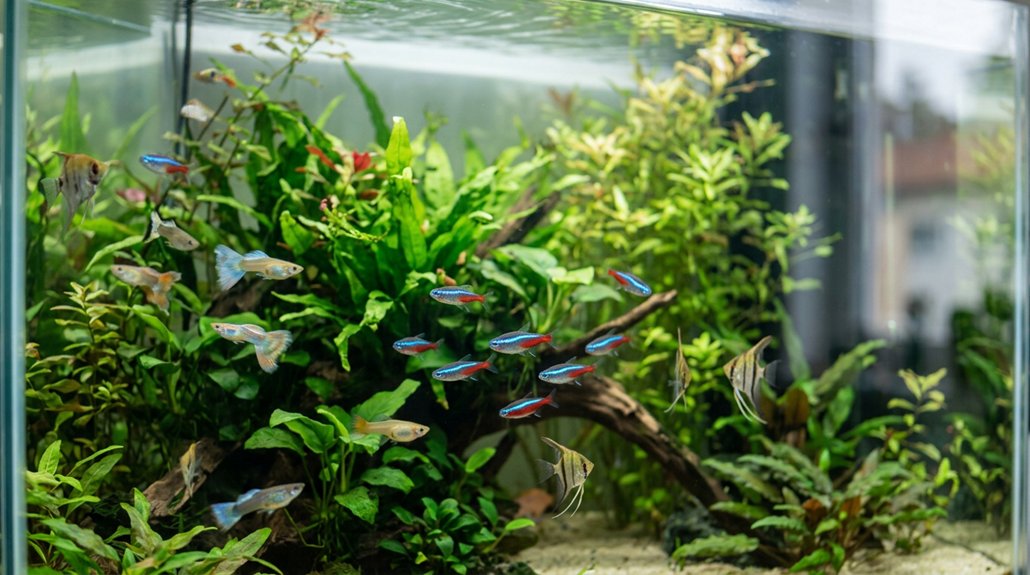
For freshwater aquariums, choose a filter that matches your tank size, fish, and upkeep routine. Aim for about 4–6 tank volumes per hour, and go higher for messy…
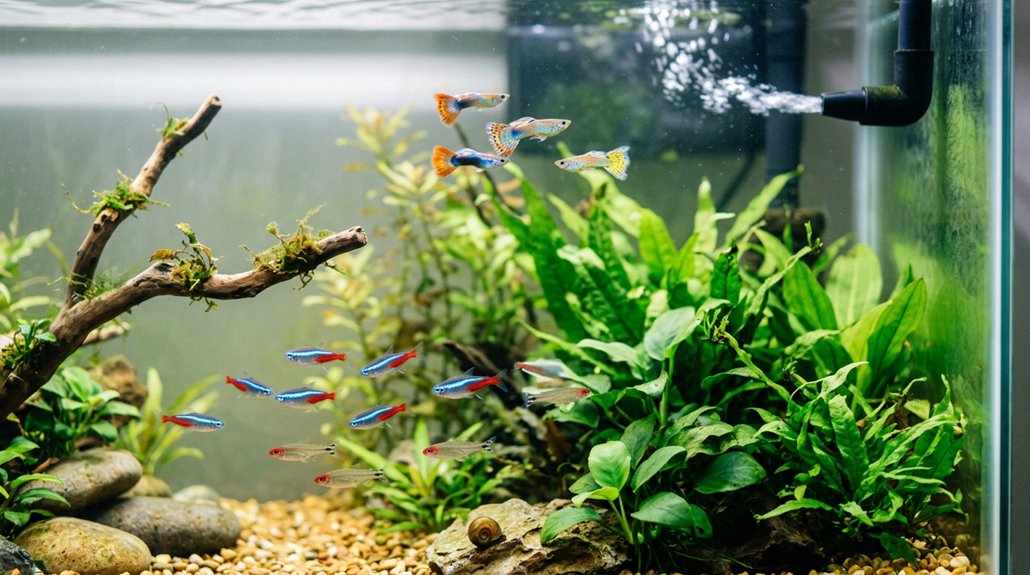
Freshwater Aquariums
Common Freshwater Aquarium Problems and Solutions
Common freshwater aquarium problems usually start with unstable water quality, weak filtration, excess light, or overfeeding. You should test ammonia, nitrite, and nitrate often, keep ammonia and nitrite…
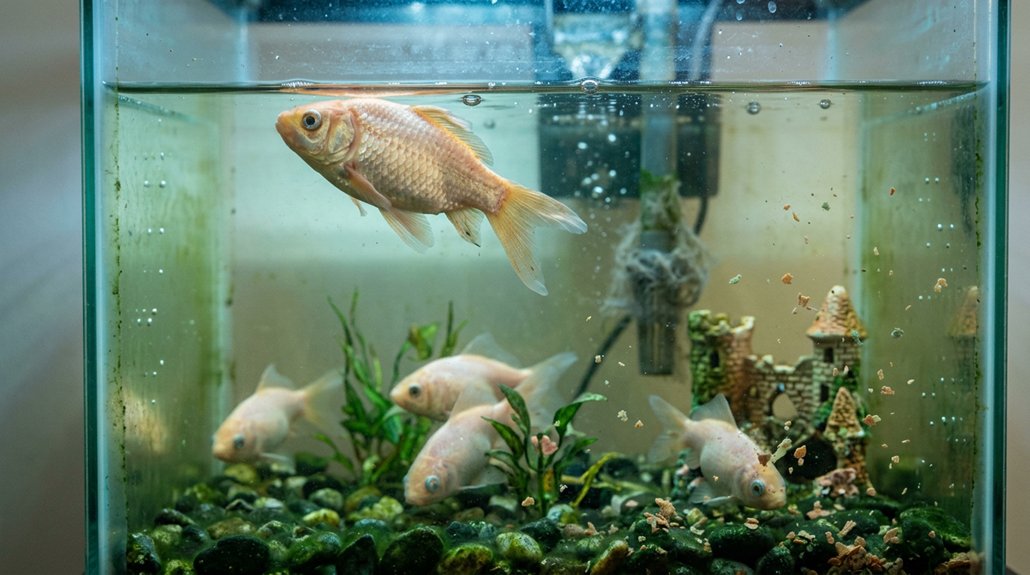
Freshwater Aquariums
Why Your Fish Keep Dying in a New Aquarium
Your fish keep dying in a new aquarium because the tank’s biofilter is not fully cycled, so ammonia and nitrite build up faster than beneficial bacteria can process…
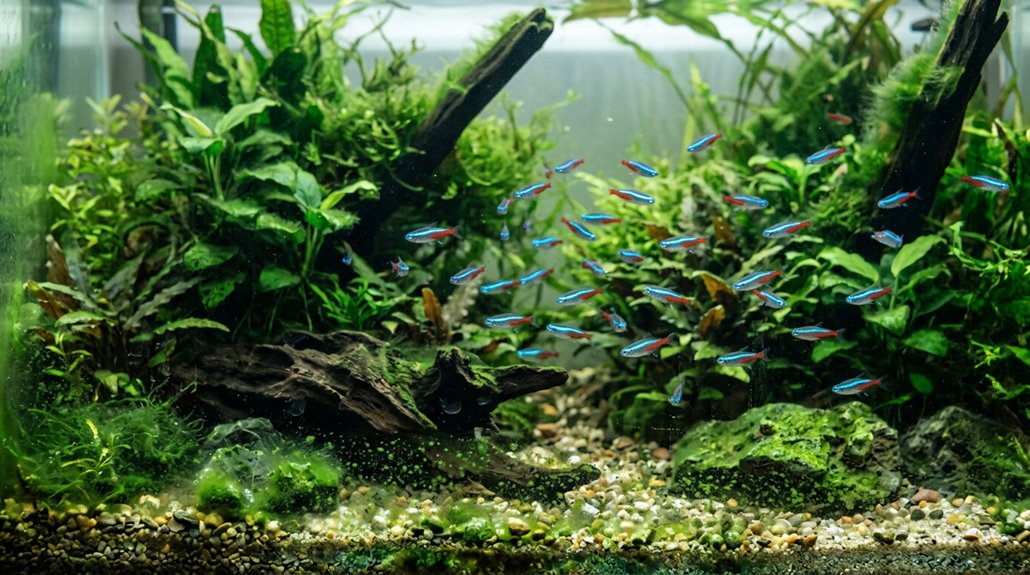
Freshwater Aquariums
How to Fix Algae Problems in a Freshwater Tank
To fix algae in your freshwater tank, you need to cut the fuel, light, and debris that support it. Test ammonia, nitrate, and phosphate, and treat any measurable…

Freshwater Aquariums
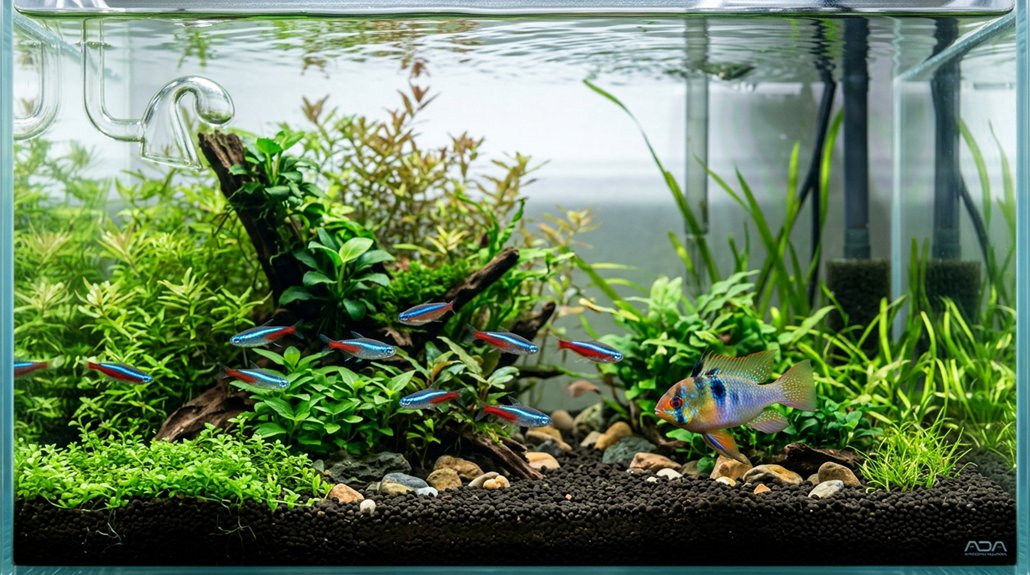
Why Your Fish Tank Water Is Cloudy (and How to Fix It)
Your fish tank water is usually cloudy because of a new-tank bacterial bloom, suspended debris, or excess algae. White or gray haze often means bacteria; green water points…
Freshwater Aquariums
How to Keep Aquarium Water Clear and Clean
Keep your aquarium water clear by controlling waste, cycling the tank fully, and running proper filtration. You should remove uneaten food, vacuum the substrate, and change 10–25% of…
Freshwater Aquariums
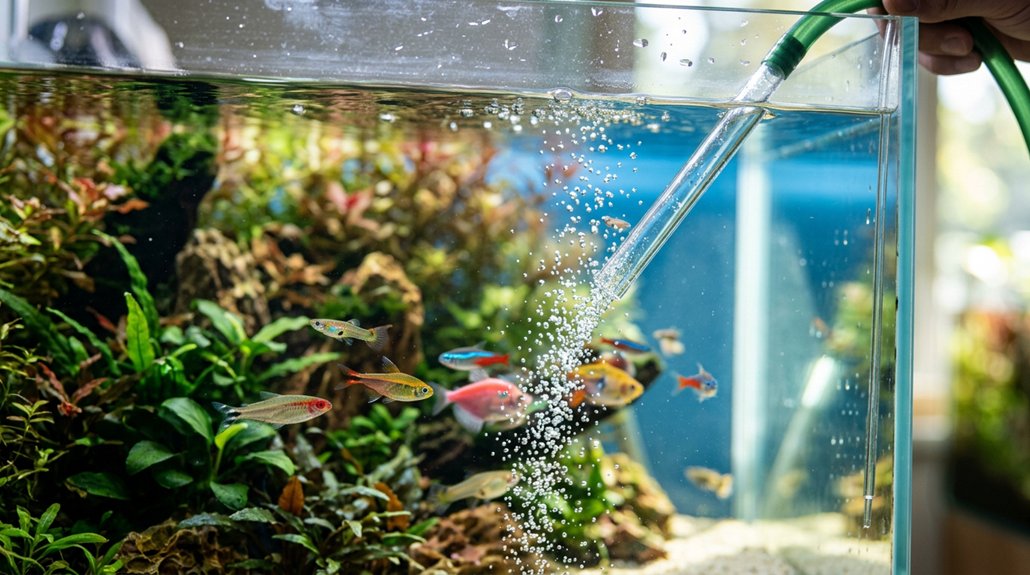
How to Do a Water Change in a Freshwater Aquarium
Do a partial water change once a week, removing about 10–20% of the tank water, or up to 30–50% in heavily stocked systems. Turn off filters, heaters, and…
Freshwater Aquariums
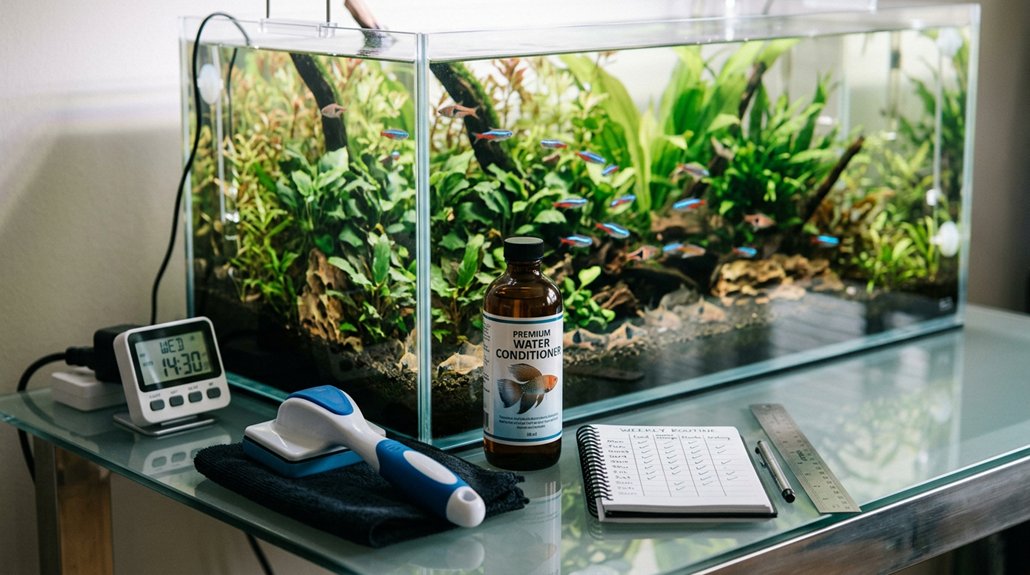
Freshwater Tank Maintenance Schedule for Beginners
For a beginner freshwater tank, you should check it daily for fish count, behavior, heater temperature, filter flow, and leftover food, then top off evaporated water with treated…
Freshwater Aquariums
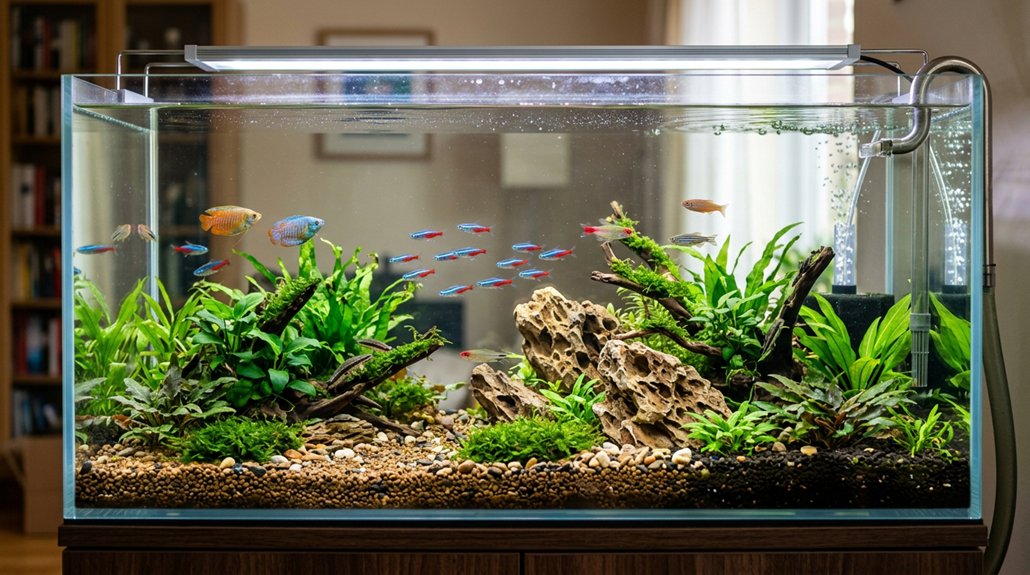
How Often Should You Clean a Freshwater Fish Tank?
You should clean a freshwater fish tank on a regular schedule, usually with a 20–25% water change about once a week. In lightly stocked or heavily planted tanks,…
Freshwater Aquariums
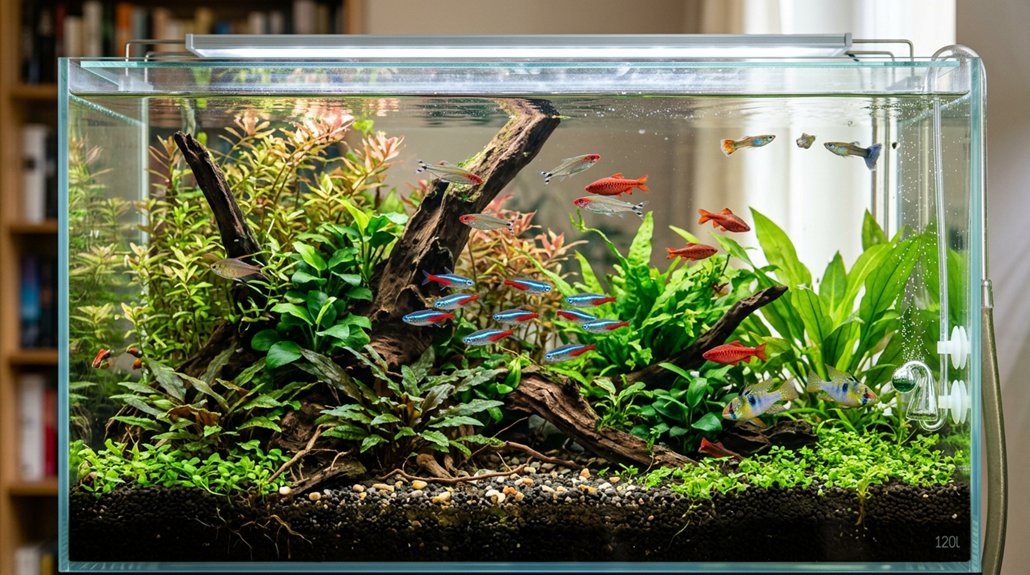
How to Maintain a Freshwater Aquarium the Right Way
To maintain a freshwater aquarium the right way, you should choose a properly sized tank with a strong filter and heater, then fully cycle it before adding fish.…
Freshwater Aquariums
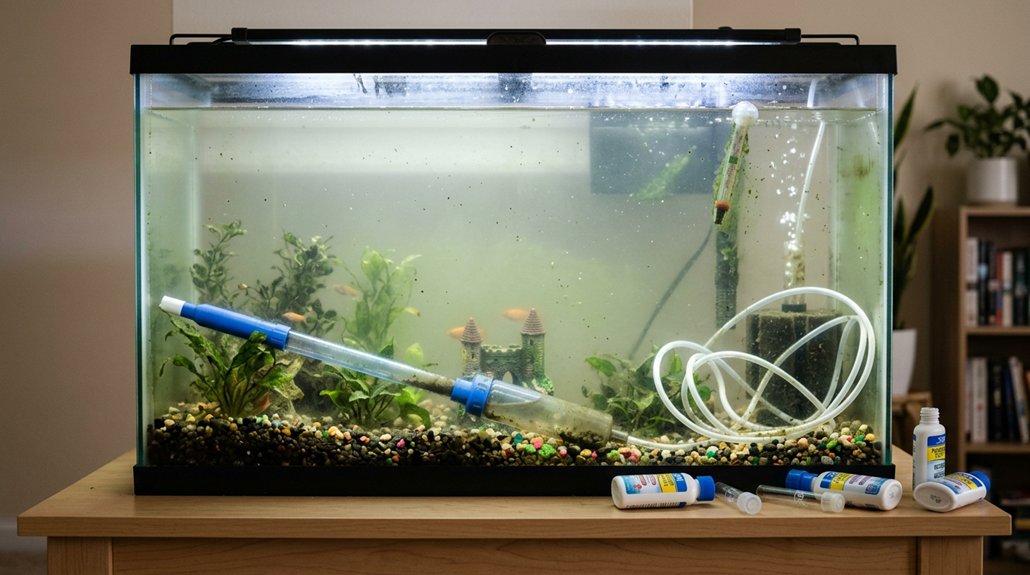
Common Mistakes When Cycling a Fish Tank
The biggest mistakes when cycling a fish tank are adding fish too soon, overstocking early, and skipping reliable ammonia, nitrite, and pH testing. You can also run into…
Freshwater Aquariums
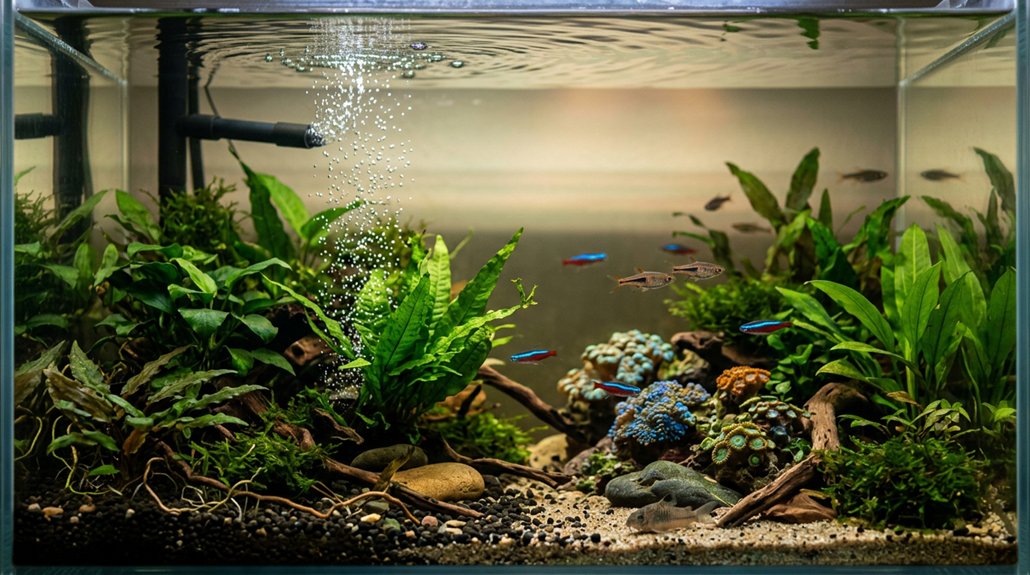
How to Tell When Your Aquarium Is Fully Cycled
You know your aquarium is fully cycled when repeated tests over several days show 0 ppm ammonia, 0 ppm nitrite, and detectable nitrate, usually above 5–10 ppm. A…
Freshwater Aquariums
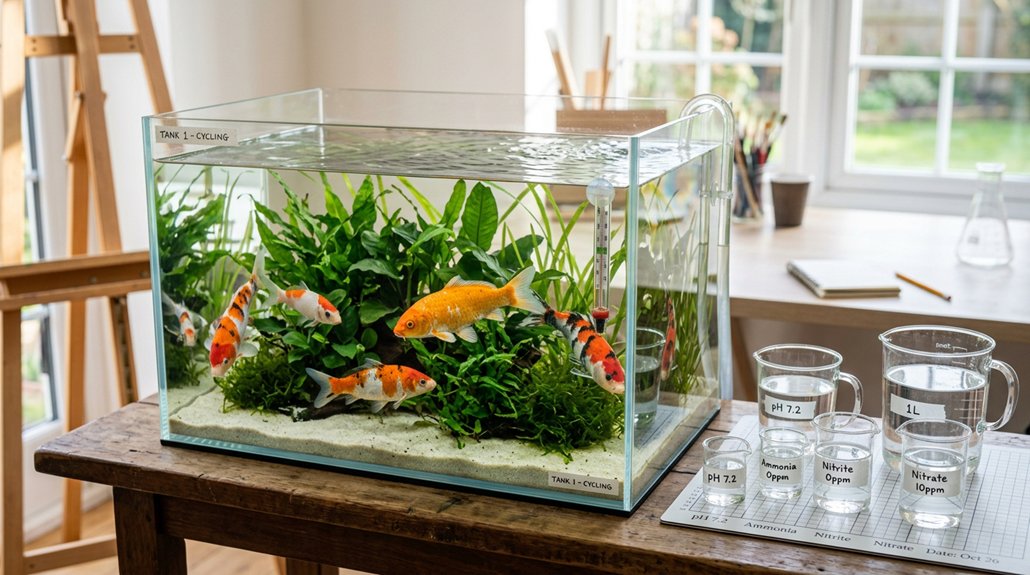
How Long Does It Take to Cycle a Freshwater Tank?
A freshwater tank usually takes 4 to 8 weeks to cycle, because nitrifying bacteria need time to convert ammonia into nitrite and then nitrate. If you start with…
Freshwater Aquariums
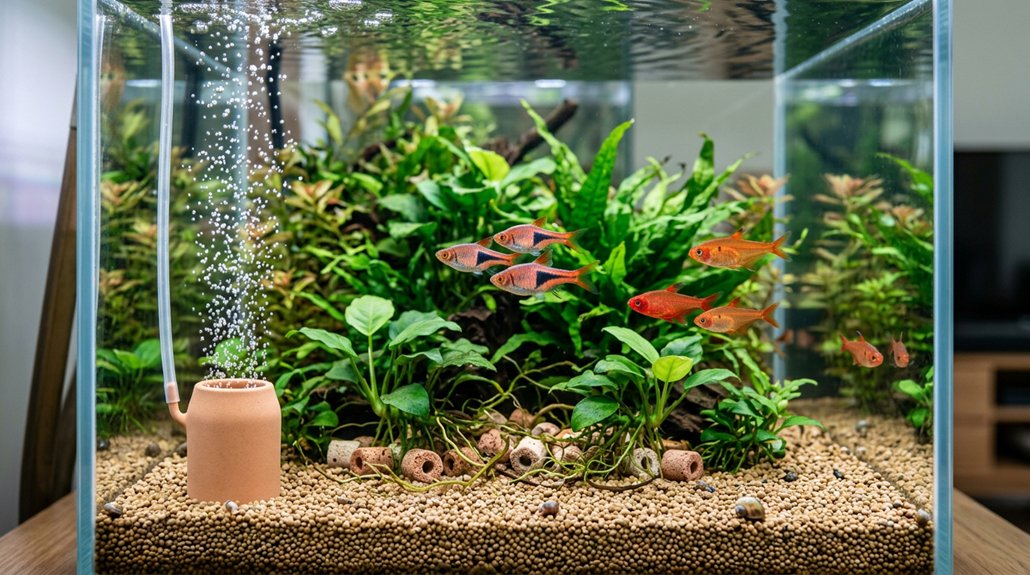
What Is the Nitrogen Cycle in a Fish Tank?
The nitrogen cycle in your fish tank is the biological process that turns toxic ammonia from fish waste, uneaten food, and decay into nitrite, then nitrate. Beneficial nitrifying…
Freshwater Aquariums
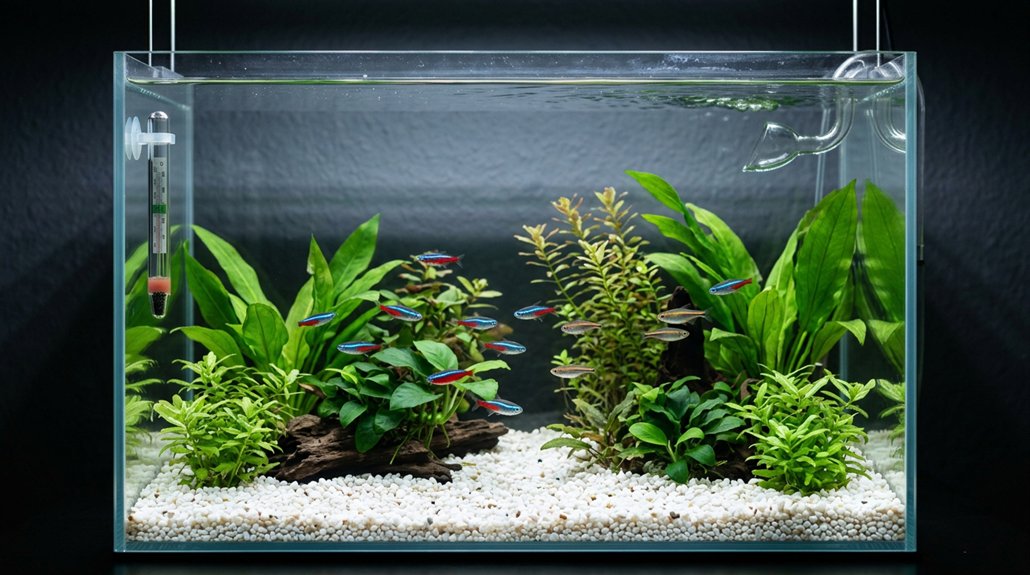
How to Cycle a Freshwater Aquarium Properly
To cycle your freshwater aquarium properly, you should establish nitrifying bacteria that convert ammonia to nitrite, then nitrate. Set up a filtered, heated tank with good oxygenation, dechlorinated…