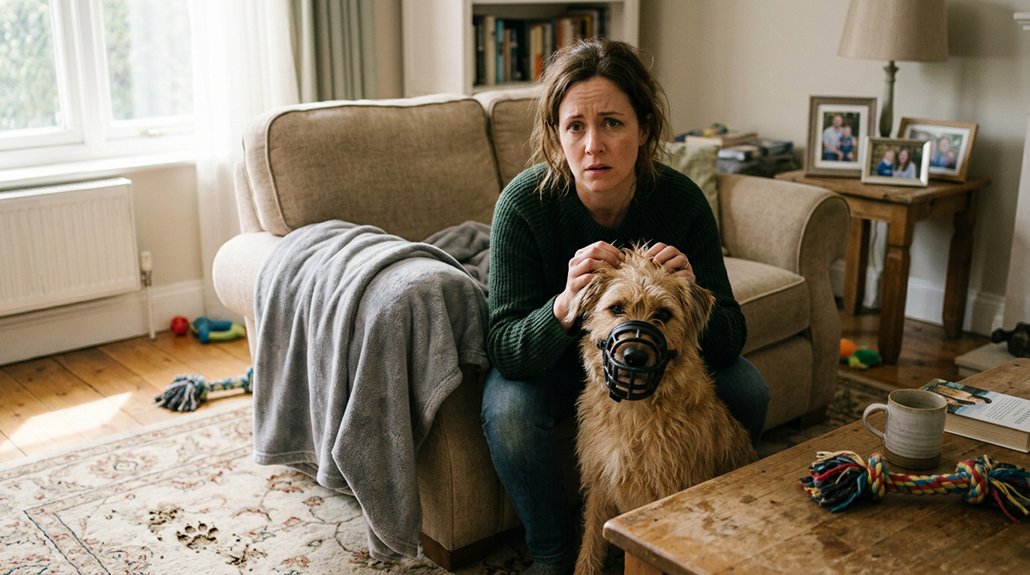
Feeling overwhelmed as a dog owner is normal, especially early on. Start by setting realistic expectations and giving yourself grace. Create routine consistency to provide comfort for both you and your dog. Engage in local dog classes and build a support network for shared experiences and advice. Incorporate mindful activities into your day to maintain balance. Reach out for professional help if needed—it’s a sign of strength. You’re not alone; there’s so much more to uncover.
Key Takeaways
- Recognize the signs of overwhelm and acknowledge them as a normal part of dog ownership.
- Build a support network with fellow dog owners and local resources for shared experiences and practical advice.
- Create a consistent daily routine to provide structure and security for both you and your dog.
- Engage in mental enrichment activities with your dog to manage energy levels and reduce stress.
- Practice self-care and seek professional guidance as needed to maintain balance and get effective strategies.
Signs of Overwhelm in Dog Owners
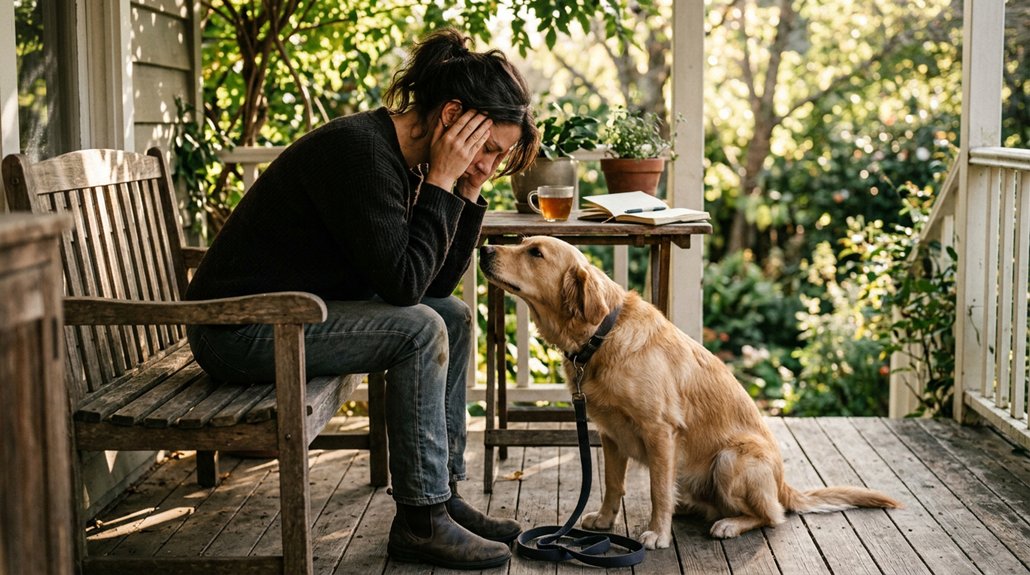
Feeling overwhelmed as a dog owner is more common than you might think. Often, the emotional overwhelm sets in when you’re juggling the need to meet your dog’s physical and emotional needs alongside life’s other demands. It can hit hardest during those initial weeks post-adoption, known as the “puppy blues,” where anxiety and frustration reign supreme. These feelings might be exacerbated if you had unrealistic expectations set by social media. If your dog’s behavior isn’t meeting these high standards, the stress piles up, especially if there are training challenges due to a lack of sufficient guidance or resources. Recognizing these signs is essential—knowing when to seek support can make a world of difference in managing this complex yet rewarding responsibility.
Setting Realistic Expectations for Dog Ownership
Acknowledging the signs of overwhelm is a key step toward easing the burden of dog ownership, but it’s equally important to set yourself up for success by establishing realistic expectations from the start. Realize that adjusting to a new dog takes time. Initially, you might feel frustrated or experience the “puppy blues.” Remember, finding balance involves managing time wisely, especially during the vital first three weeks when you’re bonding and setting routines. Avoid comparing your dog to the idealized versions on social media. Every dog has a unique journey. Celebrate these differences and remind yourself that patience is key. When challenges arise, consider seeking professional guidance and use resources available to enhance your understanding and overall dog ownership experience.
Building and Utilizing Support Networks
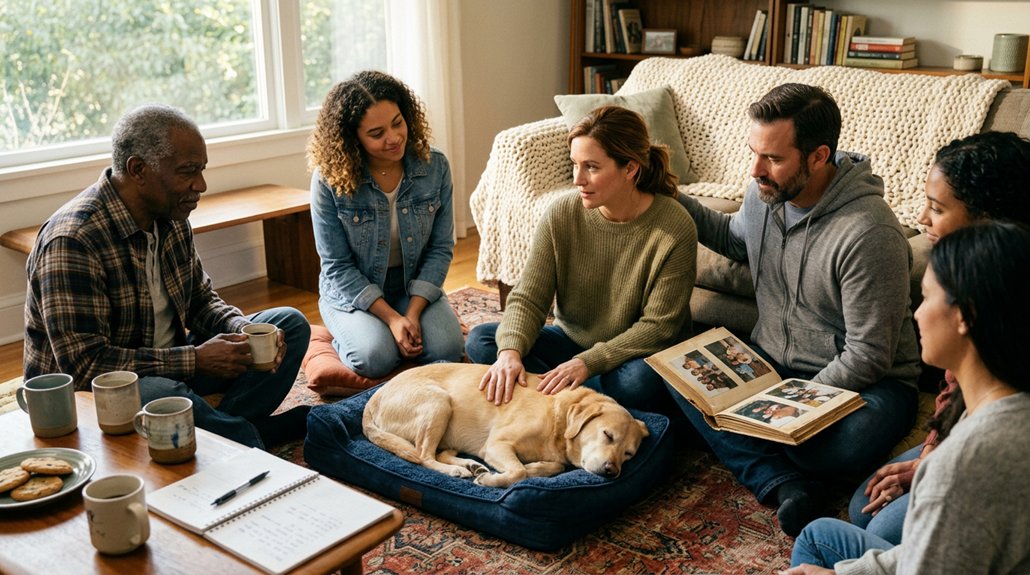
Building a strong support network can be a game-changer when dealing with the challenges of dog ownership. You’re not alone—lean on peer support from fellow pet owners who share your experiences. Seeking help early can prevent feelings of resentment and promote understanding.
| Resource Type | Benefits | Action Steps |
|---|---|---|
| Peer Support | Shared experiences, advice | Join local groups, online forums |
| Community Resources | Educational learning, skill enhancement | Attend workshops, training classes |
| Professionals | Expert insights, tailored solutions | Consult trainers, behaviorists |
Engage with community resources and connect with local dog classes. They’ll provide you with the tools to manage your dog’s behavior positively. Reaching out fosters community ties and equips you with knowledge. Remember, asking for help is not a sign of weakness, but a step towards a harmonious relationship with your dog.
Practical Steps to Reduce Stress for Owners and Dogs
As you nurture a support network to ease the challenges of dog ownership, consider integrating simple yet effective strategies into your routine to further reduce stress. Establishing routine consistency can create a comforting structure for both you and your dog, minimizing anxiety. Engage in daily mental enrichment activities, such as puzzle toys or interactive training sessions, providing your dog with much-needed stimulation while redirecting excess energy. Create a safe space at home—a comfy crate or a dedicated area—where your dog can retreat during overwhelming moments, fostering a sense of security. If communication hurdles arise, seeking professional guidance from a dog trainer or attending classes can be invaluable, strengthening your bond and enhancing mutual understanding.
Tips for Keeping Calm and Balanced as an Owner
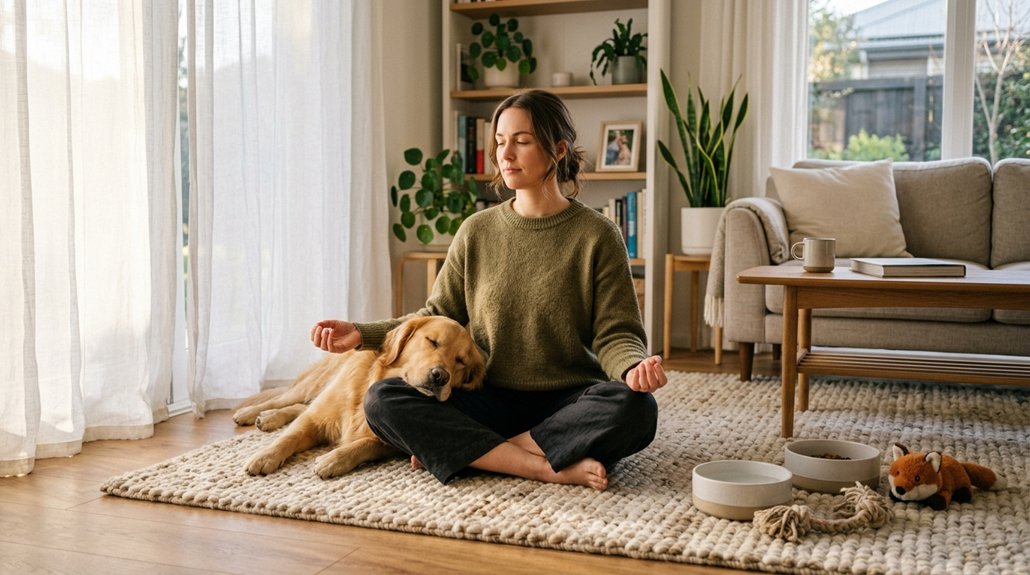
When the challenges of dog ownership start to feel overwhelming, finding ways to maintain calm and balance becomes essential. Integrating mindful moments into your day, such as a quiet morning walk or gentle petting before bed, can soothe both you and your furry friend. Routine adjustments, like consistent feeding and exercise times, provide predictability and reduce stress.
| Strategy | Benefit | Action |
|---|---|---|
| Mindful Moments | Enhances relaxation for both owner and dog | Include quiet time in daily activities |
| Routine Adjustments | Offers security and predictability | Set fixed times for meals and walks |
| Professional Support | Empowers with strategies; reduces isolation | Attend classes or consult with a trainer |
Ensure you’re prioritizing self-care—adequate rest and breaks can rejuvenate your spirit and help you provide the best care for your dog.
Frequently Asked Questions
What Is the 7 7 7 Rule for Dogs?
The 7-7-7 Rule advises that during the first 21 days, you’ll observe dog behavior changes. It’s critical to use training techniques patiently, allowing your dog to adjust, showing empathy and consistent solutions to ease overwhelm.
What Is the 3-3-3 Rule With Dogs?
The 3-3-3 Rule symbolizes your dog’s journey from stranger to family member: three days adjusting to chaos, three weeks settling into routine, three months feeling secure. Remember, patience during this change period in their new environment is essential.
What Is the Hardest Stage of Owning a Dog?
The hardest stage of owning a dog is often during puppy training, facing behavioral challenges like accidents and hyperactivity. You’re not alone; it requires patience, consistency, and routines to navigate these phases effectively. Keep pushing through.
How to Calm Down an Overwhelmed Dog?
Create a serene setting, softly soothing stress triggers. Explore calming techniques like scheduled routines and regular exercise. Consult your vet about supplements. Practice patience through positive reinforcement and play, promoting peaceful, poised behavior that calms your canine’s concerns.
Conclusion
When dog ownership feels like a bit too much, remember you’re not alone in this busy season. Acknowledge those little whispers of unease, and let them guide gentle adjustments in your expectations. Dip into your support pool—friends, trainers, or fellow fur parents—and share your challenges. Tiny adjustments can ease the load, creating harmony for both of you. With mindful choices and a sprinkle of patience, you’ll find the balance that nourishes both heart and home.