
Have you been going back and forth between rabbit photos and dog photos online, unsure which pet actually fits your life?
That kind of indecision makes sense. Both pets bring real companionship, but they ask very different things of your home and your schedule.
Here’s the truth: dog ownership is a long-term commitment that lasts for the dog’s entire life. It takes real dedication and careful planning, especially if you already have a rabbit or other small pet at home.
This article walks you through the questions you need to ask yourself before making this big decision, so you can feel confident and ready either way.
Grab a notebook, and let’s go through them together. I’ll walk you through exactly what to think about, step by step.
Key Takeaways
- Dog ownership demands 1 to 2 hours daily for walks, play, and training, plus $1,500 to $3,000 yearly expenses over 10 to 15 years.
- Match your dog’s energy level to your lifestyle: high-energy breeds need extensive exercise, moderate breeds adapt well, low-energy breeds suit quieter homes.
- Your living space must suit the dog’s size; large breeds need more room than small breeds, affecting comfort and behavioral health.
- Foster a dog first to test compatibility with your family, your rabbit, or any other pets before making a permanent adoption commitment.
- Puppies require intensive training and socialisation, while adult rescue dogs may need patience adjusting to new homes and past trauma.
Do You Have Enough Time to Care for a Dog?

Dogs demand serious time, far more than occasional pet sitting. Puppies especially need constant attention and should never stay alone for more than 4 to 5 hours at a time.
Your daily schedule needs at least 1 to 2 hours for walks, play, and mental stimulation activities. Training sessions, bathroom breaks, and dog toys all need your active participation.
What a Typical Dog Day Looks Like
- 1 to 2 hours of walks, play, or training every day
- No more than 4 to 5 hours alone without a break
- Consistent meal times and bathroom schedules
- A dog walker or doggy day care if you’re away for full work days
If your job keeps you away during the day, arrange for a dog walker or doggy day care to prevent behavioral issues and anxiety. Dogs thrive on routine, so your pup needs predictable meals, exercise, and company.
A Real Family’s Experience With a Rabbit at Home
One family’s experience shows these time realities clearly. After adding a moderate-energy dog to a household that already included an indoor rabbit, they set up a structured 30-minute daily enrichment routine and carefully supervised all interactions.
Within four weeks, they logged an extra 45 minutes of pet care time each day, split between family members. That structured approach prevented stress for their rabbit, which had shown anxiety behaviors twice weekly before the change. Once consistent, short blocks of supervised time became routine, those stress signals disappeared entirely.
How Flexible Is Your Lifestyle?
Your lifestyle flexibility matters a lot when bringing a dog into your home. Spontaneous travel or last-minute vacations get complicated fast, since your dog needs someone reliable to provide care.
Gradual acclimation to being left alone helps your dog adjust, but it takes patience and planning on your part. Puppies and high-energy breeds like Siberian Huskies and Border Collies demand even more engagement than laid-back dogs. Your commitment to daily dog training, mental stimulation, and physical exercise directly shapes whether your dog grows into a well-adjusted companion or struggles with behavior problems.
Before you move forward, be honest with yourself. Can your work schedule, family life, and daily routine really handle these time demands?
Next, let’s look at the financial side of dog ownership and what costs you should expect.
Can You Handle the Costs of Owning a Dog?

Dog ownership costs way more than most people expect, and your wallet feels it starting on day one.
| Cost Category | Details & Breakdown |
|---|---|
| Initial Purchase or Adoption Fees | Adoption fees typically range from $50 to $300. Purchasing from breeders costs significantly more. Equipment essentials like crates, beds, bowls, and leashes add another $200 to $500 upfront. |
| Monthly Food Expenses | Quality dog food runs $30 to $100 per month, depending on breed size and dietary needs. Treats and supplements add extra monthly spending. |
| Grooming & Hygiene | Professional grooming costs $50 to $150 monthly for certain breeds. Bedding replacements, shampoos, and nail care supplies factor into regular expenses. |
| Veterinary Care & Prevention | Annual vaccinations, worming treatments, and routine check-ups typically cost $300 to $500 yearly. These preventive services protect your dog’s long-term health. |
| Emergency Veterinary Bills | Unexpected injuries or illnesses can cost $1,000 to $5,000 or more. Aging dogs require frequent emergency visits. Pet insurance policies start around $20 to $50 monthly and may cover emergency surgeries or operations. |
| Training & Behavioral Services | Professional trainers charge $50 to $150 per session. Behaviorists cost even more for specialized guidance. Dog walkers and daycare services add $15 to $50 daily. |
| Toys, Accessories & Supplies | Toys wear out quickly. Replacement collars, leashes, and accessories cost $20 to $50 monthly. |
| Long-Term Financial Commitment | Total annual dog ownership costs range from $1,500 to $3,000+ for average-sized dogs. Larger breeds or dogs with health conditions cost substantially more. This commitment spans 10 to 15 years of your dog’s life. |
Your financial responsibility goes far beyond the initial adoption fee. Monthly costs for food, grooming, bedding, toys, and treats add up fast, and vaccinations, worming, and regular vet check-ups are costs you can’t skip. According to 2026 industry data from the North American Pet Health Insurance Association (NAPHIA), standard accident-and-illness pet insurance for dogs now averages $30 to $70 a month, depending on your dog’s breed and where you live. Lower-cost sponsorship programs also exist, some starting around $4.34 a month, though they usually cover less than a full policy.
Consider whether your budget can absorb an emergency vet bill of $1,000 to $5,000. A single surgery could strain your finances fast, and ongoing monthly costs usually run past $150 for most households. Over a dog’s lifetime, you’ll likely spend $15,000 to $45,000 or more on care, food, and medical services. This financial reality is what separates casual pet interest from genuine readiness for dog ownership.
Is Your Living Space Suitable for a Dog?
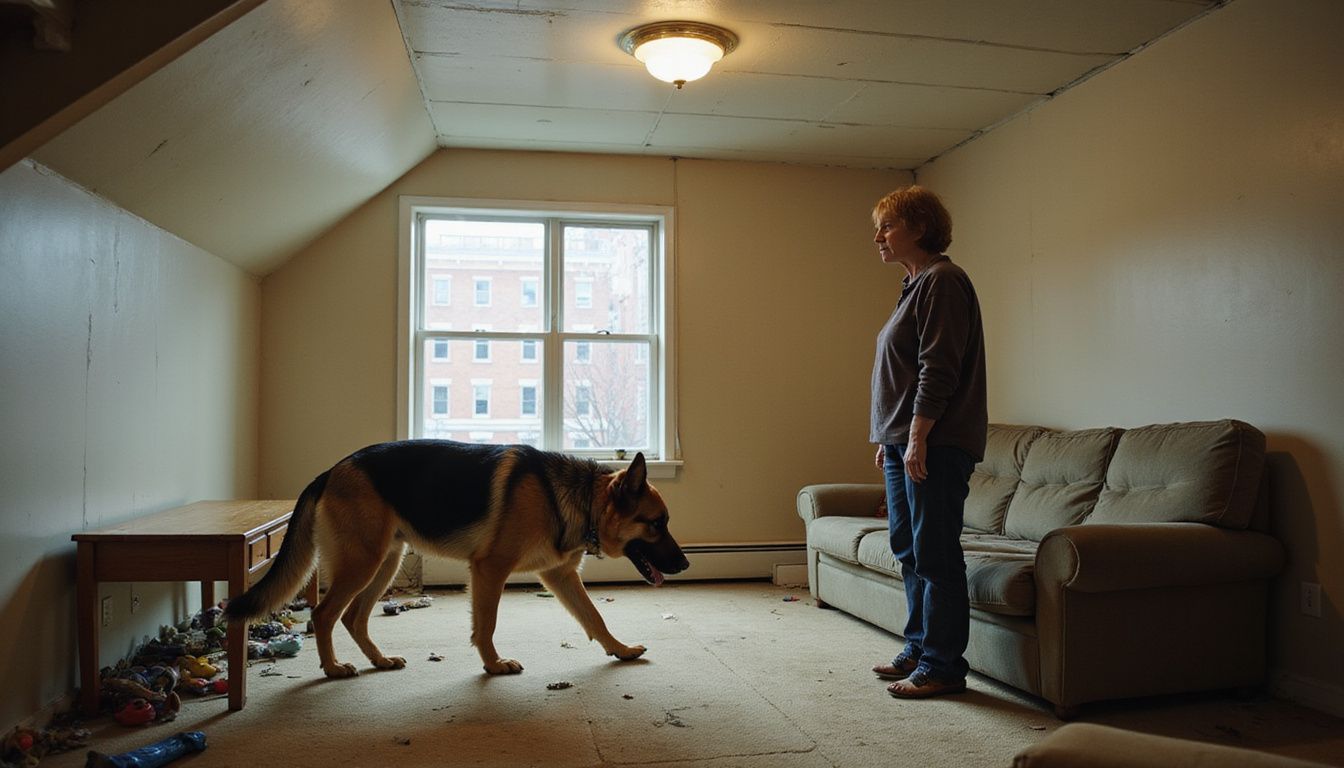
Beyond the financial side of dog ownership, your home itself plays a big role in whether a dog will thrive there. Your living space directly shapes which breeds work best for your family, so think hard about what you actually have available.
Apartments suit small breeds like pugs well, while larger breeds such as Labrador Retrievers and German Shepherds need more room to move around. If you rent, you must get written permission from your landlord before bringing a dog home. This step protects you and prevents housing headaches down the road.
Based on 2025 U.S. rental market data from RentCafe, the average apartment pet deposit runs around $300, with monthly pet rent adding about $36 on top. Many landlords also flat out ban breeds like Pit Bulls, Rottweilers, Dobermans, and German Shepherds because of property insurance rules.
Breeds Landlords Often Restrict
- Pit Bulls
- Rottweilers
- Dobermans
- German Shepherds
Households with multiple floors can pose challenges for dogs, especially older or larger breeds that struggle with stairs. Think about whether your home has a garden or outdoor space for your dog to burn off energy.
A quiet retreat area in the home matters too, giving your dog a safe spot to rest and decompress from family activity.
Planning for the Years Ahead
Your future housing plans matter as much as your current space. Having a dog may complicate future housing searches or rental agreements, so think about whether you plan to move soon or stay put for years.
Larger breeds need more square footage than smaller ones, plain and simple. A high-energy German Shepherd would struggle in a cramped third-floor apartment with no yard, but a calmer pug might fit that space just fine.
The right dog for your home is the one that fits your life, not the life you imagine having someday.
Talk to rescue organizations and shelters about which breeds match your actual living situation, not the dog you wish you had. They can guide you toward rescue dogs that align with your home’s real layout and limits.
What Size Dog Suits Your Family Best?
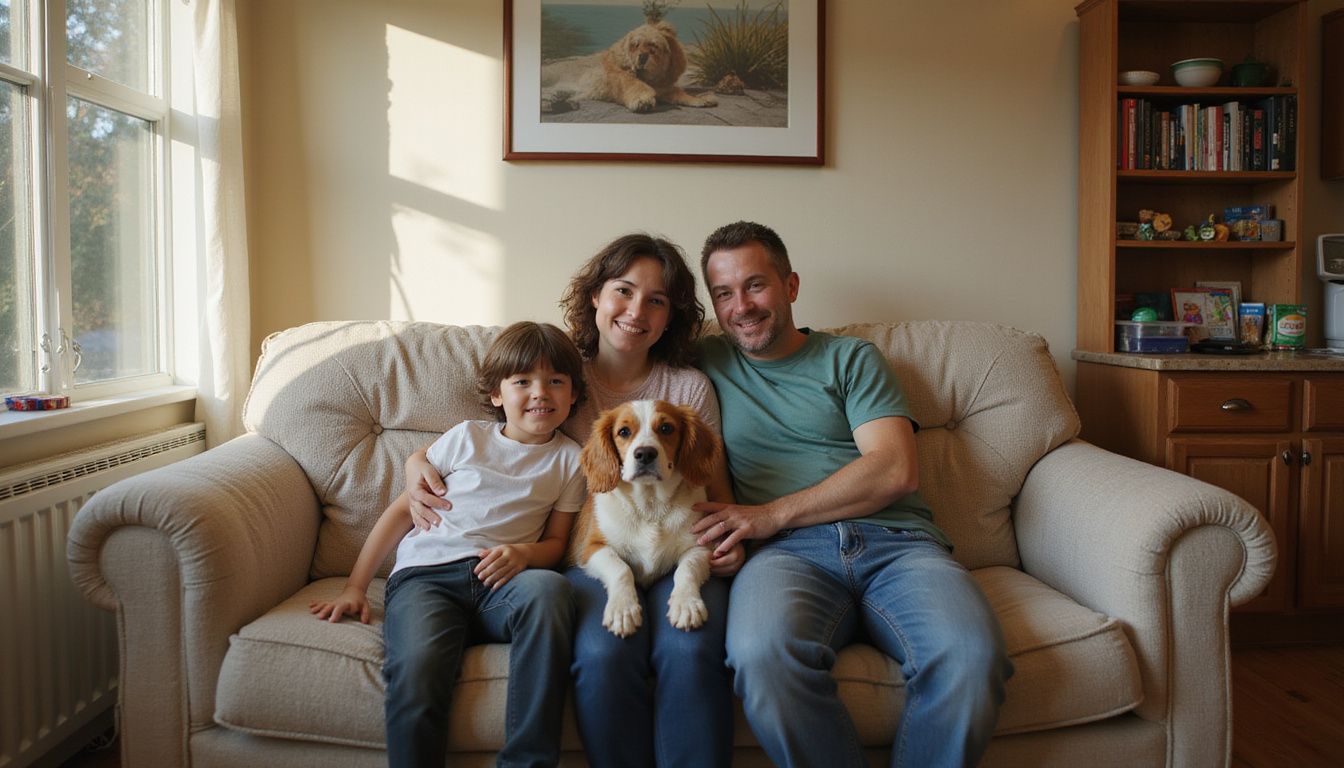
Your living situation and family setup should guide your size decision. Small breeds fit better in apartments and tight spaces, making them a good pick if you live in a smaller home.
Large breeds, those over 40 centimeters in height or 20 kilograms in weight, need more room to move around comfortably. They also eat more and take up more physical space than their smaller counterparts.
Small Dog vs. Large Dog: A Quick Comparison
| Factor | Small Breeds | Large Breeds (40+ cm / 20+ kg) |
|---|---|---|
| Living Space | Comfortable in apartments and small homes | Need yards or larger square footage |
| Air Travel | Often allowed as hand luggage | Usually require cargo hold transport |
| Food & Equipment Costs | Lower monthly spending | Climb significantly with size |
| Best For | Young children, quieter homes, smaller spaces | Active families with outdoor space and time |
Some regions also require owners of large dogs to meet extra legal requirements, like getting a certificate of competence. Think honestly about your family dynamics and whether you can handle these added demands before committing.
Your children’s ages and your activity level should shape this choice too. Small breeds often work better for families with young children, since they’re less likely to get accidentally knocked over during play.
Large dogs bring more energy and strength to the table, so they suit active families who enjoy outdoor adventures. Greyhounds and other high-energy breeds need lots of exercise, while calmer dogs adapt well to quieter homes.
Talk with professionals at Pet Harmony Animal Behavior and Training, or your veterinarian at a local clinic, about which size matches your family’s rhythm. Your dog adoption journey goes smoother when you pick a size that fits your actual lifestyle, not the one you wish you had.
Matching a Dog to Your Lifestyle and Energy Level

Your lifestyle shapes which dog fits your family best. A high-energy Border Collie won’t thrive with a couch-potato owner, just as a calm Basset Hound will struggle with someone training for marathons.
A cautionary example shows what happens when energy levels don’t match household needs. In one case, a ten-month-old dog with a high play drive joined a home that included a rabbit. Over six weeks, four supervised sessions escalated to lunging attempts despite standard safety precautions.
The family added crate barriers and sought professional training after the third week, but the young dog’s intensity never dropped. Eventually, the dog needed placement in a rabbit-free home where its energy could be channeled properly. The mismatch came down to youthful vigor, thin early separation protocols, and limited access to specialized training. High-energy adolescent dogs often need intensive, ongoing management and may not suit homes with prey species, no matter how careful the introductions.
How Active Should Your Dog Be?

Matching a dog’s activity level to your lifestyle makes all the difference in pet parenting. High-energy breeds such as Border Collies, Siberian Huskies, and Dalmatians need daily physical activity and mental stimulation to stay happy and well-behaved, or they’ll find trouble on their own.
Moderate-energy breeds like Labrador Retrievers, Beagles, and Pembroke Welsh Corgis fit nicely into most households, needing 30 to 60 minutes of daily activity. Low-energy breeds such as Cavalier King Charles Spaniels, Greyhounds, and Basset Hounds suit less active owners perfectly, enjoying short walks and couch time.
Signs Your Dog Isn’t Getting Enough Exercise
- Chewing furniture or other destructive habits
- Restlessness or pacing indoors
- Excessive barking or whining
- Digging or escape attempts in the yard
Think honestly about how much time you can dedicate to dog companionship and exercise. If you work long hours or prefer quiet weekends at home, a low-energy breed fits your life better than a Border Collie would. Resources like Chagrin Falls Veterinary Center & Pet Clinic can help you understand what specific breeds actually require.
Talk to shelters and foster dog programs about a dog’s energy level before adopting. Socialisation and proper dog health checks matter too, whether you adopt a vaccinated and wormed dog or bring home a puppy. Matching energy levels prevents frustration and keeps both you and your dog satisfied for years.
What Energy Levels Fit Different Dog Breeds?

Energy levels matter more than you might think when picking a dog breed, especially if you’re weighing a dog against a rabbit or another calmer pet for your family.
| Energy Category | Breed Examples | Daily Activity Needs | Best For Your Family If… |
|---|---|---|---|
| High-Energy Breeds | Border Collies, Siberian Huskies, Dalmatians | Need substantial daily exercise; require both physical and mental stimulation; thrive with multiple outdoor activities | Active families with time for extensive play, training, and outdoor adventures; households with older kids who can handle a spirited companion |
| Moderate-Energy Breeds | Labrador Retrievers, Beagles, Pembroke Welsh Corgis | Balance play sessions with relaxation time; need consistent but manageable exercise; enjoy interaction and mental challenges | Families with varied activity levels; households juggling work and family commitments; those wanting a friendly, adaptable dog |
| Low-Energy Breeds | Cavalier King Charles Spaniels, Greyhounds, Basset Hounds | Prefer shorter walks and indoor time; content with gentle play; suited for calmer routines | Busy families with limited exercise time; households with young children or elderly members; apartments or smaller living spaces |
Mismatching energy levels creates real problems. A high-energy dog stuck indoors all day builds up behavioral issues, destructive habits, and frustration fast. Your Border Collie won’t sit quietly, it’ll chew furniture and dig holes instead. A low-energy breed paired with an ultra-athletic family, on the other hand, becomes anxious and withdrawn.
Quick Self-Check: How Much Time Do You Really Have?
- Track the hours you spend at work and commuting each week
- Count how many evenings go to practices, dinners, or other commitments
- Calculate your typical weekend availability for outdoor time
- Be honest about which energy level actually fits that picture
Moderate-energy breeds often work best for families with unpredictable schedules. Labrador Retrievers handle both scenarios gracefully, joining your hiking trip on Saturday, then napping through your chores on Sunday. Children’s ages matter here too: younger kids do better with moderate or high-energy breeds that bounce back from rough play, while toddlers usually need calmer, low-energy companions.
Your neighborhood plays a role as well. Urban apartments work better with low-energy dogs, suburban homes with yards suit moderate breeds, and rural properties with acreage handle high-energy pups comfortably. Physical exercise alone doesn’t cut it either. Border Collies need puzzle toys and training sessions alongside their runs, or they’ll invent their own mischief.
Getting this piece right prevents shelter returns and keeps tails wagging for years.
Your next step is thinking through a dog’s temperament and age, two factors that matter just as much as energy level for finding your perfect match.
Are You Ready for Long-Term Dog Ownership?

Dog ownership demands a lifelong commitment that stretches far beyond the puppy stage. According to a 2026 veterinary longevity analysis by Forbes Advisor, small dogs under 20 pounds live an average of 10 to 15 years, while giant breeds over 100 pounds typically only live 8 to 10 years.
Either way, your furry friend will be part of your family through major life changes.
Life Changes That Test Your Commitment
- Starting a family or having a new baby
- Relocating for a job or a new city
- Financial shifts, like job loss or income changes
- Illness or family emergencies
You have to be willing to provide steady care through every one of these seasons. Integrating a dog as a permanent family member takes honest reflection about your future.
Dogs should never be given as temporary gifts or acquired on impulse.
The animal welfare act and responsible adoption practices both stress that dogs need stable, committed homes. Daily care, training, and companionship form the backbone of responsible dog ownership. Dogs need walks, meals, vet visits, and emotional support every single day.
Life’s unpredictable moments test your commitment too. Planning for a stable future reduces the risk of having to rehome a dog later, which causes real trauma to the animal.
Adopting a dog means accepting that this creature depends entirely on your choices. That responsibility never stops, through good times and hard times alike.
Will the Dog Get Along With Your Kids and Pets?

Your family dynamics shape whether a dog will thrive in your home. This matters just as much for two-legged family members as it does for any other pets already living there.
Keeping Kids and Dogs Safe Together
Kids need constant supervision during all interactions with dogs, so adult eyes must stay on the action at all times. Teaching children safe dog interactions builds a positive bond and keeps everyone protected. Free workshops exist in many communities to help families learn about managing the relationship between kids and dogs, and your children will benefit from spotting warning signs before problems start.
Introducing a Dog to Your Rabbit or Other Pets
Introducing a new dog to existing pets takes careful planning, especially if you own cats or a rabbit. Not all dogs get along with all cats, so proper introductions matter for success. Your rabbit needs protection from a dog’s prey drive, so you have to weigh this factor seriously before adopting.
Real-world observations from foster placements reveal typical patterns when testing dog-rabbit compatibility. In a series of supervised foster trials with medium-size mixed-breed dogs living temporarily with indoor rabbits, results varied quite a bit from dog to dog.
- About 7 out of 12 dogs showed calm curiosity during controlled interactions
- 3 displayed strong prey interest and needed separate living areas entirely
- 2 needed targeted behavior modification before safe introductions were possible
- Most successful dogs settled down when encounters stayed short with clear escape routes for the rabbit
A small number of dogs kept showing chase behaviors no matter how much training went into it. These patterns show why supervised introductions and an honest assessment matter so much before you commit to adoption.
Talk with shelter staff about a dog’s temperament and past interactions with smaller animals. Organizations like Homeward Bound and the Pedigree Adoption Hub connect families with dogs that match their existing pet situations. Existing pets’ acceptance of a new dog may affect your choice to adopt, and that’s completely okay.
You might foster a dog first through a rescue organization to test whether your household works well together. This trial period lets you observe dog behavior in real conditions without a permanent commitment.
Considering a Dog’s Temperament and Age

A dog’s age shapes everything about the journey ahead, from training demands to medical expenses. Puppies need real time for training and socialisation during their sensitive early development, which means sleepless nights and constant supervision.
What to Expect at Each Life Stage
| Age Group | Time & Training Needs | Health Considerations |
|---|---|---|
| Puppy | Intensive training, socialisation, constant supervision | Vaccinations, worming, early vet checks |
| Adult | Calmer routines, ongoing exercise and mental stimulation | Routine care, monitoring for breed-specific issues |
| Senior | Gentler activity, patience with slower pace | Joint pain, cognitive decline, more frequent vet visits |
Some rescue dogs carry unknown backgrounds or past trauma, needing patience as they adjust to their new home. These dogs might show fear, anxiety, or shyness during the transition, so a calm environment helps them heal, and professional help becomes necessary when behavioral challenges stem from past neglect or mistreatment.
Social breeds like Golden Retrievers offer friendly companionship, while German Shepherds may serve as protective guard dogs. Each breed carries different temperament traits that either match or clash with your family dynamics.
Adopting a puppy means committing to months of intensive work before you see results. Adult rescues sometimes arrive with behavior issues that need professional training, and older dogs need extra attention to health problems, though they often repay that care with deep gratitude.
Before signing a contract of sale or adoption agreement, research the dog’s background thoroughly. Ask shelters and rescue organizations about the dog’s personality, medical history, and any inherited conditions. According to 2026 veterinary research data, mixed-breed dogs actually outlive similarly sized purebreds by an average of 1.2 years, since inheriting a wider variety of genes lowers their risk of breed-specific genetic disorders.
Microchipped dogs offer safety advantages, giving you peace of mind about identification. Talk with adoption counselors about the dog’s energy level, social skills, and how it interacts with children and other pets. This groundwork determines whether fostering first makes sense before you make a permanent commitment.
Should You Foster or Adopt a Dog First?
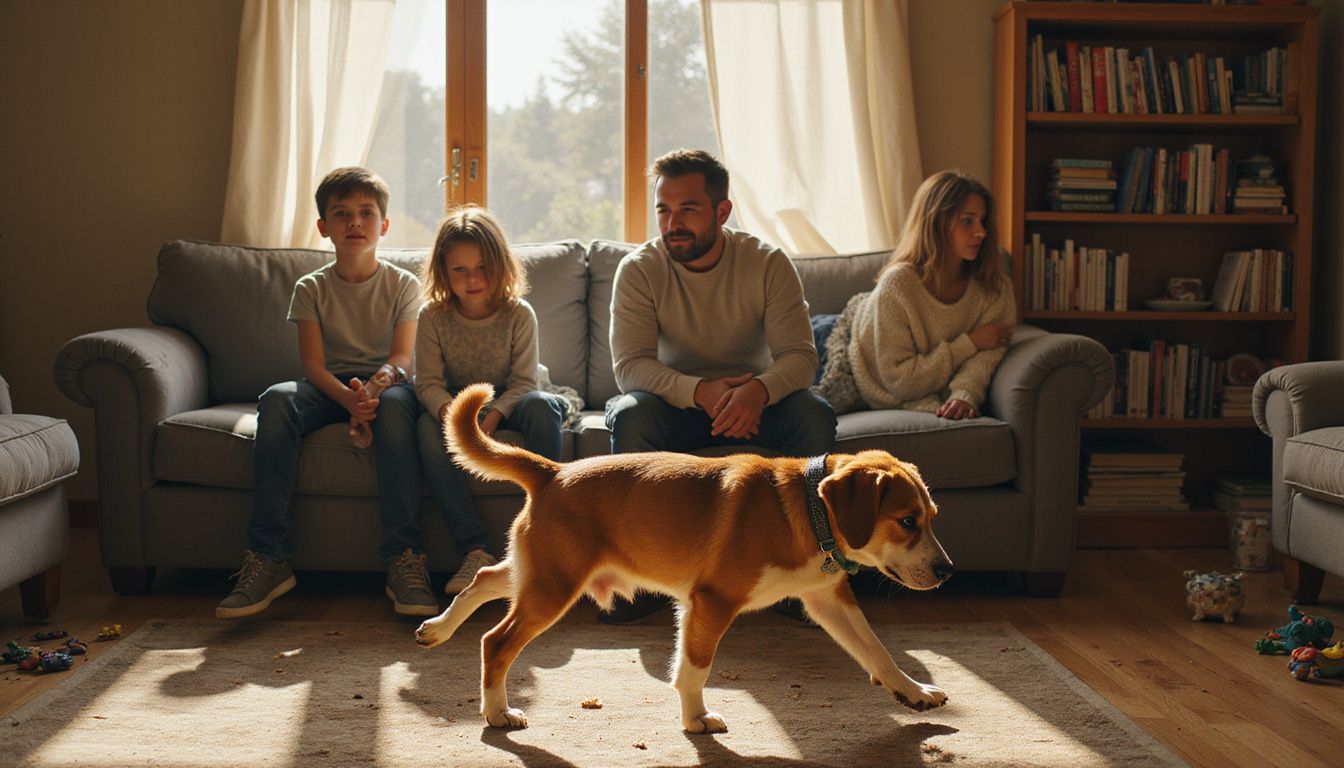
Fostering gives you a trial run before making a permanent commitment to dog ownership. This temporary arrangement lets you test compatibility with your family and existing pets while helping a rescue dog find stability. A 2026 study conducted by Virginia Tech and Arizona State University found that spending just one week in a foster home dramatically lowers a shelter dog’s stress levels and significantly improves its chances of a permanent adoption.
What You’ll Learn About Your Family
- Whether you have the time and energy for daily care without the pressure of permanent adoption
- How the dog interacts with your kids and other pets in real, everyday situations
- Whether your household’s patience and routines work with this particular dog
- Honest personality traits a shelter visit would never reveal
What Fostering Does for the Dog
- Gives rescue dogs socialisation and training they may have lacked before
- Builds trust gradually through positive reinforcement
- Improves the dog’s odds of a successful, permanent adoption
- Lets you move smoothly into foster-to-adopt once you know the dog fits
Why It’s Worth Trying
- Most rescue organizations offer free behavioral advice by phone for the dog’s lifetime
- Fostering costs nothing through most organizations, including networks like Talent Hounds
- Your observations guide whether long-term adoption actually makes sense for your family
Some rescue organizations use a staged protocol when assessing a dog’s fit for homes with small pets like rabbits. The process usually starts with a three-day neutral-site meeting, followed by a five-day supervised home visit with the rabbit kept in a separate space. Daily ten-minute monitored interactions come next, paired with a two-week behavior log tracking every detail.
A professional trainer conducts a risk assessment around day ten, and the family makes their final call at the three-week mark. Most dogs that complete this careful progression go on to a successful permanent adoption, while incompatible matches get identified early enough to spare both animals unnecessary trauma.
Now that you understand fostering’s value, learning how to research and pick the right dog breed or mix becomes your next step.
How to Research and Pick the Right Dog Breed or Mix

You need to research breed traits thoroughly before bringing a dog home. Good research saves you heartache and helps you find your perfect match.
Do Your Homework on Breed Traits
- Study breed-specific traits so you can prepare for training challenges and behavioral quirks
- Check health records, including the inbreeding coefficient, which shows genetic diversity and helps you dodge inherited health problems
- Consider grooming demands, since breeds like Shih Tzus need frequent grooming while others stay low-maintenance
- Compare age groups, puppy versus young versus senior, since each affects your time and training needs differently
Get Real-World Input
- Visit shelter staff at local rescues and ask for recommendations suited to your experience level; beginners often do better with easier breeds
- Volunteer at animal organizations to learn about different breeds through direct, hands-on experience
- Talk to current owners of breeds you’re considering; they’ll share honest details about daily life that websites won’t tell you
Check the Legal and Practical Details
- Research legal requirements in your area, since some locations require certificates for large or categorized dogs
- Look for breeds known for compatibility with kids and other pets, then plan proper supervision from day one
- Explore resources like Chewy’s breed guides and educational materials from experts like Carol Osborne and Allie Bender to understand nutritional and enrichment needs
Your homework done, you’re ready to explore whether fostering or adopting makes sense for your family’s situation.
Conclusion
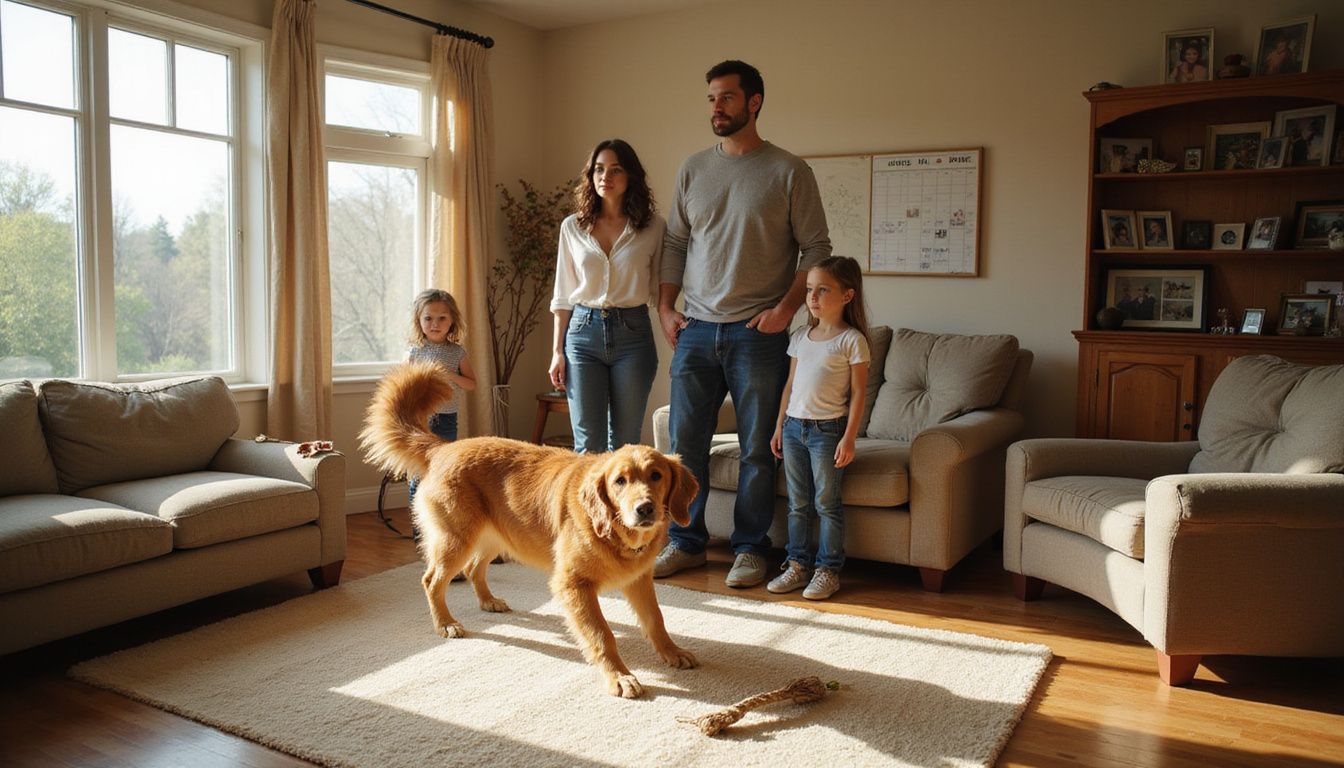
Getting a dog is a big decision, not a quick fix for boredom or a spontaneous purchase you’ll regret later.
Throughout this article, you’ve learned that successful dog ownership starts with honest questions about your time, money, space, and lifestyle.
Spend time with a friend’s dog first, research breeds that match your energy level, and think hard about the next 10 to 15 years of your life. Whether you end up with a dog, a rabbit, or both, taking these practical steps now saves heartache later and sets your family up for real success.
Start asking yourself these questions today, because the right dog is waiting for a family that’s truly ready.
FAQs
1. What should I think about before getting a dog?
Think about your daily routine first. Dogs need walks, playtime, and training. Animal behaviorist Allie Bender says matching a dog’s energy level to your lifestyle matters more than picking a cute face.
2. How much time do I need for a new dog?
Puppies typically need 2 to 3 hours of active attention each day during their first few months. Even adult dogs need at least one or two walks daily plus playtime to stay happy.
3. Should I get a puppy or an adult dog?
It depends on your family. Puppies take more work but grow up with your kids. Many shelter dogs in the US are already housetrained and settle in faster.
4. What if my dog does not fit our family well?
Talk to a certified trainer or behaviorist right away. Allie Bender often reminds pet owners that most behavioral issues can be resolved within a few weeks with proper guidance.