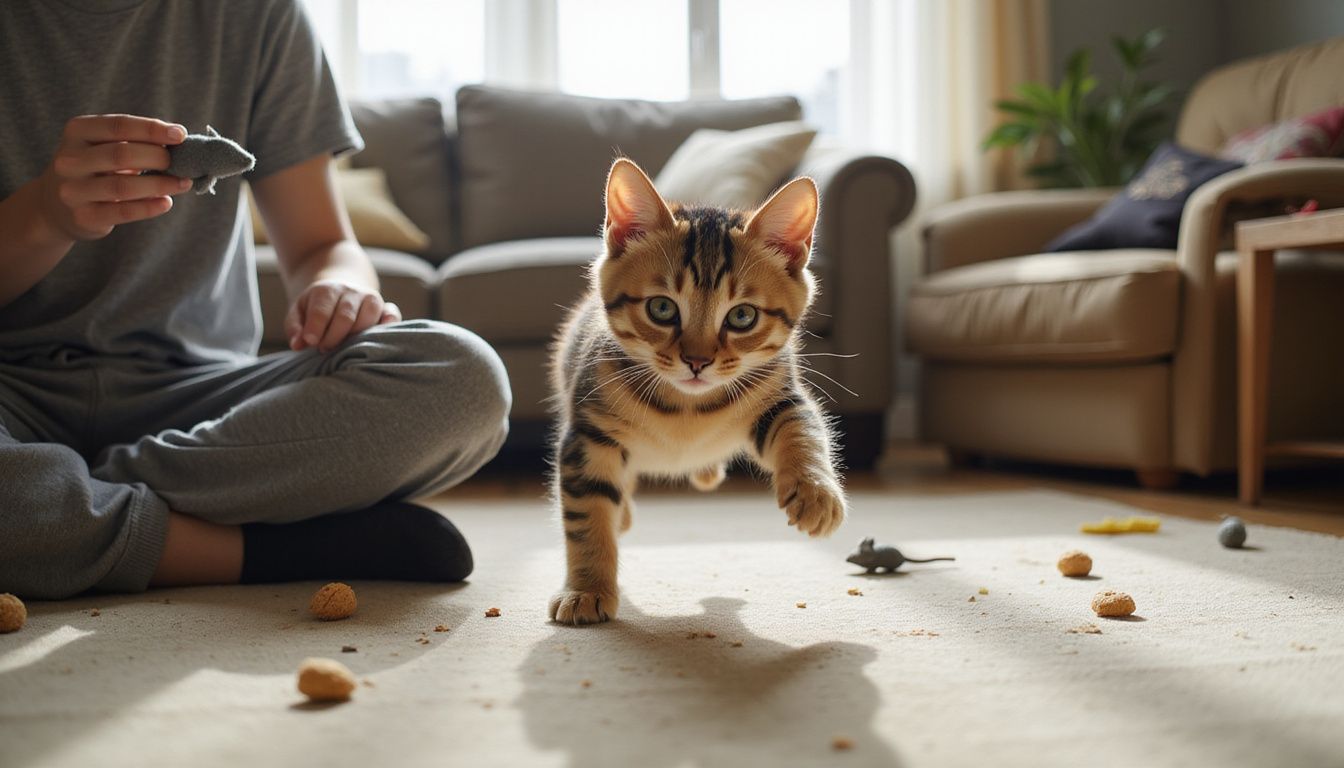
Thinking about bringing a kitten home? Here’s something you should know before you fall for those big kitten eyes.
Those tiny teeth and claws come out fast during playtime. One second you’re wiggling your fingers for fun, the next you’re pulling your hand back wondering if something’s wrong with your new furball.
Here’s the good news. Kittens naturally play rough because it mimics their hunting instincts, and this behavior starts as early as a few weeks old. It’s not a red flag. It’s just kitten development doing its thing.
I’ve found that the real secret to raising a gentle, well-mannered cat isn’t luck. It’s building a daily routine that gives your kitten’s energy somewhere good to go.
I’m going to walk you through exactly how to set that routine up, plus the simple tricks that stop play-biting before it turns into a habit. Grab a cup of coffee, and let’s get your future kitten (or the one already tearing up your couch) on the right track.
Key Takeaways
- Kittens need 16 to 20 hours of sleep daily for healthy development, and inadequate rest triggers excessive biting and rough play behavior.
- Feed kittens under three months old three to four times daily, aged three to six months three times daily, and six months and older twice daily.
- Schedule two to three 15-minute play sessions daily using interactive toys like fishing pole wands to redirect hunting instincts away from human hands and feet.
- Walk away immediately when your kitten bites during play, use a high-pitched “ouch” sound, and reward gentle behavior with treats to teach bite control.
- Consult a veterinarian or animal behaviorist if your kitten’s biting persists despite consistent training, shows escalating intensity, or causes injury that doesn’t heal properly.
Understanding Kitten Play-Biting
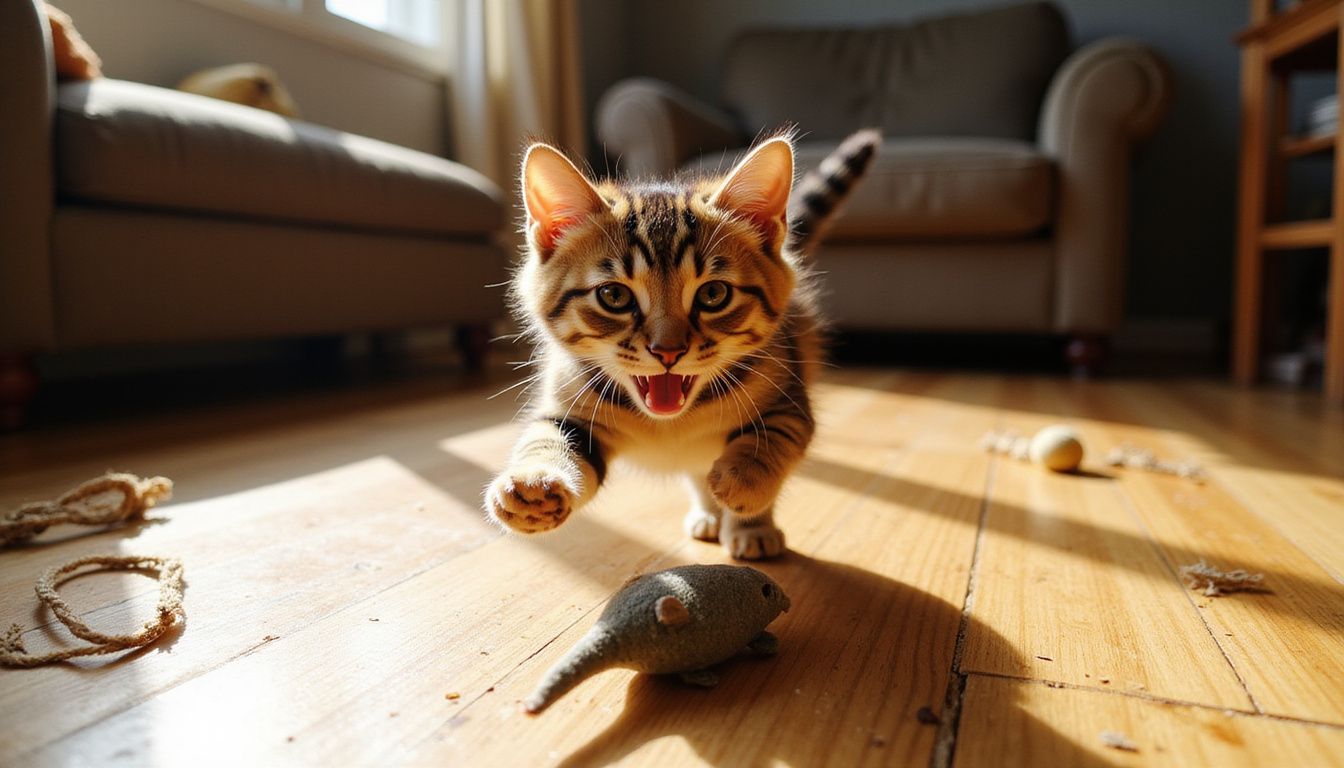
Those teeth and claws feel sharp against your skin, but rough play serves a real purpose for a growing kitten. Biting and pouncing help your kitten practice hunting behaviors, build bite inhibition, and burn off pent-up energy.
This isn’t aggression. It’s how kittens learn about the world around them.
How can I tell if my kitten is play-biting or teething?
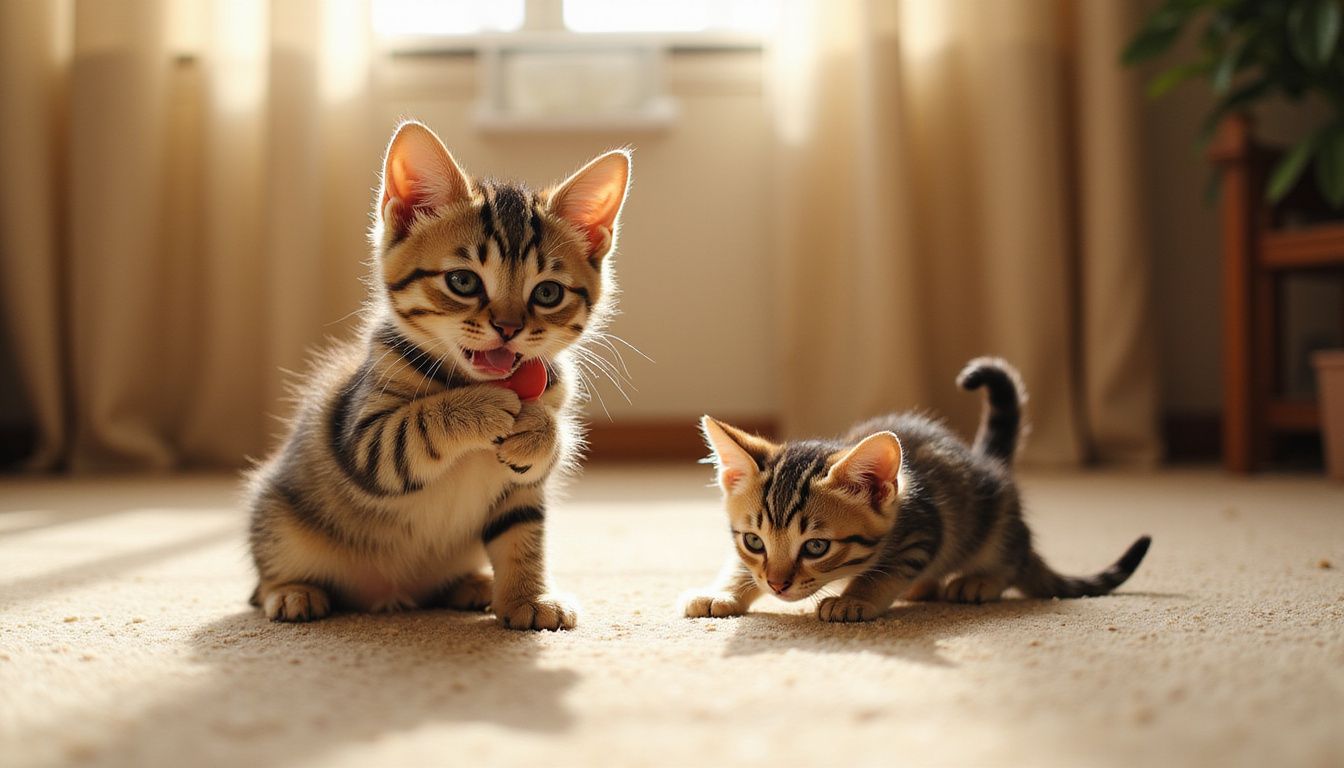
Teething usually happens between 2 and 6 months of age, and it drives very different biting behavior than play aggression. Between 3 and 6 months specifically, your kitten loses its baby teeth as permanent adult teeth push through the gums. According to a 2026 veterinary guide by Sovelivee, this shift often triggers excessive drooling and an obsessive need to chew on anything nearby.
During this phase, your kitten chews on objects because gums hurt, not because they want to hunt or wrestle with you.
Teething-related biting feels more persistent and focused on chewing toys or your fingers. Play-biting, on the other hand, involves pouncing, chasing, and mock-fighting with quick, excited movements.
Quick Signs Comparison
| Sign | Teething | Play-Biting |
|---|---|---|
| Drooling | Common | Rare |
| Body posture | Uncomfortable, paws at mouth | Crouched, tail twitching |
| Focus | Chewing toys or fingers | Stalking, pouncing on hands |
| Eyes | Normal | Dilated pupils |
If your kitten gnaws constantly on soft, rubbery teething toys and seems to find relief, teething is likely the culprit. Play-biters bounce around with energy, stalk your hands, and bite as part of their natural prey drive.
Offering soft chew toys made for kittens eases teething discomfort. Interactive toys like wand toys or fishing pole-type toys redirect play-biting into appropriate outlets instead.
The mouth of a kitten tells you everything you need to know about what they need from you.
Understanding this difference shapes how you respond and what solutions work best for your growing kitten.
What triggers cause my kitten to play roughly?
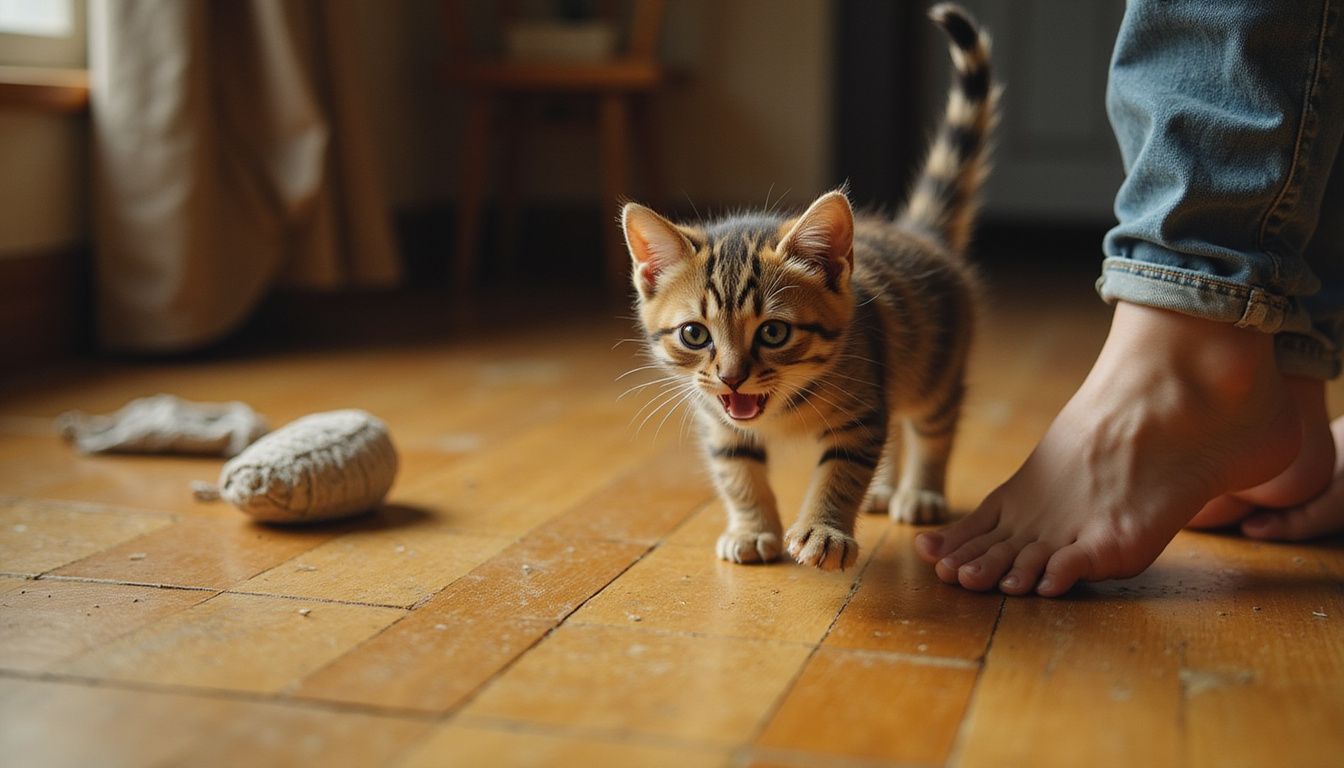
Now that you know the difference between play-biting and teething, you can spot what actually makes your kitten rough up during playtime. A few factors spark this rowdy behavior, and understanding them helps you manage it better.
Your kitten’s play style depends heavily on early socialization and how well they learned from littermates. Kittens separated too early from siblings may never learn to retract claws or moderate bite force during play.
As noted in a 2025 feline behavior report by Meowant, so-called “singleton kittens,” those raised without littermates, often miss out on learning bite inhibition entirely. These kittens can become explosively “bitey” around five months of age if you don’t step in early with clear boundaries.
Without that natural sibling feedback, your kitten doesn’t know when playtime crosses into actual aggression. That’s why human consistency matters so much when a kitten never had brothers or sisters to teach them the rules.
Common Triggers Behind Rough Play
- Mixed signals from household members (one person allows hand-play, another doesn’t)
- Not enough scheduled play to burn off energy
- Using hands or feet as toys, which teaches kittens that skin is fair game
- Boredom from a lack of interactive toys or engaging playtime
One household tracked this confusion over ten days when three family members responded differently to biting. The kitten increased spontaneous hand-targeting by 60 percent during that period.
After everyone agreed on a single response plan, using the same verbal cue and immediate timeout, incidents dropped by 50 percent within one week. “Once everyone used the same ‘ouch’ and immediate time out, the confusion stopped and the kitten learned faster,” recalled a homeowner who implemented the unified approach.
This shows just how critical household-wide consistency becomes in stopping unwanted biting patterns.
Rough play also erupts when play sessions don’t meet your kitten’s energy needs. A kitten bursting with pent-up energy turns into a tiny tornado, biting and pouncing at anything nearby.
Using hands or feet as play items mistakenly signals to kittens that these are acceptable targets, so avoid this trap entirely. Once your kitten thinks your ankle is a toy, breaking that habit takes real work.
Setting a Daily Routine for Your Kitten

Your kitten thrives when you build structure into each day. Mixing feeding times, play sessions, and rest periods into a steady rhythm works for both of you.
A solid daily routine gives your kitten the stability she needs to grow into a calm, well-adjusted cat. It makes your life easier too.
When should I feed my kitten each day?

Feeding schedules shape your kitten’s entire day and support their emotional well-being. Timing meals right after play sessions helps your kitten shift from active mode into calm mode.
- Feed kittens under three months old three to four times daily, spacing meals about four to six hours apart. This frequent feeding supports their rapid growth and energy needs.
- Kittens aged three to six months do well on three meals per day, roughly eight hours apart. This schedule keeps energy levels steady throughout their waking hours.
- Kittens six months and older can shift to two meals daily, typically morning and evening. This pattern matches adult feeding routines and supports consistent training.
- Schedule feeding sessions after active play to help your kitten wind down naturally. This follows their instinctive pattern of playing, eating, grooming, then sleeping.
- Avoid feeding right before playtime, since full stomachs can make kittens sluggish or uncomfortable. Wait at least thirty minutes after meals before starting intense play.
- Place food bowls in a quiet spot away from litter boxes and water dishes. Kittens develop better eating habits in calm, clean environments.
- Stick to the same feeding times each day without skipping or shifting the schedule. Consistent timing helps regulate your kitten’s rhythm and prevents overstimulation.
- Monitor portion sizes based on your kitten’s age, weight, and activity level. Brown Veterinary Hospital or your local veterinarians can give you feeding guidelines built around your kitten’s needs.
How do I schedule effective play sessions with my kitten?

Your kitten’s feeding schedule sets the foundation for their day, and play sessions build right on top of it. Timing your interactive play correctly prevents unwanted pouncing and channels your kitten’s hunting instincts productively.
- Schedule 2 to 3 play sessions daily for young kittens, each lasting around 15 minutes. This frequency matches their energy levels and keeps behavioral issues at bay.
- Plan play sessions before your kitten starts play on their own. This stops surprise attacks and gives you control over the interaction.
- Use interactive toys like fishing pole-type toys with feathers or wand toys during scheduled sessions. These mimic prey behavior and engage your kitten’s hunting instincts.
- Move toys in ways that copy real prey movement. Darting, pausing, and zigzagging motions trigger pouncing and the classic bunny kick response.
- Put wand toys away after each session ends. Storing them keeps the excitement fresh for next time.
- Rotate toys daily to keep interest high and prevent boredom. Your kitten stays engaged when new options show up regularly.
- Add cat laser lights to your toy rotation for variety. These give different stimulation than a traditional wand toy.
- Space sessions throughout the day, ideally morning, afternoon, and evening. This matches your kitten’s natural activity patterns.
- Watch your kitten’s energy and adjust timing as needed. Some kittens peak in activity during specific hours.
- End sessions on a positive note once your kitten shows fatigue. This builds anticipation for the next scheduled playtime.
How much rest and sleep does a kitten need daily?
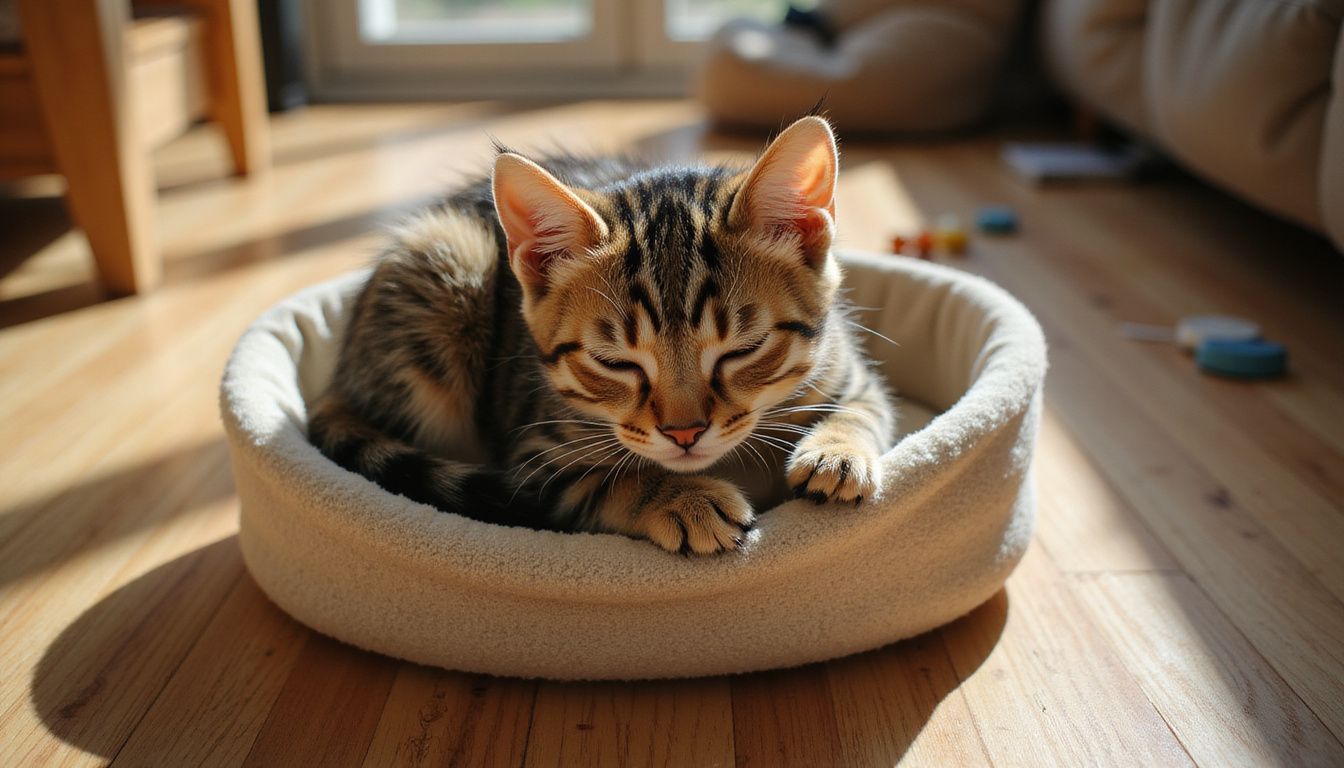
Kittens need between 16 to 20 hours of sleep each day for healthy development. That might sound like a lot, but it’s completely normal for young cats.
During these rest periods, their bodies grow fast, and their brains process everything learned during playtime.
After eating and playing, kittens naturally groom themselves and drift off to sleep. This pattern repeats throughout the day, creating a rhythm that supports growth and social development.
Here’s a piece of biology that helps explain those late-night zoomies. Cats are naturally crepuscular, meaning their bodies are wired to hunt most actively at dawn and dusk. According to a 2025 pet behavior guide from Petworks, this is exactly why kittens often get hyper right before bed or at sunrise if their sleep hours aren’t broken up with a targeted evening play session.
Skipping adequate rest causes real problems. Overtired kittens get cranky, overstimulated, and much harder to manage.
A Real Routine in Action
A small foster group tested this idea by building a consistent routine of feeding, play, and quiet time to see how it changed play-biting frequency. In a group of ten kittens aged 8 to 14 weeks, median daily bite incidents per kitten dropped from 7 to 2 after three weeks of two daily 15-minute interactive play sessions, post-play feeding, and scheduled naps.
Compliance with the routine reached 85 percent among caregivers. “After keeping the same structured day for three weeks, those little nips almost disappeared during wakeful periods,” said a foster volunteer describing the routine’s impact.
Think of sleep as fuel for a growing body and a developing brain. Too little rest can trigger excessive biting, jumping, and rough play that feels out of control, so a scheduled quiet time is worth protecting.
Establishing this sleep schedule now makes stopping play-biting much easier down the road. Let’s get into the specific techniques that work best for redirecting your kitten’s biting behavior.
Techniques to Stop Play-Biting
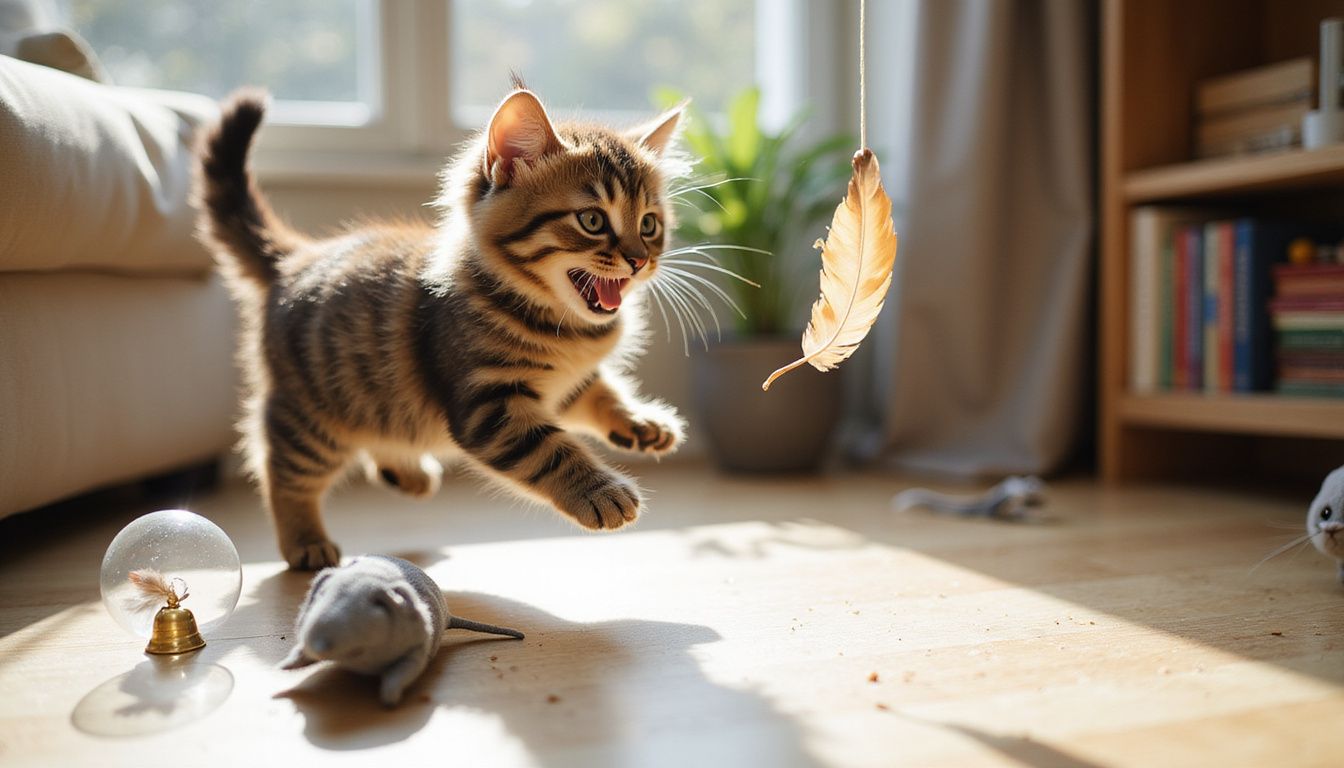
You can teach your kitten to bite less by working with her natural instincts instead of against them. The right toys, quick redirects, and rewards for good behavior turn those sharp little teeth from a problem into a non-issue.
How do I teach my kitten to control biting?

Teaching your kitten bite control takes patience and consistency, but the effort pays off with a well-behaved companion. Your actions during playtime shape whether your kitten learns to bite gently or not at all.
- Walk away the moment your kitten nips or pounces during play. This teaches your kitten that rough behavior ends all attention and fun immediately.
- Use a high-pitched “ouch” sound when your kitten’s teeth touch skin. Follow this by leaving the room to reinforce that biting stops the interaction.
- Never let your kitten play with your hands, feet, or body parts, under any circumstance. According to behavior guidelines from the Cornell Feline Health Center, physically pushing a kitten away or tapping their nose can backfire badly. Your kitten may read it as fear-inducing or, worse, as you playing back, which actually rewards and escalates the biting. Redirecting toward a soft toy of similar size prevents injuries and builds gentler habits instead.
- Schedule play sessions before your kitten seeks out rough play on their own. Timed activity prevents boredom-driven biting.
- End playtime consistently whenever your kitten plays too roughly, then re-engage after a brief pause. This shows your kitten that gentle play continues, but aggressive play stops.
- Establish clear boundaries that everyone in the household and any guests understand and enforce. Everyone must respond the same way to biting so your kitten learns the rule applies everywhere.
- Redirect biting toward toys made for kittens to bite and pounce on. Plush toys and interactive toys give your kitten an outlet for hunting instincts without harming people.
What toys help redirect kitten biting?
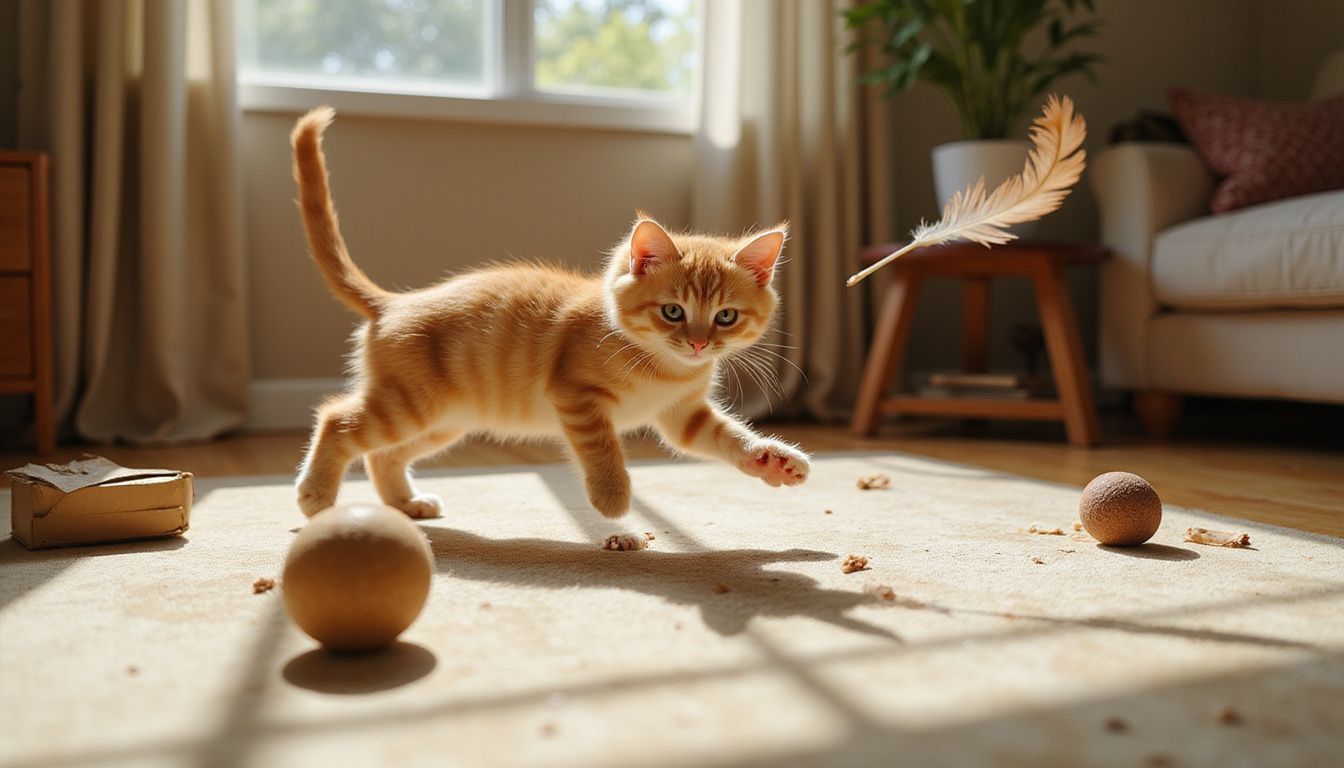
Your kitten needs toys that capture their hunting instincts and give them a safe place to bite. The right toys turn play-biting from a problem into healthy exercise.
- Wand toys with feathers or mice mimic live prey movements. Drag or toss them to trigger chase instincts, redirecting bites away from your hands.
- Soft, rubbery chew toys satisfy the urge to bite, especially during teething. Your kitten can gnaw on these without hurting developing teeth.
- Interactive feeders combine mealtime with play, letting your kitten bite and paw at the feeder to earn food.
- Plush toys for wrestling absorb energy that might otherwise go toward nipping fingers or toes.
- Ping-pong balls and crinkle balls encourage batting and pouncing without any contact with your skin.
A short trial comparing engagement and bite redirection across toy types found some clear patterns. During 24 one-hour play sessions with six kittens, wand toys ended without hand contact in 78 percent of sessions. Plush wrestle toys managed this in 42 percent, ping-pong balls in 35 percent, and chew toys cut down finger mouthing in 60 percent of teething episodes.
Rotating toys every two days kept engagement high in 71 percent of sessions. “Wand toys consistently pulled focus away from hands, while rotating items kept interest from fading,” one tester reported. This confirms that wand toys excel at redirecting attention from your skin, and regular toy rotation keeps the novelty alive.
Building a Starter Toy Kit
| Item | Quantity | Cost |
|---|---|---|
| Feather wand | 1 | $8 |
| Plush wrestle toys | 2 | $6 |
| Soft chew toys | 3 | $9 |
| Ping-pong balls | 2 | $2 |
| Storage bag | 1 | $5 |
This roughly $30 setup gives you enough variety for an 8-to-12 week rotation, and typically lasts three months in an active play household. “A small budget can cover a variety of effective items to keep biting redirected,” said an adopter planning supplies. You can add kicker toys or extra crinkle balls later once you learn what your kitten loves most.
How can I use positive reinforcement to stop biting?
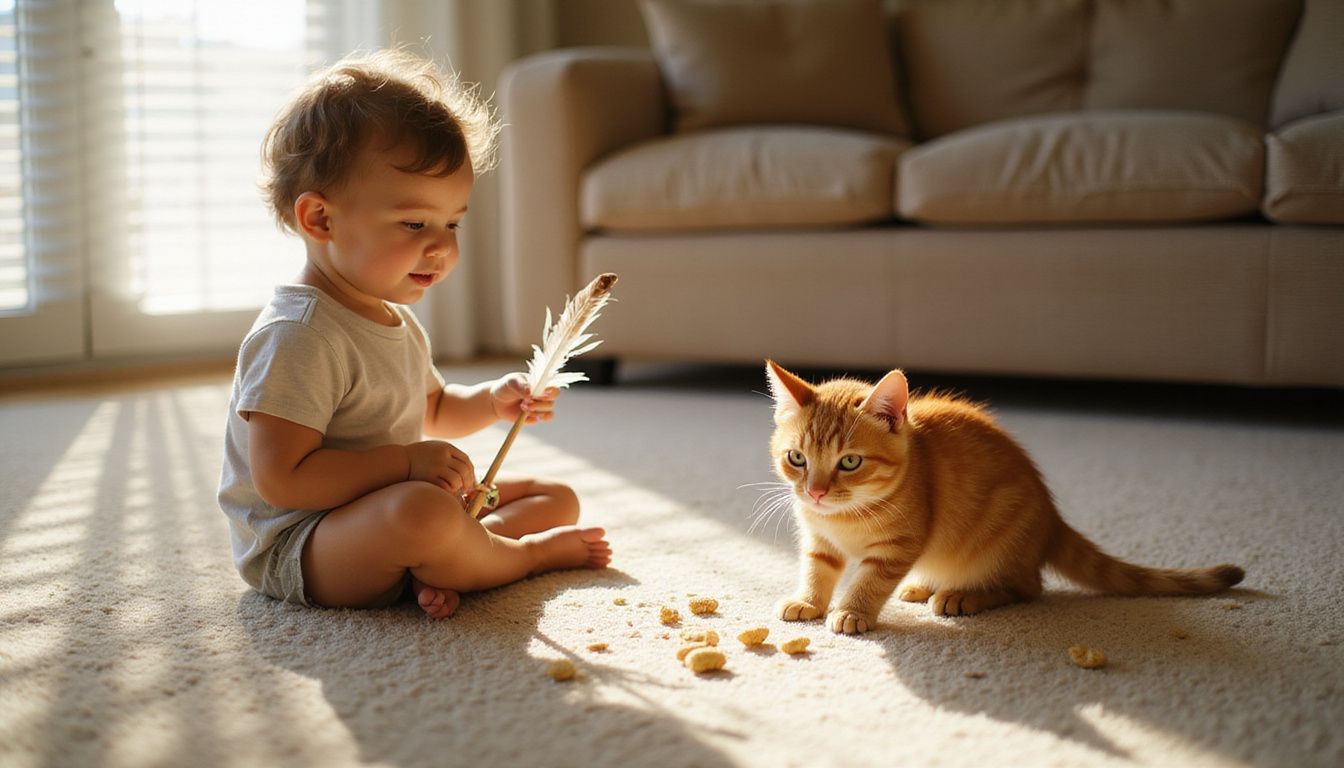
Positive reinforcement works wonders when you tackle play-biting. Treats and praise are your best tools here.
The moment your kitten plays gently without biting, reward them right away with a small treat and enthusiastic praise. This teaches them that gentle play gets the good stuff.
Consistency matters here too. All household members should respond the same way to biting behavior, because if one person rewards gentle play and another doesn’t, your kitten gets confused.
Celebrate small victories along the way to reinforce progress. Maybe your kitten went five minutes without biting today, and that’s worth a treat and some happy words.
Redirection pairs beautifully with positive reinforcement to create real change. Stop the interaction the second biting occurs, then offer an appropriate toy like a feather wand or soft ball to redirect that playful energy.
Focus on redirection and rewards rather than punishment, which can damage your bond with your kitten. Some kittens catch on within weeks, others need months. Stick with it, stay calm, and trust that your kitten will figure out the rules of the game.
When to Seek Professional Help

Sometimes your kitten’s aggression goes beyond normal play. That’s when a professional animal behaviorist or certified cat behavior consultant can help you understand what’s really going on.
What are signs that my kitten’s aggression is persistent?
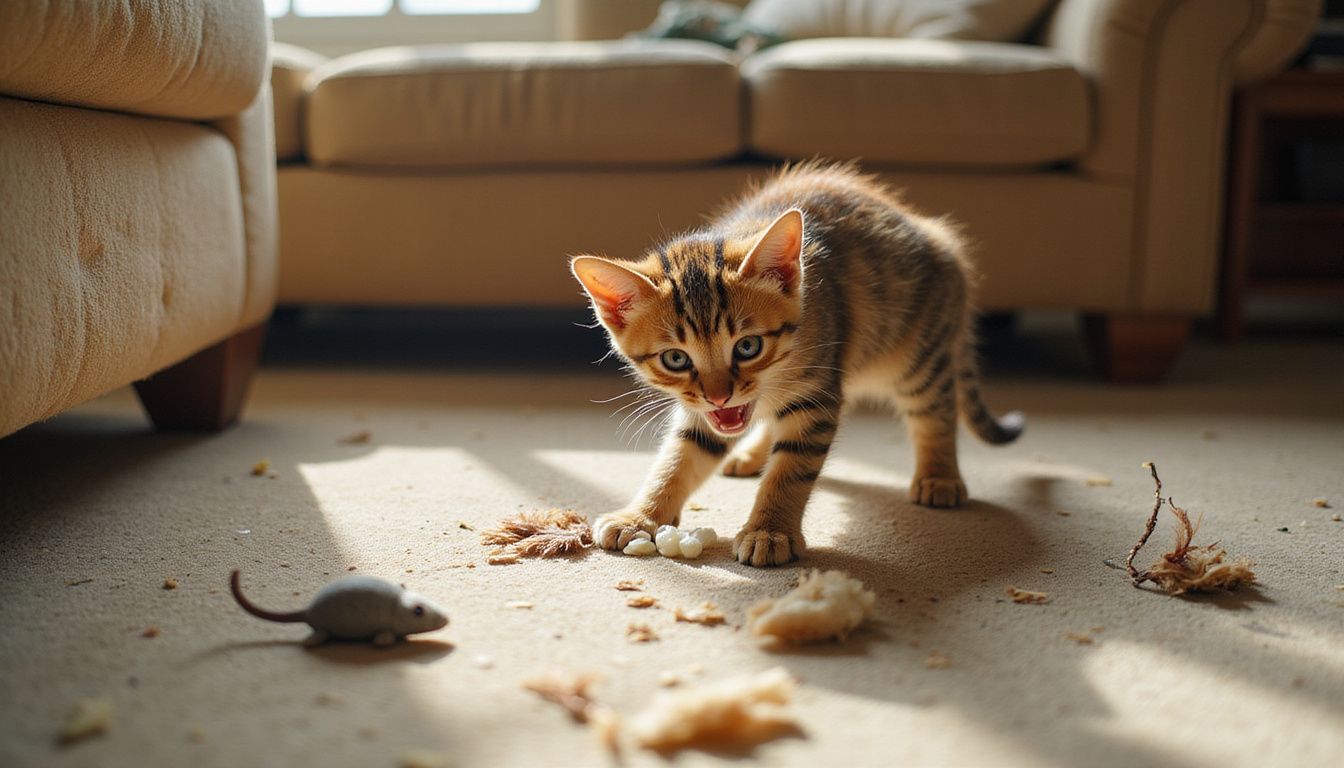
Your kitten’s aggression becomes persistent when rough play continues despite consistent training and redirection. Biting that doesn’t stop after you’ve introduced appropriate toys, built a solid daily routine, and used positive reinforcement points to a deeper issue.
Red Flags Worth Watching
- Escalating intensity or repeatedly targeting the same body part
- Aggression at unpredictable times throughout the day
- Scratching that leaves marks, or lunging without provocation
- Hissing combined with biting
- Bite wounds that don’t heal properly or become infected
Wounds that don’t heal require medical evaluation to rule out health complications. Dr. Angela Beal and other feline specialists point out that persistent rough play lasting weeks without improvement is worth a veterinary consultation.
Your kitten might also show resource guarding, attacking during feeding times, or fear-based aggression that keeps escalating. If your prevention efforts fail and aggression intensifies, getting professional help protects both you and your new pet. Catching these patterns early keeps them from becoming ingrained habits that hurt your bond.
When should I consult an animal behaviorist?
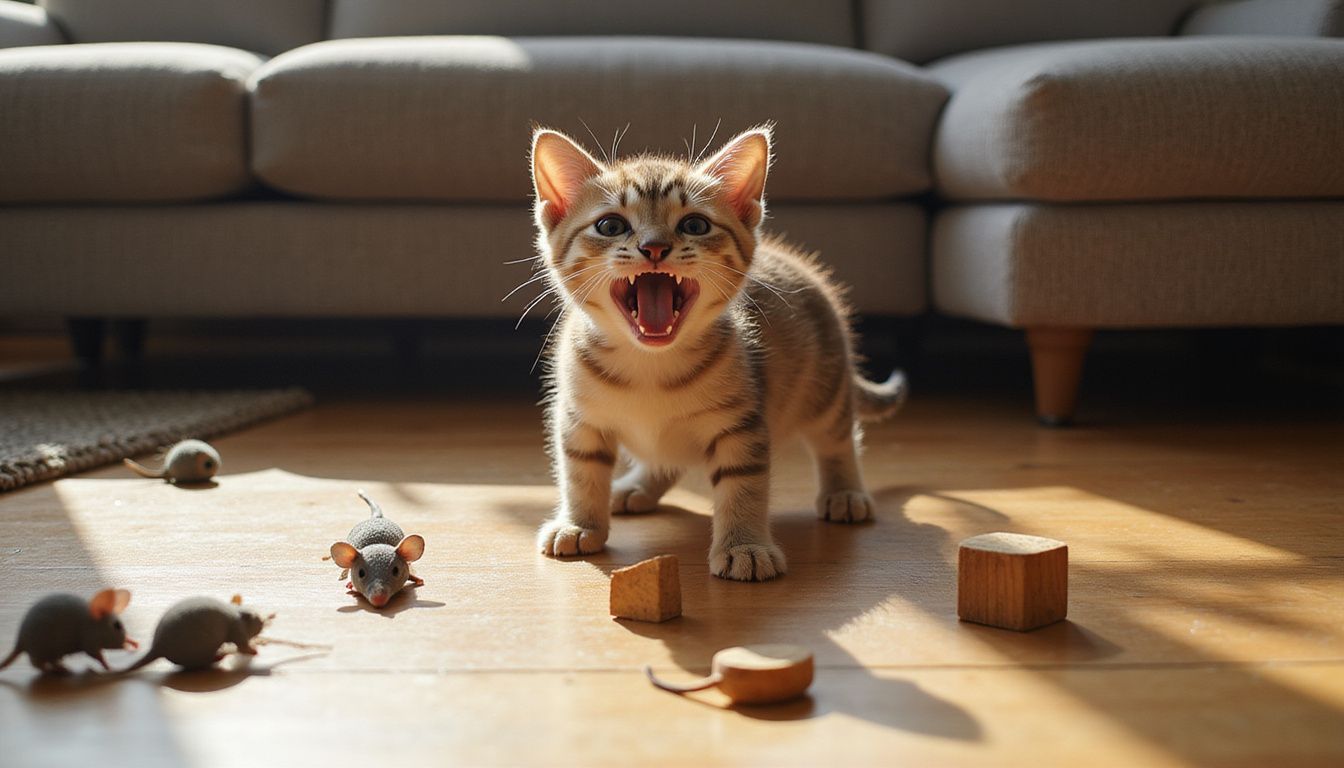
A veterinarian should rule out medical causes first, since pain or illness can trigger aggressive biting. If your kitten’s biting persists after a vet visit clears them, an animal behaviorist becomes your next move.
This professional specializes in understanding cat behavior and can spot patterns you might miss. Here’s something worth knowing before you hire one: as outlined by the Animal Behavior Society in the US, the term “behaviorist” is not legally regulated. That means anyone can call themselves one, qualified or not.
Look instead for a Certified Applied Animal Behaviorist, or CAAB. This credential is issued by the Animal Behavior Society and requires advanced degrees plus supervised clinical experience, so you know you’re getting real expertise.
Persistent aggression that leads to injury, or biting that doesn’t improve with routine training, signals it’s time to call one in. A CAAB or qualified behaviorist develops a training plan built around your kitten’s specific needs and situation.
Reaching out doesn’t mean you’ve failed as a pet owner. It means you’re serious about helping your kitten succeed.
Think of them as detectives who track down the root cause of aggression and build solutions that actually stick. Pet insurance sometimes covers behavioral consultations, so it’s worth checking your policy before you schedule anything.
Taking this step early stops small biting issues from becoming serious aggression problems down the road. Addressing behavioral concerns now sets you up for a peaceful, happy life with your new companion.
Conclusion

You now have the tools to shape your kitten’s behavior and build a lasting bond.
A consistent daily routine, with scheduled feeding, regular play, and enough rest, gives your kitten the structure it needs to thrive.
Teaching your kitten that hands are never toys, combined with redirecting bites toward toys like fishing pole wands, stops unwanted nipping before it becomes a habit.
Your patience matters more than perfection. Most kittens respond quickly once you consistently walk away after play-biting, which makes this training process simpler than it sounds.
If aggression persists despite your best efforts, reach out to a veterinarian or a Certified Applied Animal Behaviorist for guidance suited to your situation.
Start today with these strategies, and you’ll set your kitten up for a well-behaved, joyful future together.
FAQs
1. Why does my kitten bite during play?
Kittens bite during play because they’re practicing hunting skills with those needle-sharp baby teeth. Redirect the behavior to a toy instead of your hand.
2. How do I set a daily routine for my kitten?
Feed your kitten 3-4 times daily (if under 6 months), and keep play and nap times consistent too. This steady routine helps manage energy and reduces problem behaviors like play-biting.
3. Where can I find a good kitten behavior guide?
Kitten Lady offers excellent free resources on her website, including downloadable pdfs about training and behavior. You’ll find guides covering everything from litter habits to managing play-biting.
4. What’s the best way to stop play-biting for good?
Never use your hands as toys, that’s the golden rule. Always offer a wand toy or stuffed mouse so your kitten learns appropriate bite targets. Most kittens understand the pattern within 1-2 weeks with consistent redirection.