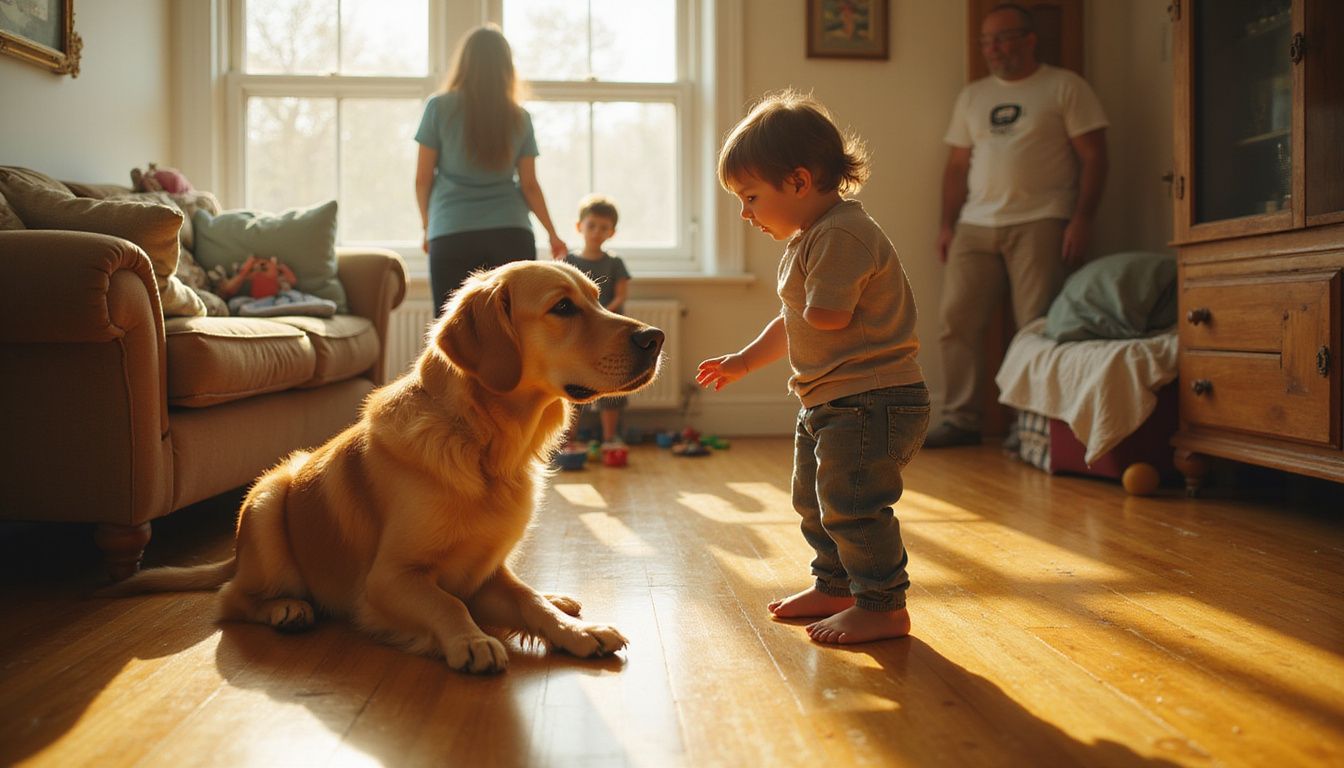
Are you dreaming of a dog who curls up next to your kids at bedtime, but a small worry keeps creeping in about how that might actually go?
That worry makes total sense.
Dog bites rank as the fifth highest cause of emergency room visits for children, so paying attention to dog behavior before you bring a new pup home is smart, not paranoid.
I want to walk you through the real signs that show whether a dog will truly enjoy your kids, not just put up with them. I’ll share simple steps that keep everyone, paws included, safe and happy. Grab a coffee, and let’s go through it together.
Key Takeaways
- Dogs show comfort around kids through relaxed body language, tail wagging, soft eyes, and by choosing to seek out children’s company even after the interaction ends.
- Dog bites rank as the fifth highest cause of emergency room visits for children, so learning to spot early stress signals really is a safety issue.
- Early socialization during puppyhood shapes how a dog acts around kids for life, building positive associations that prevent fear later on.
- Gradual exposure in neutral settings, paired with treats and praise, teaches dogs that children bring good things, which builds confidence and cuts anxiety.
- Stress signals like tucked tails, turned away faces, lip licking, and growling call for immediate action to prevent a dangerous situation.
How Can You Recognize a Dog’s Comfort Around Children?
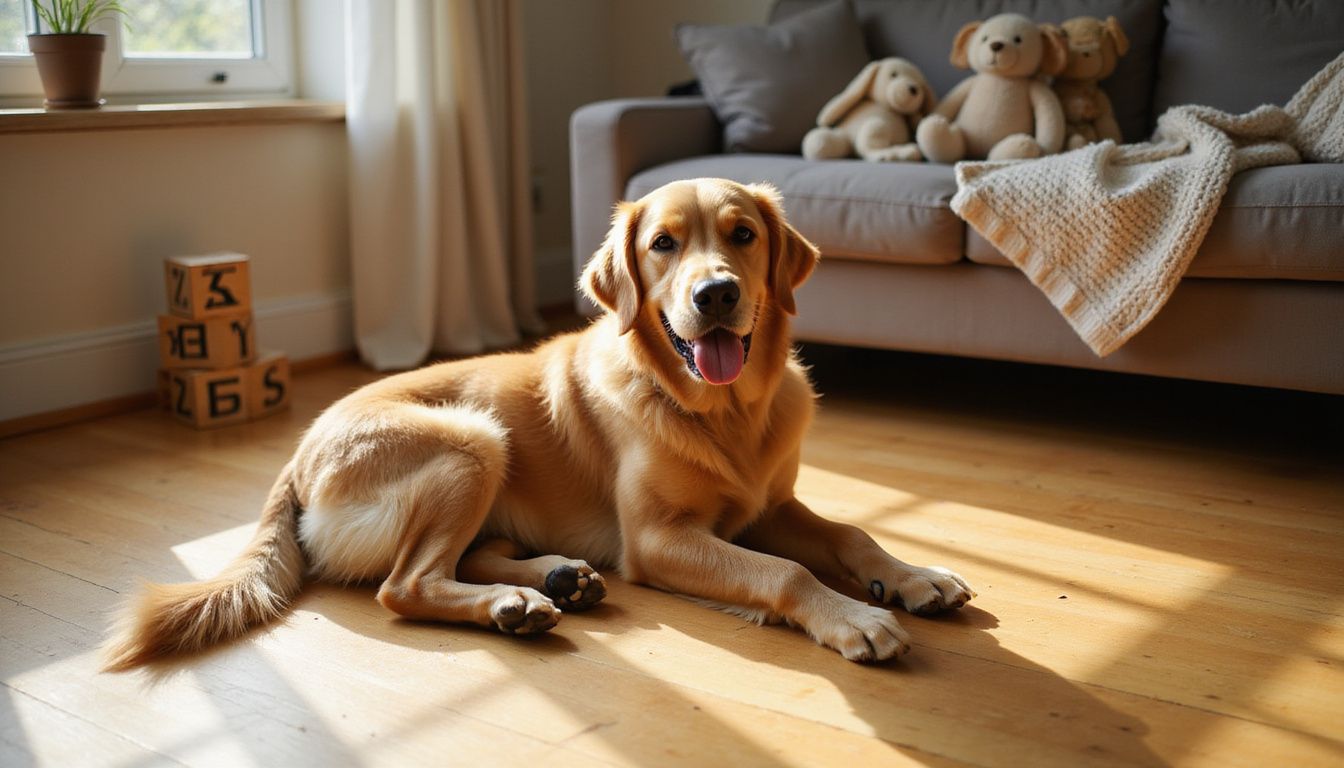
Your dog’s body language tells you almost everything about how it feels around kids. A relaxed dog wags its tail loosely, keeps its mouth soft, and stays near you without any tension in its muscles.
Learning to read these signs quickly becomes second nature. It is honestly the single best skill you can build before adding a dog to a busy, kid-filled household.
What Are the Signs a Dog Is Relaxed and Happy With Kids?
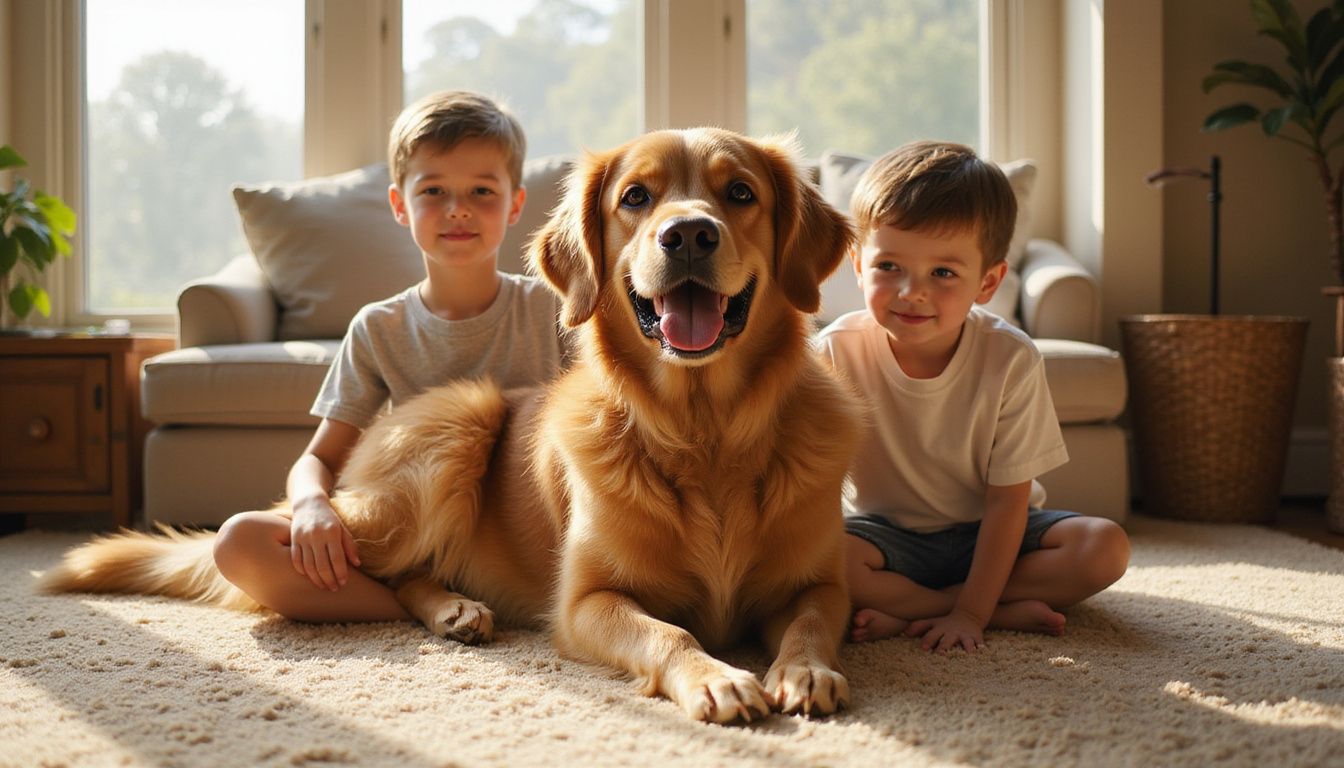
A dog that feels comfortable around children shows it through clear body language and behavior. Learning to spot these signals helps you decide if a dog will fit well with your family.
- The dog approaches children on its own, with loose, relaxed movements and a soft expression. This voluntary interaction shows real interest, not forced tolerance.
- Tail wagging happens in a natural, rhythmic way, with no stiffness in the dog’s rear end. A genuinely happy dog may even seek kids out after they’ve already walked away.
- The dog’s ears stay in a neutral spot, not pinned back or constantly alert. Relaxed ears signal comfort and ease in the moment.
- Soft eye contact looks gentle and brief, never hard or held too long. The dog blinks slowly and looks away naturally without seeming anxious.
A few more cues confirm that a dog is genuinely at ease, not just going through the motions.
- The mouth stays slightly open in a soft shape, sometimes looking almost like a smile. Tension around the muzzle or tight lips suggests stress signs that call for caution.
- The dog’s body stays loose and wiggly, never stiff or frozen. Calm, loose movements mean the dog feels safe in that moment.
- Leaning toward kids or sitting near them shows the dog wants their company. This behavior proves the dog enjoys being around kids without any pressure.
- Play bows or gentle pawing at children happen without jumping or mouthing. These actions mix playfulness with real respect for boundaries.
- If every stress question gets a “no,” the dog likely enjoys kids and feels at ease. A certified dog trainer or behavior consultant can help you double-check these signs.
How Can You Tell If a Dog Feels Stressed Around Children?
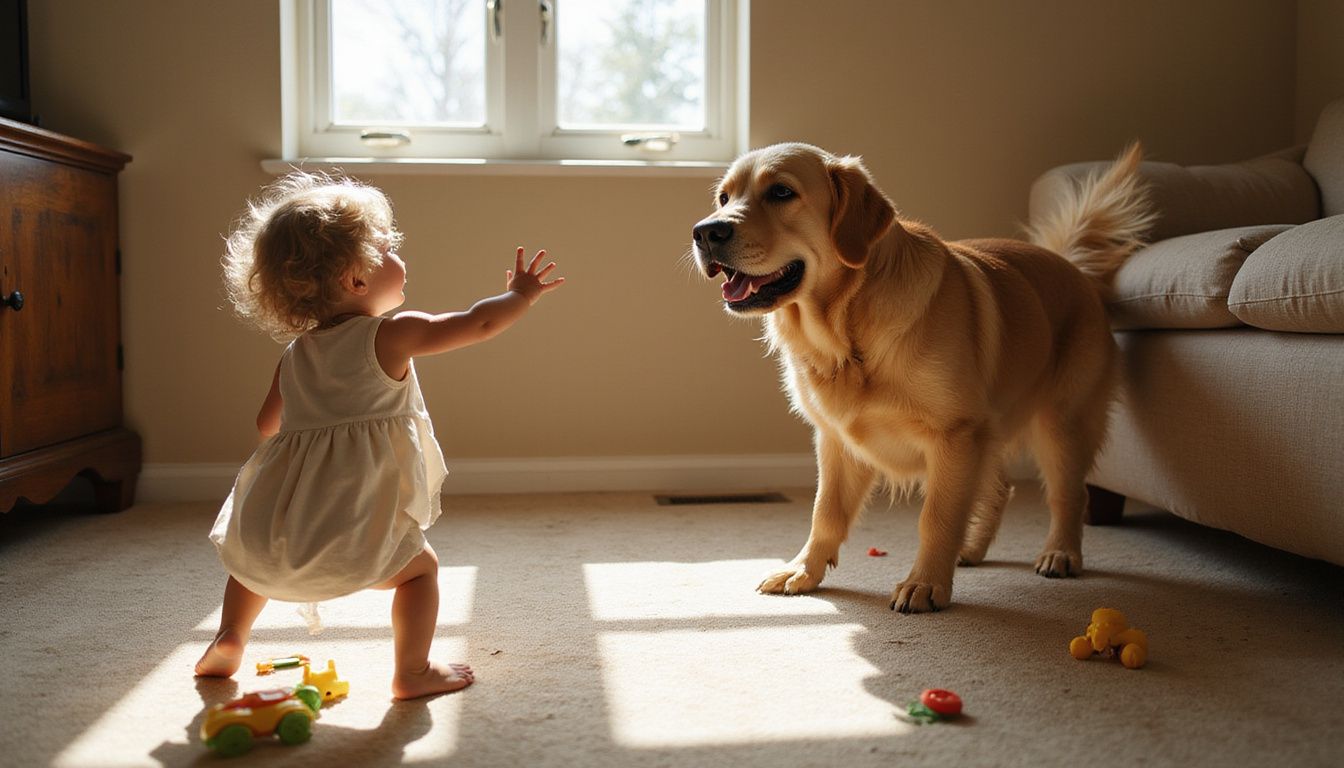
Spotting stress in dogs around kids takes practice, but you can learn these warning signs fast. Reading canine stress signals protects both the dog and your kids from a scary situation.
- Watch for a dog turning its face away when a child reaches to touch it. This avoidance behavior signals the dog wants space, right now.
- Notice if the dog moves to another room or hides behind furniture. Moving away tells you the dog feels overwhelmed by the child’s presence.
- Look for ears pinned back with a tense face. These signs of discomfort mean the dog isn’t inviting interaction.
- Watch for frequent yawning, lip licking, or panting that has nothing to do with exercise. These stress signs often show up before bigger reactions do.
- Check if the dog crouches low or tucks its tail tight against its body. This posture reveals real fear about the situation.
- Notice shaking, trembling, or freezing completely still. These reactions mean the dog feels trapped or very anxious.
- Watch for the whites of the eyes showing, or a front paw lifting again and again. These gestures call for professional help from a dog behavior consultant.
- Listen for growling, barking, or snapping aimed at a child. These vocalizations are serious stress signs that demand your immediate attention.
Here’s why catching these signs early matters so much, especially with younger kids. According to a 2026 review by CertaPet citing pediatric medical literature, facial injuries show up in more than 80% of bitten children age three or younger. Toddlers stand right at snapping height, which is exactly why noticing a lip lick or a turned away face early can prevent a trip to the ER.
Ignoring these dog body language warnings can lead to biting incidents. Taking every stress sign seriously keeps both your kids and your dog safe.
Understanding your dog’s reactions helps you build a safe space where animals and kids feel comfortable together. A massive 2025 study published in the Journal of Veterinary Behavior by Texas A&M, using data from over 43,000 U.S. dogs, found that nearly 50% of dogs show moderate to serious fear and anxiety. That means even a calm family dog can have anxious moments, so don’t assume your pup is immune to stress just because it seems easygoing most days.
How to Test a Dog’s Reaction to Children Safely
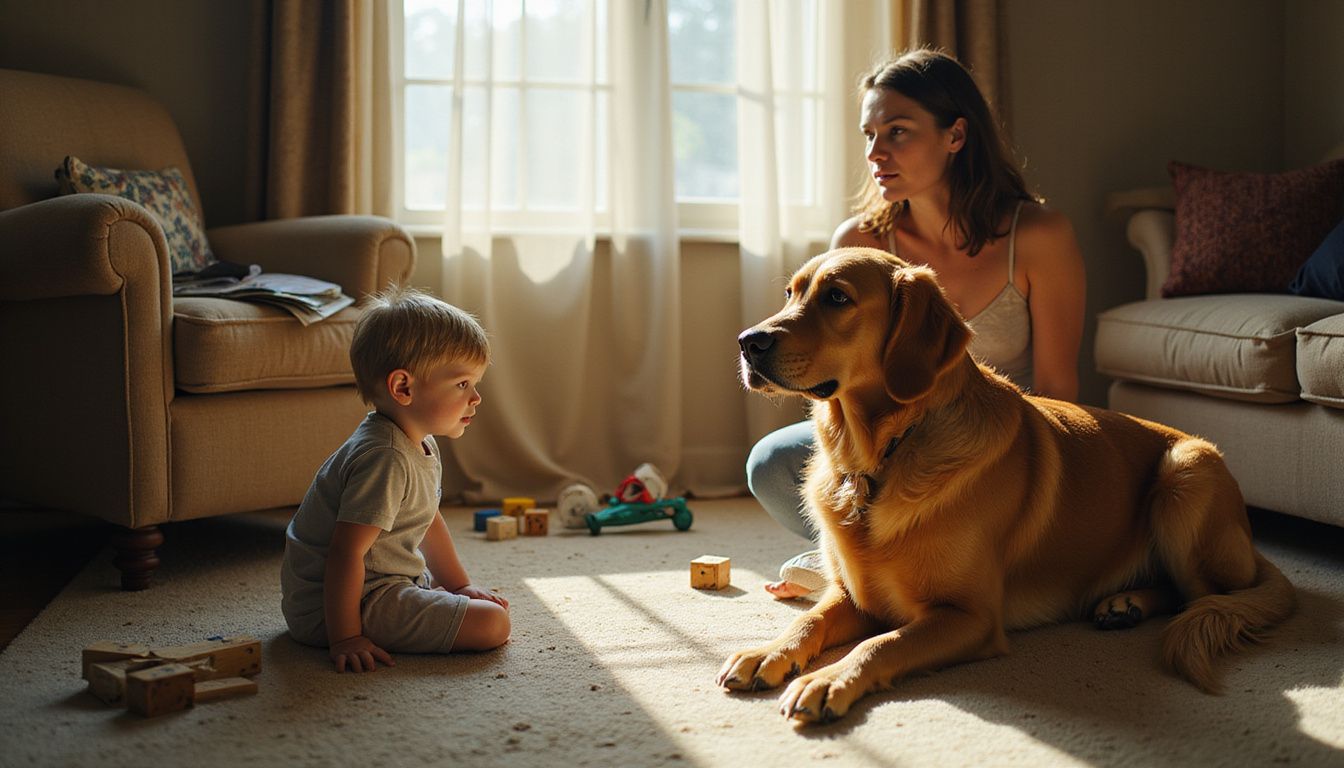
Testing a dog’s reaction to kids takes patience, close observation, and smart planning on your part. You’ll want to watch how your dog acts in real situations, spot warning signs early, and move at a pace that keeps everyone safe.
What Is the Best Way to Introduce a Dog to Kids in Neutral Settings?
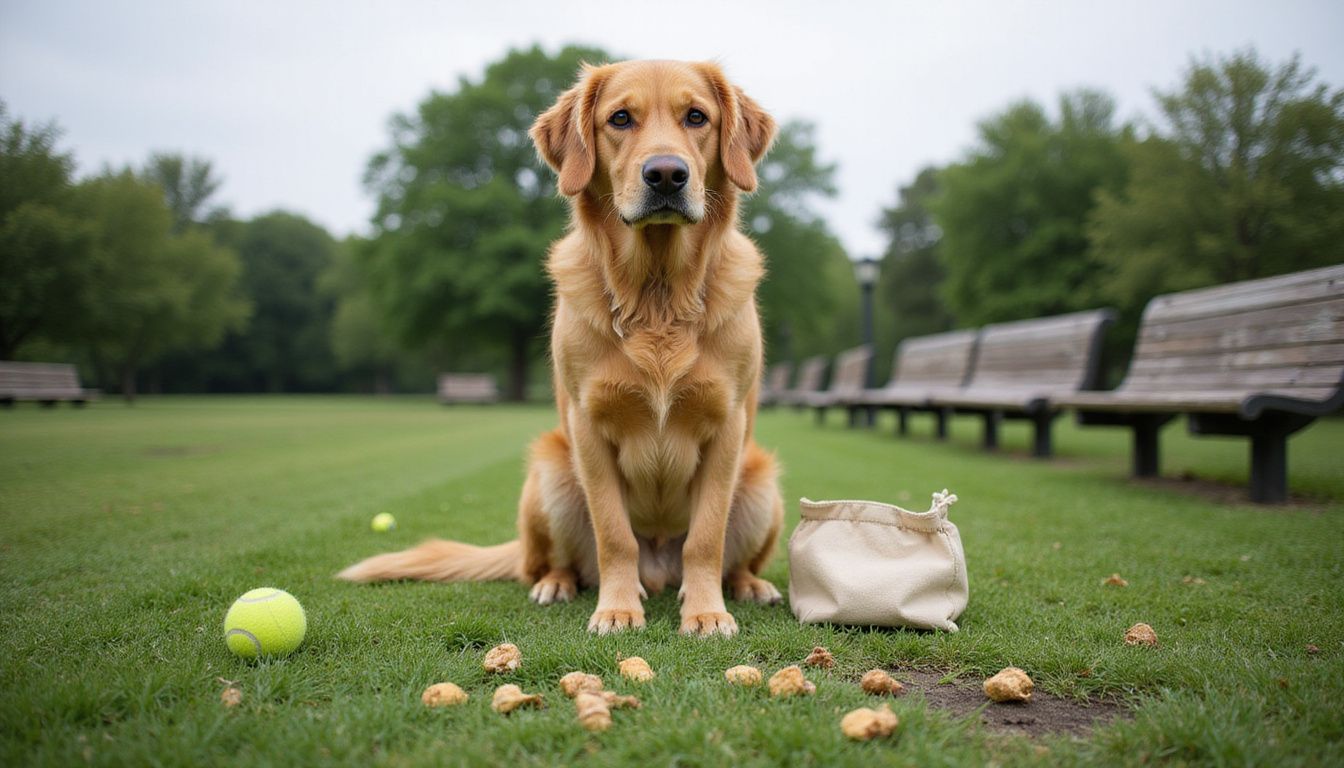
Pick a calm spot away from your home, like a park or quiet field, so both the dog and the kids feel relaxed. Starting on neutral ground removes the dog’s need to guard territory and lets you see its true behavior without home distractions.
- Choose a park or open area the dog has never visited, so territorial behavior doesn’t get in the way.
- Bring high-value treats to reward calm moments, building a positive link between your dog and kids from the very start.
- Ask kids to sit or crouch down so they seem less intimidating, which helps the dog feel more confident.
- Let your dog approach at its own pace instead of forcing it. This keeps stress low and lets its natural curiosity lead the way.
- Teach kids simple meet-and-greet manners before you arrive, so they skip sudden moves or loud noises that might startle the dog.
- Have a trusted child hand over treats calmly, helping your dog link kids with good things.
- Watch your dog’s body language the whole time. Look for tail wags, soft eyes, and relaxed ears.
- Keep the first meeting short, about five to ten minutes, then end on a good note before any stress shows up.
- Supervise every early interaction closely, staying alert for tension between the dog and kids.
- Plan several visits to neutral spots over a few weeks, so your dog builds comfort with different kids over time.
A structured introduction plan can bring real, measurable change once you stick with it. In one pilot program following Catch Canine Trainers Academy methods, 12 rescue dogs practiced four-week neutral introduction sessions with child actors. Nine of those dogs raised their calm interaction time from an average of 12 seconds in week one to two full minutes by week four. Stress signal frequency dropped from four per session down to just 0.7.
“With short, repeated neutral meetings and treats, many dogs moved from tolerance to seeking interaction in weeks,” noted an instructor from the program.
These results show that patience and slow exposure can turn a hesitant dog into a willing companion for your family.
You can follow this simple checklist for your first neutral meeting:
- Start with a five-minute calm arrival period so your dog can settle into the new space.
- Have the child crouch quietly for up to 90 seconds, no reaching or sudden moves.
- If your dog approaches calmly on its own, let the child offer six treats, one at a time.
- Take a five-minute break where the dog and child fully separate.
- Repeat the crouch and treat cycle two more times during the same visit.
Track your results carefully. One or two calm approaches per cycle predicted a good next meeting in the pilot runs.
“Keep meetings short, predictable, and treat led so the dog decides the pace,” summarized a trainer coaching parents through this process.
How Can You Observe If a Dog Seeks Attention After Interaction?
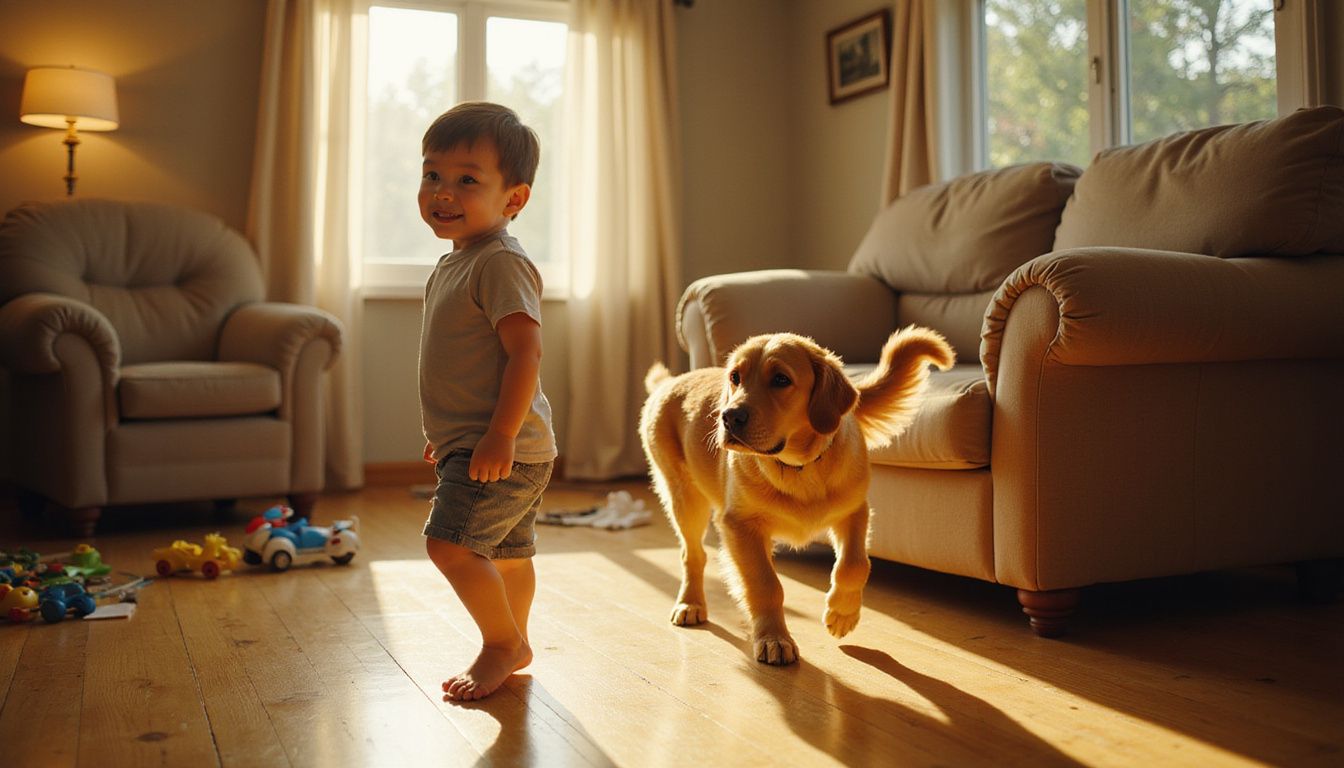
After your child steps away from the dog, pay close attention to what happens next.
Does the dog follow your child around the house? Does it nudge your child for more playtime? These actions tell you the dog genuinely enjoyed the interaction, not just tolerated it.
A dog that seeks out your child after playtime ends shows real comfort and connection. This is the gold standard for dog-owner responsibilities, especially if you’re set on adopting a family pet.
Trainers at Catch Canine Trainers Academy point out that you should watch for this kind of voluntary engagement, rather than making excuses for a lukewarm reaction. Your job is to observe honestly, without wishful thinking clouding what the dog is actually telling you.
A dog that returns for more is a dog that’s ready for your family.
On the flip side, a dog that stays away after your child leaves is sending a very different message. This behavior signals that the dog only put up with the child’s presence. It did not enjoy it.
That doesn’t necessarily mean the dog is mean or a lost cause, though. According to Bark Busters’ 2026 U.S. National Dog Behavior Analysis, which reviewed more than 50,000 training inquiries, reactivity (behavior that usually comes from fear or anxiety, not true aggression) is the number one dog training concern in the country. A dog avoiding your child is very likely anxious, not spiteful, and that difference matters when you decide if more work, or a different match, makes sense.
The dog might have tolerated the interaction out of good training, but no real bond formed. This distinction matters a lot when you’re making a life-changing decision about dog safety and child safety.
Trainers and veterinarians stress that this after-the-fact observation reveals more truth than any single moment during playtime. Trust what the dog shows you through its body language and voluntary choices, not what you hope to see.
Understanding these signals gets you ready to find the right match for your family, which leads right into the practical steps that help dogs feel at home around kids.
Key Factors That Affect a Dog’s Behavior With Kids
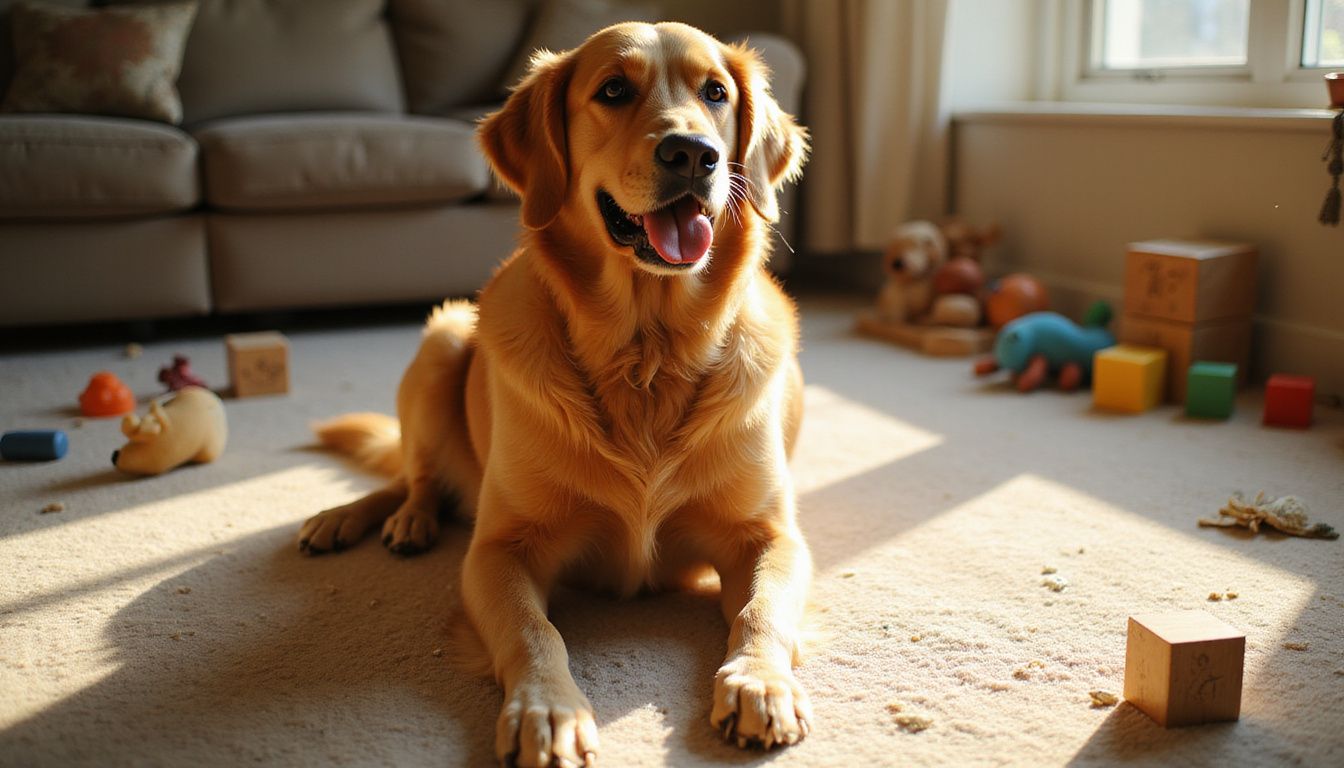
Your dog’s past shapes how it acts around kids today. A pup raised with kids from puppyhood will react very differently than one who never met a child before.
Why Is Early Socialization Important for Dogs Around Children?
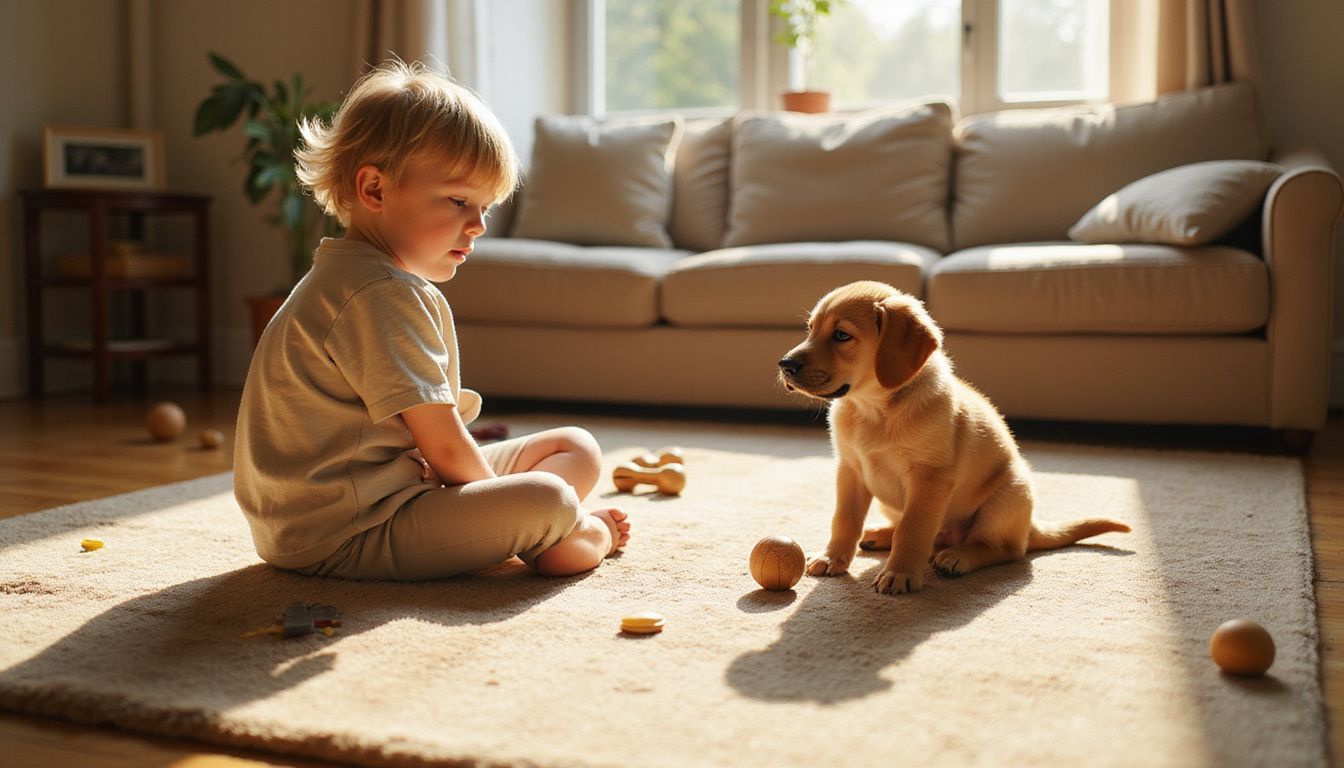
Introducing a dog to children during puppyhood shapes how that dog reacts to kids for life. Dogs that get early socialization as puppies build positive associations with children and rarely show stress signals later on.
Think of socialization like the foundation of a house. Skip it, and cracks start showing up in the walls later.
A lack of positive interaction can raise the risk that a dog will feel stress or fear around kids. Trainers from places like Pet Harmony and Aly’s Academy stress that socialization should happen gradually, introducing puppies to toddlers, older kids, and different play styles in small, manageable doses.
| With Early Socialization | Without Early Socialization |
|---|---|
| Relaxed, loose body language around kids | Anxious or defensive behavior around kids |
| Sees children as a source of fun and treats | May view children as unpredictable or scary |
| Bounces back fast after a startling moment | Takes much longer to settle after a surprise |
Shelter intake data shows just how much individual dogs vary in their baseline reactions to kids. In a review of 52 newly admitted dogs at Animal Haven, 18 showed voluntary approach toward a supervised child actor, 20 showed avoidance within 30 seconds, and 14 showed mixed signals, like tail wagging paired with lip licking.
“Our intake checks showed nearly 40 percent of dogs avoided children initially, underscoring the need for careful screening,” said a shelter trainer.
This variability is exactly why asking a shelter or breeder about a dog’s history with kids matters so much when you’re picking a family pet. Dogs raised around children as puppies tend to relax and enjoy their company, while dogs without that early exposure often struggle with anxiety or guarding behavior.
Breeders and adoption experts agree that early socialization gives a dog the best shot at feeling at ease with kids, though catching up later is still possible if a puppy missed that window. Shelters like Animal Haven help rescue dogs rebuild trust through patient training and positive reinforcement techniques, teaching dogs that children mean good things: treats, play, and fun.
Starting this work early gives your future dog the best shot at becoming the family companion you’re hoping for.
How Do Past Experiences Influence a Dog’s Reaction to Kids?
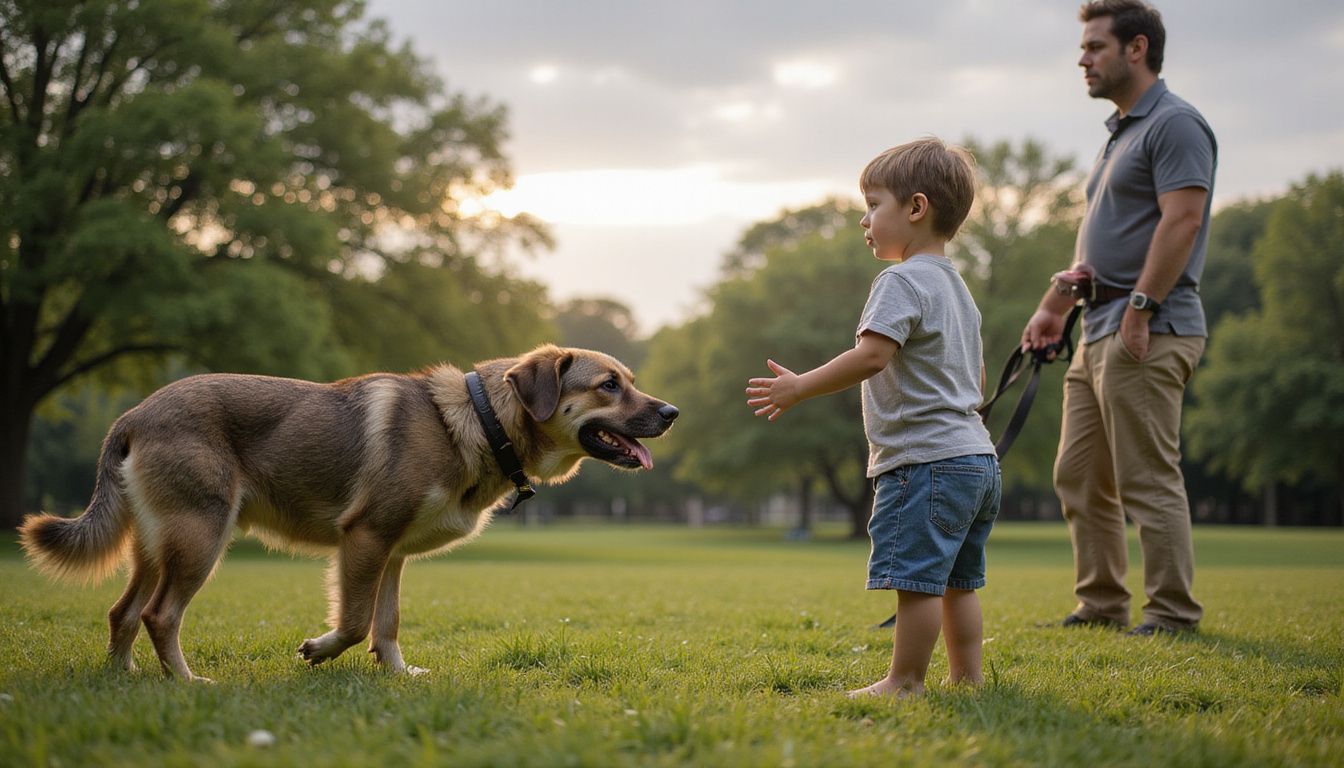
A dog’s past experiences shape how it reacts to children, much like your own childhood memories shape your comfort in certain situations. A dog named George initially showed promise during temperament testing, yet later revealed he did not like children at all.
This case shows that early signs of friendliness may not predict future comfort. Dogs that have had negative or traumatic run-ins with children may show stress signals or avoidance when kids come near.
George’s story shows why a single temperament test can’t tell the whole story. He passed a basic exam at 10 months, appearing calm and cooperative the whole time. Yet over the following six weeks, George showed seven avoidance episodes and two lip-licking bursts across three supervised child interactions. Trainers ultimately reclassified him as “child wary” based on this accumulated evidence.
“George looked fine during the test, but repeated real contact revealed he was stressed by children,” said a behavior consultant reviewing the case notes.
This cautionary example reminds you that a temperament test gives one snapshot, while what happens after the test reveals the full picture of a dog’s comfort level.
Even a well-trained, obedient dog may not feel comfortable with kids if its past experiences were negative. Your potential pet needs a clean slate, or at least time to heal from what came before. Positive experiences early on build confidence, while bad ones create wariness that takes patience to overcome.
Owners should watch for changes in behavior over time, since a dog’s comfort with kids can shift in surprising ways. Based on a 2025 study in PLOS One that analyzed behavior data from over 47,000 dogs in the U.S. Dog Aging Project, smaller dogs under 20 pounds generally score higher for fear and aggression than larger breeds. That matters here too, since a small dog may act wary around kids simply because it’s easily overwhelmed or accidentally stepped on, not because it’s naturally unfriendly. A dog that seemed fine one day might show signs of discomfort the next.
So how do you protect against past baggage you can’t fully see up front? Keep these steps in mind:
- Ask the shelter or rescue group directly about any known history with kids before you adopt. Honesty here saves heartache later.
- Talk to a trainer like David Muriello, who can help you figure out whether a dog’s past has built real barriers around children.
- Use a sturdy, good walker leash during early introductions, so you stay in control while you watch how your dog responds in neutral settings.
Veterinarian Dr. Liza Cahn and other animal behaviorists agree that a dog’s history should never be ignored when you’re judging its fit with kids. Embrace Pet Insurance makes a similar point: understanding where your dog came from helps you make an informed choice for your household.
What Steps Help a Dog Become Comfortable Around Children?
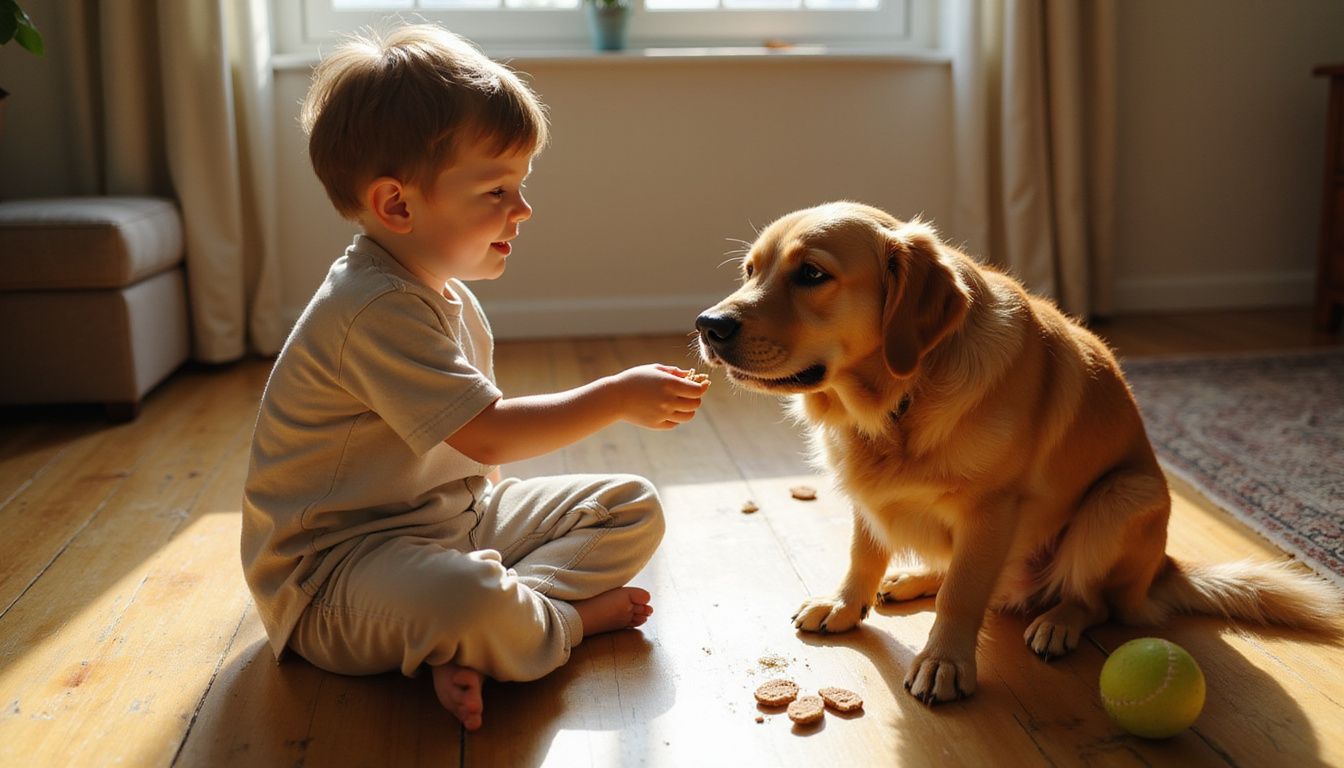
You can help your dog feel safe around kids by taking things slow and steady. Positive rewards work wonders when your pup stays calm around children, so grab treats and praise every good moment. Share the wins on Facebook, or swap notes with doodle-loving friends like Allie Bender.
How Can Gradual Exposure Help a Dog Adjust to Kids?
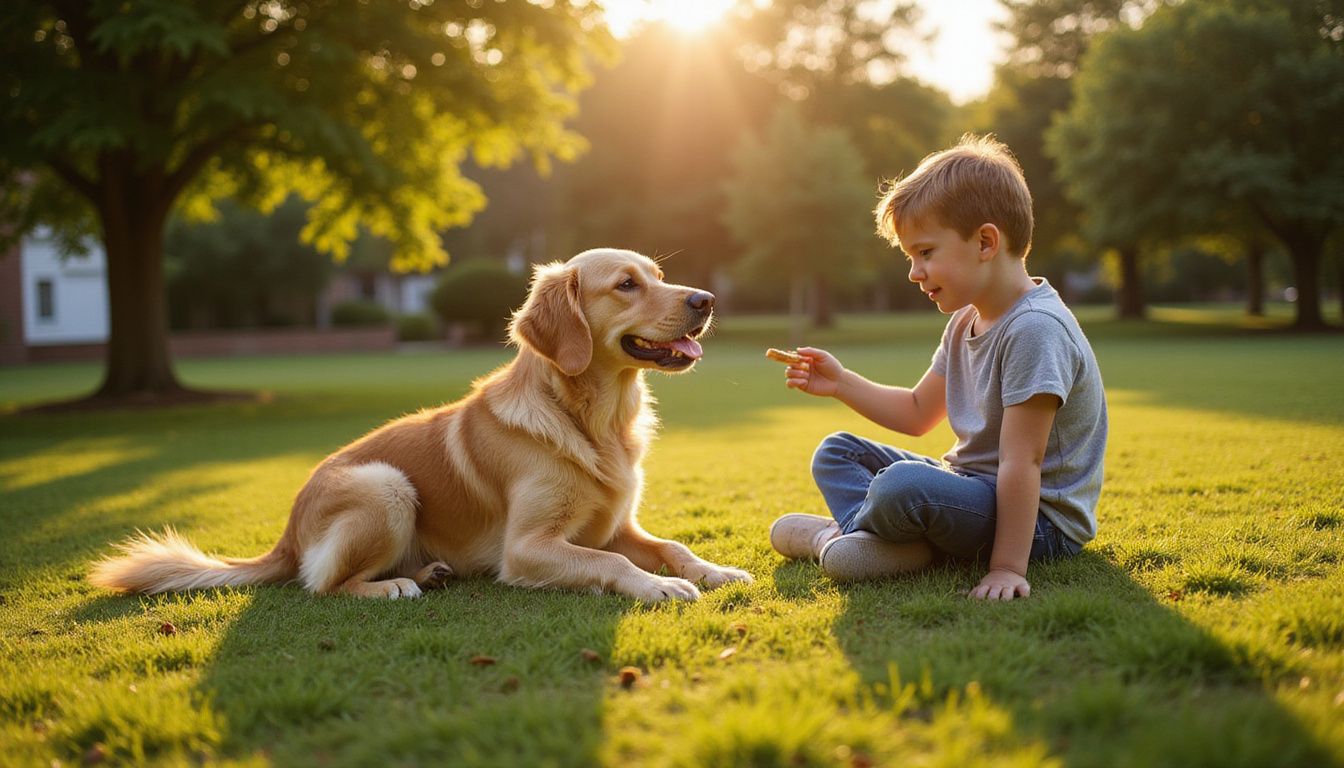
Gradual exposure helps your dog build confidence around kids without feeling overwhelmed. Short, structured meetings over time teach your dog that kids are safe and predictable.
- Start with brief meetings in calm settings where your dog controls the pace and can retreat to a safe space whenever it needs to.
- Keep the first interactions short, five to ten minutes tops, so your dog doesn’t get anxious or worn out.
- Introduce your dog to kids in neutral spots like parks or quiet streets rather than at your home. This cuts down on territorial stress.
Here’s something worth remembering even after your dog feels at home with your family. The American Veterinary Medical Association highlighted in its 2025 dog bite prevention report that most children who get bitten are bitten by the family dog or a friend’s dog, not a stray. Familiarity alone never guarantees safety, so gradual, careful exposure still matters even inside your own four walls.
- Space these meetings out across weeks or months, letting your dog’s confidence grow steadily instead of rushing things.
- Watch for relaxed body language at each meeting. Forward ears, soft eyes, and a wagging tail all say your dog feels good about the kids nearby.
- Offer treats and praise right after your dog stays calm around kids. That reinforces good behavior fast.
- Give your dog breaks between interactions to rest, drink water, and settle down from the excitement.
- Keep kids calm and quiet during early meetings. Loud or excited kids can trigger fear in a nervous dog.
- Set up supervised playtime where your dog and kids interact under your watchful eye, and stop the session the moment stress signs appear.
- Build this foundation slowly. Steady exposure over time keeps fear and anxiety from taking root in your dog’s mind.
Why Use Positive Reinforcement for Calm Behavior With Children?
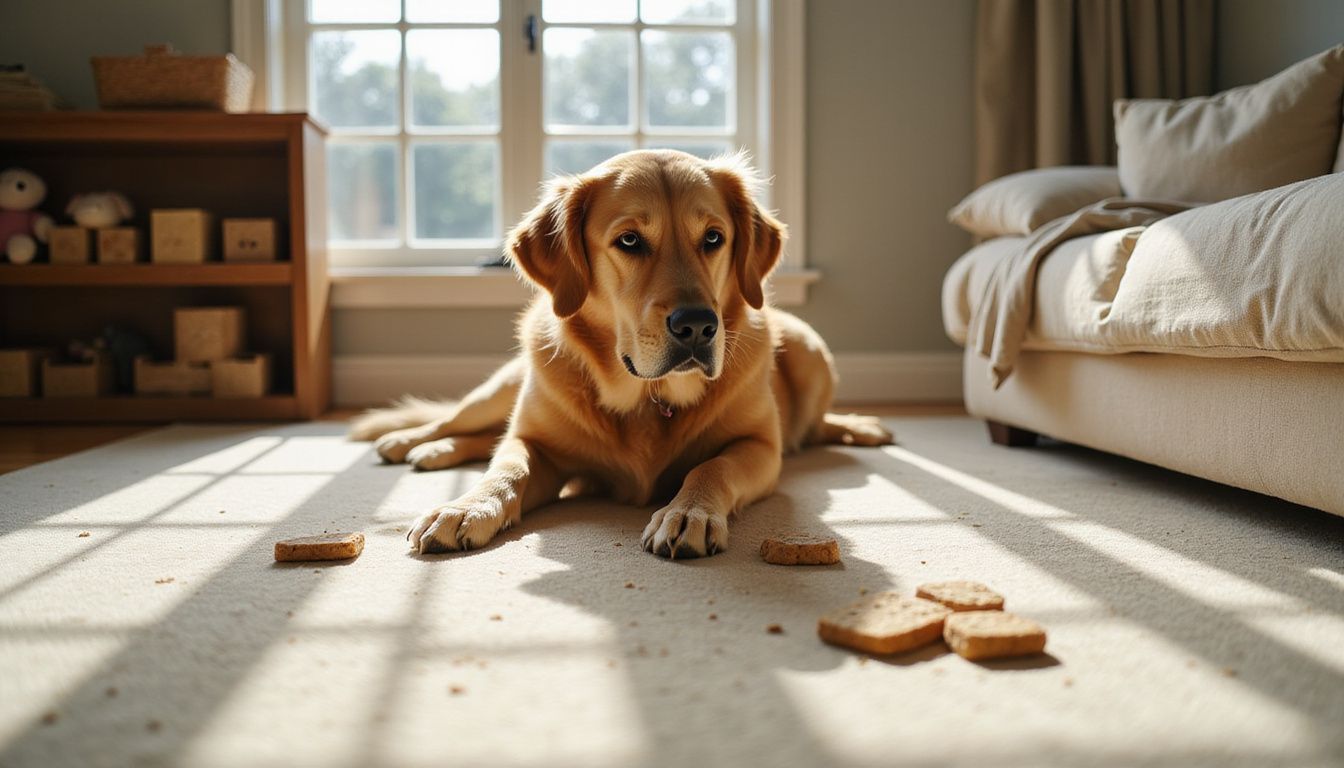
Treats and praise work like magic when your dog stays calm around kids. Your pup learns that children bring good things, not stress or chaos, and that builds a positive association in its mind.
Every time your dog meets a baby or child without jumping or barking, reward that behavior right away. Offering treats from a trusted child’s hand teaches your dog to connect kids with happy moments.
Your four-legged friend starts to see children as a source of joy, not worry. Calm, positive reinforcement builds your dog’s confidence and its willingness to interact with kids. A 2026 data report by Gitnux and Petworks notes that 78% of U.S. dog owners now prefer positive reinforcement over correction-based training, and veterinary behaviorists confirm it actively cuts down on the anxious behaviors that lead to bites in the first place.
Here are a few quick ways to put this into practice:
- Offer a treat the moment your dog stays relaxed near a child.
- Let a calm, gentle child hand over the treat directly, building trust between them.
- Praise in a soft voice instead of an excited one, which can rev up a nervous dog.
- Watch for looser body language, like a softer tail wag or gentler eyes, as proof it’s working.
These small rewards add up fast, turning a nervous pup into a friendly, confident companion around your kids.
Conclusion
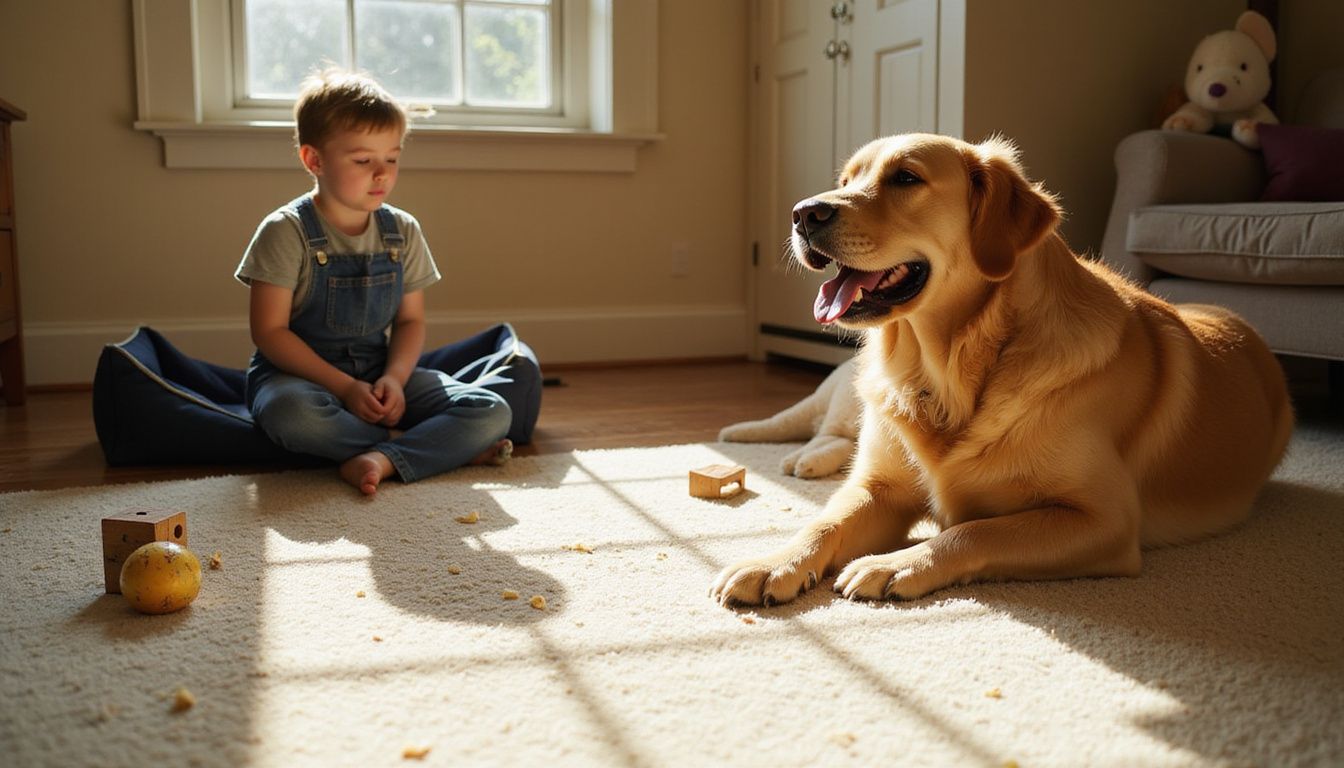
You now have real tools to figure out if a dog will thrive with your kids.
Reading dog behavior like tucked tails, turned-away faces, and lip licking tells you when a dog feels stressed, not just tolerant.
Testing a dog’s true comfort means watching whether it seeks out your kids after they leave the room. Passing a temperament test never guarantees real enjoyment around children.
Start with gradual exposure in neutral spaces. Use positive rewards for calm behavior, and give your dog a safe “PLACE” to retreat when things feel like too much. These steps make the introduction process simple and effective.
Dog bites rank as the fifth highest cause of emergency room visits for kids, so catching those early warning signs through honest, careful observation can genuinely spare you a trip to the hospital.
Your patience, attention to detail, and willingness to step in when stress shows up turn a risky situation into a safe, happy home where both dogs and kids feel secure.
FAQs
1. What should you watch for when a dog meets baby for the first time?
Watch the dog’s body language closely. A relaxed posture, soft eyes, and a gently wagging tail are good signs. If the dog shows what trainers call whale eye (whites of eyes visible), stiffens, or growls, you need to step back and slow things down.
2. How can you prepare a dog before it meets a baby?
Start about 2 to 3 weeks before your baby comes home by letting your dog sniff a blanket or clothing with the baby’s scent. Keep the first real introduction calm, short, and positive.
3. Are certain breeds naturally better with kids?
Some breeds like Labradors or Golden Retrievers tend to be more patient, but individual temperament matters more than breed. Watch how the specific dog behaves, not just its breed label.
4. What if the dog seems anxious around the baby?
Give your dog space and time to adjust at their own pace. If the anxiety continues after a few weeks, reach out to a certified professional dog trainer who specializes in family transitions.