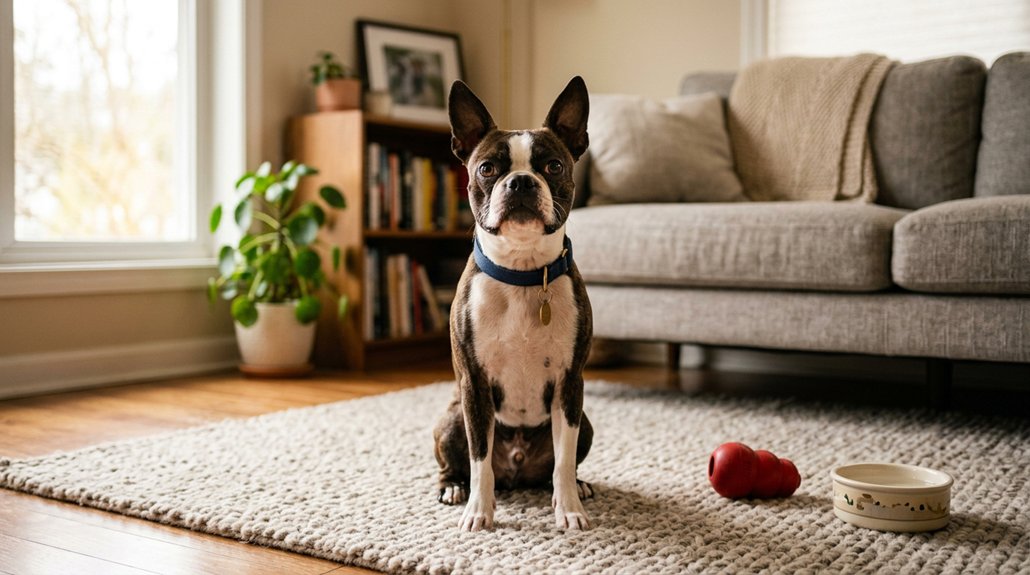
Boston Terriers are amiable companions requiring structured care, beginning with early socialization using positive reinforcement. Guarantee they engage in consistent physical activity, adjusting for environmental factors and life stages. Employ concise training sessions, focusing on clarity and engagement, while considering their health needs and minimal grooming requirements. Monitor their diet, emphasizing portion control and nutritional quality. Carefully select a puppy from reputable sources to avert health complications. Discover deeper insights into nurturing these fascinating canines further along.
Key Takeaways
- Boston Terriers are friendly, affectionate and require early socialization for positive temperament development.
- They need 30 minutes to 1 hour of daily exercise, with adjustments for age and weather conditions.
- Use positive reinforcement in short, consistent training sessions to effectively engage Boston Terriers.
- Regular grooming and veterinary check-ups are essential to manage health issues like Brachycephalic Obstructive Airway Syndrome.
- Choose reputable breeders, focus on portion control, and prioritize high-quality protein-rich food specific to their breed.
Understanding the Boston Terrier Personality
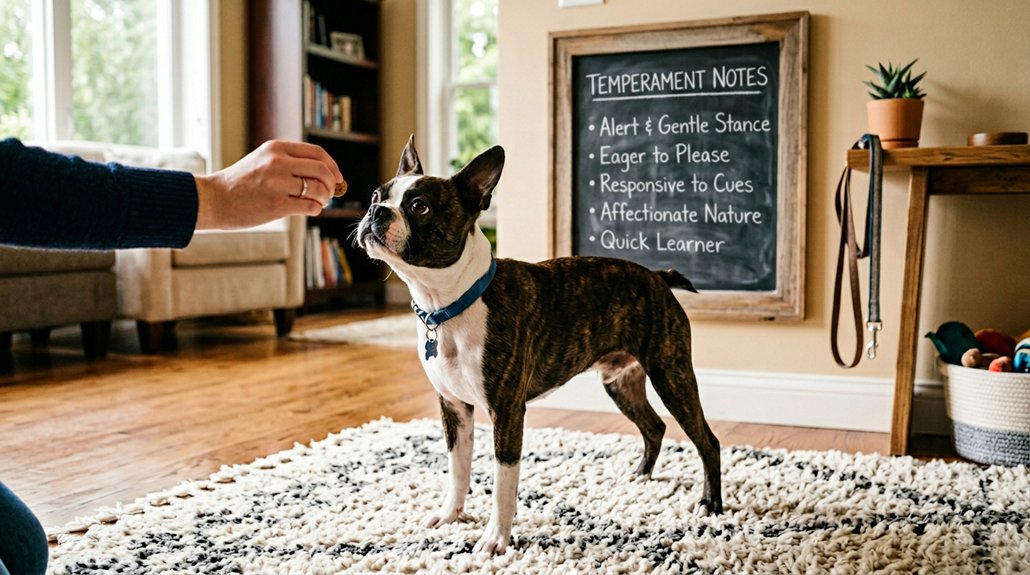
Although Boston Terriers exhibit a friendly and affectionate demeanor, making them ideal companions, it’s essential to understand the nuances of their personality traits. The Boston Terrier Traits characterize a socially adaptive creature with an inherent Boston Terrier Affection, displaying exceptional camaraderie with children and adults alike. Their sociable disposition augments their suitability as family pets. You’ll find them intelligent and easy to train, responding effectively to positive reinforcement. However, their playful energy necessitates consistent physical activity—ideally 30 minutes to an hour daily. Early exposure to varied environments is vital in tempering instinctual prey drives and fostering harmonious interactions with other animals. A well-socialized Boston Terrier embodies balance, merging energy with affection, reinforcing its charm as a family companion.
Addressing Breathing Issues and Sensitivities in Boston Terriers
As a Boston Terrier owner, you’re likely aware that their brachycephalic anatomy makes them prone to respiratory challenges, demanding vigilance in managing Brachycephalic Obstructive Airway Syndrome (BOAS). Identifying symptoms such as labored breathing, coughing, or heat intolerance is essential for early intervention, ensuring your pet’s comfort and reducing the risk of complications. Proper care involves regular veterinary evaluations and maintaining a cool environment, particularly during hot weather, to minimize respiratory distress and sensitivities.
Managing Brachycephalic Breathing
Given their brachycephalic anatomy, Boston Terriers can be predisposed to breathing difficulties, necessitating attentive management strategies for their respiratory health. Key to mitigating respiratory issues is recognizing the importance of tailored management practices, incorporating breathing exercises to enhance airway function, mindful heat awareness, and avoiding strenuous activity in high temperatures and humidity. Regular veterinary check-ups should be prioritized to monitor any development in brachycephalic obstructive airway syndrome (BOAS) and establish weight management protocols. It’s essential to maintain your Boston Terrier’s ideal weight to prevent exacerbating existing respiratory issues. Proactive care strategies include:
- Adopting specific breathing exercises recommended by veterinarians.
- Regularly evaluating the impact of environmental conditions on respiratory efficiency.
- Dedicating efforts to sustain a balanced diet and appropriate exercise regimen.
Recognizing Sensitivity Symptoms
When you own a Boston Terrier, awareness of sensitivity symptoms is vital, especially since their brachycephalic nature predisposes them to various respiratory challenges. Sensitivity signs include heavy panting, coughing, and salivation which indicate potential respiratory distress; immediate veterinary evaluation is critical. Boston Terriers can suffer from brachycephalic obstructive airway syndrome (BOAS), exacerbated by hot or humid conditions. Consequently, temperature awareness is essential, particularly during exercise; monitor for overheating or cold intolerance. Regular veterinarian check-ups aid in early detection of underlying conditions such as cataracts, luxating patella, or allergies that could impact well-being. Recognize reverse sneezing as common yet typically harmless; however, frequent episodes should prompt a veterinary assessment. By understanding these sensitivities, you can guarantee your Boston Terrier remains healthy and comfortable.
Effective Boston Terrier Training
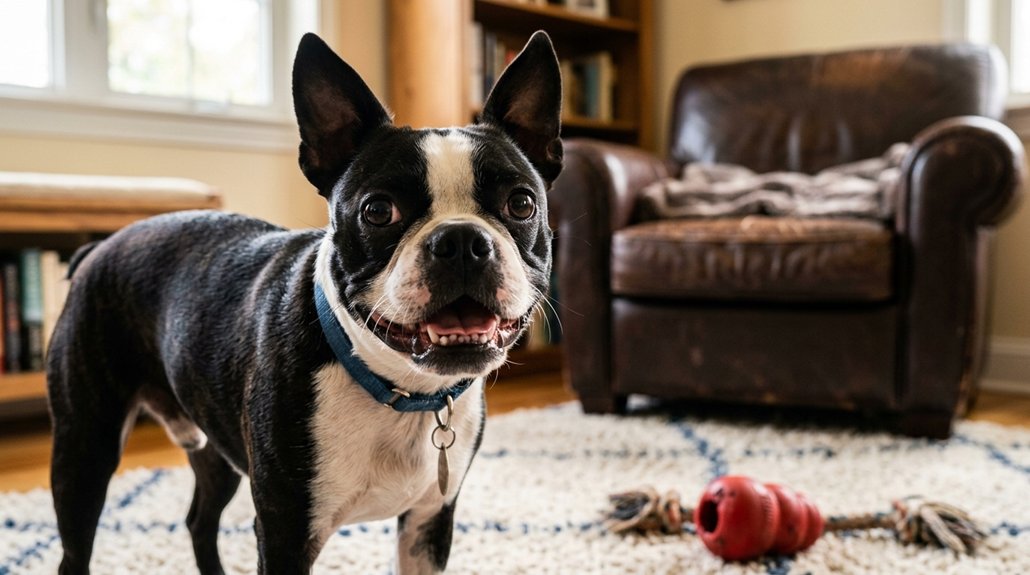
Despite their playful demeanor, Boston Terriers are markedly adept learners, making them highly responsive to well-structured training regimens. Integrating positive reinforcement techniques can exponentially enhance their training outcomes. Training sessions should be short, ideally 3 to 5 minutes, to maximize engagement without causing fatigue. Consistency in cues is essential—this precision aids in their cognitive processing, reducing confusion. Utilizing training games can exploit their natural curiosity and joy for learning, making the process both effective and enjoyable.
- Incorporate small, tasty rewards: Motivates and focuses their attention.
- Guarantee early socialization: Fosters adaptability around children and pets.
- Engage in structured training classes: Promotes well-rounded behavioral development.
Implement these strategies to guarantee a well-trained and balanced Boston Terrier.
Exercise Requirements for Boston Terriers
While Boston Terriers are known for their spirited nature, they have specific exercise needs that require careful attention to maintain peak health and prevent behavioral issues. These energetic canines typically need 30 minutes to an hour of physical activity daily. Here’s a detailed breakdown:
| Age | Exercise Duration |
|---|---|
| Puppies | 5 minutes/month, 2x daily |
| Young Adults | 30-60 minutes |
| Senior Dogs | Consult veterinarian |
| All Ages | Limit outdoor activities in hot/humid conditions |
Exercise games and brisk walks provide crucial physical and mental stimulation. Regular interactive play, such as fetch, enhances cardiovascular activity and companionship. Always monitor them for excessive panting due to their brachycephalic structure. Personalized exercise plans, developed in consultation with a veterinarian, guarantee individual needs and energy levels are met.
Grooming Tips for Boston Terrier’s Short Coat
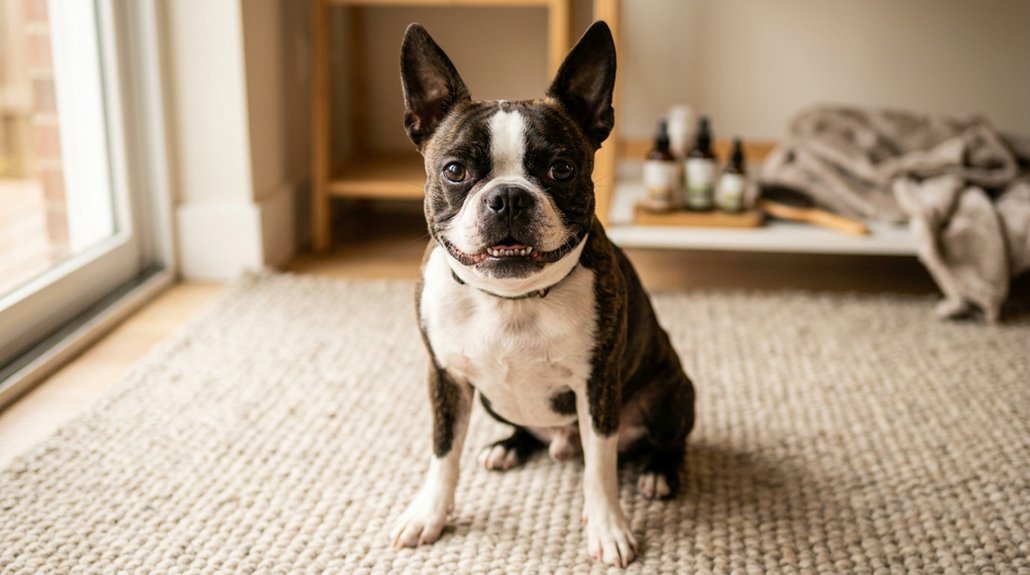
Boston Terriers, with their short, smooth coats, demand minimal grooming but require consistent care to maintain their ideal health and appearance. Coat maintenance involves using the appropriate grooming tools, such as a soft-bristle brush for weekly brushing. This process effectively manages loose hair, reduces shedding, and maintains a clean, healthy coat. An occasional bath is essential for removing dirt accumulated during outdoor activity, ensuring your Boston Terrier remains fresh and hygienic. Also, regular attention to the facial area is crucial, as eyes and wrinkles can harbor dirt and moisture, leading to potential infections. Proper nail trimming supports comfort in mobility, preventing walking discomfort.
- Regular weekly brushing using appropriate grooming tools
- Occasional baths to clean mud and dirt
- Routine care for eyes and facial wrinkles to prevent irritation
Recognizing Health Concerns in Boston Terriers
When caring for a Boston Terrier, it is essential to recognize the health concerns that are prevalent in this breed. Brachycephalic obstructive airway syndrome (BOAS) is a common ailment that can severely impact their respiratory function, necessitating vigilant monitoring, especially during hot weather and exercise. Regular veterinary evaluations can aid in preventing complications related to luxating patella and hemivertebra, which may impair mobility. Boston Terriers are also prone to ocular conditions such as cataracts and cherry eye, underscoring the need for routine ophthalmologic examinations. Atopic skin allergies require diligent observation for any alterations in skin condition and potential veterinary intervention. Given their brachycephalic anatomy and short coats, safeguarding them from extreme temperatures is essential to prevent overheating and hypothermia.
Socialization Tips for Boston Terriers With Family and Pets
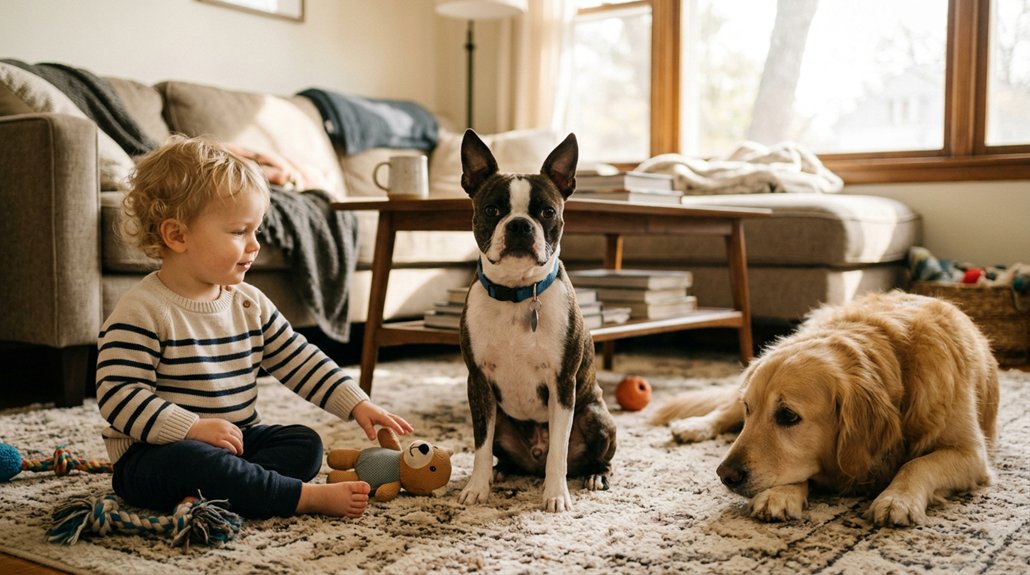
Early socialization is fundamental in refining a Boston Terrier’s capacity to interact harmoniously with family members and other pets, mitigating predisposed tendencies like high prey drive. By integrating structured training classes and consistent exposure to diverse stimuli, you can effectively manage inter-pet dynamics and promote positive associations. Ascertain each session is governed by positive reinforcement techniques to facilitate a cooperative temperament conducive to safe familial interactions.
Early Socialization Techniques
Initiating early socialization is paramount to shaping a well-adjusted Boston Terrier that exhibits friendly behaviors toward family and other animals. Engaging in puppy playdates and utilizing positive reinforcement from 3 to 14 weeks of age can greatly influence your dog’s temperament. Introduce your Boston Terrier to varied environments, people, and animals to guarantee extensive exposure during their critical socialization window. Positive reinforcement through treats and praise fosters constructive associations, encouraging appropriate reactions to new experiences. Organizing playdates or visits to dog parks frequently will enhance confidence, mitigating prey drive and promoting social harmony. Introduce new stimuli gradually to offset any inherent stubbornness, thereby laying the groundwork for effective behavioral development.
- Introduce to diverse environments and experiences
- Utilize positive reinforcement consistently
- Coordinate regular puppy playdates
Managing Pet Interactions
As you continue fostering your Boston Terrier’s early socialization, understanding how to manage interactions with family members and other pets becomes significant. Early socialization helps mitigate the breed’s natural prey drive, especially around smaller animals. Ensuring playtime etiquette is adhered to during regular playdates can develop your Terrier into a confident companion. Carefully observe behavior signals to discern comfort levels in varied environments. Use positive reinforcement to facilitate harmonious introductions, as Boston Terriers flourish with companionship. Supervised interactions with children and other animals are critical to prevent potential aggression or misunderstanding. Establish a consistent introduction routine for new family members or pets to minimize anxiety. This structured approach promotes trust, encouraging a peaceful coexistence within your household.
Feeding Your Boston Terrier: What Works Best?
When considering the ideal diet for your Boston Terrier, what factors should be prioritized to guarantee their health and well-being? Focus on meal portioning to prevent overeating, especially given their average weight of 5 to 11 kg. Divide their daily intake into two meals using portion sizes dictated by their specific dog food packaging; adjust according to activity level and body condition. Prioritize high-quality, small-breed-specific, protein-rich food for ideal nutrition. Be vigilant regarding dietary sensitivities, as Boston Terriers can be prone to allergies requiring adjustments.
Prioritize portion control and small-breed, protein-rich food while monitoring for allergies to ensure your Boston Terrier’s health.
- Monitor for signs of potential allergies or dietary sensitivities.
- Treats should constitute no more than 10% of daily caloric intake to avoid obesity.
- Regular veterinarian consultations help tailor dietary plans, ensuring overall health.
Considerations for Choosing a Boston Terrier Puppy
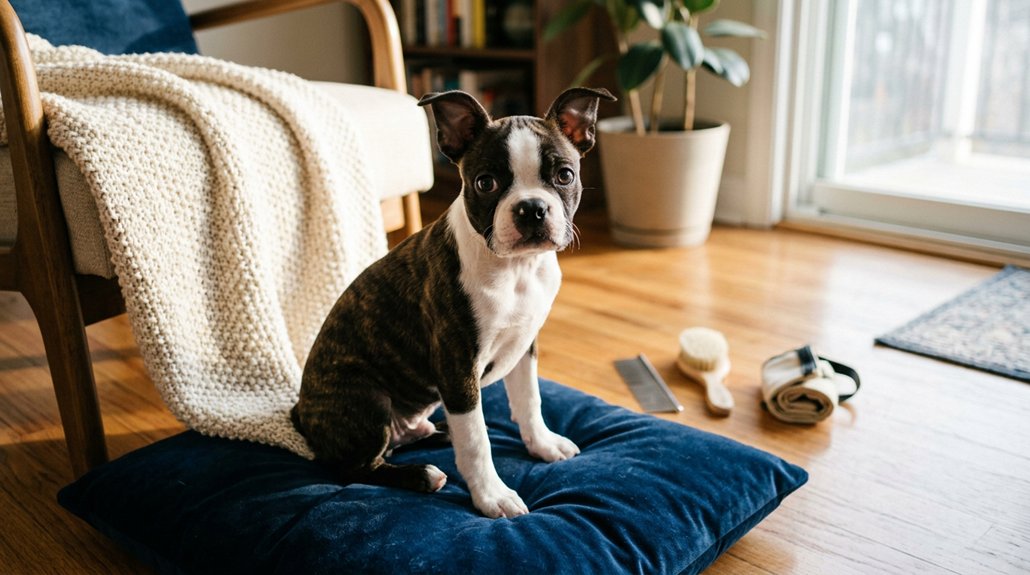
Choosing the right Boston Terrier puppy demands careful evaluation, much like selecting ideal nutrition for your grown pet. During puppy selection, contemplate your living environment—a compact Boston Terrier adapts well to both urban and suburban settings. Their requirement for human interaction is substantial; isolation can induce behavioral complications. Evaluating the ideal environment means guaranteeing space for socialization, particularly with children and other pets. Prioritize reputable breeders or rescues to bypass unethical puppy mills, safeguarding the puppy’s health and welfare. Scrutinize breed-specific health issues, particularly brachycephalic respiratory anomalies, which are germane when selecting a Boston Terrier. Structured research, including breeder credentials and puppy health certifications, underpins confident acquisition decisions. Your commitment guarantees a harmonious integration into your household dynamics.
Boston Terrier Fun Facts You Didn’t Know
Although often seen as small companions, Boston Terriers possess an abundance of traits that distinguish them as unique among dog breeds. Their Boston Terrier history is fascinating; they originated from a blend of English Bulldogs and Terriers in 19th-century Massachusetts. Known affectionately as “The American Gentleman,” their tuxedo-like coats and well-mannered nature underscore this distinction. Despite their size, they’re energetic, requiring consistent exercise, typically engaging in quirky behaviors during playful interactions. Training these intelligent dogs is seamless with positive reinforcement, as their willingness to please shines through. You’ll find them to be excellent with children and other pets, demonstrating a sociable disposition.
- The American Gentleman: Tuxedo-like coats, polite demeanor.
- Energetic Companions: Require daily physical activities.
- Intelligent & Trainable: Willingness fuels easy training.
Frequently Asked Questions
What Is the 10 10 10 Rule for Puppies?
The 10 10 10 rule involves 10-minute sessions each for training, play, and potty breaks. Use socialization techniques and observe behavior cues during training. This structure enhances learning retention, energy management, and effective house-training through brief, focused interactions.
Are Boston Terriers Easy to Train a Puppy?
Think of training them like tuning a piano: patience and precision bring harmony. They’re easy to train with the right techniques. Use positive reinforcement and socialization tips to align their curiosity with consistent routines for best results.
What Is the 7 7 7 Rule for Dogs?
The 7 7 7 rule involves allowing seven days for acclimatization, seven weeks for bonding, and seven months for thorough training. Employ socialization strategies and positive reinforcement training techniques for ideal behavioral development. Patience is essential throughout.
Are Boston Terriers Good Dogs for First Time Dog Owners?
Absolutely, Boston Terriers are ideal for first-time dog owners; 70% of owners report ease in handling their Boston Terrier’s characteristics. Their first-time training adaptability and amiable nature make them a seamless addition to novice pet households.
Conclusion
Welcoming a Boston Terrier into your life means understanding their unique needs, from managing brachycephalic breathing issues to providing consistent training and socialization. While their compact size makes them excellent companions, remember: a well-fed diet and regular grooming are essential. Intriguingly, studies have suggested that Boston Terriers might possess an innate ability to sense human emotions. As you commence on this journey, consider how these factors marry science and intuition in nurturing your delightful four-legged friend.