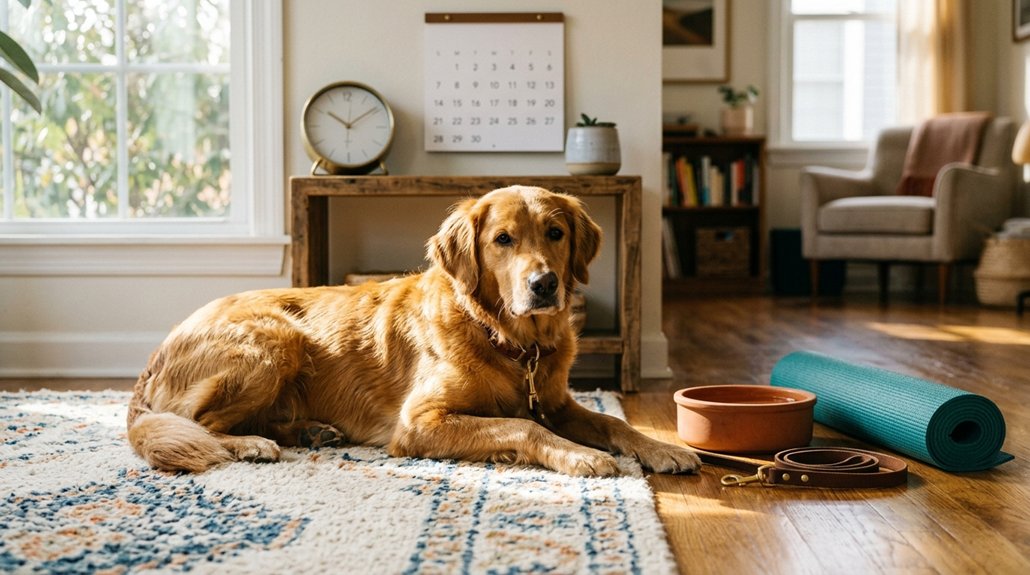
To match a dog breed to your daily routine, consider your activity level, living space, and family dynamics. Active lifestyles suit high-energy breeds like Australian Shepherds, while relaxed routines benefit from calm breeds like French Bulldogs. Assess your grooming tolerance and financial capacity as well, to guarantee balance and wellbeing for both you and your pet. By aligning these factors, you’ll find a loyal companion that fits seamlessly into your life. Discover more to make an informed choice.
Key Takeaways
- Assess your daily activity levels to align with the energy needs of different dog breeds.
- Consider your living space to determine if a smaller or larger breed will be more suitable.
- Factor in grooming requirements to match your tolerance for maintenance tasks.
- Evaluate family dynamics for compatibility with children and other pets.
- Decide between adoption and buying based on your preferences and lifestyle.
Assess Your Daily Routine and Preferences
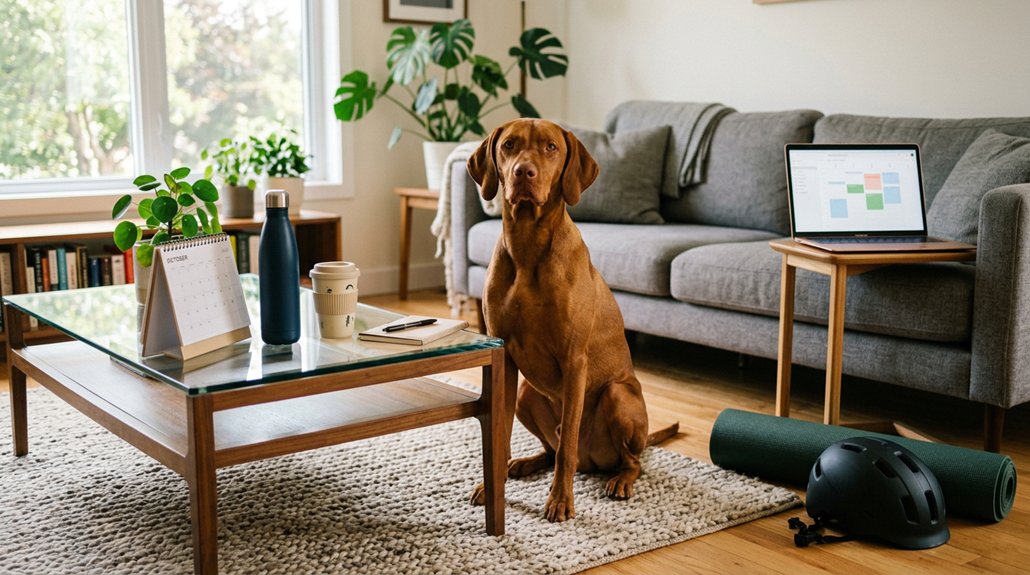
Understanding your daily routine and preferences is essential when choosing the right dog breed. Do you find yourself constantly on the go, or do you cherish quiet moments at home? Your lifestyle adjustment to a dog can greatly influence your overall satisfaction. Considering dog personality is vital; high-energy breeds like Australian Shepherds suit active lifestyles, while a chill companion like a French Bulldog might align better with a relaxed routine. Additionally, think about your living space and family dynamics. Smaller breeds are ideal for compact apartments, whereas big homes can accommodate more energetic dogs. Reflect on your financial capacity, as larger breeds could mean higher expenses. Finally, be honest about your grooming tolerance; it’s key to maintaining harmony.
Relaxation vs. Activity: Identify Your Energy Parity
Understanding your own energy levels and routine is key to finding the perfect canine companion. Balancing leisure with movement isn’t just essential for your well-being, but it’s also vital for a dog’s happiness and health. By accurately matching your lifestyle to a breed’s needs, you’ll foster a joyful, harmonious relationship that benefits both you and your dog.
Energy Levels and Routine
Are you aware of how your daily energy levels align with the needs of a new canine companion? Recognizing this can facilitate a harmonious relationship between dog energy and lifestyle compatibility. If you’re an active person who enjoys jogging or outdoor adventures, energetic breeds like Australian Shepherds can effortlessly match your pace, ensuring their exercise needs don’t become an overwhelming challenge. Conversely, a laid-back lifestyle might align well with breeds like French Bulldogs, who thrive on moderate, casual exercise, fitting seamlessly into a less demanding routine. Understanding your daily rhythm can prevent behavioral issues in your dog that arise from unmet exercise needs. By choosing a dog that complements your energy levels, you’ll enrich your life and nurture a fulfilled, content furry friend.
Balancing Leisure and Movement
When determining the ideal canine companion, aligning your energy levels with your pet’s needs is just as important as considering the details of your daily routine. Breeds like Labrador Retrievers thrive with active owners, while French Bulldogs suit a more relaxed pace. Exploring dog park interactions or structured exercise options can help energetic dogs, such as Australian Shepherds, avoid boredom. Consider these guides:
- Active lifestyles: High-energy breeds will match your love for long hikes and outdoor adventures.
- Relaxation seekers: Calmer breeds of dogs that enjoy less intense engagements.
- Exercise needs: Tailor the dog’s routine to include daily brisk activities or leisurely strolls.
- Balanced companionship: Opt for a breed whose exercise needs fit seamlessly into your lifestyle effortlessly.
Identifying this balance guarantees harmony.
Space Constraints and Dog Compatibility
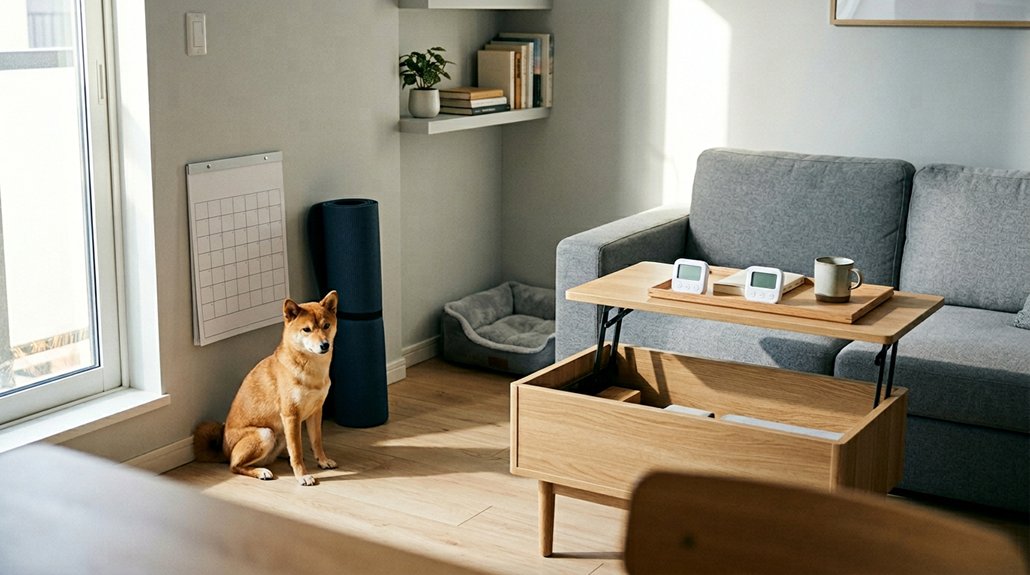
While it’s always exciting to welcome a new furry friend into your life, your living situation plays an essential role in determining which dog breed is the right fit for you. If you’re in a small apartment, consider the small breed advantages of less space requirements and lower exercise needs. Breeds like French Bulldogs and Shih Tzus thrive in these environments, adapting well to indoor life. On the other hand, large breed challenges arise when space is limited. High-energy dogs, such as Labrador Retrievers, need room to roam and play. Without it, they may become destructive. If you have a larger yard, breeds like German Shorthaired Pointers can enjoy safe outdoor activities. Remember, evaluating your space guarantees a harmonious life for both you and your canine companion.
Family Dynamics and Dog Choice
Selecting the right dog breed for your family requires thoughtful consideration of your household’s unique dynamics. It’s essential to explore breeds compatibility, especially when there are young children or existing pets. Opt for patient breeds like Labrador Retrievers or Cavalier King Charles Spaniels if young kids are in the mix. Watch out for allergy considerations too; certain breeds are more hypoallergenic, making them better for sensitive families.
Imagine:
- Joyful playtimes with a gentle Lab, who’s patient with your toddler’s energy.
- Peaceful coexistence with pets if you choose a breed with low prey drive.
- Quiet evenings with a smaller breed that’s perfect for single professionals.
- Allergy relief with a hypoallergenic breed, keeping everyone comfortable.
Understanding these dynamics guarantees a harmonized, happy family life.
Grooming Needs: Minimal vs. Intensive Care
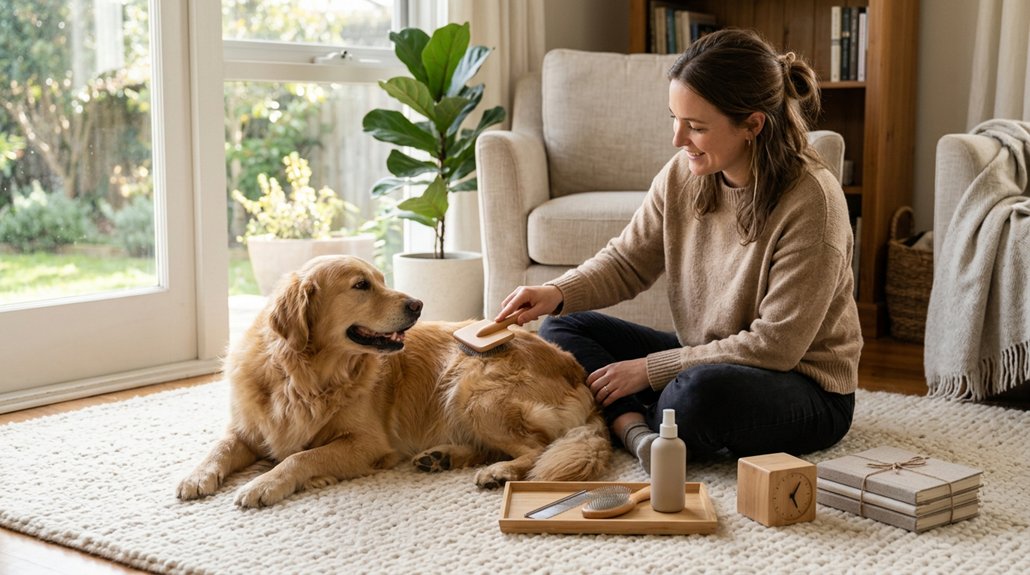
When considering a dog’s grooming needs, think about how much time you can realistically dedicate to this task in your daily routine. While breeds with minimal grooming needs, like Labrador Retrievers, require only basic tools and occasional care, those like Poodles demand more frequent attention and professional grooming services, which can add to your expenses. Understanding these commitments guarantees you choose a breed that harmonizes with your lifestyle and maintains your dog’s well-being efficiently.
Time Commitment for Grooming
Grooming choices play a pivotal role in matching a dog breed to your daily routine, catering to both time commitment and your personal grooming enthusiasm. If you’re strapped for time, breeds like Labrador Retrievers might suit you, needing only simple grooming schedules with minimal hassle. In contrast, Poodles demand dedicated daily care, impacting both your timetable and financial planning for professional services.
Consider:
- Minimal Grooming: Occasional brushing for Beagles with less focus on regular baths.
- Intensive Grooming: Shih Tzus require regular trims and constant coat care.
- Financial Impact: Professional grooming visits can add significant costs.
- Home Upkeep: High-shedding breeds elevate vacuuming demands.
Understanding these needs helps align your routine and budget, ensuring a harmonious relationship with your furry companion.
Grooming Supplies Essentials
Even though grooming needs differ drastically between breeds, understanding the essentials of grooming supplies can pave the way for a seamless routine, whether your dog requires minimal care or intensive maintenance. For breeds like Labrador Retrievers, simple grooming techniques, such as occasional brushing, fit a busy lifestyle, ensuring breed compatibility with your schedule. On the other hand, breeds like Shih Tzus or Poodles demand a more committed approach, necessitating daily grooming and high-quality tools. Investing in brushes, combs, and specialized shampoos is critical for avoiding issues like matting and skin problems. By aligning your grooming routine with your dog’s needs, you’re not just maintaining their health and appearance, but fostering a deeper bond through care and attention.
Professional Grooming Considerations
Choosing the right approach to your dog’s grooming needs is pivotal in how you’ll manage both your and your pet’s lifestyle. Understanding grooming frequency and breed characteristics can ease this process. Some breeds, like Labrador Retrievers, require minimal effort, needing just:
- Occasional brushing to manage shedding.
- Basic maintenance on nails and ears.
On the other hand, breeds like Shih Tzus demand intensive care with:
- Daily brushing to prevent matting.
- Regular professional appointments every 4-6 weeks to maintain their coat’s condition.
Owners need to assess their time and willingness for grooming care, as intensive breeds may involve several hours each month. Opt for a breed aligning with your capacity and routine, ensuring both you and your pet thrive.
Potential Health Issues
Understanding potential health issues is essential when selecting a dog breed that complements your daily routine. Different breeds have genetic predispositions to certain conditions. Large breeds like Great Danes often deal with joint problems, while brachycephalic breeds, like Bulldogs, face breathing difficulties. Knowing these breed-specific conditions can guide your decision.
Small dogs, such as Chihuahuas, frequently encounter dental issues due to their compact mouths. Retrievers and Spaniels might struggle with obesity, necessitating regular exercise and a balanced diet. High-energy breeds like Border Collies require adequate physical activity; otherwise, they risk stress-induced health concerns.
Regular vet check-ups enable you to manage and prevent potential issues effectively. Prioritizing your lifestyle and a breed’s health needs safeguards happier companionship.
Dog Breed Training and Socialization Needs
Considering a breed’s potential health concerns is just the start; now let’s focus on how their training and socialization needs fit into your routine. Different breeds have distinct behavioral characteristics shaping their training styles. Border Collies demand intensive training, while Bulldogs need patience and consistency. Positive reinforcement is effective, but tailored approaches enhance success. Puppies should experience diverse environments early on for ideal socialization.
- Intelligent and energetic breeds like Border Collies benefit from mental stimulation to prevent boredom.
- Reserved breeds, requiring more socialization, may need extra time with strangers.
- Friendly breeds like Golden Retrievers might require less adaptation when meeting new people.
- Age influences training, as puppies need foundational lessons and adults might need behavioral adjustments.
Understanding these factors helps integrate training seamlessly into your daily life.
Choose Between Adoption and Buying
While giving a home to a dog is a heartwarming commitment, it’s essential to weigh the options between adopting and buying to guarantee the best fit for your lifestyle. Adoption offers profound benefits, like lower initial costs and the chance to provide a loving home for an animal in need. Many rescue organizations offer vaccinated dogs with spaying or neutering included, making it easier for you to get started. Consider how assessment of temperament and needs often leads to better lifestyle matches. On the other hand, breeder considerations include the ability to choose specific breed traits and verify health history. While buying from breeders can secure desired characteristics, it often involves higher costs. Both require commitment, so choose what aligns with your routine and values.
Make an Informed Decision
As you begin the journey to welcome a new canine companion, ensuring that your choice aligns with your daily routine is essential. Making an informed decision involves scrutinizing several aspects, from exercise frequency to breed temperament. Consider your lifestyle and environment to determine the right fit.
- Daily Activity Level: For active individuals, breeds like Labrador Retrievers thrive on consistent exercise; more laid-back individuals might opt for French Bulldogs.
- Living Space: Small apartments suit smaller breeds that don’t require much space.
- Family Situation: Some dogs are gentle; Cavalier King Charles Spaniels are ideal for homes with children.
- Grooming Needs: Assess grooming commitments; Shih Tzus need more maintenance compared to Labrador Retrievers.
Assess your lifestyle honestly. This fosters a harmonious bond with your future furry friend.
Frequently Asked Questions
What Is the 7 7 7 Rule for Dogs?
The 7 7 7 Rule means providing your dog 7 minutes of exercise for every 7 pounds they weigh. By understanding breed characteristics and dog behavior, you’ll guarantee their physical and mental needs are met, enhancing overall well-being.
What Is the 3-3-3 Rule for Puppies?
The 3-3-3 rule outlines a puppy’s acclimation journey: three days for initial stress, three weeks to start behavioral adjustment, and three months to become comfortable and integrated into your family dynamics. Be patient and understanding.
What Is the 10-10-10 Rule for Dogs?
A stitch in time saves nine: the 10-10-10 rule means investing 10 minutes in training, exercise, and play daily helps manage your dog’s behavior, temperament, activity levels, socialization, and grooming needs, ensuring balanced breed characteristics.
What’s a Good Daily Routine for a Dog?
Your dog’s daily routine should include exercise needs, suitable dietary preferences, consistent training tips, and effective socialization strategies. Don’t forget enrichment activities and a regular grooming routine to keep them happy and healthy.
Conclusion
Choosing the right dog breed is like finding the perfect rhythm to your life’s melody. By considering your daily routine, space, family dynamics, and grooming preferences, you’re on your way to a harmonious match. Don’t forget to weigh potential health concerns and training needs, looking at both adoption and buying. Your ideal dog should complement your lifestyle, not disrupt it. Trust your instincts and make an informed decision—it’s a partnership that will enrich your life.