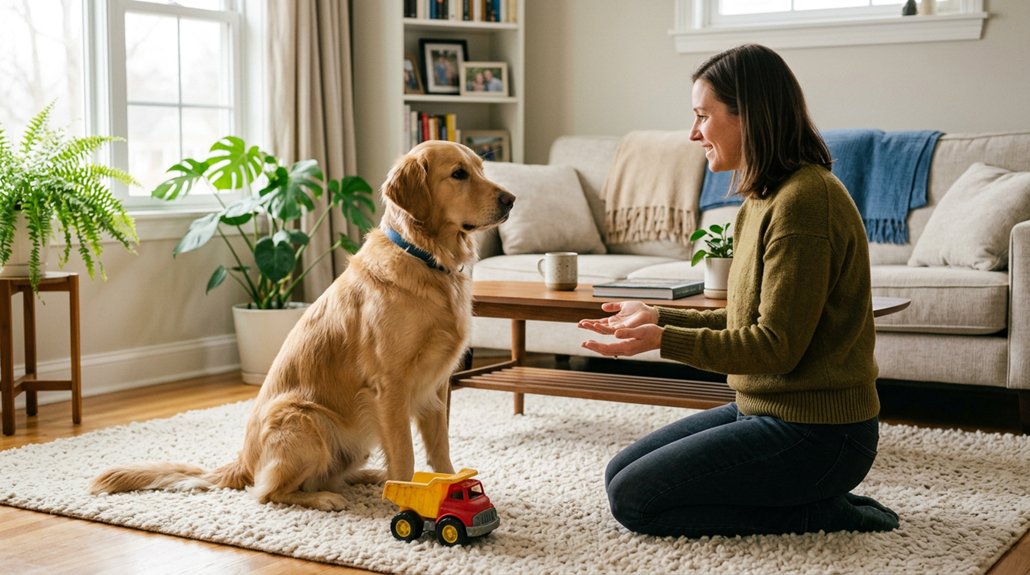
To determine if a dog is right for your home, assess your lifestyle, time commitment, and space. Consider if you’re equipped to handle responsibilities of dog care, including socialization and exercise. Decide between a puppy or adult dog based on training needs and energy matching family dynamics. Budget for ongoing expenses, like vet care and insurance. Evaluate breed traits compatibility. Home preparedness and community support can enhance successful integration. Understanding these factors guarantees better informed decisions.
Key Takeaways
- Evaluate your daily schedule to ensure you have enough time for dog care and companionship.
- Consider breed size and exercise needs relative to your home’s space constraints.
- Assess compatibility with household members, including children and other pets.
- Plan for financial commitments by budgeting for ongoing care, including food and veterinary expenses.
- Research breed-specific traits to understand health predispositions and behavioral expectations.
Determine Your Lifestyle and Space for a Dog

Before choosing a dog, it’s vital to evaluate your lifestyle and living space to guarantee compatibility with a pet’s needs. Appraising your daily schedule is essential, as dog training and exercise require a significant time commitment. Dogs need socialization and cannot comfortably endure more than 8-10 hours alone. Consider the spatial dynamics of your home; larger, more energetic breeds necessitate ample room, making them unsuitable for compact living spaces like apartments. Acknowledge the composition of your household, particularly if children or other pets are present, as this affects breed suitability. Factor in your future plans, ensuring you’re prepared for ongoing responsibilities. Realistically align your capacity to meet breed-specific activity demands with your lifestyle, ensuring a harmonious human-pet arrangement.
Choosing Between a Puppy or an Adult Dog
After evaluating your lifestyle and available living space, the next step is choosing between a puppy or an adult dog. Puppies require significant time investment, particularly concerning puppy requirements like training and socialization. They also exhibit phases such as chewing and house-training, which can be challenging for novice owners. On the other hand, adult dogs generally display established adult behaviors, potentially offering a smoother integration into a bustling household. Families with young children may thrive with a puppy’s energy, while those with constrained schedules or older family members might find adult dogs more compatible. Consider a puppy’s future size and energy needs, ensuring alignment with your home’s parameters. Accurately assess household dynamics and realistically evaluate your time and resources before deciding.
Calculate the Cost of Dog Ownership

Although owning a dog can bring immense joy, it’s essential to thoroughly assess the financial implications to ascertain you’re prepared for the commitment. The initial purchase cost for a dog varies, ranging from a few hundred to several thousand dollars. Ongoing expenses such as food, grooming, veterinary care, and licensing average $1,000 to $2,000 yearly. Implement budgeting tips to effectively manage these costs. Consider pet health insurance, which can reduce unforeseen financial burdens with premiums between $30 and $70 monthly. Remember, dog ownership is a long-term commitment, with potential lifetime costs reaching $15,000 to $30,000 or more. Don’t overlook additional expenses, including training classes and supplies. Plan strategically to ascertain a sustainable and rewarding experience.
Explore Breed Traits and Compatibility
When evaluating a dog’s compatibility with your home, it’s essential to assess breed-specific temperament and behavior to guarantee alignment with your household environment. Consider the exercise requirements of the breed, acknowledging that some dogs need significant physical and mental stimulation to maintain ideal health. Additionally, understanding potential health outcomes associated with the breed will inform your ability to manage long-term veterinary care and secure the dog’s well-being.
Assess Temperament and Behavior
How do you determine if a dog will seamlessly integrate into your household? Begin by examining dog personality traits linked to specific breeds. Research provides invaluable insights into typical behavioral patterns and temperament attributes. Consider how these traits fit with your home dynamics. For instance, high-energy breeds might demand more space and attention. Next, adhere to socialization tips such as observing the puppy’s parents to gauge potential temperament and social skills. Consulting breed profiles or experienced trainers offers precise evaluations that promote compatibility assessments. By understanding natural instincts and behaviors, you can predict how a dog may interact with family members and adjust to your lifestyle. This approach guarantees a tailored fit, fostering a harmonious human-canine relationship.
Evaluate Exercise Requirements
Identifying the appropriate exercise requirements for a dog involves examining breed traits and compatibility to guarantee a suitable match with your lifestyle. Recognizing each breed’s energy levels and daily exercise needs is essential. High-energy breeds, like Border Collies, demand extensive activity sessions, while low-energy breeds, such as Bulldogs, thrive on minimal exertion. Understanding a breed’s historical roles sheds light on their stamina and playfulness. For instance, working breeds need robust exercise due to their origins. Here’s a concise guide to help you:
- Breed energy level assessment: Know what you’re committing to.
- Daily exercise: Align routine with dog’s needs.
- Space requirements: Larger breeds need roomier environments.
- Mental stimulation: Even small breeds need engagement.
- Compatibility evaluation: Helps guarantee balanced living for all.
Consider Health Outcomes
Before bringing a dog into your home, it’s vital to evaluate potential health outcomes based on breed traits and compatibility with your lifestyle. Breed-specific concerns such as orthopedic issues in larger breeds or respiratory problems in brachycephalic breeds necessitate thorough research. Mixed-breed dogs, generally benefiting from hybrid vigor, often present with fewer genetic health issues, offering an alternative for longevity. Understanding exercise needs is also important; high-energy breeds may require rigorous physical activity to avoid obesity, while lower-energy breeds have minimal exercise requirements. Regular veterinary care is essential, but some breeds demand more frequent health screenings. For instance, breeds predisposed to hip dysplasia should undergo early and periodic assessments to manage potential disorders effectively, ensuring ideal health management.
Prepare Your Home for a New Pet
To guarantee a seamless changeover for your new dog, it’s vital to prepare your home with an all-encompassing pet-proofing essentials checklist. Create secure spaces by removing hazardous materials, securing electrical cords, and designating areas equipped with necessities such as a bed and toys. Involving your entire household in preparation fosters a safe, welcoming environment that supports both the safety and well-being of your new furry family member.
Pet-Proofing Essentials Checklist
Bringing a dog into your home requires meticulous preparation to guarantee a safe environment for your new furry companion. Start by evaluating pet-friendly furniture that withstands typical canine activities and facilitates easy cleaning. Elevate your hazard awareness by identifying risks such as toxic plants and sharp objects. Secure electrical wires to avert potential electric shocks. Install barriers such as baby gates to limit the dog’s accessibility to hazardous or off-limit areas. Properly store edibles, medications, and chemicals in child-proof or elevated locations to prevent digestion mishaps. Integrating non-slip rugs can greatly reduce fall risks, providing a secure surface for movement.
- Remove or secure toxic plants
- Hide or secure electrical cords
- Install baby gates for restricted access
- Use child-proof locks on cabinets
- Lay down non-slip rugs
Creating Safe Spaces
While welcoming a canine into your home, establishing safe spaces is paramount to promote their well-being and comfort. Create safe zones by removing hazardous items like toxic plants, electrical cords, and small objects. This precaution guarantees the environment is devoid of potential threats. Designate comfort areas with a comfortable bed, toys, and water, where your dog can relax and retreat. Securing gates or barriers restricts access to unsafe spaces, such as staircases or kitchens, mitigating risks of accidents or injuries. Store cleaning supplies and chemicals in high cabinets, eliminating poisoning risks. Gradually acclimate your dog to the new layout under supervision to monitor their adjustment and comfort levels, securing a smooth shift into your home.
Find Community and Support Resources
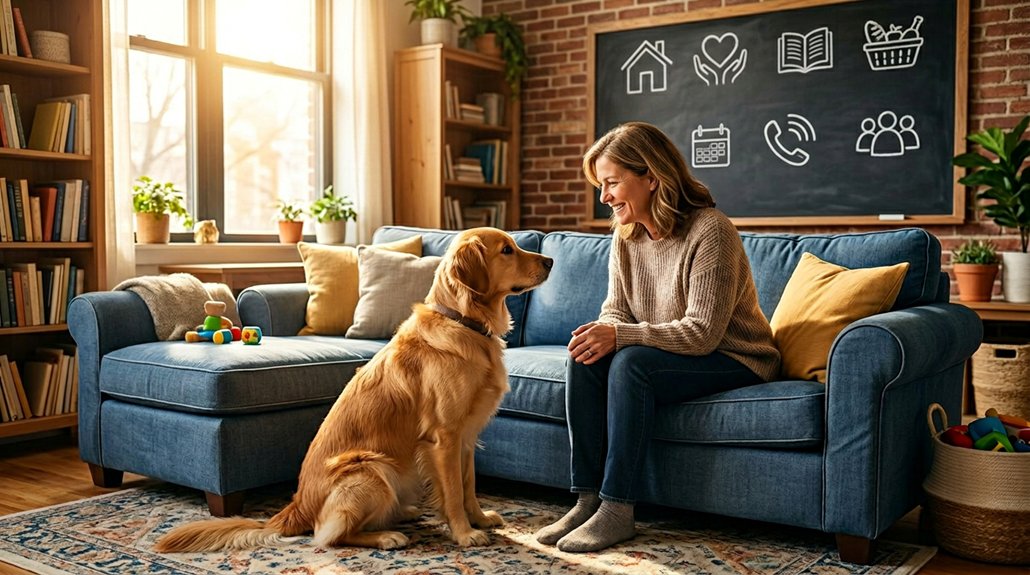
Considering adding a dog to your home, but unsure where to start? Explore various community and support resources to make informed decisions. Engage with community workshops that highlight responsible dog ownership and provide access to local resources. Local animal shelters and rescue organizations are pivotal in offering adoption services and essential information for prospective owners. It’s beneficial to attend community events tailored to dog training and behavior management. These sessions enhance your understanding of canine care and connect you with experienced professionals. Expand your network by:
- Attending local dog training classes.
- Joining online pet forums.
- Participating in social media groups.
- Consulting veterinary clinics for educational sessions.
- Engaging with community events focused on dog ownership.
Utilizing these resources optimizes your preparation for responsible dog ownership.
Frequently Asked Questions
What Is the 3-3-3 Rule With Dogs?
The 3-3-3 rule describes the behavior adjustments during a dog’s adjustment period: the first three days involve stress, three weeks lead to routine acceptance, and three months signify stable integration into your household environment and dynamics.
How Do You Know if a Dog Is a Good Fit for You?
Imagine a puzzle piece, it’s essential to evaluate how seamlessly a dog’s energy level, lifestyle compatibility, and household dynamics align. Assess commitment, available time, and financial readiness to guarantee a symbiotic relationship with your prospective canine companion.
What Are the Top 3 Most Loyal Dogs?
You’d consider German Shepherds, Labrador Retrievers, and Golden Retrievers as top loyal breeds. Their loyalty is reinforced through proper training methods. These breeds exhibit strong bonds, making them reliable companions in various environments and household settings.
What Is a Red Flag Puppy’s Behavior?
A red flag puppy’s behavior mirrors a stormy sea, with excessive barking signaling anxiety’s tumult and destructive chewing marking chaos’s tide. Without swift intervention, these signals predict challenging behavioral currents shaping a pet unfit for unprepared households.
Conclusion
Selecting an appropriate canine companion requires detailed evaluation of your living conditions, lifestyle compatibility, and fiscal responsibilities. Whether opting for a boisterous puppy or a mature dog, each choice presents unique challenges and rewards. Thoroughly research breed-specific attributes to guarantee harmonious coexistence. Preparing your environment and integrating community support is essential for successful pet ownership. Remember, committing to a dog is no walk in the park—it demands dedication, but offers immeasurable companionship and joy in return.