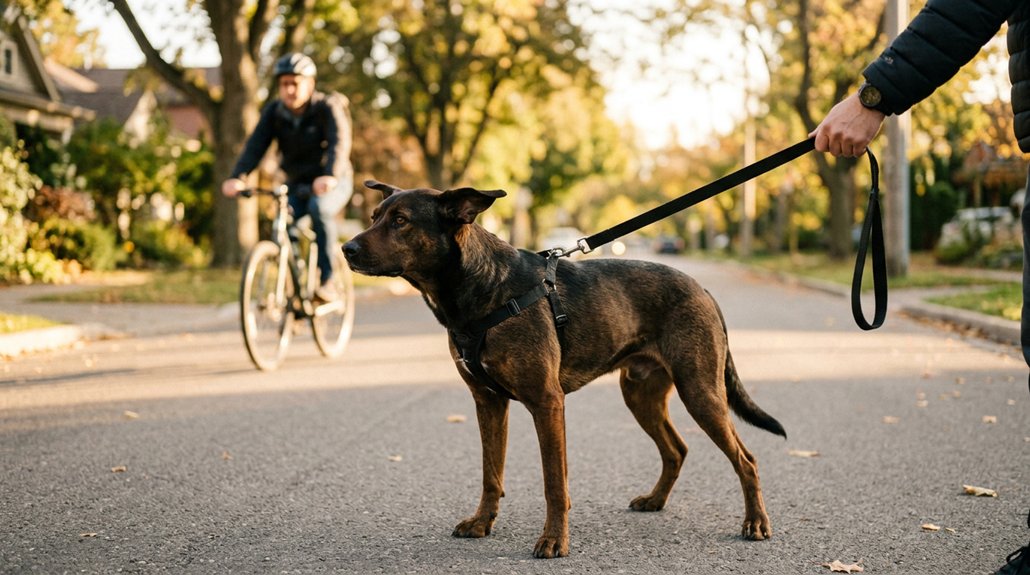
To stop leash reactivity in dogs, start by recognizing early signs like stiff posture or intense staring. Use a no-pull harness and reward calm behavior with treats. Begin…
Dog Behavior
Why Your Dog Reacts to Other Dogs on Walks
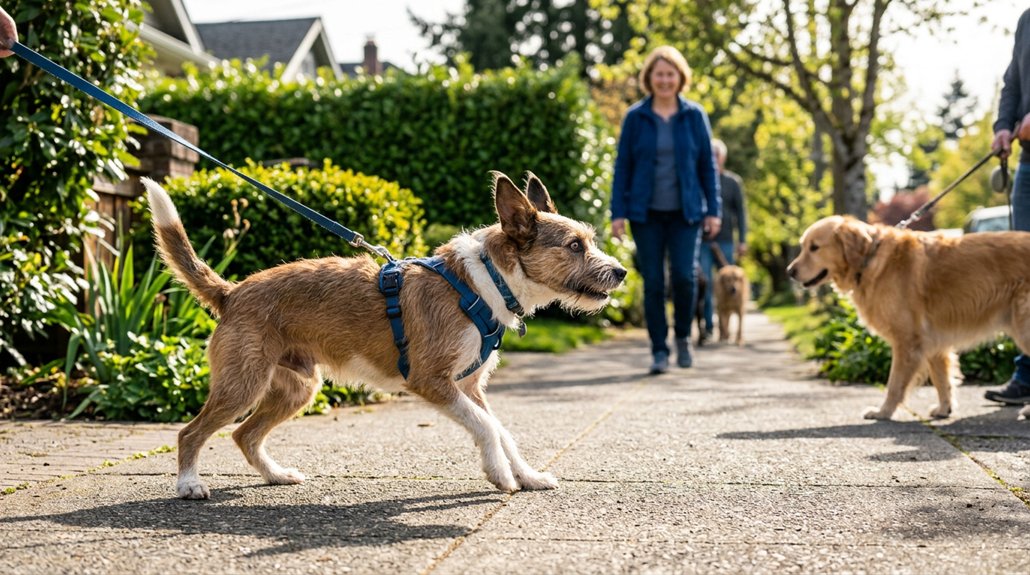
Your dog likely reacts to other dogs on walks due to fear or frustration. These emotions can manifest as lunging, barking, or growling, often triggered by head-on approaches…
Dog Behavior
How to Build Trust With a Reactive Dog
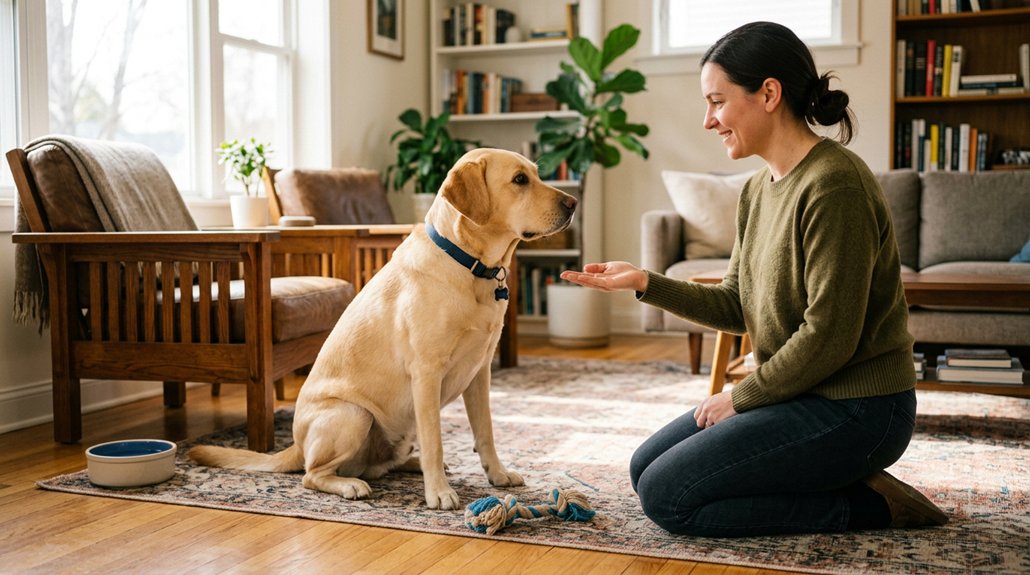
Building trust with a reactive dog involves recognizing stress signals, such as lip-licking or tensed muscles, and creating a calm, predictable environment. Introduce triggers slowly and encourage decision-making…
Dog Behavior
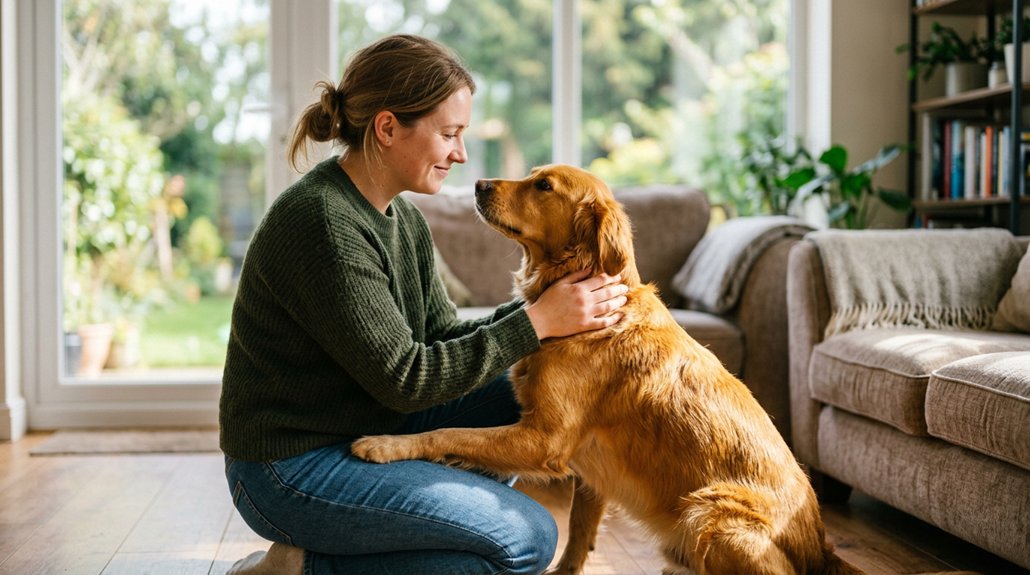
What to Do When Your Dog Ignores Commands
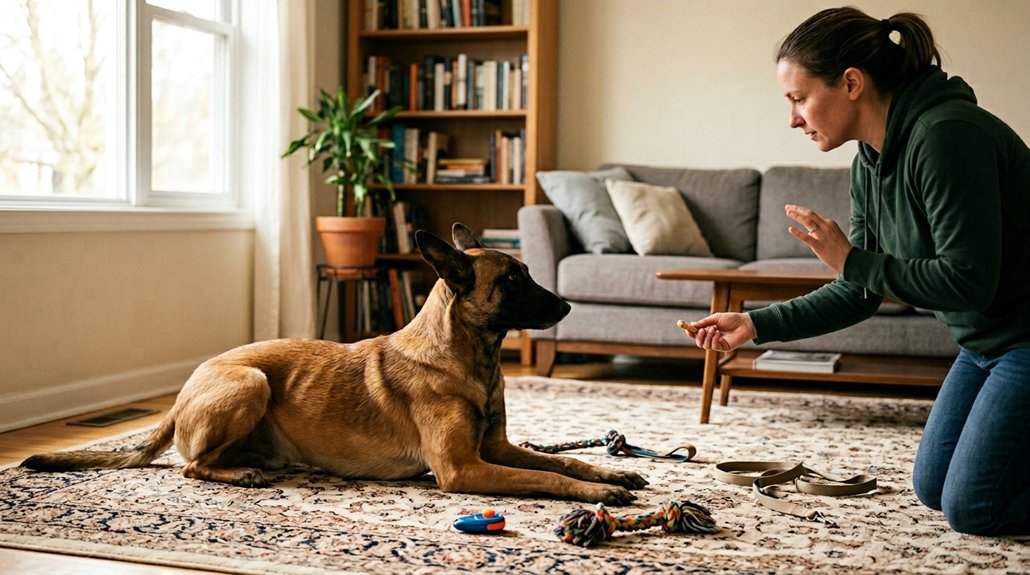
When your dog ignores commands, first verify clarity and consistency in your instructions. Begin training in calm environments and gradually introduce distractions. Understand that your pet’s personality and…
Dog Behavior
How to Handle Clingy Dog Behavior
To handle clingy dog behavior, first identify if anxiety or insecurity is the cause. Offer gradual exposure to alone time and use interactive toys to promote independence. Create…
Dog Behavior
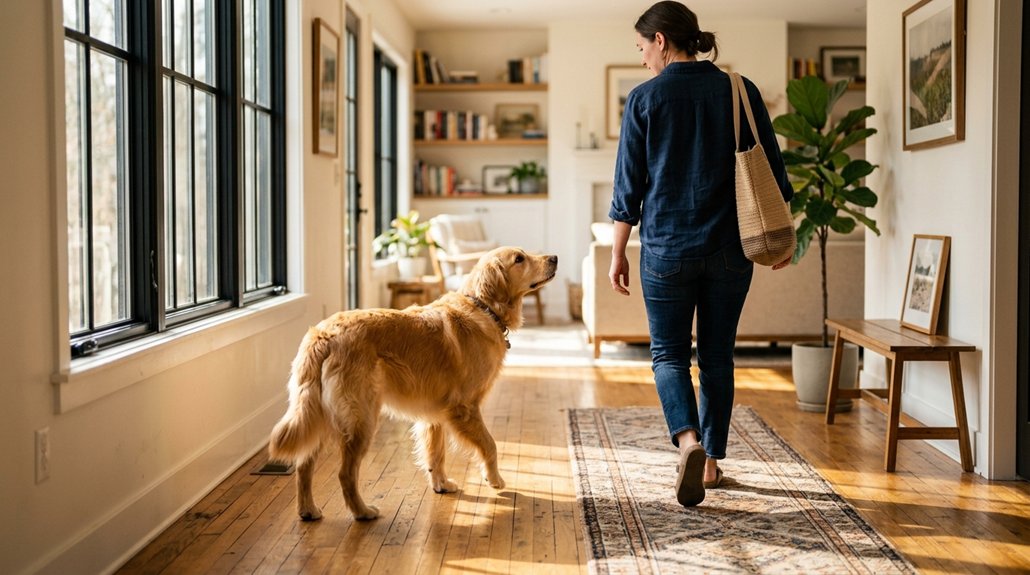
Why Your Dog Follows You Everywhere
Your dog follows you everywhere due to their natural pack instincts and emotional needs. They seek safety, affection, and companionship, often indicating loyalty and love. Curiosity and guarding…
Dog Behavior
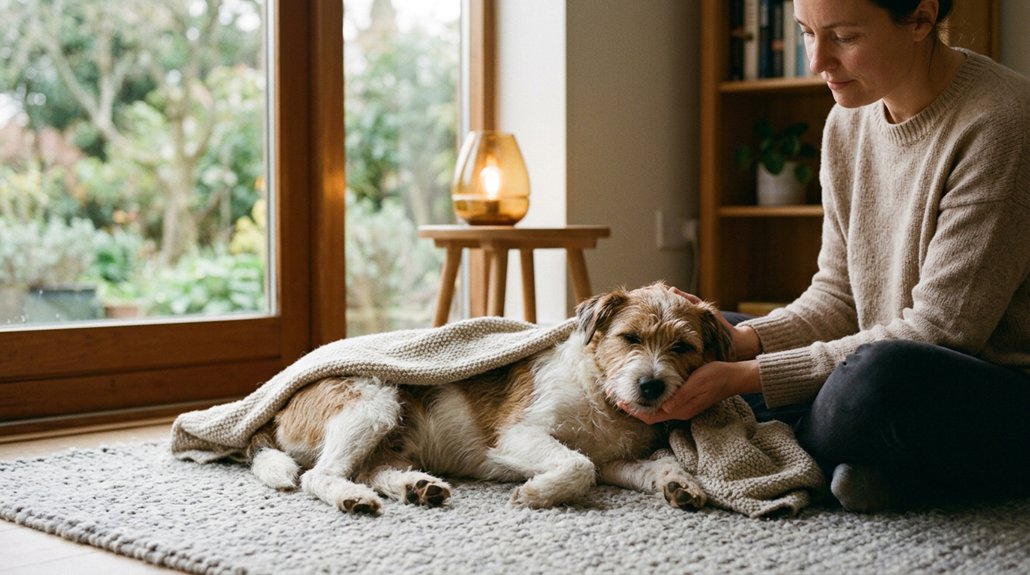
How to Calm an Overstimulated Dog
To calm an overstimulated dog, recognize their stress signals like restless pacing or excessive barking. Use gentle massages and soothing sounds to help alleviate tension. Create a peaceful…
Dog Behavior
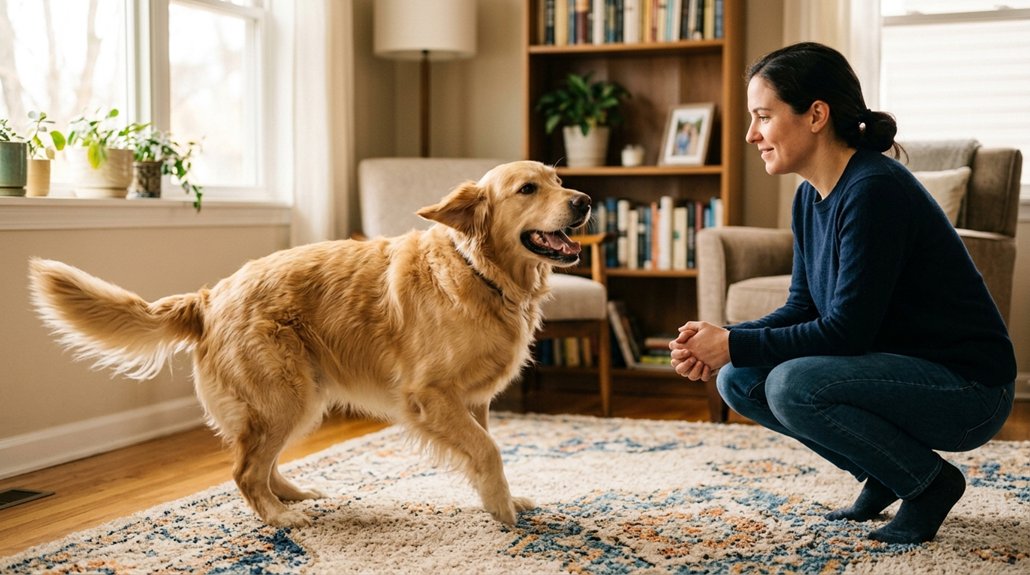
What to Do When Your Dog Is Overexcited
When your dog is overexcited, recognize signs like excessive barking or jumping. Implement calming techniques such as structured commands, deep breathing, and creating tranquil spaces. Consistent routines and…
Dog Behavior
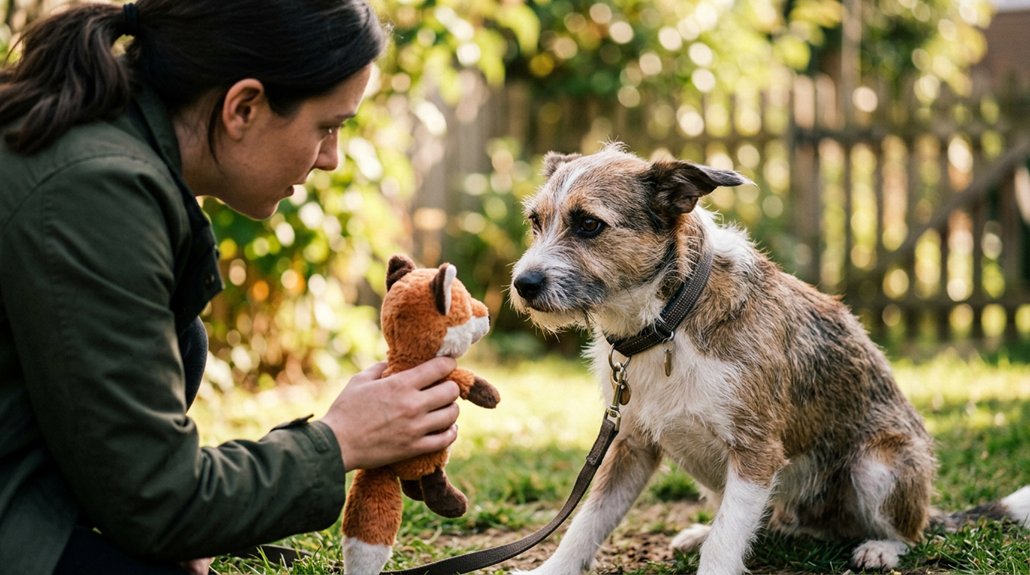
How to Help a Nervous Dog Gain Confidence
To help your nervous dog gain confidence, establish a structured routine with clear leadership using methods like ‘Learn to Earn.’ Recognize anxiety signs—such as trembling or avoidance—and gradually…
Dog Behavior
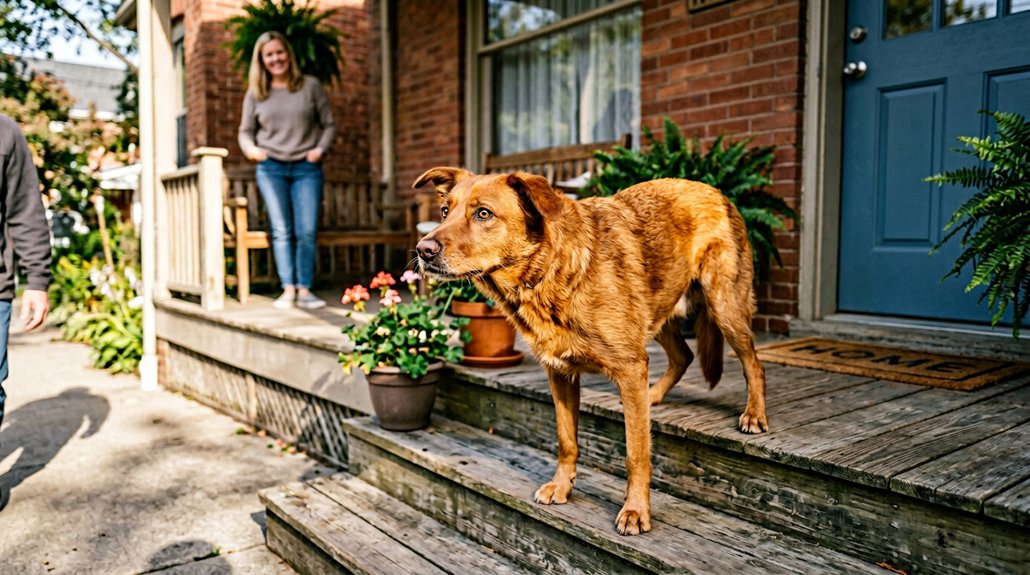
Why Your Dog Acts Differently Around Strangers
Your dog acts differently around strangers due to socialization gaps, past traumas, and genetic predispositions. Inadequate early exposure, coupled with traumatic experiences, can instill fear, anxiety, and defensive…
Dog Behavior
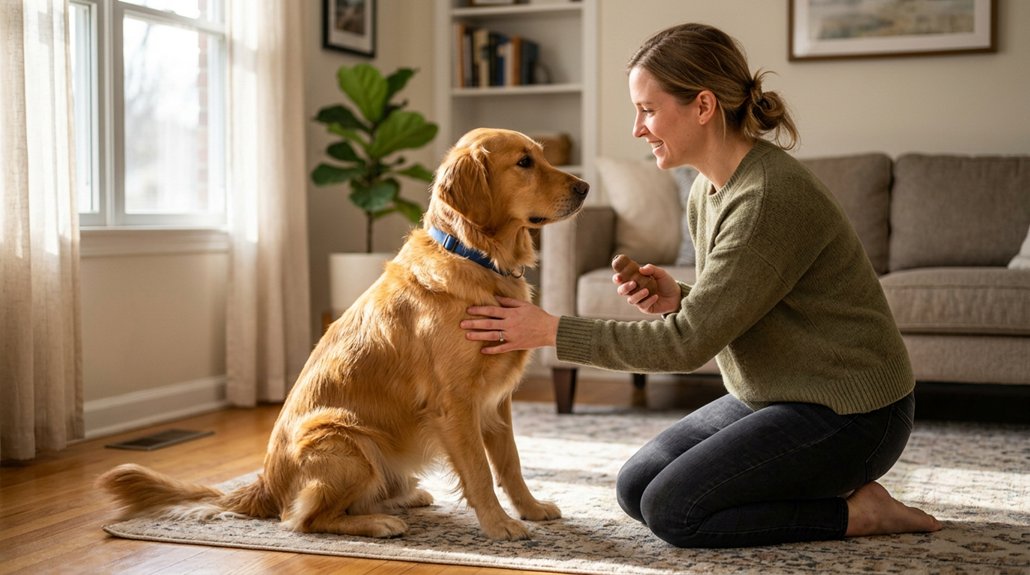
How to Handle Behavior Problems in Rescue Dogs
To handle behavior problems in rescue dogs, start with early intervention and a consistent routine to help them feel secure. Use positive reinforcement, like treats and praise, to…
Dog Behavior
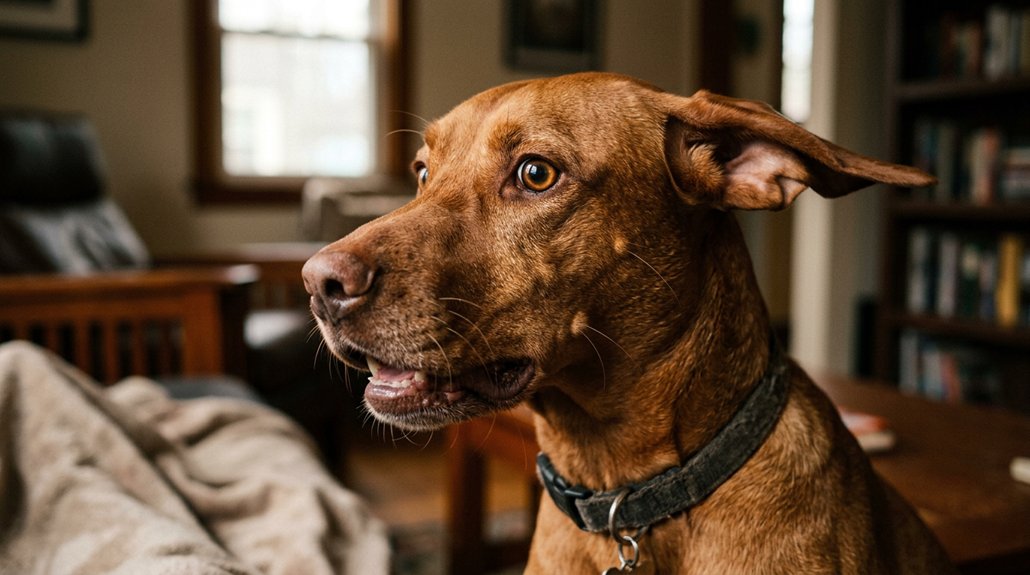
What Causes Sudden Behavior Changes in Dogs
You’re observing sudden behavior changes in your dog likely due to underlying health issues like infections, dental problems, or arthritis. Psychological triggers such as trauma, anxiety, or environmental…
Dog Behavior
How Long It Takes to Change Dog Behavior
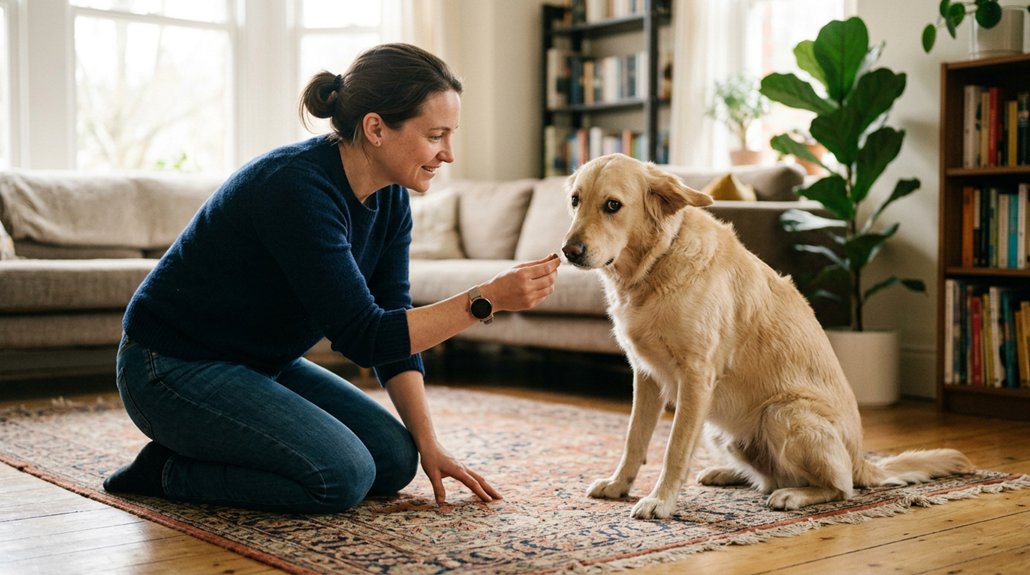
Changing your dog’s behavior requires patience and consistency, and you may notice improvements within a few weeks. Initially, focus on building trust and communication while choosing the right…
Dog Behavior
How to Correct Bad Behavior Without Punishment
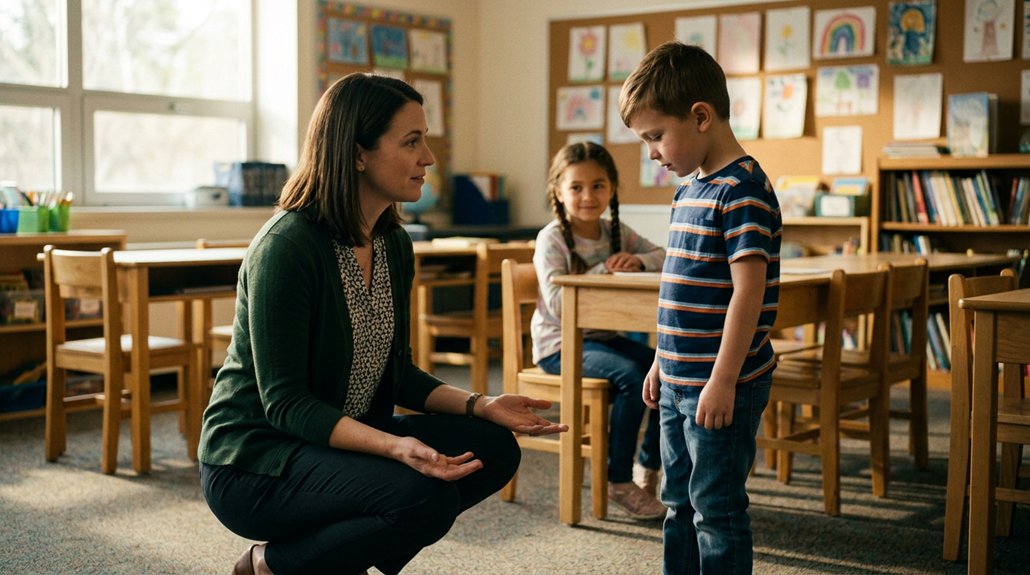
You can address children’s misbehavior without punishment by seeing it as a form of communication about unmet emotional needs. Focus on empathetic boundary setting, where clear rules are…

Dog Behavior
How to Build Better Behavior Through Routine
To build better behavior through routine, start by establishing consistent habits that promote emotional security and stability. Use tools like visual schedules and habit trackers to identify triggers…