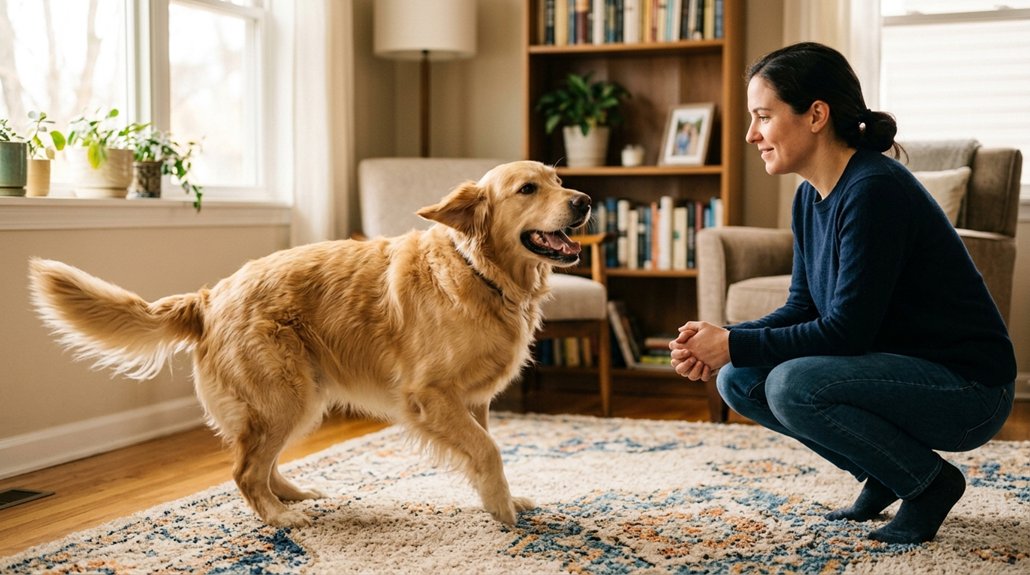
When your dog is overexcited, recognize signs like excessive barking or jumping. Implement calming techniques such as structured commands, deep breathing, and creating tranquil spaces. Consistent routines and mentally stimulating games aid in managing energy levels. Ascertain stability and reinforce positive behavior through active engagement and consistent training, alongside professional guidance if needed. Understanding and addressing the underlying causes will help, and by exploring further, you’ll discover effective strategies tailored to your dog’s needs.
Key Takeaways
- Break down stimulating activities into smaller steps to manage excitement.
- Implement relaxation techniques like deep breathing and gentle massaging.
- Establish a consistent routine with structured segments for feeding, walking, and play.
- Engage your dog with mentally stimulating games and calming spaces.
- Use consistent commands and involve all family members in training practices.
Recognizing the Signs of Overexcitement
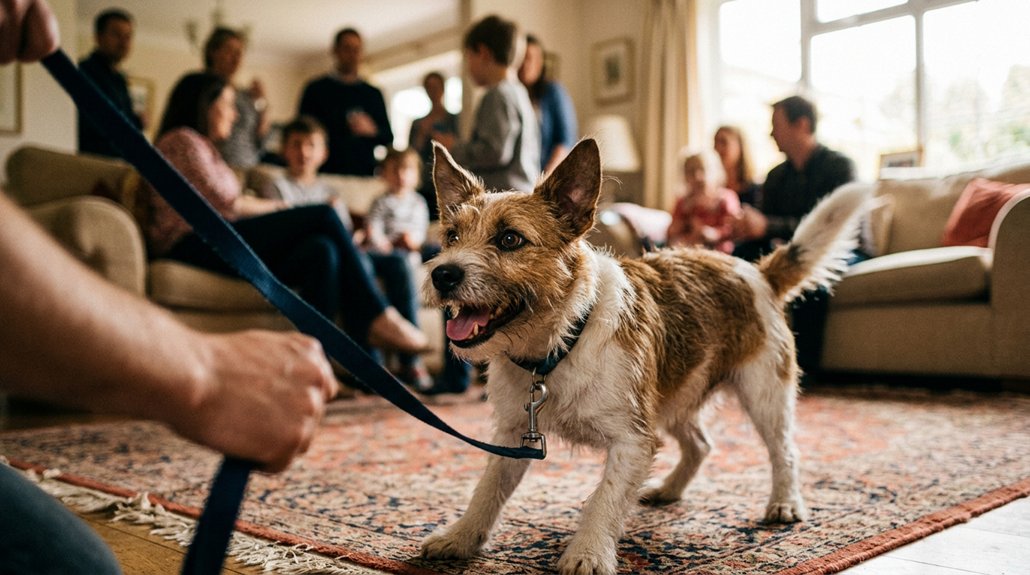
Recognizing the signs of overexcitement in dogs is essential for effective management and intervention. Excited behaviors include excessive barking, jumping, pacing, and difficulty remaining still. You may notice your dog lunging or frantically grabbing food, especially in stimulating environments or when meeting familiar people. These actions suggest a heightened emotional state that impacts rational behavior, making emotional control vital.
Environmental stimuli act as emotional triggers, prompting overexcitement. It’s important to identify these triggers early to manage and mitigate hyperactive responses. Observing these behaviors allows timely intervention before escalation, ensuring improved well-being for your dog. Pay attention to these signs, as dogs above their threshold often struggle to listen or follow commands when over-stimulated, requiring careful handling.
Understanding Dog Overexcitement
To effectively manage your dog’s overexcitement, it’s important to understand the underlying causes and recognize the signs. Factors like early life experiences, impulsive breed tendencies, and insufficient stimulation can contribute to this behavior, often expressing through actions such as hyperactivity and excessive vocalization. Identifying these symptoms in your pet allows you to address their emotional state proactively, mitigating potential health issues linked to chronic stress.
Causes of Overexcitement
While it’s true that dogs can become overexcited due to various factors, pinpointing the exact causes is vital for effective management. Genetic predisposition plays a significant role; some breeds are naturally more impulsive and reactive, which can lead to heightened arousal. Early experiences also impact a dog’s behavior, as inadequate socialization or improper training can exacerbate overexcitement. Environmental stimuli, such as unfamiliar surroundings or excessive noise, contribute to this state. Over-socialization without proper rest can further elevate arousal levels. It’s important to recognize that some dogs maintain a level of reactivity due to their inherent temperament and instincts, making management challenging. Understanding these causes allows for targeted interventions to achieve a balanced emotional state in your dog.
Signs and Symptoms
Overexcitement in dogs manifests through distinct behavioral patterns that signal an elevated emotional state, rather than simple disobedience. Key signs include excessive barking, jumping, and pacing, which serve as body language cues of underlying excitement. Over time, without proper emotional regulation, these behaviors can escalate to reactive actions like lunging or nipping, especially around familiar people or exciting stimuli. High arousal may induce compulsive behaviors, such as frantic food grabbing or relentless fetch chasing, stressing your dog’s system. Recognizing signs like shaking or excessive panting is essential for managing overarousal effectively. Understanding these symptoms can guide you in formulating a strategy to aid your dog in learning control and fostering a balanced emotional state.
The Impact of Overexcitement on Health
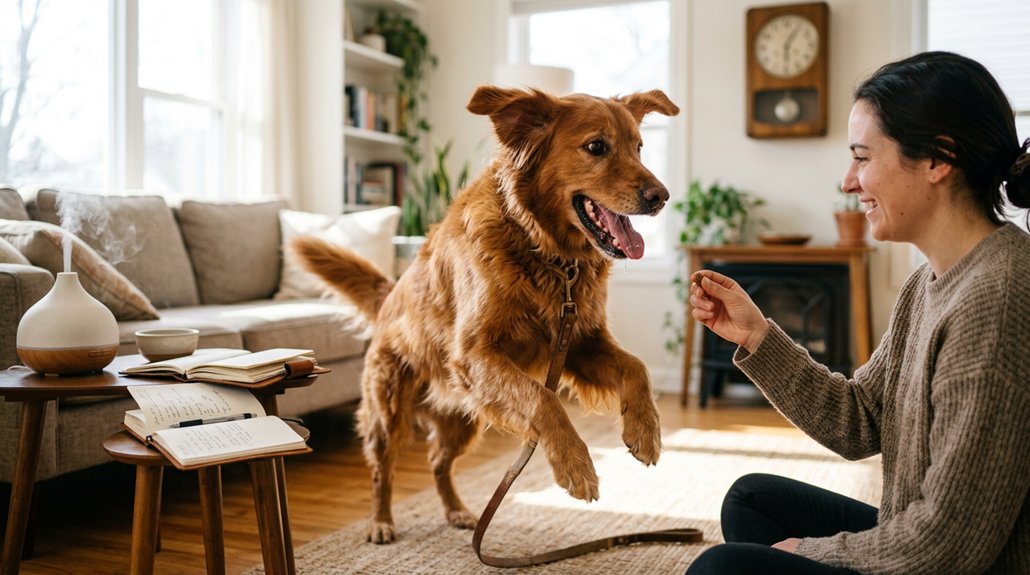
Though often overlooked, a dog’s overexcitement can greatly impact their health. Understanding these effects is fundamental for promoting a balanced life for your pet. Prolonged high arousal due to overexcitement can lead to chronic stress, with stress hormones persisting in the bloodstream. This constant stress state can cause:
- Chronic Stress: Stress hormones can linger, affecting gut health and leading to dysbiosis, undermining digestion and nutrient absorption.
- Compulsive Behavior: Overexcited dogs may exhibit compulsive actions and impulsive actions, risking harm to themselves or others.
- Relaxation Struggles: Struggling to relax affects normal routines, hindering engagement in daily activities.
- Normalized Responses: Persistent excitement causes normalized stress responses, complicating behavior management.
Addressing these factors is vital to prevent long-term health issues and guarantee your dog’s well-being.
Quick Ways to Calm Your Dog
To quickly calm your overexcited dog, it’s crucial to implement specific techniques and utilize tools that address anxiety and excitement. Start by breaking down stimulating activities into smaller, manageable steps, rewarding calm behavior at each stage. Additionally, integrating calming techniques like deep breathing or using mentally engaging toys can greatly aid in soothing your dog’s anxiety, ensuring a balanced and composed state.
Techniques for Immediate Calm
When your dog becomes overly excited, utilizing immediate calming techniques is essential to manage the situation effectively. Implementing relaxation techniques such as deep breathing and gentle massaging can help soothe your pet. Recognizing calming signals from your dog is crucial in tailoring your approach to the situation. Here are four quick methods to promote calmness:
- Structured Routines: Introduce commands like “sit” or “down” to establish structure and foster self-control.
- Indoor Exercises: Engage your dog in mental stimulation games, like “cookie in the corner” or scent games, to expend energy before outings.
- Calm Demeanor: Maintain a quiet presence as your behavior affects your dog’s excitement levels.
- Preparation Breakdown: Break down pre-walk activities into smaller tasks, pausing until your dog is calm to proceed.
Tools for Soothing Anxiety
As your dog navigates moments of anxiety, employing effective tools for soothing can make a significant difference in their comfort and behavior. Utilize deep breathing techniques and calming restraint methods to encourage self-soothing. Integrating structured routines minimizes overstimulation and guarantees regular downtime for emotional resetting. Engage them in brain-work exercises like puzzle toys or scent games to tire them effectively, aiding relaxation. It’s beneficial to teach calming cues, such as “sit” or “down,” reinforcing their sense of security. Create calming spaces or utilize crates for settling, helping your dog associate these areas with tranquility. Here’s how you can apply these tools:
| Technique | Benefits |
|---|---|
| Deep Breathing | Promotes self soothing |
| Structured Routines | Reduces overstimulation |
| Calming Spaces | Encourages relaxation |
Effective Training Methods for Overexcited Dogs
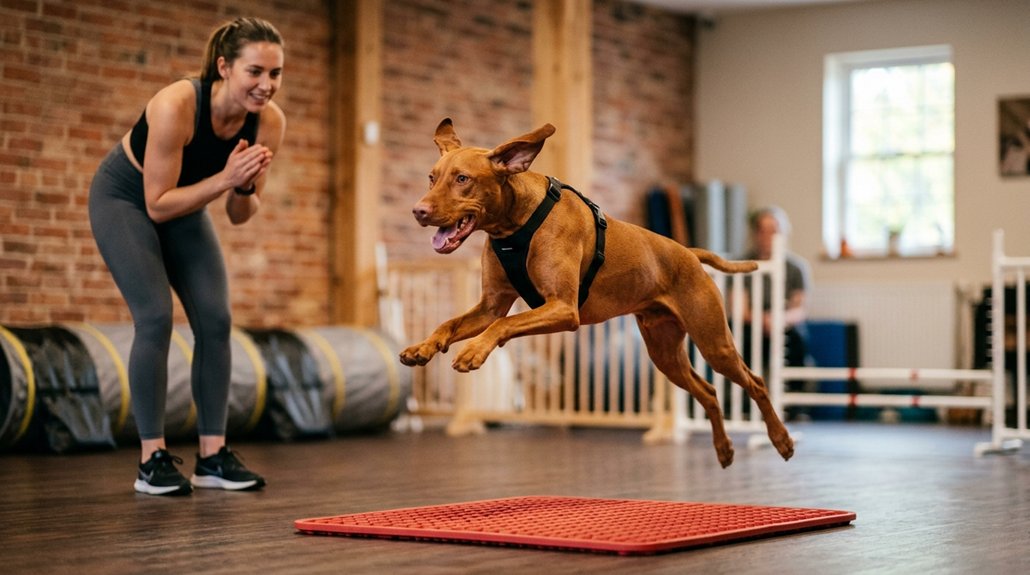
Even though managing an overexcited dog can be challenging, effective training methods can remarkably enhance your dog’s behavior and responsiveness. By focusing on positive reinforcement and behavior shaping, you can guide your dog towards calm behavior without diminishing their natural enthusiasm. Here are four effective techniques:
- Structured Training Classes: Join professional classes to access tailored strategies that focus on responsiveness rather than eliminating excitement.
- Mental Exercises: Engage your dog with scent games and puzzle toys, which are more successful than purely physical exertion in tiring them out.
- Command Training: Use commands like “sit” and “down” as calming cues to help your dog build self-control.
- Gradual Desensitization: Control exposure to stimuli and reward calm behavior to help your dog adjust to different environments.
Consistency and ongoing education are key to success.
Establishing Daily Routines to Minimize Overexcitement
Establishing a daily routine for your dog can be pivotal in minimizing overexcitement, as it introduces a structured pattern of predictability, reducing both anxiety and hyperactivity. Integrating routine benefits like designated times for feeding, walking, and play within your dog’s schedule guarantees consistent daily engagement. By including mental stimulation exercises, such as puzzle toys, you help tire your dog mentally, decreasing excitement levels throughout the day. Break walks into structured segments to help your dog process stimulation gradually, preventing overwhelming excitement. Implement calming techniques—using commands like “settle”—in short sessions to promote tranquility across environments. Monitor and document activities diligently, as this insight allows adjustments to routines, tailored to your dog’s arousal levels and varied responses.
Using Games for Managing Energy
Building on the foundations of a steady routine, using games to manage your dog’s energy can further enhance their ability to maintain calmness. Engaging in mental stimulation activities isn’t just beneficial; it’s essential. Consider the following structured activities:
- “Cookie in the Corner” – This game uses hidden treats to captivate and mentally exhaust your dog.
- Snufflemats and Interactive Toys – These encourage foraging behaviors, offering both physical and mental exercise.
- Scent Games – Focusing their olfactory sense diverts energy constructively, managing excitement.
- Controlled Play Sessions – Short, focused interactions with toys reinforce desirable behaviors.
Incorporating these techniques into your routine will keep your dog’s energy balanced, preventing the overexcitement that often leads to hyperactivity. These targeted games provide a proactive approach to energy management.
Owner Involvement and Training Consistency
While it’s vital to keep your dog engaged in beneficial activities, owner involvement is fundamental to achieving long-term success in managing your pet’s overexcitement. Active owner engagement guarantees that training techniques reinforce desired behaviors and foster a stronger bond with your dog. Consistency in applying these techniques is important, as it prevents confusion and enhances progress. Collaborating with professional trainers can tailor strategies to your dog’s individual needs, maximizing training effectiveness. Additionally, immersing yourself in ongoing education about dog behavior empowers you to understand your dog better and apply effective strategies for managing excitement. Engaging with community support groups allows you to share experiences and gain insights, which can be motivating and beneficial in handling similar challenges.
Next Steps in Training Consistency
To enhance training consistency for your overexcited dog, consider adopting a structured and predictable approach that aligns with their natural need for routine. By implementing scheduled training, you can effectively manage their excitement levels and encourage desired behavior through positive reinforcement. Here’s an action plan:
Adopt a structured training approach to manage your overexcited dog’s behavior and encourage calmness.
- Schedule Regular Training: Conduct short sessions 2 to 6 times daily to maintain engagement without overwhelming them.
- Use Positive Reinforcement: Reward calm behavior with treats or praise, reinforcing positive habits.
- Incorporate Variety: Mix mental and physical exercises to curb over-excitement and balance energy levels.
- Consistency Across Family: Guarantee all family members use the same commands, cues, and strategies.
Implementing these steps will create a stable training environment, mitigating overexcitement and fostering enhanced behavior.
Frequently Asked Questions
How Do I Get My Dog to Stop Being Overly Excited?
To stop your dog from being overly excited, apply calm techniques and structured training methods. Reward calm behavior, ignore hyperaction, and use mental exercises like puzzle toys or scent games to mentally tire them, promoting relaxation and self-soothing.
What Is the 3-3-3 Rule With Dogs?
Think of the 3-3-3 rule as your dog’s emotional weather forecast: three days, weeks, and months to ease canine anxiety. Initially, stress dominates, but understanding dog behavior helps in nurturing calm and predictable interactions over time.
How Do You Say “I Love You” in Dog Language?
To say “I love you” in dog language, focus on dog body language. Make gentle eye contact, offer slow blinks, and guarantee relaxed posture. Respond to tail wagging with affection, signaling safety and mutual contentment through your actions.
What Is a Red Flag Puppy’s Behavior?
Explore the truth behind red flag puppy behavior, exposing anxiety through excessive barking, socialization issues, or nervous aggression. Hyperactive playtime, jumping, and attention-seeking antics often stem from impulse control deficits, needing professional guidance early.
Conclusion
Steering the whirlwind of an overexcited dog can feel like balancing on a tightrope. You’re equipped now with strategies to recognize and manage these bursts of energy. Imagine harnessing that excitement, channeling it into constructive play, and setting a calm, consistent routine that’s as predictable as a metronome. The journey isn’t quick, but with patience and your active involvement, you’ll find the balance. So, are you ready to transform that exuberant chaos into harmonious companionship?