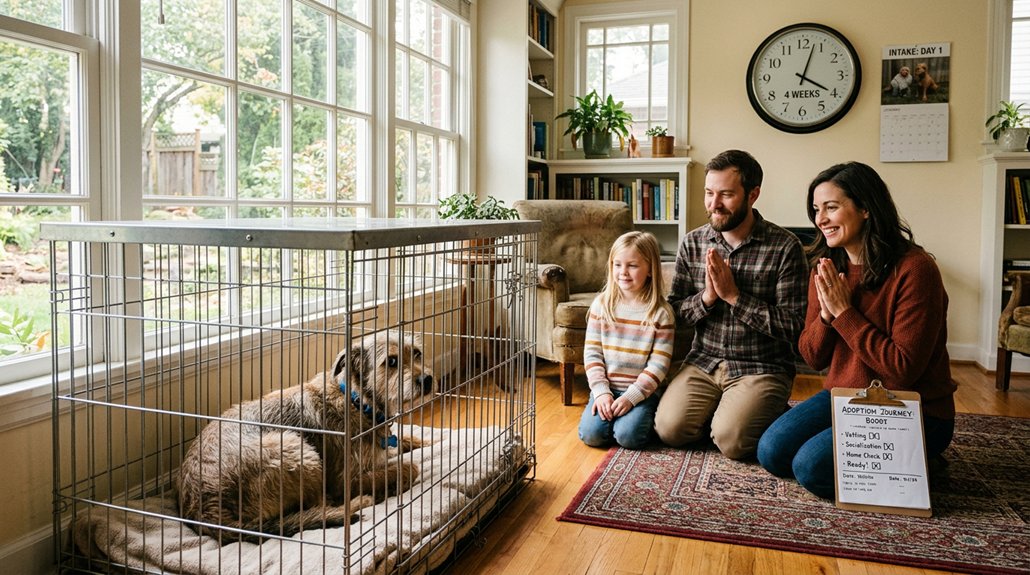
Adopting a dog can happen swiftly, sometimes in just a day, but it usually depends on various factors. Your application’s accuracy and timeliness, the adoption organization’s efficiency, and interactions with foster homes play essential roles. Involve your household in meet and greets for smooth compatibility checks. On average, expect several days to weeks, depending on schedules and responses. A well-prepared home also eases the shift. Explore further to navigate this fulfilling journey seamlessly.
Key Takeaways
- Adoption timelines vary and can take from one day to several days depending on various factors.
- Quick adoptions are possible with approved foster homes and community event meetings.
- Completing an accurate application and proactive communication help expedite the process.
- The involvement and consent of foster families significantly influence adoption speed.
- Organization efficiency and preparedness impact overall adoption timelines.
How Long Will the Dog Adoption Process Take?
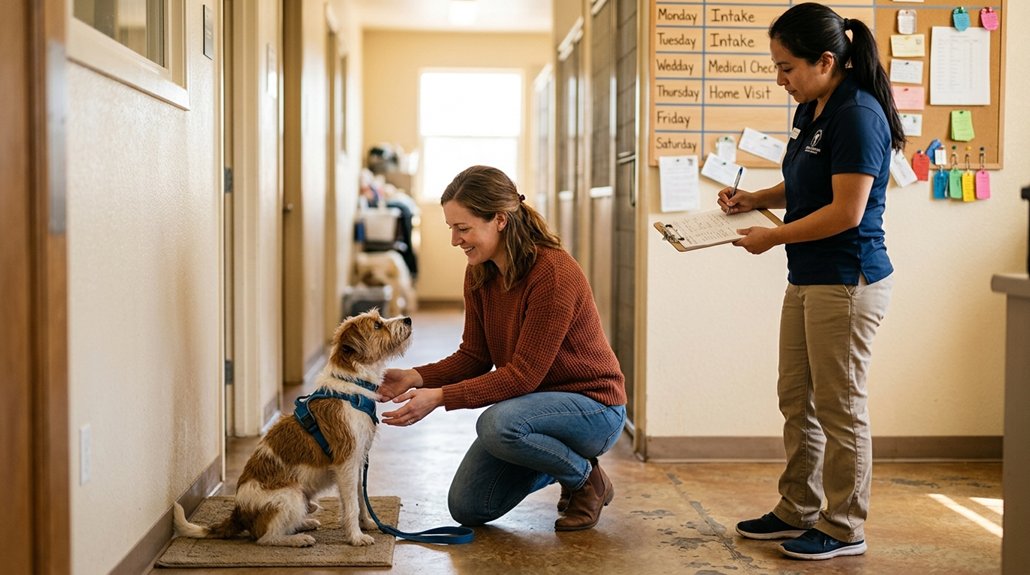
While the prospect of adopting a dog is exciting, it’s natural to wonder just how long the process will take. Adoption timelines can vary widely depending on several factors. Sometimes, if you’ve secured a foster home’s agreement and gained approval from the adoptions staff, you could welcome your new furry friend in as little as one day. However, the process can take up to several days if schedules clash or responses are slow.
Meeting dogs at adoption events can expedite things, as prior interactions make for smoother approvals and quicker foster agreements. Each organization’s efficiency in handling applications can vary. Submitting accurate and up-to-date information is essential too, as it helps prevent unnecessary delays. So, stay patient and thorough, and your forever friend will arrive soon.
Key Steps in the Dog Adoption Application Process
Starting on the journey to adopt a dog involves several key steps that pave the way to welcoming your new pet home. First, make sure your online application is thoroughly completed, meeting all application requirements to prevent any delays. Family involvement is vital; all household members, including current pets, should participate in the meet and greet with the dog to gauge compatibility. This meeting is a significant step before moving forward, reliant on consent from the foster home, which is necessary for advancing the process. Once the meet and greet is successful, you’ll need to sign the adoption contract and pay the fee. Timelines can vary, so being prepared and proactive can expedite bringing your new furry family member home.
Foster Homes: Enhancing the Adoption Process
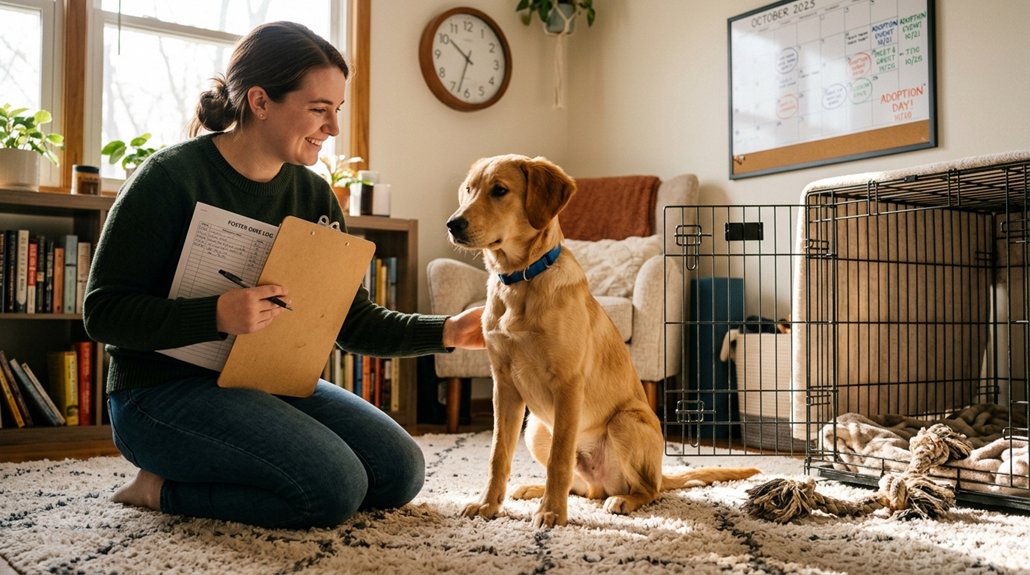
Even though adopting a dog can be an exhilarating journey, fostering plays an essential role in smoothing the path. Foster homes provide important insights into a pet’s behavior and needs, addressing adoption challenges and speeding up placements. Here’s how fostering enhances the process:
- Foster benefits: Foster families offer detailed information about a dog’s temperament, paving the way for well-informed matches.
- Communication: By engaging with foster families, you can ask pertinent questions, unravel the dog’s background, and determine compatibility.
- Expedited agreement: The foster family’s endorsement is imperative, notably hastening the adoption timeline.
The supportive relationships fostered at community events create a safety net for potential adopters, ensuring a smoother journey through the adoption process. Embracing the foster approach might just lead you to your perfect four-legged friend faster.
Tips for Quick Adoption Application Approvals
Getting your adoption application approved quickly is often about the details and finesse you bring to the process. Make sure your application is filled out accurately with up-to-date information, and give your references a heads-up about the rescue’s potential contact so they’re prepared to respond swiftly. By taking these steps, you can greatly reduce processing delays and move closer to welcoming your new furry friend home.
Accurate Information Submission
When preparing to adopt a dog, ensuring your application is both complete and accurate can greatly expedite the approval process. Application accuracy is pivotal; it prevents potential delays and helps streamline everything. Here’s how you can enhance efficiency:
- Update Personal Details: Keep your contact information current, ensuring easy communication with staff.
- Reference Importance: Inform your references beforehand and provide precise contact info. Their timely responses can notably impact the review speed.
- Submit a Complete Application: Double-check every section to avoid leaving anything blank. A fully completed form helps streamline the process.
Being thorough in these areas not only accelerates your journey to pet ownership but also demonstrates your dedication to welcoming a new family member.
Prompt Reference Contact
How essential is prompt communication with your references in the dog adoption process? It’s absolutely vital. Alerting your references ahead of time about their imminent contact guarantees their readiness and quick response, which greatly speeds up your application approval. Providing reference reminders is an effective tactic; it keeps them informed and prepared to speak positively about your suitability. Reach out to the adoption organization to confirm they have all needed information and ask about expected callback times. This guarantees that your application doesn’t encounter unnecessary delays. Additionally, check the organization’s online profiles for common procedural hang-ups and address any concerns with them directly. These proactive steps will enhance contact readiness and facilitate a faster, smoother adoption experience.
Why Meet and Greets Matter for Adoption Success
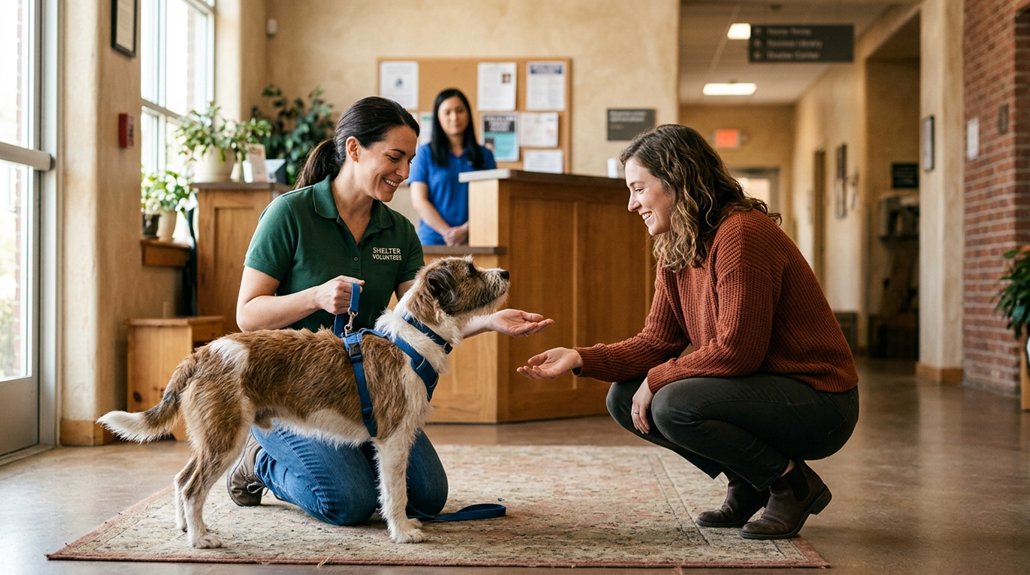
During your journey to adopting a dog, meet and greets play a crucial role in ensuring the new pet’s compatibility with your family and current pets. By having all household members and pets present, you can assess how interactions unfold, helping to ease the change process for everyone involved. A well-organized meet and greet not only fosters a relaxed atmosphere but also draws insights from foster families, providing you with a clearer understanding of the dog’s personality and how quickly your adoption process might proceed.
Ensuring Pet Compatibility
Although adopting a dog is an exciting decision, ensuring compatibility with your household is essential for a successful adoption. Meet and greets play a vital role in pet introductions and behavior assessment. To enhance adoption success, consider these steps:
- Include All Household Members: Schedule meet and greets when your family, including current pets, can be there. Observing how everyone interacts helps you assess if the environment is right for a new pet.
- Minimize Stress: Prepare a calm setting for your meet and greet. A relaxed environment aids in evaluating the pet’s genuine behavior and temperament.
- Foster Mutual Agreement: Pay attention during the meeting—it lays a foundation for understanding the pet’s needs and builds trust, essential for a smooth adoption process.
Easing Transition Process
When adopting a dog, guaranteeing a smooth swap is essential, and meet and greets play a significant role in this process. They offer vital transitional support by allowing you and your household, including any existing pets, to assess compatibility and reduce potential stress. By scheduling this interaction when everyone’s available, you make certain the decision-making process is inclusive, which contributes positively to the adoption outcome. Additionally, fostering a well-prepared environment during these meetups minimizes stress not only for the new pet but also for those you already have. Foster families can also provide insights into the pet’s behavior and personality, helping you make informed decisions. Including your current pets guarantees the new addition fits seamlessly, preventing future behavioral challenges.
How Your New Dog Can Settle In: 3 Days to 3 Months
As you welcome a new furry family member, you’ll find that the initial adjustment period plays a pivotal role in the long-term bonding experience. Paying attention to settling techniques and anxiety management is essential. Here’s what to expect:
- First 3 Days: Your new dog might feel anxious or fearful. Establish a routine to create structure and calmness, helping manage anxiety effectively.
- Next 3 Weeks: With stress decreasing, your pet’s true personality will start to emerge. Introduce consistent basic training to reinforce good behavior.
- Up to 3 Months: By this time, dogs typically adjust well, trust blossoms, and their authentic persona shines through. Patience and positive reinforcement solidify good habits and strengthen your bond.
How to Effectively Communicate With Adoption Staff
Establishing a strong communication channel with adoption staff is essential—how else can you guarantee a smooth and efficient adoption process? Effective communication strategies begin with engaging actively with the staff. Ask about the timeline and approval process; knowing these details simplifies the adoption journey. Keep your inquiries concise and friendly to expedite responses. Often, dedicated personnel handle adoption queries, so inquire about their availability for efficient communications. Request contact details, like the foster parent’s name, to enhance rapport with the team. Ensuring transparency by maintaining an open dialogue encourages the staff to address any concerns you might have. Remember, staff engagement isn’t just a formality—it’s a pathway to understanding, resolving questions, and achieving a successful adoption.
Preparing Your Home for Your New Dog’s Arrival
Bringing a new dog into your home is a heartfelt and rewarding journey that requires careful preparation. To guarantee a successful change, it’s essential to focus on dog proofing your home and creating a sanctuary for your new companion.
- Dog Proofing Home: Remove any harmful items, like toxic plants or small objects, making every room a safe space for exploration.
- Creating Sanctuary: Set up a designated area with a cozy bed, food, and water bowls where your dog feels secure and welcome.
- Structured Routine: Establish a routine early on. It reduces stress and helps your dog acclimate smoothly while allowing them time to explore without becoming overwhelmed.
Providing these thoughtful touches guarantees a seamless welcome for your furry friend.
Frequently Asked Questions
What Is the 3-3-3 Rule When Adopting a Dog?
The 3-3-3 rule guides you through understanding your dog’s behavior during its adjustment from the shelter environment. In the first three days, offer patience; after three weeks, provide consistency; by three months, strengthen trust and bond.
Can I Adopt if I Have Diabetes?
Absolutely, adopting with diabetes is like balancing a delicate dance. Effective diabetes management and thoughtful pet care create harmony, enabling you to provide a stable home. Just guarantee you’re prepared for both health needs and pet responsibilities.
How Accurate Is the 3-3-3 Rule?
The 3-3-3 rule provides a general guideline, but your adoption experiences might vary. While it sets timeline expectations for adjustment, each dog’s past and environment uniquely influence how accurately they adapt, making patience and understanding key.
What Are the 7 Stages of Adoption?
You’ll navigate seven stages in dog adoption: evaluating shelter environments, examining breed considerations, ensuring emotional readiness, accepting the adjustment period, committing to training, nurturing the bonding process, and ultimately creating a harmonious lifelong companionship.
Conclusion
You’ve explored the adoption journey, from form-filling to joyous homecomings, and perhaps, as luck would have it, the perfect dog is waiting for you. Each step, from meet and greets to settling in, aligns like stars for a seamless shift. Trust the process—patience and understanding with the adoption staff and your new pet will reward you with a loyal companion. Remember, your readiness and love set the stage for a beautiful, lifelong connection.