
So you’re torn between adopting a pet rabbit and bringing home a dog, and you want to get it right this time.
That’s a smart question to ask.
Here’s what usually happens when people skip it: someone brings home a puppy without much planning, and within weeks, the couch has bite marks, the neighbors are annoyed by barking, and nobody in the house is happy.
The dog isn’t the problem. The wrong dog breed for your life is.
Picking the right breed prevents most of these headaches. It cuts stress and keeps your whole household calmer, dog included.
This guide walks you through matching dog breeds to your activity level, your living space, your family, and how much grooming you can actually handle. By the end, you’ll know if a dog, or maybe that rabbit, is your better match.
Grab a coffee, and let’s go through it together.
Key Takeaways
- Match your dog’s energy level to your own. Active people do well with high-energy breeds like Labrador Retrievers and Border Collies, while relaxed people fare better with calmer breeds like French Bulldogs.
- Think hard about your living space. Apartment dwellers need small, quiet breeds like Shih Tzus, while rural homeowners can handle large, active breeds like German Shorthaired Pointers.
- Families with kids benefit most from patient, gentle breeds like Labrador Retrievers, Cavalier King Charles Spaniels, and Golden Retrievers, all of which tolerate noise and rough play well.
- High-maintenance breeds like Shih Tzus and Cavalier King Charles Spaniels need daily brushing and regular professional grooming, while Labrador Retrievers need very little grooming care.
- Shelter adoption often means a mixed-breed dog with a stronger genetic mix and fewer inherited health problems, while a purebred from a responsible breeder gives you predictable traits and temperament.
Matching Dog Breeds to Your Activity Level
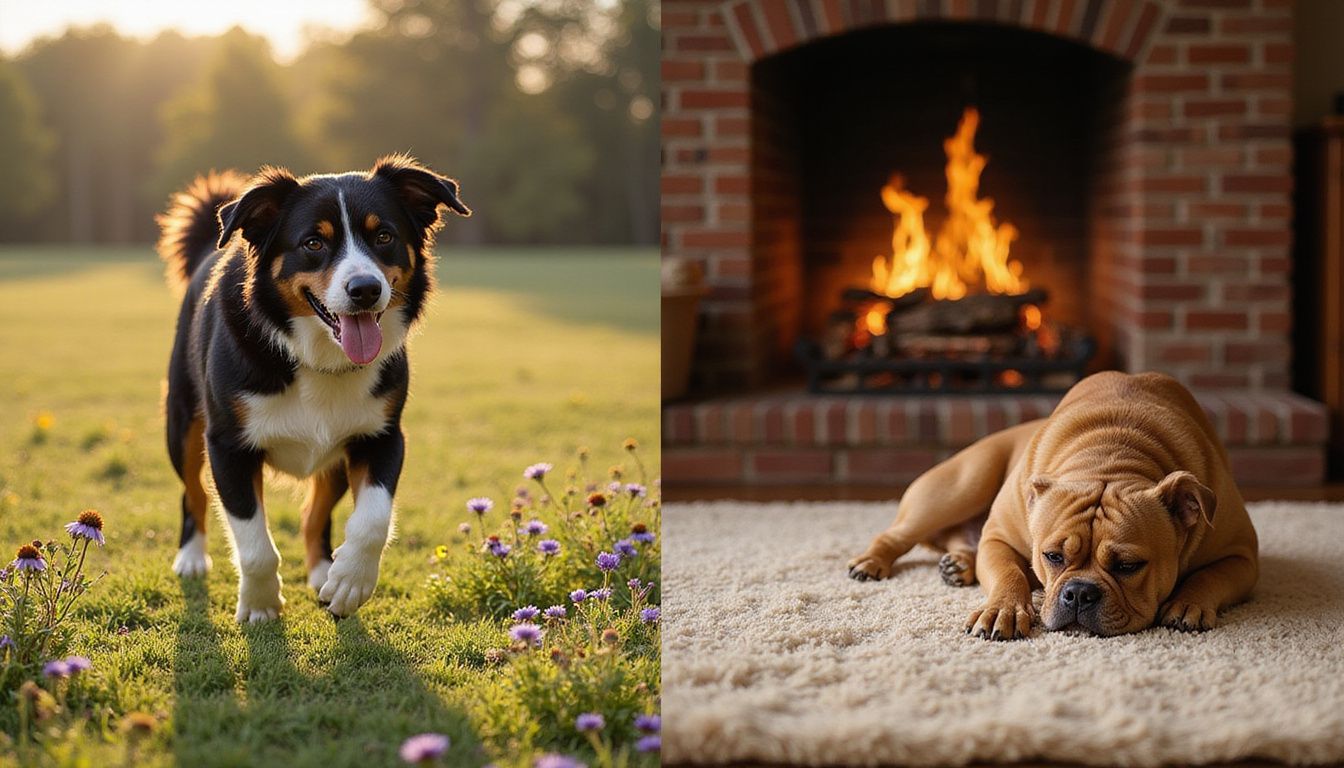
Your activity level shapes which dog will actually thrive in your home. A couch potato needs a different companion than someone who runs marathons every weekend.
What dog breeds are best for active lifestyles?

Now, if you’re leaning toward a pet rabbit, hold on a second. If you actually lead an active lifestyle, a dog might serve you better.
Dogs can match your energy and join you on adventures in ways a rabbit simply cannot. Here’s what fits best for people who move fast and stay busy.
| Dog Breed | Energy Level | Daily Exercise Needs | Best For | Key Traits |
|---|---|---|---|---|
| Labrador Retriever | High | Structured daily exercise required | Active families and individuals | Energetic, family-friendly, loves outdoor activities |
| Australian Shepherd | Very High | Structured daily exercise required | People who enjoy tasks and training | Very intelligent, extremely active, thrives with mental stimulation |
| Border Collie | Extremely High | Structured daily exercise required | Athletes and outdoor enthusiasts | Requires tasks, extremely energetic, prevents behavioral issues with activity |
| German Shorthaired Pointer | Very High | Structured daily exercise required | Adventurous lifestyle lovers | Athletic build, enjoys outdoor activities, needs consistent engagement |
| Jack Russell Terrier | High | Structured daily exercise required | Active walks and city living | Perfect match for active walks, compact size, tireless energy |
According to 2025 veterinary guidelines from Bond Vet, high-energy working breeds like Border Collies and Australian Shepherds need at least 1.5 to 2 hours of vigorous exercise every single day. That’s not a rough guess. It’s the baseline for keeping these dogs balanced.
All these breeds thrive when you stay active. They need structured daily exercise, not just casual walks around the block.
Without proper activity, they develop behavioral problems fast. Mental stimulation matters just as much as physical movement. Tasks, outdoor adventures, and interactive play keep them balanced and happy.
Choosing the right dog can transform your whole exercise routine.
One study tracked owners who considered a rabbit but adopted a Labrador Retriever instead. Over a 12-week period, their weekly outdoor runs jumped from a median of 1 session to 4.
They also cut unused exercise hours by 70 percent, which means their workout plans finally matched daily reality. One researcher summed it up simply: these owners went from rarely exercising outdoors to averaging four runs a week with their new dog.
That’s the real gap between a rabbit and an active dog breed. A dog turns your good intentions into an actual habit.
- Labrador Retrievers bring joy to active households. They’ll chase, swim, and explore right alongside you.
- Australian Shepherds need intelligence challenges, not just laps around the block.
- Border Collies want a job to do. Herding games or agility work satisfy their sharp minds.
- German Shorthaired Pointers were built for the outdoors, plain and simple.
- Jack Russell Terriers pack enormous energy into a small body.
Think about what fills your days. Do you run, hike, bike, or camp? These breeds can match that intensity.
A rabbit sits quietly in a hutch. A dog becomes part of your adventure instead of just watching from the sidelines.
Which dog breeds suit a relaxed lifestyle?
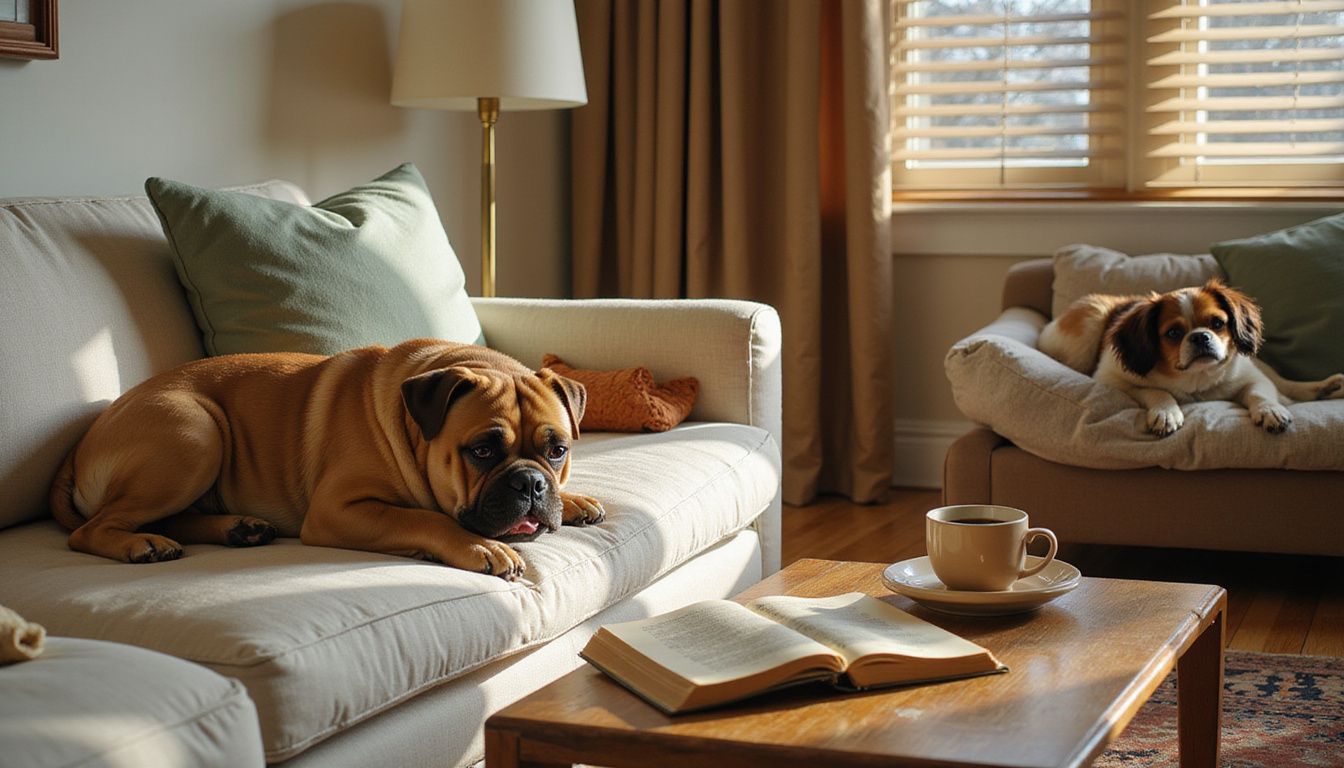
Maybe the calm, quiet vibe of a rabbit is exactly what drew you in. If you want that same low-key energy but with a companion who’ll actually cuddle up next to you, these breeds might be the better fit.
| Dog Breed | Temperament & Personality | Exercise Needs | Why It Suits You |
|---|---|---|---|
| French Bulldog | Compact, easygoing, and affectionate. These pups love lounging around. They’re social butterflies who enjoy human company without demanding constant attention. | Low energy. Short daily walks suffice. They tire easily and prefer napping to running marathons. | Perfect for apartment dwellers and homebodies. Their laid-back nature means they’re happy watching TV with you. Minimal exercise requirements fit relaxed schedules. |
| Cavalier King Charles Spaniel | Gentle, affectionate, and remarkably calm. This breed thrives on companionship. They’re natural couch buddies who genuinely enjoy quiet moments. | Moderate energy. Daily walks keep them satisfied. Lower-energy dogs still benefit from activity, but rigid routines aren’t necessary. | Your companion won’t push you into intense workouts. Their sweet temperament makes them ideal for peaceful households. They adapt beautifully to your rhythm. |
| Shih Tzu | Adaptable, friendly, and small in stature. They’re little personalities packed into furry packages. These dogs roll with the punches easily. | Low to moderate energy. Gentle walks around the block work great. They’re content with indoor play and outdoor pottering. | Flexibility defines this breed. Your casual schedule won’t stress them out. They fit seamlessly into relaxed living situations. |
| Basset Hound | Calm, yet enjoys moderate walks. This breed embodies relaxation with those droopy ears and soulful eyes. They’re gentle souls who appreciate comfort. | Moderate energy balanced with laziness. Daily walks satisfy their needs without exhausting them. They’re happy to rest between activities. | Your leisurely lifestyle matches their preferences perfectly. Basset Hounds won’t demand intense exercise. They’re content being your relaxation partner. |
Lower-energy dogs still need daily activity, but these breeds won’t guilt-trip you for skipping the gym.
The Purina breed selector often flags the Cavalier King Charles Spaniel as a “Good Match” for gentle walks and family life. That lines up with what most owners already notice about this breed.
Relaxed doesn’t mean inactive. Your dog still needs movement and mental stimulation, just not intensity. Short walks around the neighborhood do the trick, and these breeds thrive on consistency over anything else.
- French Bulldogs and Shih Tzus handle apartment living well. Their compact size and low exercise needs make them naturals for small spaces.
- Cavalier King Charles Spaniels love being near you and will follow you from room to room without complaint.
Your daily routine shapes a dog’s happiness more than your activity level ever will. A relaxed breed matches your energy instead of fighting it, and these breeds settle in contentedly without asking you to become someone else.
Choosing a Dog Based on Your Living Space
Your living space shapes what dog works best for your family. Your apartment, house, or rural property determines which breeds actually thrive under your roof.
What dogs are good for apartments or small spaces?

Apartment living demands a dog that fits your space and respects your neighbors’ peace.
| Apartment-Friendly Dog Breeds | Key Characteristics | Why They Work in Small Spaces |
|---|---|---|
| French Bulldog | Small to medium-sized, compact frame, minimal barking tendencies | Requires low exercise needs; adapts well to confined areas without constant activity demands |
| Shih Tzu | Small-sized, sturdy build, quiet disposition | Thrives in limited square footage; minimal vocalization suits shared living environments |
| Pug | Small breed, affectionate nature, low energy output | Contentment comes from indoor companionship rather than outdoor space exploration |
| Boston Terrier | Compact size, playful but controlled energy, moderate barking | Entertains itself indoors; doesn’t need expansive yards for satisfaction |
| Cavalier King Charles Spaniel | Gentle temperament, medium-small size, quiet demeanor | Prefers human company to outdoor roaming; perfectly suited for apartment living |
| Pomeranian | Toy breed, alert personality, minimal exercise requirements | Occupies little physical space; thrives on indoor interaction and mental stimulation |
Small dogs pack big personalities into tiny packages. They don’t need a sprawling backyard to stay happy, just companionship and structure. Minimal barking tendencies matter when you share walls with neighbors who work night shifts or study during the day.
A detailed review of apartment scenarios comparing Shih Tzus and French Bulldogs turned up some practical tradeoffs for small-space owners. Across 20 apartment settings, Shih Tzus averaged 2 short vocal incidents per week and needed about 10 minutes of daily brushing. French Bulldogs averaged just 1 vocal incident per week and needed roughly 5 minutes of weekly coat care. In 18 of the 20 cases, neither breed caused a major neighbor complaint.
One apartment-living assessor found that both breeds perform well in small spaces, as long as owners keep up with brief daily care and manage barking proactively.
Consider the Purina dog breed selector tool. It helps identify suitable breeds for urban living based on what actually matters to you. Enter your lifestyle details, and it narrows your options fast.
Space constraints don’t mean sacrificing a great companion. Low-maintenance breeds like the French Bulldog and Shih Tzu check multiple boxes at once. Both stay small, both stay quiet, and both adapt to apartment life without needing a yard.
Small living quarters don’t bother these adaptable pups. According to a 2026 housing report from Zillow, most pet-friendly apartments in the US cap dog weight limits somewhere between 25 and 50 pounds. That’s worth checking on your lease before you fall for a breed that might not even be allowed in the building.
- Barking becomes a building-wide issue fast, so pick breeds known for staying quiet.
- Apartment dogs shouldn’t spend eight hours alone while you’re at work.
- Midday breaks, mental games, and regular interaction help prevent anxiety-driven behavior.
Which dogs thrive in large homes or rural areas?

Large homes and rural areas give energetic dog breeds the room they need to flourish. Labrador Retrievers, German Shorthaired Pointers, and Australian Shepherds thrive in these spacious settings because they carry higher energy levels and need real room to move. These breeds were built for work, whether hunting, herding, or retrieving, so they naturally crave open space. Your yard becomes their playground, and they’ll burn off energy safely instead of tearing up furniture or digging holes out of frustration. More space directly cuts down on destructive behavior, meaning fewer headaches for you and a happier dog.
Your rural property or large home gives these active breeds exactly what they need to stay balanced. German Shorthaired Pointers were bred to work all day in fields, so they expect vigorous exercise and mental stimulation that open land provides. Labrador Retrievers love having room to run, swim, and explore without feeling cooped up. These breeds reward your space investment with loyal companionship and far fewer behavioral problems.
Finding the Right Dog for Your Family Situation
Your family’s makeup shapes which dog breed fits best. Your kids, your schedule, and your living situation all matter when you pick your match.
What dogs are good with children?
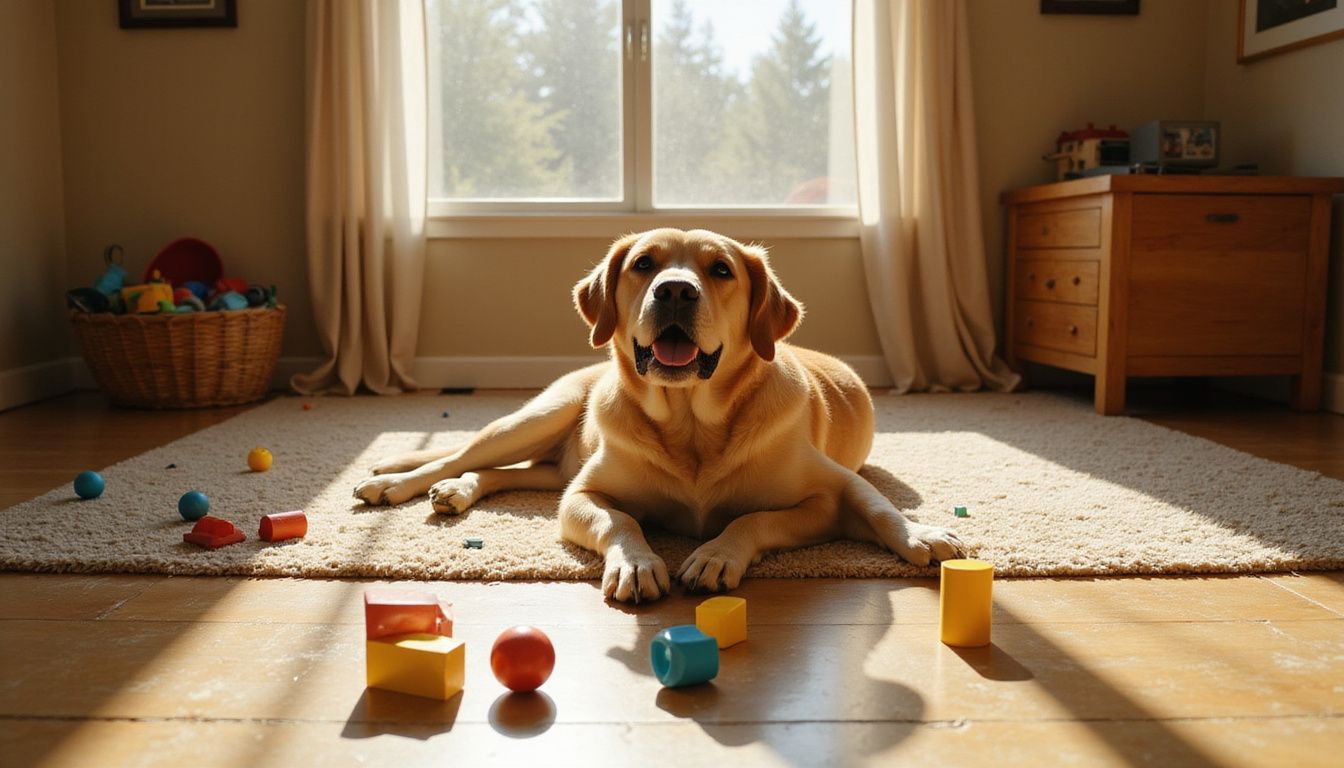
Labrador Retrievers and Cavalier King Charles Spaniels stand out as top choices for families with young kids. Both breeds bring patience and a gentle nature to a house full of playful energy.
They handle noise and rough play well, especially with early training and socialization. Labradors love active fetch games, great for kids who want to run around outside. Cavaliers prefer calm cuddle sessions but still join in on family activities.
The American Kennel Club recognizes both breeds for their stable temperament and friendly nature. Data from the American Temperament Test Society (ATTS) reveals that Labrador Retrievers pass stability, friendliness, and stress-recovery evaluations at a 92 percent rate, one of the strongest scores of any breed.
Their size works in your favor too. They’re big enough to handle accidental bumps without getting hurt, yet not so massive they’d knock over a toddler.
- Golden Retrievers share the same patient traits as Labs and Cavaliers, tolerating ear and tail pulls during playtime with ease.
- Mixed-breed dogs from shelters often carry these same gentle qualities, so don’t overlook pet adoption as an option.
- Early puppy training matters most. Teach kids how to interact respectfully with their new dog from day one.
Talk with staff at your local shelter or a veterinary hospital to find dogs that match your family’s energy level. The right dog breed compatibility depends on your specific situation, but these breeds consistently prove themselves as patient, loving family members.
Which dogs fit single professionals or couples?

According to 2026 veterinary guidelines highlighted by Peak City Puppy, adult dogs shouldn’t be left alone for more than six to eight hours a day without a break. That’s the number to keep in mind if you work full time.
Your busy schedule calls for a dog that matches your pace, not one that demands constant attention. Single professionals and couples do best with smaller companion breeds or moderately active dogs that adapt well to working hours and limited free time.
- French Bulldogs, Cavalier King Charles Spaniels, and Boston Terriers need moderate exercise and bond closely without being overly needy.
- Cocker Spaniels and Beagles offer companionship without the high energy of working dogs bred for dog sports.
- Pugs and Shih Tzus handle your commute just fine, unlike a Border Collie craving constant stimulation.
The Purina breed selector quiz factors in your living arrangements and compatibility with other pets and people, helping you find a match that fits your actual routine instead of an imaginary one.
Couples often find that sharing dog duties makes ownership easier, though you still want a breed that doesn’t demand round-the-clock engagement. Your dog care routine stays manageable when you pick breeds needing low to moderate grooming, freeing up your weekends for actual rest. The American Kennel Club’s breed library breaks down each breed’s temperament and exercise needs, so you can decide based on facts instead of cute puppy photos.
How Much Grooming Does Your Dog Need?
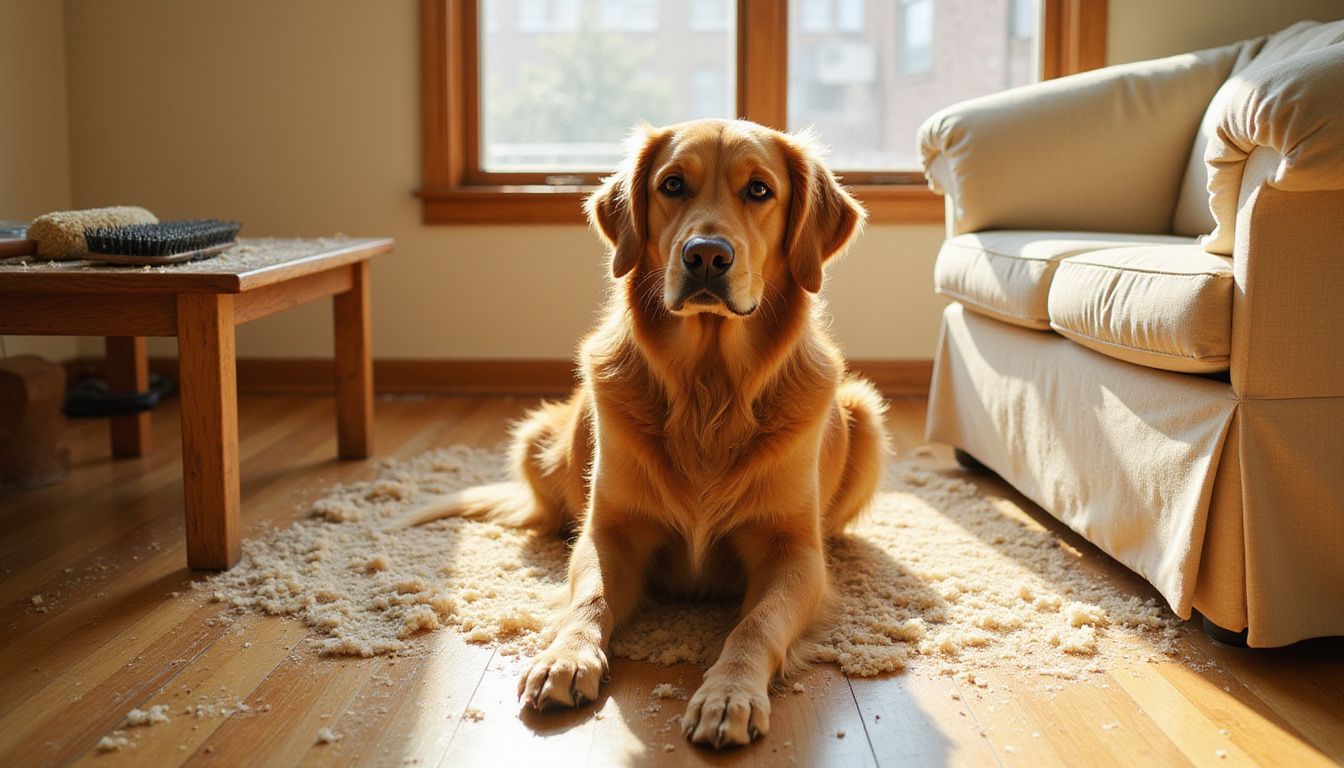
Your dog’s grooming needs can make or break your daily routine, so pick a breed that matches your schedule and patience. Some dogs shed like they’re running a fur factory, while others stay neat with minimal fuss. The American Kennel Club’s dog breed library helps you spot the difference before you bring your new friend home.
What are high-maintenance dog breeds?

High-maintenance dog breeds demand serious commitment from owners. Shih Tzus and Cavalier King Charles Spaniels top the list of breeds needing regular coat care, daily brushing, and professional grooming appointments throughout the year.
Skipping grooming leads to matted fur, skin issues, and an unhappy pup. The American Kennel Club recognizes these breeds as needing specialized attention.
Think of grooming as part of dog ownership, not an extra chore you can skip. A 2026 cost analysis by Bark.com and Adopt a Pet found that professional grooming for breeds like the Shih Tzu runs $400 to $900 a year, with salon visits every four to six weeks. That’s a real line item in your budget, not a maybe.
Some high-maintenance breeds are considered hypoallergenic, but that label comes with its own grooming routine that goes well beyond basic brushing.
- Talk to breeders or visit a dog show to see these breeds in action before you adopt.
- Purebred dogs often have grooming needs tied directly to their pedigree.
- Ask your vet, such as staff at Pooler Veterinary Hospital in Georgia, what grooming actually looks like month to month.
Honest conversations about grooming prevent adoption regrets later.
Which dog breeds require low grooming?
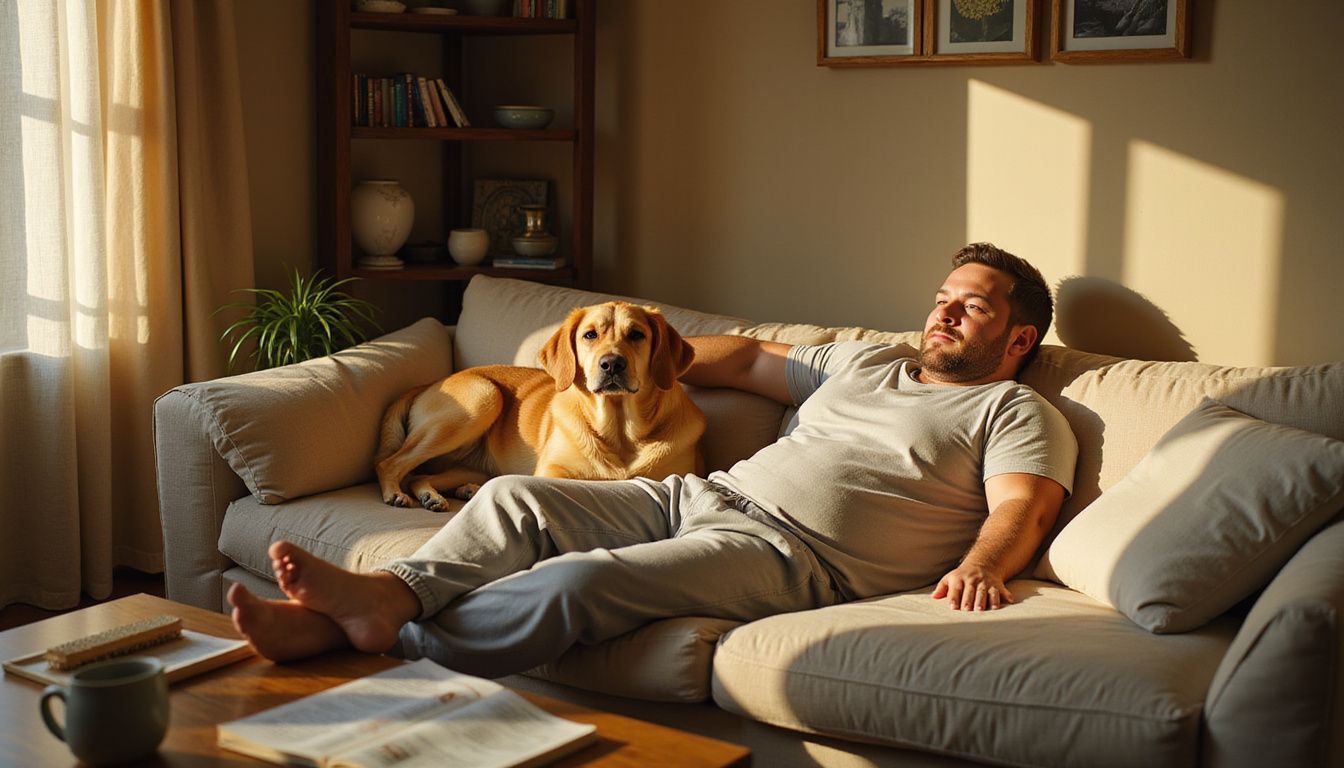
Labrador Retrievers and German Shorthaired Pointers are excellent choices if you don’t want to spend hours at the groomer. Both breeds shed, sure, but their coats need far less complex care than many other dogs.
A simple brush once or twice a week keeps their fur in good shape. These breeds suit owners who want lower maintenance and still want an active, loyal companion.
- A quick bath every few months
- Regular nail trims
- Consistent weekly brushing
That’s really all it takes to keep them clean and comfortable. The American Kennel Club recognizes plenty of other breeds in this lower-maintenance category if you want more options to compare.
Should You Adopt or Buy a Purebred Dog?
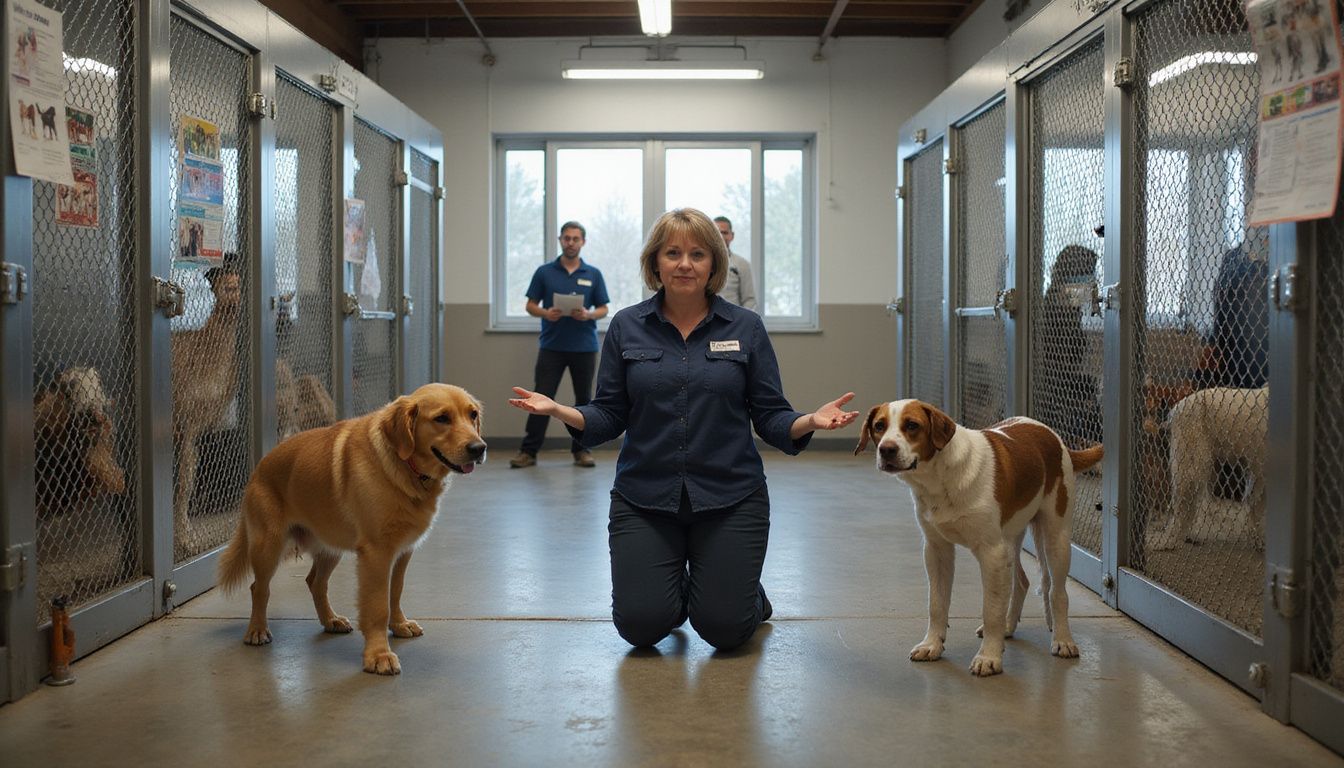
Adoption from shelters and rescue groups offers a rewarding path forward. Staff members know their dogs well and match animals to owners based on energy level, household size, and daily habits.
| Consideration | Adopting a Mixed Breed | Buying a Purebred |
|---|---|---|
| Genetic Health | Wider gene pool, often fewer inherited health problems | Predictable size and temperament, but a higher risk of breed-specific issues |
| Lifespan | Averages 1.2 to 1.3 years longer than purebreds | Slightly shorter average lifespan due to a narrower gene pool |
| Predictability | Personality can be a bit of a surprise | Traits, size, and temperament are well documented |
| Cost & Process | Lower adoption fees, guided by shelter staff | Higher upfront cost from a responsible breeder |
Purebred dogs give you predictable traits, which helps you plan your life around their needs. Mixed-breed dogs often bring health benefits from a wider genetic pool, meaning fewer inherited problems down the road. A comprehensive veterinary research review highlighted by Medical Mutts reveals that mixed-breed dogs live an average of 1.2 to 1.3 years longer than purebreds. That’s a meaningful number if lifespan factors into your decision.
Adoption counselors guide you through the process with real expertise. You’ll find both purebred dogs and mixed breeds waiting for homes at local shelters. The American Kennel Club and groups like the AKC Humane Fund work with shelters to help these animals find families.
Purina built its breed selector tool with experts in pet nutrition, health, and dog behavior to help you compare cross-breed, mixed-breed, and purebred options side by side. Many adoption centers also partner with Nestle Purina PetCare to support pet adoption efforts.
Either path leads to a meaningful bond with a dog that’ll enrich your daily life. Your choice just comes down to what fits your situation best.
Conclusion
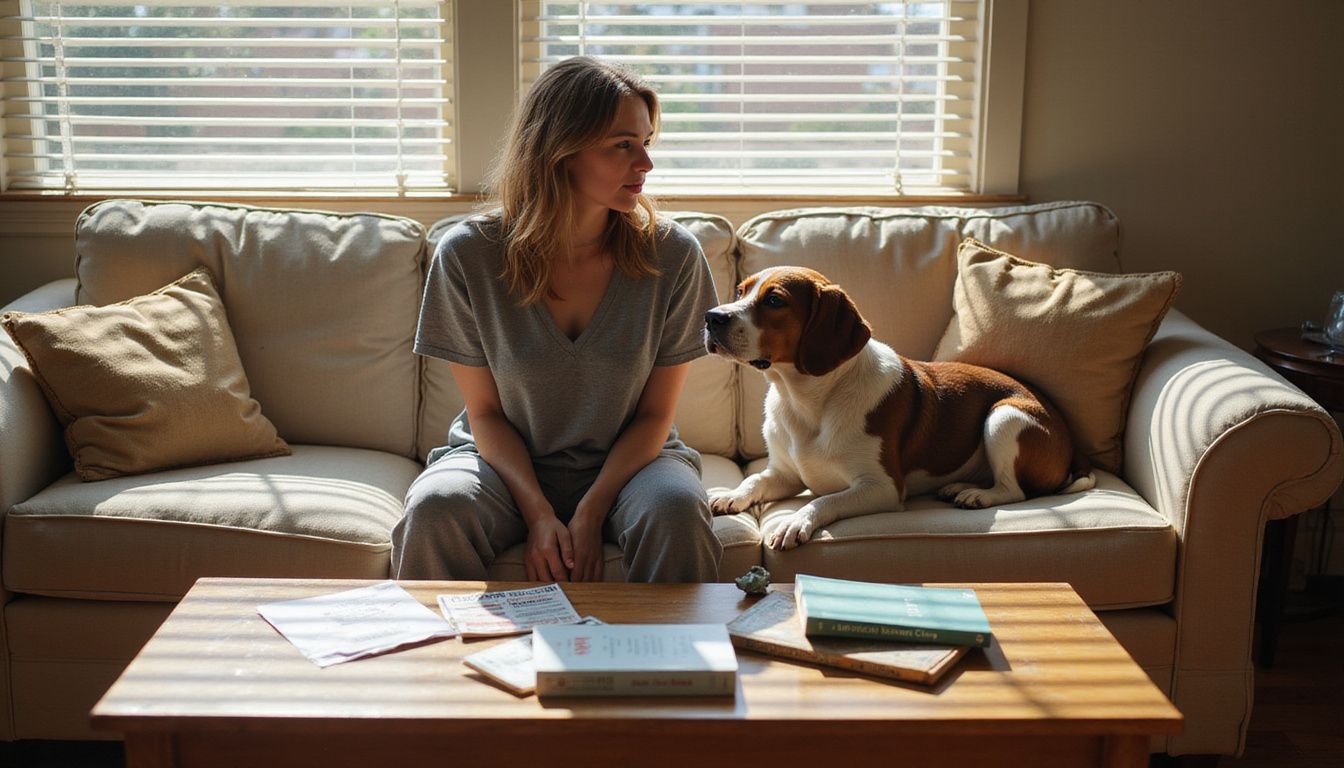
You’ve learned that matching a dog breed’s energy to your lifestyle prevents most behavior problems and keeps everyone happier, dog included.
Your living space, your family, and how much grooming you can handle all shape which breed fits best.
Adopting from a shelter can give you a wonderful mixed-breed dog with a stronger genetic mix, while a purebred from a responsible breeder offers more predictable traits. The American Kennel Club’s breed guides can help you keep researching once you’ve narrowed things down.
So, is a dog the better fit for you, or does that rabbit still have your heart?
Either way, taking the time now to choose right saves you stress, money, and heartache later.
Your perfect companion is out there. Start your search today, and build a bond that lasts a lifetime.
FAQs
1. How can I find the right dog breed for my lifestyle?
Try the American Kennel Club’s breed selector quiz at akc.org. It asks about your activity level, living space, and experience, then matches you with breeds that fit your daily routine.
2. What should I consider about grooming and training before getting a dog?
Some breeds need professional grooming every 6-8 weeks, while others just need basic brushing. Start puppy training in your dog’s first few weeks home to build good habits early.
3. Where can I learn more about specific breeds before making a choice?
The American Kennel Club has detailed guides for over 200 breeds covering temperament, size, and health. Check out AKC TV for videos showing how different breeds behave in real settings.
4. Is pet insurance worth looking into before bringing a dog home?
Yes, it’s smart to plan ahead. The average dog insurance policy in the US costs around $640 per year, but it can save you thousands in emergency vet bills. Keep in mind that pre-existing conditions won’t be covered, so sign up early.