
To choose the right dog, evaluate your activity level. Active households thrive with high-energy breeds like Labradors, needing vigorous daily exercise and space. If your lifestyle is relaxed, consider low-energy breeds like French Bulldogs, enjoying short walks. Balance grooming and space needs with commitment capabilities to guarantee comfort. Effective training and early socialization foster a reliable companion. Whether adopting or choosing a breeder, understanding these aspects guarantees a fulfilling relationship—there’s even more to uncover about this exciting journey.
Key Takeaways
- Assess your daily routine and exercise levels to find a dog breed that matches your lifestyle needs.
- Choose high-energy breeds like Australian Shepherds for active lifestyles engaging in activities like hiking and running.
- Opt for low-energy breeds like French Bulldogs if you prefer minimal exercise and a calm living environment.
- Consider your living space; larger breeds need roomier homes, while smaller breeds adapt well to apartments.
- Evaluate grooming needs and time commitment, balancing them with exercise requirements for a healthy relationship.
Understand Your Activity Needs

How often do you consider your own activity level when planning to welcome a new furry friend into your life? Evaluating your daily routine and understanding your exercise preferences are vital in selecting a compatible dog breed. Active dogs require at least 60 to 90 minutes of vigorous exercise activities daily. It’s important to balance this with your existing commitments through effective time management. Ask yourself if you’re up for structured activities; breeds like Border Collies thrive on both physical and mental exercise. On the other hand, a more relaxed breed like a French Bulldog might suit a low-key lifestyle. Assess your living space, too—apartment dwellers can better accommodate smaller breeds with modest exercise needs. Aligning your lifestyle and dog’s needs guarantees happiness for both.
High-Energy Breeds for Active Lives
Some dog breeds effuse energy that calls for an active lifestyle, making them a perfect fit for those who love the great outdoors. If you’re someone who thrives on high energy activities, dogs like Labrador Retrievers and Australian Shepherds could be your ideal companions. These breeds require at least 60 to 90 minutes of vigorous exercise routines daily—think running, hiking, and dog sports. Without this engagement, they may resort to unwanted behaviors, such as excessive barking or chewing. Engaging in regular exercise not only meets their physical needs but also fosters a strong bond between you both. Breeds like Border Collies and Vizslas are known for their intelligence, needing consistent mental and physical stimulation to stay happy and healthy.
Breeds for More Relaxed Lifestyles
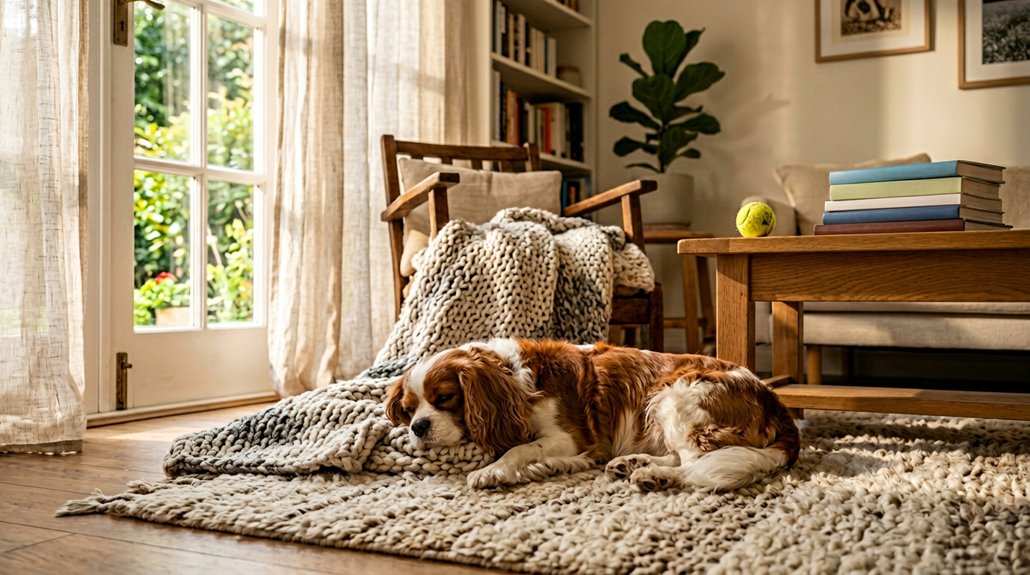
When considering a canine companion that matches a more relaxed lifestyle, breeds like French Bulldogs and Basset Hounds naturally come to mind. These Calm Companions possess Ideal Temperaments for those who appreciate a leisurely pace. They enjoy minimal exercise, making them perfect if you’re less active. Cavalier King Charles Spaniels also fit well, relishing short walks and indoor play. For coziness, Shih Tzus thrive on brief strolls and engaging play at home. Similarly, Pugs, known for their affectionate demeanor, require only moderate activity.
| Breed | Energy Level | Ideal Activities |
|---|---|---|
| French Bulldog | Low | Short walks, lounging |
| Basset Hound | Low | Gentle walks, relaxation |
| Cavalier King Charles Spaniel | Moderate | Short walks, playtime |
Select Breeds Based on Space Needs
Ever wondered how your living space might influence your choice of canine partner? Matching breed size and space compatibility is essential to guarantee comfort and harmony. Imagine a French Bulldog in an apartment; its small breed size is perfectly suited for cozy spaces, making your life calmer and stress-free. Similarly, Shih Tzus thrive in confined environments thanks to their moderate exercise needs. On the flip side, a Labrador Retriever’s energy demands a spacious yard where they can roam freely. German Shorthaired Pointers excel in rural settings where space isn’t a limitation. Evaluating the size and layout of your home helps tailor ideal living conditions for the dog, reducing frustration while boosting their well-being and yours. Choose wisely; your living space can profoundly shape your life’s canine companionship.
Which Breeds Work Well With Families?

Whether you have young children or an active household, finding the right dog breed to match your family’s dynamic is essential for fostering a harmonious environment. Considering dog personality traits and family lifestyle compatibility can help guarantee a perfect match. Labrador Retrievers and Cavalier King Charles Spaniels are celebrated for their gentle, patient nature, making them outstanding companions for families with young kids. Golden Retrievers, known for their sociability and tolerance, thrive in lively, playful homes. Energetic Boxers also enjoy active interaction and can keep up with energetic children. However, if a calmer presence is preferable, Shih Tzus and French Bulldogs adapt well to a more tranquil, indoor lifestyle. Understanding these traits guarantees you’ll find a furry friend that seamlessly blends with your family.
Evaluating Grooming and Time Needs
As you consider a dog that matches your active lifestyle, grooming and time commitments are essential factors that shouldn’t be overlooked. Different breeds come with distinct grooming demands, from regular professional appointments for breeds like Shih Tzus to simpler weekly maintenance for Labradors. Evaluating the time you can dedicate to grooming will help guarantee both you and your future companion remain comfortable and well-cared for.
Grooming Frequency Considerations
Grooming frequency is a pivotal factor when choosing the right dog for your lifestyle. Understanding different coat types and the necessary grooming tools aids in selecting a breed that aligns with your schedule. Consider these factors:
- Grooming Tools & Coat Types: High-maintenance breeds like Shih Tzus require specific grooming tools for regular brushing and professional care. Low-maintenance breeds such as Labrador Retrievers need minimal tools.
- Daily Commitment: How much time can you realistically dedicate to grooming? Breeds with shorter coats demand less frequent attention but still need routine care for ideal hygiene.
- Cost Implications: Keep in mind that larger or long-haired breeds often lead to higher costs for grooming services and supplies, an important consideration alongside your dog’s activity level.
Time Investment Assessment
Evaluating the time investment needed for a dog takes a thoughtful approach, as balancing grooming and exercise requirements with your daily routine is vital. Time scheduling is important when considering breeds like Shih Tzus, necessitating daily grooming compared to the less demanding Labrador Retriever. Lifestyle matching guarantees daily socials and training for puppies and active breeds to foster a solid bond and good behavior. Prioritize regular health care time, accounting for vet visits, vaccinations, and breed-specific needs. High-energy dogs, like Australian Shepherds, require over 90 minutes of daily activity, whereas lower-energy breeds need less. Aligning your routine with the dog’s requirements guarantees a positive relationship, fulfilling both grooming and exercise needs efficiently without burdening your schedule.
Professional Grooming Needs
Understanding the grooming needs of different dog breeds is vital in managing your time effectively and ensuring your pet’s well-being. Professional grooming demands vary greatly across breeds, affecting both grooming costs and required grooming tools. Here’s what to take into account:
- High Grooming Needs: If you choose breeds like Shih Tzus or Cavalier King Charles Spaniels, be prepared for frequent visits to a groomer. These sessions are costly and time-consuming.
- Medium Grooming Needs: Breeds like Border Collies need weekly brushing to minimize shedding and avoid matting. Investing in quality grooming tools will be important in managing these tasks at home.
- Low Grooming Needs: Dogs like Labrador Retrievers require less maintenance, making them ideal if you have a hectic schedule or prefer minimizing grooming costs.
Ensuring a Healthy, Lasting Partnership
When selecting a dog, guaranteeing a healthy, lasting partnership hinges on finding a breed that aligns with your lifestyle’s pace and energy level. Dog behavior is greatly influenced by lifestyle compatibility, so it’s essential to evaluate your daily routine. An active individual will benefit from a high-energy breed like a Labrador Retriever, minimizing stress and promoting positive behaviors. In contrast, a relaxed lifestyle demands a low-energy breed, such as a French Bulldog, to prevent issues like excessive barking. Consider how each dog’s exercise needs dovetail with your activity levels. By carefully matching your energy with the right breed, you foster a harmonious environment that enriches emotional well-being. Ultimately, this guarantees both you and your dog enjoy a fulfilling, long-term companionship.
Effective Training Strategies for Your Breed
Effective training strategies are essential in ensuring your dog’s successful integration into your life. Embrace breed specific training by researching your dog’s temperament and traits. This empowers you to adapt techniques that align with your dog’s needs, enhancing both learning and joy.
Craft a training environment where positive reinforcement flourishes; use treats and praise to communicate encouragement. Consistency in this supportive environment builds trust and solidifies expectations.
Maximize success with these steps:
- Understand Breed Traits: Tailor your approach to match the specific characteristics and tendencies of your breed.
- Structure Training Sessions: Short, frequent sessions help maintain focus and energy levels, fostering better retention.
- Prioritize Socialization: Introduce varied experiences early, creating a confident, adaptable dog that thrives in diverse settings.
Adoption vs. Breeding for Activity Needs
Whether you’re considering adoption or purchasing from a breeder, it’s crucial to evaluate a dog’s energy levels to guarantee they align with your lifestyle. Breed temperament plays a significant role in this decision. For instance, adopting a shelter dog offers a unique opportunity to find a companion with a more moderate energy level, potentially avoiding the vigorous exercise needs of breeds like Border Collies bred for action. Many shelters conduct thorough shelter assessments, matching dogs to households based on activity levels, preventing future behavioral issues. On the other hand, breeding provides detailed health history and breed characteristics, offering insight into energy requirements. Both paths have merits, but knowing your preferred energy compatibility is key to fostering a loving, harmonious partnership.
Frequently Asked Questions
What Is the 3-3-3 Rule With Dogs?
The 3-3-3 rule outlines a dog’s behavioral adjustment during its changeover period: the first days show stress; three weeks reveal personality; by three months, trust forms. Your patience aids their emotional journey to feeling secure.
What Is the 7 7 7 Rule With Dogs?
The 7-7-7 rule means providing your dog with balanced social interaction, exercise, and rest. Match their energy levels and breed needs to guarantee lifestyle compatibility, enhancing their well-being and strengthening your bond empathetically and effectively.
What Is My Dog’s Activity Level?
To understand your dog’s activity level, you’ll need the patience of a cobbler. Observe their energy, breed traits, and age. Consider lifestyle compatibility, exercise needs, and temperament to guarantee their health, training, and happiness align with yours.
What Is the 10-10-10 Rule for Dogs?
The 10-10-10 rule means your dog gets 10 minutes of play, training, and walking daily. Tailor this regimen to breed differences, ensuring your dog enjoys balanced exercise, preventing behavioral issues and promoting mental and physical health.
Conclusion
Choosing a dog that aligns with your activity level might seem straightforward, yet it’s a journey filled with delightful contradictions. You might expect a high-energy breed to keep up with your adrenaline, but they’ll likely outpace you. Conversely, a breed for relaxed lifestyles could surprise you with unexpected spurts of energy. Ultimately, your chosen companion will perfectly match the life you didn’t know you needed, demonstrating that the best partnerships often defy expectations in the most wonderful ways.