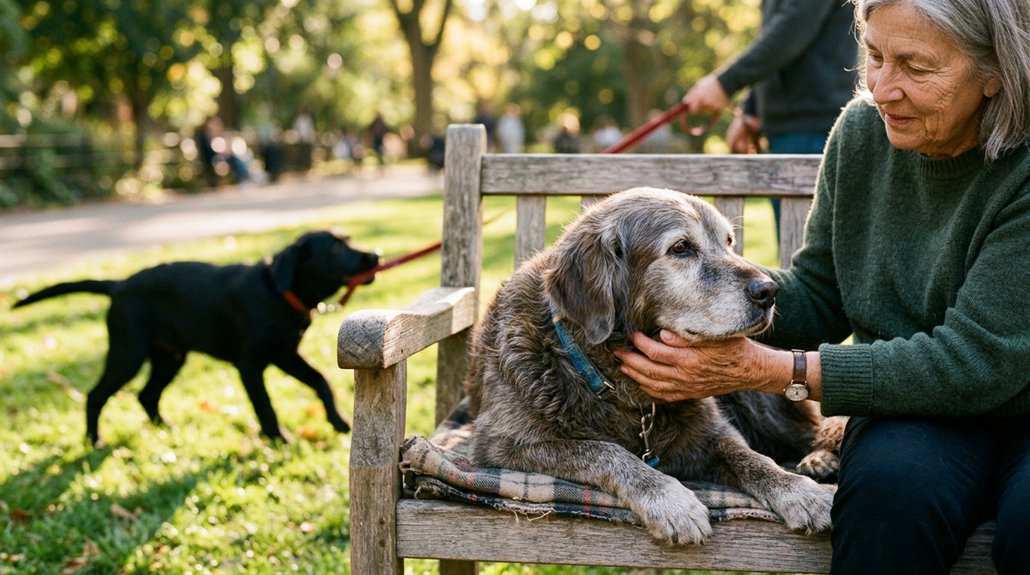
As your dog ages, you’ll notice changes that require adjustments in care. Puppies need higher caloric intake, while seniors benefit from diets supporting joint and brain health. Aging brings sensory and physical changes, like hearing loss or reduced mobility, necessitating routine vet visits. Behavioral shifts, including increased irritability and cognitive decline, require patience and gentle exercise. Home adaptations, such as ramps, help create a safe environment. There’s more to explore about managing these stages effectively.
Key Takeaways
- A dog’s age influences dietary requirements, with puppies needing more calories and seniors requiring diets focused on joint and brain health.
- Aging dogs experience physical changes, such as reduced mobility and sensory loss, affecting daily caregiving routines.
- Behavioral shifts like increased irritability and altered sleep patterns occur as dogs age, impacting interaction and care strategies.
- Regular veterinary consultations are crucial for early detection of health issues and maintaining the quality of life in aging dogs.
- Home environment adjustments, including ramps and routine stability, help older dogs navigate and reduce anxiety.
How a Dog’s Age Directly Affects Your Care Experience
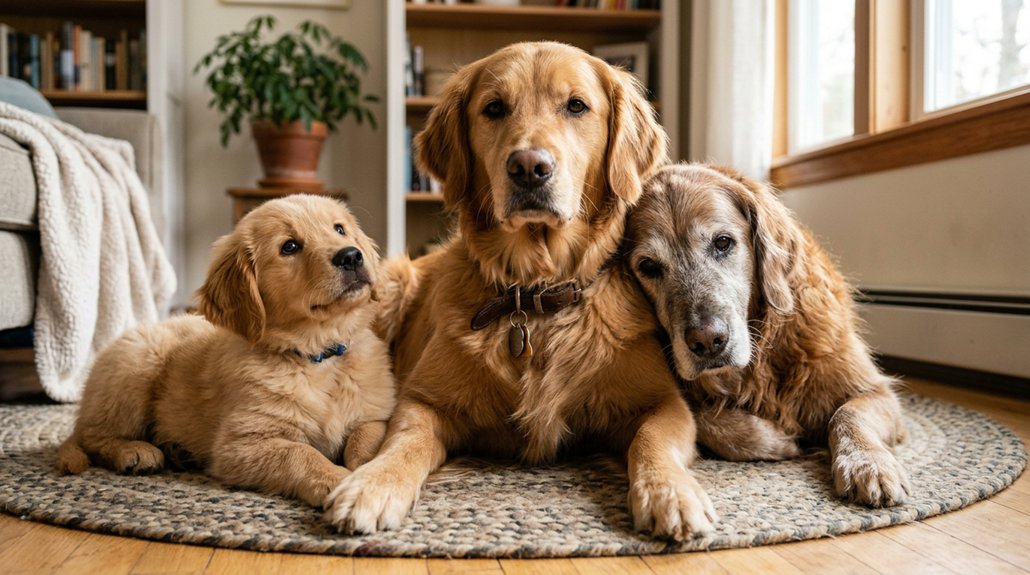
When considering how a dog’s age impacts your care experience, you’ll find that each life stage presents unique challenges and needs. Understanding your dog’s nutrition needs is vital, as puppies require higher caloric intake for growth, while senior dogs benefit from diets focusing on joint and brain health. Tailoring your dog’s diet to their age guarantees they receive the necessary nutrients without excessive calories. As your dog ages, training adjustments become essential. Senior dogs often display cognitive dysfunction signs, resembling dementia, which requires you to modify training techniques to maintain mental stimulation. Adapted training helps manage behavioral changes effectively. Emphasizing both age-specific nutrition and appropriate training strategies guarantees your dog thrives across all life stages.
Recognizing Physical and Sensory Changes as Dogs Age
As dogs age, you’ll notice several physical and sensory changes that require your attention and potentially adjust their care. Greying fur often begins around age five, serving as an early indicator of potential health concerns needing monitoring. Age related adaptations may be necessary to address reduced stamina and canine mobility, especially if you observe stiffness or hesitance, which can signify joint issues. Sensory changes, such as hearing and vision loss, are common; these can cause startled reactions or navigation difficulties. Additionally, aged dogs may struggle with temperature regulation, increasing their risk of heatstroke or hypothermia. Regular veterinary consultations are essential to identifying sensory losses early and exploring possible treatments, helping to mitigate complications as your dog ages.
Adjust to Common Behavioral Changes
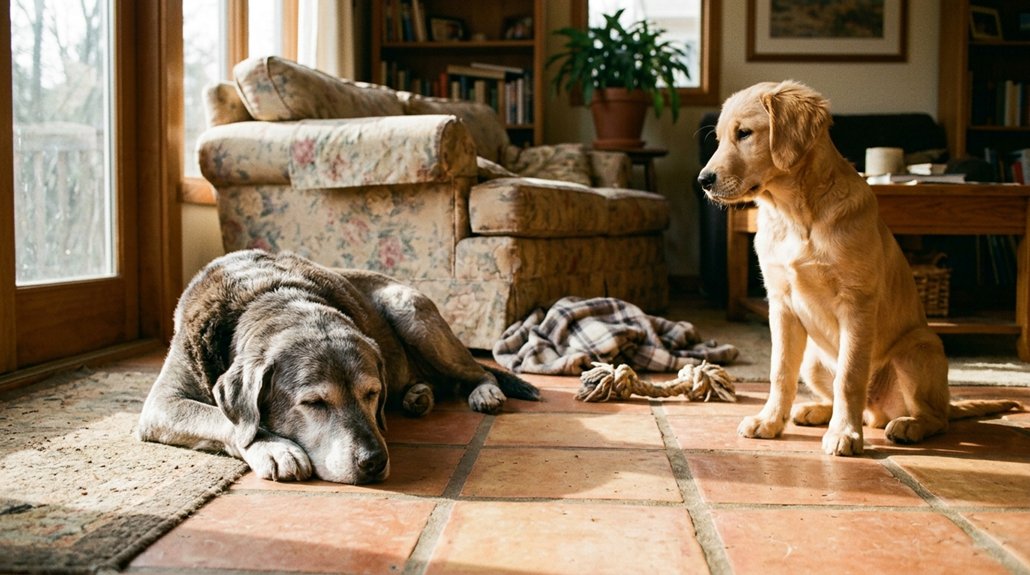
Although aging brings about various challenges, adjusting to common behavioral changes in senior dogs can enhance their quality of life. Look for behavioral signs like increased irritability or isolation that often accompany aging. You might notice shifts in play preferences, as your dog may favor gentler, more relaxed activities over energetic play. As cognitive decline emerges, confusion and altered sleep patterns may become apparent. Additionally, sensory loss can lead to unexpected startled reactions. Adapt interaction methods to accommodate these changes. Guarantee their routine includes gentle exercise, helping maintain mobility without overexerting them. Environmental modifications, like anti-slip mats, can enhance comfort. By understanding and anticipating these behavioral shifts, you’ll guarantee your mature dog’s world remains as engaging and comforting as possible.
Address Common Health Concerns With Regular Veterinary Care
Regular veterinary care is indispensable for addressing common health concerns associated with senior dogs. It facilitates early detection of issues such as arthritis, diabetes, and kidney disease. As a dog’s immune system weakens with age, up-to-date senior vaccinations become essential in preventing serious illnesses. Dental health is another important aspect, as periodontal disease is rampant in older dogs, potentially causing severe complications if ignored. Regular check-ups also allow veterinarians to monitor cognitive dysfunction and propose specific care strategies or supplements.
| Key Health Aspects | Importance for Seniors |
|---|---|
| Senior Vaccinations | Important to prevent illnesses in weakening immune systems |
| Dental Health | Prevents periodontal disease and related complications |
| Addressing Early Signs | Enables timely intervention for conditions affecting quality of life. |
Timely intervention upholds your senior dog’s well-being.
Making Home Comfortable for Your Older Dog
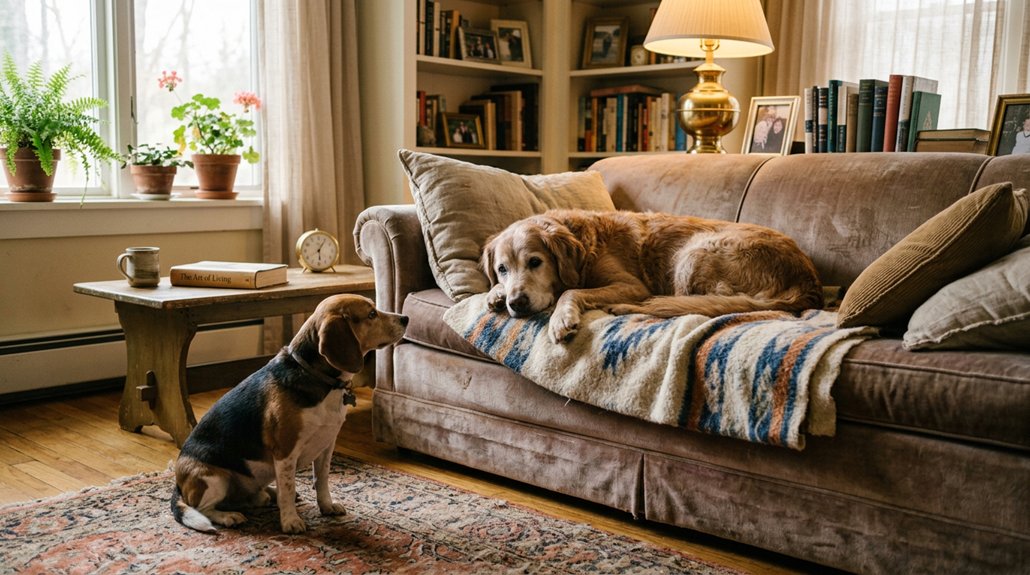
Creating a comfortable home environment for your older dog is essential to ensuring their well-being. Address senior comfort by providing a designated quiet space with a cozy bed where they can retreat from active younger pets. Implement environmental adaptations such as installing ramps and non-slip mats for easier navigation, especially if they face mobility challenges. Consistency is key; maintain a stable routine to minimize anxiety and confusion, as cognitive dysfunction or sensory losses are common. Adjust feeding areas to suit their needs, separating older dogs during mealtime to ease stress and accommodate dietary differences. To enhance safety, block access to hazardous zones like stairs or pools, reducing the risk of accidents due to decreased mobility or sensory perception.
Frequently Asked Questions
What Is the 7 7 7 Rule With Dogs?
The 7-7-7 rule lets you calculate dog age in human years by size: small dogs age 4 years, medium 5, large 6-7. It highlights lifespan factors, behavioral changes, and health considerations varying with each stage.
How Long Does 1 Hour Feel to a Dog?
Imagine sunset’s magic stretching hours; dogs perceive this maelstrom of time differently. Their sensory experiences amplify moments, turning your hour into their eternity. Canine behavior, influenced by age and stimuli, evokes profound emotional understanding alongside unique time perception.
What Smell Do Dogs Hate the Most?
You’ll notice dogs tend to dislike citrus smells the most, often leading to strong odor reactions. These scents, like lemon and orange, cause dogs to recoil or avoid areas, proving effective as natural repellents.
How Do You Say “I Love You” in Dog Speak?
Imagine dog communication like composing a symphony of play, affection, and attention; each note resonates in canine emotions. It’s those gentle pets, shared gazes, and joyful play that express “I love you” in a way they understand.
Conclusion
In understanding how a dog’s age affects your experience, remember that, just like the trusty VCR, our canine companions require careful handling as they age. It’s essential to adapt your approach to their evolving physical and sensory needs. Be proactive about behavioral shifts and health concerns, leveraging regular veterinary care for peak health. Guarantee your home remains a sanctuary for your senior dog, fostering comfort and security. By providing targeted care, you’ll enrich both their life and your shared journey.