
When choosing a dog, first-time owners often overlook the need to match their lifestyle with the breed’s requirements, leading to stress and behavioral issues. It’s important to contemplate your time for exercise, the dog’s energy levels, and your living space. Ignoring breed-specific temperament and health needs can result in compatibility problems. Thoroughly understanding these aspects will guide you in making an informed choice that benefits both you and your future dog. You’ll discover insights that enhance your decision-making process.
Key Takeaways
- Neglecting to match the dog’s energy level with their own lifestyle can lead to behavioral issues and owner frustration.
- Selecting a breed based on appearance rather than temperament and health needs can result in incompatibility within the household.
- Underestimating the time required for bonding, training, and daily activities can hinder the dog’s development and relationship.
- Ignoring the size and space needs of the breed may cause discomfort and stress for the dog in small living environments.
- Overlooking regular veterinary care and proper nutrition can lead to preventable health issues down the line.
Matching Your Lifestyle With the Right Breed

Choosing a dog breed that matches your lifestyle is essential to guaranteeing a happy partnership between you and your new furry friend. Consider your working hours and family dynamics carefully. If you’ve got a packed schedule, opting for a low-energy breed might be a wise choice, as high-energy breeds like Border Collies demand more exercise and attention. Assess the temperament of potential breeds to confirm they fit well within your household; some require more socialization and training, which might not be feasible if your time is stretched thin. Reflect on your living space too; large breeds need room to roam, and small apartments may not suffice. Finally, think about the time you can consistently dedicate to bonding, training, and daily interactions.
Looking Beyond Cuteness: Choosing for Compatibility
While it’s easy to fall for a dog’s adorable face, focusing on a breed’s compatibility with your lifestyle is vital for a harmonious relationship. Consider factors like your living space and daily routine, as they dictate whether a high-energy dog, like a Siberian Husky, or a laid-back couch companion is a better fit. Remember, understanding a breed’s exercise needs, temperament, and potential health issues can save you from future stress and guarantee a joyful companionship.
Assessing Lifestyle Needs
When envisioning life with a new dog, it’s easy to get swept up by a cute puppy face rather than focusing on how the pet’s needs align with your lifestyle. Many first-time owners select dogs based on looks, overlooking the importance of evaluating routines and energy alignment. A mismatch in your energy level and your dog’s can lead to behavioral issues and stress. High-energy breeds like border collies demand considerably more exercise and mental stimulation.
Consider the following:
- Examine your activity level: Choose a dog that matches your daily exercise habits.
- Evaluate your schedule: Busy households may favor breeds needing less engagement.
- Research breed needs: Understand the care and health requirements.
- Seek expert guidance: Consult professionals for informed decisions.
Evaluating Breed Traits
Opting for a dog solely based on its appearance can lead to unexpected challenges in pet ownership. It’s essential to understand that each breed has unique breed characteristics and personality traits that may or may not mesh with your lifestyle. For example, a high-energy breed like the Border Collie requires substantial exercise, making it less suitable for a sedentary household. Investigating a breed’s typical temperament and energy needs helps guarantee compatibility with your daily routine and family dynamics. Don’t overlook potential health issues either, such as hip dysplasia in German Shepherds, which can affect long-term care. To make informed decisions, consult breeders, trainers, or shelter staff for insights into breed behaviors, helping avoid the heartache of rehoming due to mismatched expectations.
Energy Needs: Finding a Balance

Steering the delicate balance of energy needs between you and your dog is essential to a successful, fulfilling pet-owner relationship. Many issues arise when your lifestyle and your dog’s activity requirements clash. High-energy breeds like Border Collies need extensive exercise, while Bulldogs might prefer a relaxed routine. Prioritize energy compatibility to prevent frustration and behavioral problems. Puppies, with their erratic bursts of energy, might overwhelm a bustling household. A young adult dog could offer a more settled temperament, harmonizing better with a busy schedule. Responsible dog selection includes evaluating your own energy levels to meet your dog’s mental and physical needs.
- Research breed-specific energy needs before committing.
- Consider adopting a young adult dog for more predictability.
- Match your activity level with your dog’s requirements.
- Avoid mismatched energy levels to guarantee home harmony.
Understanding How Breeds Impact Temperament
While each dog is unique, understanding breed-specific temperament traits can greatly influence your experience as a pet owner. By recognizing breed tendencies, you can align your lifestyle with a compatible canine companion. Herding breeds, like Border Collies, exhibit intelligence and high energy, demanding significant mental and physical exercise. In contrast, Bulldogs tend to have a calmer demeanor, thriving in less active settings and easily adapting to apartment living. Working breeds such as German Shepherds need structured activities and are ideal for active homes due to their protective instincts. Toy breeds like Chihuahuas can be affectionate but prefer calm environments. Consider the specific exercise and grooming needs of larger breeds to prevent behavioral issues and guarantee a harmonious household dynamic.
The Benefits of Early Socialization and Training
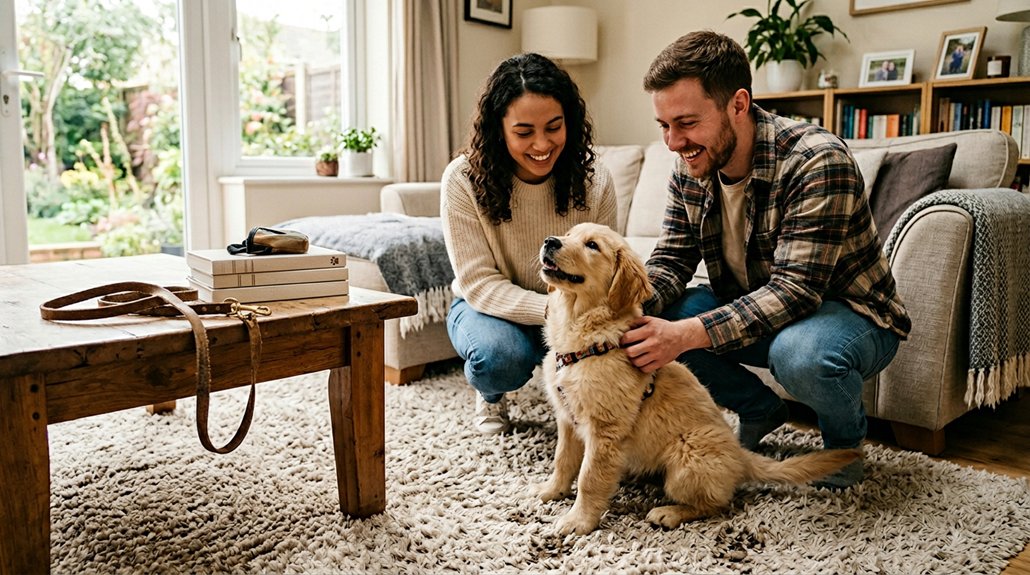
When it comes to raising a well-adjusted dog, early socialization and training are critical components that can set the foundation for a lifetime of good behavior. Enrolling your puppy in puppy classes as early as 8 weeks introduces them to structured environments and encourages early exposure to new stimuli, which is essential for fear reduction. With command training, your pup learns basic commands, which fosters confidence and clarity. Employing positive reinforcement techniques not only effectively teaches these commands but also builds a trusting and loving relationship between you and your pet.
Early training and socialization lay the groundwork for a well-behaved and confident dog.
- Puppy classes support structured learning.
- Fear reduction is achieved through early exposure.
- Positive reinforcement strengthens the dog-owner bond.
- Command training lays the groundwork for good behavior.
Avoid the pitfalls of inadequate early care, and prioritize these steps for a happy pup.
Planning for the Health Needs of Your Dog
Ensuring your dog’s health is a critical responsibility that requires attention to a few key areas. A balanced diet tailored to fit their specific needs, along with regular exercise, can prevent many health issues, such as obesity and nutritional deficiencies. Don’t forget to schedule regular veterinary visits for check-ups and vaccinations to catch potential problems early, ensuring your furry friend enjoys a long, healthy life.
Balanced Diet Importance
A balanced diet is essential for maintaining your dog’s health, as it provides key nutrients that bolster growth, energy, and immune function. Achieving nutritional balance guarantees your furry friend leads a vibrant life. Portion control is critical; overfeeding can cause obesity, leading to issues like diabetes and joint pain. Tailor their diet based on breed, age, size, and activity level to meet their unique needs.
Choosing quality dog food with premium ingredients boosts digestion, coat condition, and vitality. Consistently consult veterinarians to verify your pet’s diet is nutritionally sound and to avoid potential health pitfalls.
- Guarantee portion control: Prevent overfeeding with precise measurements.
- Consult a vet regularly: Tailor diets as dogs grow or lifestyle changes occur.
- Select quality ingredients: Prioritize more than just cost.
- Tailor meals to individual needs: Breed and age matter.
Regular Exercise Benefits
Exercise is the cornerstone of a dog’s physical and emotional well-being. Regular exercise is essential for maintaining a healthy weight and preventing behavioral issues like anxiety. Dogs thrive on routines that include both physical and mental stimulation. Depending on breed, age, and energy level, your dog might need over two hours of activity daily. Activities such as walks, fetch, and agility training enhance mental stimulation and provide satisfaction. Consistent exercise routines improve cardiovascular health and reduce risks of obesity-related diseases. Don’t forget to incorporate mental exercises, like puzzle toys, for cognitive engagement.
| Benefit | Description |
|---|---|
| Healthy Weight | Prevents obesity and related diseases |
| Behavior Control | Reduces anxiety and destructive behavior |
| Mental Stimulation | Enhances happiness with interactive activities |
| Cardiovascular | Improves heart health |
| Breeds’ Needs | Adapts to specific exercise requirements of breeds |
Addressing Veterinary Visits
While regular exercise contributes considerably to a dog’s overall well-being, their health plan isn’t complete without considering veterinary visits. Not addressing veterinary check-ups can lead to undetected health issues. Many conditions are asymptomatic, so annual check-ups are essential. Proper vaccinations play an important role, starting early in a puppy’s life, to protect against parvovirus, distemper, and rabies. Maintaining thorough health records aids in tracking your dog’s vaccination status, growth, and any medical conditions, ensuring proactive care. It’s wise to follow the American Animal Hospital Association’s recommendations: annual exams for adult dogs and bi-annual for seniors, tailoring preventive care to their age and health needs.
- Detect health issues early with regular check-ups
- Ensure vaccination importance for lifelong protection
- Track significant information through organized health records
- Adhere to recommended exam schedules per age group
Frequently Asked Questions
What Is the 7 7 7 Rule for Dogs?
The 7-7-7 rule helps guide you through puppy training, socialization techniques, and health considerations by focusing on the initial 7 days, 7 weeks, and 7 months. It’s key to successful breed selection and a harmonious relationship.
What Are Common Dog Owner Mistakes?
You’re likely to make mistakes by overlooking breeding considerations, mismatching lifestyle compatibility, or using inconsistent training approaches. Understanding breed characteristics is vital to avoid frustration and guarantee your furry friend’s needs align with your everyday life.
What Is the 3-3-3 Rule With Dogs?
The 3-3-3 rule is your dog’s lifeline through the stormy adoption process. It marks a changeover period: three days to settle, three weeks to trust, and three months to truly bond in their new home.
What Is the 10 10 10 Rule for Dogs?
You’ll evaluate a dog’s temperament in 10 minutes, its breed characteristics and growth over 10 months, and your long-term lifestyle compatibility over 10 years. This approach guarantees a confident, sustainable commitment to dog ownership.
Conclusion
In the end, choosing a dog isn’t just about picking the cutest pup in the pack; it’s about ensuring that your new furry friend fits your lifestyle like a glove. By understanding energy levels, temperaments, and health needs, you’re setting both yourself and your dog up for success. Don’t underestimate the power of early socialization and training. With the right match, you’ll not only have a companion but a cherished family member for years to come.