Ever fallen for a giant, goofy dog at the shelter, then looked around your studio apartment and felt your stomach drop?
You are not the only renter stuck in that spot.
A Rent.com survey found that 83% of renters struggle to find pet-friendly apartments because of size and breed limits.
Here’s what years around big dogs in small city spaces has taught me: it’s less about square footage and more about the routine you build. I’ll walk you through the exact steps that make apartment living work for both you and your large dog, plus which breeds settle in the fastest. Grab a coffee, and let’s get into it.
Key Takeaways
- Large dogs thrive in apartments when owners meet daily exercise needs, provide mental stimulation, and keep a consistent routine to prevent destructive behavior.
- Eighty-three percent of renters struggle to find pet-friendly apartments because of size and breed restrictions, so planning ahead matters for apartment dog ownership.
- Greyhounds, Great Danes, English Bulldogs, and Newfoundlands rank as excellent apartment breeds thanks to their low energy and calm temperaments.
- Setting up a dedicated dog space with a quality bed, toys, and good airflow helps large dogs feel secure in small apartments.
- Set potty breaks at the same times each day to prevent accidents and help large dogs settle into apartment living faster.
How to Live Comfortably with a Large Dog in a Small Apartment
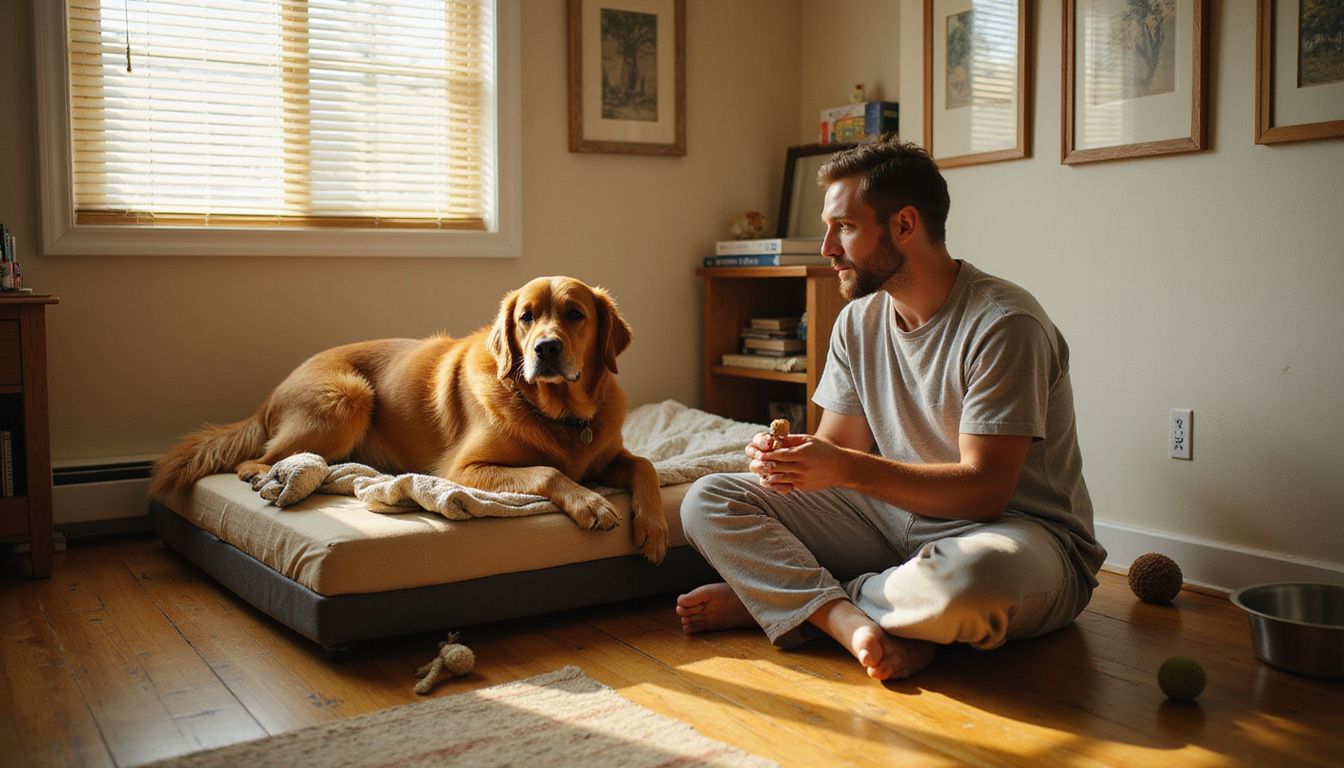
You can make apartment living work with a big dog by meeting their exercise needs and keeping their minds busy. Your small space gets a lot more manageable once you build the right routine, set up a cozy corner just for them, and stay consistent with training.
How Much Daily Exercise Does a Large Dog Need?
According to a 2025 national rental analysis by RentCafe, the average new US apartment shrank to just 908 square feet in 2024, with studios averaging only 457 square feet. That’s barely enough room for a Great Dane to turn around, let alone burn off energy. Once you see numbers like that, daily outdoor exercise stops feeling optional.
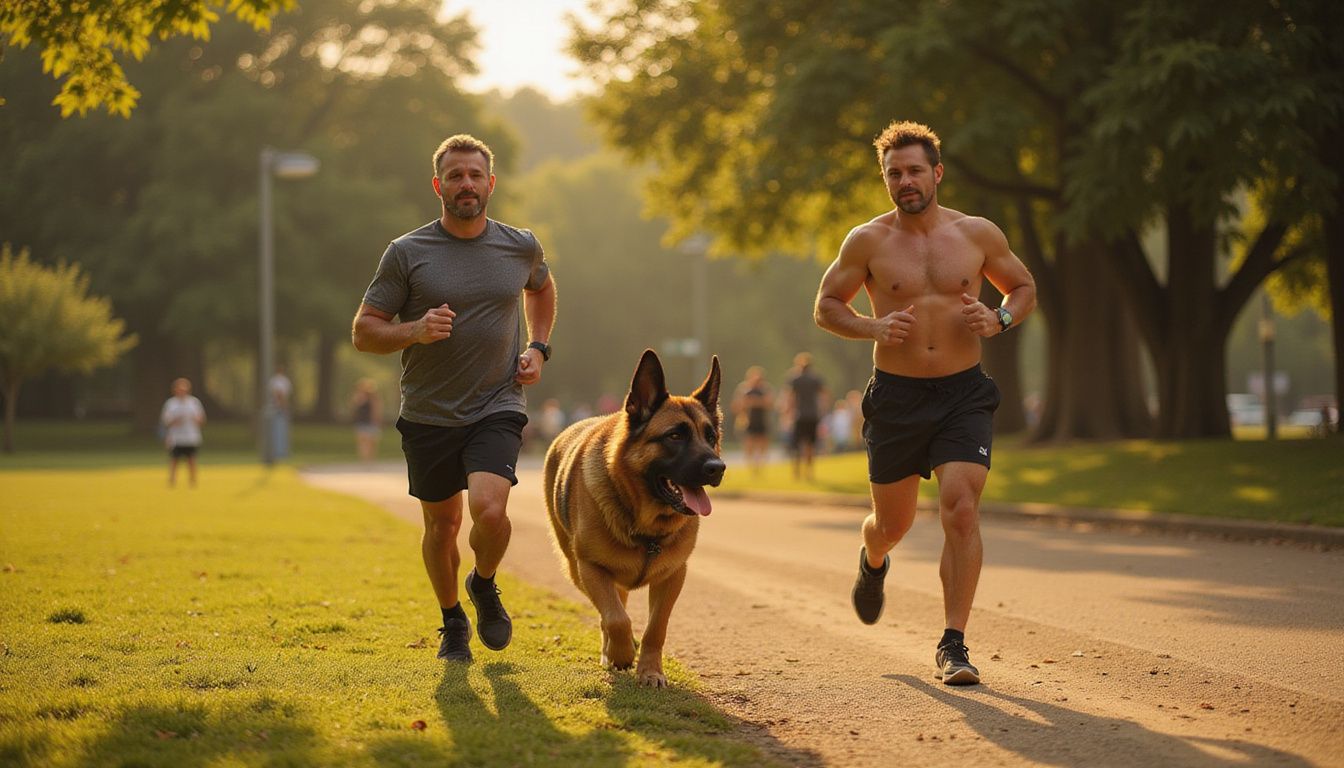
Your large dog needs daily exercise to stay healthy and happy. All dogs need physical activity, and daily walks are the foundation of that routine. The right amount changes with your dog’s age, health, and personality, so there’s no single number that fits every dog.
A vet can help you figure out the exact exercise needs for your particular pup. Giant breeds like Great Danes and Newfoundlands often need less intense activity than you’d guess, while athletic dogs like Australian Shepherds and Border Collies demand much more vigorous workouts.
- Low-energy giants (Great Danes, Newfoundlands): one or two 20-minute walks a day
- Medium-energy sprinters (Greyhounds): short bursts of speed, then long naps
- High-energy breeds (German Shepherds, Huskies, Border Collies): 60 to 90 minutes of active exercise plus mental work
Greyhounds, despite their large size, often prefer short bursts of activity over long endurance runs. One apartment owner tracked this pattern over two weeks with a Greyhound in a studio. On twelve of fourteen days, a single twenty-minute sprint session plus two ten-minute indoor puzzle games wiped out destructive behavior entirely. The dog rested calmly for about 10.5 hours during the day.
Brief sprints plus mental games kept this Greyhound relaxed in a tiny space most days. Your dog’s energy level plays a huge role in how much movement keeps them satisfied and tired by bedtime.
High-energy large dogs often need more vigorous exercise, and dog parks offer excellent spots for that release. If you work full time, hiring a dog walker or booking doggie daycare keeps your pup active while you’re away.
Outdoor time should be part of your regular routine. Use nearby parks or open spaces for consistent outings, and let your large dog roam and socialize at off-leash parks if they behave well around other animals.
Some breeds, like German Shepherds and Huskies, thrive on structured activities and mental challenges alongside physical exercise. A vet can help you build a balanced plan that fits your dog’s needs and your apartment lifestyle.
How Can I Keep My Large Dog Mentally Stimulated Indoors?
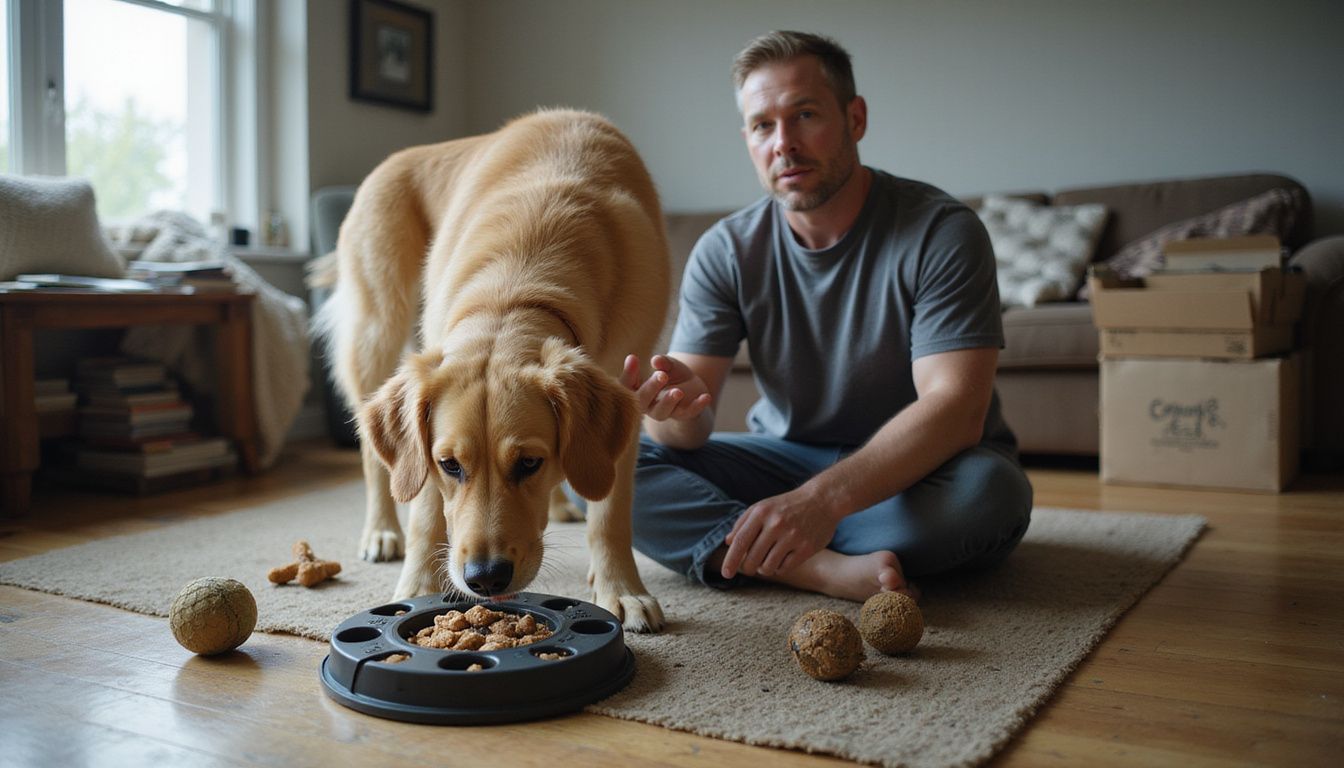
Your large dog needs mental challenges to stay happy, especially in a small apartment. Boredom leads to destructive chewing and nonstop barking, so keeping your dog’s mind busy matters more than most people think.
According to veterinary behaviorists and PetMD, fifteen minutes of intense mental work, like a puzzle feeder or a scent-tracking game, can tire a dog out just as much as a full hour-long walk. That’s a real win on rainy days or after a long shift at work.
- Rotate toys and use puzzle feeders or treat-dispensing toys to keep mealtime and playtime engaging.
- Hide treats around your apartment for a “sniff hunt” that taps into natural instincts and burns mental energy.
- Teach new commands and tricks regularly. Obedience training keeps the brain active and strengthens your bond.
- Play indoor games like fetch in the hallway or tug-of-war for movement without leaving your space.
- Leave calming music or dog-specific audio playing during alone time to ease anxiety.
- Stick to set times for potty breaks, feeding, walking, and play so routine and mental stimulation work together.
How Do I Create a Dedicated Space for My Large Dog?
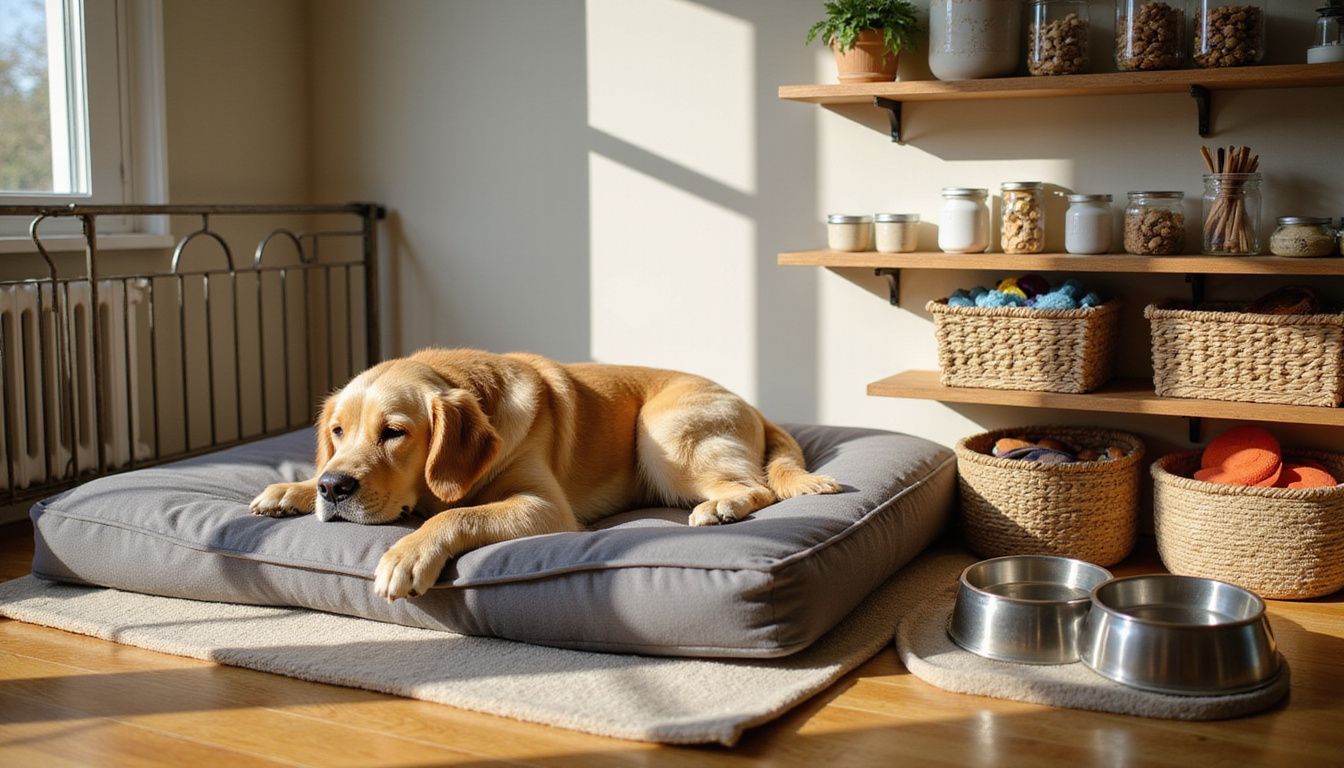
Once you handle mental stimulation, the next step is creating a physical sanctuary where your large dog can truly relax. A dedicated space turns your apartment into a comfortable setup that works for both of you.
- Place a quality bed in a quiet corner away from foot traffic, giving your large breed a safe retreat to decompress after playtime.
- Use vertical storage, like shelves and wall hooks, for toys, leashes, and supplies so you save floor space your dog needs.
- Add a baby gate or portable pen to set a specific zone, which keeps your dog from roaming freely during busy times.
- Pick a spot near a window when you can. Natural light helps your large dog feel connected to the world beyond your walls.
- Keep food and water bowls in a spot separate from the bed, since dogs prefer eating away from where they sleep.
- Lay a washable mat under the bed to protect your floor, and make sure the space gets good air circulation to keep odors away.
Setting up a functional dog corner doesn’t take a huge budget. One Newfoundland owner spent about $300 turning a cramped corner into a full sanctuary: an orthopedic bed for $120, a washable rug for $35, a freestanding gate for $60, wall hooks and shelves for $40, and a small air circulator for $45.
That bed cost isn’t just about comfort. According to a 2026 product review in The Consumer’s Guide, high-end orthopedic beds with 7-inch therapeutic foam, like Barker Beds, have been shown in peer-reviewed studies to meaningfully cut joint pain and stiffness in large breeds after just 28 days of use. A thin, cheap bed won’t do that for a 100-pound dog lying on hard apartment flooring every night.
A modest $300 setup turned a cramped corner into a real sanctuary for this large dog. It shows you can build a dedicated space without breaking the bank while covering all your dog’s comfort needs.
Why Is a Consistent Routine Important for Large Dogs?
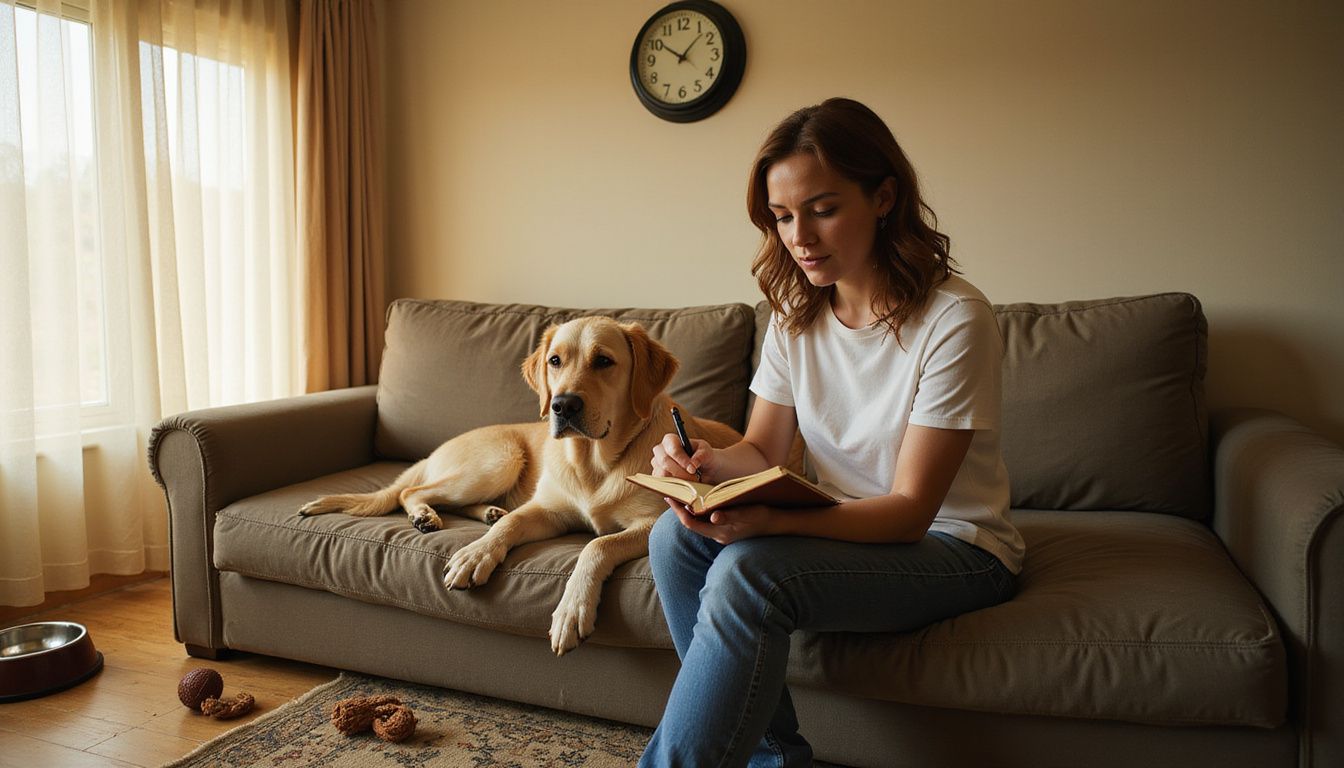
Your large dog thrives on predictability, and a solid daily routine is the foundation that makes apartment living work. Set times for potty breaks, feeding, walking, and play give your pup a framework they understand and rely on.
Dogs feel secure when they know what’s coming next. That security means fewer accidents, less destructive behavior, and a calmer household overall.
Feeding your dog at the same times each day regulates digestion and makes housebreaking far easier. According to the American Veterinary Medical Association, keeping feeding times separate from vigorous exercise also helps prevent bloat, a fast-moving and often fatal condition that hits deep-chested large breeds like Great Danes and Greyhounds especially hard.
Deep-chested breeds like Great Danes and Greyhounds face a higher bloat risk. Skip hard exercise for at least an hour before and after meals to keep them safe.
Walking schedules keep energy levels in check, while steady playtime prevents boredom and bad habits from taking root. This predictability calms your dog down and helps them handle apartment life, square footage limits and all.
Housebreaking a Large Dog in a Small Apartment
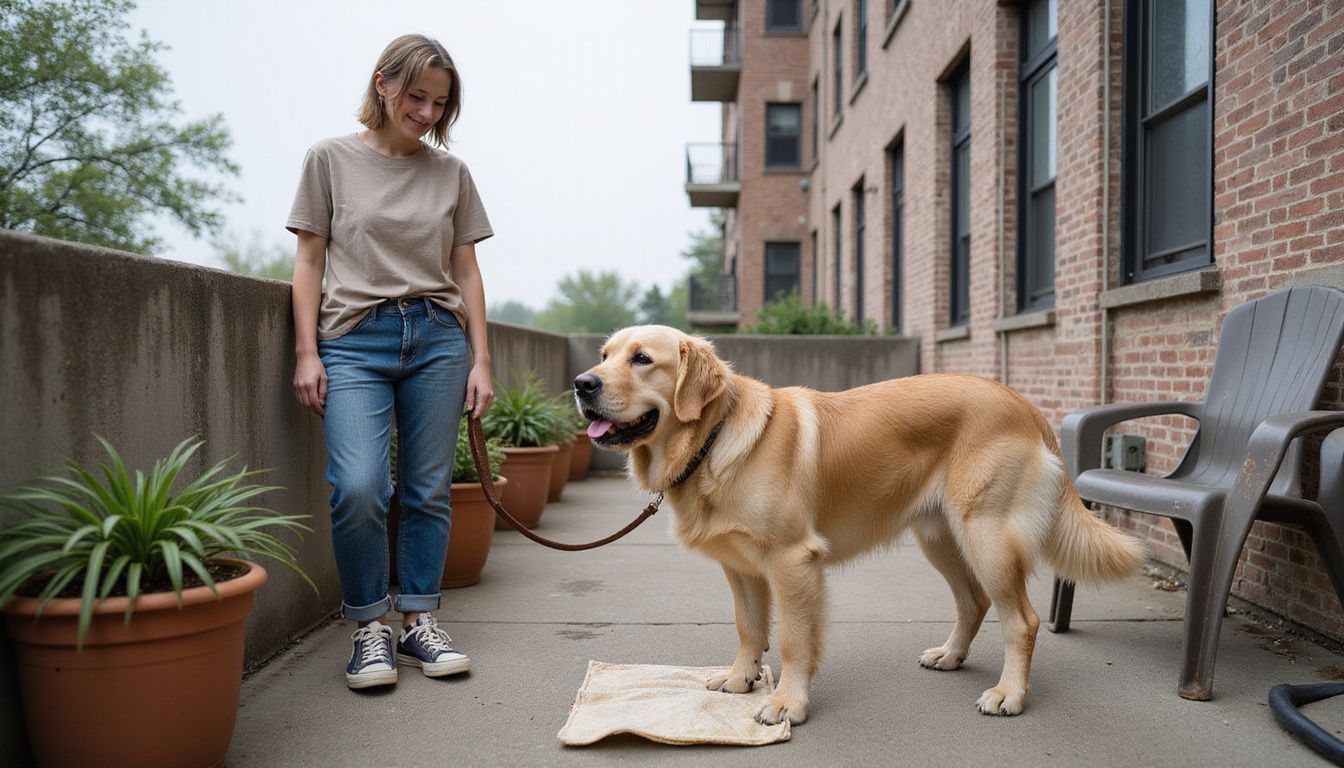
Potty training your large dog in a city apartment takes patience and a solid plan. Here are the strategies that actually work in tight spaces.
What Is the Best Potty Routine for Small Spaces?
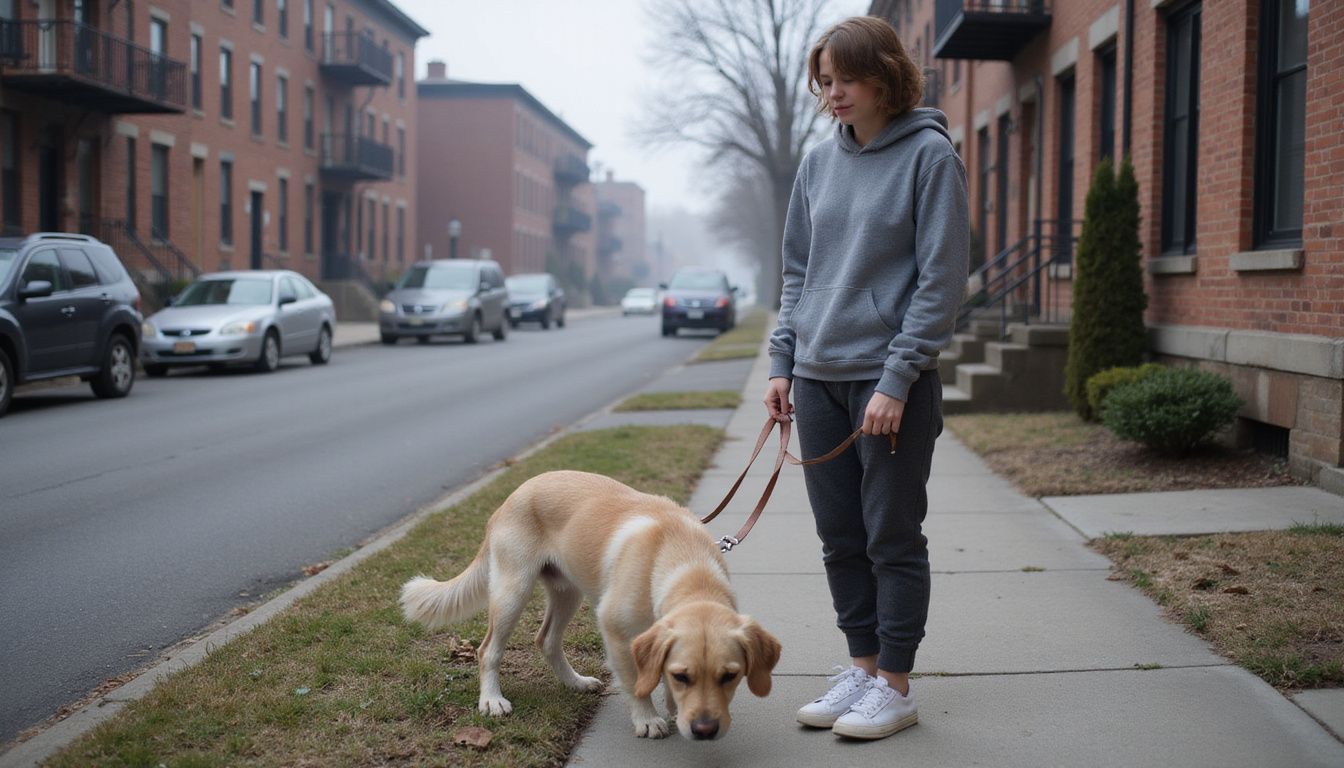
Building a solid potty routine makes city apartment living with a large dog far more manageable. Dogs thrive on routine, and set potty times prevent accidents in a small space.
- Set potty breaks at the same times daily, ideally morning, midday, evening, and before bed, to signal your dog’s body when to go.
- Take your dog out right after meals, since digestion usually kicks in within 15 to 30 minutes.
- Pick one designated bathroom spot near your building so your dog learns to associate that place with potty time.
- Use a consistent cue like “go potty,” then reward success right away with praise or a small treat.
- Watch for sniffing, circling, or whining. These signals mean it’s time to go, and consistency matters even on weekends.
- Limit water intake two hours before bedtime to cut down on nighttime accidents.
Scheduled walks paired with a backup option can dramatically cut indoor accidents for very large breeds. One Great Dane owner started a four-times-daily walk schedule alongside an indoor grass patch for emergencies, tracked over thirty days. Before the new routine, the dog had seven indoor accidents in a month.
After adding the set walks plus the grass patch backup, only one indoor accident happened the next month, which is 85% fewer apartment clean-ups. This structured approach works especially well for giant breeds that need extra time adjusting to apartment bathroom routines.
When Should I Use Indoor Training Tools for Housebreaking?
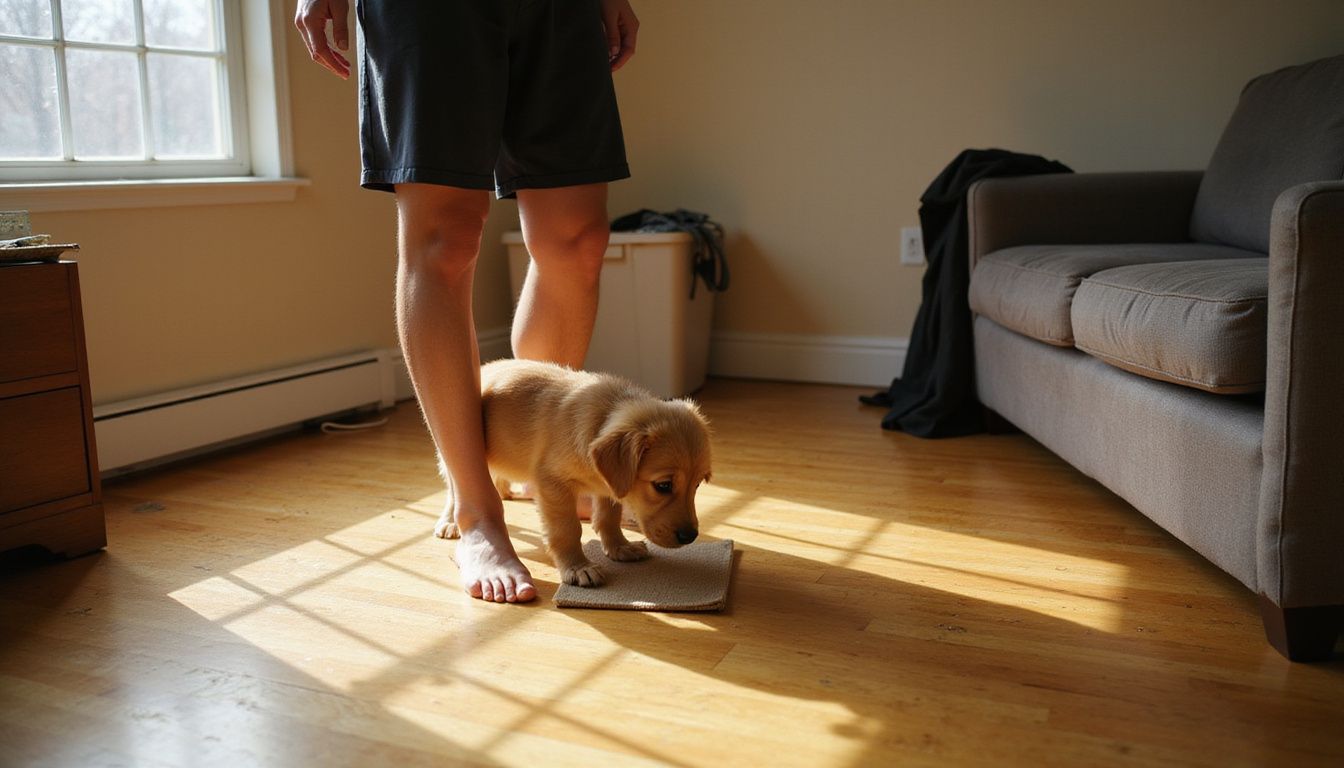
Indoor training tools become necessary when your apartment setup limits outdoor access or an emergency pops up. A vet or trainer can help you decide if indoor potty options fit your situation, and your building’s pet policies should guide the decision too.
- Limited outdoor access, weight limits, or breed restrictions in your building
- Puppies that need more frequent breaks than your schedule allows
- Senior dogs with mobility issues
- Bad weather or a temporary injury that keeps you both inside
Training pads, modified litter boxes, and artificial grass patches offer practical backups when stairs or distance make outdoor trips tough. One word of caution: synthetic grass patches can trap serious odor fast in a poorly ventilated apartment.
According to US veterinary and apartment-living experts, hydroponically grown real-grass delivery services like Fresh Patch or DoggieLawn are fully biodegradable and absorb odor naturally. That makes them a much better long-term fit for tight city spaces than synthetic turf.
Whichever method you pick, consistency matters more than the tool itself. Your commitment to the routine is what actually gets your dog housebroken.
Best Large Dog Breeds for Apartment Living
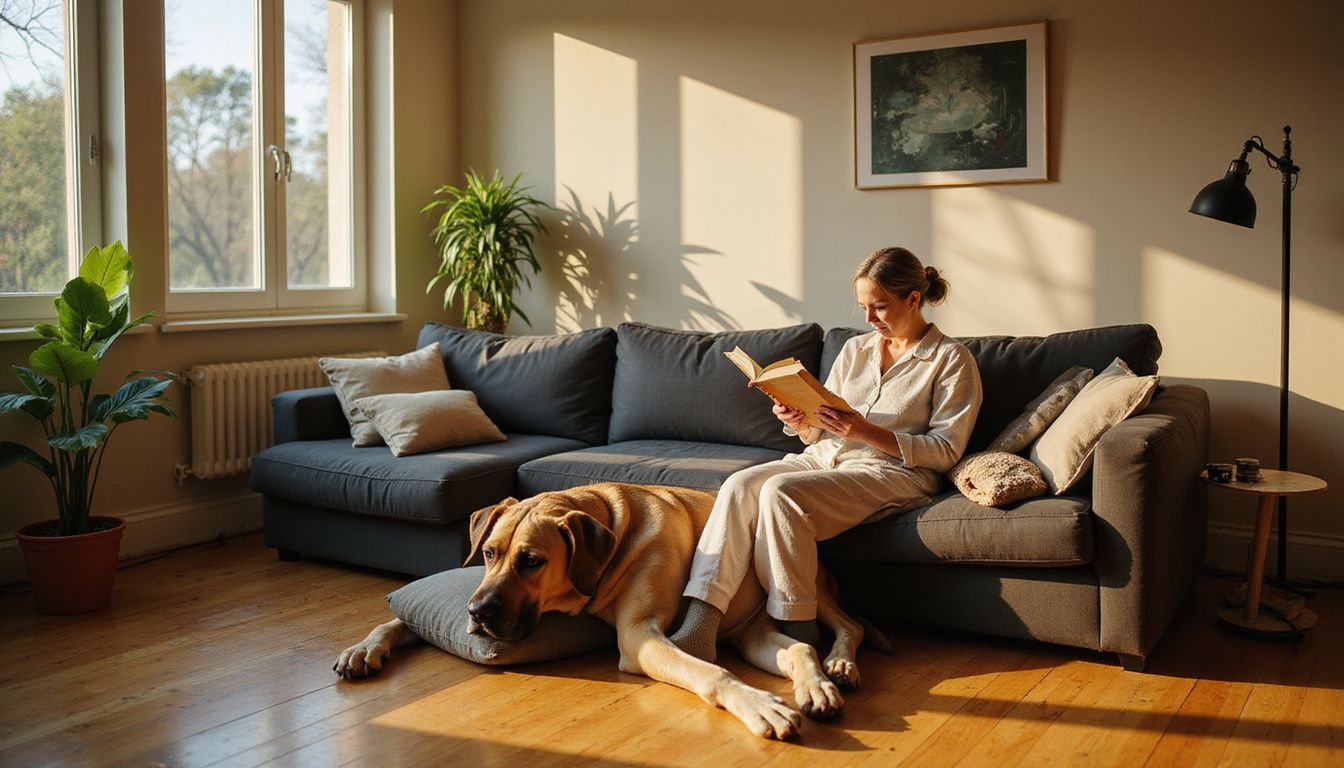
Some large dog breeds actually thrive in apartments. Here’s a rundown of which ones might be your perfect match.
Which Large Dog Breeds Are Quiet and Adaptable?
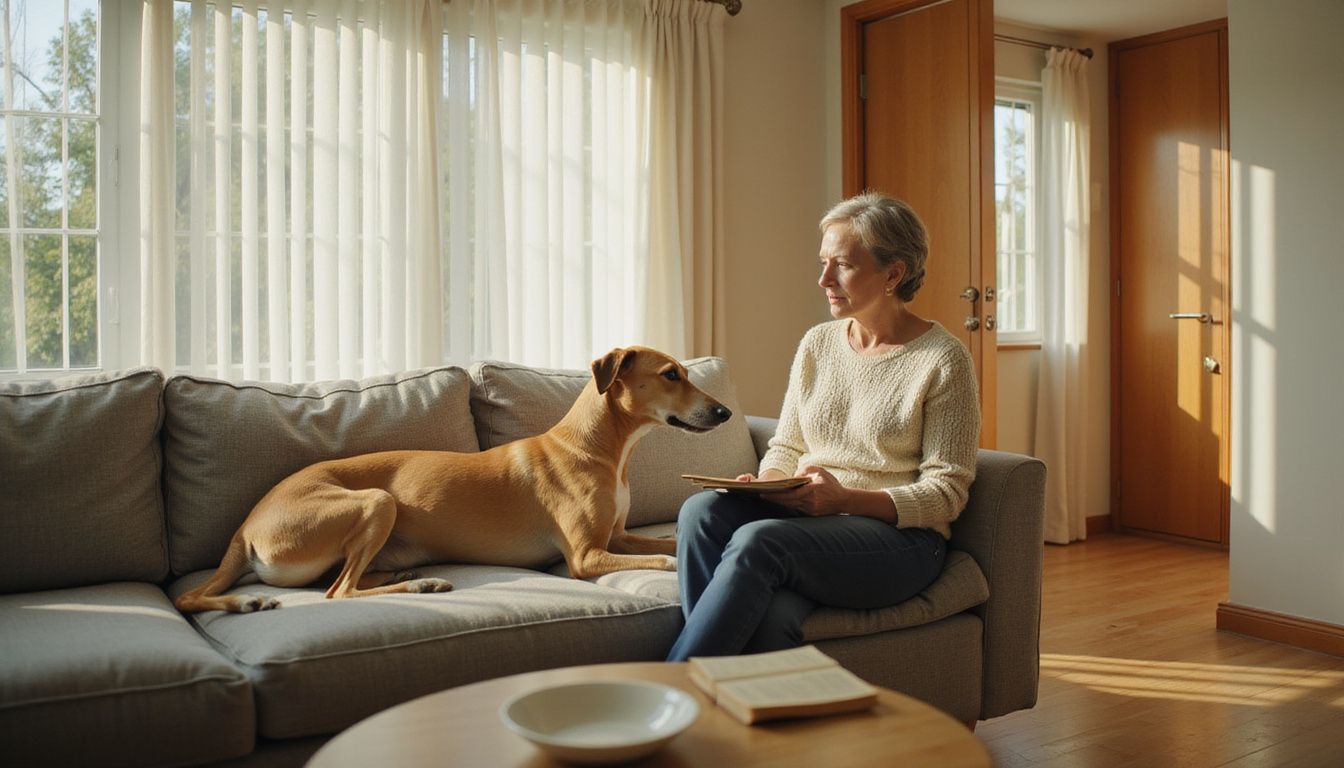
If you’re thinking about bringing a large dog into your apartment but worry about noise complaints from neighbors, quiet breeds offer real peace of mind.
| Breed | Barking Level | Energy Level | Trainability | Shedding | Apartment Compatibility |
|---|---|---|---|---|---|
| Great Dane | High barking tendency | Low energy | High trainability | Medium shedding | Good choice, despite barking; passive nature helps |
| Greyhound | Low barking | Medium energy | High trainability | Low shedding | Excellent fit; quiet and lazy demeanor |
| English Bulldog | Low barking | Low energy | Medium trainability | Low shedding | Perfect match; calm companion for tight spaces |
| French Bulldog | Low barking | Low energy | Medium trainability | Low shedding | Ideal option; small stature and quiet nature |
| Newfoundland | Medium barking | Medium energy | High trainability | High shedding | Manageable; weighs approximately 150 pounds |
Greyhounds stand out as apartment superstars. Their low barking and naturally lazy temperament make them surprisingly content in compact living situations. Racing dogs by heritage, they’ve turned into couch potatoes who genuinely prefer lounging beside you over constant activity.
Great Danes present an interesting paradox. Yes, they bark more than Greyhounds, but their passive, quiet nature balances things out. Their low energy means they won’t pace your floors all day, and high trainability helps you manage any vocalization issues early on.
Big bark, calm heart: Great Danes may vocalize more than a Greyhound, but their low energy and desire to just be near you make them surprisingly easy apartment mates.
English and French Bulldogs are worth considering if you want minimal fuss from a mid-sized dog. Both breeds keep barking in check and shed very little. According to 2026 American Kennel Club registration data, the French Bulldog was named America’s most popular dog breed for the fourth year running, largely thanks to its quiet nature and compact size, which city renters love. Neither breed needs marathon exercise, and training takes patience but stays doable for most owners.
Newfoundlands weigh around 150 pounds, making them genuinely large animals. Medium barking and medium energy call for thoughtful management, but their high trainability works in your favor. These water dogs adapt well to apartment living despite their size.
What Are Some Low-Energy Large Dog Breeds?
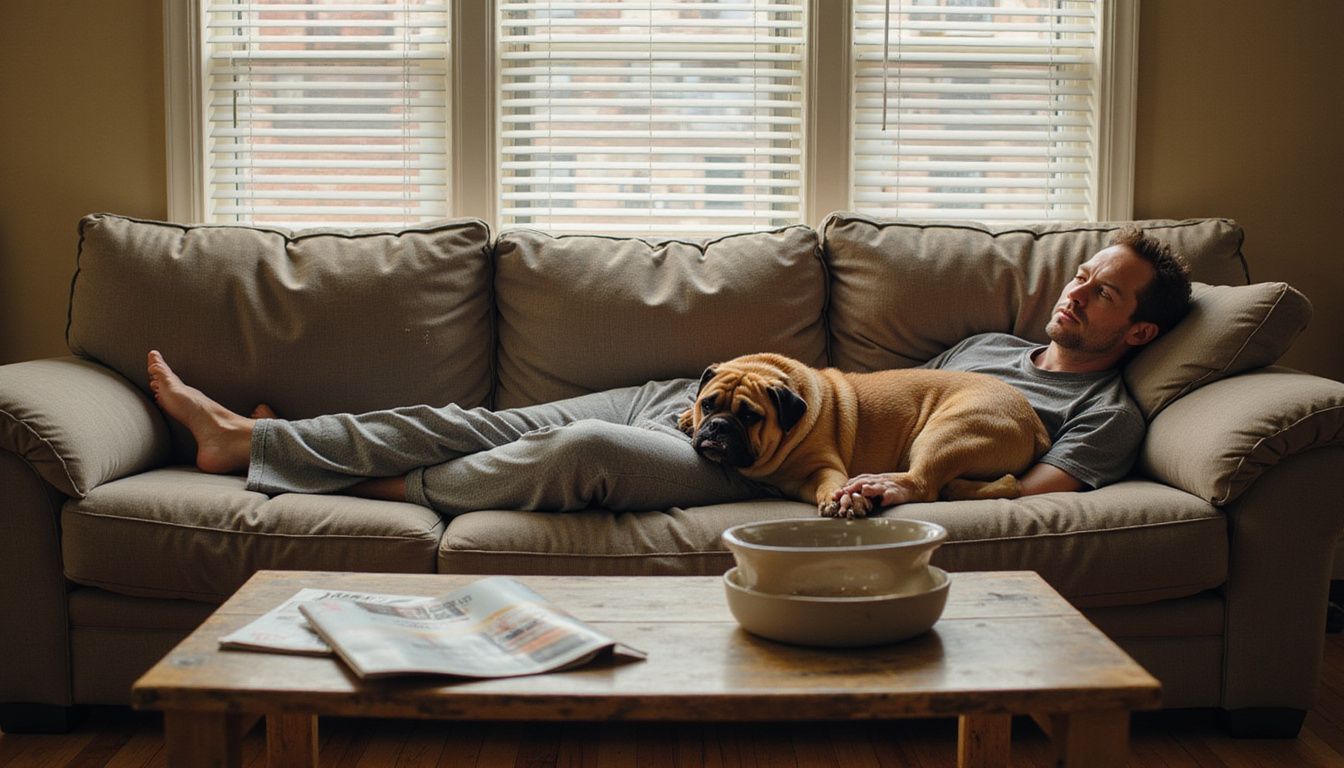
Beyond finding a quiet and adaptable companion, you’ll want to check out large dog breeds that match a slower pace of life. Quick note: a few entries below run smaller than “giant breed” territory, but they come up so often in apartment questions from renters who want calm energy over pure size that they made the cut.
| Breed Name | Energy Level | Key Traits for Apartment Living | Why They Work in Small Spaces |
|---|---|---|---|
| English Bulldog | Low | Friendly, calm, content indoors | These dogs prefer lounging to running. They’re happy with short walks and plenty of nap time. |
| French Bulldog | Low | Playful yet relaxed, minimal exercise needs | Their compact size and low energy make them apartment superstars. They thrive on companionship over constant activity. |
| Great Dane | Low | Quiet, passive, gentle giants | Don’t let their size fool you. Great Danes are couch potatoes who need minimal exercise and adapt beautifully to confined quarters. |
| Newfoundland | Medium (for large breeds) | Calm, adaptable, loyal | Despite their size, Newfoundlands have a serene temperament. They adjust well to apartment life without demanding excessive activity. |
| Basset Hound | Low | Even-tempered, loyal, manageable | These dogs love their families but don’t need intense exercise. Short walks satisfy them just fine. |
| Pug | Low | Prefers sleep, minimal activity drive | Pugs are lazy by nature. Owners who prefer a slower pace find these companions ideal. |
| Lhasa Apso | Low | Enjoys lounging, independent spirit | These dogs are content spending their days relaxing indoors. They don’t demand constant engagement or outdoor adventures. |
| Shih Tzu | Low | Low shedding, manageable activity needs | Shih Tzus fit apartment living like a glove. Their modest exercise needs match small space living perfectly. |
| Bolognese | Low | Calm temperament, low shedding | This breed brings peace to apartment settings. They’re satisfied with indoor time and gentle daily walks. |
If you want proof that size doesn’t predict energy, look at Greyhounds. US Greyhound rescue groups nickname them “45 mph couch potatoes” because retired racers often sleep up to 18 hours a day once they’re off the track. That racing speed shows up in short bursts, then it’s straight back to the couch, which makes them one of the laziest, most apartment-friendly large breeds around.
A few other giant breeds worth a look if you want something less common: Leonbergers, Giant Schnauzers, Anatolian Shepherds, Maremmas, and Tibetan Mastiffs all carry calm, watchful temperaments once they’re past puppyhood. Just know that their size means you’ll want extra room for turning around indoors.
Low-energy large dog breeds give you a sweet spot: a substantial companion without a chaotic household. Your apartment becomes a place to relax instead of a mini gym, since these dogs skip the marathon runs and thrive on moderate walks and indoor downtime.
Conclusion
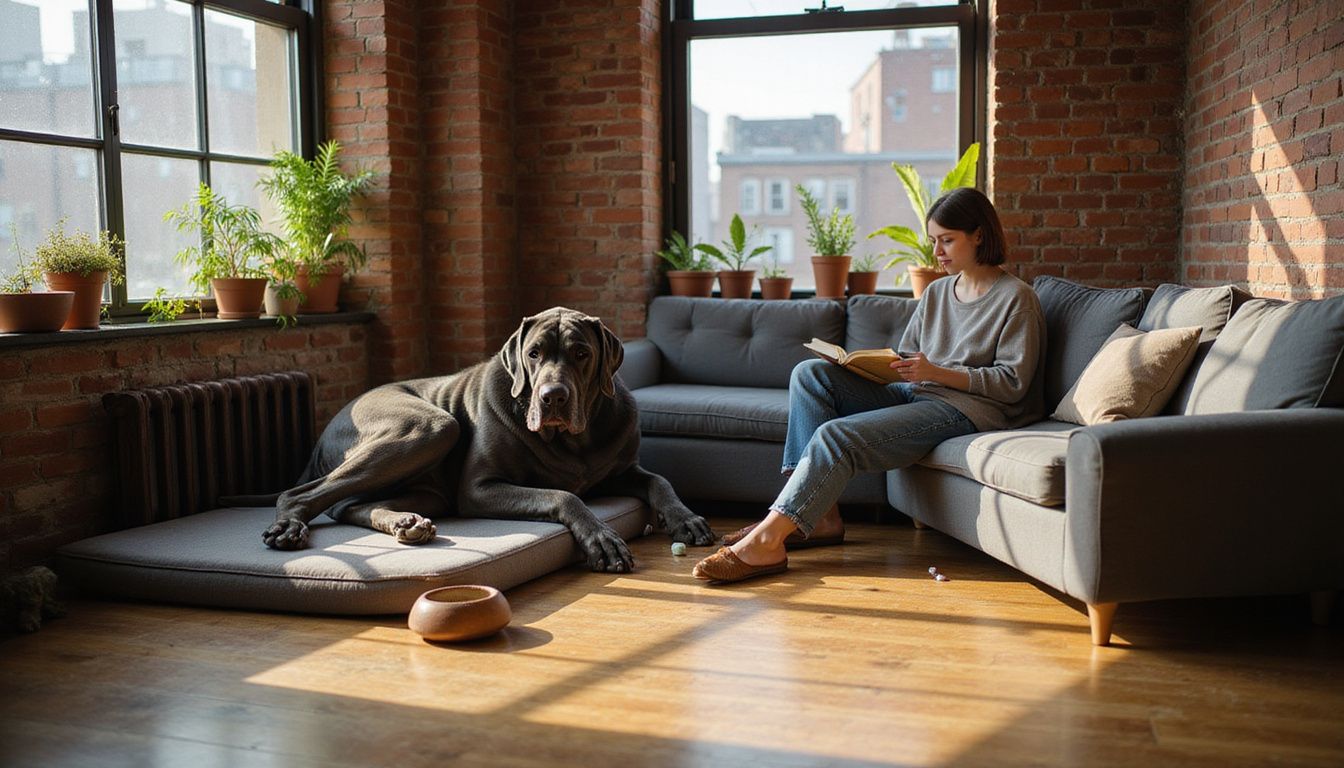
Your big dog can thrive in a small apartment when you pick the right breed, build a solid routine, and commit to daily exercise and mental stimulation.
Greyhounds, Newfoundlands, and Great Danes prove that size doesn’t decide whether your pet needs space. Their laid-back nature makes them ideal partners for city life.
A dedicated corner for your dog, steady feeding and walking times, and backup help like dog walkers or doggie daycare take the stress out of apartment ownership.
A pet resume showing your dog’s training, vaccinations, and personality can help convince landlords to say yes, especially with 83% of renters running into pet-friendly housing roadblocks.
Your neighborhood’s access to dog parks, walking paths, and grass areas shapes your dog’s happiness and your success as an apartment dweller just as much.
Start your apartment dog journey today. Thousands of large dogs live happily in small spaces because their owners chose commitment over convenience.