
To avoid delays when adopting a cat, guarantee you’re well-prepared with all necessary documents, including ID and proof of residence. Familiarize yourself with local shelters’ requirements and make…
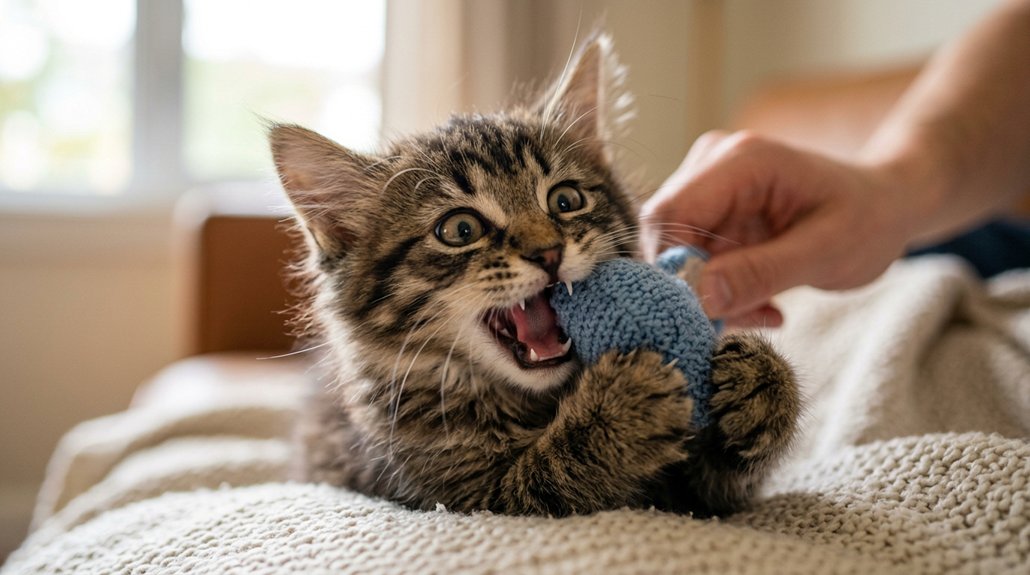
Kittens
Why Kittens Bite and How to Fix It
Kittens bite due to their natural instincts, teething discomfort, and need to explore. It’s essential to distinguish playful from aggressive biting by observing body language. To manage biting,…
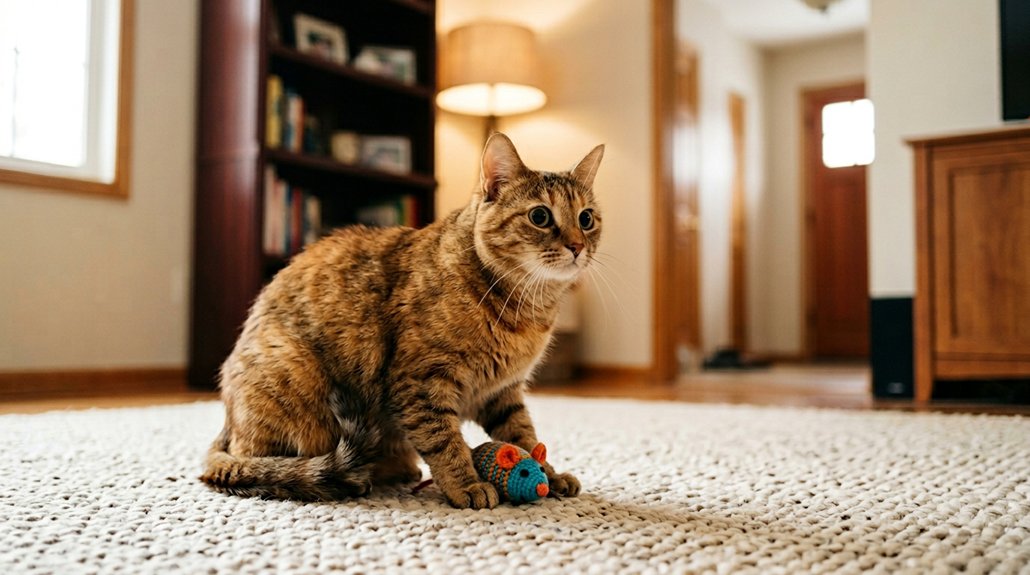
Living with Cats
What to Do If Your Cat Gets Anxious When You Leave
If your cat gets anxious when you leave, start by recognizing signs like excessive vocalization or refusal to eat. Gradual acclimation with short departures can help, alongside using…
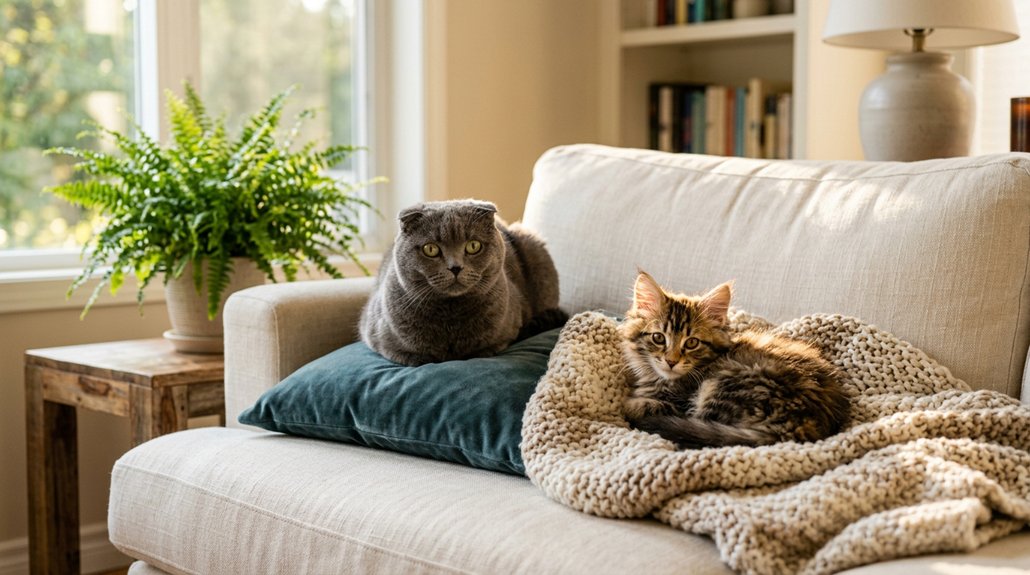
Cat Breeds
Best Cat Breeds for First-Time Owners
If you’re a first-time cat owner, consider breeds like American Shorthair, British Shorthair, and Scottish Fold that require minimal grooming and adapt well to different environments. Ragdolls and…
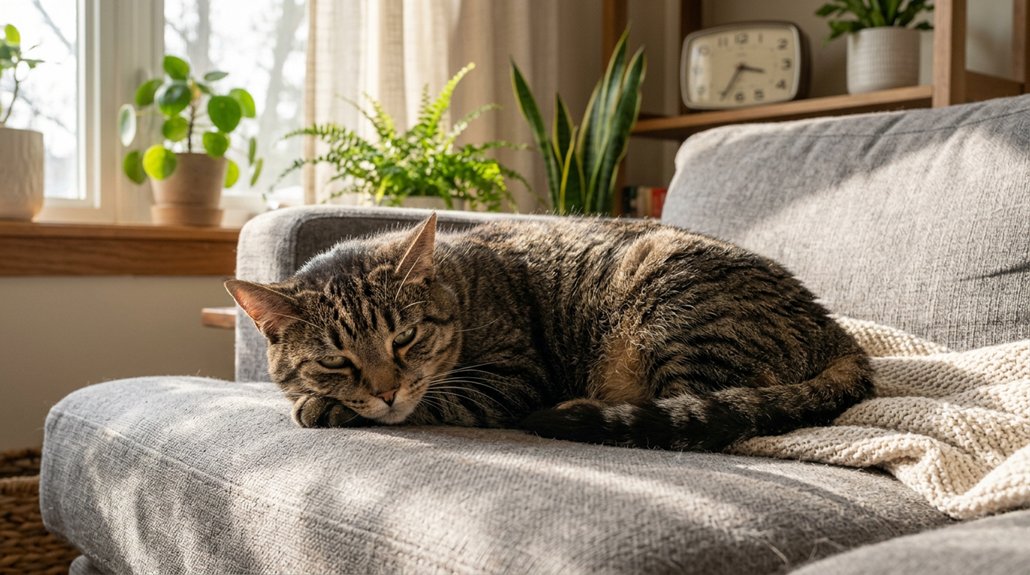
Cat Health & Wellness
Why Your Cat Is Acting Lethargic
Your cat’s lethargy may indicate health issues or stressors. Watch for signs like decreased energy, withdrawal, and over-sleeping. Common causes include dietary changes, infections, or metabolic disorders. Environmental…
Cat Behavior
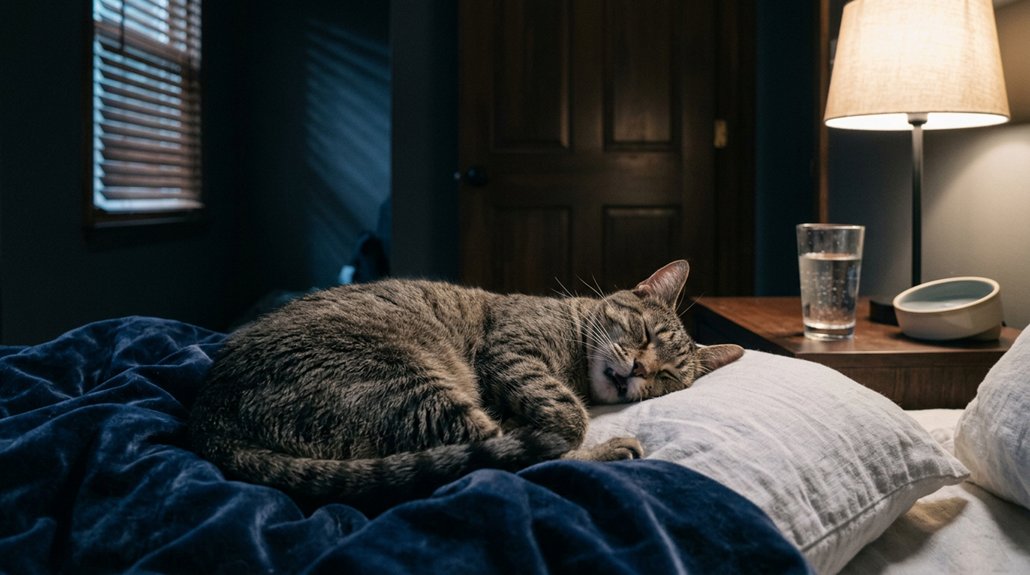
Why Your Cat Meows at Night (and How to Fix It)
Your cat’s nighttime meowing likely stems from its crepuscular nature, hunger, or stress. Cats are naturally active at dawn and dusk, often driven by hunting instincts. Consistent feeding…

Cat Adoption
What to Expect at Every Stage of Cat Adoption
When you adopt a cat, expect initial adjustment behaviors like hiding and refusing food. Establish a consistent feeding schedule and maintain litter box routines. Gradual exploration helps them…
Kittens
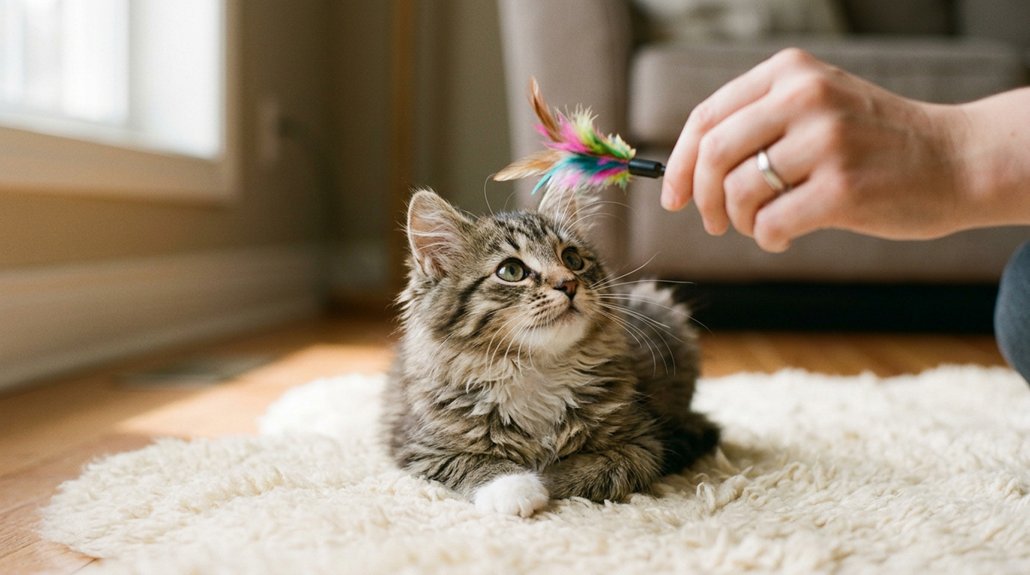
How to Stop a Kitten From Biting and Scratching
To stop your kitten from biting and scratching, understand these are instinctual behaviors. Set boundaries with a firm “no” and withdraw attention when biting occurs. Redirect their energy…
Living with Cats
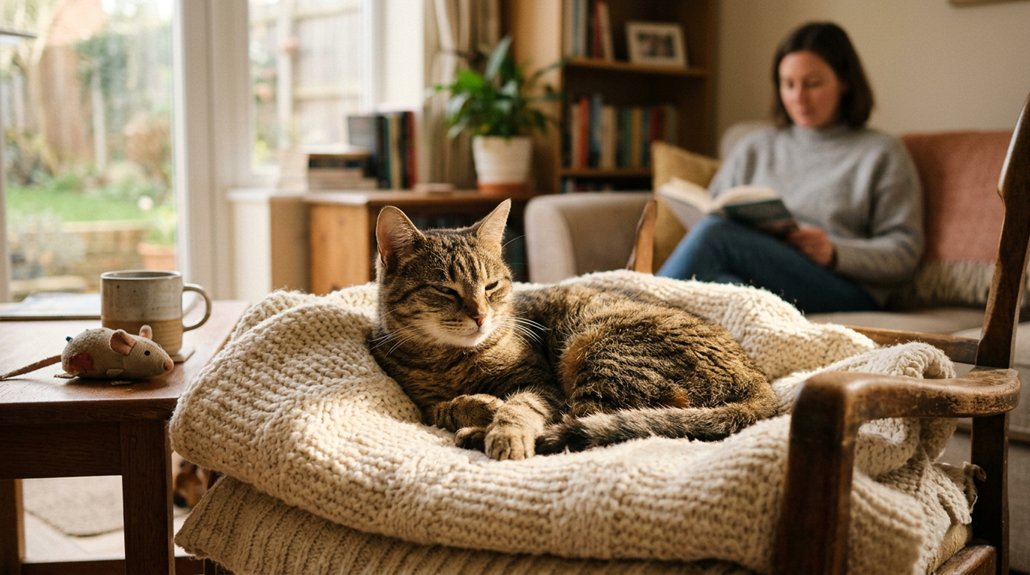
How to Prevent Separation Issues in Cats
Preventing separation issues in cats involves understanding feline behavior and detecting early anxiety signs. Implement consistent routines with structured feeding and play to reduce stress. Enrich the environment…
Cat Health & Wellness
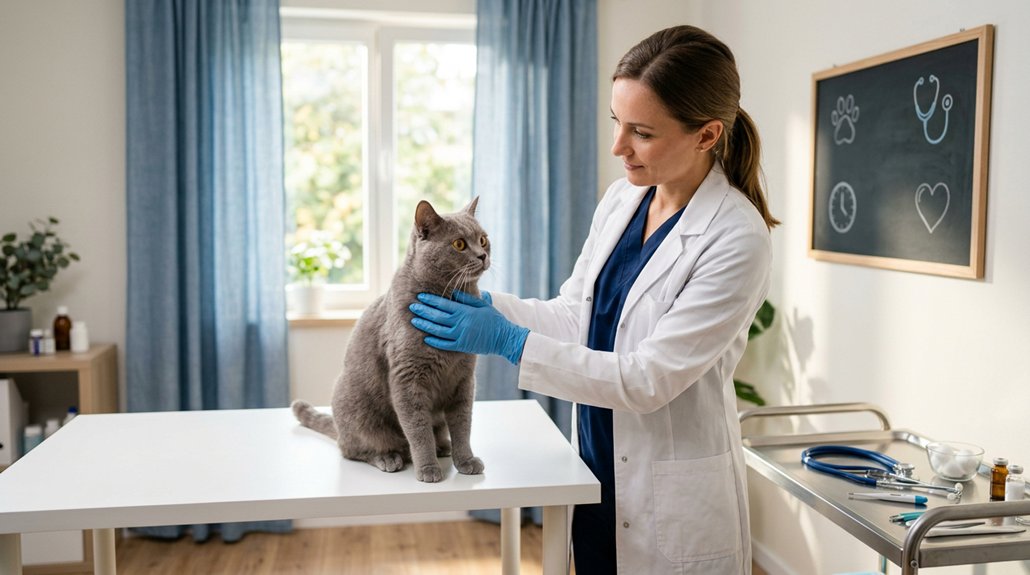
When to Take Your Cat to the Vet
You should take your cat to the vet for regular checkups, typically annually or semi-annually, especially for older cats. Immediate visits are essential if you notice rapid breathing,…
Cat Behavior
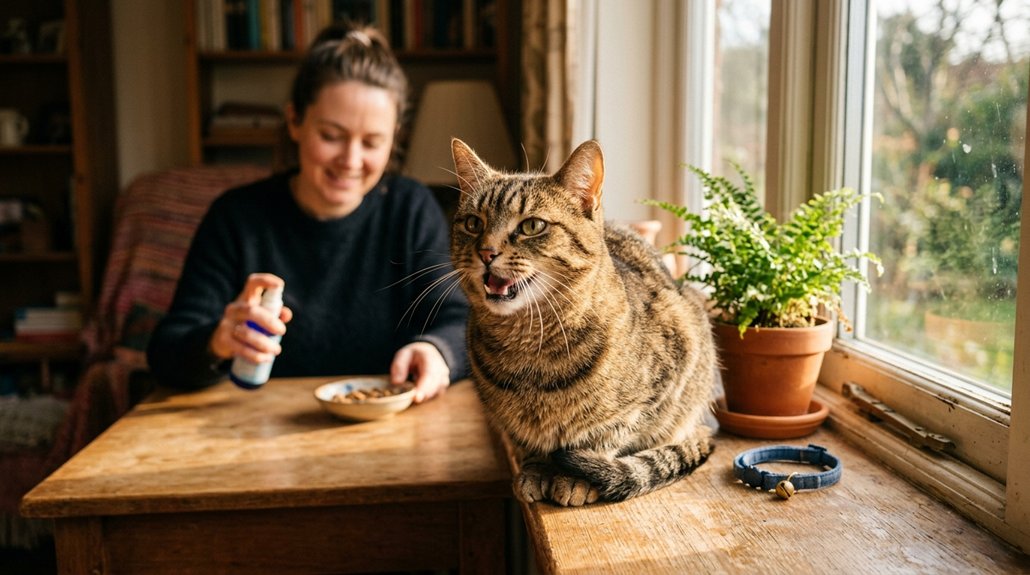
How to Stop Excessive Meowing in Cats
To reduce excessive meowing in cats, first rule out potential health issues like hyperthyroidism or kidney disease through veterinary evaluation. Address environmental stressors by establishing routine feeding and…
Cat Adoption
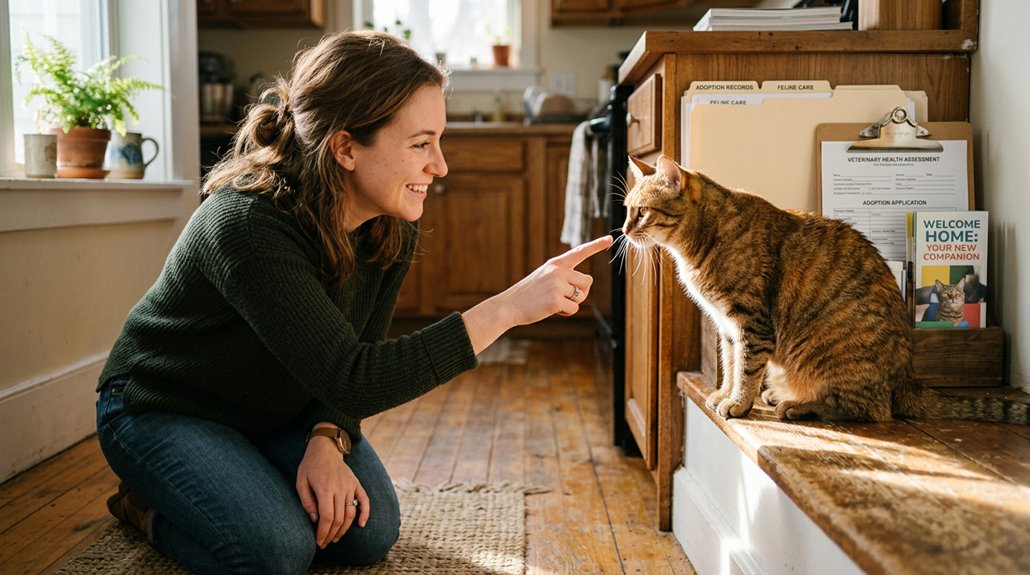
How to Successfully Navigate the Cat Adoption Process
Successfully maneuvering the cat adoption process involves evaluating your lifestyle for readiness, considering monthly expenses, commitment, and space. Decide between a kitten or adult cat based on socialization…

Kittens
How to Set Up a Litter Box for a Kitten
To set up a litter box for your kitten, choose a shallow, open-top box around 14–16 inches to start. Use natural, unscented litter, avoiding clumping types for kittens…
Living with Cats
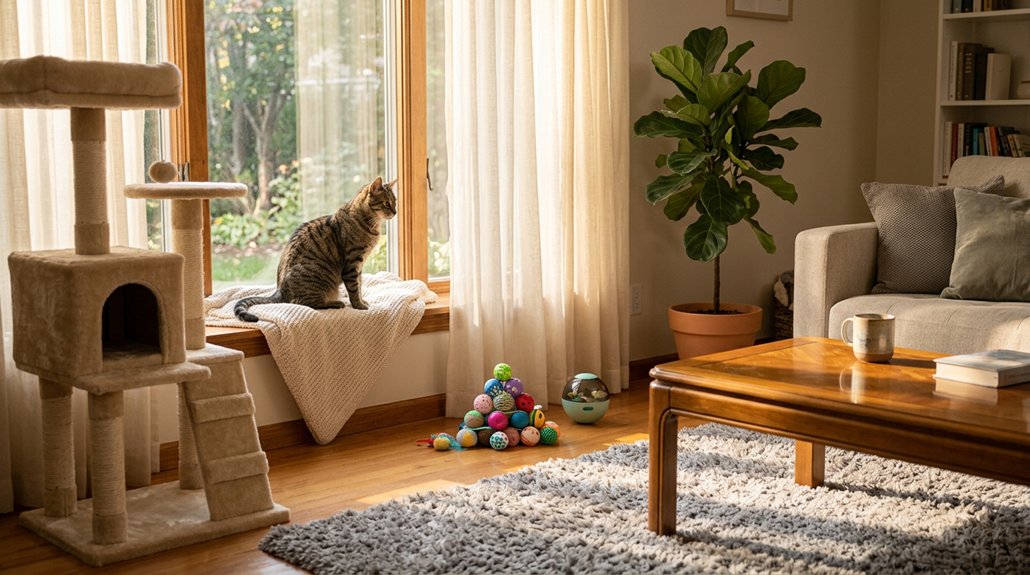
Best Tips for Cats That Stay Home Alone
To guarantee your cat’s well-being while home alone, provide constant access to fresh food and water, and maintain litter box hygiene by removing waste daily. Engage them with…
Cat Health & Wellness
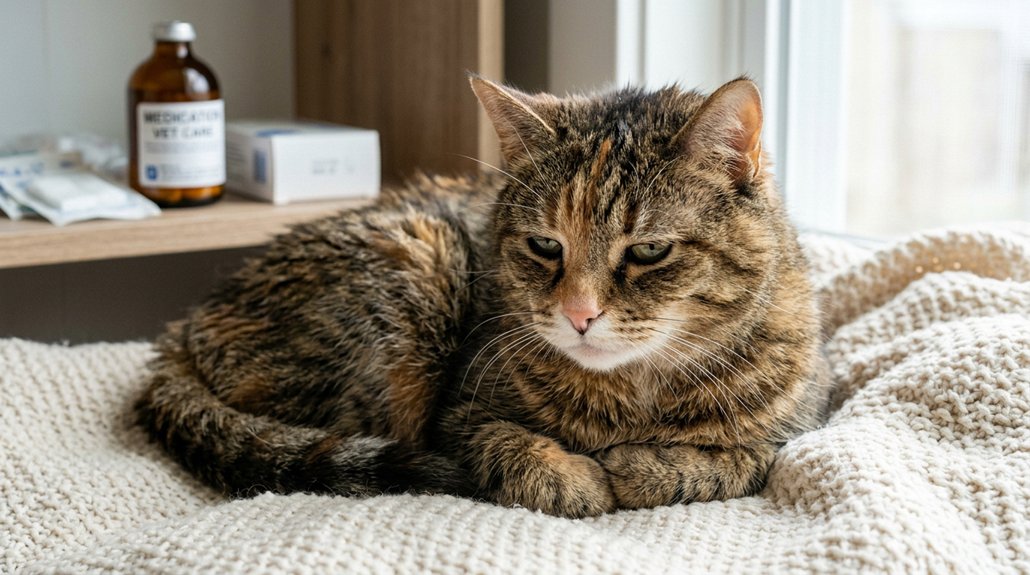
Signs Your Cat Might Be Sick (and What to Do Next)
Watch for subtle behavior changes, like hiding or loud meowing, which could signal pain. Altered grooming habits, appetite changes, and weight fluctuations can also indicate health concerns. Monitor…