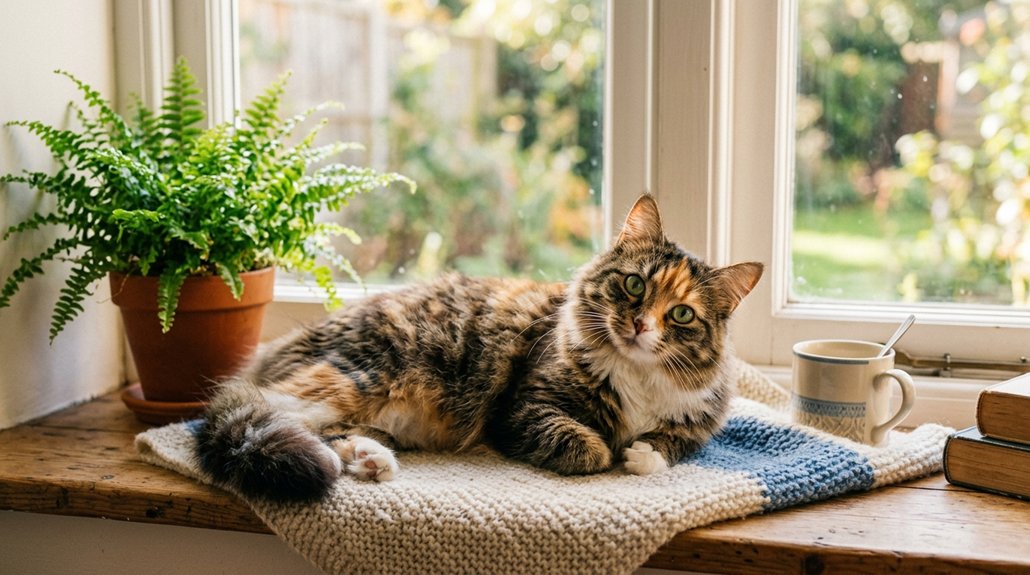
Adopting a mixed breed cat offers numerous benefits that enhance your life. They tend to have fewer hereditary health issues, potentially leading to longer lifespans and lower veterinary costs. Their diverse genetic background means various temperaments, suiting different living environments, from families to seniors. Economically, adoption fees are lower and include essential services, plus their care requirements are simpler. Embracing a mixed breed cat improves your emotional health and companionship. There’s much more to discover about their unique advantages.
Key Takeaways
- Mixed breed cats have fewer hereditary health problems due to genetic diversity, resulting in longer lifespans and robust health.
- Adopting mixed breed cats is cost-effective, with lower upfront costs and reduced long-term veterinary expenses.
- Their varied temperaments and personalities make them adaptable to different living environments and suitable for diverse lifestyles.
- Mixed breed cats require less intensive grooming and have minimal dietary restrictions, simplifying daily care and maintenance.
- Adoption supports shelters and alleviates overcrowding, while providing emotional benefits and reducing loneliness for pet owners.
Health Advantages of Mixed Breed Cats
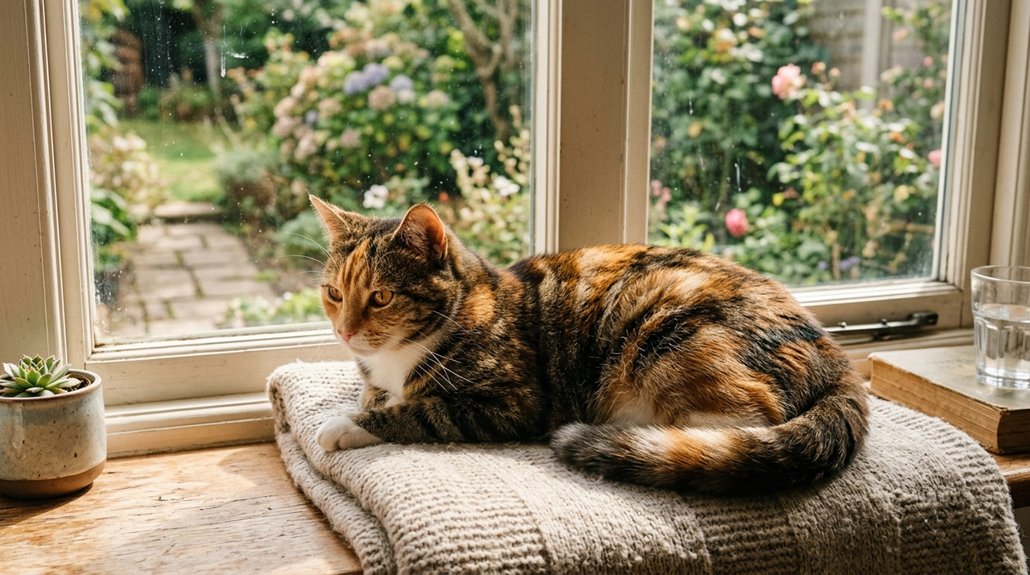
When considering the health advantages of mixed breed cats, it’s important to understand how their genetic diversity plays an important role. Unlike purebreds, these cats tend to have fewer hereditary health issues, reducing risks of problems like hip dysplasia and asthma. Regular vet check-ups can’t be discounted, though; you’ll want to guarantee their vaccine requirements are met appropriately since maintaining immunization schedules is essential for all feline health. With their resilience, mixed breed cats generally require fewer complex dietary considerations, but a balanced diet remains critical to prevent obesity and promote longevity. By investing time in proper care, including thoughtful attention to nutrition and monitoring overall well-being, you’re likely to enjoy a companionship with fewer genetic health concerns, allowing your pet to thrive joyfully.
Understanding Mixed Breed Cats
When you bring a mixed breed cat into your home, you’re embracing a tapestry of unique genetic characteristics that often contribute to their robust health and enchanting appearance. Their varied temperaments mean you’ll likely find a furry friend whose personality aligns beautifully with your lifestyle, offering both companionship and adaptability. Understanding their health and grooming needs, which tend to be less demanding than those of purebred cats, can make caring for them both straightforward and rewarding.
Unique Genetic Characteristics
Mixed breed cats boast a striking array of genetic characteristics that contribute to their health and individuality. This genetic diversity often means fewer hereditary health issues, setting them apart from their purebred counterparts. You’ll notice their visual uniqueness, as they display a spectacular range of coat colors and patterns. Here are three insights about their genetics:
- Genetic Robustness: With a varied gene pool, mixed breed cats tend to enjoy better overall health.
- Physical Distinctiveness: Diverse ancestry results in an enchanting mix of physical traits, ensuring each cat is truly one-of-a-kind.
- Longevity: Their improved genetic health often translates to an impressive lifespan, ranging from 14 to 20 years.
Adopting a mixed breed cat means embracing these fascinating genetic attributes.
Varied Temperament Insights
Given their diverse genetic backgrounds, mixed breed cats, often affectionately called moggies, present a fascinating array of personalities that keep pet owners constantly engaged and often pleasantly surprised. You’ll find that social behaviors in these cats can range from incredibly affectionate to independently curious. Observing temperament variations can be an enriching experience, as no two moggies are alike. Their playfulness tendencies often infuse your home with energy and warmth. More importantly, mixed breed cats have a remarkable capacity for bonding, thanks to their varied ancestry, offering an adaptable companionship that aligns well with different households. By understanding these nuances, you’re better equipped to choose a cat whose personality complements your lifestyle, leading to a fulfilling companionship and shared joy.
Health and Grooming Needs
Though possessing a diverse genetic tapestry, mixed breed cats, affectionately known as moggies, can offer robust health advantages over their purebred counterparts. Their genetic diversity often shields them from hereditary health issues, making them a healthier choice. Nonetheless, attention to grooming essentials and health tips is critical. Here are three key practices to maintain your cat’s well-being:
- Regular Grooming: Minimal grooming is generally necessary, yet regular brushing, nail trimming, and dental care are significant for reducing hairballs and keeping a healthy coat.
- Veterinary Check-ups: Regular vet visits can catch gastrointestinal issues or skin irritations early, ensuring prompt management.
- Diet and Weight Management: A balanced diet and monitoring weight are fundamental since obesity is a common issue that can lead to further health complications.
Unique Personalities and Traits of Mixed Breed Cats
While every cat is unique, mixed breed cats offer an especially diverse tapestry of personalities and traits. Their backgrounds consist of various breeds, resulting in endearing quirks and varying playfulness. You’ll often find these moggies showcasing an impressive range of quirky behaviors that can both amuse and surprise. The genetic blend bestows them with an intelligence and adaptability that make them engaging companions. From chasing imaginary prey to intricate puzzle-solving, their spectrum of playfulness adapts wonderfully to your household dynamics. Beyond play, their resilience is notable—they often dodge hereditary health issues plaguing purebreds. Embrace the delightful unpredictability they bring; each moggie unfolds a unique story, making your bond with them an ever-evolving, rewarding experience.
Why Mixed Breed Cats Are Economical to Adopt
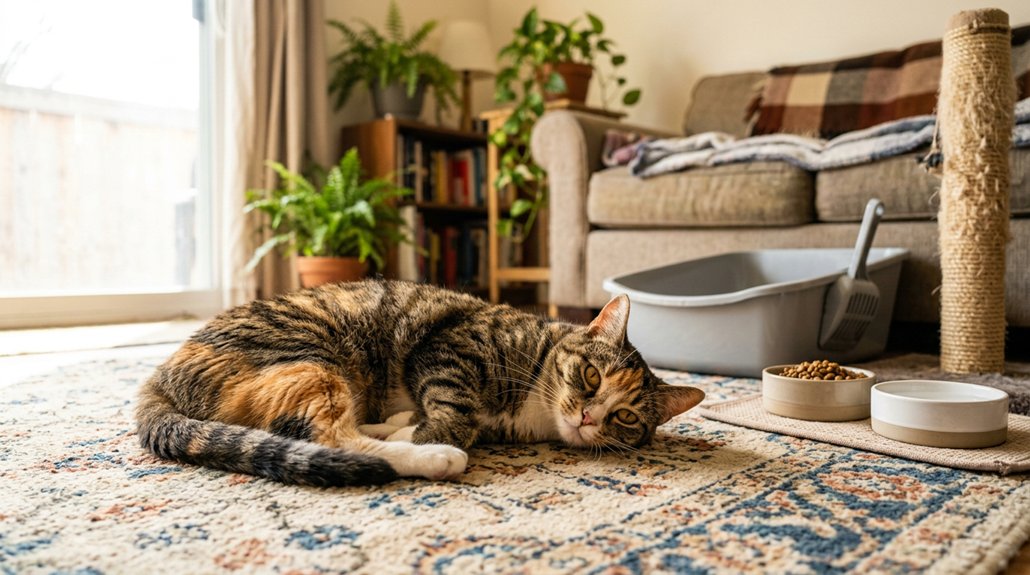
When considering a cat, you’ll find that mixed breed options offer significant savings right from the start. Adoption fees for these cats are generally lower, and many shelters include essential services such as spaying/neutering and vaccinations, reducing initial veterinary expenses. Thanks to their genetic diversity, mixed breed cats often experience fewer hereditary health issues, helping you maintain manageable, affordable care over time.
Lower Adoption Fees
Adopting a mixed breed cat can be a financially savvy choice for potential pet owners, as adoption fees are typically lower compared to those for purebred cats. This economic appeal is accentuated during adoption events that raise community awareness and often feature reduced or waived fees. By choosing a mixed breed, you enjoy:
- Lower upfront costs: Shelters often cover essential services like spaying/neutering, vaccinations, and microchipping within the adoption fee.
- Reduced purchase expenses: Avoid the high costs of purebred purchases, which can reach thousands of dollars.
- Community contribution: Your decision alleviates shelter populations, supporting animal welfare.
These cost-effective measures not only save money but guarantee you’re making a compassionate choice in enhancing your home’s warmth.
Minimal Veterinary Costs
Beyond the advantageous lower adoption fees, mixed breed cats offer notable savings on veterinary costs. Their genetic diversity often results in fewer hereditary health issues, meaning you’re less likely to face long-term medical expenses related to chronic conditions. Many purebreds are prone to specific genetic disorders, but mixed breed cats typically avoid such pitfalls, making preventive care more manageable and cost-effective. Routine vaccinations and check-ups often cost less, reflecting their resilience and adaptability. The initial adoption fee may even cover essential health measures like spaying/neutering and vaccinations, sparing you additional early expenses. In addition, their reduced likelihood of serious illnesses helps catch minor issues early, minimizing the need for costly emergency interventions and contributing to your emergency savings over time.
Affordable Daily Care
For those seeking to adopt a cat without incurring significant ongoing expenses, mixed breed cats are an ideal choice. With less demanding care requirements, they offer substantial cost benefits through sensible daily feeding, streamlined grooming essentials, and general resilience.
- Daily Feeding: Mixed breed cats often have fewer dietary restrictions, allowing you to choose affordable yet nutritious options that meet their needs without straining your budget.
- Grooming Essentials: These cats usually have coats that require minimal grooming, reducing the need for expensive grooming sessions or specialized products.
- Health Resilience: Due to their genetic diversity, mixed breed cats encounter fewer hereditary issues, which means less frequent medical care.
Lifespan of Mixed Breed Cats
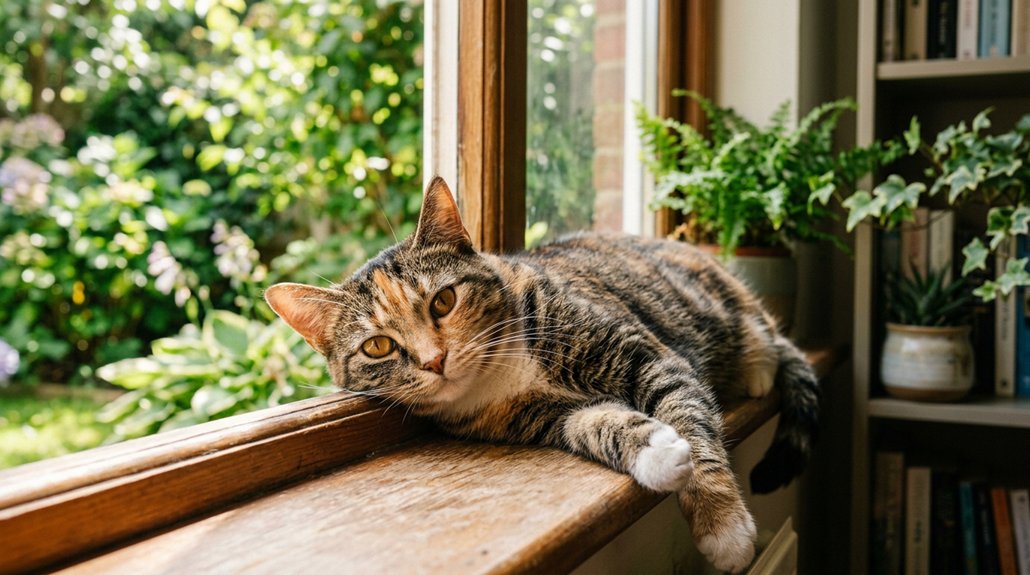
Though often overlooked in favor of purebred counterparts, mixed breed cats exhibit remarkable longevity, with lifespans typically ranging from 14 to 20 years. Their diverse genetic makeup gives them a robust health advantage, mitigating the risk of hereditary ailments. Ensuring lifetime nutrition and ideal environmental factors can greatly enhance their lifespan. A well-balanced diet, regular veterinary care, and a stimulating environment contribute to their vibrant longevity. By adopting a mixed breed cat, you’re embracing not just a pet, but a long-term companion with unique health benefits.
Here’s why your mixed breed cat deserves your affection:
| Benefit | Impact |
|---|---|
| Genetic Diversity | Fewer health issues |
| Regular Vet Care | Prolonged well-being |
| Balanced Diet | Improved energy and health |
| Active Lifestyle | Decreased age-related issues |
Considering Adoption: How Mixed Breed Cats Fit Your Home
Considering the adoption of a mixed breed cat can be a rewarding experience, especially if you’re looking for a pet that fits seamlessly into your lifestyle. Mixed breed cats, or moggies, are celebrated for their adaptability to various living environments. To guarantee a harmonious match, it’s essential to perform thorough compatibility assessments. Here’s why they’re ideal:
- Diverse Backgrounds: Their genetic variety often leads to unique, endearing personalities.
- Lifestyle Flexibility: Whether you’re in a bustling family home, a serene senior residence, or a cozy apartment, these cats adapt without the demand for outdoor excursions.
- Support Shelter Efforts: With 3.2 million cats entering shelters yearly, adopting a mixed breed helps alleviate this burden and gives a homeless cat a new beginning.
Adapting Mixed Breeds in Multi-Pet Homes
When integrating a mixed breed cat into a multi-pet home, prioritizing careful introductions is essential for a successful shift. Mixed breed cats often display a friendly and sociable nature, enhancing the prospects of harmonious pet introductions. Their diverse genetic backgrounds foster varied personalities, supporting compatibility with existing pets. Employ socialization strategies such as gradual exposure, scent swapping, and monitored interactions to ease the adjustment. This not only alleviates loneliness but reduces anxiety for all pets involved. Observing dynamics and behaviors can inform tailored adjustment techniques. Recognize that older mixed breed cats, being less hyperactive, may adapt faster than kittens, making them ideal for homes with other animals. Clear communication and observation support a smoother process, fostering a peaceful multi-pet environment.
How Mixed Breed Cats Boost Owners’ Well-Being
Embracing a mixed breed cat into a multi-pet household also opens the door to substantial well-being benefits for owners. These cats are superbly effective at enhancing emotional resilience, acting as a comforting presence that addresses feelings of loneliness and depression. You’ll find their companionship benefits are immense, transforming your environment into a sanctuary of solace with their gentle purrs—that soothing vibration scientifically reduces stress and potentially aids healing processes. Here’s how they enrich your mental health:
- Reduced Anxiety Levels: Pets offer emotional support, bringing calm during stressful periods.
- Improved Mood and Happiness: Unique feline personalities lead to smoother compatibility in homes, fostering harmonious relationships.
- Lower Risk of Cardiovascular Disease: Stress reduction through cat interaction may positively influence heart health.
Finding Your Ideal Furry Friend
How do you find the perfect mixed breed cat to join your home? Start by exploring local shelters, which brim with unique moggies awaiting a chance. Engaging in shelter activities allows you to interact with various cats, offering firsthand insights into their personalities. By observing them, you harness the art of cat personality matching, ensuring you select a feline that suits your lifestyle. Are you seeking a playful companion or a calm lap cat? Diverse temperaments abound, making shelter engagement a vital step. Additionally, adopting a mixed breed cat not only enriches your life but also helps reduce overcrowding, granting more rescues the opportunity for a loving home. With their robust genetic diversity, mixed breeds promise enduring health and contentment.
Frequently Asked Questions
Is It Better to Get a Mixed-Breed Cat?
Yes, getting a mixed-breed cat can offer significant advantages. You’ve got feline health benefits due to genetic diversity, reducing hereditary issues. Plus, these cats often bring unique personalities, making them delightful companions and contributing to shelter population control.
What Is the 3 3 3 Rule for Adopting a Cat?
The 3-3-3 Rule outlines a cat’s adjustment period: first three days are stressful; by three weeks, socialization tips help them explore confidently; and in three months, they fully settle, revealing their true personality.
What Color Cat Is Least Desired?
Recent studies show black cats wait 50% longer for adoption, largely due to marketing perceptions and superstitions. Despite affectionate nature, adoption trends still overlook them. Remember, they’re as lovable as any feline, deserving homes too.
What Is the Calmest Breed of Cat?
The calmest cat breeds often include Ragdolls, Persians, and British Shorthairs due to their gentle nature and relaxed temperament. However, mixed breed temperaments can surprise you with unique and balanced cat personality traits worth considering.
Conclusion
Adopting a mixed breed cat is like adding a dash of unpredictability to your life’s canvas, each stroke revealing a new hue of companionship. Imagine a friend who, like an impeccable jazz improvisation, blends health, unique traits, and economical appeal seamlessly. These cats adapt effortlessly to families and multi-pet homes, enhancing well-being and joy. By choosing a mixed breed, you’re not just finding a pet; you’re welcoming a source of lifelong enrichment and unconditional love.