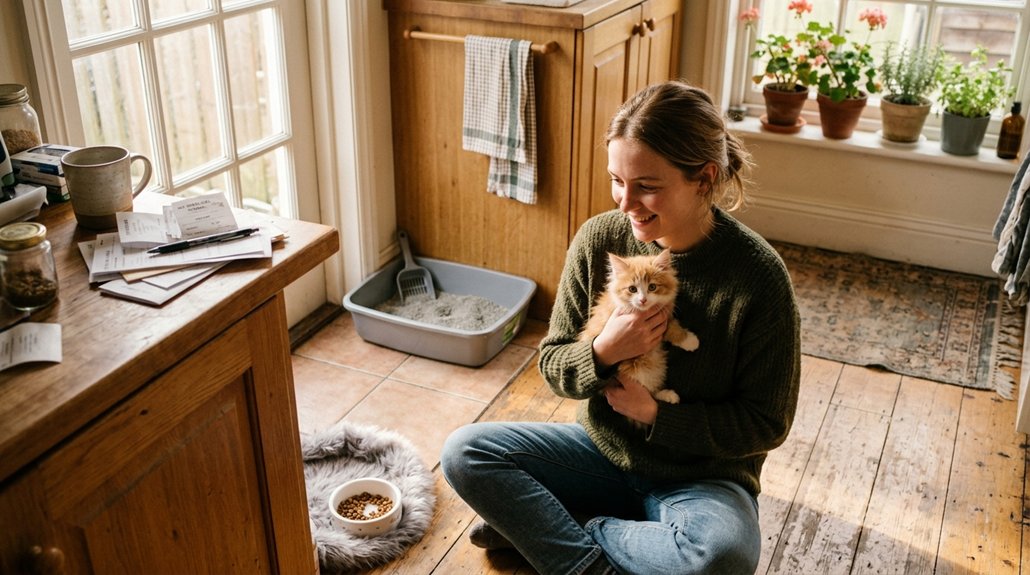
Adopting a cat is typically cheaper than buying one. Adoption fees range from $0 to $200, usually including necessary vet services like spaying/neutering and vaccinations. In contrast, buying a purebred cat can cost $300 to $3,000, excluding initial medical expenses. Adoption minimizes upfront costs, supports shelters, and avoids hidden expenses linked to poor breeding practices, making it financially and ethically sound. Discover more advantages of adoption beyond just cost savings.
Key Takeaways
- Adoption fees typically range from $0 to $200, making it significantly cheaper than purchasing a purebred cat.
- Purchasing a purebred cat can cost between $300 and $1,500, with exotic breeds reaching up to $3,000.
- Adoption fees often include initial veterinary services, saving an additional $300 to $800 compared to buying.
- Buying cats may require extra expenses for medical procedures not included in the purchase price.
- Adoption supports shelters and reduces cat overpopulation, offering ethical and cost-effective pet ownership.
Upfront Cost Comparison: Adoption vs. Buying
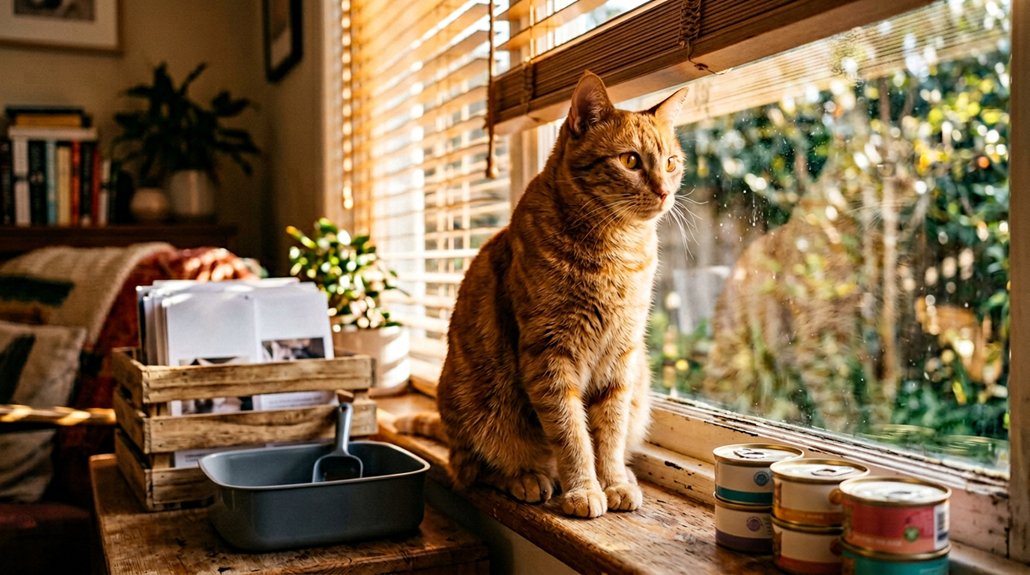
When considering the upfront costs associated with acquiring a cat, it’s clear that adoption presents a more economical option than purchasing. Adopting a cat often involves an adoption fee ranging from $0 to $200, which typically includes the cat’s spaying/neutering and initial vaccinations—essential services for responsible cat ownership. In contrast, purchasing a purebred kitten can cost between $300 and $1,500, with exotic breeds potentially reaching up to $3,000. These prices exclude additional expenses for necessary medical procedures like spaying/neutering and microchipping. From a financial planning perspective, adoption minimizes initial expenditures. Shelters often offer discounts on adoption fees for senior and special-needs cats, presenting further savings. Overall, adopting a cat guarantees cost-effective and responsible ownership.
What Adoption Fees Cover
When you’re considering the cost of adopting a cat, it’s important to understand what the adoption fees actually cover. Typically, these fees include essential medical services such as spaying or neutering, vaccinations, and microchipping, which collectively save you significant expenses compared to buying a cat. Shelters often provide additional health checks and support systems, adding further financial benefit and assurance for responsible pet ownership.
Included Medical Services
Adopting a cat often stands out as the more financially sound option due to the extensive medical services bundled into the adoption fee. These included services, such as spay/neuter surgery, initial vaccinations, and microchipping, considerably alleviate cost implications. Typically, cat adoption fees range from $0 to $200 and encompass essential veterinary care. Without this bundle, you’re looking at an additional $300 to $800, a stark contrast to buying a kitten from a breeder. Breeder-purchased kittens often come without these necessary medical interventions, leading to higher initial expenses. Adoption fees serve dual purposes: they cover preliminary health care for your new pet while supporting shelter operations. Consequently, adopting a cat is not just cost-effective but also contributes to animal welfare.
Financial Benefits Explained
While the initial cost of getting a cat might seem straightforward, opting for adoption offers financial advantages that go beyond the surface. Let’s dispel some adoption myths and financial misconceptions. Adoption fees are typically much lower, ranging from $0 to $200, compared to purchasing a purebred kitten which can set you back $300 to $1,500. But there’s more value than meets the eye. These fees often include initial veterinary care like spaying/neutering, vaccinations, and microchipping—services that could cost an additional $300–$800 if purchased separately. Some shelters even offer discounts for senior pets, bonded pairs, or those with special needs, further enhancing the economic appeal. Ultimately, the adoption’s bundled services alleviate immediate financial burdens and offer a cost-efficient pathway to pet ownership.
Shelter Support Systems
Understanding the true value of adoption fees reveals a robust shelter support system. By paying an adoption fee, typically between $0 to $200, you’re covering essential veterinary services like vaccinations, spaying/neutering, and microchipping. These fees also fund health checkups and deworming, important for animal welfare. Some shelters even offer promotions that waive fees, further supporting the shelter community by attracting more adopters. Beyond this, adoption fees help sustain the shelter’s operations, ensuring continued care for other animals in their system.
Moreover, by adopting, you gain access to ongoing support and advice from knowledgeable shelter staff. This relationship enhances your adoption experience, providing expert guidance within the shelter community, making each fee a worthwhile investment in your pet’s well-being.
Initial and Ongoing Vet Costs: Adoption vs. Buying
When considering the financial implications of acquiring a cat, it is crucial to compare initial and ongoing vet costs between adoption and purchase. Adoption often provides a significant financial advantage regarding cat health and veterinary care. Typically, shelters cover initial medical expenses like spaying/neutering, vaccinations, and sometimes microchipping within adoption fees ranging from $0 to $200. In contrast, purchasing a purebred kitten, costing $300 to $1,500, usually excludes these necessary services. The added $300–$800 for initial care further increases your outlay.
Here’s a quick look:
| Cost Aspect | Adoption ($) | Purchase ($) |
|---|---|---|
| Adoption/Purchase Fee | 0 – 200 | 300 – 1,500 |
| Spaying/Neutering | Included | 100 – 300 |
| Vaccinations | Included | 50 – 150 |
| Microchipping | Often Included | 40 – 60 |
| Total Initial Cost | Minimal | Significant |
While ongoing care costs are similar, adopting generally lessens the initial financial burden.
Deciding Factors: Adoption vs. Buying
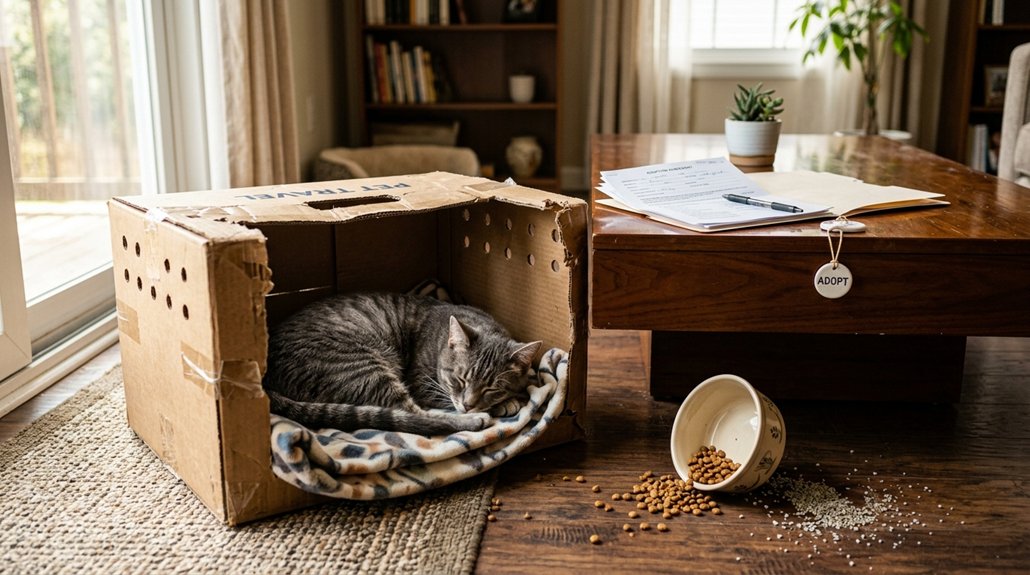
With initial and ongoing vet costs clarified, it’s important to evaluate other essential factors when deciding between adopting and buying a cat. Adopting offers significant financial advantages; most shelters include spaying/neutering, vaccinations, and microchipping in their lower adoption fees. This presents clear adoption benefits compared to the often hefty purchase price of purebred cats, where such medical services can substantially increase initial costs. Ethically, adoption rewards you with the satisfaction of rescuing a life, while breeder risks include potential hidden costs from poor breeding practices leading to unforeseen veterinary bills. Ultimately, adopting is not only a compassionate choice but a financially prudent one. Given these insights, it’s apparent that adoption presents fewer risks and initial expenses than buying from a breeder.
Lifetime Costs: Which Is More Economical?
When considering the lifetime costs of owning a cat, you’ll find that adoption often presents a more economical option compared to buying from a breeder. With adoption fees typically ranging from $0 to $200, you’re not only saving on upfront costs but also potentially on initial veterinary expenses, which adoption shelters usually cover. Over the years, ongoing costs for care, such as food and routine vet visits, remain similar, but adopting could spare you long-term expenses linked to genetic health issues often found in specific breeds.
Upfront Financial Differences
- Adoption Fees: Usually range from $0 to $200, whereas purchasing a purebred can cost $300 to $1,500, with exotic breeds reaching up to $3,000.
- Included Medical Services: Adoption generally includes vaccinations, spaying/neutering, and microchipping, saving an additional $300 to $800.
- Extra Costs for Breeder Purchases: Buyers frequently face extra charges for essential medical care not covered in the purchase price.
- Special Deals for Special Needs: Some shelters offer reduced fees for senior or special-needs cats, aligning care with affordability and supporting animal welfare.
Veterinary Expenses Explained
Understanding veterinary expenses is essential when evaluating the lifetime cost of adopting versus purchasing a cat. When you adopt, initial veterinary care like spaying/neutering, vaccinations, and microchipping is often included in the adoption fee. This can save you between $300 and $800 upfront. In contrast, purchasing a cat from a breeder usually incurs these additional costs, ranging from $225 to $500. Additionally, health considerations due to potential poor breeding practices can increase veterinary expenses over the cat’s lifetime.
| Veterinary Care Service | Potential Costs When Buying |
|---|---|
| Spaying/Neutering | $150 – $300 |
| Vaccinations | $75 – $200 |
| Microchipping | $0 – $50 |
| Average Annual Veterinary Cost | $200 – $400 |
Adopting is generally more economical, considering these veterinary expenses and health implications.
Long-Term Care Costs
Although the decision to adopt or purchase a cat involves various financial and emotional factors, understanding long-term care costs is essential for potential pet owners. Adopting a cat often proves more economical over its lifetime due to lower initial costs, especially when considering shelter partnerships that offer reduced fees. Here’s what you need to know:
- Adoption fees: Typically between $0 and $200, often cover initial care like vaccines, spaying/neutering, saving $300-$800 upfront.
- Purchase costs: Range from $300 to over $5,000, with hidden health issues potentially increasing vet bills later.
- Annual expenses: For both adopted and purchased cats, expect $600-$1,500.
- Volunteer opportunities: They can offer exposure to shelter cats, aiding informed decisions on adoption.
Heartfelt and Ethical Reasons to Adopt
Choosing to adopt a cat offers heartfelt and ethical advantages that transcend mere financial savings. Beyond the lower adoption fees, which range from $0 to $200, lies profound emotional fulfillment. By adopting, you’re accepting an ethical responsibility to support animal shelters that work tirelessly to prioritize welfare and fight the overpopulation crisis. Each adoption not only saves a life but also enriches yours through the joy and companionship pets bring.
From a clinical perspective, adopting can include critical cost-saving measures such as spaying/neutering, vaccinations, and microchipping—services that otherwise cost $300–$800 when buying a kitten. With 6.3 million animals entering U.S. shelters annually, your choice to adopt directly reduces this number, promoting a compassionate and sustainable pet ownership paradigm.
Beware of Buying Hidden Costs

Why reflect on the hidden costs when purchasing a cat? While buying from breeders might seem appealing, you could face substantial hidden veterinary costs. Here’s why:
- Initial Medical Expenses: Breeders often don’t include spay/neuter, vaccinations, or microchipping, adding $300–$800 to your bill.
- Genetic Health Issues: Purebred cats are sometimes victims of poor breeding, leading to costly health problems down the line.
- Undisclosed Health Conditions: Without full transparency, you might uncover issues that result in expensive treatments.
- Ongoing Veterinary Costs: Poor breeding practices contribute to higher long-term healthcare expenses.
Adopting typically includes these services and provides background info, minimizing risks. Failure to reflect on these might lead you to buyer’s remorse, as initial savings are quickly offset by unforeseen vet bills.
Are There Cases When Adoption Isn’t Cheaper?
Could there be instances where adopting a cat isn’t as cost-effective as buying one? Indeed, while adoption fees generally range from $0 to $200, adoption challenges may lead to greater expenses. Cats with existing health issues often require extensive medical care, which can swiftly inflate costs beyond initial estimates. In addition, hidden behavioral problems might necessitate professional training or behavior modification, adding unexpected financial burdens. Furthermore, some shelters impose premium fees on purebred cats or kittens, aligning more closely to breeder prices. These cost considerations suggest that under certain circumstances, the financial benefits of adopting may diminish. Conversely, purchasing from a reputable breeder, despite the higher upfront cost (between $300 and $1,500), could mean fewer unforeseen expenditures if the cat is health-problem free.
How to Make the Best Choice for You and Your Cat
While certain situations may challenge the cost-effectiveness of adopting a cat, understanding how to make the best choice for both you and your potential feline companion involves evaluating several factors.
- Cat Personality: Consider if the cat’s temperament and energy level align with your lifestyle.
- Shelter Resources: Adopting supports resources like initial veterinary care, saving you $300–$800.
- Cost Analysis: Compare adoption fees ($0–$200) with purchasing costs ($300–$3,000 for exotics).
- Welfare Impact: Adoption contributes to reducing the number of homeless cats and supports other animals.
While purchased cats offer breed-specific traits, adopting gives a shelter cat a second chance. Ultimately, the decision should prioritize both emotional bonds and financial sustainability for you and your future furry friend.
Frequently Asked Questions
What Is the 3-3-3 Rule for Adopting a Cat?
The 3-3-3 rule suggests three phases: an initial adjustment of three days, starting long-term bonding after three weeks, and full acclimation by three months. Recognizing this helps you support your cat’s adaptation, enhancing well-being and attachment.
Is It Cheaper to Adopt or Buy a Cat?
Adopting a cat is generally cheaper due to lower adoption costs, inclusive veterinary care, and avoided buying red flags associated with breeders. Long-term expenses for food and regular vet care remain similar, but adopters save more initially.
Do Cats Help Children With Autism?
Absolutely, cats can help children with autism. Studies show a 20% decrease in anxiety levels among autistic children. Their therapy benefits include emotional support, promoting routine and responsibility, all while fostering a stable emotional environment.
What Color Cat Is Least Desired?
Black cats are often the least desired due to color preferences influenced by superstitions. Despite being just as healthy, they face “Black Cat Syndrome,” reflecting a bias in adoption choices. They’re usually more cost-effective at shelters.
Conclusion
In deciding whether adopting or buying a cat is more economical, consider both upfront and lifetime costs, along with heartfelt reasons. For example, adopting a shelter cat might initially save you money, as fees often include vaccines and spaying/neutering. However, a pedigree bought from a breeder may incur unexpected costs, like genetic health issues. Ultimately, prioritize your financial situation and emotional commitment. Choosing to adopt supports animal welfare while potentially easing financial burdens in the long run.