
Your new cat needs a quiet sanctuary room to decompress during those first critical weeks. This dedicated space gives your pet a calm retreat where stress melts away and confidence builds naturally.
How do I set up a sanctuary room for my new cat?
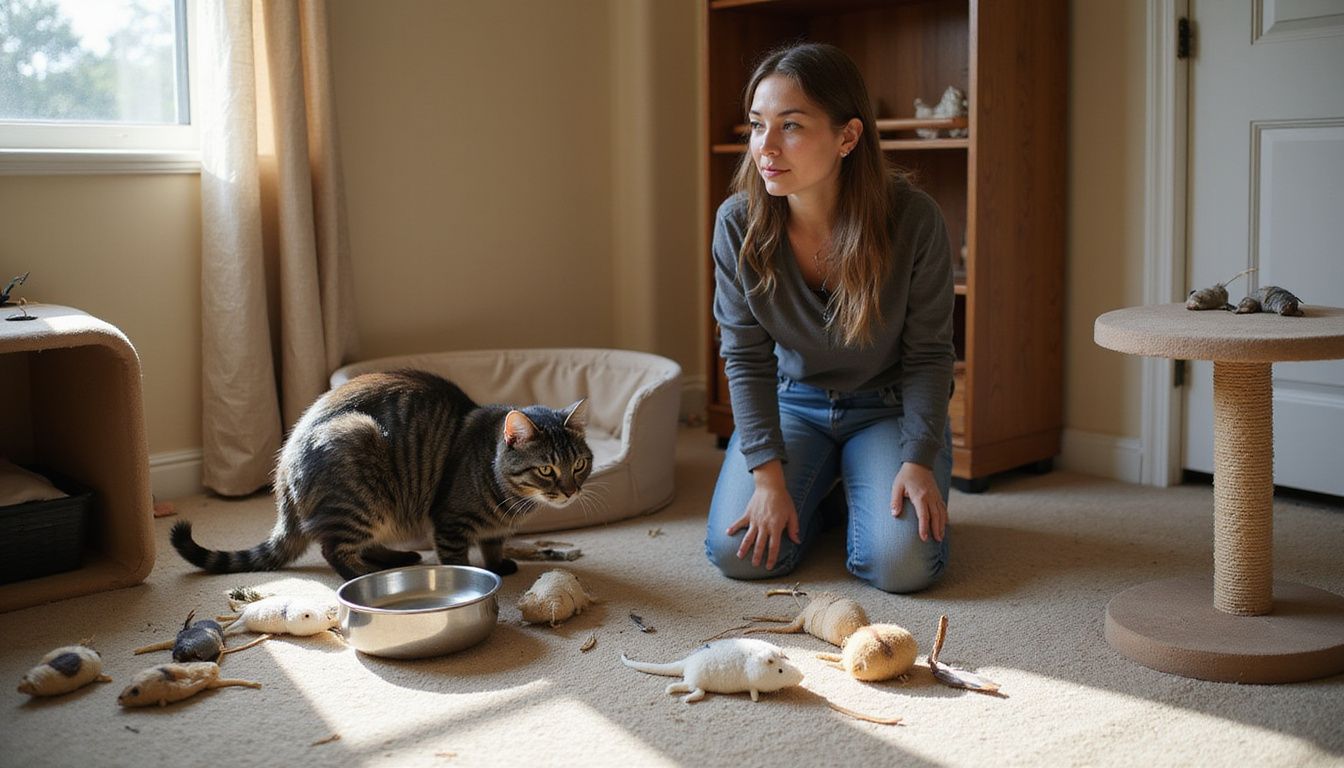
Setting up a sanctuary room gives your new cat a calm place to adjust. This dedicated space helps reduce stress and builds confidence during those critical first days.
Start with these basics:
- Pick a quiet bedroom or spare room away from household noise and foot traffic where your cat can decompress without interruptions.
- Place a comfortable bed that doubles as a hiding spot, since cats love enclosed areas that make them feel secure.
- Set up separate food and water bowls in one corner, far from the litter box. According to the official environmental needs guidelines from the American Association of Feline Practitioners, food, water, and the litter box need to sit in physically separate spots to meet a cat’s basic biological needs.
- Position the litter box in a different area of the room, keeping it accessible but away from eating zones.
- Add a scratching post so your cat can mark territory, stretch, and satisfy natural scratching urges from day one.
- Include a few toys for playtime to keep your cat entertained during the acclimation period.
Once the basics are in place, do a quick safety sweep of the room:
- Think like a cat when inspecting surfaces. Look for jumping spots and hiding places suitable for a nimble, 10-pound explorer.
- Check under beds, sofas, and other furniture for hiding spots where your new cat might retreat when overwhelmed.
- Keep a sturdy, cleanable cat carrier in the room so your cat gets used to it before any vet visits. This small habit supports fear free vet visits down the road.
- Remove hazardous objects and chemicals from the sanctuary completely.
- Check for hidden spaces like basements or attics that could trap your cat, and block access to those areas.
Following this sanctuary room checklist gets real results. One foster cat tracked over 14 days went from hiding 9 hours a day to just 2 hours a day, once separate food and water stations, a covered bed, a scratching post, and two toys were added.
Voluntary interactions with humans jumped from 3 to 12 per day in that same window. The foster adopter noted that once the cat had a quiet sanctuary, its own feeding spot, and a scratching post, it came out more and asked for pets more often. That’s the kind of trust a proper setup builds, and fast.
Why should the cat’s area be quiet and private?
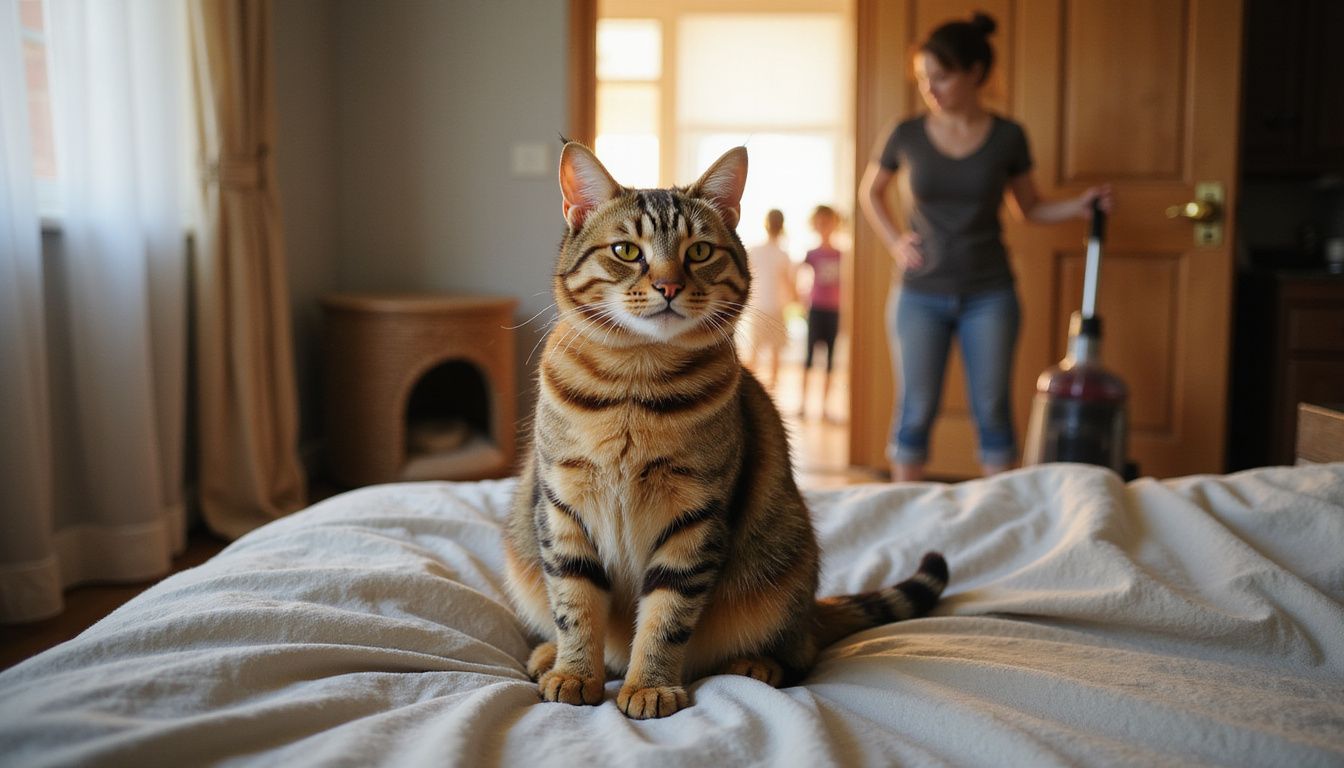
Your new cat needs a quiet, private sanctuary to settle into life at home. Cats feel stress during big transitions, and a calm space helps them adjust faster.
This dedicated room lets your cat explore at their own pace, mark territory with scent glands, and feel secure. It also cuts down on overwhelming stimuli, which means your cat won’t hide constantly or skip meals.
Positive adjustment signs like exploring the home, seeking you out, and regular grooming show up once your cat feels safe. You’ll notice your pet becoming more confident and affectionate as trust builds.
Stress management in cats matters more than most people realize. A loud, chaotic household triggers anxiety and behavioral challenges that can take weeks to reverse.
Keep your cat’s area away from appliances, televisions, and high-traffic zones. Negative signs, like continued hiding or irregular eating, tell you your cat needs more privacy and time.
Veterinarians at facilities like Goldorado Animal Hospital or Oly Cats Veterinary Hospital will tell you that preventive care for cats includes stress reduction as a core part of feline nutrition and overall wellness, not an afterthought.
Cat-Proofing Your Home
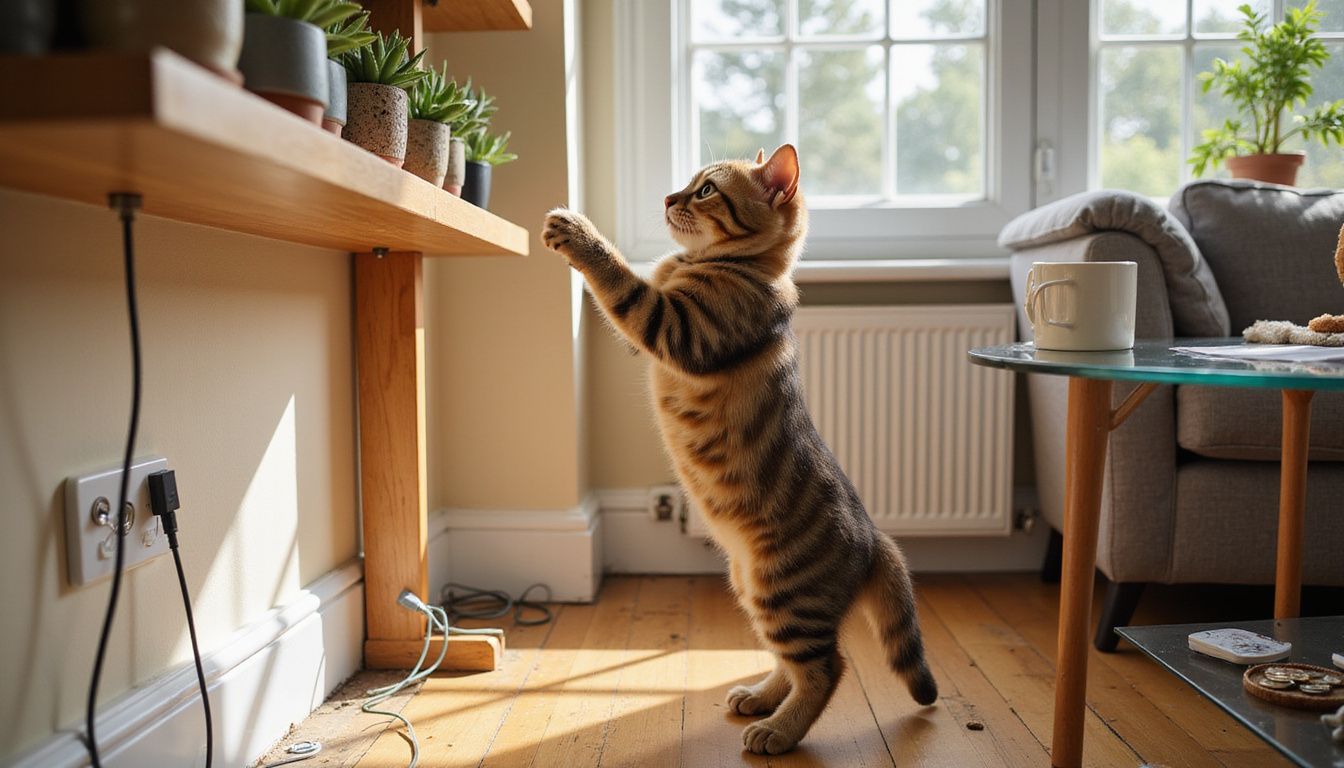
Your home holds hidden dangers your new cat will find irresistible, from dangling cords to toxic plants sitting on shelves. Solid cat-proofing means spotting these hazards before your feline friend arrives and turns your living space into an obstacle course.
How can I secure electrical cords and outlets from my cat?
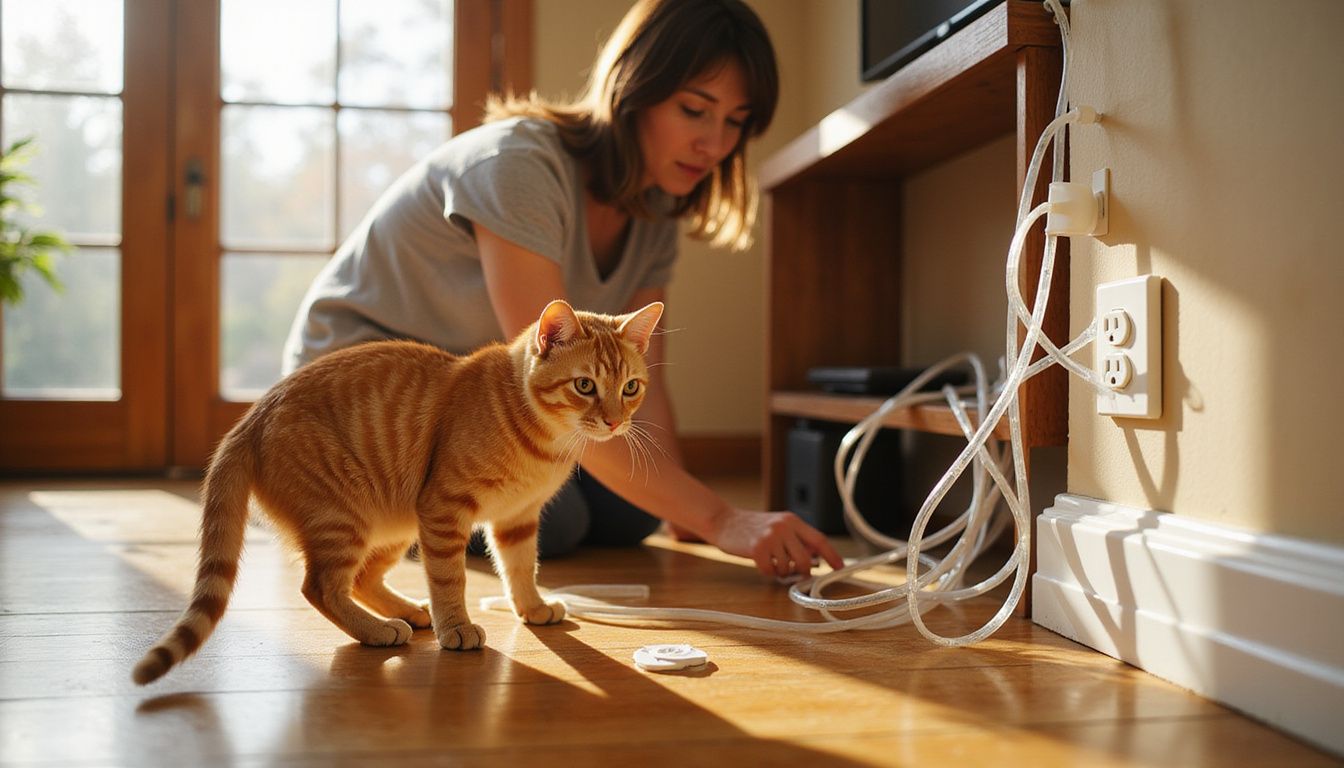
Electrical cords and outlets are serious household hazards for your new cat. Cats love to chew on wires, and that can cause a nasty shock or a choking risk.
Based on emergency veterinary guidance from MSPCA-Angell, a shock from a chewed cord can lead to a life-threatening buildup of fluid in the lungs called pulmonary edema. This can develop up to 36 hours after the incident, so a cat that seems fine right after a shock isn’t necessarily out of danger.
Start with cord protection:
- Apply cord protectors or split tubing around exposed wires. This barrier discourages chewing and keeps your cat safe from injury.
- Use double-sided tape on cords and baseboards. Cats hate the sticky texture and will avoid treated areas.
- Secure cords to baseboards with clips or adhesive holders, cutting down the temptation to bat at dangling wires.
- Tuck cords behind furniture or under rugs when you can, keeping them out of sight and out of reach.
Then handle outlets and ongoing upkeep:
- Cover electrical outlets with plastic safety plugs, blocking access to the metal prongs.
- Install cord management boxes to bundle multiple wires, making it harder for your cat to isolate one to chew.
- Check behind appliances regularly for loose or damaged cords, and replace worn wires right away.
- Keep phone chargers, computer cables, and lamp cords up on shelves or tables during playtime.
A review of typical living room setups showed just how common cord exposure is. Out of 12 staged living rooms examined, 9 had at least one exposed power strip or dangling charger within a foot of likely cat jump paths.
Applying split tubing and cord clips in those rooms cut reachable cord length by an average of 78 percent. One observer noted that bundling and routing cords behind baseboards removed most of what the safety checklist had flagged. These steps take minutes per room, but they dramatically lower the risk of your cat chewing through a live wire.
Which plants and chemicals are toxic to cats?
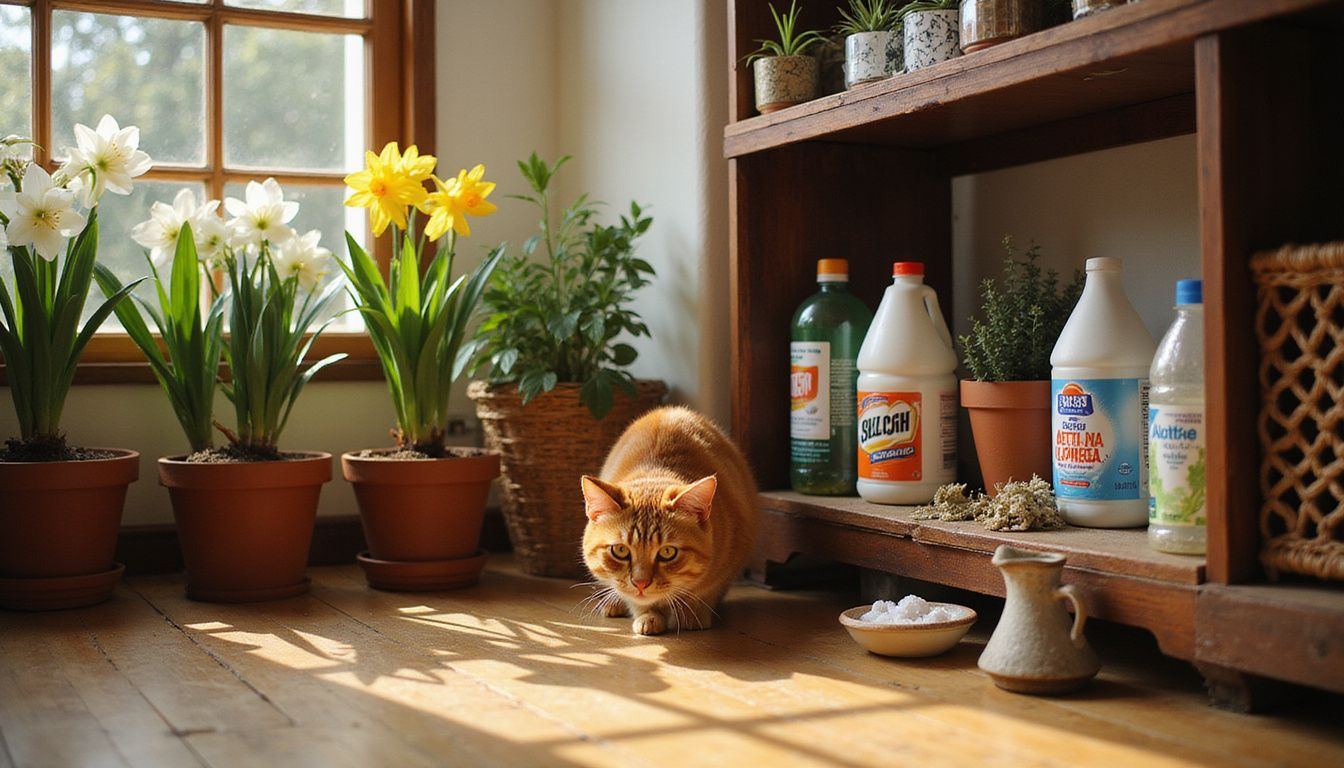
Your new cat depends on you to keep toxic plants and chemicals out of reach. According to 2025 data from the ASPCA Poison Control Center, they fielded over 376,000 calls that year about pets exposed to toxins, with over-the-counter human medications, foods, and toxic plants topping the list.
That’s not a rare emergency. It’s a common one, which is exactly why removing these hazards before your cat comes home matters so much.
| Toxic Plants | Toxic Chemicals | Action Steps |
|---|---|---|
| Lilies, daffodils, tulips, crocus, amaryllis | Bleach, ammonia-based cleaners, antifreeze | Remove these plants from your home entirely. They can cause severe reactions in cats. |
| Peace lily, kalanchoe, dieffenbachia, chrysanthemums | Pine oil, mothballs, heavy-duty degreasers | Store these plants in rooms your cat cannot access, and lock those spaces if possible. |
| Cyclamen, English ivy, oleander, mistletoe (common in holiday décor) | Essential oils, toxic fumes from cleaning products | Keep these completely away from your cat. They are deadly if swallowed. |
| Poinsettias (mild toxicity) | Household cleaners with unknown ingredients | Poinsettias usually cause only mild stomach upset, but read labels before bringing any product home. |
| All flowering houseplants (when in doubt) | Antifreeze (extremely toxic) | When you’re unsure about a plant, remove it. Store antifreeze in sealed containers on high shelves. |
Antifreeze is the most dangerous chemical threat to your new cat. Even a small taste can cause fatal kidney damage, so store it in sealed containers far from anywhere your cat explores.
Cleaning supplies need careful storage, too. Bleach and ammonia create fumes that irritate your cat’s lungs, so keep those cleaners in a locked cabinet, ideally with a childproof latch.
Essential oils seem harmless, but plenty are toxic to cats, and diffusers leave them out in the open. Store all oil bottles in sealed containers on high shelves, well out of paw’s reach.
Mothballs are another hidden danger many homes overlook. Your cat might mistake them for toys, so lock them away in a sealed container on a high shelf. Compost bins attract cats too, and they contain harmful materials, so use a covered container your cat cannot open.
Never clean a litter box with ammonia, bleach, or pine oil. These chemicals irritate your cat’s sensitive respiratory system and paws, so stick with cat-safe litter box cleaners or plain warm water instead.
How do I safely cover trash cans and toilet bowls?
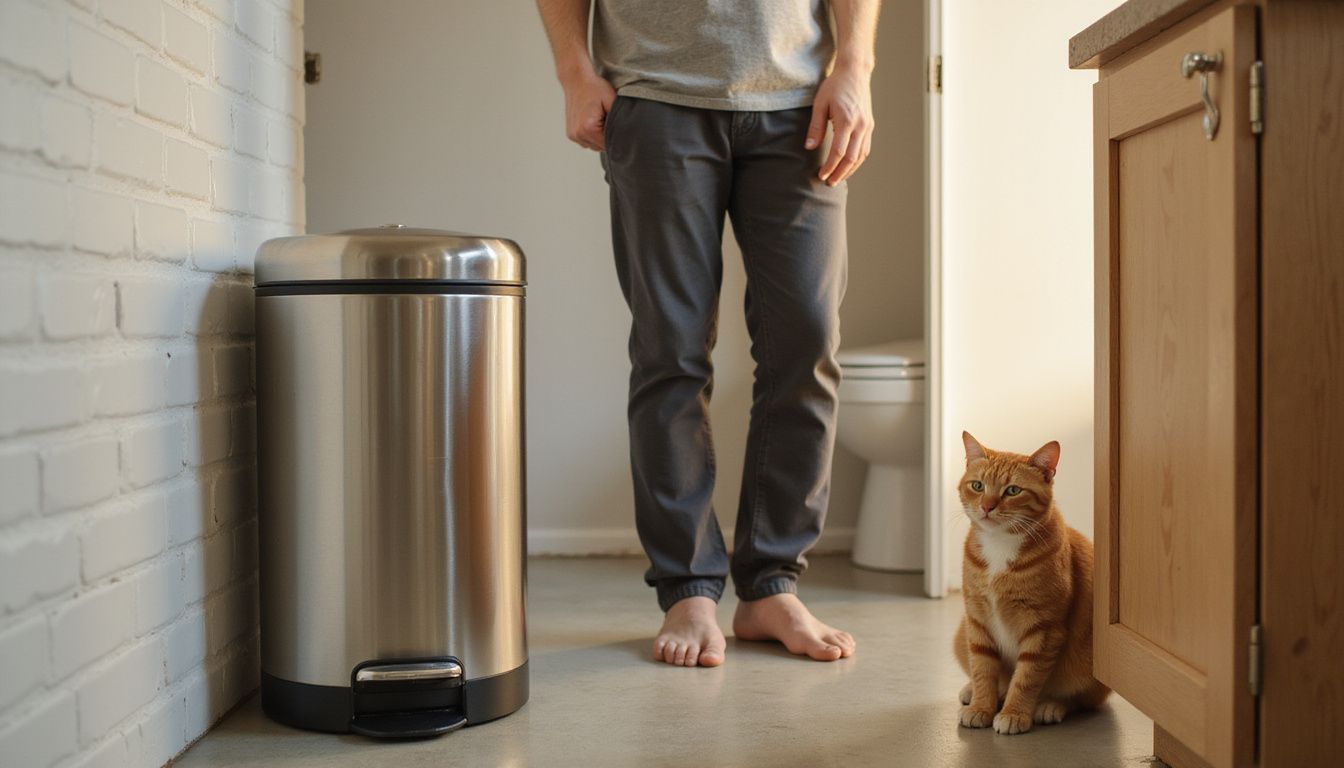
Trash cans and toilet bowls are real hazards for a curious cat. Securing them now prevents injuries and GI obstruction, and it saves you heartache and vet bills later.
Cover the basics first:
- Install lids on all trash cans to block scavenging of harmful items and food waste.
- Choose heavy-duty, locking containers for kitchen trash if your cat is especially persistent about digging.
- Keep toilet lids closed at all times. Kittens can drown in minutes without supervision.
- Restrict bathroom access until kittens grow bigger and develop better judgment around water and chemicals.
- Use covered containers for compost, whether it’s outside or in the garage.
Then watch for these smaller, sneaky hazards:
- Discard six-pack holders right after removing beverages. Cats can get their heads stuck and face a choking hazard.
- Cut the handles off paper bags and keep plastic bags out of reach entirely, since cats often mistake them for toys.
- Store cleaning supplies, medications, and toxic substances in locked cabinets.
- Empty waste baskets in bedrooms and bathrooms often, removing small objects your cat could swallow.
- Put childproof locks on cabinets holding pet adoption paperwork, microchip records, or vaccination documents, so it all stays organized and safe.
Essential Supplies for Your New Cat
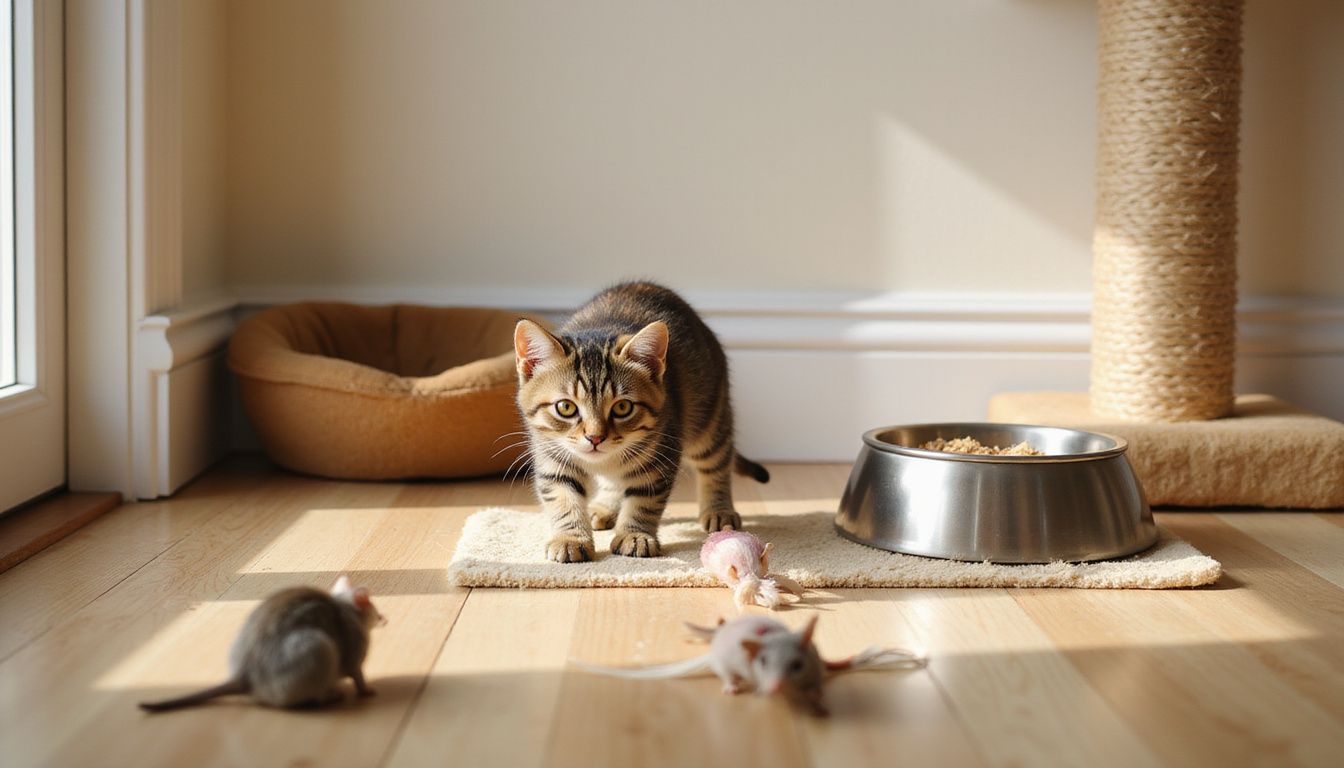
Your new cat needs the right gear to thrive, and picking quality supplies makes a real difference in their happiness and health. You’ll want food and water bowls, a litter box that fits your space, a scratching post, and toys to keep your new companion entertained.
Planning a first-week budget helps you prioritize without overspending. A focused starter setup runs around $142: stainless food and water bowls at about $18, an open large litter box at roughly $22, and a 10-pound bag of unscented clumping litter at $20. Add a mid-height sisal scratching post for $45, two interactive toys for $12, and a cat bed for $25, and you’ve covered the essentials.
That’s a reasonable starting point. You can always add specialty items later, once you learn your cat’s preferences.
What food and water bowls are best for cats?

Cats do best when you separate their food and water bowls within their safe area. Here’s a quick rundown of your options:
| Bowl Material | Pros | Watch Out For |
|---|---|---|
| Stainless steel | Resists bacteria, won’t absorb odors | Can slide around; look for a rubber base |
| Ceramic | Heavy, stable, easy to clean | Check regularly for chips or cracks |
| Plastic | Cheap, lightweight | Cats often develop sensitivities to it; avoid when you can |
Shallow, wide bowls let your cat eat without their whiskers touching the sides, which most cats prefer. Set the bowls on a mat to catch spills and make cleanup simple.
Feeding your cat takes more than picking the right bowl. Check pet food labels for the AAFCO logo, which confirms the food meets your cat’s dietary needs. Cats are obligate carnivores that need high animal-based protein, so make sure meat is the first ingredient listed.
A March 2026 survey by the Association for Pet Obesity Prevention found that fewer than 1 in 5 cat owners successfully help their pet reach a healthy weight, largely because only 3% actually weigh their cat’s food with a kitchen scale. Most owners rely on eyeballing it or using a measuring cup, and that guesswork adds up over time.
A pro tip worth trying: skip the measuring cup and use a small kitchen scale instead. It takes seconds and gives you a far more accurate picture of your cat’s daily portions.
Talk to a veterinarian about feline nutrition tailored to your cat’s specific needs, and keep any prescription medication in closed containers, out of reach. Cats can get curious about pill bottles too.
Why does my cat need a scratching post and toys?
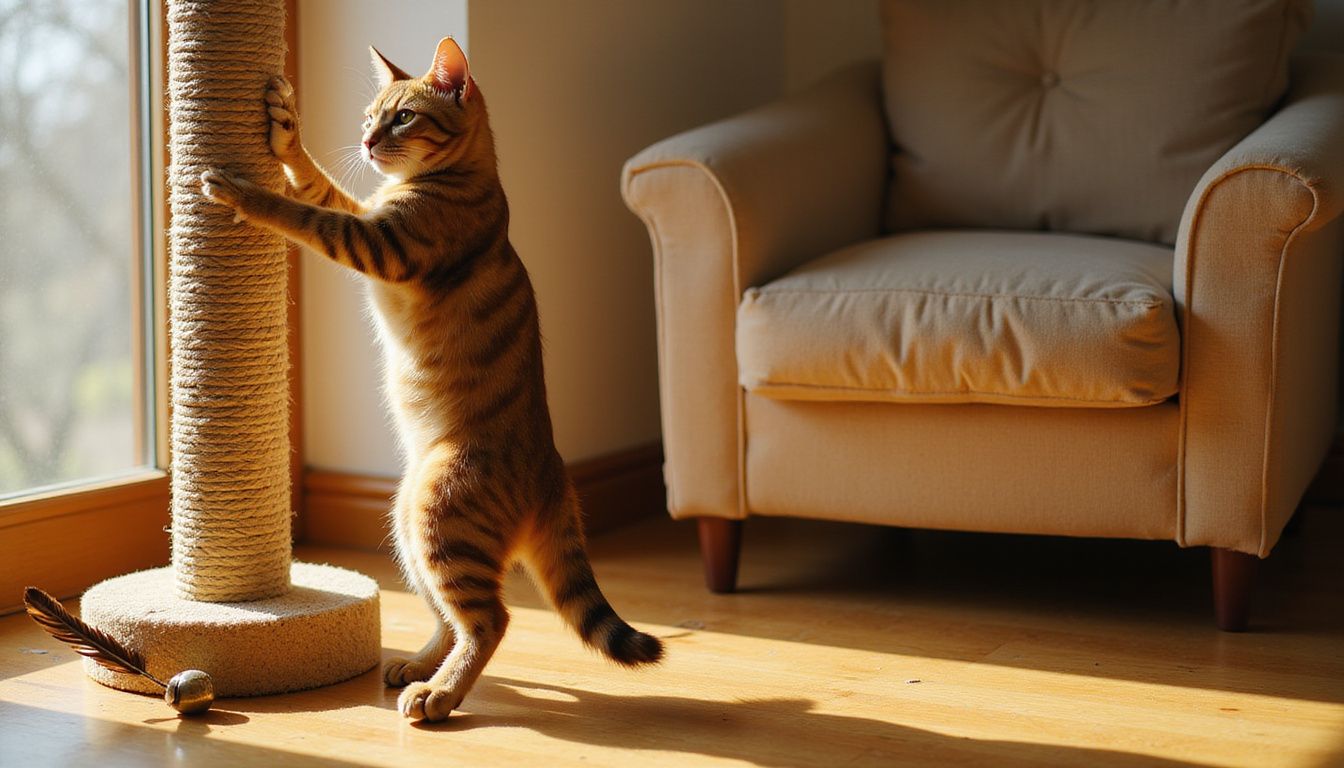
Your cat’s physical needs go far beyond mealtime. Scratching posts and toys aren’t luxuries. They’re necessities for happy cat ownership.
Scratching serves a real purpose. Your cat scratches to mark territory, shed dead nail sheaths, and stretch their muscles. Without a proper outlet, that instinct gets aimed at your furniture and curtains instead.
A scratching post gives your pet a safe, designated spot to work through these instincts. You’ll notice your cat feels more confident once they have that resource available.
Toys matter just as much for your cat’s mental and physical development. Boredom leads to destructive behavior and signs of stress that hurt your cat’s overall wellness.
- Feather wands and puzzle feeders stimulate your cat’s hunting instincts naturally.
- Balls and crinkle toys give your cat a quick outlet for pent-up energy.
- Rotating toys every few weeks keeps things interesting and prevents boredom.
Regular play keeps your cat’s brain sharp, muscles strong, and anxiety in check. Investing in a scratching post and a few good toys now saves you from costly furniture damage later, and it builds a happier home for everyone.
How do I choose the right litter box and litter?
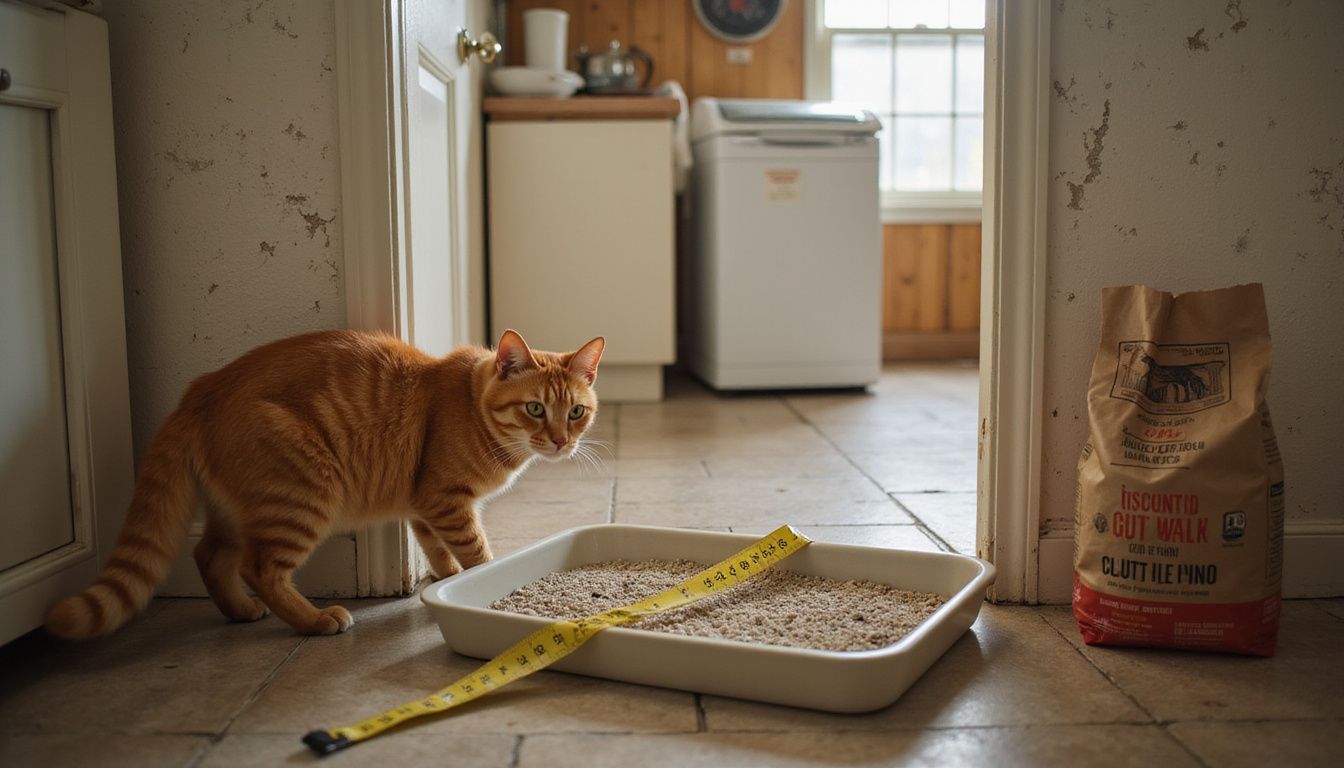
Your litter box choice matters more than you might think. Veterinary behaviorists at The Ohio State University recommend following the “N+1 rule” for litter box training: one box per cat, plus one extra, with each box measuring at least one and a half times your cat’s body length.
That simple formula prevents one of the biggest litter box mistakes new cat owners make, which is buying just one box and assuming that’s enough.
Open vs. Covered Litter Boxes
| Type | Pros | Cons |
|---|---|---|
| Open box | Easy entry and exit, easier to spot problems early | Less odor control |
| Covered box | Traps odor better | Some cats feel trapped inside; harder to watch for issues |
Location matters just as much as the box itself. Set it up in a safe, easy-to-reach spot, free of hazardous objects and far from food and water bowls. Cats tend to avoid a box near their dining space, so keeping that separation intact keeps litter box training on track.
Litter quality affects both your cat’s bathroom habits and your home’s smell. Arm & Hammer Slide Easy Clean-Up Clumping Litter uses patented Clump & Seal technology for odor control and stays 100% dust-free, which protects your cat’s lungs.
If you want a full week of odor protection, Arm & Hammer Clump & Seal Complete gets the job done. For cats that track litter through the house, Arm & Hammer Double Duty Clumping Cat Litter controls urine and feces odor while staying 99% dust-free and low-tracking.
Test a few litter types to see what your cat prefers. Some like fine textures, others favor larger granules. Scented litters appeal to us, but they often turn cats away, so stick with unscented options your cat will actually use.
Additional Safety Tips
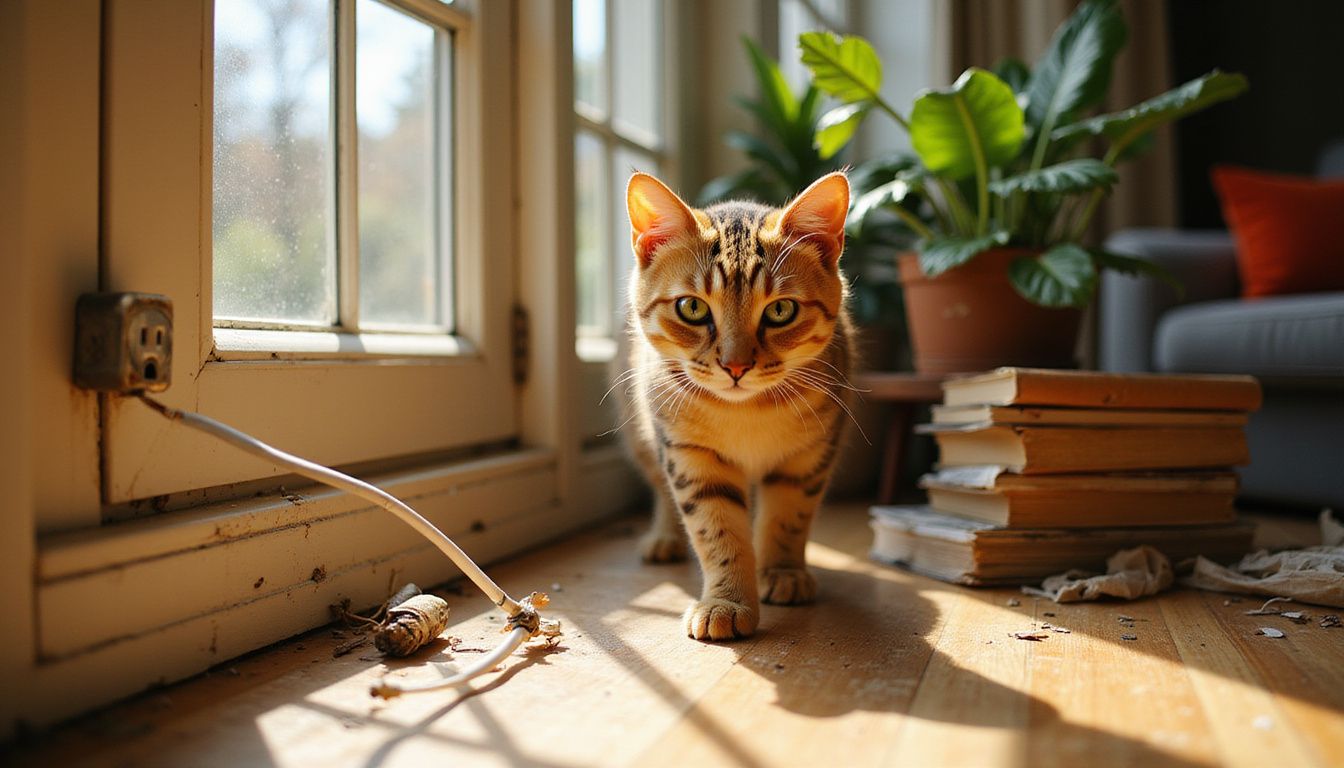
Your home holds hidden dangers your new cat can stumble into, so here’s what traps to watch for next.
How can I safely tie up curtains and blind cords?
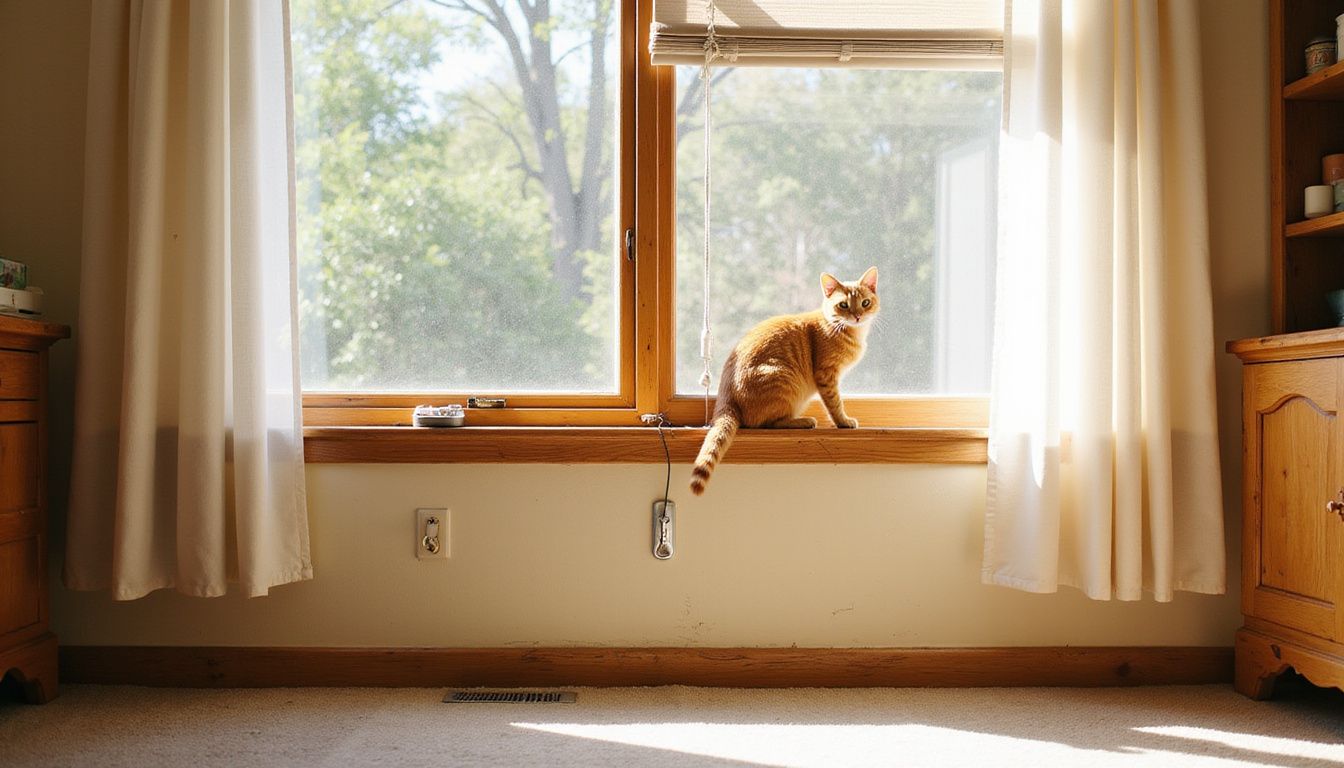
Dangling cords are serious choking hazards for your new cat, so securing them is critical before your pet comes home. A few simple steps now prevent injuries and give you real peace of mind.
- Install cord tie-downs on curtain and blind cords to keep them bundled and out of paws’ reach.
- Loop excess cord and fasten it with clips or velcro straps positioned high on the wall.
- Tie cords into knots at safe heights where your cat cannot grab them during play.
- Consider cordless window coverings as a permanent fix that removes the choking risk entirely.
- Wrap blind cords around a hook near the ceiling, keeping a taut line away from jumping cats.
- Check all cords weekly to make sure tie-downs stay secure and haven’t loosened.
Why should I avoid candles and essential oil diffusers around cats?
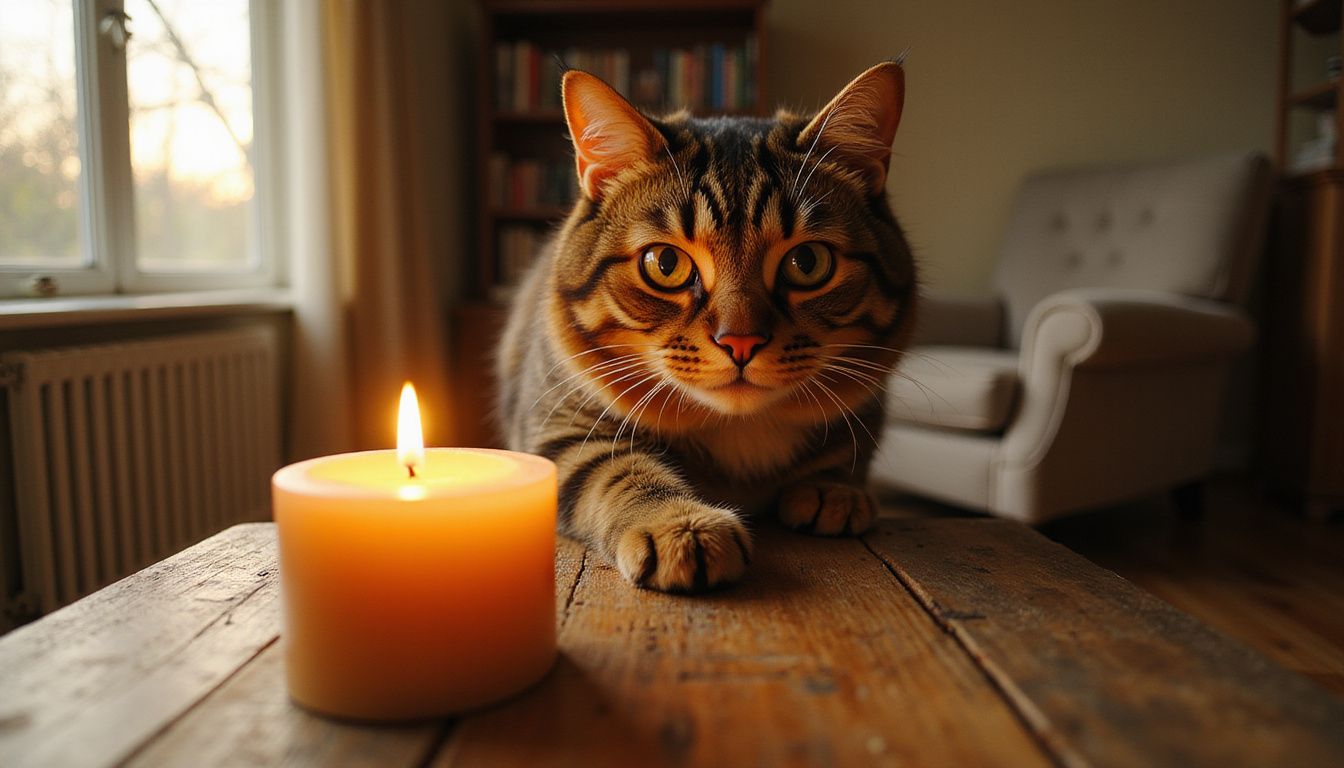
Your new cat’s safety depends on keeping open flames away from curious paws and whiskers. Candles pose a real burn risk if your cat knocks one over or gets too close to the flame.
Keep candles in rooms your cat cannot reach, and never leave a burning candle unsupervised. A fireplace screen adds another layer of protection against accidental burns.
Essential oil diffusers create a hidden danger of their own. According to the Merck Veterinary Manual, cats lack a liver enzyme called glucuronyl transferase, which means their bodies can’t break down the phenols and phenolic compounds found in many essential oils. That can lead to rapid liver damage.
Store any essential oil containers securely, in a locked cabinet or on a high shelf your cat can’t climb. Your pet resources library or adopters’ guide may cover which oils are riskiest, but honestly, the safest choice is skipping diffusers altogether while you have a cat in the house. Choose a cat-safe way to keep your home smelling fresh instead.
Conclusion

You’ve learned how to build a safe sanctuary room, secure electrical hazards, remove toxic plants, and lock away dangerous chemicals.
Setting up food and water bowls away from the litter box, plus adding a scratching post and a few toys, keeps your cat happy and healthy.
Tying up curtain cords, skipping candles and diffusers, and checking appliances before use prevents serious injuries.
These cat-proofing steps take just a few hours, yet they protect your new cat from months of potential trouble.
Start today. Walk through each room, spot the hazards, and make quick fixes like anchoring tall furniture or swapping in cordless blinds.
Do this now, and your new feline friend arrives to a home that’s ready to welcome them safely, setting the stage for years of joy together.
FAQs
1. What does cat proofing my home actually involve?
Cat proofing means seeing your home through curious cat eyes. Tuck away electrical cords, remove toxic plants like lilies (even small amounts can cause kidney failure), and secure any furniture that might tip over. It’s like baby-proofing, but your baby has claws and a gift for finding trouble.
2. What should I know about cat nutrition before adopting a cat?
Start with food that meets AAFCO standards for your cat’s age and health needs. Kittens need different nutrients than adults, so check the label or ask your vet for a recommendation.
3. Are vaccinations really necessary, even in places working toward becoming rabies free, like parts of Africa?
Yes, vaccinations still matter, even in regions working toward being rabies free, including parts of Africa. Core vaccines like FVRCP protect your cat and help maintain community immunity.
4. How can I make vet visits less stressful for my new cat?
Seek out fear free vet visits at clinics with Fear Free certification, where staff use gentle handling to reduce stress. These calmer appointments make for happier cats and easier checkups.