Found the perfect cat at your local animal shelter? That little jolt of excitement when you spot “the one” through the kennel glass is hard to beat.
But now you’re staring at a stack of paperwork, wondering what happens next.
Here’s something I’ve learned watching the adoption process play out: it looks like a lot of forms at first glance, but it’s really just the shelter’s way of matching you with a cat who fits your life.
I’m going to walk you through every step, from filling out forms to bringing your new furry friend home. Grab a cup of coffee, and let’s get you ready to make it official.
Key Takeaways
- Shelters ask for a current photo ID, proof of address, and a completed adoption interest form to confirm who you are and where your cat will live.
- Adoption fees usually cover spay or neuter surgery, microchipping, age-appropriate vaccinations, deworming, flea prevention, and a starter bag of Hill’s Science Diet.
- Shelters run behavioral assessments on cats to figure out who’s ready for adoption and who needs extra time; cats that need more work often head into foster care first.
- You need to be at least 18 to adopt, and a counselor will walk you through medical history, behavior notes, and care tips before you head home.
- Senior cats and multi-cat adoptions often come with lower fees, and seasonal promotions can make adopting even more affordable.
The Cat Adoption Process, Step by Step
When you decide to adopt a cat, you’ll fill out an adoption interest form that asks about your living situation, your pet history, and why you want a feline friend. Shelters use this paperwork to match you with the right cat and make sure you can offer a safe, loving home.
What documents do I need to apply to adopt a cat?
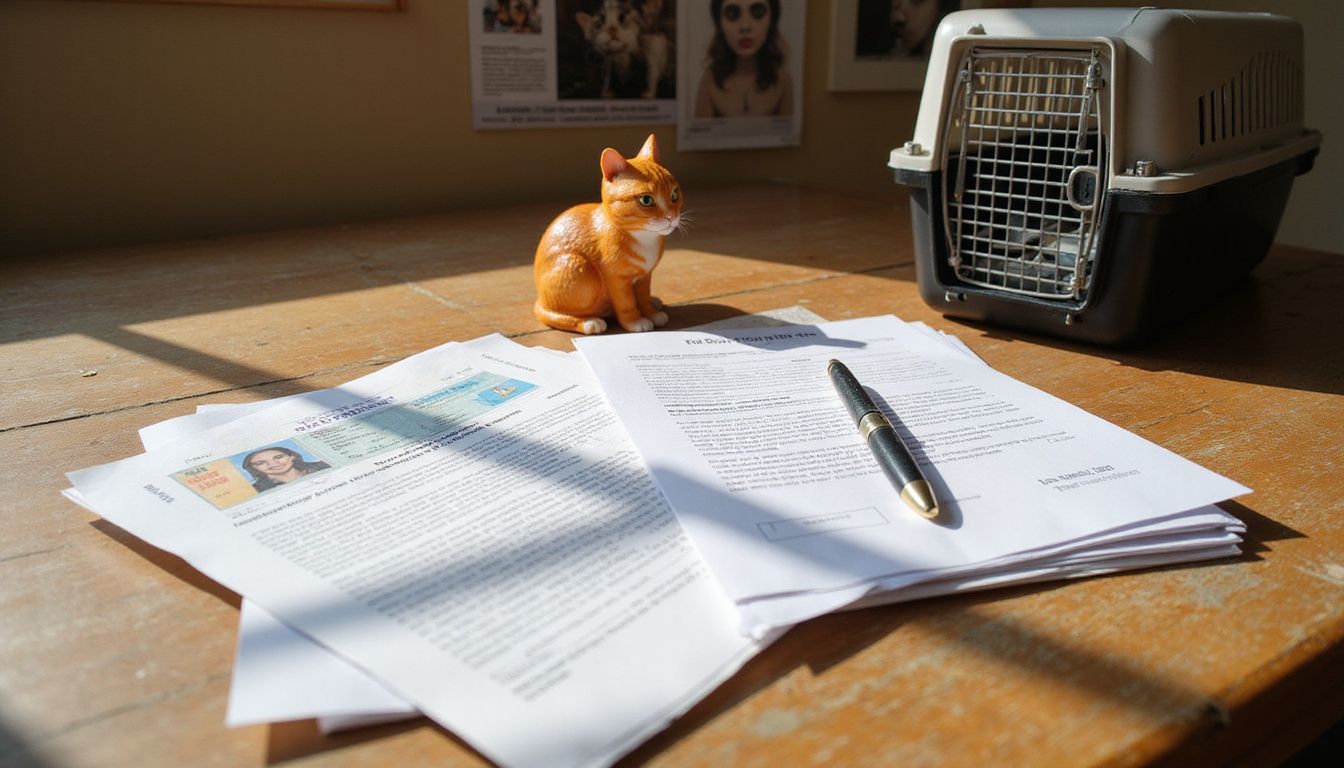
Getting ready to adopt a cat? Gather a few key documents before you head to the shelter. Here’s what adoption facilities like the Humane Society or your local animal care centers usually ask for.
- Bring a current photo ID that shows your name and face clearly. Shelters use this to verify your identity during the adoption interest form process.
- Provide proof of your current address using a utility bill, lease agreement, or recent bank statement. Animal welfare organizations need this to confirm where your new companion animal will live. According to 2026 rental market data from RentCafe, the average US pet deposit runs slightly over $300, with monthly pet rent adding about $35 on top. Bringing your actual lease agreement, not just a utility bill, helps confirm your landlord already knows a cat is moving in.
- Complete the adoption interest form at the front desk, or print an offline application beforehand. This document captures your household information and pet care experience.
- Arrive at least 18 years old, since all adopters must meet this minimum age requirement. Shelters enforce this rule as part of their standard adoption requirements.
- Interact with your chosen cat before finishing your paperwork. This step helps staff judge compatibility between you and the adoptable animals.
- Ask about microchipping services during your visit. Many animal care services include this as part of the adoption package to help reunite lost pets with their owners.
A quick tip: bring your photo ID and your lease or utility bill together in one trip. Applicants who show up with both usually finish front desk verification in about 20 to 25 minutes. Those who need to come back with missing paperwork add extra trips and extra waiting.
Staff review your ID and match it to your address proof to confirm your living situation before you take a companion animal home. This step protects both you and the shelter, and it gets you to your future cat that much faster.
How do I fill out an adoption interest form?
Filling out this form takes just a few minutes and gets you closer to bringing home your new companion animal. You can print it from home before your visit or fill it out at the shelter’s adoption center.
- Grab the adoption interest form online, or ask staff for a printed copy when you arrive at the shelter or humane society location.
- Write your name, address, and phone number, then note your living situation, including whether you rent or own and if your landlord allows cats.
- Describe your work schedule and how many hours your future cat will spend alone each day.
- List any other pets at home, their species, ages, and temperament, along with your experience with cats and what you hope to offer as an adopter.
- Submit your form at least 30 minutes before the shelter closes, so staff have time to review it.
- Know that this form is just the warm-up. The full shelter adoption application usually takes about 45 minutes or more in person, where staff verify your ID and address before you finish up.
Behavioral Assessments for Cats
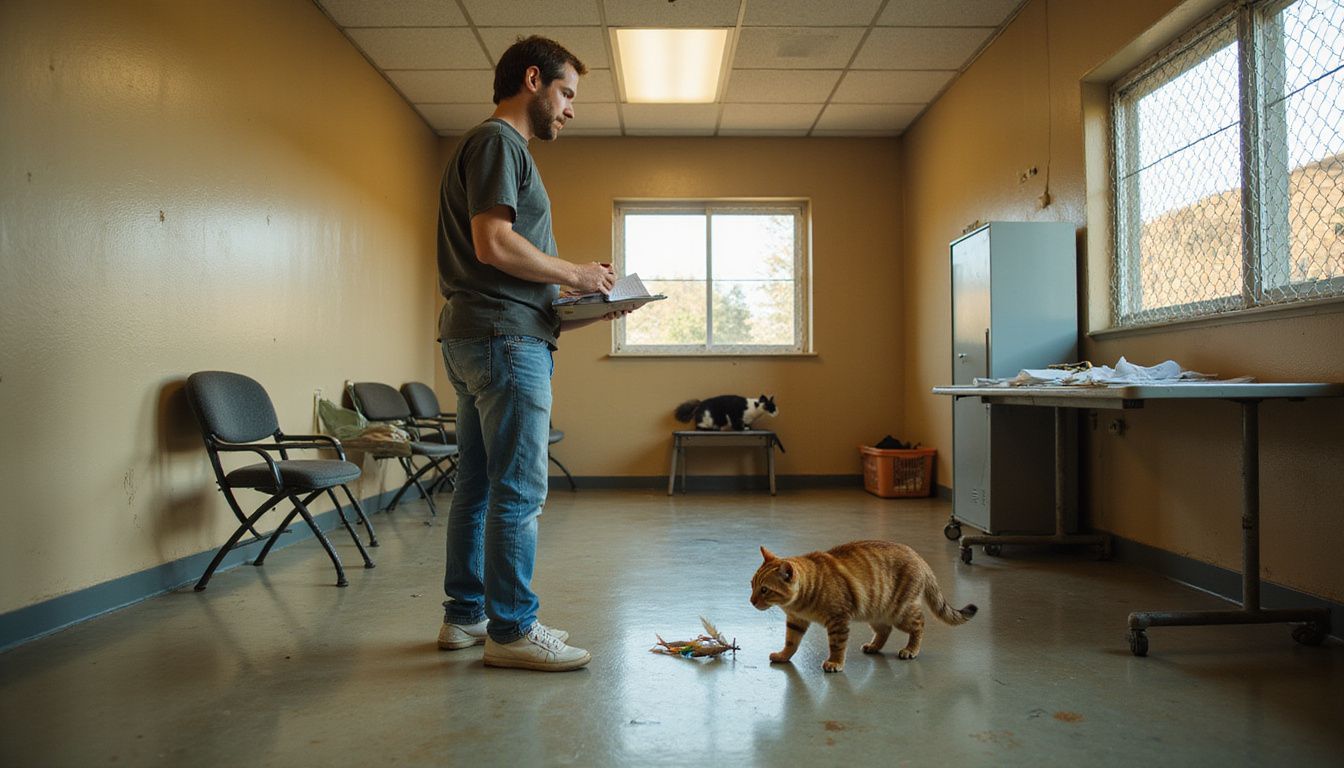
Shelters run behavior tests on cats to figure out which ones fit well with families like yours. Staff watch how a cat reacts to people, toys, and other animals to spot any red flags before you take one home.
Results vary a lot depending on each cat’s background and how they’ve handled shelter life. Here’s what one regional shelter review found:
- 18 out of 30 cats passed their initial screening and were immediately ready for adoption.
- 8 cats needed foster socialization before they were ready to join a family.
- 4 cats needed professional behavior support for more serious concerns.
Loud shelter environments trigger fearful reactions in a lot of cats, so some animals simply need a quieter setting to show their true personality. That’s exactly why shelters place certain cats in foster care instead of keeping them in a noisy kennel. Your adoption coordinator uses these assessments to recommend cats that match your home and your experience level.
How do shelters test if a cat is adoptable or needs rehabilitation?
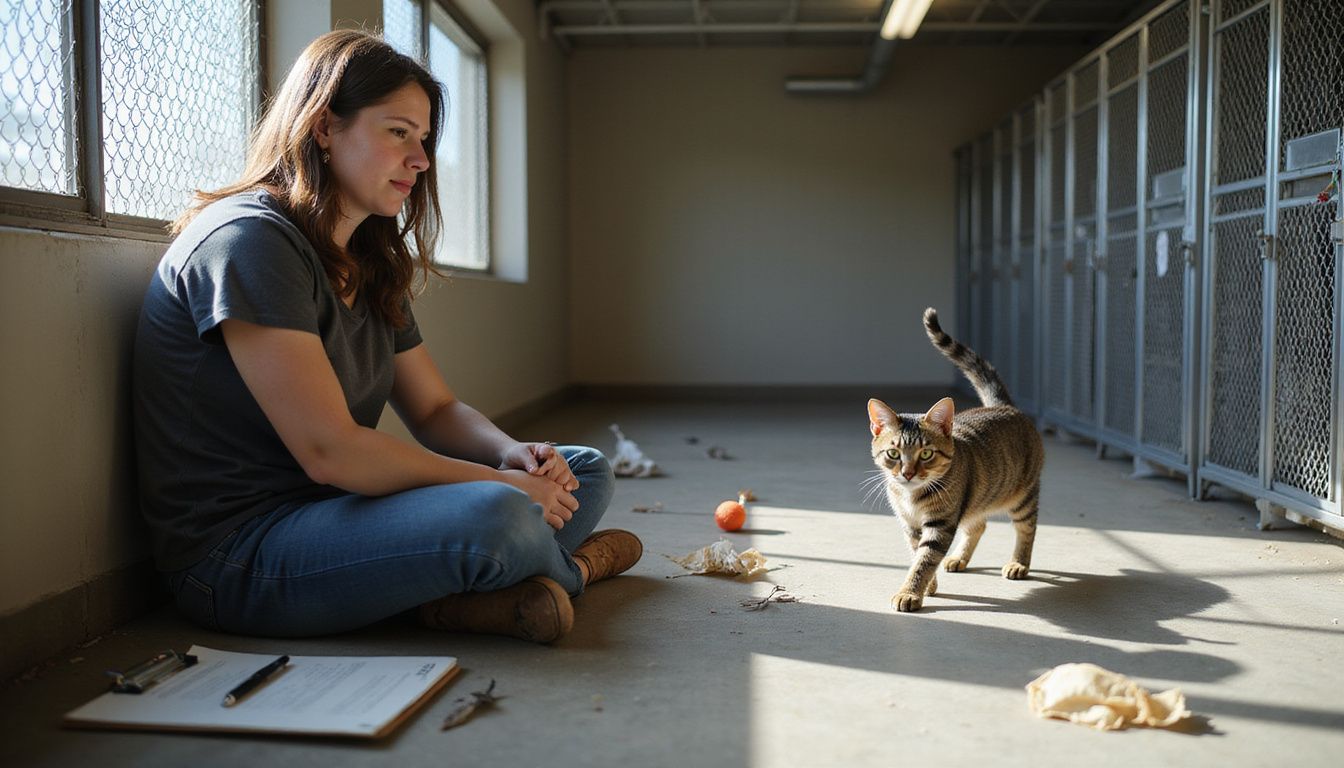
Shelters run cats through behavior tests to figure out if they’re ready for a home or need extra help. These tests give your future companion a fair shot at finding the right family.
- Staff observe how a cat reacts to people, loud noises, and handling. Many shelters use a standardized test called the ASPCA’s Feline-ality assessment, which takes about 20 minutes and measures how a cat responds to new sounds, toys, and confinement, so it’s not just one person’s guess.
- Cats get tested for aggression, fear, and friendliness through structured interactions. A cat that hisses or swipes might need foster care before it’s ready for adoption.
- Shelters like the Lancaster County Animal Shelter check both health and behavior before listing a cat as available. This two-part check protects you and your new pet.
- Cats that don’t pass their first test enter foster care for rehab and socialization. Foster parents help them build confidence and learn to feel safe around people.
- During this same process, cats get vaccines like distemper and Bordetella, heartworm tests, microchipping, deworming, and a check on spay or neuter status, so your cat arrives home healthy.
- Cats with a history of abuse or neglect often get extra time in foster homes to heal emotionally before joining a permanent family. Once your adoption is final, your cat’s microchip gets activated for permanent identification.
Application Review and Approval

Once you submit your application, shelter staff verify your identity and address to confirm you’re ready to bring a cat home. Here’s exactly how that works and what happens next.
How do shelters verify my identification and address?
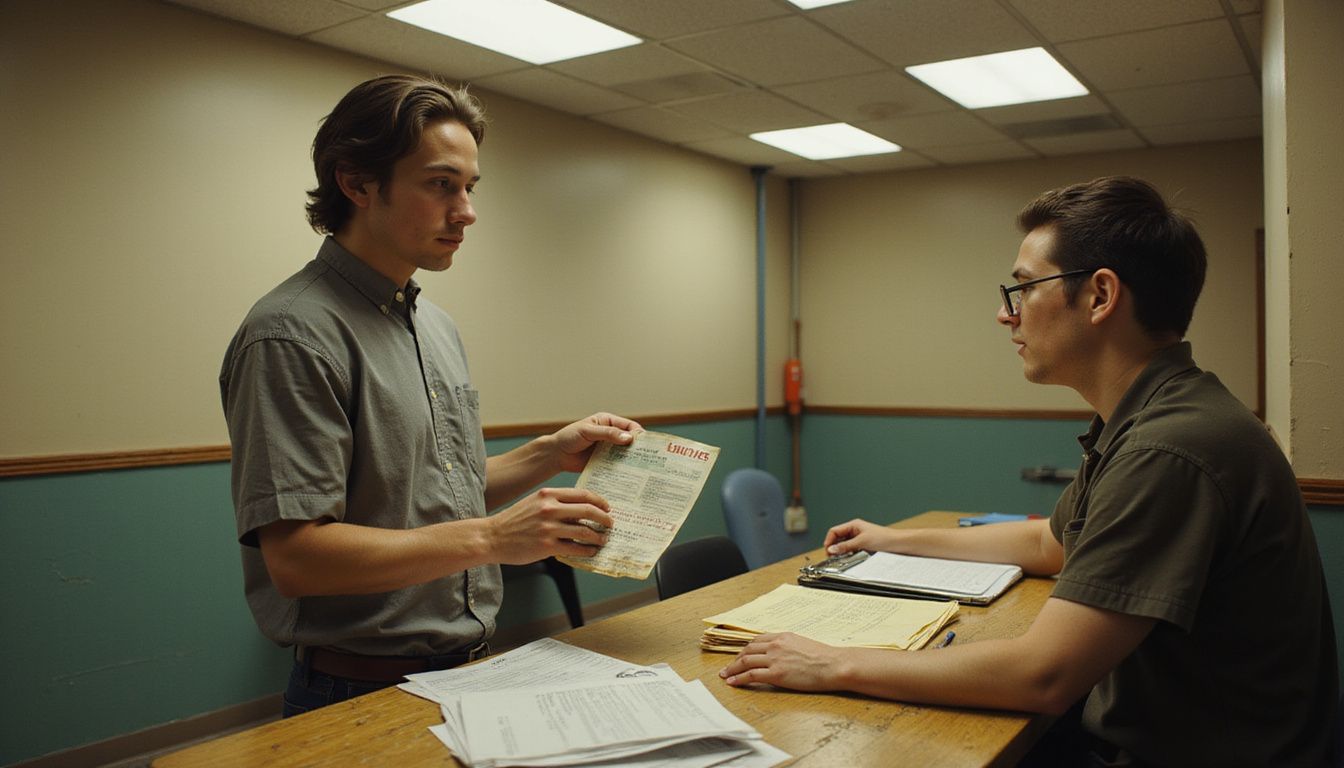
Shelters take verification seriously to protect both animals and adopters. Your ID and address check happen right at the front desk when you turn in your adoption interest form.
- Bring a current photo ID showing your face and name. Staff will check it against your application at the front desk.
- Only applicants 18 or older can adopt, so staff confirm your age matches your ID.
- Your proof of address (a utility bill, lease agreement, or government mail) needs to match exactly what you wrote on your form.
- If anything doesn’t line up between your ID and your application, staff may ask for extra proof before moving forward.
- Front desk staff cross-check your details against adoption records to confirm everything lines up.
- This step upholds the animal welfare standards that groups like the Humane Society of Missouri and Inland Valley Humane Society follow, and no application moves forward without valid ID and address proof.
Once identification and address checks clear, your application moves into the review and approval stage, where staff confirm you’re eligible to adopt.
How does communication with foster homes work if applicable?

If your cat lives in a foster home, adoption follows a different path than a same-day adoption. Shelter staff, like the team at BARCS, manage all communication between you and the foster parent, so you won’t contact the foster home directly.
Here’s the typical timeline once you show interest in a foster cat:
- Your adoption coordinator contacts the foster volunteer within 24 hours of your inquiry.
- They schedule your meet-and-greet within 3 to 7 days, based on the volunteer’s schedule.
- About 48 hours before your visit, the coordinator calls to confirm details and answer any last-minute questions.
This setup respects the foster volunteer’s time and keeps things moving without you having to juggle multiple contacts.
Foster parents often know things about your potential companion animal that shelter staff simply can’t. They’ve lived with the cat day to day, so their notes on behavior, medical history, and quirks help you make a confident decision.
Cats wearing a blue “I’m in Foster” banner aren’t physically at the facility, so you can’t just walk in and meet them on the spot. Your shelter contact coordinates everything and confirms the foster arrangements before the adoption is finalized, so patience really pays off here.
Adoption Fees and Discounts
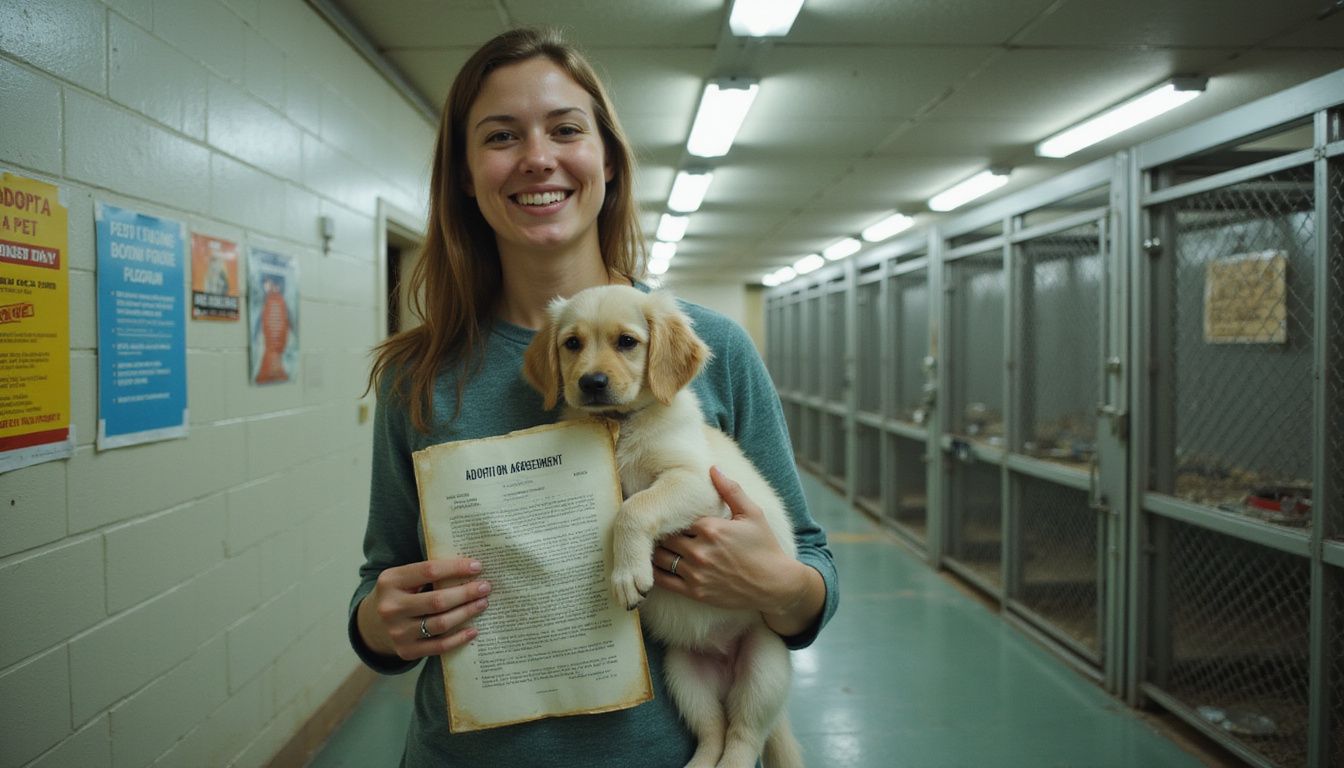
Adoption fees vary by shelter, but many facilities offer discounts during adopt-a-pet day events or through programs like Pets for Patriots. Here’s how you can bring home your new companion animal without breaking the bank.
What are the standard fees for adopting a cat?
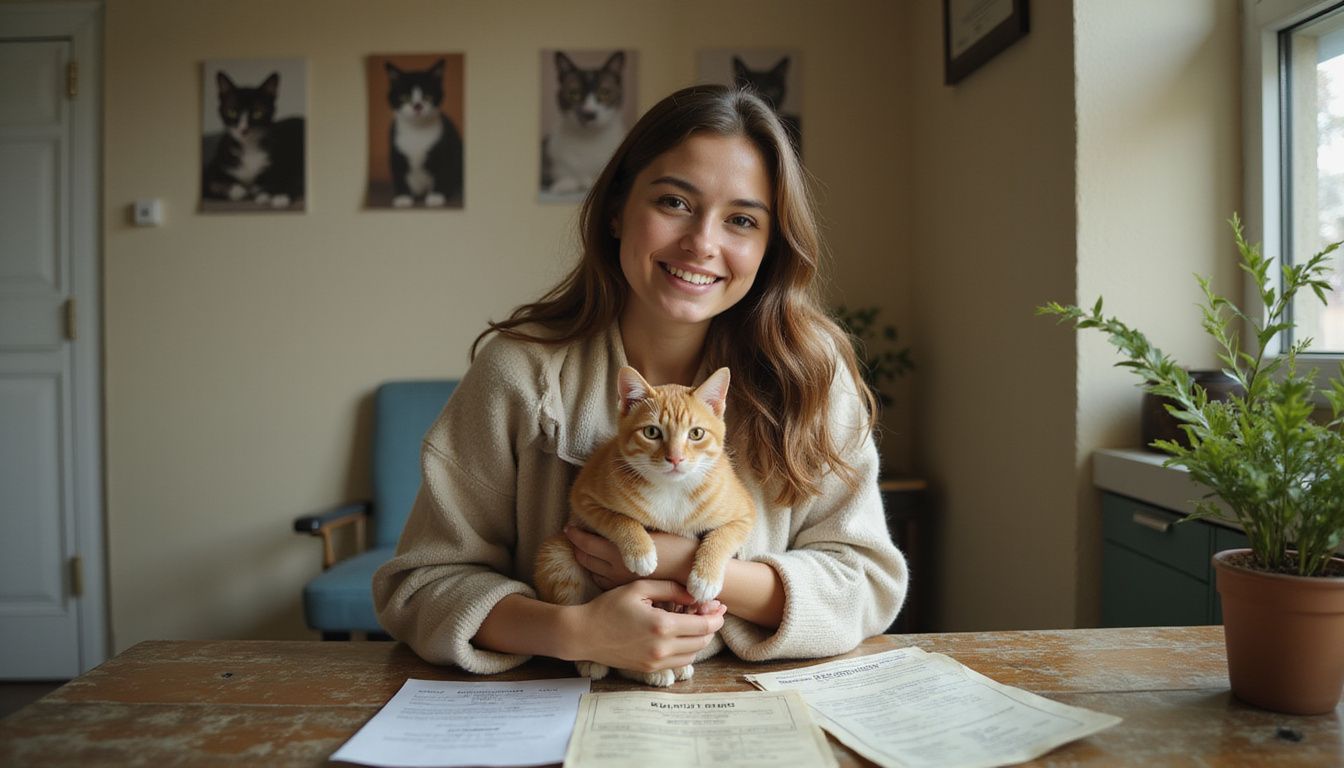
When you’re ready to bring a cat home, the adoption fee unlocks a bundle of benefits that covers far more than just the animal. Here’s what you’ll pay and what you get back.
| What’s Included in Your Fee | Details |
|---|---|
| Spay or Neuter Surgery | All cats leave the shelter already sterilized. Kittens under six months return for a later procedure if needed. |
| Microchip Identification | Your cat gets a permanent ID chip. This technology reunites lost pets with their families. |
| Age-Appropriate Vaccinations | Shots like distemper and parvo protection are included based on your cat’s age. |
| Deworming Treatment | Kittens and cats receive deworming to protect their health from parasites. |
| Flea and Parasite Prevention | Your new pet leaves protected against common external parasites. |
| Starter Food Supply | Hill’s Science Diet brand food gets you started on day one. |
Before we get to a specific number, here’s a helpful baseline: according to a 2026 report by Catster based on Animal Humane Society data, cat adoption fees across the US typically range from $39 to $317, depending on the facility, the cat’s age, and what medical care is bundled in.
A typical fee for an adult cat runs around $95 at many shelters. That price covers spay or neuter surgery at no extra charge, a microchip registration, age-appropriate vaccinations valued at roughly $60, deworming and flea treatment worth about $25, and a 2-pound starter bag of Hill’s Science Diet worth around $12.
Shelters often break down these values so you can see what you’d pay if you handled each service separately at a vet clinic. Once you see it laid out this way, the adoption fee looks less like a cost and more like a bargain.
Fees shift a bit based on your cat’s age or health. A kitten might cost less than an adult, while a senior cat with special needs could land in a different bracket, since older cats or those needing rehab require different resources before adoption.
Your payment covers everything listed above, and it needs to be paid before your cat goes home with you, no exceptions. Both BARCS retail locations at Petco and PetSmart offer the same adoption benefits and fee structure, so you get identical care no matter where you adopt.
Are there any discounts or promotions available?

Now that you know what fees typically run, let’s talk about ways to shrink that cost. Shelters and rescue programs offer a few solid ways to save.
| Discount or Promotion Type | Details | Who Qualifies |
|---|---|---|
| Seasonal Promotions | Shelters run adoption specials during specific times of year, lowering fees temporarily. Events like the ASPCA’s National Adopt a Shelter Cat Month every June often waive or heavily discount fees, since June lines up with the height of kitten season. Check your local shelter’s calendar for upcoming events. | All adopters |
| Farmers for Ferals Program | Lancaster County, South Carolina, offers feral cats at no cost to local farmers. These cats are vaccinated, sterilized, and wormed, and they work great for rodent and snake control on farms. | Local farmers in Lancaster County, SC |
| Feral Cat Adoption Details | Interested farmers should email animal@lancastersc.net. Farmers must provide a suitable environment for adopted cats, and this program removes adoption fees entirely. | Agricultural property owners |
| Multiple Cat Discounts | Some shelters lower fees when you adopt two or more cats together, which helps bonded cats stay connected. | Adopters taking multiple cats |
| Senior Cat Specials | Older cats often come with reduced adoption costs, since shelters want these gentle companions to find homes. | Adopters choosing senior cats |
Your local animal shelter probably has a promotion running right now, so ask staff about current deals. Senior cats bring so much love, and adopters often get better pricing on these wonderful animals. If you’re dealing with rodents on your property, look into the Farmers for Ferals program. It solves a pest problem without any adoption charge at all.
Post-Approval Steps
Once you get the green light, your shelter walks you through what comes next so your new cat can settle in smoothly.
What counseling is provided before bringing a cat home?
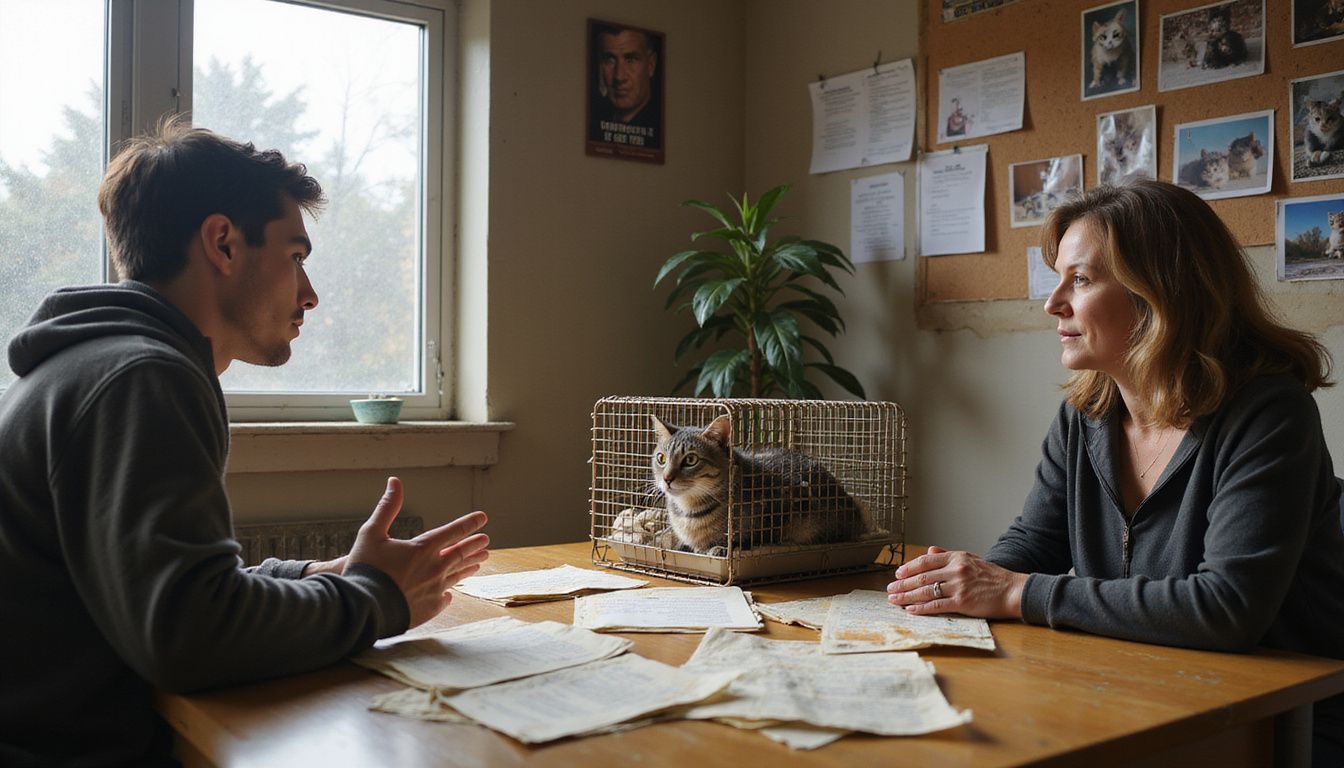
Before you bring your new feline friend home, an adoption counselor meets with you to cover everything you need to know. Organizations like HSMO and Best Buddy Pet Center offer this kind of guidance to promote responsible pet ownership and animal welfare.
Here’s what a typical counseling session covers:
- Your cat’s medical history, including vaccines received, any medications, and health concerns to watch for.
- Behavior and personality notes, including how your cat acts around people and other companion animals.
- Integration tips, like feeding schedules and where to place the litter box.
- What foster parents observed, if your cat spent time in a foster home before adoption.
Your counselor also reminds you that cat ownership is a long-term commitment, often lasting 15 years or more. This conversation sets you up for success and helps your new cat adjust to its life with you.
How should I address my new cat’s medical and care needs?
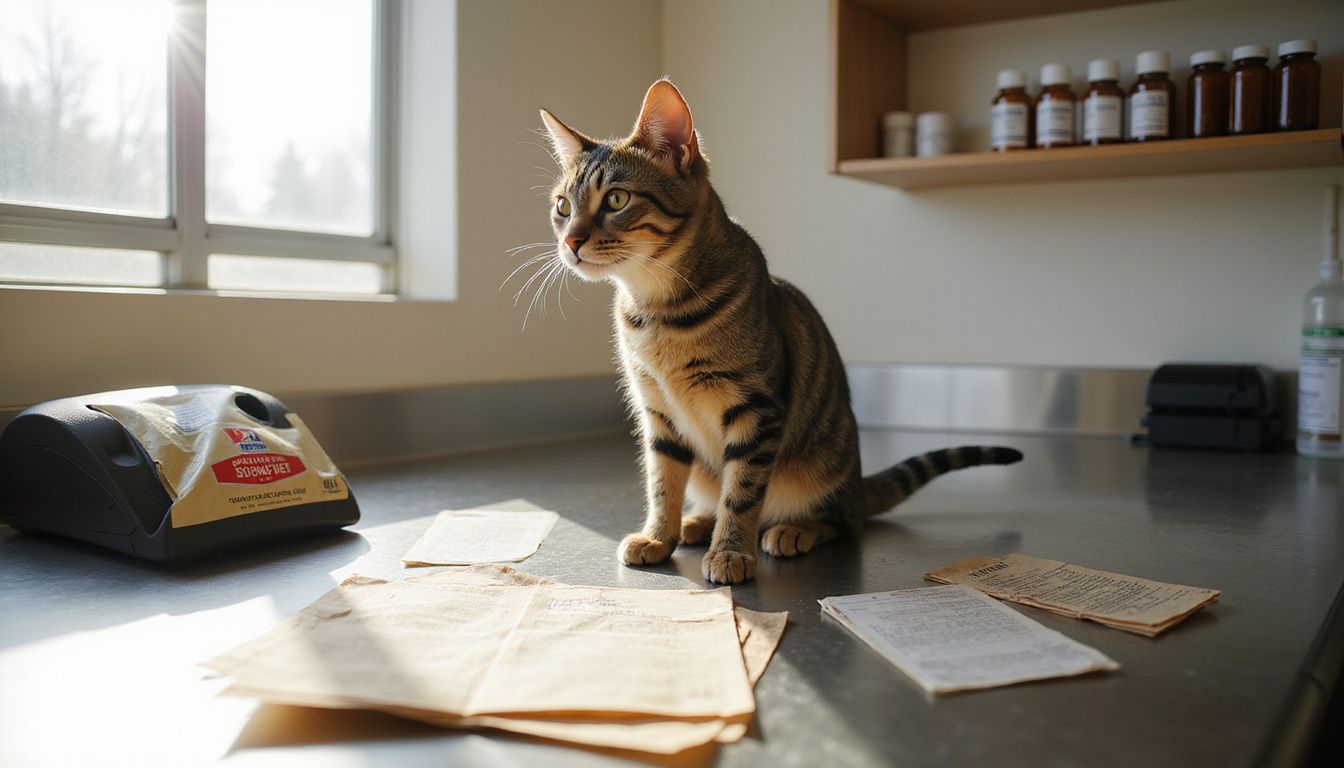
Your new cat arrives home ready for a healthy life ahead. You just need to stay on top of medical care and nutrition to keep your feline friend thriving.
- Schedule a vet visit within the first week to set a baseline for your cat’s health and discuss anything you noticed during the adoption process.
- Your cat already had spay or neuter surgery before coming home, so you can skip that procedure and focus on preventive care instead.
- Kittens under six months need a return visit for a sterilization follow-up, so mark your calendar now.
- Your cat got age-appropriate vaccinations like distemper and parvo at adoption, but annual boosters keep that immunity strong going forward.
- Flea and parasite treatment came included with adoption. Your vet can suggest ongoing prevention that fits your local climate and your cat’s lifestyle.
- Deworming happened before adoption, so your cat starts out parasite-free. Ask your vet about a maintenance schedule for indoor cats.
- Start with the Hill’s Science Diet starter bag from adoption, then transition to your preferred brand over seven to ten days to avoid an upset stomach.
- Book regular check-ups to track your cat’s weight and body condition, adjusting food portions as needed.
- Your cat’s microchip is on file with animal care databases, and keeping that registration current matters more than you might think. According to the American Veterinary Medical Association, microchipped cats are over 20 times more likely to be reunited with their families, yet only about 60% of chips are actively registered. Take five minutes to update your contact info the moment you’re home.
- Book an annual vet visit every year for vaccinations, wellness exams, and preventive care check-ins.
Conclusion

Getting approved to adopt a cat takes a little work, but the adoption process is clear once you know what’s coming. You’ll fill out an application, provide ID and proof of address, and sit down for a counseling chat before your new friend comes home.
BARCS makes this easier by letting you pre-fill applications online, offering offsite locations at Petco and PetSmart, and bundling in benefits like spay and neuter surgery plus vaccinations.
Shelters use behavior tests and foster placements to match you with the right cat, so a little patience during approval really does pay off.
Reach out to a shelter near you, whether that’s a facility in South Carolina, Texas, or your own hometown, and take that first step toward opening your home to a cat who needs you.
FAQs
1. What do shelters check before approving a cat adoption?
Shelters like the Los Angeles County Department of Animal Care and Control check your living situation, other pets, and sometimes contact your landlord to make sure the cat will be safe and loved. According to a 2025 survey by the ASPCA, about 85% of US shelters also verify that renters have written pet permission from their landlords. It’s really just about making sure you’re ready, not about being perfect.
2. Do I need to spay or neuter the cat after adoption?
Yes, most shelters including the Lancaster SPCA and Humane Society Lancaster SC require spay or neuter surgery before you take your cat home. This helps control the pet population, and groups like Farmers for Ferals strongly support this practice too.
3. Can I volunteer at a shelter before adopting?
Absolutely, and it’s a great way to get to know the animals first. Many shelters like St. Louis City and Best Buddy Pet Center adoption facilities welcome volunteers, and a 2024 report from the Southern California Veterinary Medical Association found that people who volunteer first tend to make more confident adoption decisions.
4. Are adoption processes different in other states, like South Carolina or Texas?
Yes, each state and shelter has its own specific rules and timelines. In South Carolina, groups like IVHS may require home visits, while shelters in cities like San Antonio, Texas often have same-day adoption options for pre-approved applicants.
5. What if I already have dogs at home?
That’s totally fine, and shelters actually ask about your dogs to help find a cat that will fit in well with your pack. Many facilities offer meet-and-greet sessions so your dog and potential new cat can check each other out first.