
If you’re choosing a bird for kids, start with calm, beginner-friendly species like budgies, cockatiels, Bourke’s parakeets, and doves. They’re usually gentler, lower-bite, and easier to manage than larger parrots. Budgies and cockatiels can tolerate handling, while doves suit quieter homes and often do best in pairs. You’ll still need daily care, safe housing, and adult supervision. Your choice should match your child’s age, time, and maturity, and there’s more to take into account.
Key Takeaways
- Budgies and cockatiels are good family starter birds because they are small, social, and usually tolerate gentle handling well.
- Doves and Bourke’s parakeets suit calmer homes, with doves best kept in pairs and given flight space.
- Match a bird’s social needs to your child’s age and availability; many birds need 1–2 hours of daily interaction.
- Choose birds with long-term care in mind, since many pet species live 10–30 years and need consistent routines.
- Provide species-appropriate cages, pellets, vegetables, toys, and regular avian vet care to keep birds healthy.
How to Choose Pet Birds for Kids
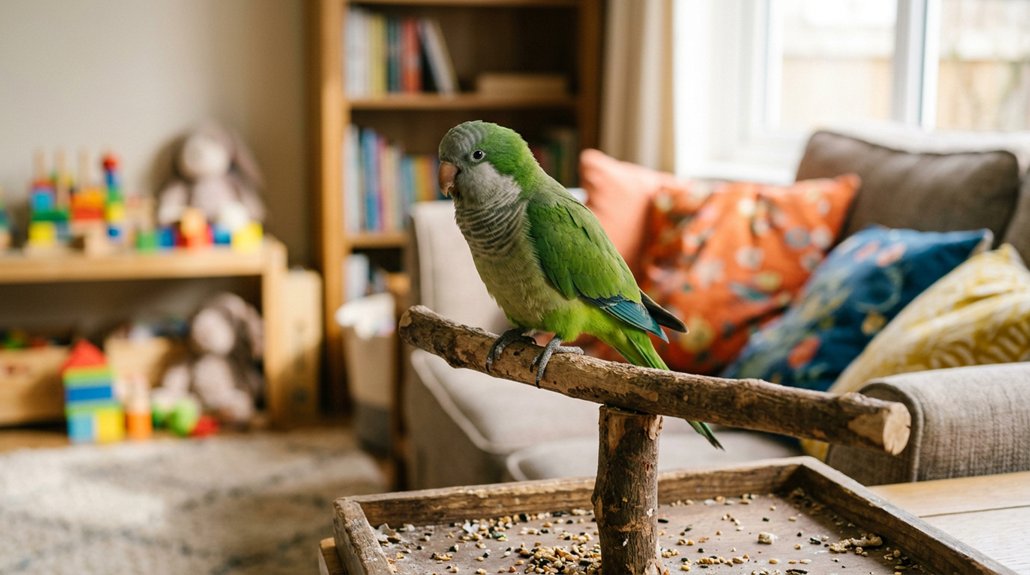
When you’re choosing a pet bird for kids, start with species that have gentle temperaments and a lower bite risk, such as finches, doves, budgies, and cockatiels. You should match the bird’s social needs to your child’s availability; many parrots need 1–2 hours of daily interaction, while canaries can do well with less out-of-cage time. Review lifespan carefully, since budgies may live 7–15 years and cockatiels 15–20 years or longer. Consider noise, mess, and feather dust, especially if allergies are a concern. Check space requirements and plan for training routines your child can realistically follow. Make sure your child is mature enough, or supervised if younger, and that your family can afford routine avian veterinary care and species-specific support.
Best Pet Birds for Younger Kids
For younger kids, the best pet birds are usually the ones that are gentle, easy to care for, and less likely to bite. Finches fit well if you want a low-contact pet; they need minimal handling and offer soft chirps for years. Doves are another calm option, with a sweet disposition and a low bite risk, though they do best in pairs and need free-flight time. If your child is ready for more interaction, budgies can tolerate handling and support behavioral development through simple training. Cockatiels suit older younger kids who can manage daily care and cleanup. Silkies can be kid-safe outdoor companions, while cage enrichment should always match the bird’s needs and activity level.
Budgies and Bourke’s Parakeets for Beginners
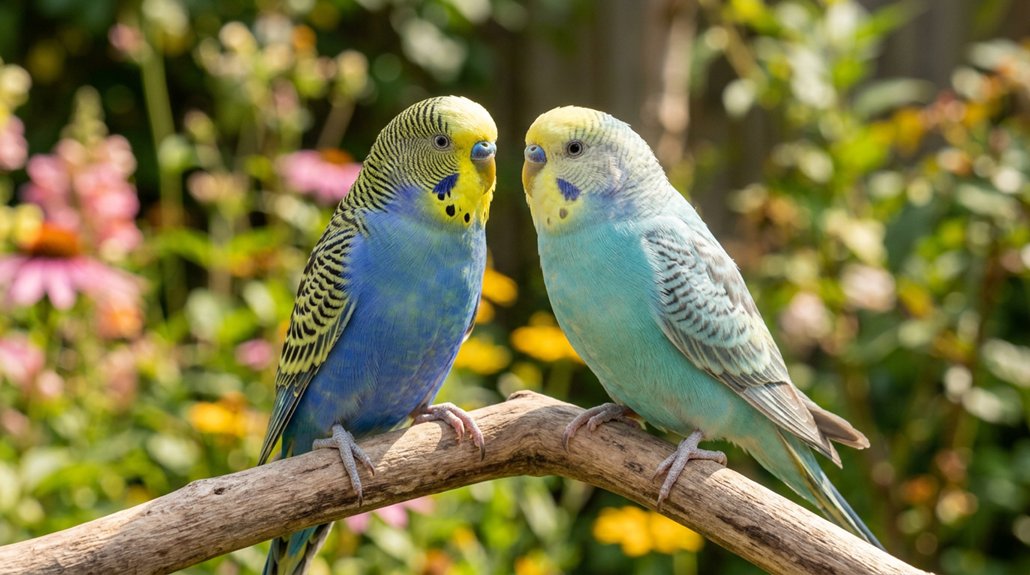
Budgies are often one of the best starter parrots for families because they’re small, colorful, and usually easy to manage with a simple daily routine of food, fresh water, cage cleaning, vegetables, toys, and one-on-one attention. You’ll find they tolerate handling well and may learn speech, which can help children stay engaged. Bourke’s parakeets are similarly beginner-friendly, but they’re quieter and suit calmer homes. Both birds need at least 1–2 hours of interaction or out-of-cage time and regular avian veterinary care.
Budgies and Bourke’s parakeets make gentle starter pets, with simple routines, regular attention, and plenty of calm interaction.
- handling tips: move slowly and let trust build
- diet essentials: offer pellets, vegetables, and clean water
- provide toys, perches, and a safe wider cage
- assign routine care to responsible children, ideally 12+
Lovebirds, Cockatiels, and Parrotlets for Older Kids
Lovebirds, cockatiels, and parrotlets can be excellent choices for older, responsible children who are ready for daily bird care and a long-term commitment. You’ll need to provide consistent handling, clean housing, fresh water, and species-appropriate dietary needs. Peach-faced lovebirds are lively and affectionate, but they thrive on daily one-on-one social enrichment and plenty of toys. Cockatiels are often quieter, can whistle or mimic simple words, and need a roomy cage plus daily out-of-cage time. Pacific parrotlets are small, bold, and may nip if handling is inconsistent, so steady training matters. All three can live 10–30 years, so you should match the bird’s space, noise level, and interaction needs to your family’s routine and commitment.
Doves and Lorikeets: Special Care Needs
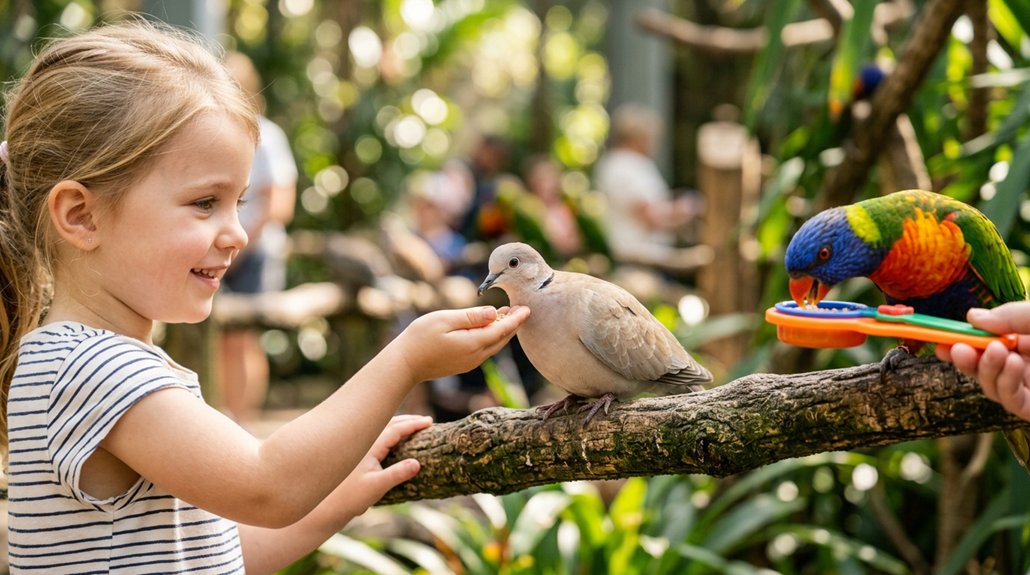
If your family is considering birds with gentler temperaments and different care needs, doves and lorikeets deserve a closer look. Doves are usually calm, seldom bite, and often bond best with positive handling and free-flight time. Diamond doves need less one-on-one attention, but they still need roomy housing and high, flat roosts. Lorikeets, such as Goldie’s lorikeets, need a nectar-based diet plus fresh produce, a spacious cage, and several perches.
- Doves often live 10–25 years.
- Diamond doves may live 12–15 years.
- Lorikeets usually live about 7 years.
- Both species need dust management and careful allergy screening.
For doves, pair housing and flight enrichment can help. If your child has asthma or rhinitis, speak with your clinician before bringing either species home.
Why Quaker Parakeets Need More Planning?
Quaker parakeets can be a rewarding family bird, but they need more planning than many people expect because they may live 20 to 30 years and rely on consistent daily care. Before you adopt, you’ll need long term planning for housing, routine, and access to an avian veterinarian. They’re highly social and need 1 to 2 hours of interaction each day, plus toys and a spacious cage to reduce boredom. If your schedule is inconsistent, they may struggle with isolation. You should also think about noise management: Quakers are vocal mimics and can repeat loud phrases or squawks. Supervise children so they don’t reinforce unwanted sounds or behaviors, and be sure your household can handle their strong attachment needs.
Is a Bantam Chicken Right for Your Family?
A bantam chicken can be a delightful family pet, but a Silkie bantam is usually the standout choice for households with children because of its sweet, cuddly temperament. You’ll still need to assess space requirements, handling safety, and daily care before bringing one home. Silkies are true bantams with fluffy feathers and walnut combs, and they come in several colors. They do best in roomy enclosures, with supervised roaming time and regular coop cleaning.
Silkie bantams make charming family pets, with cuddly temperaments, fluffy feathers, and care needs worth planning for.
- Provide shade and ventilation in warm weather
- Expect gentle, child-supervised handling
- Plan for feeding and poultry-health checks
- Commit to 7–9 years of care
If you live in a colder climate, they’ll usually thrive; in hot areas, cooling measures are essential.
Frequently Asked Questions
What Is the Most Kid Friendly Bird?
Budgies are usually the most kid-friendly birds: they’re gentle, easy to care for, and can learn speech with parrot training. You’ll still need good feather health, regular handling, and adult supervision for safe bonding.
What Is the 3 3 3 Rule for Birds?
You’ll see three stages: 3 days of quiet adjustment, 3 weeks of routine-building and gentle training schedule, and 3 months for personality to emerge. Use proper housing setup, behavioral enrichment, and travel safety throughout.
What Is the Best Bird for a Family Pet?
Budgies are often your best family pet: they’re friendly, manageable, and can learn simple speech. If you want more interaction, cockatiel training and parrotlet bonding take time, but they’re rewarding with adult supervision.
What Is the Most Beginner-Friendly Bird?
Budgies are usually your most beginner-friendly bird. You’ll find them gentle, easy to care for, and trainable. With proper songbird care and cage enrichment, they’ll thrive, and you can enjoy years of affectionate companionship.
Conclusion
Choosing the right bird for your family means matching the species to your child’s age, your daily routine, and the care each bird needs. If you’re starting out, gentle, low-maintenance birds like budgies or cockatiels are often a smart fit. If you’re ready for more responsibility, you can consider birds with greater social or dietary needs. Don’t bite off more than you can chew, and always plan for a safe, enriching home.