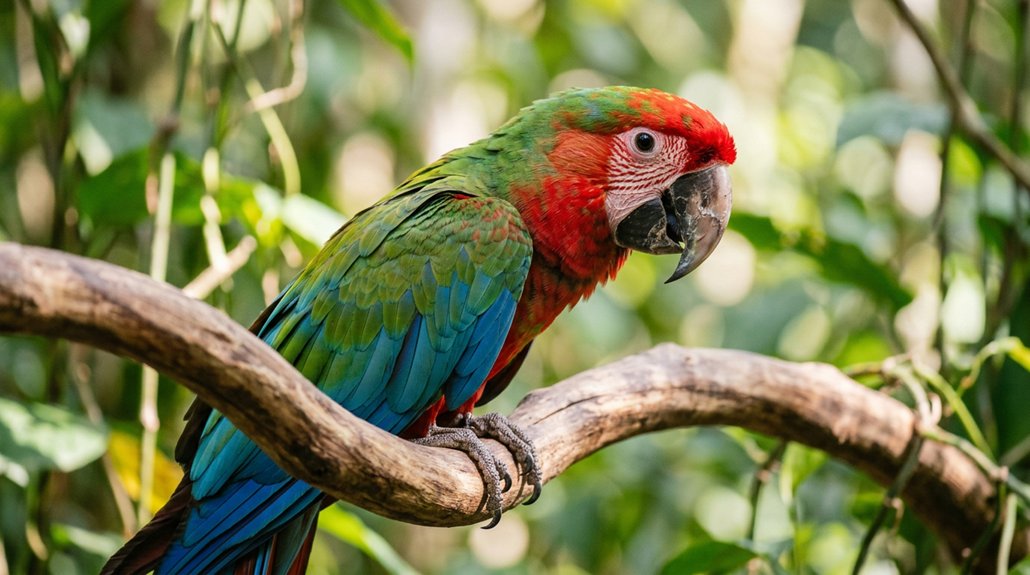
Healthy adult birds should see an avian vet for a thorough wellness exam once a year, but young birds, seniors, and birds with chronic disease usually need visits…
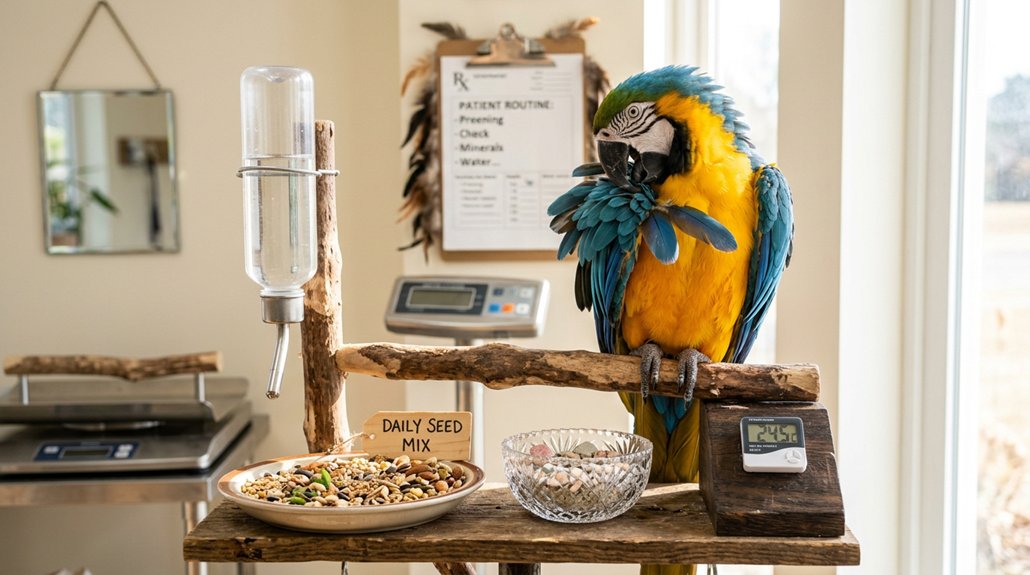
Bird Health & Wellness
Preventative Care Tips for Pet Birds
Take your bird to an avian vet soon after adoption, then keep regular checkups and parasite screening. House it in a secure cage with proper bar spacing, varied…
Bird Health & Wellness
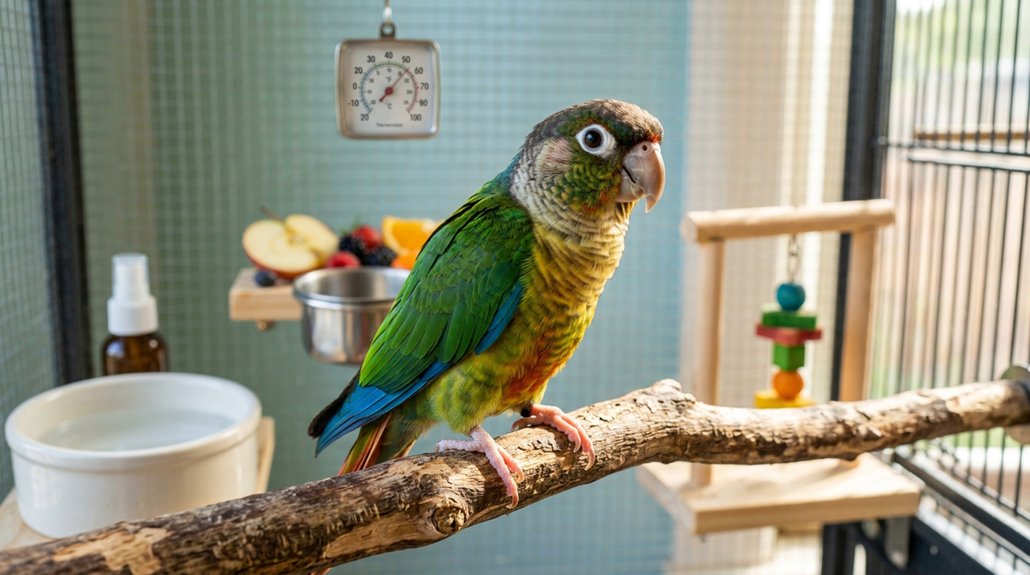
How to Keep Your Bird Healthy Year-Round
You keep your bird healthy year-round by maintaining a stable home, fresh water, and a balanced diet, while watching for early warning signs. Keep indoor temperatures near 68–75°F,…

Bird Health & Wellness
How to Tell if Your Bird Has a Poor Diet
You can tell your bird may have a poor diet if you notice persistent fluffed or ragged feathers, slow molting, weight loss or obesity, low energy, sitting low…
Bird Health & Wellness
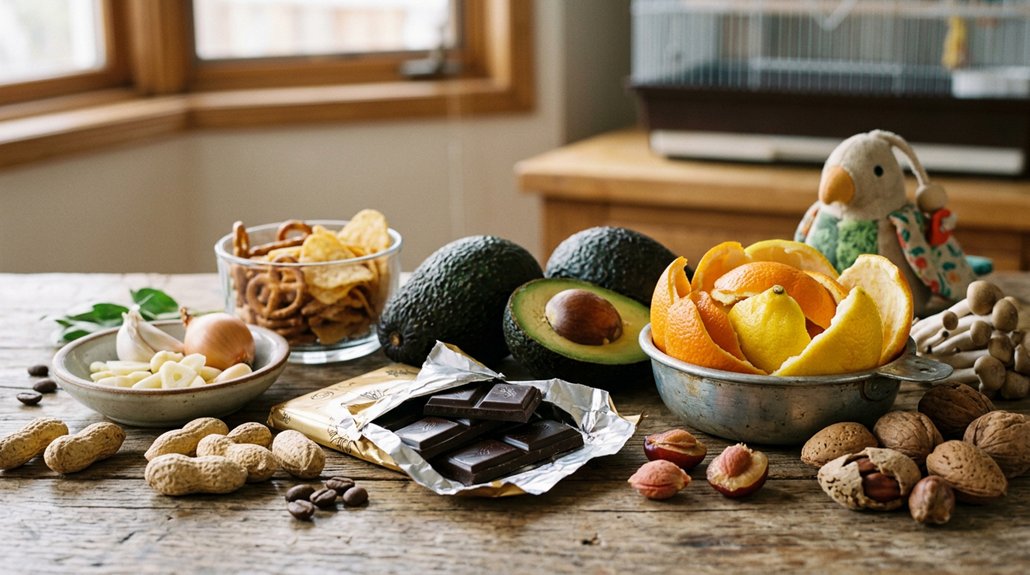
Foods Pet Birds Should Never Eat
You should never give your bird avocado, chocolate, caffeine, onions, garlic, chives, leeks, scallions, fruit pits, apple seeds, xylitol, alcohol, salty snacks, processed foods, dairy, raw meat, or…
Bird Health & Wellness
What to Feed a Bird for Optimal Health
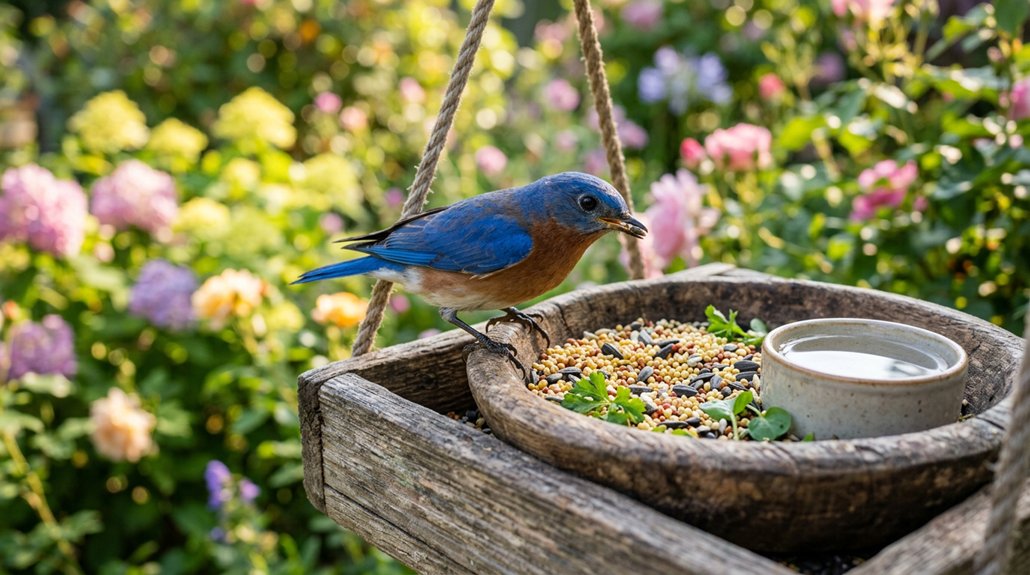
For peak health, you should feed your bird a nutritionally complete pelleted diet as the daily base, then add fresh vegetables every day, especially dark leafy greens and…
Bird Health & Wellness
Molting in Birds: What’s Normal and What’s Not
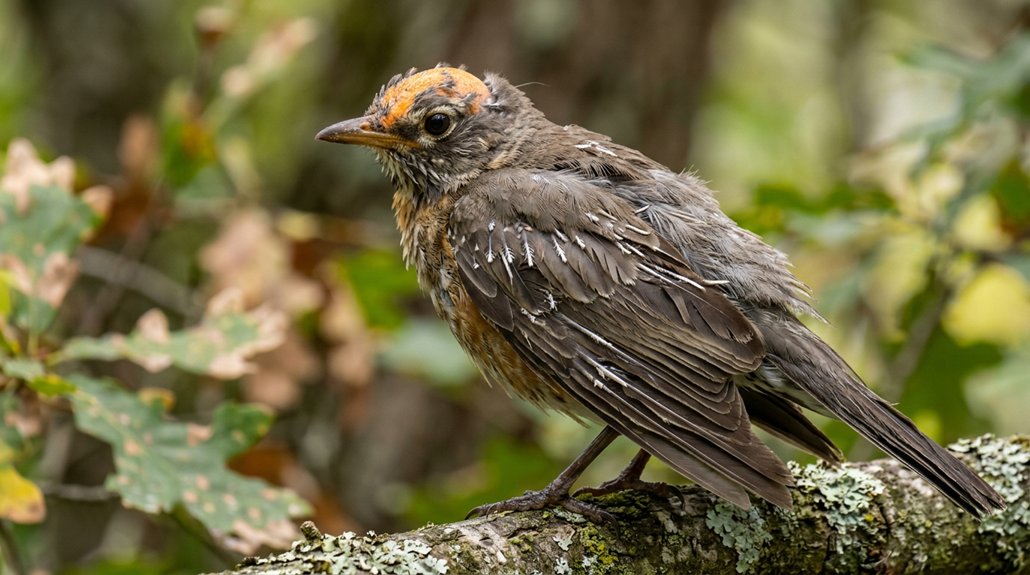
Bird molting is a normal process where you shed old feathers and grow new ones from feather follicles. You may see pin feathers, mild fatigue, and increased preening,…
Bird Health & Wellness
How to Prevent Feather Damage in Pet Birds
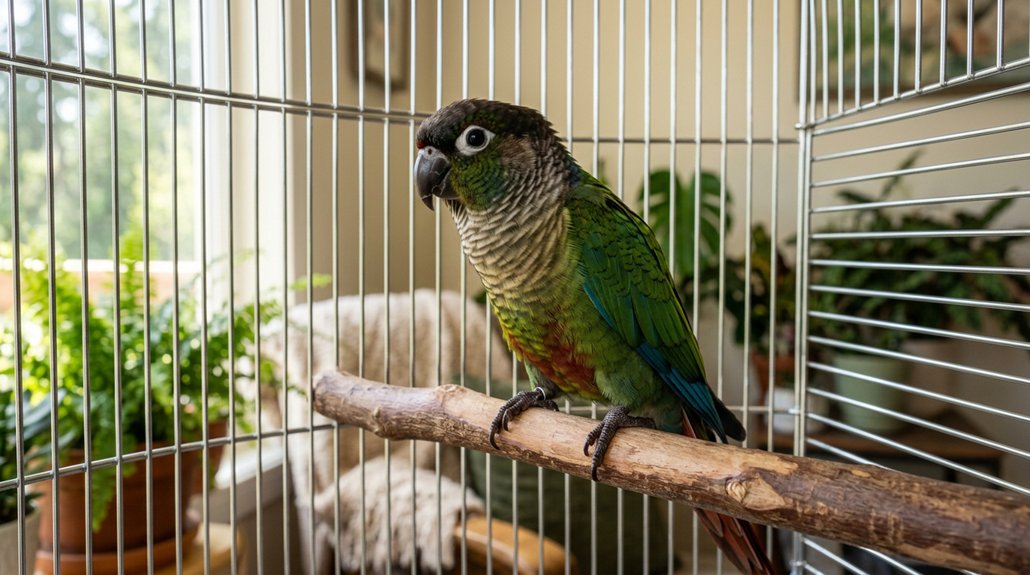
To prevent feather damage in your pet bird, you should treat it as a medical and behavioral problem. Have an avian vet check for skin infections, parasites, hormonal…
Bird Health & Wellness
What Healthy Feathers Should Look Like on a Bird
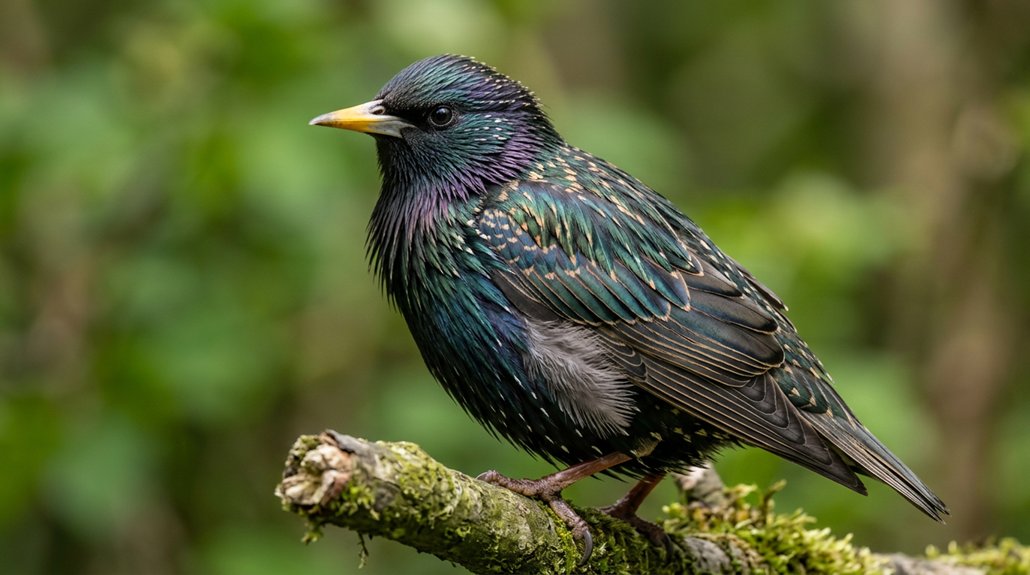
Healthy feathers on your bird should look sleek, orderly, and complete, with smooth vanes that “zip” together and no gaps, fraying, or broken tips. You should see a…
Bird Health & Wellness
Feather Plucking in Birds: Causes and Solutions
Feather plucking in birds usually means something is wrong, so you should get your bird checked by an avian vet promptly. Common causes include mites or lice, skin…
Bird Health & Wellness
Why Your Bird Is Losing Feathers (and When to Worry)
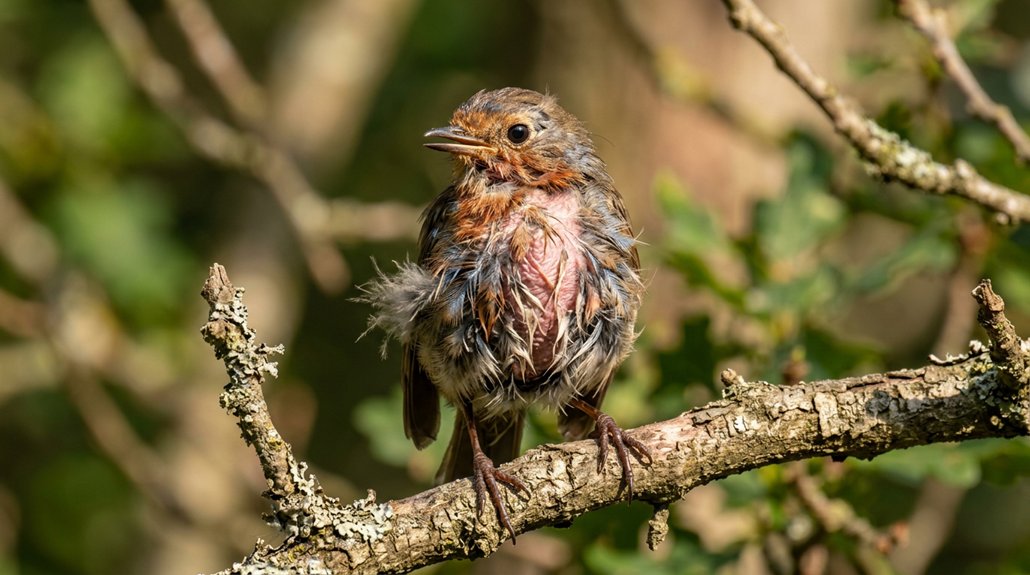
Your bird may be losing feathers because of a normal molt, feather plucking, parasites, infection, stress, or a medical problem. Healthy molt is gradual, symmetric, and followed by…
Bird Health & Wellness
How to Tell if Your Bird Is Stressed or Unwell
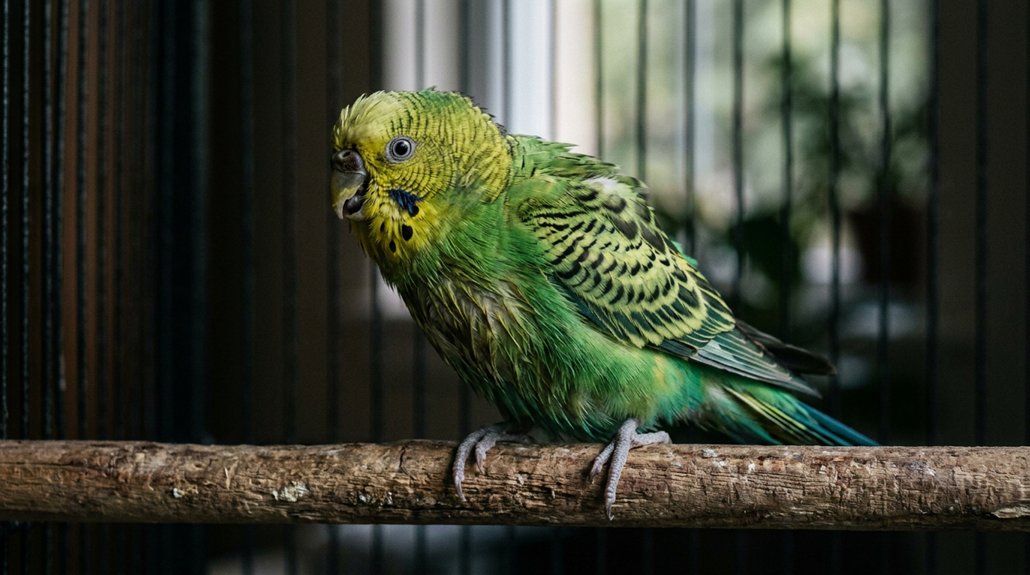
You can tell your bird is stressed or unwell by watching for sudden changes in vocalization, appetite, droppings, posture, or breathing. Silence, sharp screaming, fluffed feathers, lethargy, biting,…
Bird Health & Wellness
Why Your Bird Is Not Eating and What It Means
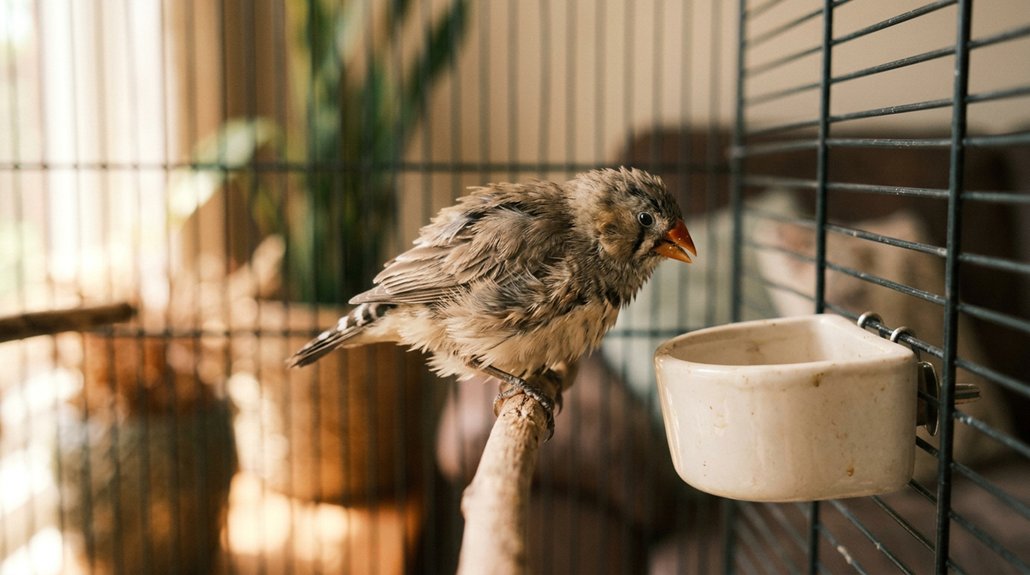
If your bird stops eating, it can signal stress, infection, crop blockage, or serious liver, kidney, heart, or endocrine disease. Birds that go 48 to 72 hours without…
Bird Health & Wellness
Common Bird Health Problems Every Owner Should Know
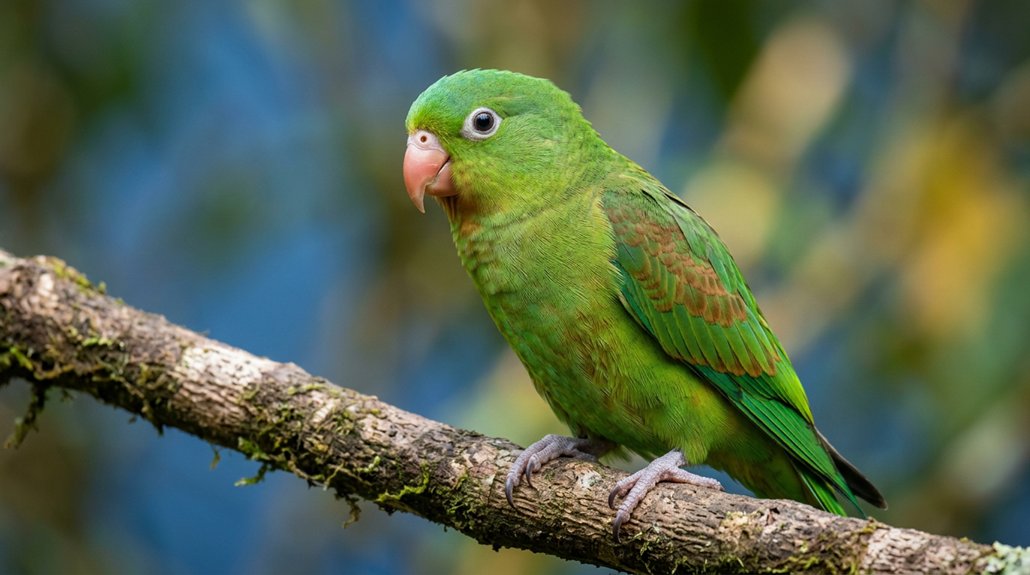
Birds often hide illness, so you need to watch for fluffed feathers, sitting on the cage floor, reduced activity, watery droppings, and open-mouth breathing or tail-bobbing. Poor nutrition…
Bird Health & Wellness
When to Take Your Bird to the Vet
Take your bird to the vet right away if you notice persistent fluffing, marked lethargy, refusal to eat, sudden weight loss, tail-bobbing, open-mouthed or noisy breathing, hoarse vocal…