Take your bird to the vet right away if you notice persistent fluffing, marked lethargy, refusal to eat, sudden weight loss, tail-bobbing, open-mouthed or noisy breathing, hoarse vocal changes, collapse, seizures, or blue or pale gums. Also seek care for droppings that change suddenly, stay watery for more than 24 hours, or contain blood or regurgitated food. Early triage, video, and weight records can help you act fast and get the right care.
Key Takeaways
- Seek immediate veterinary care for labored breathing, tail-bobbing, open-mouthed breathing, or blue or pale gums.
- Treat collapse, seizures, fainting, or severe lethargy as emergencies requiring urgent avian-experienced care.
- Call a vet if your bird stops eating, hides, stays fluffed up over 24 hours, or suddenly loses weight.
- Watch for dropping changes like watery diarrhea, blood, undigested food, or repeated regurgitation after eating.
- Bring a symptom video, current weight, and records, and keep your bird warm and minimally handled أثناء transport.
Bird Warning Signs You Shouldn’t Ignore
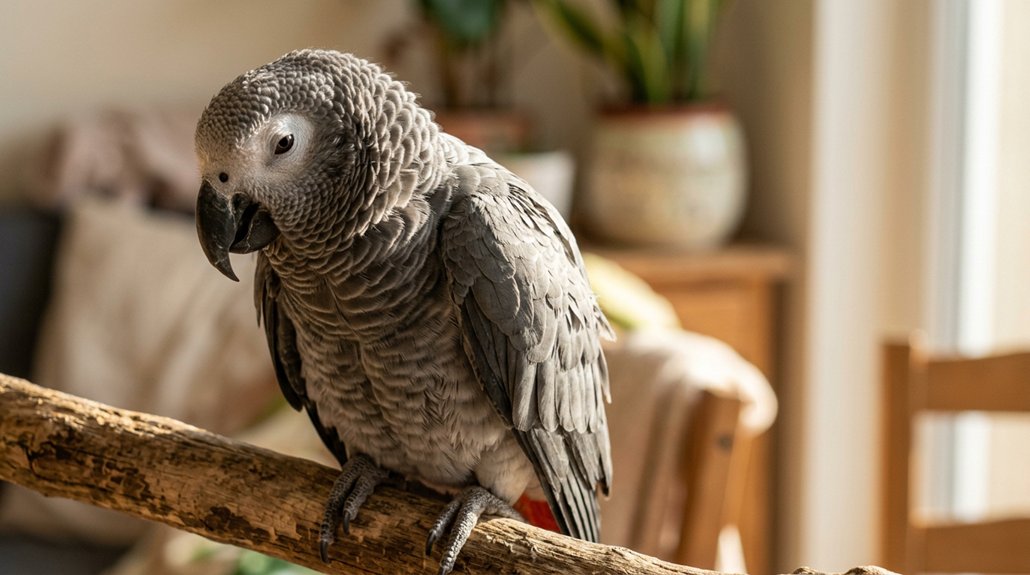
If your bird is persistently fluffed up for more than 24 hours, especially with decreased activity or hiding, that can mean it’s conserving heat and needs veterinary attention. You should also note any labored breathing, such as tail-bobbing, open-mouthed breathing, wheezing, or noisy inhales. Sudden changes in droppings, repeated regurgitation after eating, refusal to eat for 24 hours, marked weight loss, or severe lethargy aren’t normal and shouldn’t be dismissed. Neurologic signs, including head tremors, seizures, circling, balance loss, or abrupt vocal changes, also warrant prompt evaluation. Chronic feather plucking or beak overgrowth may reflect an underlying problem that needs assessment, even if the signs seem mild. You’re safest when you document changes, monitor intake, and contact an avian veterinarian promptly.
What Bird Symptoms Need Urgent Care?
When your bird shows labored breathing—such as tail-bobbing, open-mouthed breathing, or noisy wheezing—seek veterinary care immediately, because respiratory distress can become life-threatening very quickly. You should also treat these as urgent:
- persistent fluffed posture or hiding
- marked lethargy or sudden refusal to eat for 12–24 hours
- seizures, head tremors, or loss of balance
- repeated vomiting, regurgitation, or very watery diarrhea
- sudden vocal changes, including hoarse or reduced calling
These behavioral cues can signal infection, dehydration, neurologic disease, or systemic illness. Don’t wait for chronic changes to worsen; birds often hide illness until they’re critically affected. If you notice any abrupt decline in breathing, activity, coordination, or voice, contact your avian veterinarian right away for prompt assessment and treatment.
Which Dropping Changes Are a Red Flag?
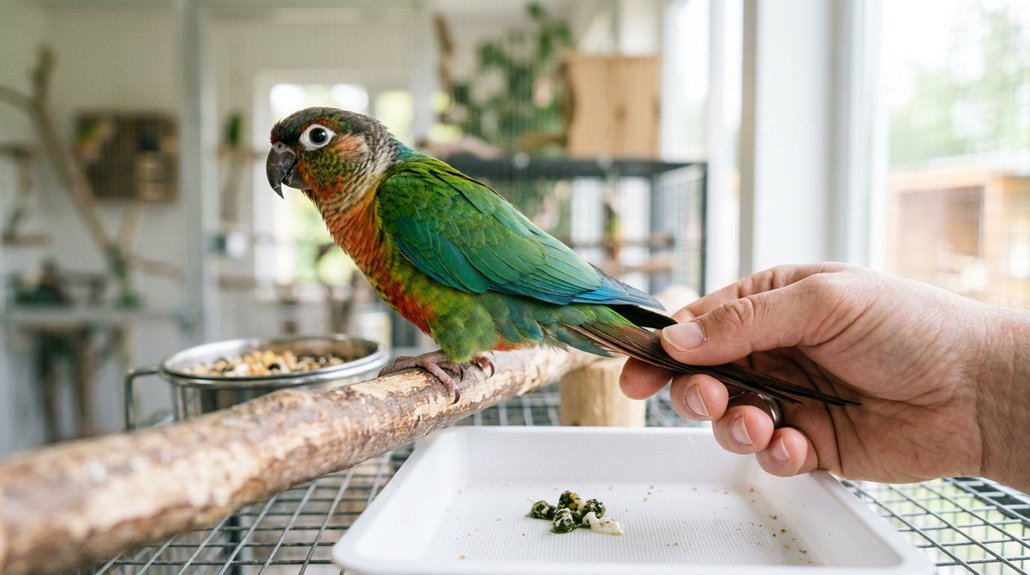
Droppings are often the earliest visible sign that something’s wrong, and sudden changes in consistency, color, odor, or volume deserve close attention. You should watch for color changes and loss of normal pellet consistency, especially if droppings become watery, very loose, or mostly clear liquid. If you see unformed brown or green fecal material that stays liquid for 24 hours or more, that suggests diarrhea and dehydration risk. Excess clear fluid or unusually frequent urination-like output can point to kidney dysfunction and needs prompt evaluation. Blood, undigested food, or repeated regurgitation after eating isn’t normal and requires immediate veterinary assessment. If these changes occur with decreased appetite, lethargy, fluffed feathers, hiding, or weight loss, contact your avian veterinarian right away.
When Do Breathing Problems Become an Emergency?
You should treat new or worsening labored breathing—such as tail-bobbing, open-mouth breathing, wheezing, or rapid, irregular panting—as an emergency. If you notice a sudden hoarse or squeaky voice, nasal discharge, or noisy respiration with breathing effort, your bird needs an avian-experienced vet right away. Any collapse, seizures, severe lethargy with respiratory effort, or blue or pale mucous membranes means you shouldn’t wait for symptoms to improve.
Labored Breathing Signs
Labored breathing in a bird is an emergency if you see tail-bobbing, open-mouthed breathing, or obvious effort just to inhale. Your tail bobbing observation and mouth breathing recognition should prompt immediate action.
- Watch for persistent fluffing with wheezing, clicking, or noisy breaths.
- Note rapid onset of weak, shallow, or irregular respirations.
- Treat fainting, collapse, or seizure-like shaking as critical.
- Check for not eating, marked lethargy, or very watery or absent droppings.
- Seek urgent care if breathing problems occur with a sudden voice change.
These signs can indicate respiratory distress, upper airway obstruction, infection, or neurologic compromise. Don’t wait to see if the bird improves. Keep the bird warm, minimize handling, and transport it to an avian-experienced clinic right away.
Vocal Changes To Watch
Breathing trouble in birds can show up in the voice before it becomes obvious in the chest. If you notice sudden hoarseness, a new squeaky or raspy call, or loss of normal vocalization, especially with open-mouth breathing, you should arrange prompt avian veterinary evaluation. These changes can reflect upper airway fungal infection or obstruction, and your bird’s throat anatomy may be affected. If coughing or sneezing is intermittent but the voice change lasts more than 24–48 hours or worsens, don’t wait. Record a short video of the abnormal sounds and breathing pattern, and note current weight. Lethargy, decreased appetite, fluffed feathers, or neurologic signs also mean your bird needs care right away. Vocal rehabilitation may follow diagnosis, but only after the cause is treated.
Emergency Vet Now
Open-mouth breathing, tail-bobbing with each breath, or visible chest strain are respiratory emergencies in birds and need immediate care from an avian vet or emergency clinic. You shouldn’t wait if you notice rapid breathing, labored breaths lasting more than a few minutes, or a sudden hoarse, squeaky, or gurgling voice with effort. During emergency triage, treat lethargy, fluffed feathers, not eating, shaking, or seizures as high-risk signs.
- Call the clinic for crisis communication.
- Prepare transport logistics immediately.
- Record a short video of the episode.
- Bring your bird’s current weight.
- Ask about aftercare planning before you leave.
These details help the veterinarian assess urgency, guide treatment, and stabilize your bird faster.
How Do You Find an Avian Vet Fast?
When you need an avian vet fast, start with the Association of Avian Veterinarians online directory or your national veterinary board to locate board-certified bird specialists and clinics with bird experience near your ZIP code. Then use local listings and online directories to compare hours, emergency access, and telemedicine options. Call each clinic with short phone scripts: ask whether they see birds regularly, have avian-capable oxygen and radiography, and can treat emergencies or provide quick referrals. Contact bird owners, breeders, and rescue groups for recent recommendations on competence and bedside manner. Save phone, email, and social contacts now. If no specialist is nearby, identify the nearest emergency hospital that accepts birds, confirm it can stabilise and transfer your bird, and note the fastest route.
How Can You Prepare Your Bird for Travel?
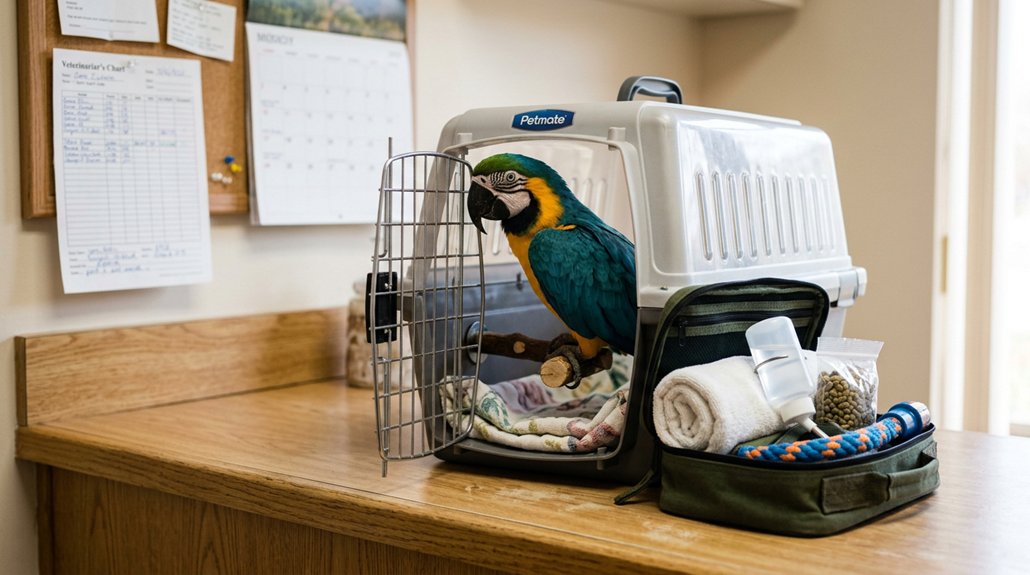
You can reduce travel stress by training your bird to use the carrier before the appointment; leave it out with familiar perches and treats, and use short practice sessions until your bird enters calmly on its own. You should also take brief car rides, starting with 2–5 minutes and gradually increasing duration, so your bird can acclimate to motion and you can monitor for nausea. Use a well-ventilated carrier lined with absorbent bedding and a familiar towel or toy to improve traction and comfort during transport.
Carrier Comfort Training
Carrier training can make veterinary travel less stressful and safer for your bird. Use progressive exposure: leave the carrier open in your bird’s room for several days with perches, treats, and familiar toys so it builds a positive association. Choose an appropriately sized, well-ventilated carrier with a non-slip perch and towel-lined bottom. Secure it in the car so it doesn’t slide. If your bird tolerates ginger, you can offer a tiny amount 20–30 minutes before travel to help limit nausea. Bring a recent home weight, a short symptom video, and a favorite toy or scented cloth to reduce anxiety and support the exam. This preparation helps you assess tolerance and arrive with useful clinical information.
- Open carrier exposure
- Familiar toys and treats
- Stable, secure placement
- Optional ginger support
- Weight and symptom records
Practice Short Drives
Once your bird is comfortable in the carrier at home, begin short practice drives to teach it that car travel isn’t automatically stressful. Start with 5–10 minute short outings around the block, then progress to a quiet parking lot and, over several sessions, to gradual distances of 20–30 minutes. Keep the carrier shaded, secure, and level; use a seatbelt or place it on the floor behind a seat. Maintain a calm cabin: windows up, no loud music, and temperature near 70–80°F. If your avian vet approves, offer a small amount of ginger 20–30 minutes before travel to help limit nausea. You can also practice mock clinic visits, such as brief lobby entries, so your bird learns the routine, new sights, and handling cues.
Bring Familiar Items
To make the trip less stressful, bring a few familiar items from home and keep them associated with the travel carrier. You should use favorite bedding, plus a small towel or blanket that won’t shed fibers. Keep one safe toy inside, and let your bird hear familiar sounds nearby during loading and transit.
- Leave the carrier open at home with perches and treats.
- Pack a measured portion of regular food and supplements.
- Bring a syringe or spoon if assisted feeding’s needed.
- Carry recent weights, symptoms, medications, diet, and photo ID.
- Include a current weight note and a video of abnormal behavior.
These items help the carrier stay a positive space and give the veterinarian immediate, accurate history on arrival.
What Should You Bring to the Vet Visit?
Before you head out, gather the information and items that can help your avian vet assess your bird quickly and accurately. Create a paperwork checklist with a written symptom timeline: when signs started, changes in droppings, appetite, behavior, and any treatments tried. Include prior medical records, current foods, supplements, and medications with dosages, plus your regular avian veterinarian’s or emergency clinic’s contact details. Bring your bird’s current weight and a weight history chart for dosing and baseline assessment. Pack a small sample of fresh droppings in a zip-top bag, payment method, and the name and contact information of the person making care decisions. Keep carrier hygiene in mind, and bring a familiar towel, blanket, or toy to limit stress.
How Do Videos and Weight Records Help?
Videos and weight records can help your avian vet make faster, more accurate decisions by showing problems that may not be obvious during the visit. With video documentation, you can capture labored breathing, tail-bobbing, seizures, or changes in vocal quality that your bird may hide at the clinic.
Videos and weight logs help your avian vet spot hidden problems faster, before your bird masks them at the clinic.
- Record noisy or open-mouthed breathing for triage.
- Share the onset, frequency, and duration of signs.
- Log daily or weekly weight tracking.
- Note any treatments or syringe-feeding attempts.
- Show your handling technique for safer guidance.
A clear timeline plus videos and weights can reveal a 5–10% loss, support medication dosing, and reduce unnecessary handling or repeat visits. If breathing looks labored on video, your vet may recommend emergency care sooner.
Frequently Asked Questions
What Is the 3 3 3 Rule for Birds?
The 3-3-3 rule means you watch your bird’s signs for 3 hours, 3 days, or 3 weeks; if they persist, you’ll need vet help. It guides avian behavior checks and emergency care decisions.
What Is the 60/40 Rule for Birds?
The 60/40 rule’s a clinical safeguard: if your bird’s avian weight drops below 60% of its normal baseline, you should delay elective procedures and stabilize first, because poor flight stamina signals high anesthesia risk.
What Are the Signs of a Sick Bird?
You’d notice persistent fluffing, lethargy, labored breathing, a change in appetite, vomiting, abnormal droppings, weight loss, feather plucking, or neurologic signs like shaking or head tilt. Any of these mean you should seek veterinary care promptly.
How Long Will a Bird Stay Stunned?
A stunned bird may seem dazed for minutes to hours; if it’s still uncoordinated after 1–2 hours, you should seek care. Can you imagine its feather fluffing, breathing rate slowing, then worsening? Monitor closely.
Conclusion
If your bird’s acting like a feathery accountant who suddenly forgot how to count droppings, breathe, or perch, don’t wait for a dramatic encore. You’re better off calling an avian vet fast than hoping the problem’s “just a phase.” Bring records, a video, and your bird’s usual diet, because details matter. In bird medicine, time isn’t just money—it’s survival. When in doubt, get checked out before a minor issue turns into a crisis.