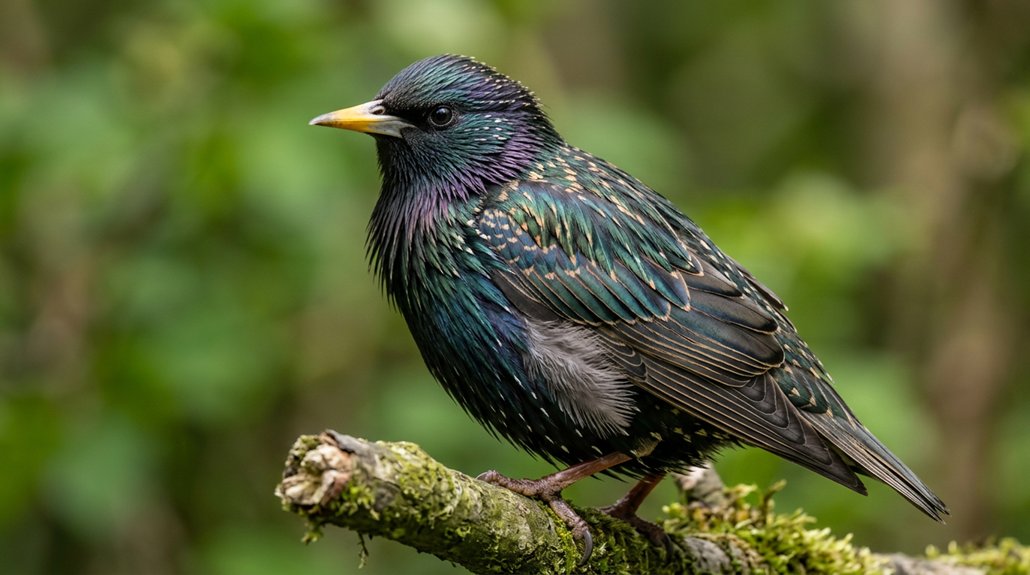
Healthy feathers on your bird should look sleek, orderly, and complete, with smooth vanes that “zip” together and no gaps, fraying, or broken tips. You should see a glossy, species-typical color rather than a dull or faded appearance. The shafts should feel firm yet flexible, and the plumage should be uniform across the body. During molt, a few pin feathers or shed feathers can be normal, and the details matter if you want to tell healthy growth from a problem.
Key Takeaways
- Healthy feathers look sleek, glossy, and evenly colored, not dull, faded, or discolored.
- The vanes should lie smoothly together, with barbs interlocking neatly and no gaps or fraying.
- Feathers should feel firm yet flexible, with straight shafts and intact, unbroken tips.
- A bird’s plumage should appear complete and uniform, with only normal pin feathers during molt.
- Healthy new feathers should grow in cleanly without stress bars, persistent sheaths, or bleeding damage.
What Healthy Feathers Should Look Like
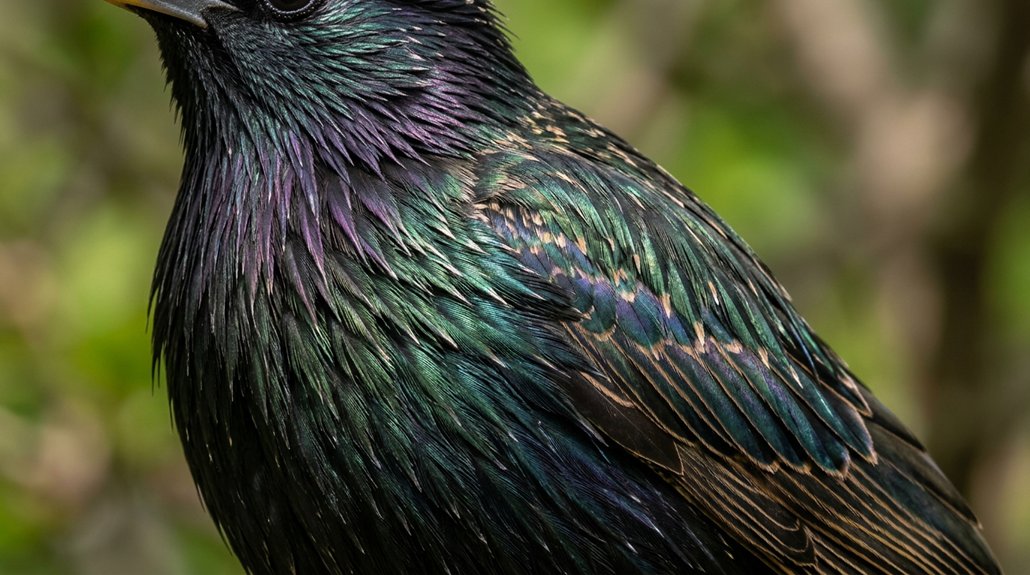
Healthy bird feathers should look sleek and orderly, with smooth, interlocking vanes whose barbules zip together to create a continuous surface without gaps or saw-toothed edges. You should see a glossy finish or the species’ normal color variation, not dullness, fading, staining, or other discoloration. Healthy feather texture is firm yet flexible, with barbs aligned and no fraying, split tips, or broken shafts. In growing feathers, a pin feather may show a sheath and can bleed if damaged, but mature feathers are dry, dead structures without blood supply. During normal molting, you’ll notice replacement on a predictable schedule, usually once or twice yearly, without large bare patches or uneven regrowth. Overall, the plumage should appear complete, uniform, and well maintained.
Key Feather Parts to Check
When you inspect a bird’s feathers, start with the vane: the barbs and interlocking barbules should lie smooth and zip together without saw-toothed gaps, which suggests intact barbule hooks and proper waterproofing. Then assess the rachis and calamus; the shaft should be straight, firm, and seated flush in the skin, with no exposed blood except in growing pin feathers. Examine feather edges and tips for fraying, bending, or broken ends, and note any stress bars. Check color and sheen for species-typical vibrancy, not dullness or translucence. These findings reflect feather microstructure and overall growth quality. Finally, confirm the adjacent skin is intact and that preening behavior isn’t limited by trapped sheaths or bound tail feathers.
Signs Your Bird’s Plumage Is Healthy
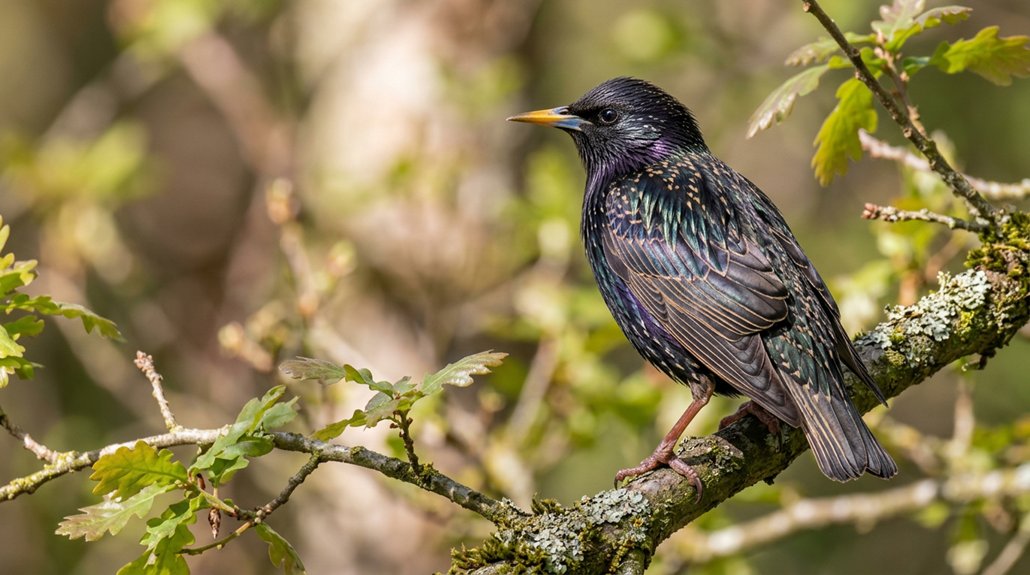
Usually, a bird’s plumage looks healthy when the feathers are smooth, glossy, and tightly zipped together, with no saw-toothed gaps between the barbs and barbules. You should also see species-typical color vibrancy and sheen, not dullness, staining, or translucency when the feathers’re held to light. Feathers should show feather flexibility without excessive brittleness, and the shafts should stay intact rather than splintered or ragged. During normal turnover, you may notice occasional firm pin feathers with sheath coverage, but they shouldn’t bleed persistently. Healthy plumage also lacks stress bars, bald patches, excessive breakage, or evidence of plucking. Regular, even replacement of major flight and tail feathers indicates normal feather turnover and supports overall physical and behavioral health.
Healthy Feathers During Molt
During a normal molt, you should see feathers shed and replaced in an orderly pattern, often once a year for most species, with primaries, secondaries, or tail feathers being renewed in sequence rather than leaving large random bald patches. Seasonal timing helps you predict this cycle, and you may notice intermittent pin feathers with sheaths. | Feature | Healthy during molt | What you notice |
| — | — | — |
|---|---|---|
| Feathers | Smooth, complete vanes | New growth closes well |
| Color | Species-consistent | No stress bars |
| Diet | Higher protein intake | About 16–20% |
| Grooming | Slightly reduced preening | Some molted feathers nearby |
You should also provide adequate vitamins and trace minerals, because poor protein intake can leave new feathers brittle or translucent. If feathers remain in sheaths or the molt stays abnormal, an avian veterinarian should evaluate your bird.
Feather Problems That Need Attention
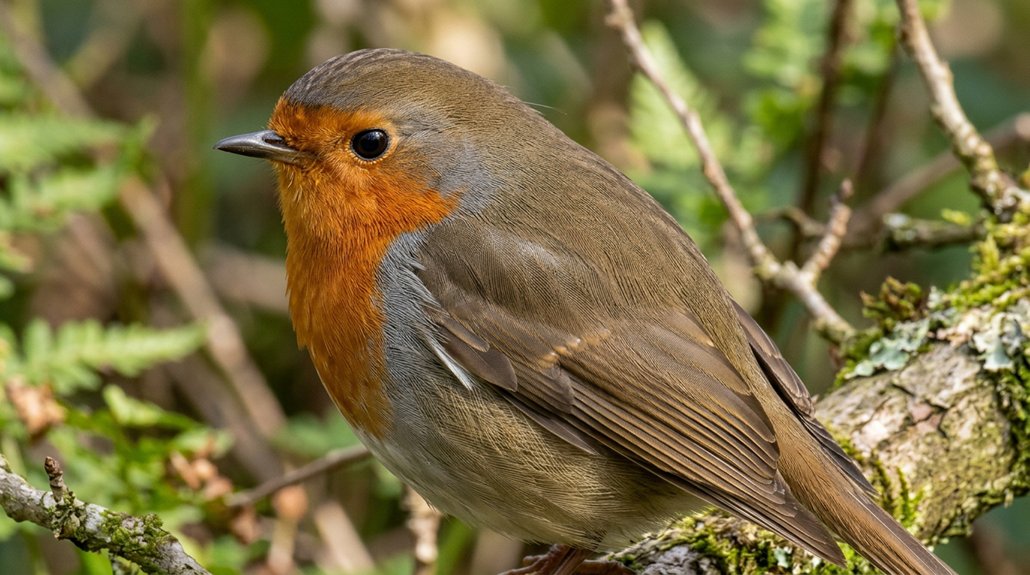
Certain feather changes deserve prompt attention: stress bars, ragged or frayed vane edges, feathers that don’t “zip” closed, and abnormal staining can all indicate malnutrition, illness, parasites, or liver disease. If you see stress bars, review your bird’s diet and arrange veterinary evaluation, because they often form during feather growth under physiologic stress. Be careful with pin feathers, too: if you cut one and it bleeds, it’s still vascularized, and persistent clusters of pins or thick sheaths can signal molt disruption. Feathers with saw-toothed edges, missing vanes, or poor interlocking suggest wear or disease. Dull, green-stained, or discolored feathers, plus recurrent loss or uneven regrowth, need prompt medical and behavioral assessment to identify the underlying cause.
Frequently Asked Questions
What Do Unhealthy Feathers Look Like?
Unhealthy feathers look dull, brittle, frayed, or patchy; you may see stress bars, broken shafts, poor barbule alignment, pin feathers, or feather mites. They can also appear chewed, plucked, or contaminated, indicating disease or stress.
What Does an Unhealthy Bird Look Like?
You’d see an unhealthy bird like a frail patient: fluffed, lethargic, or withdrawn, with behavior changes, weight loss, dirty vents, abnormal droppings, poor feather condition, and signs of pain, weakness, or illness.
How Do Birds Apologize?
You’ll see birds apologize through gentle body language, soft calls, beak-touching, preening, or food offerings. They’re repairing trust after conflict, using submissive crouches and reduced displays to calm the other bird and restore social harmony.
Why Do My Bird’s Feathers Look Scruffy?
Your bird’s feathers look scruffy because of wear, poor preening, stress, molted plumage, feather mites, or illness. You might also see frayed edges, pin feathers, or damaged shafts from nutrition, humidity, or feather picking.
Conclusion
If your bird’s feathers look sleek, even, and almost impossibly well-kept, you’re seeing plumage that is likely in excellent condition. Healthy feathers should lie flat, feel smooth, and show clear structure from shaft to tip, even during molt. If they appear ragged, dull, broken, or patchy, don’t ignore it—it’s often the bird’s body waving a giant red flag. Careful observation can help you catch feather problems early and protect your bird’s health.