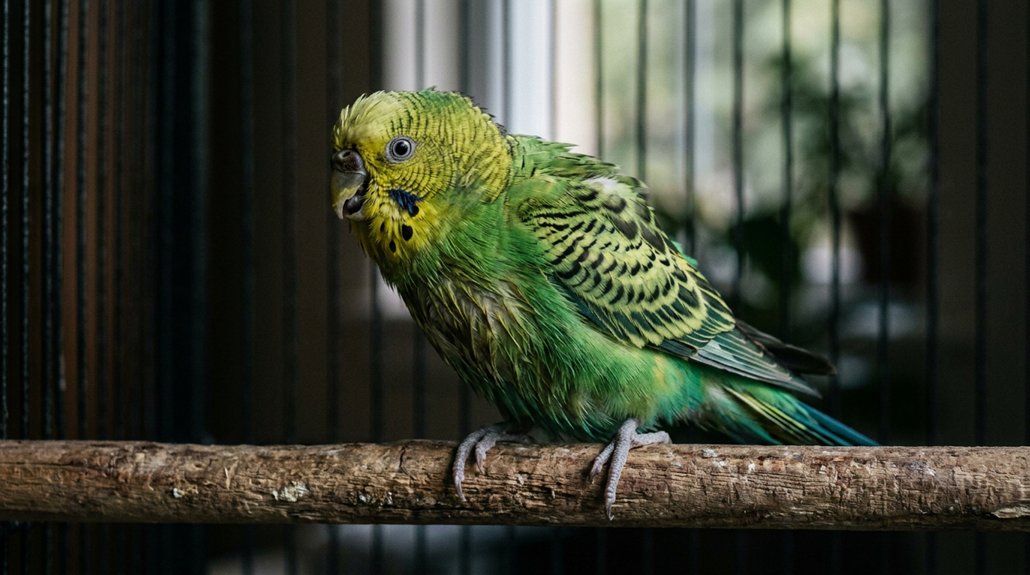
You can tell your bird is stressed or unwell by watching for sudden changes in vocalization, appetite, droppings, posture, or breathing. Silence, sharp screaming, fluffed feathers, lethargy, biting, lunging, or new pacing can signal pain, infection, toxicity, or neurologic disease. Feather picking, bald patches, weight loss, or labored breathing need prompt avian veterinary care. If the signs are subtle now, the pattern can become clearer with a closer look.
Key Takeaways
- Sudden silence, screaming, biting, or lunging can signal stress, pain, illness, or injury and should not be ignored.
- Feather picking, bald patches, bleeding skin, or self-mutilation are urgent signs needing prompt avian veterinary care.
- Reduced appetite, selective eating, weight loss, or changed droppings often indicate underlying illness or chronic stress.
- Labored breathing, tail bobbing, open-mouth breathing, or any discharge are emergencies requiring immediate veterinary attention.
- Keep birds healthy with routine, enrichment, daily social time, proper sleep, and a stable diet and environment.
What Are the First Signs of Bird Stress?
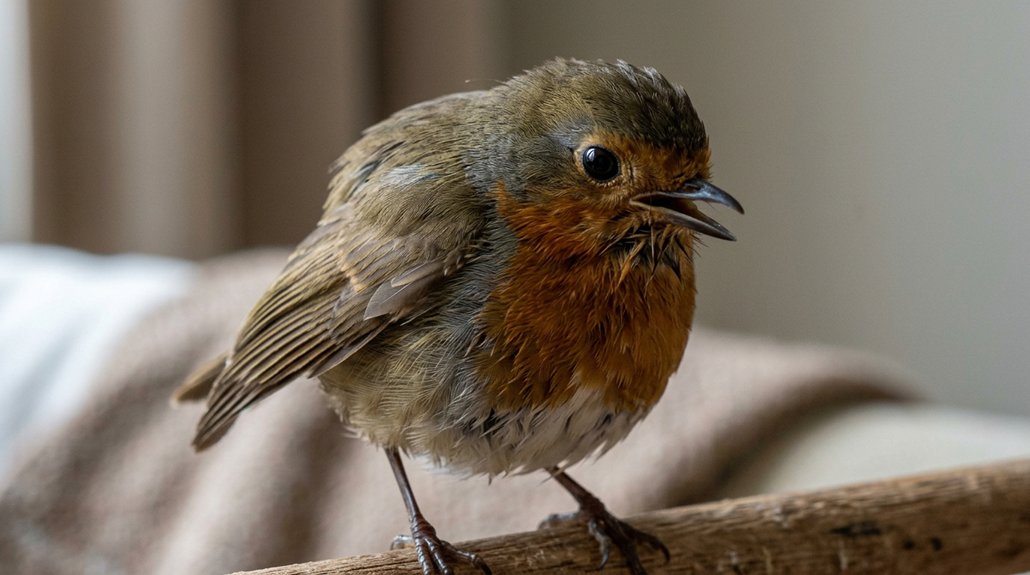
The first signs of bird stress are often subtle but noticeable if you watch closely: a sudden increase in screaming or, conversely, an abrupt drop in usual vocalizations can indicate distress or illness. You may also see vocal changes paired with increased biting, lunging, or avoidance. Watch for early feather damage, including localized plucking, excessive preening, or stress bars on molted feathers, since these can reflect chronic stress or a medical problem. Appetite monitoring matters too: reduced intake, selective eating, or slight weight loss can be early warning signs. New stereotypies, such as pacing, head bobbing, or toe-tapping, and destructive chewing of cage bars or toys can also signal stress. Track these changes objectively and note duration, frequency, and severity for your veterinarian.
Bird Stress Symptoms That Need a Vet Visit
Certain stress behaviors in birds are red flags for pain or illness and shouldn’t be monitored at home for long. If your bird suddenly starts biting or lunging more aggressively, you need an exam to rule out injury or disease. New screaming, sharply increased screeching, or a clear drop in normal vocalization also warrants prompt veterinary evaluation. Persistent feather picking, especially in cockatoos, African greys, Eclectus, Quakers, and lovebirds, should trigger a full physical exam and blood work. Any self-mutilation, such as chewing skin or digging into muscle, is an emergency. Weight loss, reduced appetite, abnormal droppings, labored breathing, or discharge from the eyes, nose, or mouth need immediate avian care. Also assess environmental toxins and social isolation.
Common Parrot Stress Behaviors
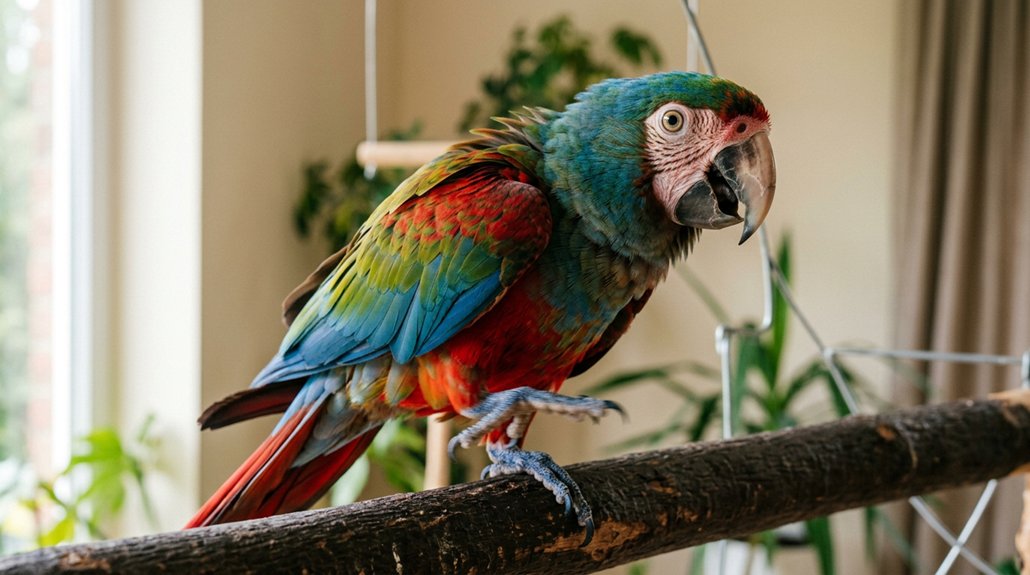
Common parrot stress behaviors often show up as sudden biting, increased feather picking or over-preening, dramatic changes in vocalization, and repetitive actions such as pacing, toe-tapping, head swinging, or rocking. You should note these as clinical signs, not personality shifts. Monitor environmental cues and social signals, because stress can reflect boredom, fear, pain, or chronic disease.
| Behavior | Likely meaning | Action |
|---|---|---|
| Sudden biting | Stress or pain | Arrange a veterinary exam |
| Excessive screaming or silence | Distress | Review housing and handling |
| Pacing or rocking | Chronic stress | Add enrichment and observe |
Excessive chewing of cage bars or toys can also accompany stress. If the behavior is new, persistent, or escalating, you’ll want to reassess management and consider veterinary evaluation promptly.
Feather Picking and Self-Mutilation in Birds
You may notice feather picking as repeated plucking, chewing, or broken feathers, and it’s often linked to chronic stress, boredom, or an underlying medical problem. If you see self-mutilation, such as chewing the skin or digging into deeper tissue, it’s a severe warning sign that needs immediate veterinary evaluation. Your bird should have a full exam and blood work to identify medical causes and guide treatment.
Feather Picking Signs
Feather picking often starts as excessive preening and can progress to visible bald patches, damaged feathers, broken pinfeathers, or irritated skin, especially in cockatoos, African greys, and Eclectus parrots. You may notice altered preening rituals, uneven feather coloration, or repeated attention to one area. If it appears suddenly or worsens quickly, your bird needs an avian veterinary exam with blood work to assess nutritional deficiencies, skin infection, parasites, or pain. Environmental stressors such as loud noise, routine changes, poor sleep, or social isolation can also contribute. You should remove likely triggers and provide foraging toys, daily interaction, and a consistent schedule. Ongoing picking warrants combined medical and behavioral management from an avian vet or behaviorist.
Self-Mutilation Warning
When feather picking escalates from over-preening to bare patches, bloody skin, or repeated chewing at the body, it may signal self-mutilation rather than a grooming problem. You may see this pattern in Eclectus, cockatoos, African greys, quakers, and lovebirds. True self-mutilation means your bird’s damage goes beyond feathers and into skin, muscle, or even bone. Environmental triggers such as boredom, social deprivation, sudden noise, construction, poor sleep, or unresolved pain can start or worsen it, and the behavior can persist after the trigger ends. Watch for sudden worsening, because it isn’t a normal habit. Preventive collars can stop further injury while the underlying cause is addressed. This is a serious warning sign, not a benign phase.
Veterinary Care Needed
Prompt veterinary evaluation is essential if feather picking appears suddenly, persists, or worsens in birds prone to the behavior, including cockatoos, African greys, Eclectus, Quakers, and lovebirds. You should treat self-mutilation as an emergency and seek emergency triage immediately. An avian exam, blood work, and avian diagnostics can rule out infection, metabolic disease, nutritional deficiency, or pain.
| Sign | Action | Goal |
|---|---|---|
| New bald patches | CBC, biochemistry, fecal exam | Identify cause |
| Skin chewing | Wound care, collar | Stop injury |
| Bone exposure | Hospitalization, analgesia | Stabilize bird |
If wounds are infected, antibiotics may be needed. Your avian veterinarian may add short-term psychiatric medication and later rechecks, weight monitoring, enrichment, and behavior modification to reduce recurrence.
What Eating and Weight Changes Mean
Changes in appetite and body weight are among the most important early signs that a parrot may be stressed or unwell. If you notice sudden reduced eating, refusal of favorite foods, overeating, or selective feeding, don’t dismiss it. Use diet monitoring and weight tracking to document patterns objectively. Weight loss, especially if unexplained, warrants prompt veterinary examination. Significant gain or loss can also reflect nutritional imbalance, reproductive disease, chronic stress, pain, or gastrointestinal illness. You should weigh your bird daily or weekly, depending on species and risk, because small changes can be clinically important. Check droppings at the same time; altered consistency, color, or frequency alongside appetite or weight changes is a significant diagnostic clue. Early detection improves assessment and treatment.
Why Birds Get Stressed at Home
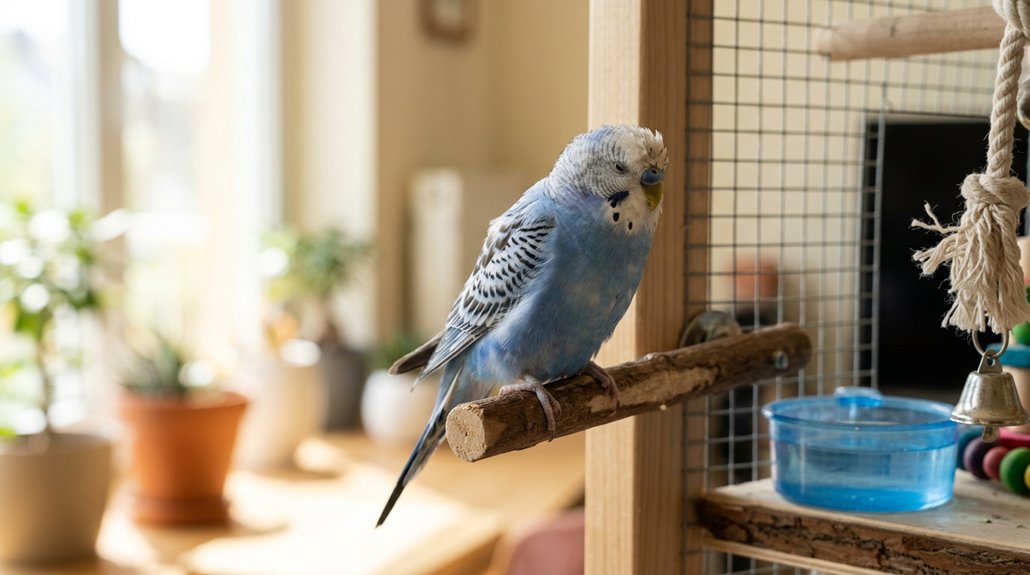
At home, stress in birds often starts with everyday environmental and social disruptions. If you keep a highly social bird, lack of social enrichment can cause boredom, isolation, feather picking, or stereotypies. Sudden changes—moving the cage, new people or pets, household construction, or loud noise sources—can trigger immediate screaming, biting, or withdrawal. Birds also react to disrupted lighting cycles, inadequate natural light, or shortened sleep, which can disturb circadian rhythms and contribute to chronic stress. Nutritional imbalance or abrupt diet changes may cause irritability and feather-plucking. Pain from injury, poor wing or nail trims, or illness can present as altered appetite, reduced vocalization, or increased aggression. Even perceived domestic predators, such as unfamiliar animals, may provoke a stress response and heighten vigilance.
How to Prevent Stress in Pet Birds
You can reduce stress in your bird by providing daily out-of-cage time and at least 30–60 minutes of interactive socialization or training, which helps prevent boredom and stress-related behavior. You should also maintain a consistent feeding, lighting, and sleep routine, with about 10–12 hours of darkness each night, and avoid sudden environmental changes. Regular enrichment, a stable schedule, and prompt attention to new behavior changes can support both mental and physical health.
Daily Enrichment And Play
Daily enrichment is essential for preventing stress-related behaviors in pet birds, including feather picking, screaming, and pacing. You should provide 2–3 hours of supervised out-of-cage time each day, with outdoor supervision only when conditions are safe. Rotate toys weekly, including interactive swings, to maintain novelty and reduce boredom.
- Offer puzzle toys, shreddable materials, and foraging feeders so your bird works for food instead of idling.
- Schedule 5–15 minute training or social sessions several times daily; positive reinforcement strengthens your bond and reduces attention-seeking stress.
- Provide varied perches, bathing or misting, and safe visual or auditory stimulation when alone to limit stereotypies and self-directed harm.
Consistent enrichment supports normal activity, improves welfare, and helps you detect behavioral changes sooner.
Consistent Routine And Care
Beyond enrichment and play, a steady routine is one of the most effective ways to lower stress in pet birds. You should feed, out-of-cage time, and bedtime at the same times daily; this consistent feeding reduces hunger-related agitation and supports stable behavior. Use a pellet-based diet with fresh produce and limited seeds. Protect sleep hygiene by providing 10–12 hours of uninterrupted darkness for most parrots. Keep the cage clean, correctly sized, and stocked with fresh water; rotate toys regularly and add new foraging items every 1–2 weeks. Avoid sudden changes in cage location, covers, or household activity. Move the cage gradually and prepare your bird for guests or construction. Schedule regular weigh-ins and annual avian exams, and seek prompt veterinary care for any appetite or behavior change.
When Bird Stress Is Actually Illness
Not every change in a bird’s behavior is stress-related; sudden silence, a sharp increase in screaming, persistent appetite loss, weight loss, altered droppings, new feather picking, or signs of respiratory distress can all indicate illness rather than anxiety. You should treat these as diagnostic signs of medical causes, not simple behavior shifts.
- Vocal changes, lethargy, fluffed posture, or aggression can reflect pain, infection, injury, toxicity, or neurological disease.
- Persistent anorexia, weight loss, or droppings that look different in color, consistency, or frequency need prompt physical examination and blood tests.
- Labored breathing, tail bobbing, open-mouth breathing, wheezes, or discharge are emergencies, and rapid feather picking with redness or bleeding also needs avian veterinary assessment.
How to Keep Your Bird Healthy Long Term
Long-term bird health depends on routine monitoring, species-appropriate nutrition, and stable husbandry. You should weigh your bird weekly; a 5–10% loss can signal illness or chronic stress and needs veterinary evaluation. For long term nutrition, use formulated pellets as the diet base, making up 50–80% of intake for many parrots, then add fresh vegetables, limited fruit, and occasional protein to reduce deficiency risk, feather picking, and lethargy. Maintain environmental monitoring by providing 10–12+ hours of uninterrupted dark sleep, consistent light cycles, and natural or full-spectrum light. Give daily out-of-cage time, foraging opportunities, destroyable toys, and social contact. Schedule annual avian exams, or twice yearly for older or high-risk birds, and seek prompt blood work if behavior or appetite changes.
Frequently Asked Questions
What Is the 3-3-3 Rule for Birds?
You’re using the 3-3-3 rule: 3 days for shock, 3 weeks for routine adjustment, and 3 months for full acclimation. After post adoption or flight training, monitor eating, behavior, weight, and breathing closely.
What Are Two Signs That a Bird Might Be Sick or Stressed?
Two signs you might notice are behavior changes, like unusual aggression or quietness, and appetite loss, including reduced eating or weight loss. You’ll want a veterinarian to check these promptly, since they can indicate illness.
What Are 5 Warning Signs of Stress?
Five warning signs are sudden biting, Feather plucking, big vocal changes, Appetite loss, stereotypic pacing, and excessive chewing. If you notice these, you should have your bird examined promptly, because stress or illness can worsen quickly.
What Are Signs of Stress in a Bird?
You might think it’s just a mood shift, but signs of stress in your bird include behavior changes, feather picking, reduced vocalization, aggression, pacing, bar chewing, appetite loss, and altered droppings; you’ll want veterinary assessment.
Conclusion
If your bird seems withdrawn, fluffed, quiet, or changes appetite or weight, treat it as a signal, not a mood. Stress can be the first whisper of illness, like a small crack in glass before it spreads. By watching behavior closely, reducing triggers, and seeking veterinary care early, you give your bird the best chance to recover. Consistent observation and prompt action help keep your bird safe, healthy, and resilient over time.