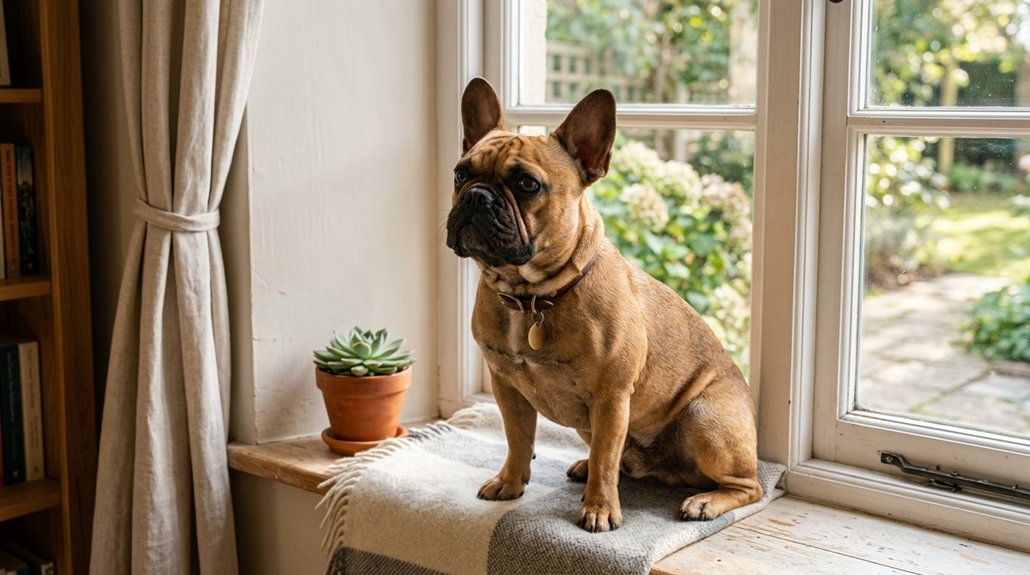
French Bulldogs, often called “velcro dogs,” are highly affectionate and attuned to human emotions. To guarantee their well-being, adhere to strict nutrition, provide 30-60 minutes of exercise, and engage in consistent grooming. Use positive reinforcement for training and initiate socialization at 8-12 weeks for better adaptability. Be vigilant about health issues like BOAS and obesity with regular vet visits. By following these guidelines, you’ll nurture a loyal, well-adjusted companion enthusiastic to thrive in your care.
Key Takeaways
- French Bulldogs are affectionate “velcro dogs” highly sensitive to human emotions and thrive on interaction.
- Maintain a balanced diet and portion control to prevent obesity and ensure ideal weight.
- Use positive reinforcement and consistent short training sessions for effective learning and behavior management.
- Early socialization from 8-12 weeks includes exposure to various people, pets, and environments.
- Monitor health concerns like breathing issues and obesity with regular vet check-ups and proper care.
The Affectionate Nature of French Bulldogs
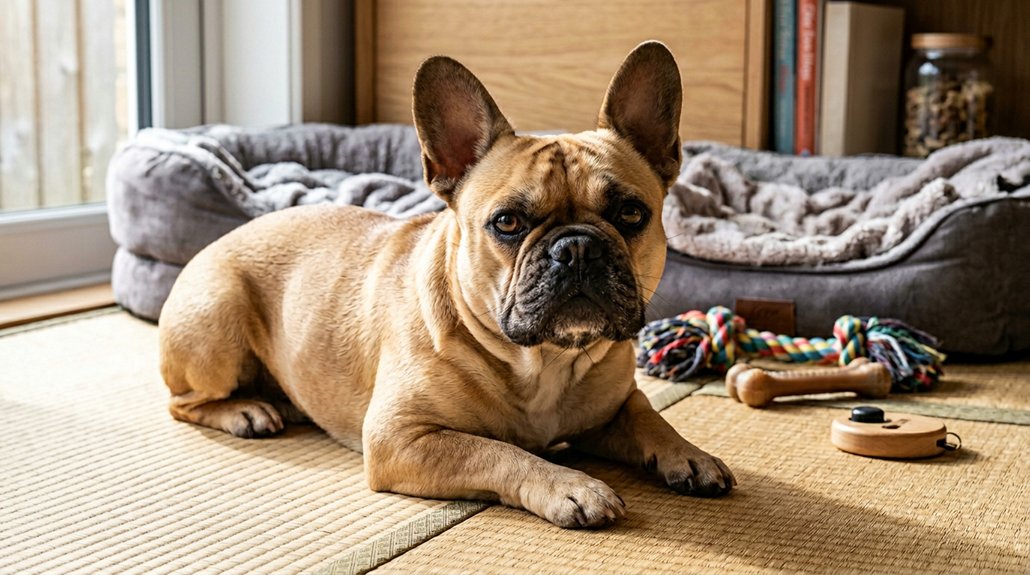
Though known for their compact stature, French Bulldogs exhibit a remarkable level of affection, earning the moniker “velcro dogs” due to their habit of closely shadowing their primary caregivers. This behavior underscores their inherent sensitivity awareness, where they intuitively respond to your emotional states and body language. As these dogs thrive on human interaction, their capacity for providing emotional support makes them ideal companions, especially for those requiring a consistently affectionate presence.
Their loyalty, combined with an astute perception of their environment, necessitates the need for a calm, stable home. This emotional intelligence facilitates their role as family pets, where early socialization with children and other animals further enhances their adaptability. Ultimately, their unique temperament fosters both companionship and laughter in diverse family settings.
Daily Care Tips for French Bulldogs
Recognizing the affectionate nature of French Bulldogs is key to guaranteeing their daily care needs are met effectively. Follow strict nutrition guidelines by providing a balanced diet to prevent obesity-related concerns. Regularly monitor portion sizes during each meal to maintain ideal weight. Incorporate exercise routines of 30-60 minutes daily to support their emotional well-being and physical health, focusing on activities that nurture their playful nature. Essential grooming includes weekly brushing and cleaning of facial folds to prevent infections. Be attentive to their need for human interaction and make sure they receive ample attention and playtime. Additionally, continue socialization with varied environments and interactions to build their confidence, while maintaining consistent potty training to reinforce proper behavior.
Training Techniques for French Bulldogs
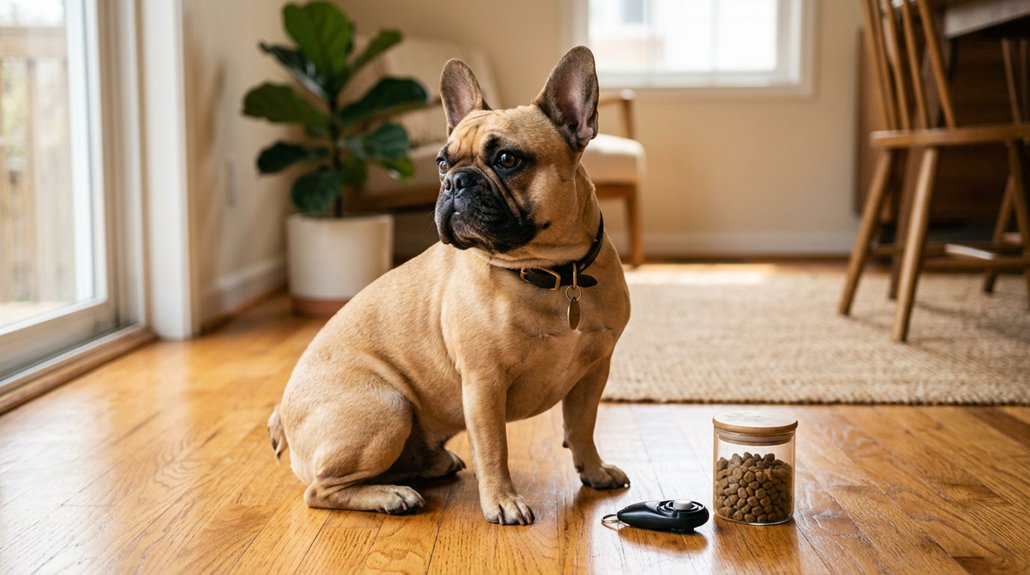
When training French Bulldogs, employing positive reinforcement strategies is paramount to success, fostering an effective learning environment and strengthening the bond between you and your pet. Reward desired behaviors immediately using treats or praise to reinforce the connection between commands and responses. Given their independent nature, consistency is vital; establish regular training sessions, keeping them short—5 to 10 minutes multiple times a day—to maintain focus and motivation. Early training, starting between 8-12 weeks, is essential in mitigating potential behavioral issues and in nurturing the dog’s confidence. Set a stable routine for command and potty training, ensuring clarity and reliability. Such consistency not only streamlines learning but also prevents confusion, encouraging the development of dependable habits over time.
How to Socialize Your French Bulldog Puppy Effectively
Initiating the socialization process for your French Bulldog puppy is essential between the ages of 8-12 weeks to guarantee a well-adjusted adult dog. Early puppy exposure to diverse people, pets, environments, and sounds reinforces confidence and adaptability while preventing future fearfulness or aggression. Employ socialization techniques using positive reinforcement, offering treats and praise, to reward calm behavior during new experiences. Gradually introduce more complex social interactions as your puppy matures, making sure each encounter remains positive and stress-free. Consistent, gentle efforts in socialization greatly enhance your puppy’s ability to cope with changes throughout their life. This methodical approach ensures your French Bulldog grows into a stable, emotionally secure adult, proficient in handling new stimuli with grace and resilience.
Early Health Concerns for French Bulldogs
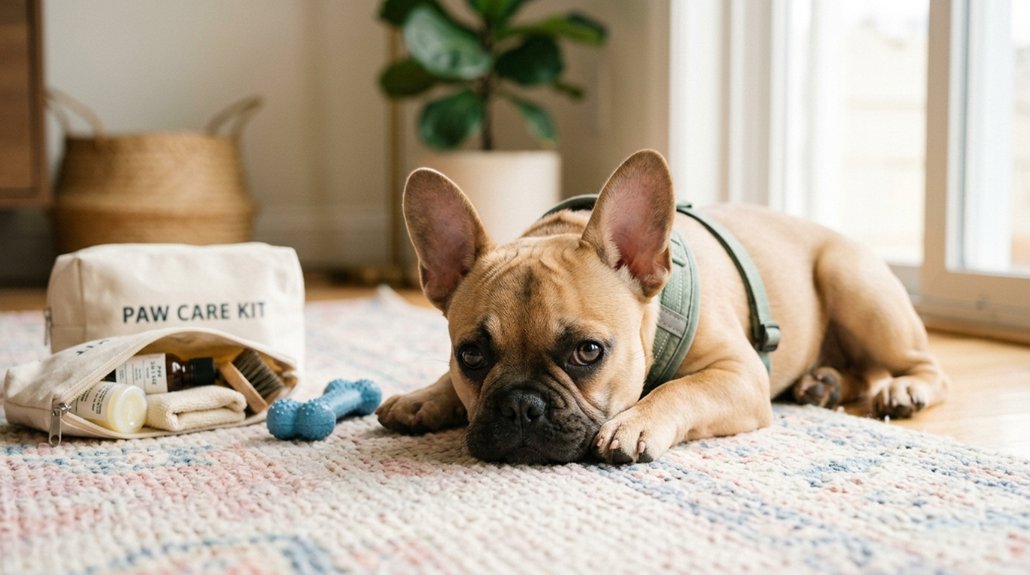
Although French Bulldogs are beloved for their charming appearance, their unique physical traits predispose them to specific health issues that require vigilant care. These dogs often face breathing difficulties due to brachycephalic obstructive airway syndrome (BOAS), a condition exacerbated by their short muzzles. Obesity management is essential, given their compact, muscular build, which predisposes them to weight-related health problems. Regular veterinary check-ups are critical to monitor for hip dysplasia and intervertebral disc disease (IVDD).
| Health Concern | Management Strategy |
|---|---|
| Breathing Difficulties | Monitor temperature, avoid stress |
| BOAS | Surgical intervention if needed |
| Hip Dysplasia | Monitor mobility, provide joint care |
| IVDD | Avoid jumping, provide supportive bedding |
| Obesity Management | Balanced diet, regular exercise |
Selecting ethical breeders guarantees fewer hereditary issues, supporting a healthier French Bulldog lineage.
Grooming Essentials for Your French Bulldog
To maintain the well-being of your French Bulldog beyond addressing health concerns like BOAS or hip dysplasia, proper grooming is indispensable. Employing the right grooming tools is crucial to efficiently manage their unique needs. Here’s your grooming checklist:
Proper grooming is key to a healthy French Bulldog; use the right tools for their unique needs.
- Weekly Brushing: Use a soft-bristle brush to remove loose hair and focus on cleaning skin folds, reducing the risk of infection.
- Bath Frequency: Limit baths to when absolutely necessary, employing gentle products to safeguard their skin’s natural oils.
- Dental Care: Implement daily tooth brushing with dog-specific toothpaste and offer large raw bones for additional cleaning.
- Hygiene Maintenance: Regular nail trimming and ear cleaning prevent overgrowth and infections.
Stay vigilant for skin irritations or allergies due to their common dermatological susceptibilities.
How to Bond With Your French Bulldog
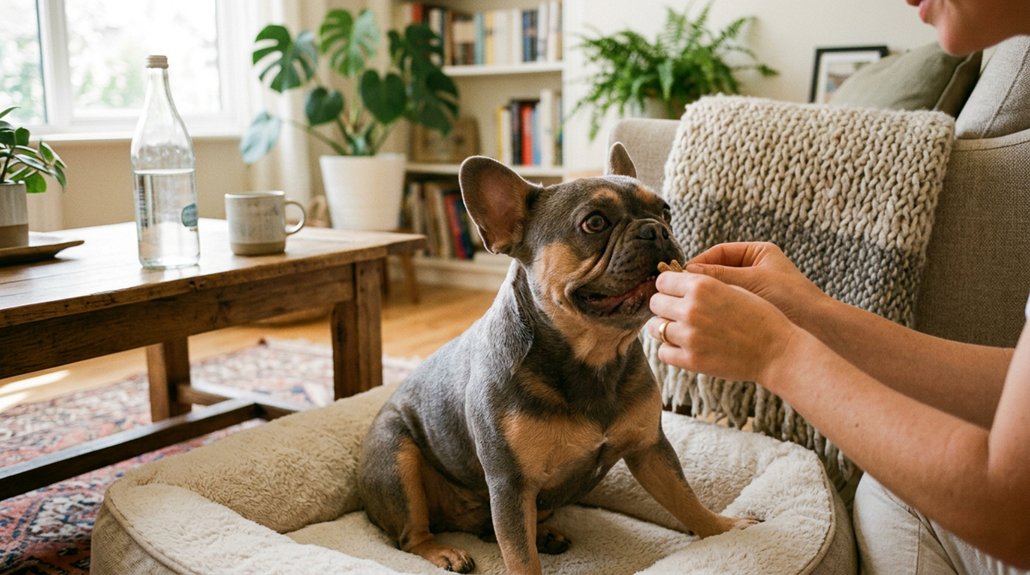
Forging a bond with your French Bulldog requires consistent engagement and sensitivity to their affectionate nature. Known as “velcro dogs,” they thrive on companionship. Engage in daily play activities, dedicating 30-60 minutes to exercise, which facilitates energy release and trust building. It’s essential to handle your French Bulldog gently and consistently in the early weeks. Touching areas like their ears, paws, and tail builds comfort, reducing anxiety and fostering trust. Early socialization exposes your dog to varied environments, people, and other pets, essential for creating a confident, well-adjusted adult. Employ positive reinforcement strategies during training sessions; praise and treats for good behavior fortify the emotional connection, as they foster a reinforced desire in your puppy to please.
Frequently Asked Questions
How Much Exercise Does a French Bulldog Need Daily?
Your French Bulldog needs 30 to 60 minutes of daily exercise. Incorporate varied outdoor activities into their routine, like short walks and gentle play. Monitor exertion levels to prevent overheating; these routines guarantee balanced energy and health.
Are French Bulldogs Suitable for Apartment Living?
Imagine a quiet, cozy apartment; French Bulldogs adapt perfectly. Their moderate noise levels and limited space requirements make them ideal for apartment living. You’ll enjoy a serene environment, knowing your pet’s content with the space available.
Can French Bulldogs Be Left Alone for Long Periods?
French Bulldogs shouldn’t be left alone for long periods due to their tendency for separation anxiety. To prevent boredom, guarantee cognitive stimulation by providing interactive toys and consider hiring a pet sitter or dog walker for breaks.
What Is the Average Lifespan of a French Bulldog?
You can expect a French Bulldog’s lifespan to average 10 to 14 years. Health factors and breed genetics can influence longevity, so maintain regular vet check-ups and consider genetic predispositions when evaluating potential health risks.
Do French Bulldogs Get Along With Other Pets?
Immerse your French Bulldog in socialization and watch friendship bloom like a garden. Their temperament’s generally friendly, allowing them to get along with other pets when properly socialized. Regular interaction is key for harmonious relationships.
Conclusion
Steering through the world of French bulldogs is akin to crafting a symphony, where each note, from their affectionate temperament to their unique care needs, composes a harmonious relationship. By adhering to tailored training techniques and essential grooming rituals, you’ll guarantee their health sings. Attentive socialization and bonding form the crescendo of companionship. A well-cared-for Frenchie is indeed a masterpiece, echoing loyalty and love. Your dedication writes the score for a rewarding journey together.