Did you just bring home a tiny, wobbly kitten and now feel a little panicked about what happens next?
That’s such a normal feeling. Your new kitten’s immune system is still a work in progress, and it needs backup against serious diseases like feline panleukopenia, calicivirus, and feline herpesvirus during those first few weeks home.
The good news? Once you know the schedule, this part gets easy.
I’ll walk you through the exact vaccine timeline, deworming schedule, grooming basics, and warning signs of illness you need to watch for. Grab a cup of coffee, and let’s go through it together so you can become your kitten’s biggest health champion.
Key Takeaways
- Your kitten needs core FVRCP vaccine at 6-8 weeks, booster shots every 3-4 weeks, and rabies vaccine by 12 weeks for disease protection.
- Deworming starts at 2 weeks of age, repeats every two weeks until 8 weeks old, and fecal testing confirms parasites at 8, 12, and 16 weeks.
- Schedule your first vet visit within 7-14 days after adoption, then maintain regular wellness exams to catch health issues early before they become serious.
- Lethargy lasting more than 24 hours, refusal to eat for over 24 hours, or persistent vomiting demands immediate emergency veterinary care without delay.
- Regular nail trimming, gentle brushing with soft tools, and coat checks during grooming prevent overgrowth, matting, and early detection of skin parasites or abnormalities.
Kitten Vaccination Schedule
Your kitten needs shots to fight off serious diseases. Your veterinarian will map out the perfect schedule for your new furry friend, and getting these vaccines on time gives your kitten the best shot at staying healthy and strong.
One thing worth planning for early: according to 2026 veterinary pricing data, the average first-year vaccination cost for a kitten in the US runs between $150 and $350. That number usually covers the physical exams plus all three core vaccine doses, so budgeting for it now means you won’t feel tempted to skip a dose later.
What vaccines does my kitten need at 6-8 weeks?
Your kitten’s first veterinary visit at six to eight weeks marks the start of core vaccines that protect against serious infectious diseases. Based on the latest Feline Vaccination Guidelines from the American Association of Feline Practitioners (AAFP), the FVRCP shot is labeled a “core” vaccine, meaning it’s medically required for every cat, indoor or outdoor.
This single shot guards against three viral infections. Feline herpesvirus causes respiratory problems, calicivirus triggers oral and respiratory disease, and panleukopenia attacks the gastrointestinal system with a high fatality rate.
Timing matters here. Maternal antibodies, which your kitten inherited from its mother, start to fade between six and sixteen weeks of age.
Your vet gives the first vaccine during this window, right when your kitten’s natural protection drops and it becomes vulnerable to infectious disease.
Initial deworming also happens at this first visit, since roundworms and hookworms commonly affect young kittens. The vet runs a fecal test to check for internal parasites and picks the right treatment.
“A healthy kitten is a happy kitten, and prevention is the best medicine.”
Booster shots follow the initial vaccination, so ask your vet about scheduling the next appointment to keep that protection going.
When should my kitten get booster shots and FeLV vaccine?
After your kitten gets its initial vaccines at 6 to 8 weeks, the real work begins with boosters. Your vet spaces these out every 3 to 4 weeks to match your kitten’s developing immune system as maternal immunity fades.
At 9 to 12 weeks, your kitten gets a second FVRCP booster and the FeLV vaccine if your vet recommends it. By 12 weeks, your kitten typically gets the FVRCP booster, the FeLV vaccine, and the rabies vaccine, which most US states legally require.
Here’s something a lot of new owners get wrong: the American Association of Feline Practitioners currently recommends the FeLV vaccine for all kittens up to one year old, even ones who will stay strictly indoors. Young kittens have such immature immune systems that a single accidental escape out an open door could expose them to the virus.
Feline leukemia virus can weaken your kitten’s immune system and lead to cancer or chronic illness, which is why this shot matters even for a couch potato in training.
Real-world scheduling doesn’t always go perfectly, even for owners who try hard to follow the timeline. In one review of 30 kittens tracked from intake through 16 weeks, most started their vaccine series on time and got their boosters at the right 3 to 4 week intervals.
But nearly a quarter had delays of two or more weeks because of scheduling conflicts or missed appointments. Those gaps leave kittens exposed during a critical window, so confirming appointment dates ahead of time and marking your calendar really does help.
Your vet personalizes this whole plan around your kitten’s age, lifestyle, and any prior shots. Spacing boosters properly gives your kitten’s body time to build strong immunity without overwhelming a still-developing system.
What vaccines are required at 16 weeks?
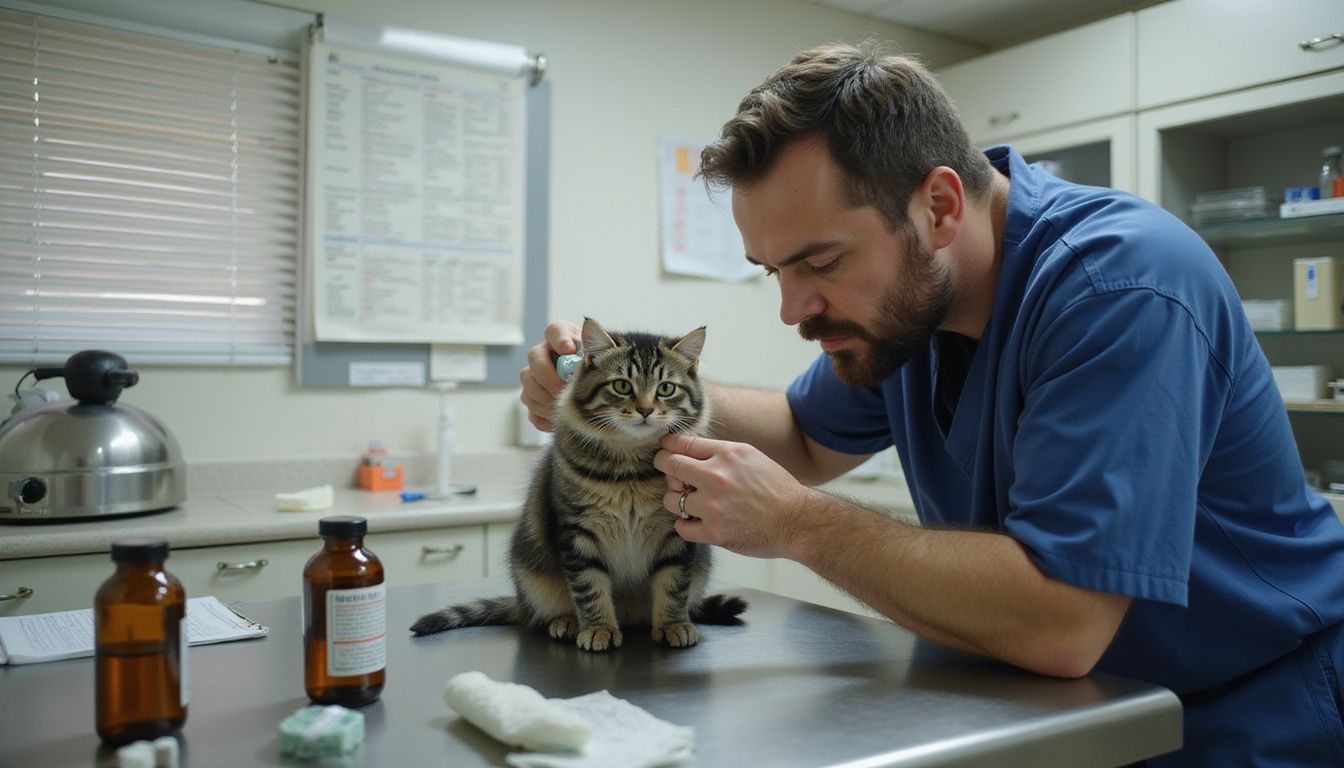
Your kitten’s 16-week appointment marks the final stretch of the core vaccination series. Your vet gives the final FVRCP booster, which protects against feline viral rhinotracheitis, feline calicivirus, and panleukopenia.
If your kitten hasn’t gotten the rabies vaccine yet, this is the visit for it. That shot matters for public safety too, and it’s legally required across most of the US.
Your vet may also suggest a final FeLV booster if your kitten tested positive for exposure or if your lifestyle puts your cat at risk.
Finishing this series by 16 weeks sets your kitten up for a strong start as an adult cat. Here’s what the adult schedule typically looks like:
| Vaccine | Adult Frequency |
|---|---|
| FVRCP | Every 3 years |
| Rabies | Every 3 years |
| FeLV (at-risk cats) | Annually |
Your vet may adjust this timing based on any vaccines your kitten got before adoption, so bring those records to your appointment. This final booster protects indoor cats too, since viruses can slip inside through an open door or hitch a ride on your clothes.
Why Deworming and Fecal Testing Matter for Your Kitten
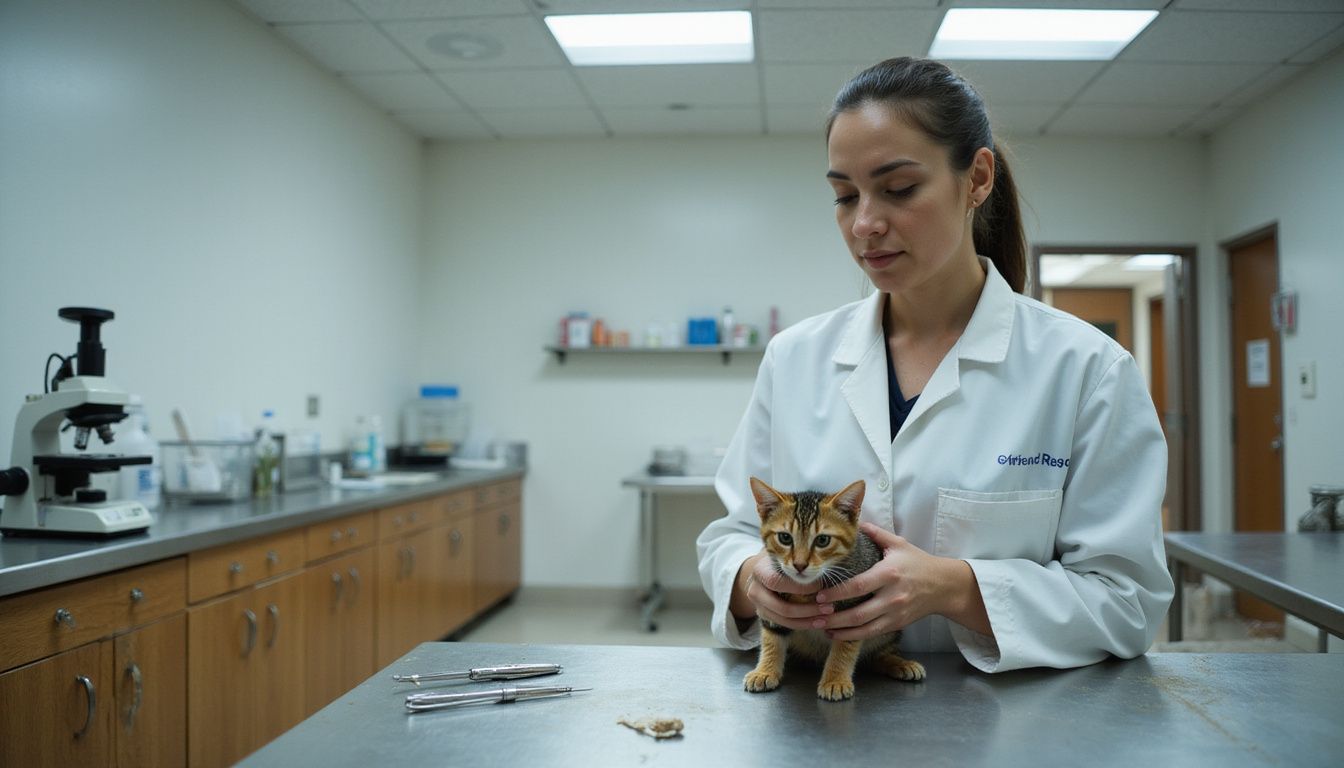
Nearly every kitten arrives in this world carrying internal parasites, or picks them up within days of birth. Roundworms and hookworms are the usual culprits, and they act like tiny thieves stealing nutrients straight from your kitten’s gut.
These parasites weaken the immune system at exactly the wrong time, when your new pet needs all the strength it can get. Watch for a bloated abdomen, poor weight gain, diarrhea, or even visible worms in the litter box.
The Deworming Timeline
According to guidelines from the Companion Animal Parasite Council (CAPC), deworming should start at just 2 weeks of age. From there, you’ll repeat it every two weeks until your kitten reaches 8 weeks old, then continue on your vet’s recommended follow-up schedule through 12 weeks.
This aggressive early schedule tackles parasites before they cause real damage, and the American Veterinary Medical Association backs this approach because it simply works. Skipping deworming leaves your kitten open to malnutrition and stunted growth.
How Fecal Testing Fills in the Gaps
Fecal testing is the detective work that pinpoints exactly which parasites your kitten has. A fecal test checks for roundworms, hookworms, coccidia, and giardia, giving you the full picture instead of a guess.
Many infected kittens show zero outward symptoms, so testing is the only way to know for sure. Schedule fecal tests at these three checkpoints:
- 8 weeks of age
- 12 weeks of age
- 16 weeks of age
- Then annually during wellness exams going forward
Testing more than once really does pay off. In one small foster network, 24 fecal samples were collected from kittens at 8, 12, and 16 weeks.
More than half of those samples tested positive at least once for roundworms or coccidia, and several kittens needed a second, targeted round of deworming after follow-up testing caught infections the first treatment missed. A single negative test doesn’t guarantee your kitten stays parasite-free through the whole growth period, which is exactly why the three-checkpoint approach exists.
Think of fecal testing as your kitten’s health insurance. It catches trouble before it spirals into something bigger.
How Often Should I Take My Kitten for Vet Visits and Wellness Exams?
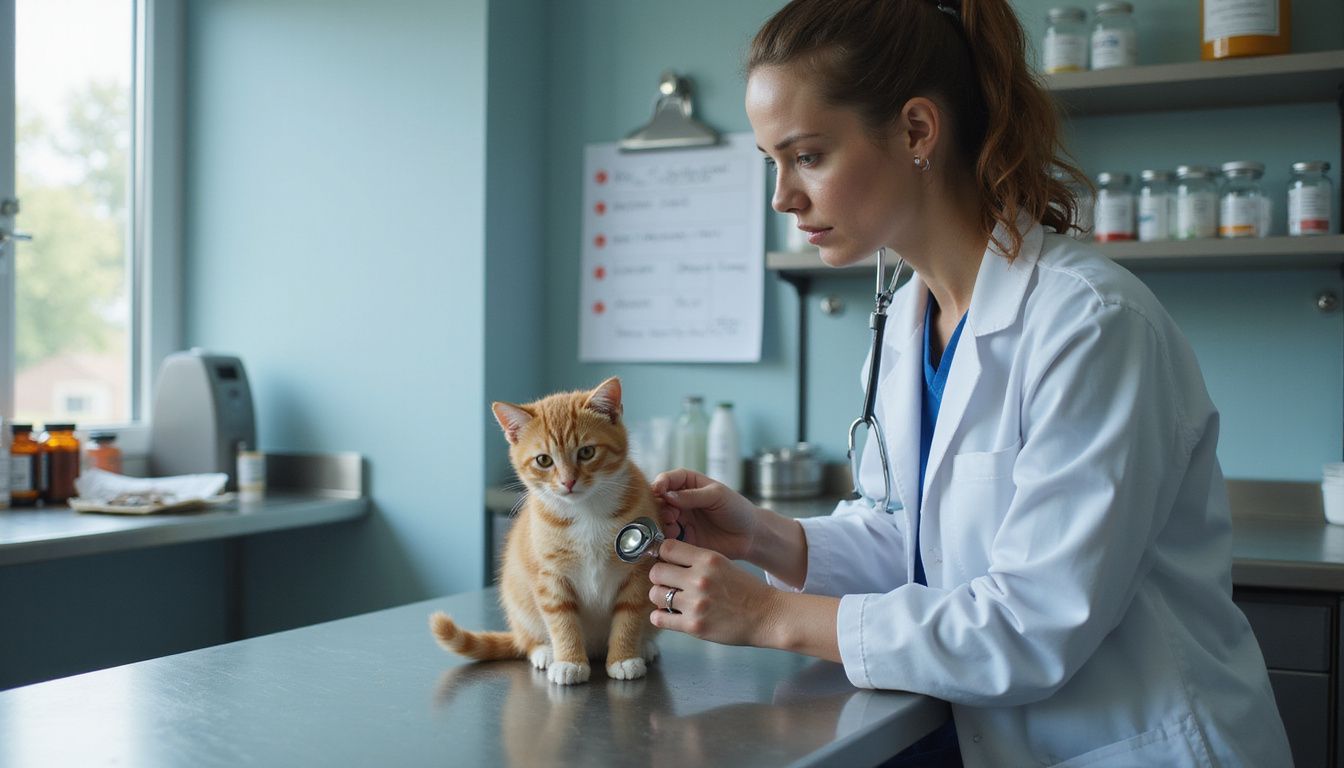
Now that deworming and fecal testing are on your radar, your kitten needs consistent vet visits to stay on track. Schedule that first appointment within seven to fourteen days after adoption.
This early exam runs about thirty to forty-five minutes and focuses on gathering information for a complete health picture. Your vet will ask about behavior, diet, and anything you’ve noticed that seems off.
Catching issues in that first week or two, while treatment is still easy and effective, makes a real difference down the road.
Once the initial kitten series wraps up, regular wellness exams stay important for your cat’s whole life. These check-ups catch dental disease, kidney problems, thyroid changes, and weight issues while they’re still manageable.
A consistent vet who knows your cat’s baseline behavior tends to spot small changes faster. Based on recent demographic and economic data from the American Veterinary Medical Association (AVMA), the national average cost for a routine feline vet visit runs around $138, though your actual price depends on your region and clinic.
Knowing that number ahead of time helps you plan for a lifetime of preventive care instead of getting surprised at the front desk. These appointments catch problems early, which saves your kitten from pain and saves you from a much pricier emergency bill later.
Basic Grooming Tips for Kittens
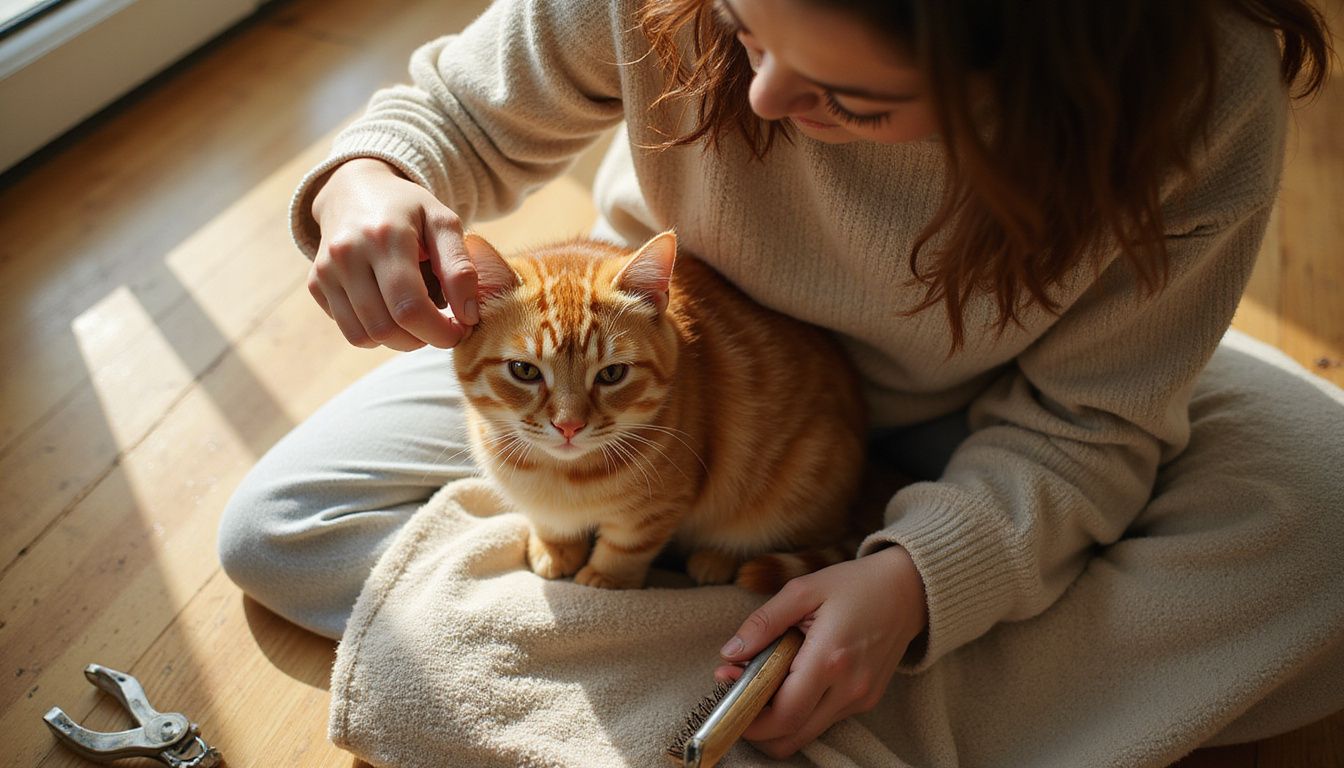
Your kitten’s grooming routine starts early and builds good habits that last a lifetime. Regular brushing, nail trimming, and coat care keep your kitten healthy, comfortable, and bonded to you.
How do I trim my kitten’s nails safely?

Nail trimming keeps your kitten comfortable and protects your furniture from scratches. Learning this skill now prevents overgrowth and cuts down on injury risk for both your kitten and your couch.
- Handle your kitten’s paws regularly so they get used to touch before you ever pick up a clipper.
- Pick calm moments, like right after meals, when your kitten feels relaxed and cooperative.
- Use real cat nail clippers. Dull or wrong tools can split nails or cause pain.
- Try a hard-sided carrier lined with soft towels to keep your kitten still and contained during trims.
- Hold the paw gently and press the pad to extend each nail for a clean, safe angle.
- Trim only the clear or white tip. Never cut into the pink quick underneath.
A little handling practice before you start trimming makes a huge difference. One small group of owners tried a simple three-week routine: daily three-minute paw sessions paired with treats or praise.
Before that training, only three out of ten owners could trim all four paws in one sitting without a struggle. After three weeks of gentle handling, eight out of ten kittens tolerated a full trim calmly, and average session time dropped from nine minutes down to four.
That’s the kind of trick I love sharing with new owners. A little patience upfront turns nail trims from a wrestling match into a quick, easy routine.
What is the best way to brush and care for my kitten’s coat?

Your kitten’s coat needs regular brushing to stay healthy and soft. Starting early helps your kitten get comfortable with handling, and it doubles as great bonding time.
- Pick a soft-bristled brush or grooming glove made for kittens. Harsh tools can hurt delicate skin.
- Brush gently in the direction of hair growth, moving slowly to avoid tugging on tangles.
- Pair brushing with treats or praise so it feels like playtime, not a chore.
- Check the skin underneath for fleas, ticks, or odd bumps while you brush.
- Brush longhaired breeds more often to prevent matting.
Regular brushing also helps reduce shedding around your house and spreads natural oils through the coat for that healthy shine. Ask your vet about grooming routines suited to your kitten’s specific coat type during your next wellness exam.
What Are Common Signs of Illness in Kittens?

Your kitten might show illness through changes in behavior, appetite, or bathroom habits. Spotting these red flags early gets your new pet veterinary care before small problems turn into big ones.
How can I tell if my kitten is lethargic or not eating enough?

Spotting lethargy takes close attention, but the signs are usually pretty clear. A healthy kitten bounces around, pounces on toys, and pokes its nose into everything.
If your kitten sleeps more than usual, seems slow to respond to play, or just lies around uninterested, something might be off. Extreme lethargy or collapse needs immediate vet attention, so don’t wait if your kitten seems unusually weak or unresponsive.
Refusal to eat for more than 24 hours is a warning sign that needs urgent attention. Here’s why that matters so much: according to emergency veterinary protocols, kittens don’t have the fat or energy reserves adult cats do, so a complete refusal to eat can trigger life-threatening hypoglycemia, or dangerously low blood sugar, within just 12 to 24 hours.
That’s a fast timeline. A kitten that normally devours its food but suddenly ignores the bowl is telling you something is wrong, and it’s not something to wait out.
Watch for decreased water intake too, since dehydration often shows up alongside eating problems. If your kitten seems tired and won’t eat, call your vet right away rather than hoping it passes on its own.
What should I do if my kitten is vomiting or has diarrhea?
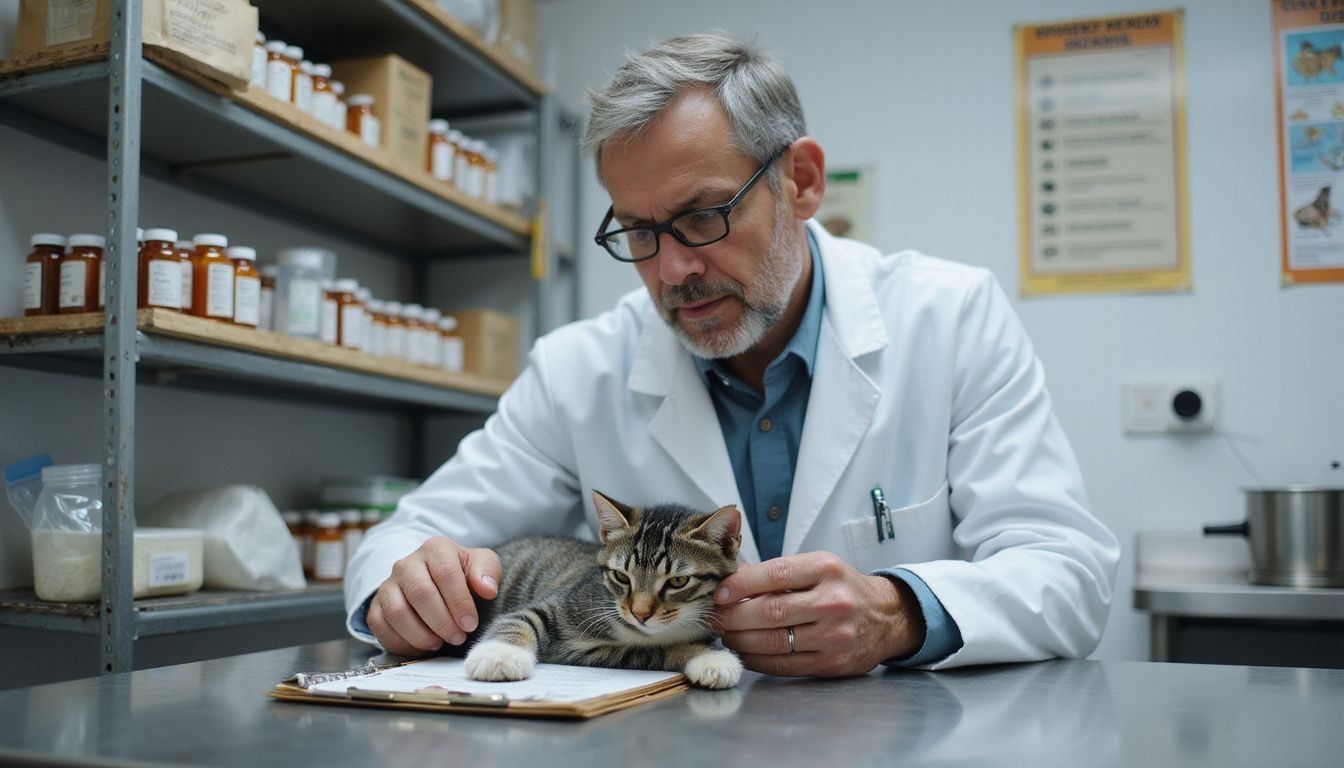
Vomiting or diarrhea in your kitten signals something needs attention now. Parasites often cause gastrointestinal symptoms like these, so a fecal test becomes your first line of defense.
Your vet examines a stool sample to check for parasites as the cause. If symptoms persist for more than 24 hours, call your vet without delay, since delays can lead to a rapid health decline in young kittens.
Mild soreness at the injection site is normal after a vaccine, but ongoing vomiting or diarrhea is not. Don’t brush those signs aside.
Quick testing and follow-up really can stop a mild illness from turning into an emergency. In one case, an eight-week-old foster kitten developed diarrhea along with mild lethargy.
The owner brought the kitten in fast, and an initial fecal test found giardia as the cause. After targeted treatment and a 72-hour hydration check, the kitten’s appetite came back and weight gain resumed within days, and a follow-up test two weeks later came back negative.
That’s a great example of how prompt testing and a clear plan stop digestive issues before they spiral. Keep your kitten hydrated in the meantime, offer small meals, and avoid switching foods suddenly while you wait for guidance.
When Should I Seek Emergency Veterinary Care for My Kitten?
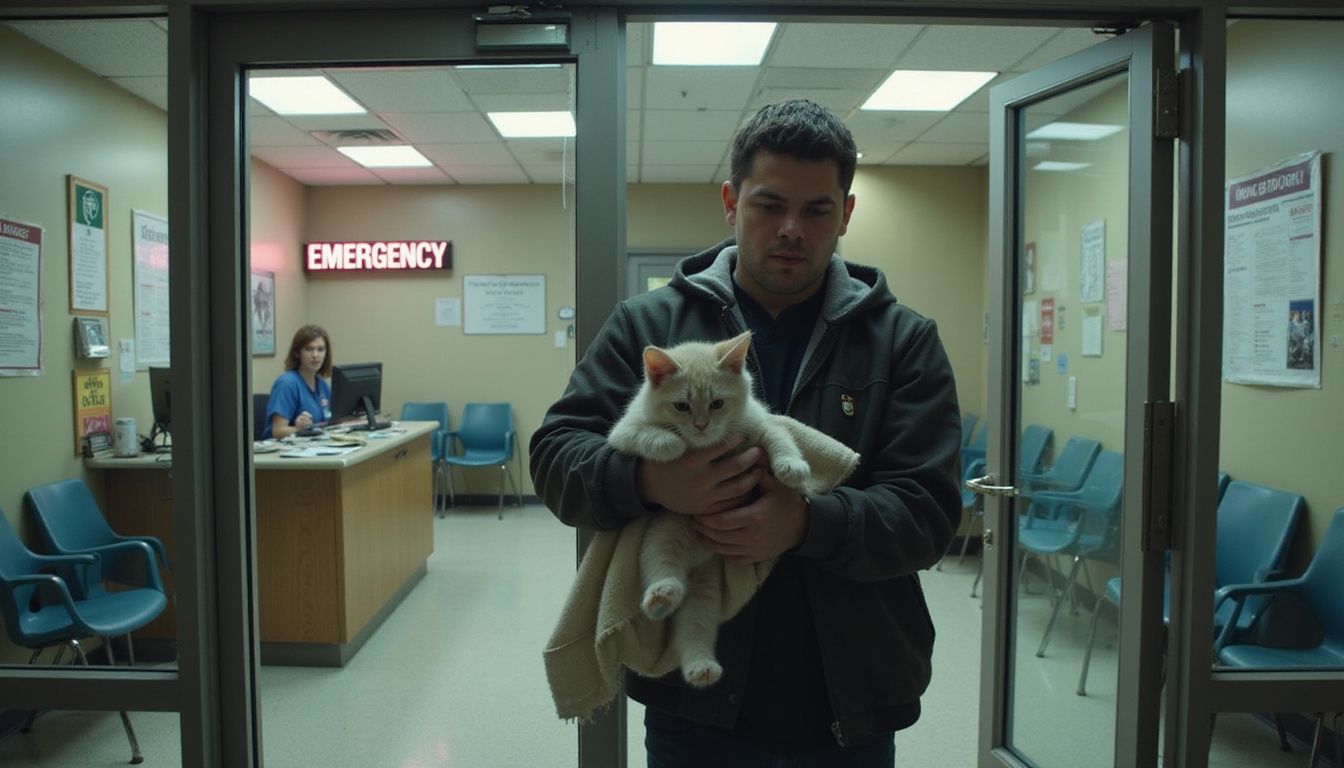
Your kitten can go downhill fast when illness strikes, so quick action matters. Here’s the list of symptoms that mean stop what you’re doing and call an emergency vet:
- Refusing food for more than 24 hours, since kittens burn through energy fast and starvation damages organs quickly.
- Extreme lethargy or collapse. A playful, responsive kitten going completely still signals serious trouble.
- Facial swelling or trouble breathing, which can point to allergic reactions or airway blockages that worsen fast.
- Persistent vomiting lasting more than a few hours, since dehydration sets in quickly in young animals.
- Diarrhea combined with lethargy for over 24 hours, especially since parasites or infections can turn dangerous within hours.
- Seizures, trembling, or loss of consciousness, which can mean poisoning, infection, or a metabolic crisis.
A few more red flags worth memorizing: inability to urinate or defecate for over 24 hours, visible injuries or bleeding, excessive drooling or pawing at the mouth, and sudden aggression or disorientation. All of these call for same-day emergency evaluation.
Knowing your local emergency vet’s location ahead of time puts you ahead when a crisis hits. It’s also smart to know the cost picture going in.
According to 2026 US veterinary pricing averages, a typical emergency vet exam runs $150 to $250 just for the initial triage and consultation. Full treatment for something serious, like a blockage or toxicity, can range anywhere from $800 to over $4,000.
That’s exactly why building a solid wellness routine now, on top of maybe setting aside an emergency fund or looking into pet insurance, saves you from a painful surprise later.
Conclusion

You’ve now got the essential roadmap for keeping your new kitten healthy through those critical early months. Vaccination schedules, regular vet visits, fecal testing, and deworming form the backbone of preventive care that protects your kitten from serious diseases like feline panleukopenia, calicivirus, and feline herpesvirus.
Grooming basics and knowing the warning signs of illness, like lethargy or vomiting, give you the tools to catch problems early.
Scheduling that first vet visit within 7 to 14 days after adoption sets the stage for a lifetime of good health. Desexing around 6 months for females and 12 months for males prevents future complications too.
Taking action now on these simple, practical steps means fewer scares and more happy moments with your kitten. Start today by calling your veterinarian, getting microchipping done, and committing to that wellness exam schedule.
The best gift you can give your kitten is a strong, healthy foundation that lasts a lifetime.
FAQs
1. What core vaccines does my kitten need?
Your kitten needs the FVRCP vaccine, which protects against three major viruses: feline viral rhinotracheitis, calicivirus, and panleukopenia. Most US states also require a rabies vaccine by law, usually given around 12 to 16 weeks of age. Your vet may suggest non-core vaccines like feline leukemia if your cat goes outside or lives with other cats.
2. Does my kitten need protection against diseases dogs carry, too?
Most diseases that affect dogs don’t jump to cats, so your kitten’s vaccine schedule focuses on feline-specific threats. If you have both cats and dogs at home, keep your dog’s vaccines current to protect your whole household. Your vet can guide you on any shared risks in your area.
3. What about chlamydia felis and other eye or respiratory infections?
Chlamydia felis causes swollen, red eyes and spreads quickly in shelters or homes with multiple cats. Your vet can recommend a vaccine if your kitten is at higher risk. One quick visit can prevent weeks of eye infections and discomfort.
4. When should I spay or neuter my kitten?
Most US vets recommend spaying or neutering between five and six months old. According to the American Veterinary Medical Association, this timing helps prevent unwanted litters and reduces the risk of certain cancers and infections later in life.
5. Should I microchip my kitten, too?
Yes, microchipping is one of the best decisions you can make. The American Veterinary Medical Association reports that microchipped cats are over 20 times more likely to be returned home if they get lost. It’s a quick, one-time procedure that lasts your cat’s entire life.
6. How do I know if my kitten is sick?
Watch for low energy, poor appetite, sneezing, vomiting, diarrhea, or hiding more than usual. If your kitten shows any of these signs for more than 24 hours, call your vet right away. Catching problems early makes treatment easier and keeps your kitten healthier overall.