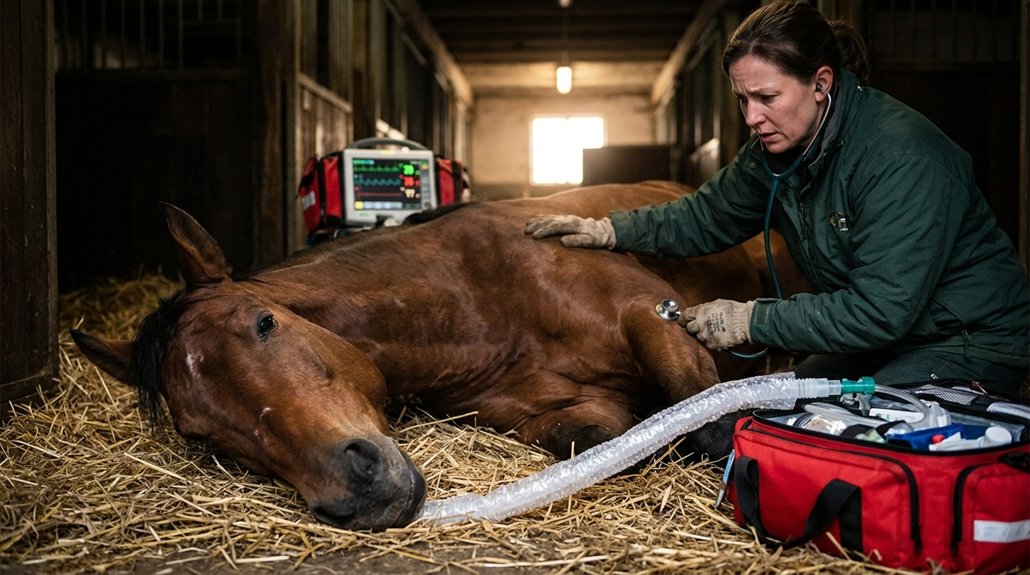
Colic is a serious health threat for your horse due to its sudden onset and complex causes. Often linked to gastrointestinal disturbances, it can result in severe pain, requiring immediate attention. With over 80% of cases being idiopathic, it can be difficult to prevent. Complications such as twisted intestines may even necessitate surgery. Recognizing early signs and timely intervention is essential to improve chances of recovery. Explore further to discover ways to manage and prevent colic effectively.
Key Takeaways
- Colic is common in horses, with over 9 cases per 100 annually, posing significant health risks.
- Immediate treatment of colic improves recovery by 75% without surgery, underscoring its urgency and seriousness.
- Idiopathic nature of colic makes prevention challenging, requiring vigilant monitoring and management.
- Severe colic symptoms like violent rolling and elevated heart rate indicate life-threatening distress needing urgent intervention.
- Colic risk factors include dehydration, dietary changes, and environmental conditions, highlighting the need for comprehensive management strategies.
Understanding Why Colic Is Dangerous to Horses
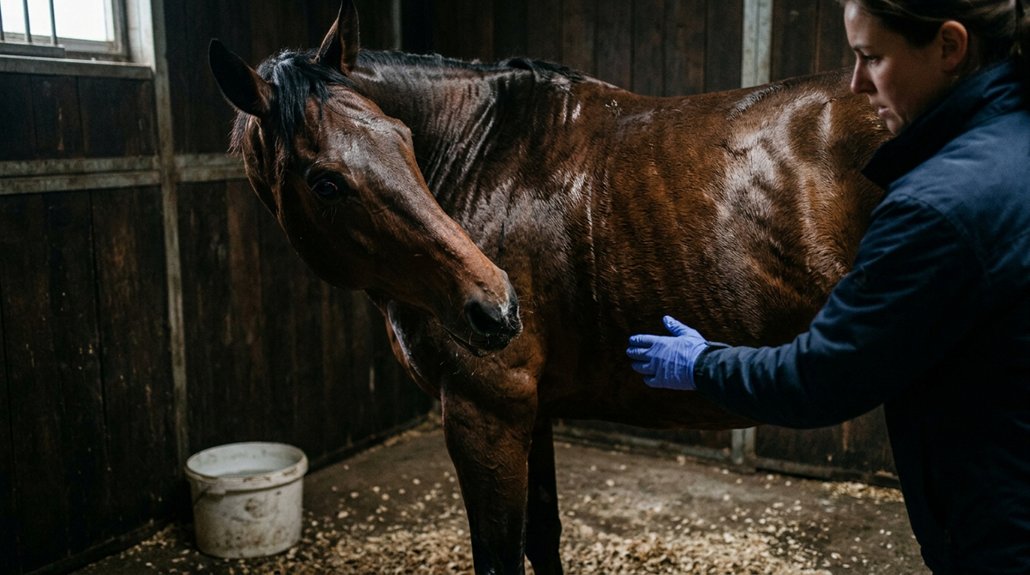
Colic stands as a perilous threat to the well-being of horses, chiefly due to its prevalence and unpredictable nature. With over 9 cases per 100 horses annually, grasping the complexity of colic mechanisms is crucial. The pain often arises from gastrointestinal disturbances like gas buildup, impactions, or twisted intestines, which could become surgical emergencies. Over 80% of these cases are idiopathic, rendering straightforward prevention elusive. You must be astute in recognizing symptoms, as immediate treatment leads to a 75% success rate without surgery. Horses with prior episodes rely heavily on rigorous management strategies to reduce recurrence. To keep your horse safe, stay informed and vigilant, addressing each colic case proactively, thereby enhancing your horse’s chances of recovery.
Key Prevention Tips for Colic
When it comes to safeguarding your horse from colic, leading with a clear prevention strategy is paramount. Focus on consistent feeding routines and gradual dietary changes, as abrupt shifts can disrupt digestive health. Make sure your horse has continuous access to quality forage types and fresh water to support ideal hydration habits. Monitor the forage types, since certain hays like orchard grass may elevate colic risks. Increase turnout time, allowing your horse access to quality grass, which can lower colic occurrences. Pasturing horses rather than keeping them stalled can be beneficial. Additionally, maintain a proper deworming strategy by consulting a veterinarian to address parasitic threats effectively. Regularly evaluate your feeding practices to keep your horse healthy and lower colic incidences.
Recognizing Signs of Colic Early
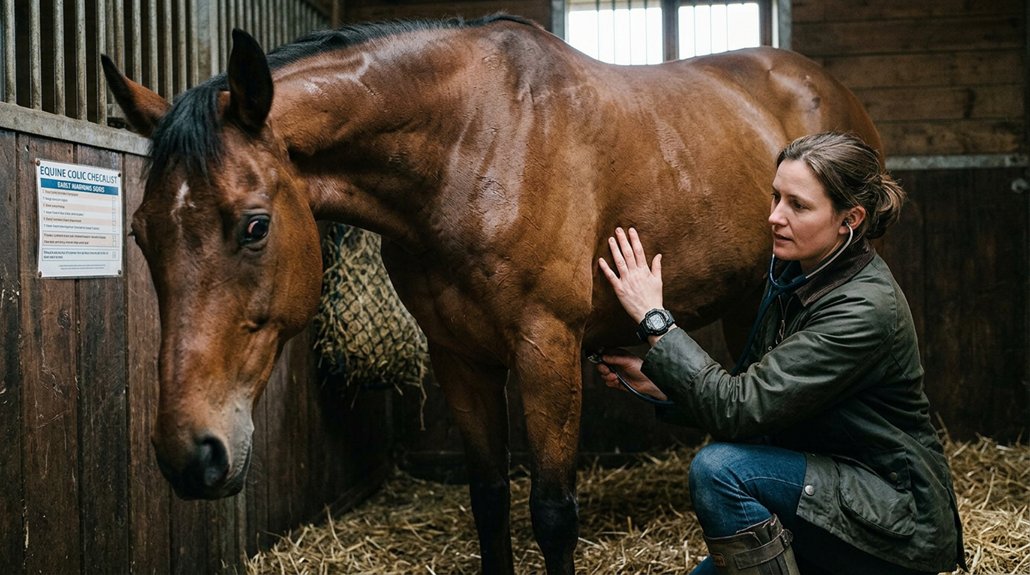
Spotting early warning indicators of colic can make a critical difference in your horse’s health, as acting swiftly often results in successful treatment. Pay attention to behavioral symptoms such as decreased appetite, pawing at the ground, or frequent lying down, which might indicate discomfort and can quickly escalate if not addressed. Additionally, keep a close watch on changes in manure output, gut sounds, and gum color to guarantee you’re staying on top of any potential issues.
Early Warning Indicators
Although it can be intimidating, recognizing early signs of colic in horses is essential for preventing severe complications and ensuring the best possible outcome. Colic prevention starts with early observation. Watch for reduced appetite or unusual behaviors like flank-watching and pawing the ground, as these can indicate early colic. Severe pain may manifest through violent rolling, sweating, or an elevated heart rate, demanding urgent veterinary care. Tracking manure output is important; more than 12 hours without manure can signal distress and requires prompt action. Regular monitoring of your horse’s behavior can catch mild symptoms before they escalate. Remember, timely intervention often leads to a favorable response, with about 75% of colic cases improving with swift medical attention.
Behavioral Symptoms Overview
Understanding how to recognize early behavioral symptoms of colic in horses is essential for effective intervention. With colic myths often clouding judgment, accurate behavioral observation becomes vital. Symptoms vary from mild signs like reduced appetite and lethargy to more alarming actions such as violent rolling and continuous pawing. Spotting your horse watching its flank or assuming a posture resembling urination can indicate abdominal distress. Even seemingly mild signs during serious colic episodes require close observation—these subtle cues can save lives. Violent thrashing suggests severe pain needing immediate veterinary attention to avoid further complications. Remember, 75% of colic cases positively respond to early medical intervention. Your attentive vigilance and understanding of these signs make a profound difference in your horse’s health.
Types and Causes of Horse Colic
When dealing with colic in horses, understanding its types and causes is essential for effective management. There are three primary types:
- Gas Colic: The most common type, arising from dietary triggers like rapid diet changes which cause excess gas. It’s usually manageable with medical treatment.
- Obstructive Lesions: Divided into non-strangulating impactions and strangulating conditions, these involve intestinal blockages or twists. Strangulating cases require urgent surgical intervention.
- Functional Obstructions: Occur when normal intestinal motility is disrupted, yet the passage isn’t physically blocked.
Over 80% of colic cases remain idiopathic, underscoring the necessity of vigilance. Keep your horse hydrated, as dehydration is a known risk factor. Other causes like sand ingestion can lead to severe gastrointestinal issues. Understanding these elements is vital for prevention and care.
Breed, Age, and Environmental Factors Increasing Colic Risk
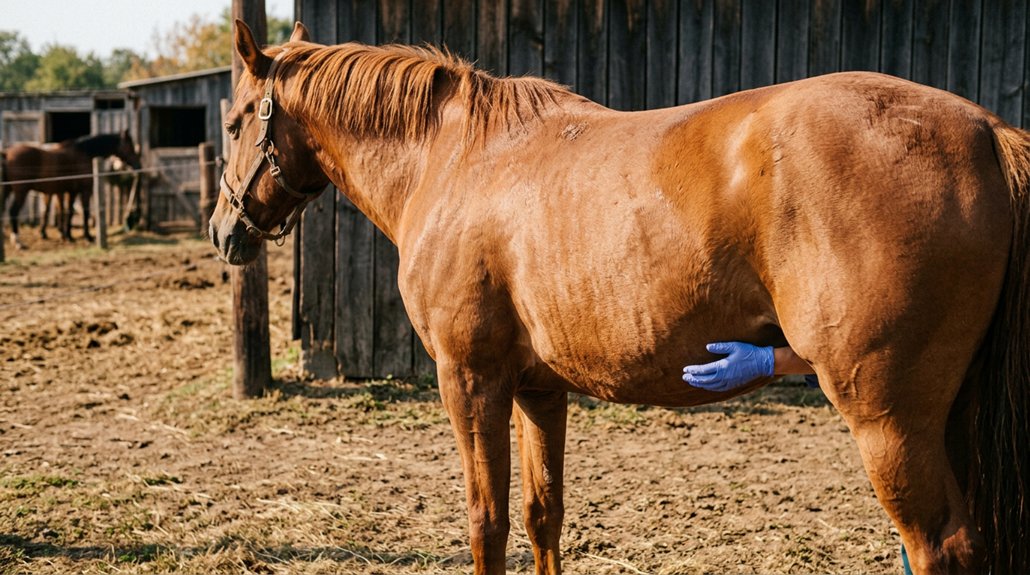
As a horse owner, it’s crucial to understand that certain breeds like Standardbreds and Thoroughbreds might face a higher colic risk, though a definitive predisposition isn’t confirmed. Age also plays a role, with horses between 2 and 10 years being more vulnerable due to the physical demands placed on them during their peak performance years. In addition, limited pasture time and environmental conditions such as poor soil quality can greatly influence your horse’s gastrointestinal health, potentially increasing colic incidence.
Breed-Specific Colic Patterns
In considering the risk factors for colic in horses, it’s crucial to acknowledge the role that breed, age, and environmental factors play in predisposing certain individuals to this common yet complex condition. Various breeds such as Standardbreds, Thoroughbreds, Arabs, and warmbloods show higher colic rates, indicating notable breed differences. Activity levels, particularly in eventers and breeding stock, further influence susceptibility. Here are key considerations:
- Breed Differences: Certain breeds are prone to higher colic rates, suggesting genetic or physiological vulnerability.
- Activity Levels: More active horses face increased performance stress, heightening colic risk.
- Environmental Factors: Too much time in stalls, compared to pasture, exacerbates colic incidence.
Age-Related Risk Factors
Although each horse might face the threat of colic, understanding age-related risks is essential for mitigating this condition effectively. Horses aged 2-10 years are at the highest risk, largely due to the age impact of performance stress and increased activity demands. This period often corresponds with peak training and competition schedules, introducing numerous stress factors. Certain breeds like Standardbreds, Thoroughbreds, and Arabs exhibit higher colic rates, suggesting breed-specific vulnerabilities that compound these risks. Management style also plays a role; horses under trainer supervision often face more intensive routines, increasing colic susceptibility compared to owner-managed counterparts. A history of colic episodes further elevates future risks, underscoring the need for vigilant management and tailored care practices to minimize recurring incidents.
Environmental Influence on Colic
- Housing Conditions: Horses kept in stalls for long periods have increased colic incidence compared to those allowed to roam and graze freely. This emphasizes the importance of balanced pasture management.
- Water Access: Dehydration greatly ups colic risk. Guarantee horses have constant water access beyond unreliable automatic waterers.
- Soil Quality: Grazing on rocky terrain can elevate colic risks. Evaluating pasture quality and adjusting grazing areas accordingly can be beneficial.
Diet and Nutrition: Practical Tips to Prevent Colic
When it comes to preventing colic in horses, understanding their diet and nutrition is crucial. Forage benefits are remarkable; a diet centered around 100% forage significantly reduces colic incidences. It’s important to implement effective grazing strategies, allowing horses to graze naturally and continuously, mimicking their ancestral habits. Be cautious with dietary changes—especially swaps in hay types or the introduction of concentrates—since abrupt alterations can spike colic risks within two weeks.
Guarantee diverse, small meals throughout the day to promote healthy digestion. Mixing chaff with concentrates helps horses chew thoroughly and ingest slowly, minimizing colic risks. Prioritize natural behaviors: limit stall time, encourage movement, and maintain constant access to fresh water, avoiding reliance solely on automatic waterers.
Management Practices to Reduce Colic Threats
You must prioritize routine adjustments in your horse’s daily management to mitigate colic threats effectively. It’s essential to implement gradual feeding changes over days or weeks, ensuring your horse’s digestive system can adapt without stress. Also, regularly evaluate your horse’s workload and overall care needs, considering factors like age and activity to tailor practices that support their well-being and reduce colic risks.
Routine Adjustments Matter
Although changes in routine may seem trivial, they can profoundly impact a horse’s risk of developing colic. Understanding the significance of routine impacts and feeding consistency is essential. Consider these practices:
- Maintain Consistency: Feed your horse at regular intervals daily. Abrupt changes in feeding times or diet can disrupt their digestive system, increasing colic risk.
- Sufficient Turnout: Horses kept in stalls for long periods face a higher colic risk. Providing ample turnout time supports gut motility and overall health.
- Tailor Care: Assess factors like age, work level, and past colic history to customize care. Knowledgeable caregivers are crucial, as research shows they help reduce the likelihood of colic by maintaining appropriate routines and awareness. Prioritize these practices for your horse’s well-being.
Gradual Feeding Changes
Ensuring gradual feeding changes is essential for maintaining your horse’s digestive health and minimizing colic threats. Gradual adjustments in diet over several days or even weeks help prevent digestive upsets that notably increase colic risk. Consider your horse’s unique needs when introducing new feed types, and spread consuming time by mixing chaff with concentrates.
| Feeding Strategy | Benefits |
|---|---|
| Gradual Adjustments | Reduces digestive upset risk |
| Multiple Small Meals | Encourages better digestion |
| Chaff with Concentrates | Promotes chewing, slows intake |
| Slow Change | Allows digestive adaptation |
| Individual Consideration | Tailors diet for colic prevention |
Implement feeding strategies that divide meals into smaller, frequent portions instead of large, infrequent ones to further reduce colic potential. These practices safeguard your horse’s well-being through thoughtful management tailored to its specific digestive needs.
Evaluate Horse Workload
Managing a horse’s workload thoughtfully can greatly impact its risk of developing colic. A meticulous workload assessment is essential, especially for horses aged 2-10 years and those heavily engaged in performance activities. Employing strategic management practices helps alleviate stress and colic incidence. Here’s how you can manage workload effectively:
- Evaluate Workload Intensity: Track your horse’s activity level to prevent overexertion, which can increase colic risk. Adjust exercises based on the horse’s age and physical condition.
- Increase Pasture Time: Favor turnout and pasture access over prolonged stall confinement, as it supports digestive health and reduces stress.
- Implement Gradual Changes: Slowly adapt exercise routines and feeding plans to avoid abrupt shifts that could trigger colic.
Essential Steps for Preventing Colic in Horses
To effectively prevent colic in horses, it’s essential to implement several fundamental management strategies. Emphasizing proper colic management includes maximizing pasture benefits. Horses with continuous pasture access and quality forage show fewer colic cases compared to those confined in stalls. Limit concentrate feeds as they’re linked to increased risks, and instead, focus on high-quality forages. Discuss with your vet to create a tailored deworming program, critical for preventing parasite-related colic. Another key is to introduce dietary changes gradually; abrupt adjustments can disrupt digestion and elevate colic risk. Educating yourself and caretakers to recognize mild colic signs prompts quicker intervention, which is significant since early veterinary involvement dramatically improves outcomes. Proactive, informed actions are your best defense against colic.
Recognizing and Reacting to Colic Emergencies
Recognizing the onset of colic in your horse can be essential, as swift and knowledgeable reaction greatly impacts the horse’s recovery chances. Many colic myths can cloud judgment, making timely recognition of symptoms like pawing, rolling, and reduced manure output important. Follow these emergency protocols:
- Immediate Vet Contact: Any severe signs, like silent abdomen or color changes in mucous membranes, warrant quick veterinary assistance.
- Assess Symptoms: Understand that about 1% of cases may need surgery—early referral to a facility can lessen costs and risk.
- Timely Response: Remember, 75% of colic cases can resolve with prompt medical intervention.
Empathy towards your horse during these emergencies is critical; quick action can drastically improve outcomes.
Long-Term Tips to Keep Your Horse Colic-Free
Addressing a colic emergency swiftly can mean the difference between recovery and a tragic outcome for your horse. To keep your horse colic-free long-term, focus on forage management by ensuring constant access to quality forage, promoting digestion. Implement effective hydration strategies with fresh water available at all times. Consider the turnout benefits—horses pastured 24/7 experience fewer colic episodes than those frequently stalled. Introduce feed alternatives like unmolassed soaked beet pulp gradually to minimize digestive disruptions. This approach reduces grain dependence, lowering colic risks. It’s vital to follow parasite control measures, developing a regular deworming schedule in collaboration with your vet to prevent colic from parasitic infections. These steps support your horse’s health and minimize colic incidents.
Frequently Asked Questions
Why Is Colic so Fatal in Horses?
Colic’s fatality stems from its rapid progression and often ambiguous symptoms. Without prompt recognition and treatment, complications can arise. You’re better off focusing on colic prevention and learning to identify colic symptoms to guarantee swift intervention.
What Is the 1/2/3 Rule in Horses?
Imagine a clock ticking. The 1/2/3 Rule helps in colic prevention by urging timely action: check your horse’s equine nutrition if it hasn’t eaten in 1 hour, passed manure in 2, or shows pain for 3.
What Is the Number One Killer of Horses?
Colic is the number one killer of horses, primarily due to its serious nature as an equine emergency. You must always be vigilant for any signs of digestive distress and seek immediate veterinary intervention to guarantee your horse’s health.
How Likely Is a Horse to Survive Colic?
It depends on colic symptoms and timely intervention. Implementing prevention strategies, like regular check-ups and proper diet, increases survival chances. With quick treatment, most horses live; however, severe cases may require surgery for a better outcome.
Conclusion
You’ve explored how essential it is to recognize and prevent colic in horses, but are you prepared for the next emergency? Understanding your horse’s unique needs and environmental triggers is important for effective management. By practicing vigilant care, regular monitoring, and immediate response, you can markedly reduce the risk of colic. Remember, every step you take today secures your horse’s health in the long run. Your proactive approach is critical to keeping your beloved horse colic-free.