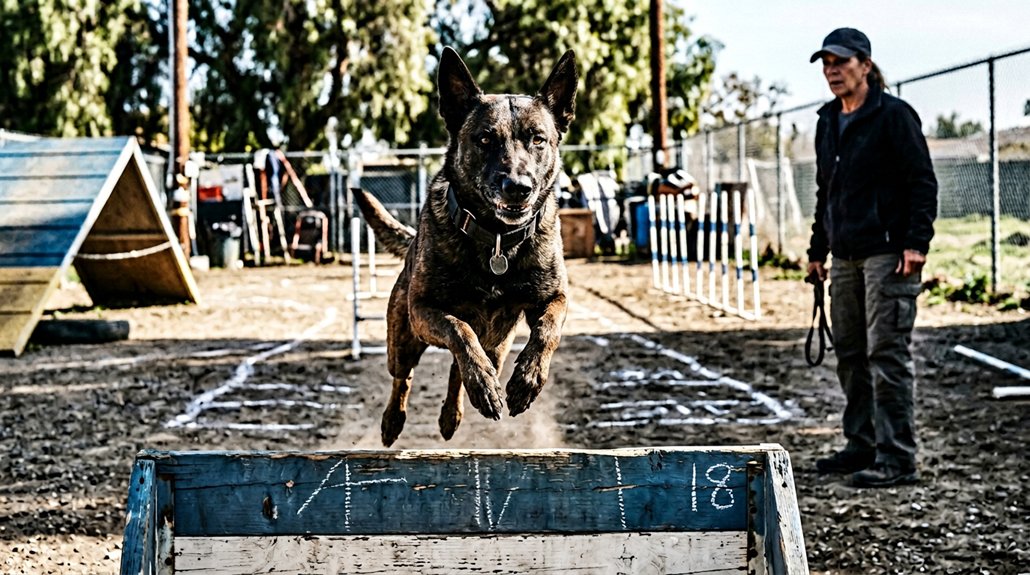
Some dog breeds, like Siberian Huskies and Afghan Hounds, are harder to train due to their independent and willful natures. You’ll find Huskies need firm leadership and mental stimulation, while Afghan Hounds require consistency and clear boundaries. Beagles, with their strong scent drive, often get easily distracted too. Tailoring your training approach to match these unique traits is key for success. Discover techniques that can sharpen your understanding and improve your training outcomes.
Key Takeaways
- Afghan Hounds exhibit selective hearing and aloofness, making training challenging without consistent, firm guidance and early socialization.
- Siberian Huskies’ independent nature and high prey drive require firm leadership and extensive mental and physical stimulation.
- Beagles’ strong scent drive and curious temperament often lead to distractions during training sessions.
- Stubbornness in breeds like Chow Chows demands tailored training approaches that account for their independent personalities.
- Intelligent breeds benefit from short, interactive training sessions to maintain engagement and encourage compliance effectively.
Why Are Some Dog Breeds Harder to Train?
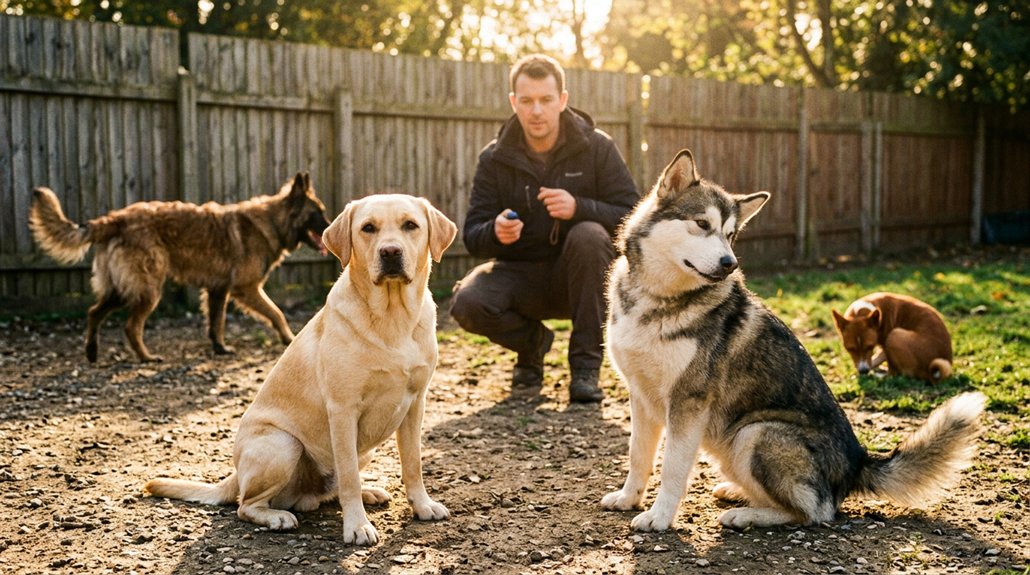
When you’re trying to train a dog and it isn’t going as planned, you might wonder why some breeds are harder to teach. It’s all about genetic factors and personality traits. Breeds like the Siberian Husky and Chow Chow are known for their independence, rooted in their genetic makeup. This self-reliant nature means they’re often resistant to traditional training methods. Meanwhile, high prey drive breeds like Jack Russell Terriers can be easily distracted because of their instinctual focus on environmental stimuli. Stubborn dogs, such as Afghan Hounds, complicate training due to their strong-willed personality traits. Understanding these genetic factors and personality traits can help you tailor your approach, whether it’s employing patience for stubbornness or creative methods for independence and distraction.
Why Are Beagles So Easily Distracted?
Have you ever watched a Beagle during training and wondered why they seem so easily sidetracked? This breed boasts a powerful scent drive, which is both a blessing and a challenge. Their nose often leads them astray, compelling them to abandon focus for intriguing scents. Combined with their playful nature, Beagles can quickly wander off, turning training into an exploration rather than an obedient session.
Here’s why Beagles are so easily distracted:
- Strong Scent Drive: They prioritize their nose over your commands, often following the most exciting smell.
- Curiosity and Playful Nature: Their inquisitive spirit and love for fun can derail training.
- Environmental Sensitivity: Competing scents make structured training difficult.
Proper setups and positive reinforcement can help channel their instincts.
Managing the Strong-Willed Nature of Siberian Huskies
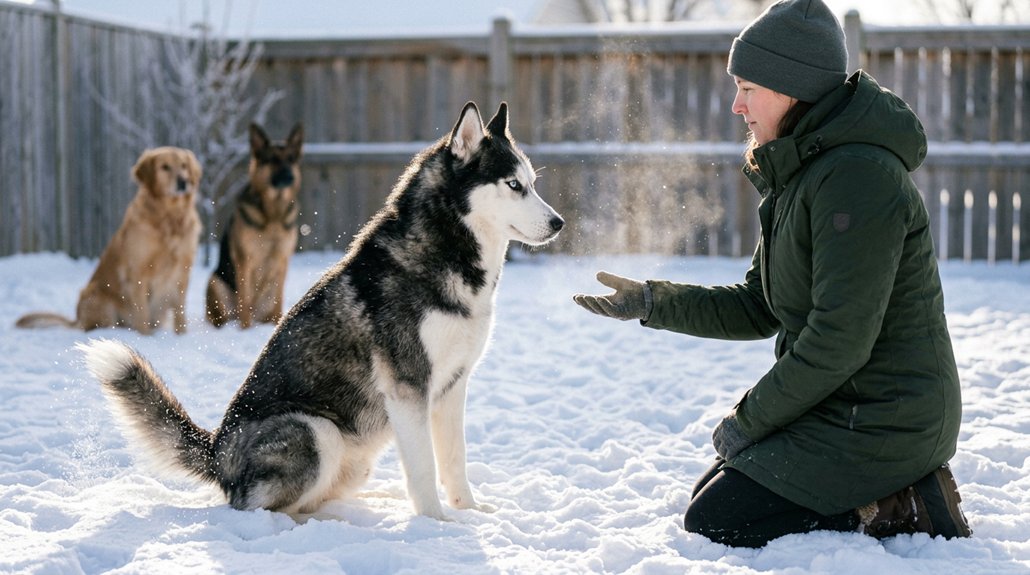
As you navigate the training challenges of various dog breeds, understanding the unique characteristics of each is vital. Siberian Huskies are known for their strong independent streak, making them resistant to traditional training methods. It’s important to establish firm leadership alongside positive reinforcement techniques. These dogs thrive on clear expectations and trust in their handlers. Given their high energy levels and prey drive, Huskies require extensive exercise and mental stimulation to prevent destructive behaviors. Engage them with puzzle toys and scent games. Early socialization strategies are essential to curb their escapist tendencies and guarantee they’re comfortable around unfamiliar people and animals. Consistent, patient training combined with engaging activities will help you manage your Husky’s strong-willed nature effectively.
Handling Independent Breeds Like Afghan Hounds
While Afghan Hounds captivate with their elegance and grace, these qualities come with a strong independent streak that often makes training a challenge. Understanding Afghan Hound Training requires appreciating their unique blend of beauty and independence. They’re known for selective hearing, often tuning out commands. Tackling their Independent Dog Behavior means adopting the right approach:
- Consistency is Key: Afghan Hounds thrive under firm yet gentle guidance. Establishing clear boundaries with consistent training helps overcome their aloof nature.
- Incorporate Grooming: With their long, flowing coats, regular grooming can serve as part of the bonding and training process, easing distractions.
- Early Socialization: Exposure to diverse environments early on curbs aloof behavior, building trust and encouraging obedience, forming a strong training foundation.
Effective Training Strategies for Challenging Breeds
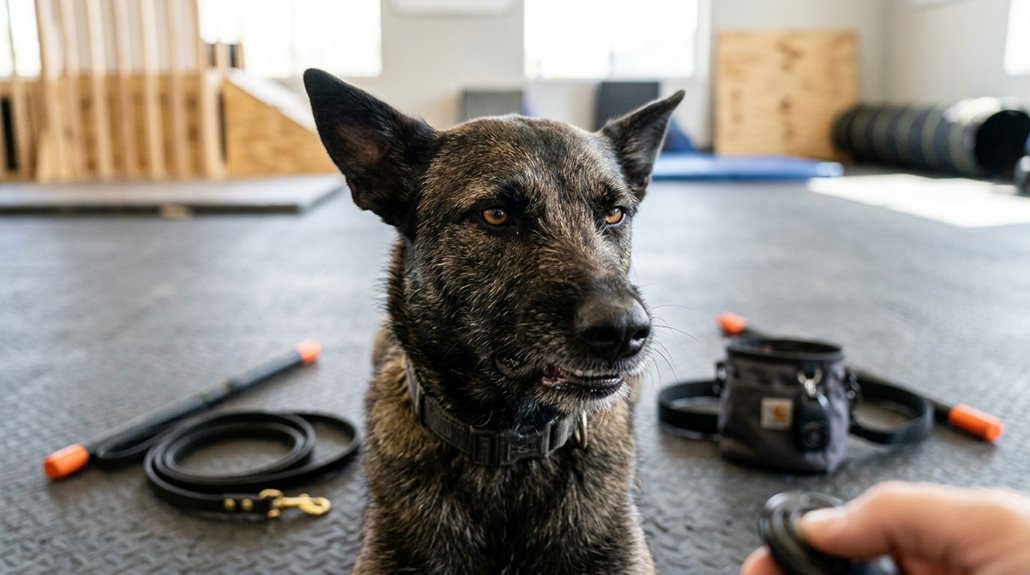
Tackling the challenge of training hard-to-manage breeds requires a strategic approach that blends consistency and creativity. You’ll want to incorporate positive reinforcement with treats and praise as essential motivators for engaging dogs like Siberian Huskies and Shiba Inus. Integrating interactive games and puzzle toys can effectively capture the attention of intelligent yet independent breeds like Basenjis and Chow Chows. Aim for short, frequent training sessions to maintain focus and accommodate their need for mental stimulation. Early socialization is critical for breeds like Rottweilers and Great Pyrenees to prevent behavioral issues and guarantee a balanced temperament. Finally, establishing clear leadership and boundaries is key for Bull Terriers and Afghan Hounds, fostering trust and compliance in your training efforts.
Frequently Asked Questions
Which Breed of Dog Is Hardest to Train?
You’ll find training a Basenji quite challenging due to their unique personality traits. To succeed, incorporate positive reinforcement and mental stimulation. Their escapism behavior and obedience challenges require consistent training techniques, effective socialization efforts, and patience.
What Is the 7 7 7 Rule for Dogs?
Think of it as the rhythm of patience; the 7-7-7 rule helps navigate puppy training by acknowledging their behavioral challenges—7 days to adjust, 7 weeks to routine, 7 months to fully acclimate and bond.
How Do Dogs Say “I Love You”?
Dogs say “I love you” through body language, like leaning, wagging tails, and eye contact. Canine vocalizations, such as playful barks, also convey affection. Emotional bonding strengthens with consistent training techniques that nurture mutual trust and understanding.
What Are the 10 Most Disobedient Dogs?
In a whirlwind of fur and rebellion, you’ll find breeds like Siberian Huskies, Jack Russell Terriers, Basenjis, Chow Chows, Afghan Hounds, Beagles, Dalmatians, Saint Bernards, Bulldogs, and Borzois facing training challenges and obedience issues.
Conclusion
Training certain dog breeds can be a challenge, but understanding their unique traits makes a difference. Did you know that only about 30% of Afghan Hounds respond to commands the first time? This highlights their independent streak. With patience, consistency, and the right strategies, even these strong-willed breeds can become well-mannered companions. Remember, every dog is unique, so embrace these quirks and turn training into a rewarding experience for both you and your furry friend.