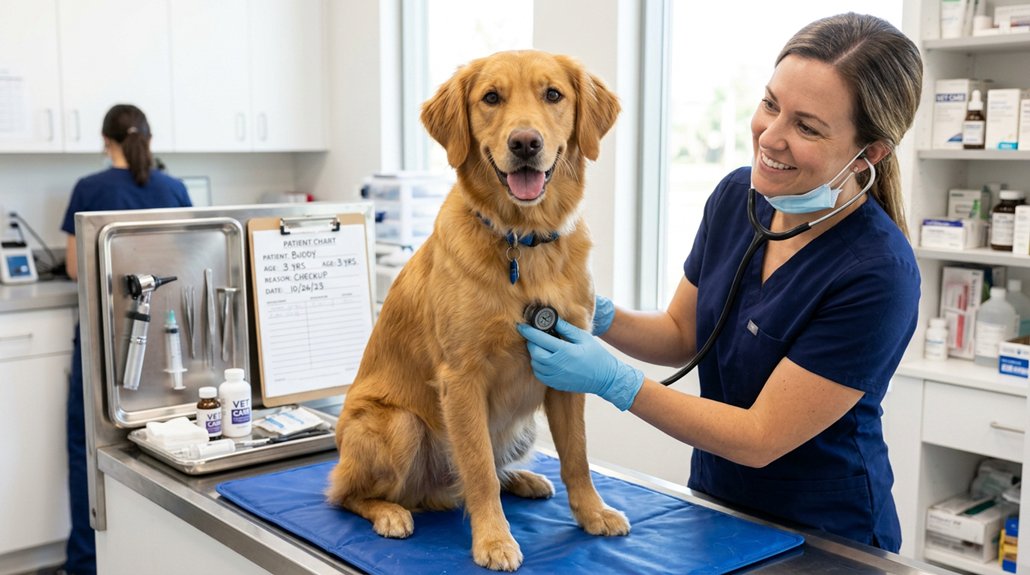
Regular check-ups for your dog are essential to their health, uncovering concealed issues before they escalate. These visits allow veterinarians to detect early signs of ailments, utilizing skilled diagnostic techniques and routine bloodwork to reveal hidden problems like diabetes. They’re cost-effective, preventing pricey emergencies and providing tailored treatments. By scheduling check-ups according to your dog’s age and breed, you guarantee a proactive approach to their wellness. Learn about building a strong vet-pet partnership for lasting care.
Key Takeaways
- Regular check-ups detect hidden health issues early, ensuring timely and less invasive treatments.
- Establishing a health baseline aids in identifying potential problems and managing long-term care costs.
- Preventive care, including vaccinations, reduces the risk of expensive health complications.
- Routine visits foster a strong vet-pet owner relationship, enhancing personalized care.
- Regular examinations update vaccines and monitor overall health, boosting long-term wellness.
Identifying Hidden Dog Health Issues
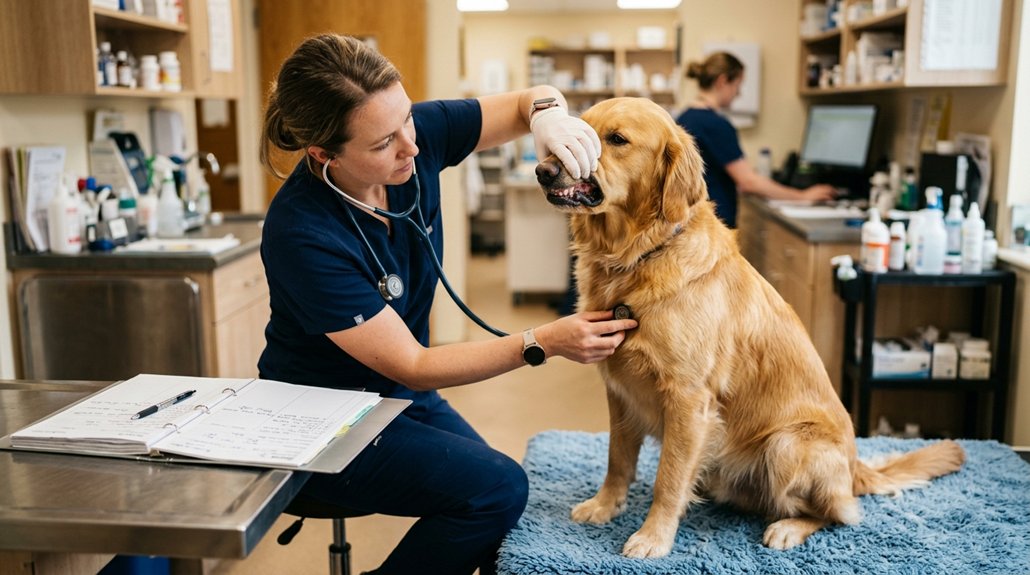
While you may not always notice when your dog is unwell, regular veterinary check-ups are imperative for uncovering hidden health issues that your pet might instinctively conceal. Dogs often mask pain or illness, making subtle behavior changes, like decreased activity or altered appetite, quite significant. During these exams, veterinarians are trained to detect hidden symptoms that aren’t apparent to the untrained eye. They assess essential signs and perform thorough evaluations of the eyes, ears, mouth, and abdomen. These screenings are important; they can identify infections, dental disease, or even heart murmurs. Routine bloodwork is equally important as it can uncover conditions like metabolic disorders or infections before they fully manifest. Prioritizing these check-ups can guarantee your dog’s long-term health.
Veterinarians’ Role in Early Detection
During regular veterinary check-ups, veterinarians play an essential role in the early detection of health issues that pet owners might miss. Through skilled diagnostic techniques and veterinary insights, they assess your dog’s overall well-being. First, they monitor critical signs like heart rate and respiratory function to catch potential issues early. A thorough physical examination can reveal subtle changes often overlooked at home, while bloodwork can identify hidden problems such as diabetes or kidney disease. Monitoring dental health is also important, as untreated oral issues can lead to systemic complications. By establishing a health baseline, veterinarians can notice any deviations, guaranteeing timely interventions. Their expertise guarantees your furry companion gets the best care, prolonging their health and happiness.
What to Expect in Dog Check-Ups
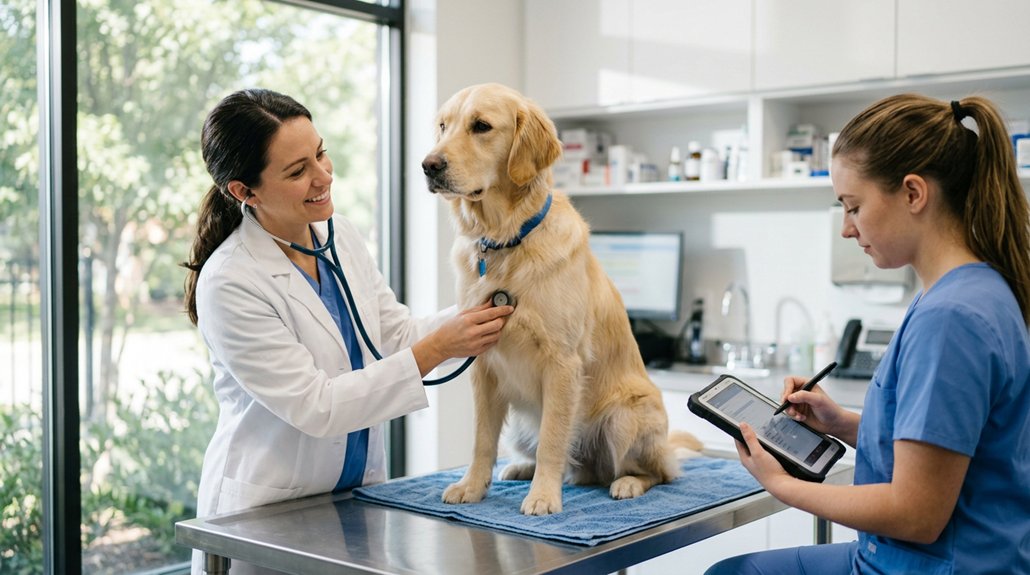
A standard dog check-up is an important routine that encompasses various evaluations to ascertain your pet’s health. Understanding what happens during these appointments helps guarantee your dog’s well-being.
- Physical Exam: Your vet checks essential signs, weight, and overall condition to spot any early issues.
- Vaccinations: Updated based on your dog’s age and lifestyle to prevent infectious diseases.
- Fecal Exam: Screens for intestinal parasites, safeguarding your dog’s digestive health.
- Lifestyle Discussion: Addresses diet, exercise, and behavior, forming personalized wellness plans.
- Bloodwork: Sometimes recommended annually to monitor organ function and unmask hidden conditions.
Regular check-up frequency is necessary for preventive care. These appointments not only offer immediate health insights but also support long-term wellness strategies tailored to your dog’s unique needs.
Preventive Health Benefits for Dogs
During regular checkups, your veterinarian can identify early signs of diseases like diabetes or kidney problems, enhancing recovery chances through timely intervention. By addressing potential health issues early on, you’ll also find these visits are more cost-effective, preventing the financial strain associated with emergency treatments. Additionally, preventive examinations lead to tailored advice on lifestyle and diet, ensuring your dog’s long-term well-being and happiness.
Early Disease Detection
Even when your dog seems perfectly healthy, regular veterinary check-ups are essential for early disease detection, which can make all the difference in treatment outcomes. By enhancing symptom awareness and ensuring thorough health monitoring, these routine visits help spot diseases before symptoms become apparent, boosting the likelihood of successful interventions. During exams, your vet can identify subtle changes that might point to serious conditions, such as heart disease or cancer.
- Annual blood tests: Detect hidden issues like diabetes and kidney troubles early.
- Behavioral shifts: Vets can interpret these as potential signs of underlying disease.
- Subtle critical sign variations: May indicate developing health concerns.
- Less invasive treatment: Early detection allows for more effective, gentler interventions.
- Consistent monitoring: Establishes a health baseline for timely intervention.
Ensuring your pet’s well-being starts here.
Cost-Effective Health Management
Regular veterinary visits not only play an essential role in early disease detection but also provide a pathway to cost-effective health management for your dog. These check-ups can lead to significant cost savings by catching potential health issues before they evolve into more serious, expensive problems. Through smart financial planning, you can address conditions like diabetes and hyperthyroidism at an earlier stage, minimizing long-term costs. By ensuring your dog receives preventive care, such as vaccinations and dental cleanings, you’re protecting their health without straining your budget. Additionally, timely administration of preventative medications for parasites like fleas and heartworms can avert costly complications. Establishing a baseline health profile during annual exams also enhances proactive health monitoring.
Cost-Effectiveness of Regular Dog Check-Ups
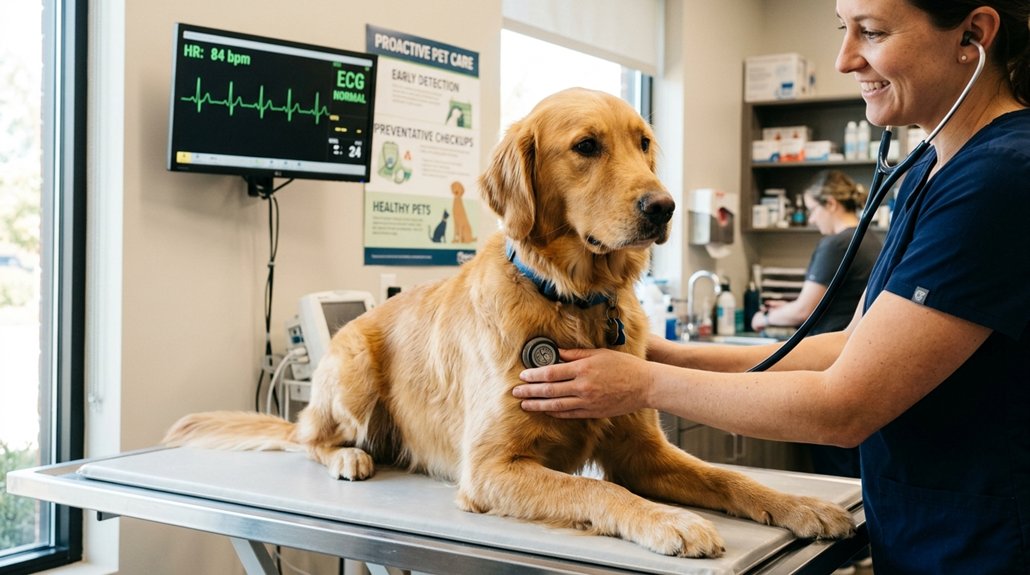
By prioritizing regular check-ups for your dog, you’re not only investing in their long-term health but also enhancing cost-effectiveness by preventing expensive medical emergencies. Early detection through routine exams allows for the management of issues like diabetes and hyperthyroidism before they demand costly treatments. Additionally, this proactive approach helps in identifying parasites and infections early, reducing the financial strain associated with complex interventions and ensuring your furry friend leads a healthier, more affordable life.
Early Detection Saves Money
When you take your dog for regular check-ups, early detection of health issues isn’t just beneficial for your pet’s well-being—it’s also a smart financial choice. Identifying conditions like diabetes or hyperthyroidism early means you can manage them with less costly options, aligning with effective financial planning. By investing in routine exams, you’re fundamentally safeguarding against expensive emergencies and ensuring cost savings.
Consider these benefits:
- Reduced treatment costs: Early detection often involves less invasive, less expensive treatments.
- Avoid emergency situations: Regular visits can prevent costly, unexpected veterinary crises.
- Affordable preventative measures: Vaccinations now are cheaper than treating preventable diseases later.
- Establishing a health baseline: Helps catch and address changes early.
- Financial forecasting: Proactive care aids in better managing future pet expenses.
Preventative Care Reduces Costs
Although it may seem like an additional expense, investing in preventative care through regular check-ups for your dog can actually save you money in the long run. Routine exams are essential in effective financial planning and achieving long-term savings. Early detection of conditions like diabetes or hyperthyroidism greatly lowers treatment costs compared to managing advanced health issues later. Establishing a health baseline during annual check-ups guarantees you’re monitoring changes that could escalate into costly problems. Keeping up with vaccinations and preventative medications helps mitigate the risk of expensive diseases such as heartworm and parvovirus. By avoiding potential emergency treatments through regular visits, you’re not only safeguarding your pet’s well-being but also preventing significant financial burdens down the line.
Health Issues Catch Prevention
While many pet owners may overlook the importance of routine veterinary visits, these check-ups are essential for detecting health issues early, which can greatly reduce medical costs over time. Effective health monitoring guarantees better canine wellness by catching conditions like diabetes and hyperthyroidism at an early stage, offering more affordable and less invasive treatments.
Benefits of regular check-ups include:
- Saving thousands on emergency costs for advanced illnesses.
- Establishing a health baseline to identify potential problems.
- Addressing weight management to prevent obesity-related issues.
- Tailoring preventative care to your dog’s unique needs.
- Achieving better treatment outcomes with early disease detection.
How Often Should You Check-Up Your Dog by Age & Breed?
Understanding how often you should schedule veterinary check-ups for your dog is vital for maintaining their long-term health and well-being. With puppy health, monthly visits during their first 4-6 months help track growth and keep vaccinations current. As they shift into adulthood, healthy dogs often need yearly check-ups to monitor their overall health and catch early signs of issues. Senior care requires added vigilance; older dogs and larger breeds benefit from biannual visits because they’re more prone to age-related conditions. Additionally, breed-specific health risks, lifestyle, and existing medical issues necessitate customized frequency adjustments. Routine exams are important for establishing health baselines, making it easier to spot changes indicating health concerns as dogs age. You’ll guarantee your dog’s health needs are met with proper check-up scheduling.
Building Strong Vet-Pet Owner Partnerships
As you schedule regular check-ups for your dog, building a strong partnership with your veterinarian becomes indispensable. This collaboration fosters effective communication, which is essential for tailoring care to your dog’s unique needs. By working closely with your vet, you’ll guarantee thorough pet wellness and timely intervention when potential issues arise. Here’s how to make the most of your vet relationship:
- Maintain open communication: Share any concerns or changes in your dog’s behavior or health.
- Familiarize your vet with your dog’s history: Enables personalized, informed recommendations.
- Adhere to preventative care: Follow through with suggestions to enhance your dog’s well-being.
- Engage in collaborative care discussions: Empower yourself to make decisions about your dog’s health.
- Foster a supportive environment: Strengthens the pet-veterinarian bond, boosting satisfaction.
Vaccinations and Year-Round Protection for Dogs
Vaccinations play a vital role in safeguarding your dog against potentially devastating infectious diseases such as parvovirus, distemper, and rabies. It’s important to recognize the vaccination significance, as immunity can diminish over time, especially in older dogs or those with compromised health. Tailoring a vaccination plan to your dog’s age, lifestyle, and exposure risk guarantees they’re ideally protected.
Year-round protection also means considering parasite prevention. Fleas, ticks, and heartworms pose severe risks if not addressed.
| Disease | Prevention | Consequence |
|---|---|---|
| Parvovirus | Vaccination | Severe illness |
| Distemper | Vaccination | Neurological damage |
| Heartworms | Parasite prevention | Organ damage |
Regular vet visits are essential for administering vaccines and addressing any health concerns, securing your pet’s well-being through proactive care.
Frequently Asked Questions
Should Dogs Get Regular Checkups?
Yes, dogs should get regular checkups. They provide preventive care and numerous health benefits. You’ll guarantee early detection of issues, vaccinations against diseases, and monitoring of health changes, all contributing to your dog’s long, healthy life.
What Is the #1 Pet in America?
Despite the complexities of pet ownership and ensuring canine health, you’ll find dogs as America’s #1 pet. Their companionship and loyalty outweigh the responsibilities. Prioritizing their well-being through regular checkups shows a compassionate commitment to their longevity.
How Often Should a Dog Have a Vet Checkup?
Your dog should generally have a vet checkup annually. However, puppies need more frequent visits, while seniors and certain breeds benefit from biannual exams. These visits guarantee preventive care and effective health management throughout their lives.
How Often Should a Dog Go for a Wellness Check?
Your dog should visit the vet annually for wellness, with puppies requiring monthly care to guarantee growth, and senior dogs benefiting from biannual check-ups to monitor age-related issues, guaranteeing a life of health and happiness.
Conclusion
Regular check-ups for your dog aren’t just a luxury; they’re a necessity for keeping your furry friend healthy and happy. Remember, an ounce of prevention is worth a pound of cure. By partnering with your vet, you’re guaranteeing early detection of hidden health issues and embracing preventive care. While it might seem costly at first, it’s more economical than treating illnesses later. Build a strong relationship with your vet team to guarantee your dog’s best health through every stage of life.