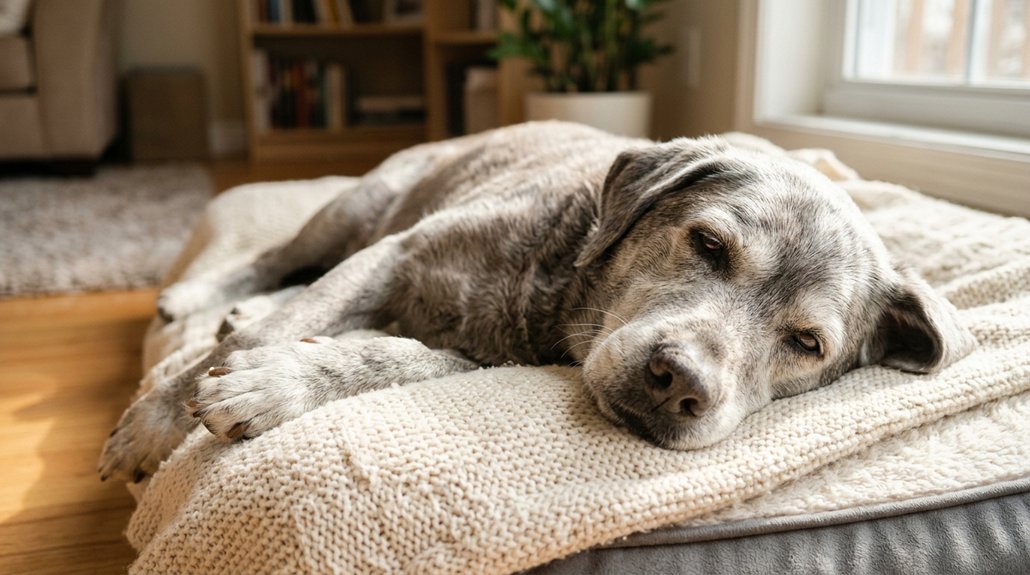
To keep your older dog comfortable, create a cozy sleeping area with a supportive bed, non-slip flooring, and control the temperature for their needs. Engage them mentally with puzzle toys and physically with gentle walks and ramps. Adjust their diet to include senior formulations, focusing on joint health. Guarantee regular vet visits for early issue detection. Use supplements for joint support after consultation. Discover more strategies to keep your senior dog content and healthy.
Key Takeaways
- Provide a high-quality orthopedic bed in a quiet, low-traffic area to support aging joints comfortably.
- Incorporate mental stimulation with puzzle toys and brief, gentle exercise to maintain cognitive and physical health.
- Adjust the diet to senior-formulated foods rich in omega-3s to support joint health and manage weight.
- Schedule regular veterinary check-ups to monitor health changes and update vaccinations for preventive care.
- Use joint health supplements, under veterinary guidance, to alleviate arthritis pain and improve mobility.
Create a Cozy Space for Your Senior Dog
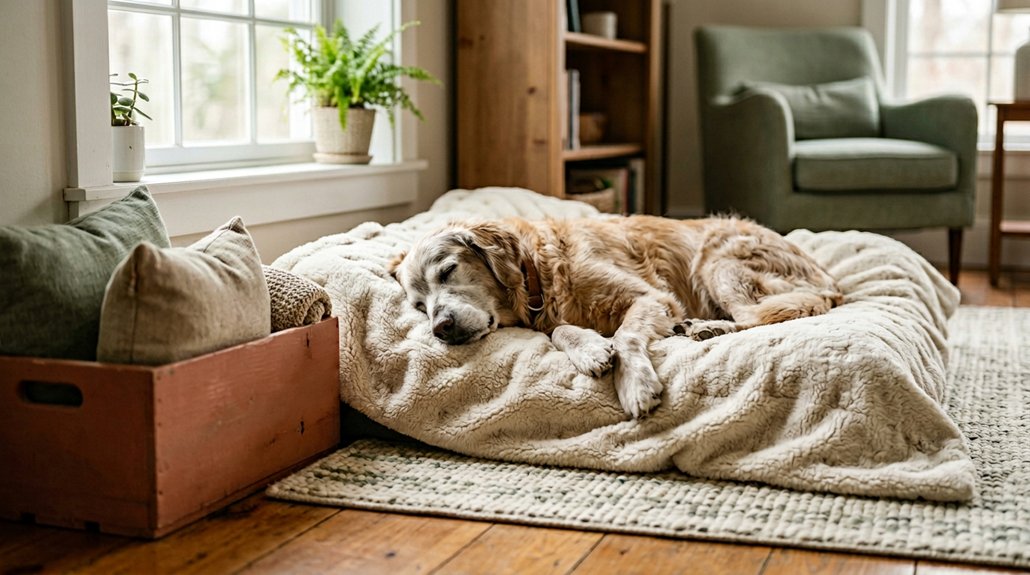
Creating a cozy space for your senior dog is essential for its comfort and well-being. Opt for a high-quality orthopedic or memory foam dog bed, which supports aging joints and reduces pressure, ensuring restful sleep. Position this dog bed in a designated cozy corner, away from foot traffic, so your dog can relax undisturbed. Use area rugs or carpets to enhance traction and prevent slips on slippery floors, creating a safer environment.
Enhance this cozy corner with soft blankets and accessible toys to provide warmth and familiarity. Gentle heating elements like a heated pad are beneficial, particularly in colder weather, comforting your dog by easing arthritis discomfort. Keep this area quiet, ensuring it’s a haven your elderly companion will cherish.
Engage Your Dog Mentally
Ensuring your older dog’s mental engagement is essential for maintaining cognitive function and improving their quality of life. You can achieve this through puzzle toys that stimulate problem-solving, scent games that challenge their natural instincts, and interactive play that combines gentle exercise with mental engagement. By incorporating these activities into their routine, you’ll not only keep their mind sharp but also strengthen your bond with them.
Puzzle Toys for Stimulation
While caring for an older dog, stimulating their mind becomes increasingly important to maintain cognitive function and overall vigor. Introducing dog puzzle options can provide essential mental exercise to keep your senior dog sharp. These toys are designed to engage their natural problem-solving instincts by requiring them to solve challenges to uncover treats or toys. By selecting puzzle toys with adjustable difficulty levels, you can customize the mental challenge to suit your dog’s experience and abilities, fostering both motivation and skill enhancement.
Regular integration of these puzzles can alleviate boredom, reduce anxiety, and serve as a constructive outlet for your dog’s energy. Ultimately, maintaining this mental engagement not only promotes cognitive health but also enhances your dog’s overall well-being and quality of life.
Interactive Play for Engagement
As your senior dog benefits from puzzle toys that sharpen their mental acuity, incorporating interactive play into their routine also offers valuable engagement. Engage their mind with gentle tug games using soft toys. This method maintains activity levels while being easy on their aging joints, ensuring a fun yet safe interaction. Combining light physical exertion with mental stimulation keeps your dog engaged and delighted. Additionally, nose work, where your dog can utilize its keen sense of smell to explore familiar spaces, offers dual benefits of mental and mild physical exercise. Keeping their brain active is essential for delaying cognitive decline. These interactive activities nurture mental agility and strengthen your bond, helping your older dog thrive with joy and enthusiasm.
Scent Games to Challenge
Scent games offer a unique and enriching way to engage your older dog’s mental faculties by tapping into their powerful sense of smell. By harnessing scent recognition through nosework activities, you can stimulate cognitive functions and enhance their natural instincts. Create simple at-home scent games by hiding treats or toys in various spots, urging them to locate these treasures with their noses. Incorporate interactive nosework using scent boxes or containers to provide mental stimulation without the need for strenuous physical exertion. Training your dog to identify specific scents builds their self-confidence and provides a sense of purpose. Regular scent games can reduce boredom and mitigate behavioral issues common in older dogs, supporting a more vibrant mental state and contributing to their overall well-being.
Gentle Mobility Solutions for Senior Dogs
To guarantee your senior dog remains comfortable and agile, implementing gentle mobility solutions can be remarkably beneficial. Doggy accessories such as ramps decrease joint strain, enabling easier navigation onto furniture and vehicles. Prioritize short walks over strenuous outdoor adventures to maintain fitness without overexertion. Supportive tools, like using a towel as a sling, can provide stability for dogs experiencing hind leg weakness, aiding them in rising or moving with ease. Designing exercise courses on soft surfaces enhances safe movement and coordination, minimizing injury risks. Vigilance in observing overexertion signs—excessive panting or hesitance to move—is essential. Through these methods, you’ll guarantee peak comfort and mobility for your canine companion, while supporting their active lifestyle amidst natural aging changes.
Adapt Their Diet for Optimal Health
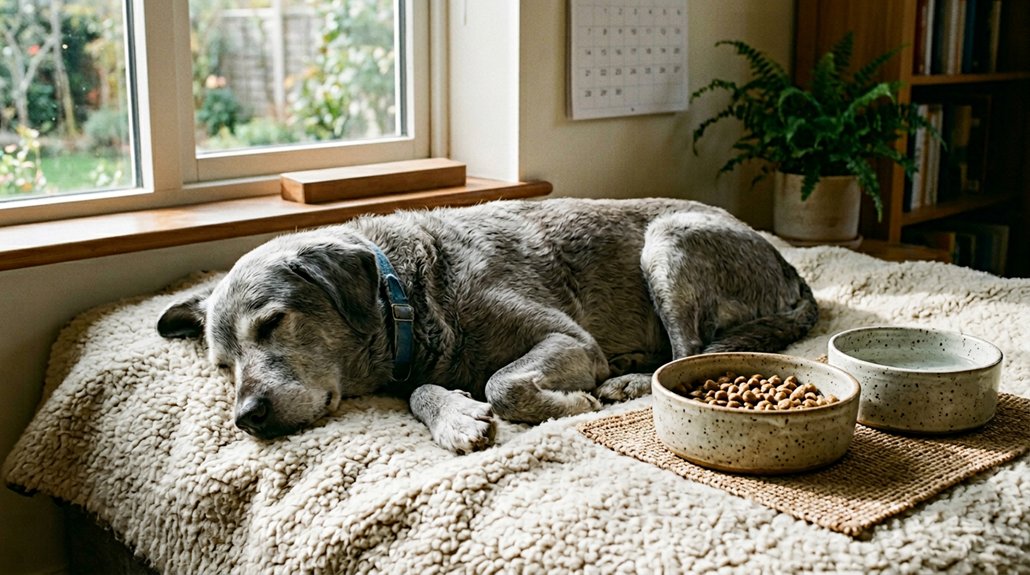
When caring for a senior dog, it’s important to adapt their diet to support ideal health, focusing on nutrient-dense food that meets their aging needs. Around age seven, consider shifting to senior-formulated diets that offer the nutrient balance required for immune support and joint health. Gradual diet adjustments minimize digestive stress, so consult a vet for guidance. They can recommend foods rich in omega-3 fatty acids and antioxidants, which are essential for sustaining vitality. Portion control is key to preventing obesity-related strains on joints and organs.
Adapt a senior dog’s diet to nutrient-rich foods for immune support, joint health, and vitality.
- Choose softer treats to ease chewing and prevent dental strain.
- Monitor eating habits and report changes to a veterinarian for early health issue detection.
- Consider joint-friendly supplements like glucosamine to enhance comfort and mobility.
Enhance Home Safety
As dogs age, enhancing home safety becomes essential to guarantee they remain comfortable and secure. Begin with home modifications such as installing non-slip flooring or placing area rugs to prevent slips and falls, particularly as older dogs often struggle with mobility and balance. Integrate safety equipment like nightlights in key areas to aid their nighttime navigation, minimizing accidents. Use reflective tape on stairs for better visibility, helping your dog judge depth and distance while minimizing the risk of injury.
Ensure commonly used spaces are free of clutter to prevent tripping hazards. Offering a dedicated quiet space with soft bedding and temperature control provides a serene oasis away from everyday household noise. These thoughtful adjustments create a safe, accessible environment for your furry companion’s golden years.
Keep up With Vet Visits
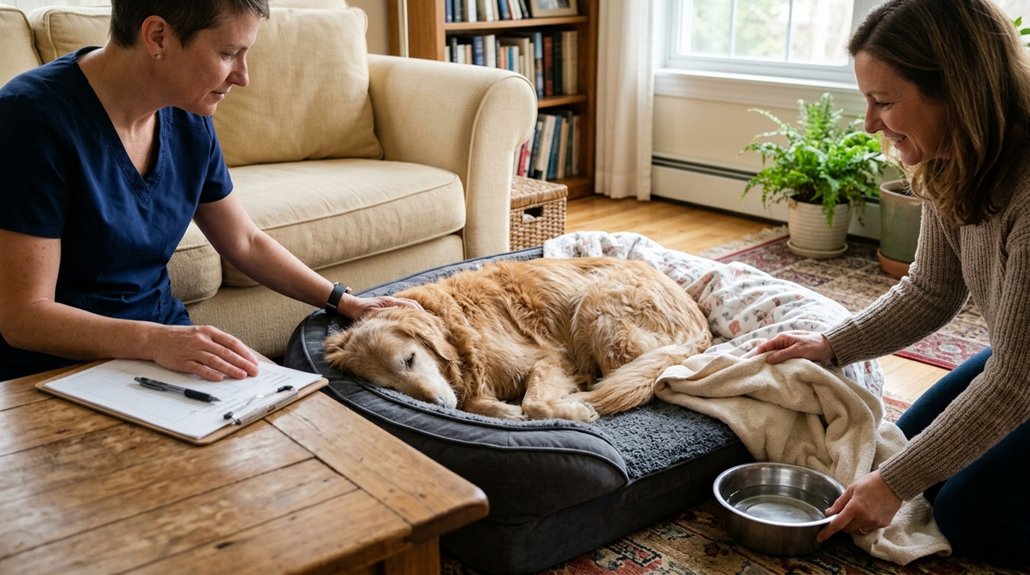
To keep your older dog comfortable, it’s essential to shift from annual to biannual veterinary checkups for effective preventative care and regular health monitoring. These visits not only help in updating vaccinations but also allow vets to spot early signs of health issues like arthritis or heart disease. By addressing any behavioral changes or adjusting lifestyle recommendations, you’ll guarantee your dog enjoys a longer, healthier life.
Regular Health Monitoring
Caring for a senior dog means prioritizing regular health monitoring, which involves adjusting veterinary check-up frequency from annual to biannual visits. These frequent visits allow for early detection of age-related conditions like arthritis, dental disease, and heart disease, often afflicting older dogs. By attending these biannual appointments, you can stay ahead of potential issues, ensuring your beloved pet receives timely interventions. Document changes in behavior, appetite, or mobility—essential cues that assist your vet in refining treatments.
With every wellness exam, you’re not only monitoring your dog’s current health status but also creating a roadmap for proactive care, potentially increasing their lifespan.
- Spotting declines early avoids prolonged discomfort.
- Acknowledgment of their vulnerability evokes precious memories.
- Trusting your vet builds a collaborative bond for your dog’s wellbeing.
Update Vaccinations Regularly
Keeping vaccinations updated is an essential aspect of maintaining your older dog’s health. As dogs age, their immune systems can weaken, making them more vulnerable to diseases. By adhering to recommended vaccine schedules, you provide vital immune support, protecting them from ailments they’re especially susceptible to in their senior years. Scheduling biannual veterinary visits is beneficial because it offers opportunities to check and update any expired vaccines. During these appointments, vets can assess vaccination history, ensuring timely updates are made, thereby securing enhanced health defenses for your pet.
These routine check-ups are more than just about shots—they’re preventive steps that help maintain overall well-being in aging dogs. Timely immune support through updated vaccinations contributes considerably to a higher quality of life for your cherished companion.
Preventative Care Benefits
Updated vaccinations are just one part of the health strategy for your older dog, integrating regular veterinary visits into their routine maximizes their comfort and longevity. Shift to biannual vet visits to guarantee early detection of issues like arthritis or heart disease. These check-ups are crucial for updating preventive care tailored to your dog’s changing needs, from dietary adjustments to mental enrichment activities.
Monitoring their behavior, appetite, and weight helps establish baselines, making health changes easier to detect. Early identification of conditions not only improves outcomes but also enhances quality of life. Avoid unexpected health crises that cause stress for both you and your pet.
- Strengthen your bond through gentle care
- Prolong happy, active years for them
- Foster peace of mind for you both
Manage Temperature for Comfort
Older dogs, precisely like any cherished companion, require a temperature-controlled environment to guarantee their comfort and health. They’re especially sensitive to extreme weather, which can exacerbate arthritis or lead to hypothermia. Ensuring a balanced climate in your home helps prevent these risks. During warm weather, allowing access to shade or climate-controlled spaces is essential. Frequent breaks help them cool down and avoid overheating. Conversely, in colder conditions, warm blankets or heating pads can enhance comfort. Adequate ventilation remains vital in hot conditions to prevent heat stress. Always monitor your dog’s behavior for signs of discomfort like excessive panting or shivering. Adjust their environment accordingly to maintain a prime and comfortable living space throughout the year.
Use Supplements for Joint Health
As dogs age, ensuring their joints remain healthy becomes essential for maintaining their quality of life. Joint health supplements, like glucosamine and chondroitin, can greatly support cartilage function and alleviate arthritis pain, enhancing joint mobility. Omega-3 fatty acids, commonly found in fish oil, play an important role in reducing inflammation and fostering improved movement. However, it’s critical to consult your veterinarian before introducing any supplement types to verify their suitability for your dog’s specific needs. Regularly monitor how your dog responds to these supplements in order to adjust dosages and maximize their benefits.
- Witness your beloved dog frolicking again.
- Notice the ease in their steps.
- Cherish those renewed moments of playfulness.
Consistency in administering these supplements can transform your dog’s daily comfort.
Strengthen Bonds Through Routine
Even though your dog’s pace may have slowed, maintaining a routine becomes essential for strengthening your bond and ensuring your senior pet’s comfort. Establish consistent daily rituals for feeding, walks, and rest, as they provide security and predictability, reducing anxiety. Bonding activities like gentle grooming sessions not only nurture your relationship but also allow for important health checks to catch age-related issues early. Integrate regular playtimes with low-impact activities to preserve your dog’s emotional connection and physical health without overexertion. Additionally, engage in calm companionship through leisurely strolls or sitting outdoors, which offers mental stimulation. Show consistent affection with soft speech, gentle petting, and positive reinforcement, reinforcing trust and emotional comfort for your beloved older companion.
Frequently Asked Questions
What Is the 7 7 7 Rule for Dogs?
The 7-7-7 Rule helps you understand your dog’s aging physiology by equating each dog year to seven human years. This insight into canine wellness guides you in adjusting care, ensuring comfort, and promoting their overall health.
How Do I Make My Senior Dog More Comfortable?
Imagine Charlie, a senior Labrador, moving arthritically yet happily thanks to cozy, orthopedic bedding optimizing joint health. You’d want the same comfort; invest in supportive beds, maintain a stable environment, and engage gently for mental stimulation.
What Is the Hardest Age for a Dog?
You’re likely to find that the hardest age for a dog centers around its senior years, typically 7 to 10 years old. During this time, common ailments such as arthritis and cognitive decline impact their health considerably.
What Is the 90/10 Rule for Dogs?
Think of the 90/10 rule as your pup’s compass to a balanced diet: 90% high-quality dog food tailored to them, and 10% healthy treats. For older dogs, pair this with nutrition adjustments and mobility aids for best results.
Conclusion
Caring for your senior dog is akin to tending a delicate, cherished garden. Each thoughtful action—crafting a cozy resting spot, stimulating their mind, or adjusting their diet—is like adding essential nutrients to the soil. Embrace gentle mobility solutions and keep the path clear of obstacles, much like tending to fragile branches. Regular vet visits guarantee your garden thrives under expert care. With compassion and insight, you cultivate a bond that blossoms in your dog’s golden years.