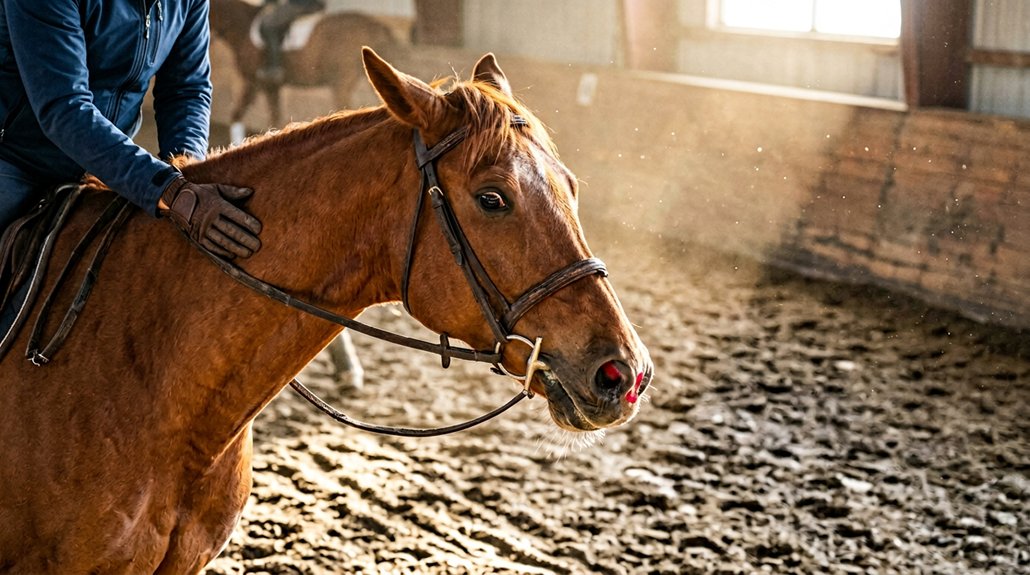
Your horse’s unresponsiveness might be due to communication gaps, physical discomfort, or emotional distress. Confirm commands are clear and consistent, and check for ill-fitting tack or dental issues that may cause pain. Emphasize groundwork to establish mutual respect and trust, employing pressure and rewards effectively. Be patient and empathetic, understanding their body language as communication. Maintaining calm consistency fosters cooperation. Explore strategies for addressing these issues to enhance your partnership and improve responsiveness.
Key Takeaways
- Inconsistent training commands lead to confusion; ensure clarity and consistency in communication.
- Address potential physical pain like ill-fitting tack or dental issues which may impede responsiveness.
- Observe and respect the horse’s body language to understand its boundaries and comfort levels.
- Use a balance of pressure and timely rewards to reinforce positive behavior and engagement.
- Recognize and address emotional states like fear or anxiety that affect the horse’s willingness to listen.
Why Your Horse Isn’t Listening: Understanding the Roots
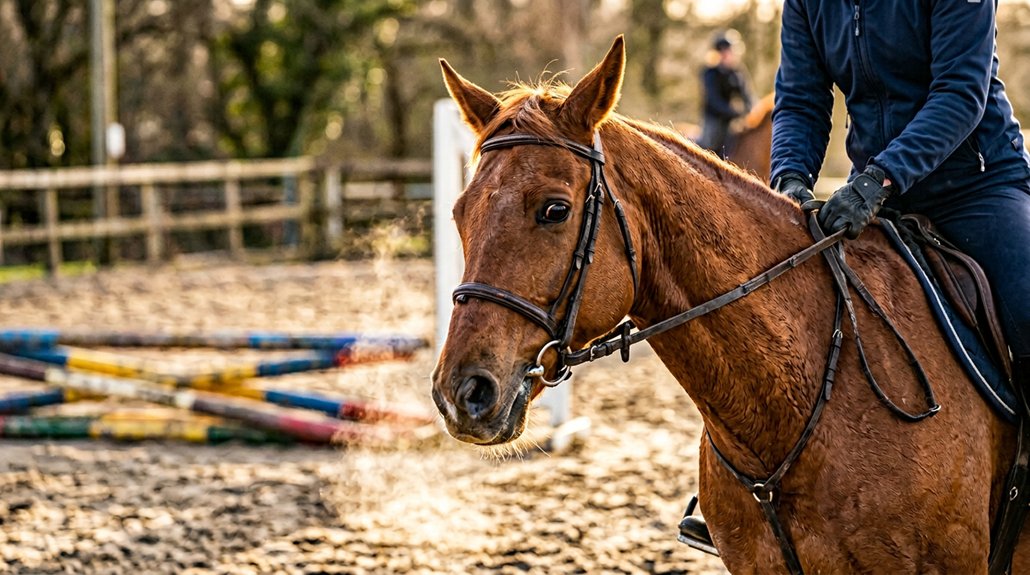
When it comes to understanding why your horse isn’t listening, a myriad of factors often converge to create barriers in effective communication. Training psychology plays a important role—your horse needs clear, consistent commands to grasp what’s expected. If training lacks this consistency, confusion reigns. Physical discomfort shouldn’t be overlooked; ill-fitting tack or dental issues can greatly impede a horse’s response, so regular health checks are essential. Consider your horse’s emotions, too. Fear, anxiety, or even boredom may cause disengagement. These emotional states require attentive handling to keep stress at a minimum. Also, remember the importance of strong leadership; without it, your horse might feel lost. Establishing authority and structure is key to bridging any communication gaps.
Recognize Communication Challenges With Your Horse
Understanding the barriers to why your horse isn’t listening shifts our focus to recognizing communication challenges. Horses rely on communication signals through body language to express their boundaries and comfort levels, and if you miss these, misunderstandings arise. Non-compliant behaviors, such as reluctance, aren’t just stubbornness; they’re behavioral cues signaling discomfort or confusion. It’s essential to reassess your training methods, ensuring your commands and cues are clear and consistent. A horse’s lack of responsiveness might be a call to build trust through respectful interactions. When your horse feels safe with you, it’s more likely to engage positively. Observing its behaviors as communication, rather than problems to fix, fosters an empathetic understanding, enhancing the relationship and paving the way for effective communication.
Groundwork: The Foundation of Horse Communication
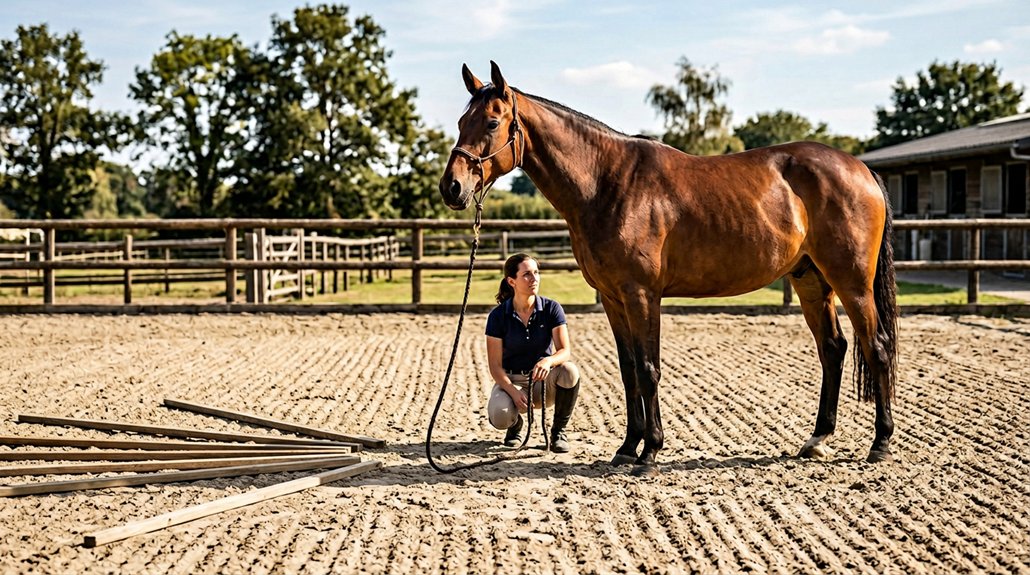
Groundwork serves as the cornerstone of effective horse communication, creating the essential foundation for mutual respect and understanding. By establishing communication fundamentals and routine groundwork techniques, you’re setting the stage for success with your horse. Consistent training helps reinforce rules like standing still and yielding, clarifying expectations and improving horse behavior. This consistency builds a positive environment vital for relationship building, encouraging your horse’s willingness to cooperate.
Utilizing pressure cues in your groundwork routine teaches your horse to understand and respond to corrections, improving its behavior not only on the ground but also under saddle. Remember, groundwork isn’t just about controlling your horse; it’s about fostering a deep, respectful partnership through clear communication and patience. Your efforts here will pay off remarkably in your training journey.
Leadership Strategies to Earn Your Horse’s Trust
To truly earn your horse’s trust, begin by establishing consistent ground rules that encourage mutual respect and understanding. As you communicate through clear and confident body language, you’ll create an environment where your horse feels secure and understood. Remember, building trust is a daily endeavor; observe your interactions carefully and nurture this bond by approaching each encounter with patience and thoughtfulness.
Establish Consistent Ground Rules
While you might occasionally feel frustrated when your horse seems unresponsive, establishing consistent ground rules is key to bridging that communication gap. Behavioral consistency is essential in defining clear expectations, fostering respect, and improving dialogue between you and your horse. By using uniform signals during groundwork, you reinforce your leadership role, making it easier for your horse to understand and respond to commands. Implementing immediate and appropriate pressure during training teaches your horse that there are clear consequences for actions, whether positive or negative. Revisiting foundational training principles like standing still and yielding to pressure emphasizes compliance and strengthens trust. Approach rule enforcement with a calm, assertive demeanor to solidify your position as leader—encouraging your horse to respect boundaries and cues.
Communicate Through Body Language
How can you effectively communicate with your horse using body language? Start with intentional presence—be aware of every movement you make. Horses are incredibly sensitive to body awareness, noticing even the subtlest shifts. Approach them calmly, using slow, deliberate motions that signal safety. Consistent and clear body cues mean respect and authority without shouting commands. Maintaining this intentionality helps your horse understand what you’re asking, reinforcing trust.
It’s important to respect your horse’s personal space, which helps prevent defensive behaviors. Observe how your presence influences their comfort and willingness to engage. Be patient and allow them to come to you, establishing a respectful dialogue. With time, these mindful practices will nurture a cooperative partnership, deepening the trust between you and your horse.
Build Reciprocal Trust Daily
Establishing a routine that builds reciprocal trust with your horse is essential for developing a strong, cooperative bond. Daily trust building begins with consistent leadership, where you set clear rules and boundaries. This creates a safe environment where your horse feels respected. Understand your horse’s personality by observing their body language, which communicates their own boundaries. Approach your horse slowly and intentionally to respect their space, fostering comfort and positive interactions.
Engage in two-way communication instead of simply demanding compliance. This nurtures trust and makes your horse more receptive to commands. Reinforce good behavior with rewards and practice, solidifying trust and creating a more willing equine partner. Remember, trust is reciprocal—invest in it daily to see profound results.
Apply Pressure Effectively for Better Response
To effectively communicate with your horse, it’s essential to master the art of balancing pressure and rewards, ensuring each is applied with impeccable timing. A well-timed application, ideally within half a second of the horse’s action, can make all the difference in reinforcing desired behaviors. Remember, using the right amount of pressure and rewarding promptly not only clarifies expectations but also fosters a more responsive partnership.
Timing of Pressure Application
Timing is everything when applying pressure effectively to a horse. Knowing the right timing techniques and pressure types can make all the difference in your horse’s response. Correct adjustments should occur within half a second of spotting undesired behavior, reinforcing the connection between actions and consequences clearly. Horses need enough pressure to realize behavior is unacceptable—too little may lead to lingering bad habits. Here are three essential tips:
- Implement immediate and firm corrections: This approach is clearer than multiple weak attempts.
- Adjust pressure based on sensitivity: Horses with heightened sensitivity require gentler, yet prompt pressure.
- Pressure must match the horse’s needs: Less sensitive horses may need stronger corrections to grasp boundaries.
Tailor your approach to deepen understanding and improve responses.
Balancing Pressure and Rewards
Balancing pressure with rewards is a pivotal component of horse training that directly influences how your horse responds to guidance. The secret lies in pressure calibration and reward timing. Applying pressure correctly means understanding your horse’s sensitivity—some need just a whisper, while others may require a firmer hand. Apply pressure immediately—within half a second—so your horse can clearly connect the action with its consequence.
Consistent pressure, paired with rewards right after positive behavior, reinforces expectations. Remember, not every horse is the same. Adjusting your approach to suit their unique responses avoids overwhelming them, which can lead to avoidance behaviors. By effectively balancing pressure and rewards, you encourage your horse to seek positive outcomes, creating a cooperative partnership.
Respecting and Interpreting Horse Body Language
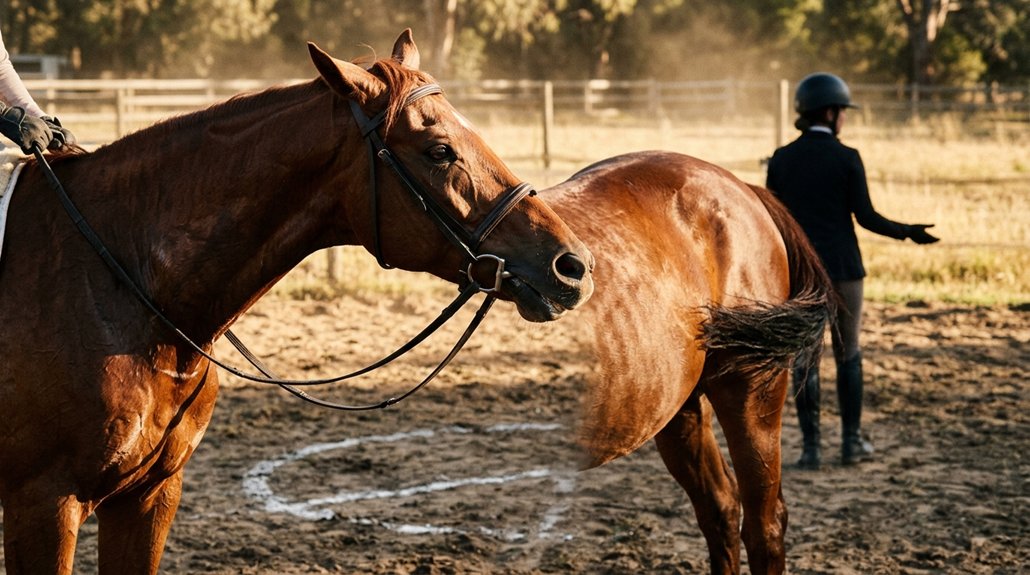
When working with horses, it’s crucial to develop an understanding of their body language to communicate effectively and build trust. Pay attention to posture signals and emotional cues, which are important in interpreting your horse’s boundaries and comfort zones.
Misinterpreting these signals can lead to setbacks in training. Here’s what to watch for:
- Posture Signals: Relaxed muscles and a calm, low head indicate trust, whereas tense muscles and an arched neck hint at anxiety.
- Emotional Cues: Pinned ears, an elevated tail, or shifting weight often signal discomfort or a request for space—not aggression.
- Subtle Movements: Eye directions and ear positions can tell you what your horse is feeling and thinking.
Address Physical Pain to Improve Responsiveness
Although it might not always be immediately apparent, physical pain can drastically affect your horse’s responsiveness and willingness to cooperate. Discomfort from ill-fitting tack or dental issues may lead to what seems like disobedience. Your horse could be sending pain signals by becoming unresponsive, avoiding activities that worsen discomfort. Regular veterinary check-ups are essential; they can help identify underlying issues that impact mental health, potentially causing stress and anxiety. Addressing these pain sources promptly will improve your horse’s engagement and willingness to follow cues. Routine health assessments guarantee effective training, keeping your horse responsive and engaged. Your empathy can transform your horse’s experience from discomfort to attentiveness.
“`markdown
| Signs of Pain | Causes | Solutions |
|---|---|---|
| Unresponsiveness | Ill-fitting tack | Check tack fit |
| Avoidance of cues | Dental issues | Regular dental exams |
| Stress & Anxiety | Physical pain | Veterinary check-ups |
| Improved Engagement | Address ailments | Routine health assessments |
“`
Refine Training Techniques: Boost Horse Engagement
Regularly evaluating your groundwork practices reinforces respect and boundaries, keeping communication clear and effective.
Maintain Calm and Consistency for Steady Progress
While refining your training techniques enhances engagement, maintaining a calm and consistent approach is equally important for steady progress with your horse. They’re incredibly intuitive, sensing your emotions and reflecting them back. A calm environment promotes better responsiveness; your calm demeanor helps your horse feel secure and enthusiastic to cooperate. Consistency in addressing behavior immediately solidifies clear boundaries, providing a solid framework for your horse’s learning. Use positive reinforcement to reward good behavior and cultivate a positive mindset, encouraging your horse to repeat these actions. Consistent cues and commands prevent confusion, enhancing your communication and understanding. By ending sessions on a positive note focused on small achievements, you leave your horse feeling accomplished and excited for future training.
Turn Misunderstandings Into Opportunities: Foster Positive Solutions
When your horse isn’t responding as expected, it’s essential to see beyond the immediate frustration and recognize the moment as a chance for growth. Communicating openly and respecting your horse’s signals can transform challenges into opportunities for strengthening your bond. By addressing underlying issues with empathy and clarity, you’ll foster a relationship built on mutual understanding and trust.
Encourage Open Communication
How often do you truly listen to what your horse is trying to tell you? Active listening to their expressive movements is key in encouraging open communication. By recognizing and interpreting body language, you’ll gain insights into their comfort levels and willingness to engage.
Consider these steps to enhance your communication:
- Groundwork Practices: Engage in patient groundwork to establish a two-way dialogue, enabling your horse to express their needs while fostering trust.
- Empathetic Approach: Understand that unwanted behaviors may arise from misunderstandings, allowing you to respond more empathetically.
- Clear Boundaries: Establish clear boundaries and consistent cues to create a secure environment, minimizing confusion and enhancing compliance.
Transform Challenges Into Growth
Recognizing misunderstandings with your horse as opportunities for improvement can redefine challenges as stepping stones toward a stronger bond. When training challenges arise, they often reveal gaps in communication and highlight areas for personal growth, enhancing both your mental health and your horse’s. Address the equine behavior cues by refining your signals and understanding social dynamics.
| Strategy | Benefit |
|---|---|
| Positive Reinforcement | Builds trust and reduces anxiety |
| Observe Behavioral Cues | Strengthens emotional connection |
| Consistent Groundwork | Improves relationship growth |
Identify and adjust to your horse’s comfort zones, facilitating a safe space for trust building. Transform anxiety into confidence by resolving causes of discomfort. With patience and insight, each challenge can enhance your emotional connection, fostering not just a listening horse, but a harmonious, thriving partnership.
Build Mutual Understanding
Understanding that horses express themselves primarily through body language can revolutionize how you interpret miscommunications, turning them into opportunities for positive interactions. Building mutual respect starts with recognizing signals your horse sends through its movements and reactions. This approach fosters essential horse empathy. Here’s how to deepen your connection:
- Set clear boundaries: Respect your horse’s personal space to nurture trust and inspire cooperative behavior.
- Engage in two-way communication: Wait patiently for signs of comfort, transforming misunderstandings into chances for positive engagement.
- Consistent cues: Use clear signals during groundwork to strengthen learning and reduce miscommunication.
Addressing behavioral issues with understanding, rather than correction, deepens the horse-rider bond. This empathetic strategy turns challenges into growth and aligns you with your horse’s needs.
Frequently Asked Questions
What to Do When Your Horse Is Not Listening?
When your horse isn’t listening, assess communication barriers by observing behavioral cues. Refine your training techniques to build trust. Use consistent approaches, immediate corrections, and varied exercises to enhance engagement, making sure your horse understands and follows commands.
What Is “I Love You” in Horse Language?
“I love you” in equine communication is shown through soft eyes, relaxed ears, nuzzling, and gentle nudges. Embrace these horse behaviors by respecting boundaries and engaging at their comfort level for a deep, trusting bond.
Can You Ride Horses if You Have Scoliosis?
Riding with scoliosis is like maneuvering a winding road; it’s possible but requires care. Guarantee riding safety by consulting a specialist, addressing scoliosis symptoms with tailored exercises, and considering proper gear to enhance your horseback journey.
What Is the 1/2/3 Rule for Horses?
The 1/2/3 Rule for horses involves training techniques using incremental pressure: light (1), moderate (2), strong (3). It teaches horses behavior cues, helping them connect actions with consequences, fostering understanding and improving your communication and bond.
Conclusion
In the intricate interplay with your equine companion, patience paves the path to progress. By understanding underlying issues and wielding wisdom with groundwork, you’ve learned to lead with love. Applying pressure properly and addressing physical pain fosters trust. Refine your routines to resonate with your horse, maintaining calmness and consistency as you cultivate connection. Misunderstandings morph into meaningful moments, shaping a symbiotic bond where serenity and success seamlessly coexist, enhancing harmony in your horse’s world.