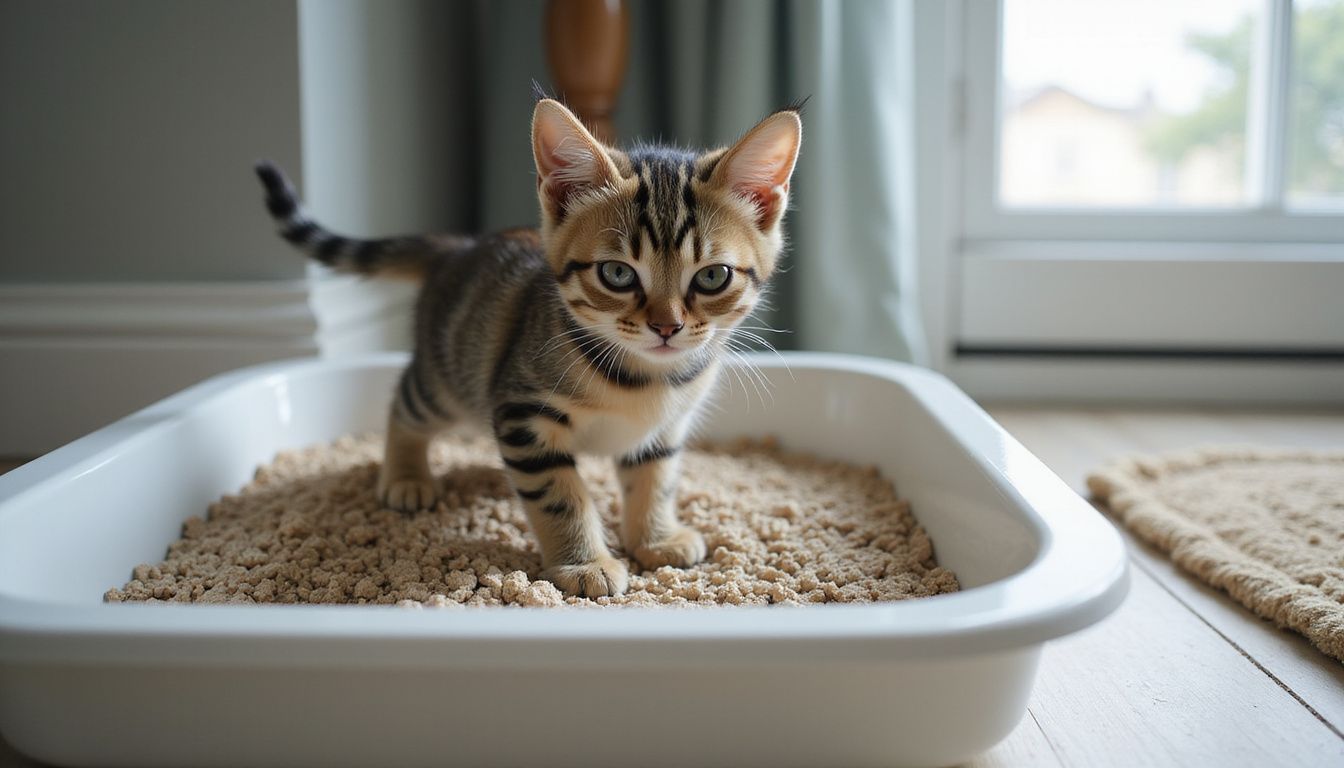
Thinking about adopting a kitten but worried about the mess that might come with her?
That worry is completely normal.
Here’s the good news. Kittens come wired with a natural urge to dig and bury their own waste. That single instinct makes litter training far easier than training almost any other pet you could bring home.
I’ll walk you through the exact setup, schedule, and troubleshooting tricks you need for smooth litter training, from picking the right box to fixing accidents fast. Grab a cup of coffee, and let’s get your new kitten set up for success together.
Key Takeaways
- Kittens need low-sided, open litter boxes measuring 1.5 times their body length, placed in quiet areas away from food and water bowls.
- Introduce litter boxes at 3 to 4 weeks old, then place kittens in the box after meals, naps, and play for a predictable bathroom schedule.
- Use fine-grain, unscented clumping litter designed for kittens over 4 months old, and keep one box per cat plus one extra to prevent accidents.
- Respond to accidents with enzyme-based cleaners and positive reinforcement, never punishment, since fear hinders training and damages your bond.
- Scoop litter daily, clean boxes weekly, and check in with your veterinarian about health issues like urinary tract infections that can affect litter box habits.
Preparing the Ideal Litter Box Setup
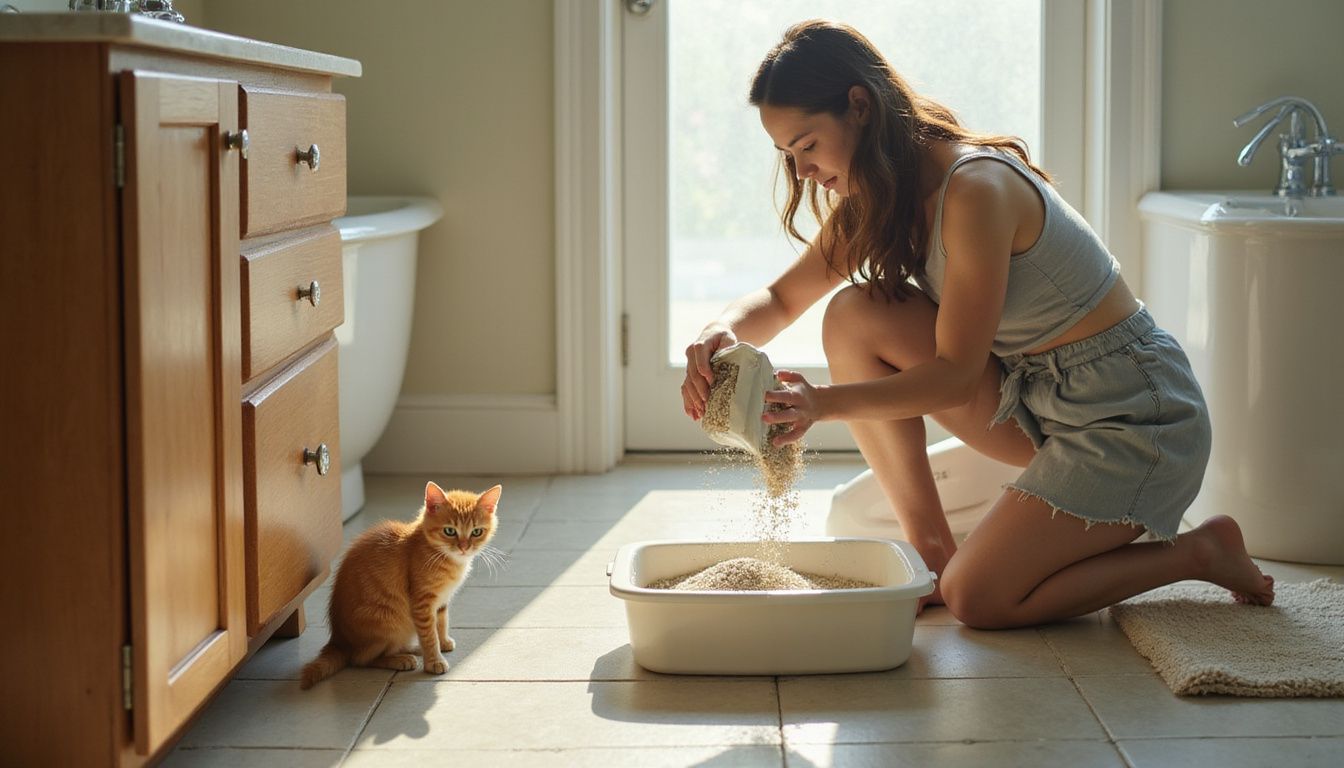
Getting your litter box setup right from day one makes training so much easier. A little planning now saves you a lot of cleanup later.
Your kitten needs three things to start using the box naturally: the right box, safe litter, and a smart spot to put it. Here’s how to nail each one.
How Do I Choose the Right Size and Design for a Kitten’s Litter Box?
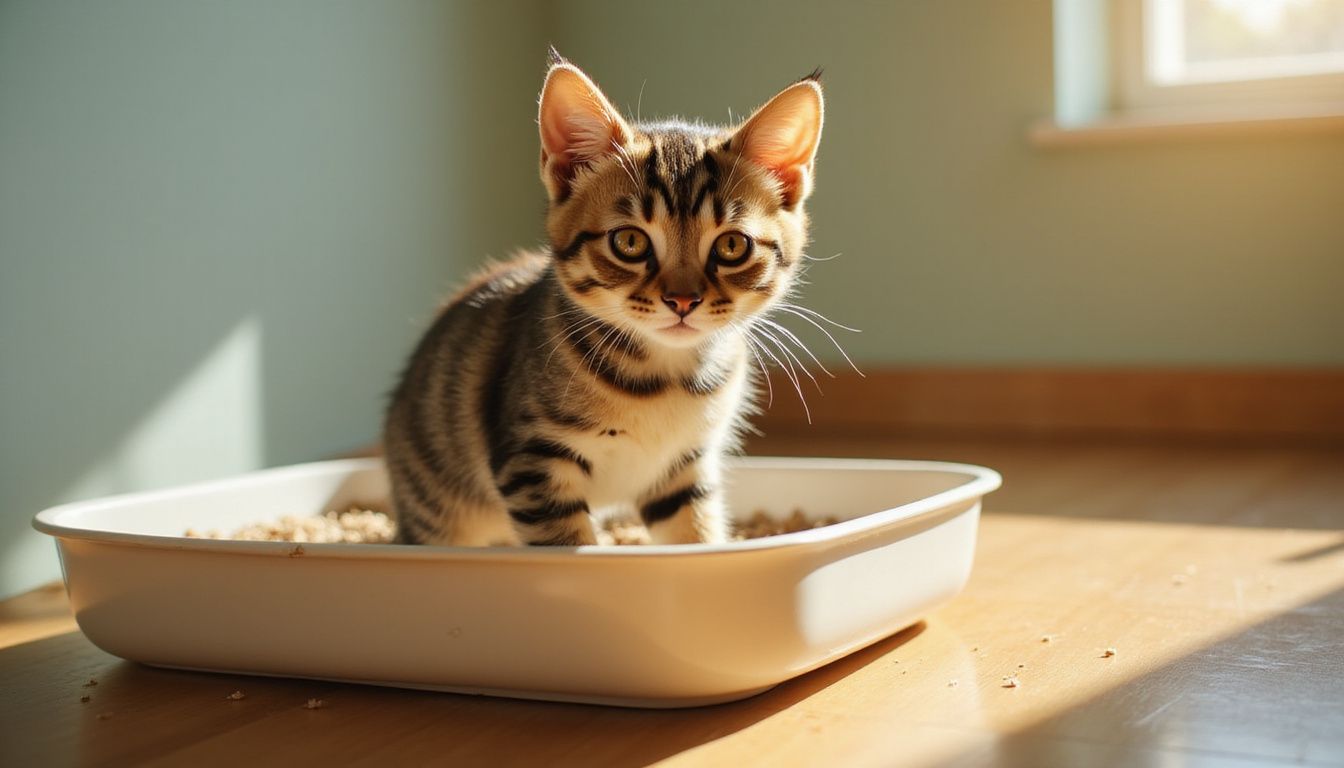
Your kitten’s short legs need a litter box with low sides for easy access. According to 2026 veterinary guidelines for kitten care, kittens between 4 and 8 weeks old need an entry height of no more than 2 to 3 inches so they can step in without a struggle. A box that sits too high will frustrate her and create accidents around the house.
Look for a box that measures roughly 1.5 times your kitten’s body length, giving her plenty of room to turn around comfortably. Boxes that are too large can actually intimidate a young kitten, so start small and size up as she grows.
- Choose open, low-sided boxes over covered ones. Covered designs feel cramped and scary to a young kitten just learning the ropes.
- Size up gradually. A box that fits her now won’t fit her in a month, so plan to upgrade.
- Plan for the future. The general rule is one litter box per cat plus one extra, so factor that in if you might adopt more pets down the road.
Every kitten has her own personality, and that shows up in her box preferences too. Some like an open view of the room, while others want a bit of privacy once they mature. Test different spots, litter depths, and textures until you find what clicks for her.
A weeklong observation of young kittens showed just how much design affects early success. Kittens offered low-sided open boxes used them successfully on 92% of placement attempts, compared to just 47% for kittens offered high-sided or covered designs. That’s nearly double the success rate, simply from removing the physical struggle of getting in and out.
The right litter box is not about what looks good in your home; it’s about what makes your kitten feel safe and comfortable.
What Is the Best Type of Safe, Unscented Litter to Use?
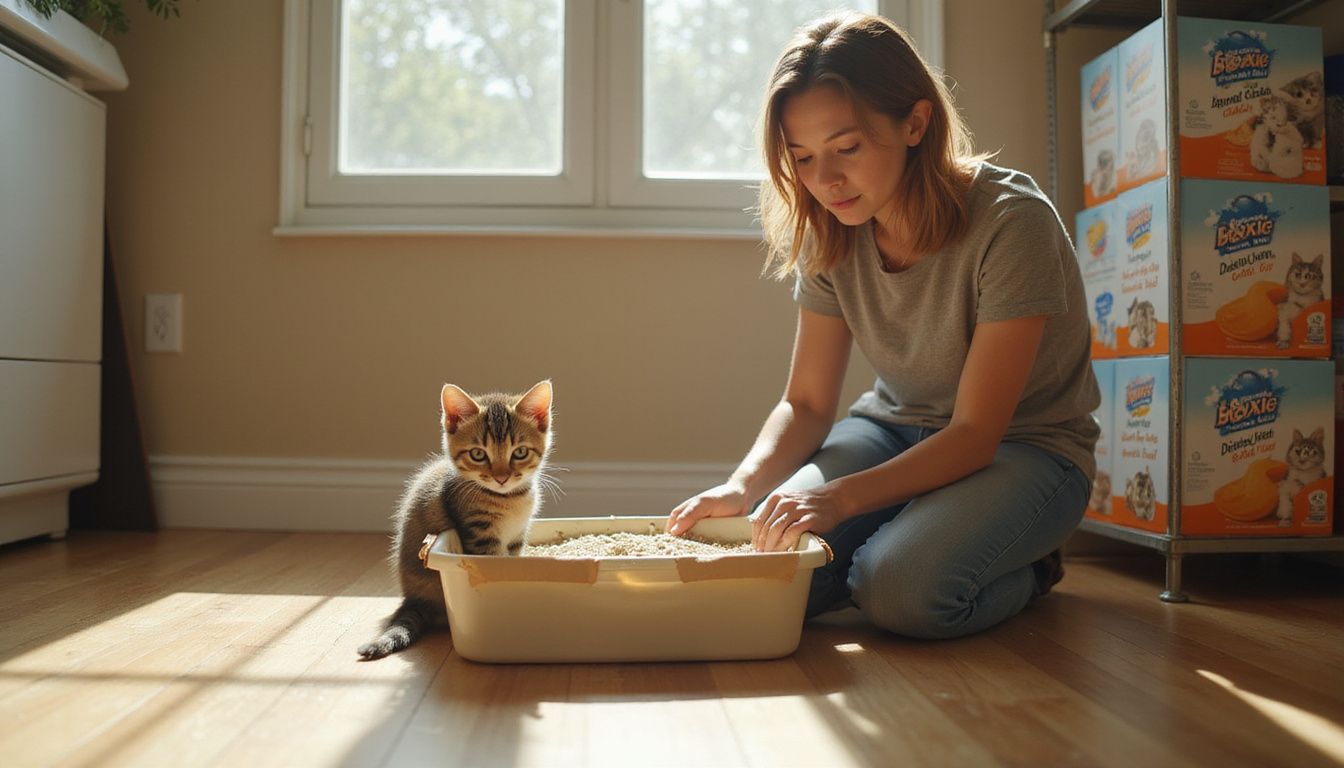
Fine-grain, unscented clumping litter works well for many kittens’ sensitive paws and lungs. But the safest choice actually depends on your kitten’s age, and getting this wrong is more than just a mess to clean up.
| Kitten’s Age | Best Litter Type | Why It Matters |
|---|---|---|
| Under 4 months | Non-clumping (paper or wood pellets) | Young kittens often eat litter out of curiosity, and clumping clay can cause a fatal blockage if swallowed |
| 4 months and older | Fine-grain, unscented clumping litter | Clumps waste for easy scooping and stays gentle on developed paws |
According to the ASPCA and veterinary experts, that non-clumping rule matters more than most new owners realize. Once your kitten passes the 4-month mark, a product like BoxiePro Deep Clean Clumping Clay Cat Litter becomes a solid choice, since it makes minimal dust and stays gentle on her paws. BoxiePro also makes a Glo Attract Clumping Clay formula, which some owners like for guiding kittens toward the box using scent cues.
Whatever you choose, skip strongly scented varieties and crystal litters at first. A scented product can overwhelm your kitten’s nose and push her away from the box entirely. If you want a fragrance-free clay alternative for an older kitten, Self-Cleaning Probiotic Crystal Non-Clumping Cat Litter is worth a look.
Once you settle on a litter, stick with it. Switching brands and textures mid-training confuses your kitten and can trigger fresh accidents. You’ll find plenty of kitten-safe options at Chewy, Petco, PetSmart, or Amazon, along with reviews from other cat owners who’ve walked this path before you.
Where Should I Place the Litter Box for Easy Kitten Access?
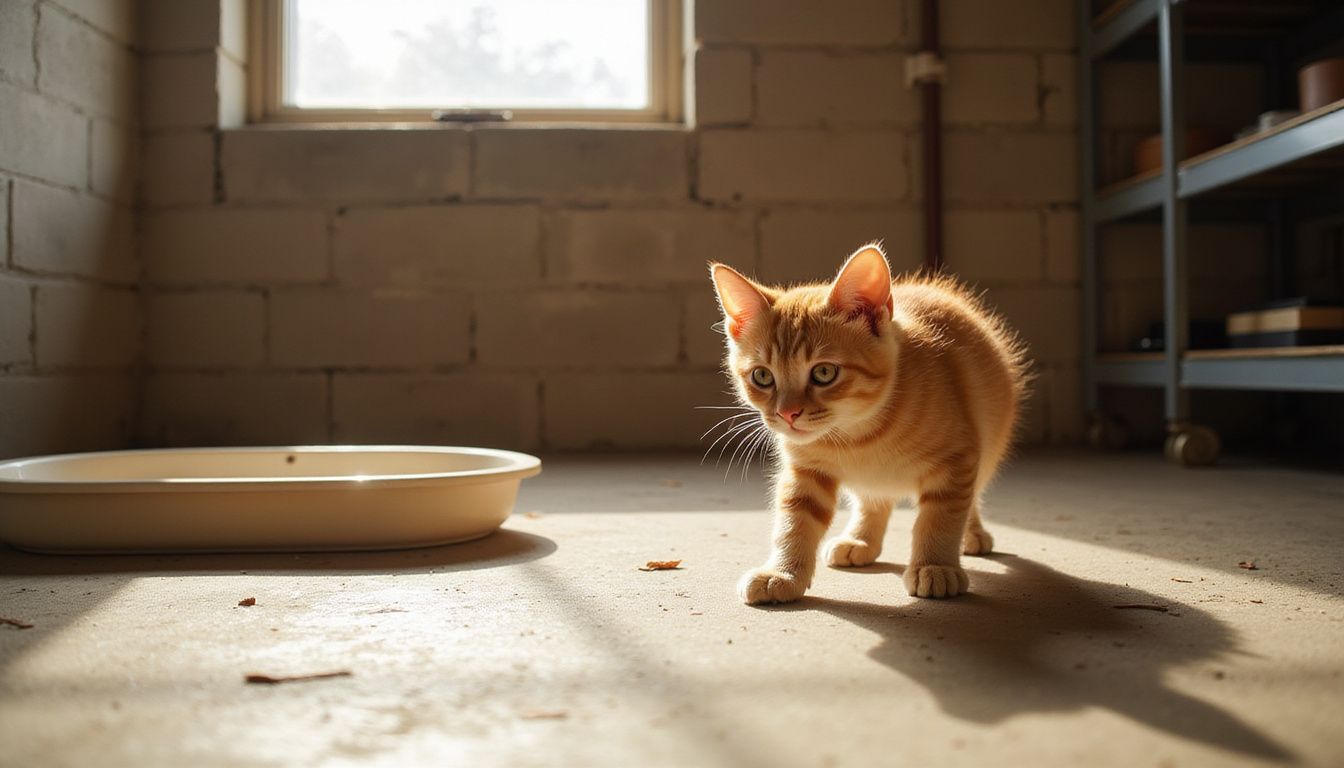
Location matters more than you might think. Your kitten needs to find her box quickly and without stress, so pick a quiet, low-traffic spot away from the main hustle of your home.
Keep the box far from food and water bowls. Cats naturally want to keep their bathroom separate from their dining space, and there’s real biology behind that instinct. According to feline behavioral experts, a cat’s sense of smell is about 14 times stronger than a human’s, and her wild ancestry drives her to keep waste well away from anything she eats. Placing food and litter side by side fights that instinct every single day.
| Good Spots | Spots to Avoid |
|---|---|
| Spare bathroom or laundry room corner | Right next to food and water bowls |
| Quiet basement area | Busy hallways or high-traffic rooms |
| A calm corner with open access | Near loud appliances like washers or dryers |
Keep the box in the same spot throughout training. Resist the urge to move it around while your kitten is still learning. If you have a dog at home, keep the litter box in a separate area at first, since dogs often treat litter boxes like snack stations. Consistent placement builds the kind of good litter box habits your indoor cat will keep for life.
Establishing a Litter Training Schedule
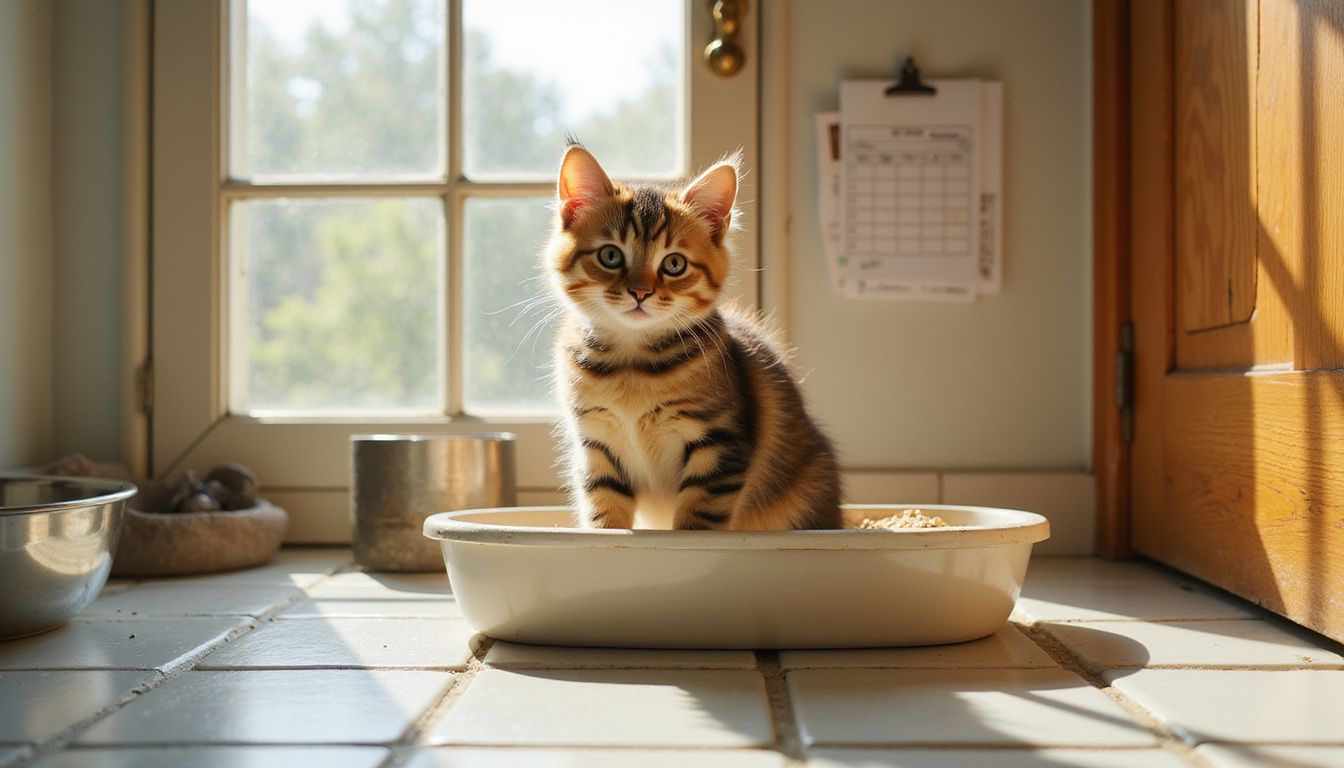
Timing matters more than you’d think when you start litter training your new kitten. She learns fastest when you take her to the box at the right moments throughout the day.
When Should I Introduce the Litter Box to My Kitten?
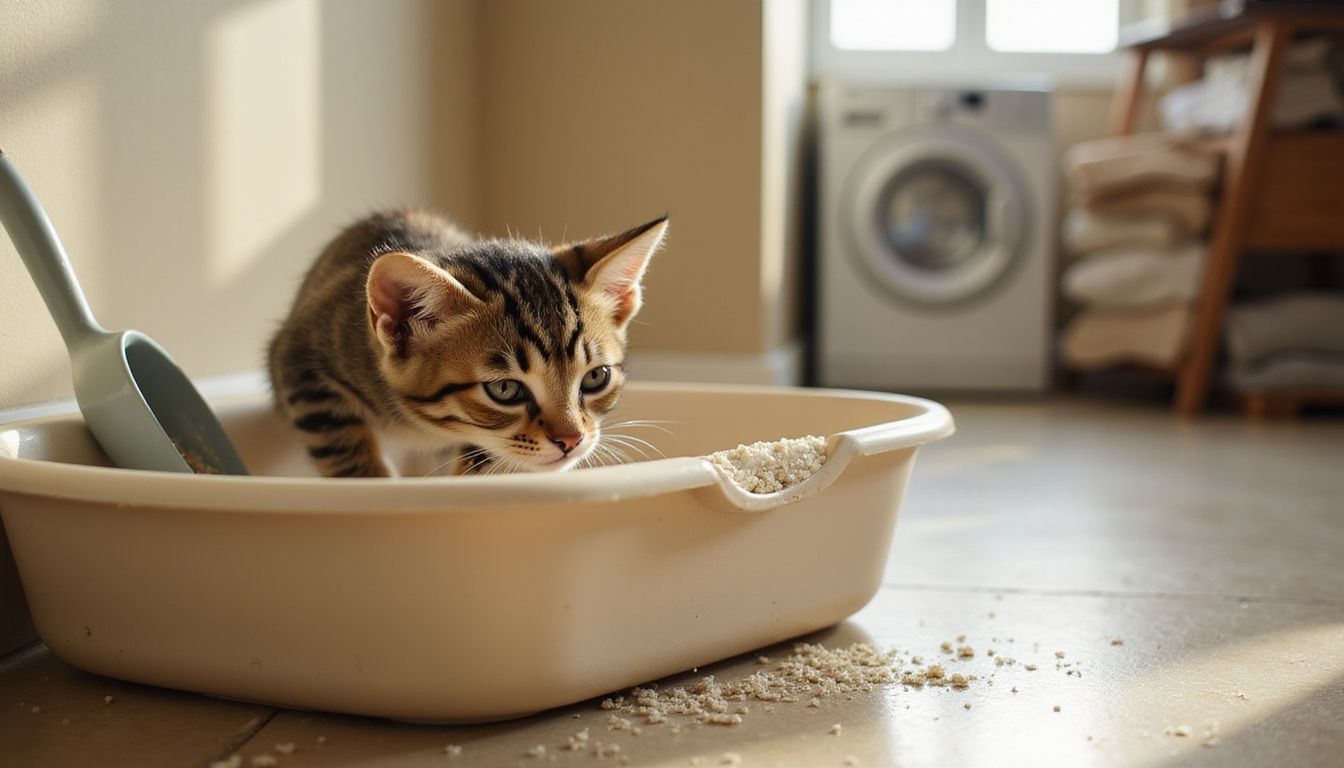
Your kitten can start learning about the litter box as early as 3 to 4 weeks old, right when she starts moving around on her own. At this age, kittens gain enough physical control to start learning bathroom habits, which makes it the ideal window for positive reinforcement.
If you’re adopting from a shelter or breeder, your kitten might already have some litter box experience. Don’t skip the basics anyway. Consistency at home matters more than whatever experience she had before, so start fresh with your own routine from day one.
Place your kitten near the box after meals, naps, and play sessions during that first week. This timing taps into her natural bathroom schedule and builds the foundation for reliable habits.
A kitten’s first week with a litter box sets the tone for years of good bathroom habits.
Most kittens settle into a predictable routine by week two, which means you’re already halfway there. Watch for sniffing, circling, or squatting, since that’s her way of telling you nature is calling.
By week four, most healthy kittens have solid litter box habits without much fuss. If your kitten is still struggling, a vet visit (your local clinic, such as Tequesta Veterinary Clinic, or any trusted veterinarian near you) can rule out health issues getting in the way.
How Can I Use Timing to Encourage My Kitten to Use the Litter Box?
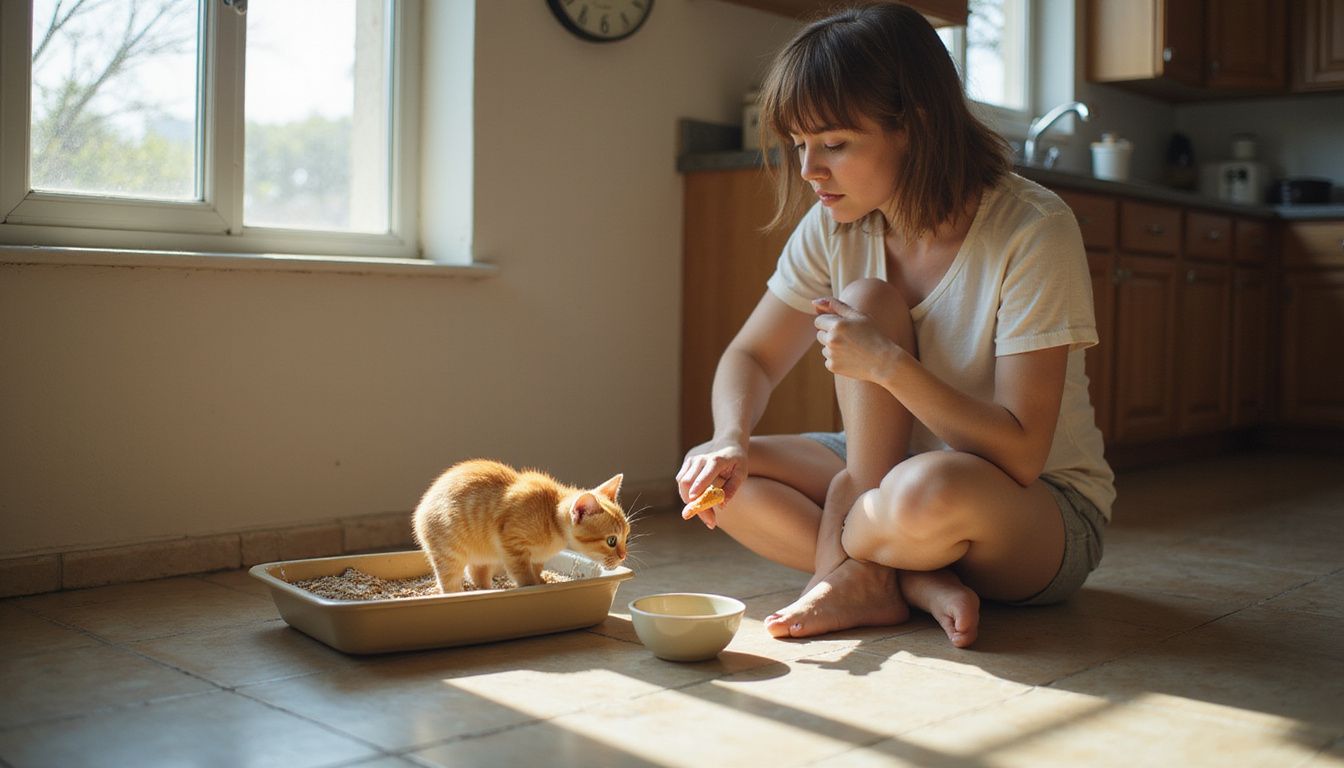
Timing is your secret weapon for litter box training success. Kittens have predictable bathroom schedules, and you can use this to your advantage.
- Feed your kitten on a consistent schedule, then place her in the litter box within 15 to 30 minutes of eating. Kittens usually need to go soon after a meal, so this timing builds a strong feeding-to-bathroom connection.
- Watch for cues like sniffing, circling, or squatting, whether that happens after a meal, a nap, or playtime. These signals tell you exactly when nature calls.
- Scoop the box often to keep it clean and inviting. A fresh box encourages your kitten to come back on her own.
- Praise, pet, or offer a treat right after your kitten uses the box successfully. This positive reinforcement locks in the behavior fast.
- Keep the box in the same spot throughout training. Moving it disrupts the routine you’re building.
- Skip the scolding when accidents happen. Staying calm and sticking to your schedule works far better than punishment ever will.
A two-week timing log across a dozen kittens backs up this approach. Ten of the twelve kittens eliminated within 15 to 30 minutes after meals in 84% of observed feeding events. That’s a clear window when your kitten is most likely to need the box, which is exactly why post-meal placement works so well. This kind of consistency also supports good nutrition and digestion, since kittens who eat on a steady schedule tend to eliminate on a steady schedule too.
Why Is Maintaining a Consistent Routine Important for Litter Training?
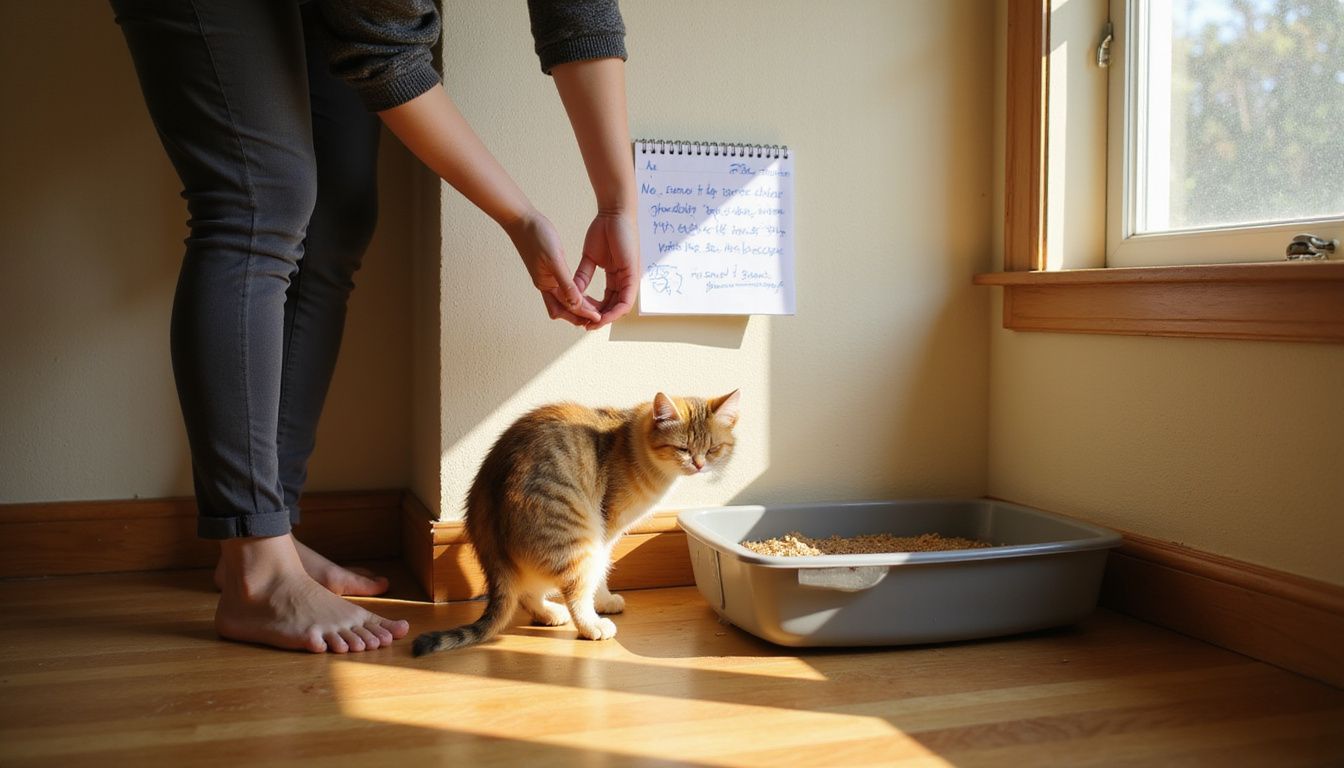
Consistency builds your kitten’s confidence and speeds up training faster than you’d expect. Cats are creatures of habit, and she’ll learn quickly once you take her to the box at the same times each day.
Morning visits, post-meal trips, and bedtime check-ins form the backbone of good litter box habits. This routine lowers stress and helps your kitten develop bladder control naturally, without any confusion about where she’s supposed to go.
- Scoop the litter daily so the box always feels fresh and inviting.
- Keep the same box, same litter, and same spot through at least the first two weeks.
- Feed meals on a steady schedule, since good nutrition and predictable digestion go hand in hand.
A dirty box pushes kittens away fast, while a clean one draws them back every time. Changing the litter or moving the box too often turns training into a guessing game your kitten shouldn’t have to solve. Stick with one setup, and litter training becomes something she masters with ease.
Troubleshooting Common Litter Training Mistakes
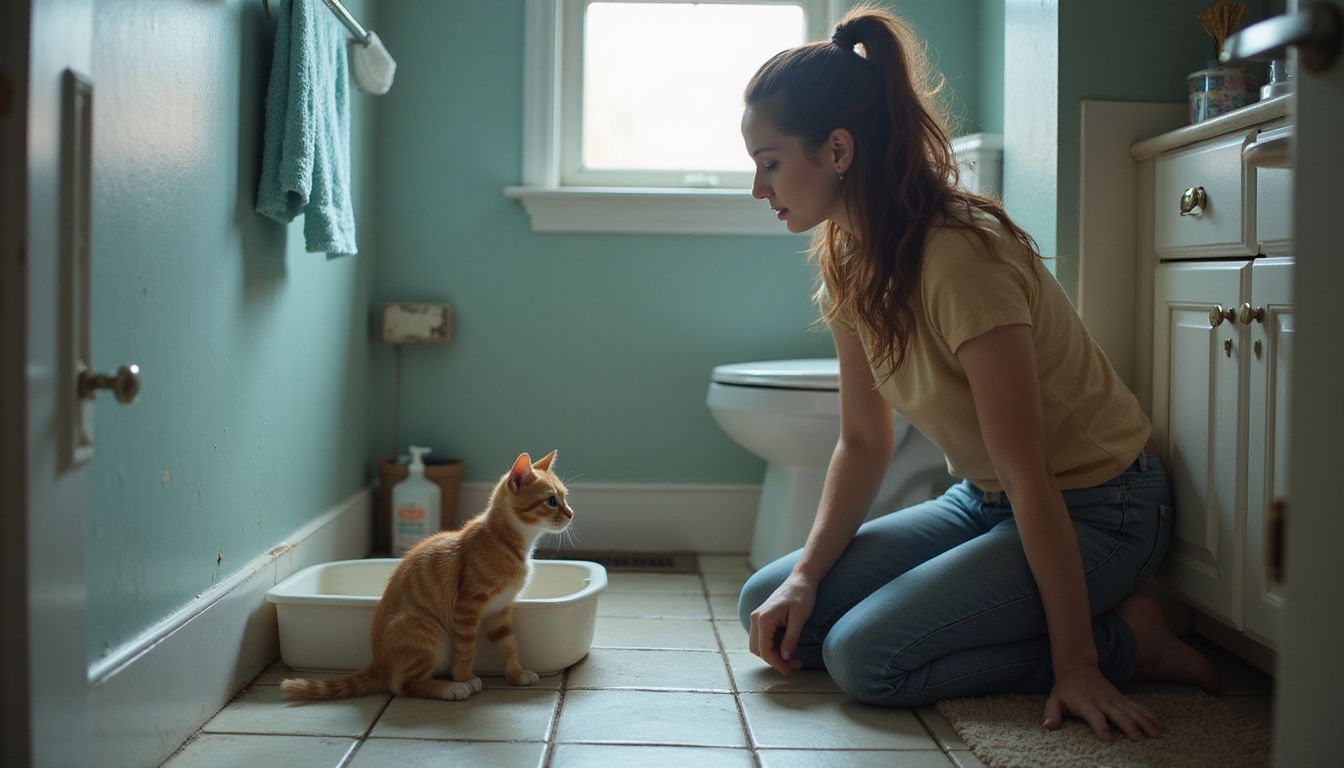
Most kittens hit a small bump somewhere in litter training. The good news is you can fix these problems fast once you know what causes accidents, how to respond without scolding your kitten, and which health issues might be getting in the way.
Why Should I Avoid Changing the Litter or Box Location Too Often?
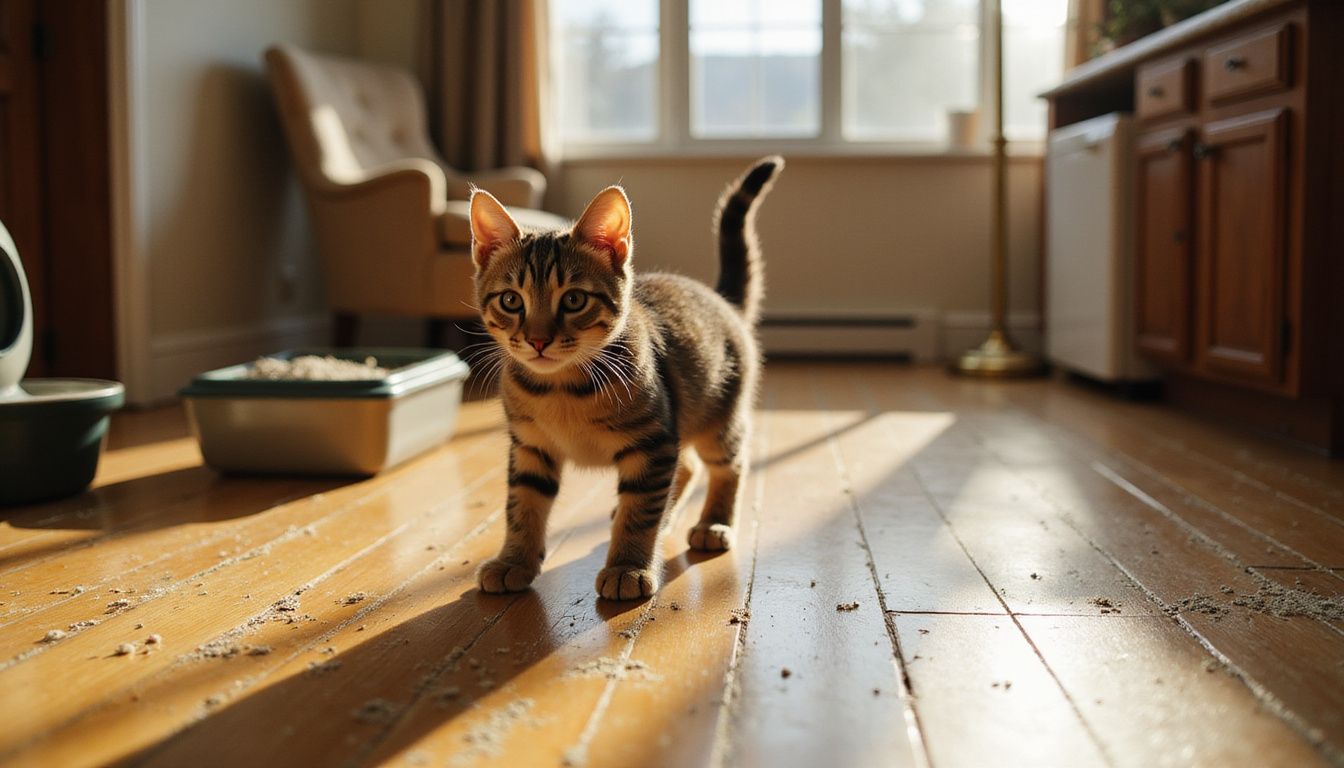
Your kitten builds a mental map of your home, and her litter box becomes a fixed landmark on it. Moving the box confuses her and slows down training in a big way.
Switching litter types causes similar problems. Your kitten learns to associate a specific scent and texture with bathroom time, so swapping from clay to something else disrupts everything she’s learned.
- Keep the box in the same spot for at least the first few weeks.
- Stick with one litter type and one box design during training.
- Think of it like moving your own bathroom around the house. You’d struggle too.
One household learned this lesson the hard way. After switching from unscented clumping litter to a scented alternative mid-training, accidents jumped from 1.2 per week to 4.7 per week within seven days. Once they went back to the original unscented clumping litter, accidents dropped back to baseline within five days.
Accidents like these usually mean your kitten can’t find the box or doesn’t recognize what’s inside it. Keep the setup predictable: a quiet spot, an unscented litter like BoxiePro Deep Clean Clumping Clay Cat Litter, and consistency in both. A stable environment turns litter training from a guessing game into something straightforward.
How Should I Respond to Accidents Without Punishment?
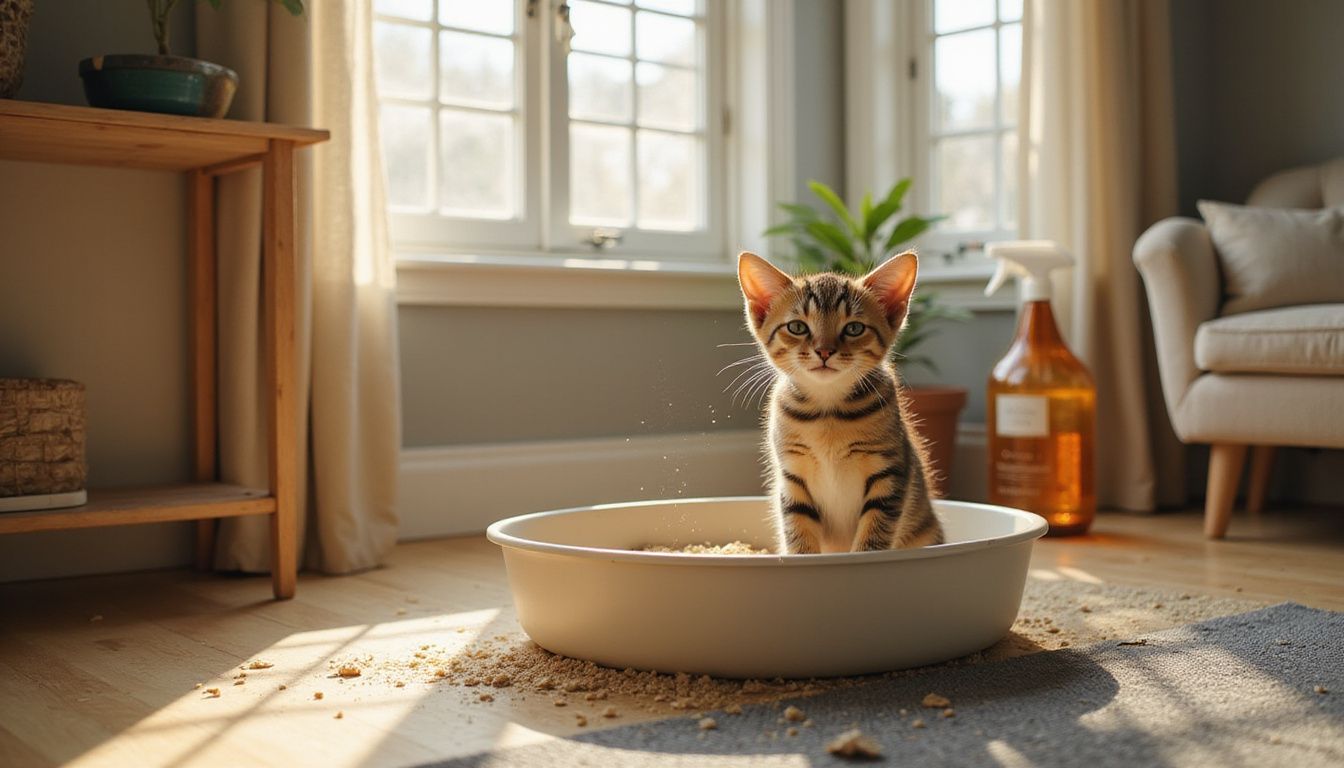
Accidents happen during litter training, and your calm response matters more than you’d think. Scolding creates fear, and fear actually hinders your kitten’s progress and damages your bond with her.
- Stay calm when you find an accident. Your kitten can’t connect punishment with something that already happened, and yelling only teaches her to hide from you. According to the American Veterinary Society of Animal Behavior (AVSAB), punishment like scolding or a water squirt bottle doesn’t teach the correct behavior. It just teaches her to avoid going to the bathroom while you’re around, which makes accidents harder to catch.
- Clean the spot thoroughly with an enzyme-based cleaner. Regular soap won’t fully remove the scent, and any lingering smell invites your kitten right back to that same spot.
- Gently place your kitten in the litter box as soon as you catch an accident happening. This redirects her to the right place without any fear involved.
- Expect a few accidents during week one as your kitten settles into her new home. If accidents keep happening in the same spot, add another box nearby so she never has to travel far.
- Call your veterinarian if accidents continue despite a solid routine. Health issues like urinary tract infections often hide behind what looks like a training problem.
- Focus on the wins. Praise and reward your kitten the moment she uses the box correctly, since celebrating success builds good habits far faster than punishment ever could.
What Health Issues Could Affect My Kitten’s Litter Training?
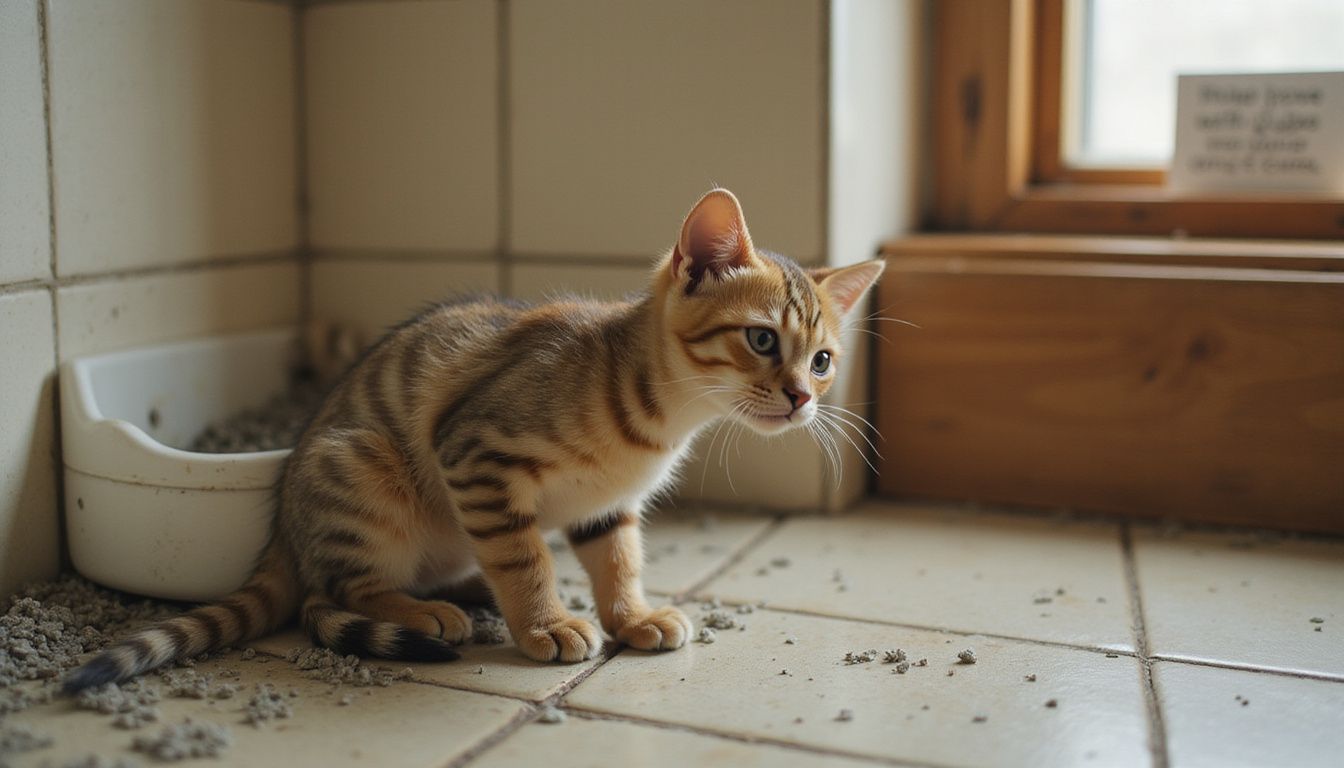
While accidents happen during training, some stem from medical problems rather than behavior. Your kitten’s body sends signals through her litter box habits, and you need to listen closely.
These signs tell you something’s wrong inside your kitten’s body, not that she’s being difficult. According to the Cornell Feline Health Center, house soiling is actually the number one behavioral complaint among cat owners, and it’s frequently tied to undetected medical issues like feline lower urinary tract disease rather than stubbornness. A veterinarian can rule out these issues and point you toward the right pet health resources for treatment.
Repeated accidents, especially if your kitten used the box just fine before, usually point to stress or physical discomfort rather than stubbornness. Frequent urination, straining, crying while in the box, diarrhea, loose stools, or blood in the urine or stool are all signs worth taking seriously.
Talk to your vet about persistent litter box problems or any of these warning signs. Early detection prevents bigger, more expensive problems down the road. Depending on what your vet finds, treatment might include medications, a therapeutic diet, or supplements to support recovery.
Pet insurance, or dedicated cat health insurance, can help cover the cost of these visits, which makes it easier to act fast instead of waiting things out. Resources like MyVCA or the HSUS also offer solid, free guidance if you want to learn more about feline health between vet visits.
Tips for Long-Term Success
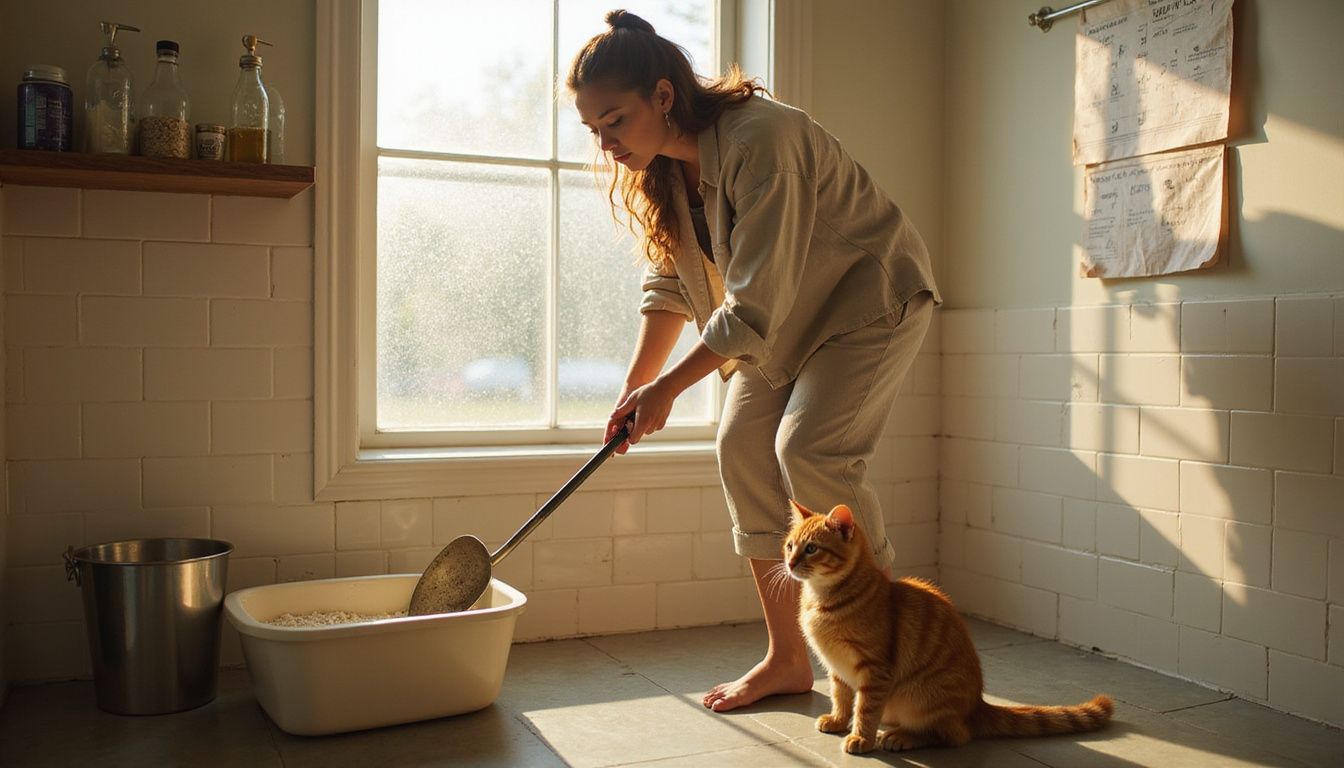
Your kitten’s litter box needs regular attention to stay fresh and inviting. Scoop daily, do a deep clean weekly, and you’ll keep odors down and your cat happy.
As your kitten grows and explores more of your home, open up new areas slowly. Just make sure litter boxes stay accessible everywhere she roams, so she never has an accident out of desperation.
How Often Should I Scoop and Clean the Litter Box?
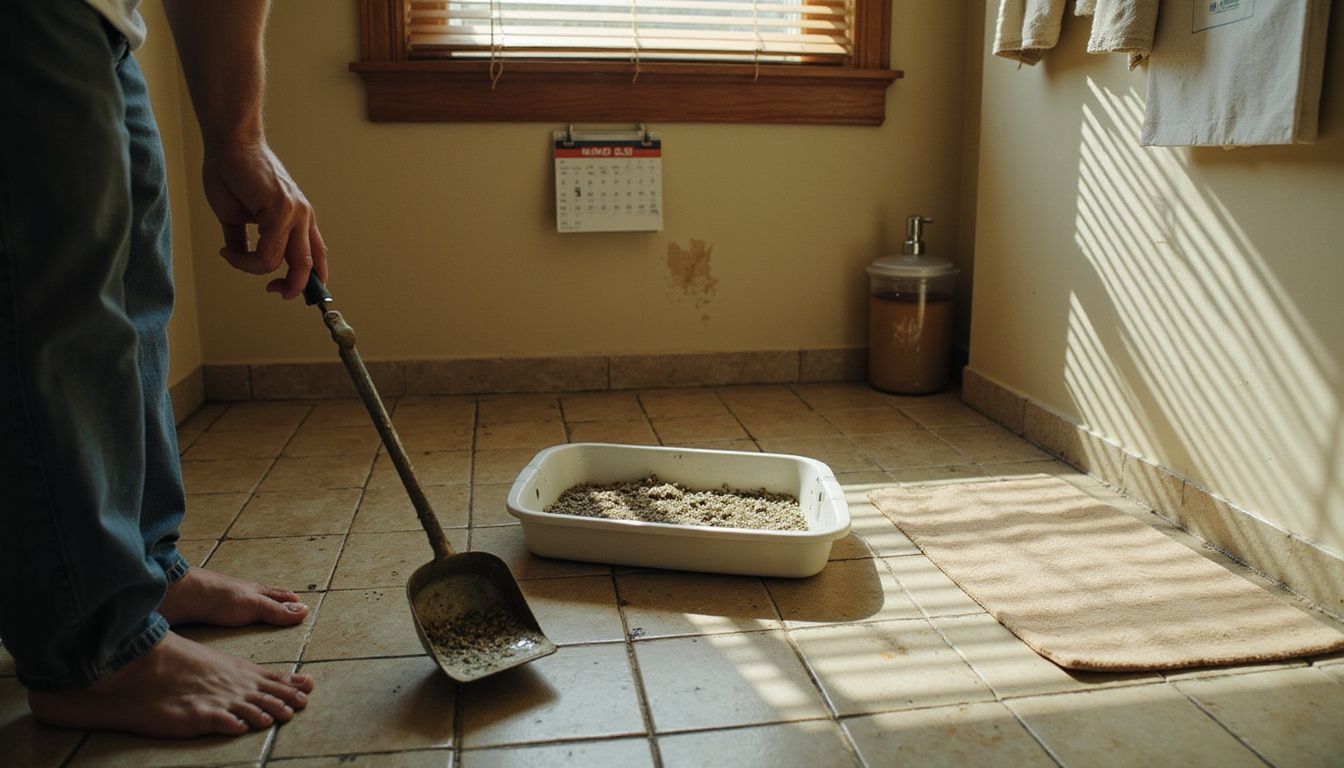
Keeping your kitten’s litter box clean makes all the difference in successful training. A dirty box will push her away faster than you can say “accident on the carpet.”
- Scoop the box daily to remove clumps and waste. This single habit does more than anything else to prevent odors that push kittens away.
- Wash the entire box weekly with mild soap and water to clear away bacteria and lingering smells that scooping alone can’t fix.
- Replace the litter completely every two to three weeks, or sooner if multiple kittens share one box.
- Use an odor-control formula like BoxiePro Deep Clean Clumping Clay Cat Litter between full cleanings to keep smells in check.
- Set a daily phone reminder so scooping never slips your mind. It’s one of the easiest habits to let slide once life gets busy.
- Keep the box genuinely clean to lower health risks like toxoplasmosis, which can come from contaminated litter.
A simple maintenance routine (daily scooping, a weekly wash, and litter replacement every two to three weeks) made a real difference in one household’s trial with two kittens. Avoidance behaviors dropped by 70%, and accidents fell to less than one per month. That’s proof that basic litter box maintenance directly translates into training success and better hygiene for cats overall.
When and How Should I Gradually Expand My Kitten’s Access to the Home?
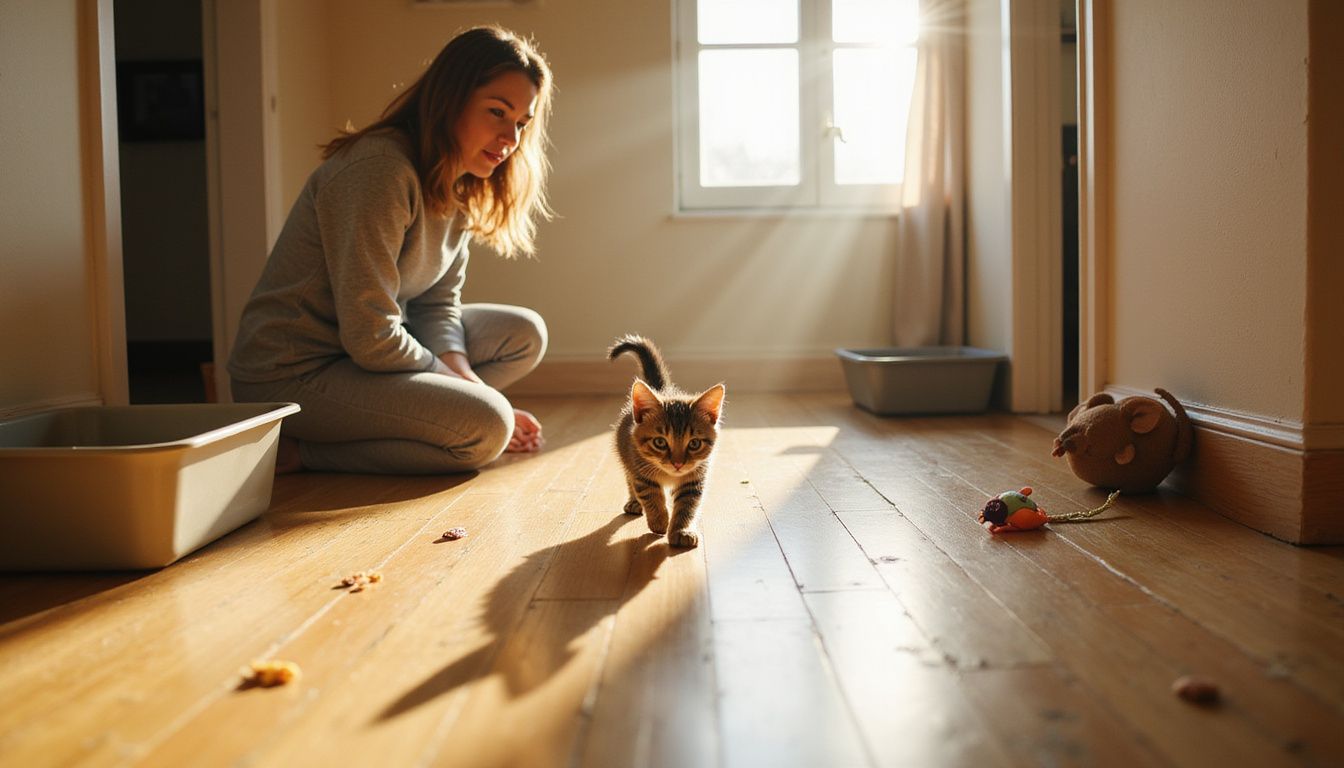
Your kitten needs time to master the litter box before exploring new spaces. Rushing this process leads to accidents and stress for both of you.
- Wait until around week four, once your kitten has a reliable litter box routine, before opening up new rooms.
- Add a second litter box when you expand her space. The American Association of Feline Practitioners recommends one box per cat plus one extra as the official clinical standard for preventing territorial stress, so this guideline carries real weight, not just internet folklore.
- Keep the original box exactly where it’s always been so your kitten can find it without a second thought.
- Introduce one new room at a time instead of opening the whole house at once. This keeps things manageable for indoor cats still building confidence.
- Watch closely for accidents after each expansion. They’re a clear sign she needs more time before you open up further.
- Scoop and clean every box daily across all locations, since consistency in hygiene matters just as much as consistency in placement.
Your kitten’s successful litter training depends on patience and careful observation during this expansion phase. Take it slow, and you’ll set the foundation for long-term success.
Conclusion
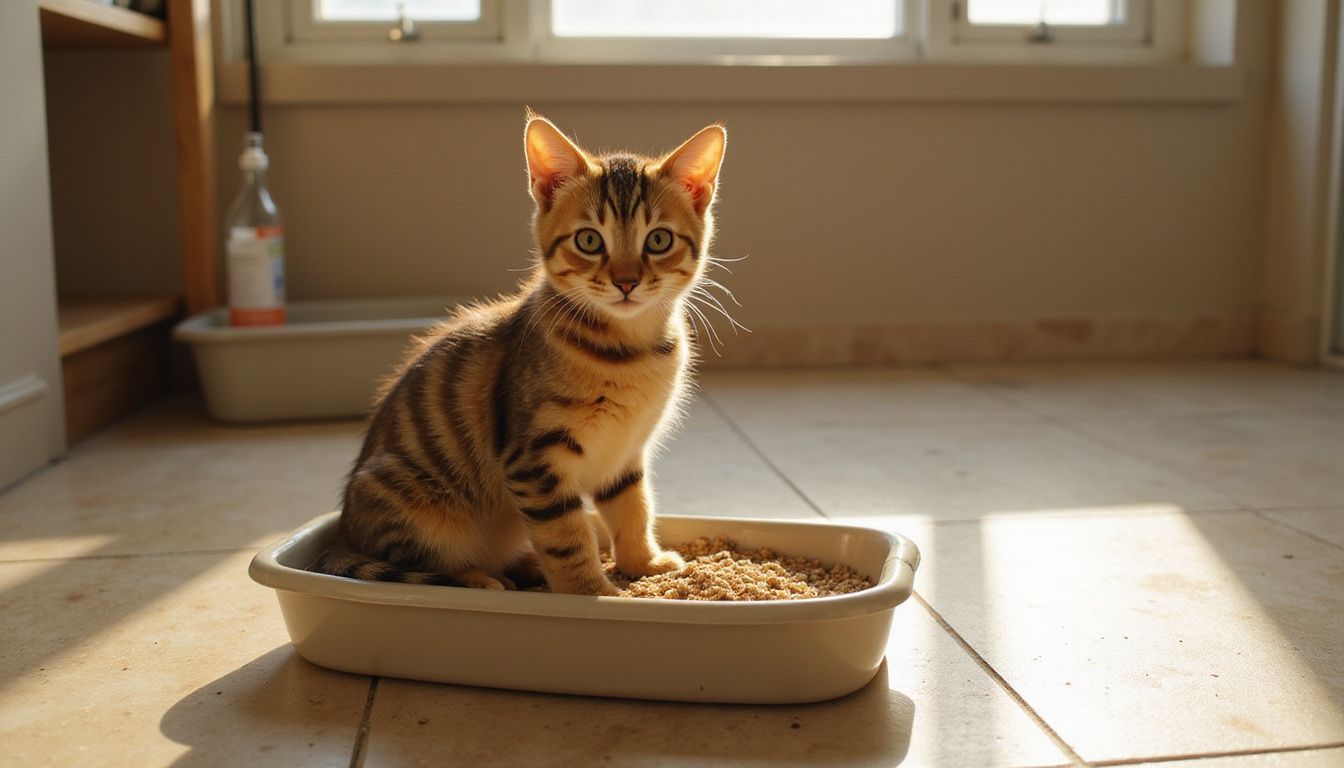
Litter training really comes down to three things: the right setup, a steady schedule, and a patient response to accidents.
Give your kitten a low-sided, unscented box in a quiet spot. Place her in it after meals, naps, and play. Skip the punishment and reach for an enzyme cleaner instead.
These steps work because they tap into your kitten’s natural instinct to dig and bury waste. Most kittens master the basics within days to two weeks.
Keep one litter box per cat plus one extra, watch for signs of urinary trouble, and loop in your veterinarian if accidents keep happening.
Do this, and you’ll end up with a clean home, a confident kitten, and the kind of bond that makes indoor cats such wonderful companions.
FAQs
How often should I be cleaning the litter box?
Scoop it daily, no excuses. Cats have over 200 million scent receptors, so they’re incredibly picky about cleanliness, and a dirty box is the number one reason they’ll start going elsewhere. Wash the whole box weekly with mild soap to keep odors and bacteria at bay.
What litter works best for training a kitten?
Boxiepro Deep Clean Clumping Clay Cat Litter is a solid choice for easy scooping and odor control. If your kitten seems hesitant, Boxiepro Glo Attract Clumping Clay Cat Litter can help guide them to the box with its scent-attracting formula.
My kitten keeps ignoring the litter box. What’s going on?
This usually points to a problem with the setup, not stubbornness. Cat behavior expert Matt Wildman notes that stress, a dirty box, or the wrong litter type are common culprits, so check with your vet or MyVCA to rule out health issues first.
Does nutrition affect litter training success?
Yes, it does. Good nutrition supports healthy digestion, which means more predictable bathroom habits and a kitten that’s much easier to train.
Should I worry about health costs while training my kitten?
It’s smart to think ahead. Cat health insurance can help cover surprises like dental care or checkups if litter troubles turn out to be medical, and the HSUS offers guidance on affordable pet care options.